



by Redazione 01/09/2026



Categories: Museums / Disclaimer
The Alto Garda Museum in Riva del Garda is developing an exhibition experience that combines accessibility with multisensory engagement, featuring tactile replicas, sign language videos, Easy-to-Read guides, music, and fabrics to touch, to make the museum’s collection accessible through sight, hearing, touch, and—in the future—smell.
The Museo Alto Garda in Riva del Garda (Trento) is working on a project to create an accessible, multisensory museum that aims to redefine the way its visitors engage with the collections. Director Matteo Rapanà aims to create a museum where spaces and artworks can be explored in diverse ways, capable of engaging different audiences and enriching the cultural experience for anyone who steps through the institution’s doors. This is not about creating separate itineraries reserved for people with disabilities, but rather about gradually rethinking the entire model of museum access. Engaging multiple senses thus becomes an additional channel of knowledge: a tool designed to meet a specific need can become a resource for all visitors. This approach aims to go beyond the traditional concept of accessibility—understood simply as the removal of architectural barriers—and reinterpret it as an opportunity to experience cultural heritage through diverse means.
The projects presented this year are part of a reflection initiated by the MAG in recent years on the various ways of accessing its content. As early as the spring of 2025, educational materials and resources had been developed for diverse audiences, ranging from families to scholars to first-time museum visitors. The direction taken is that of an institution that does not offer a single way to visit, but provides various ways to engage with its collections.


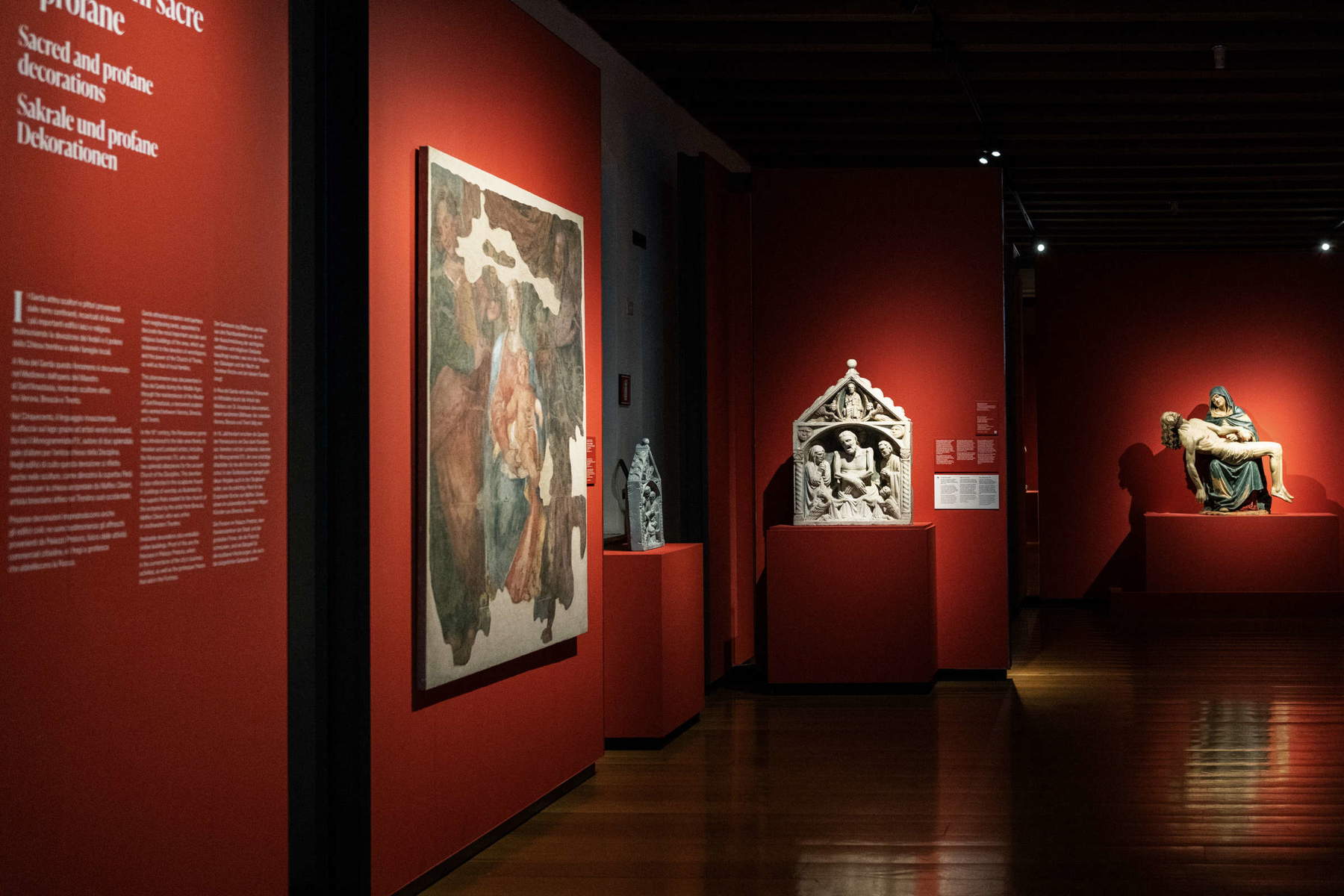
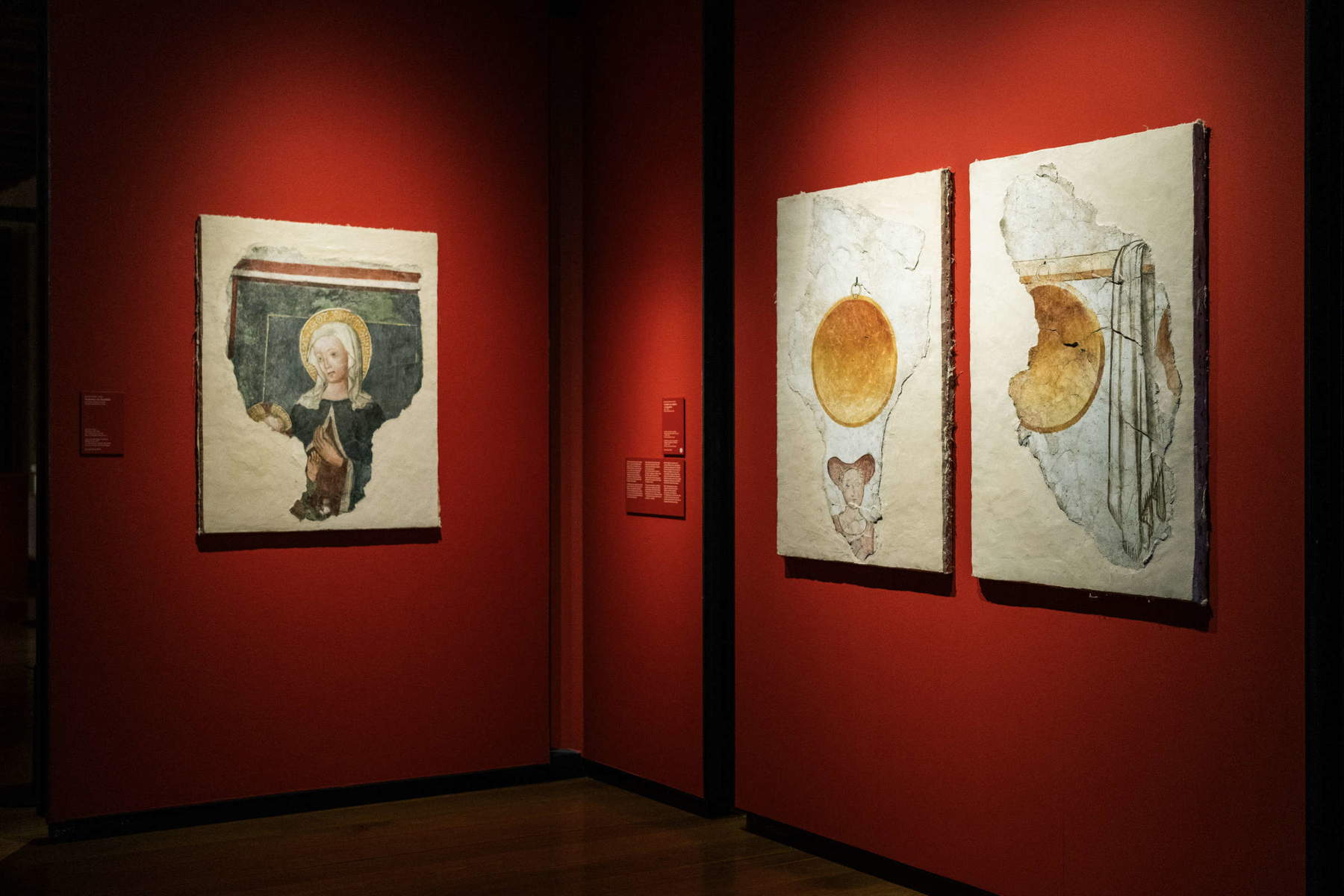
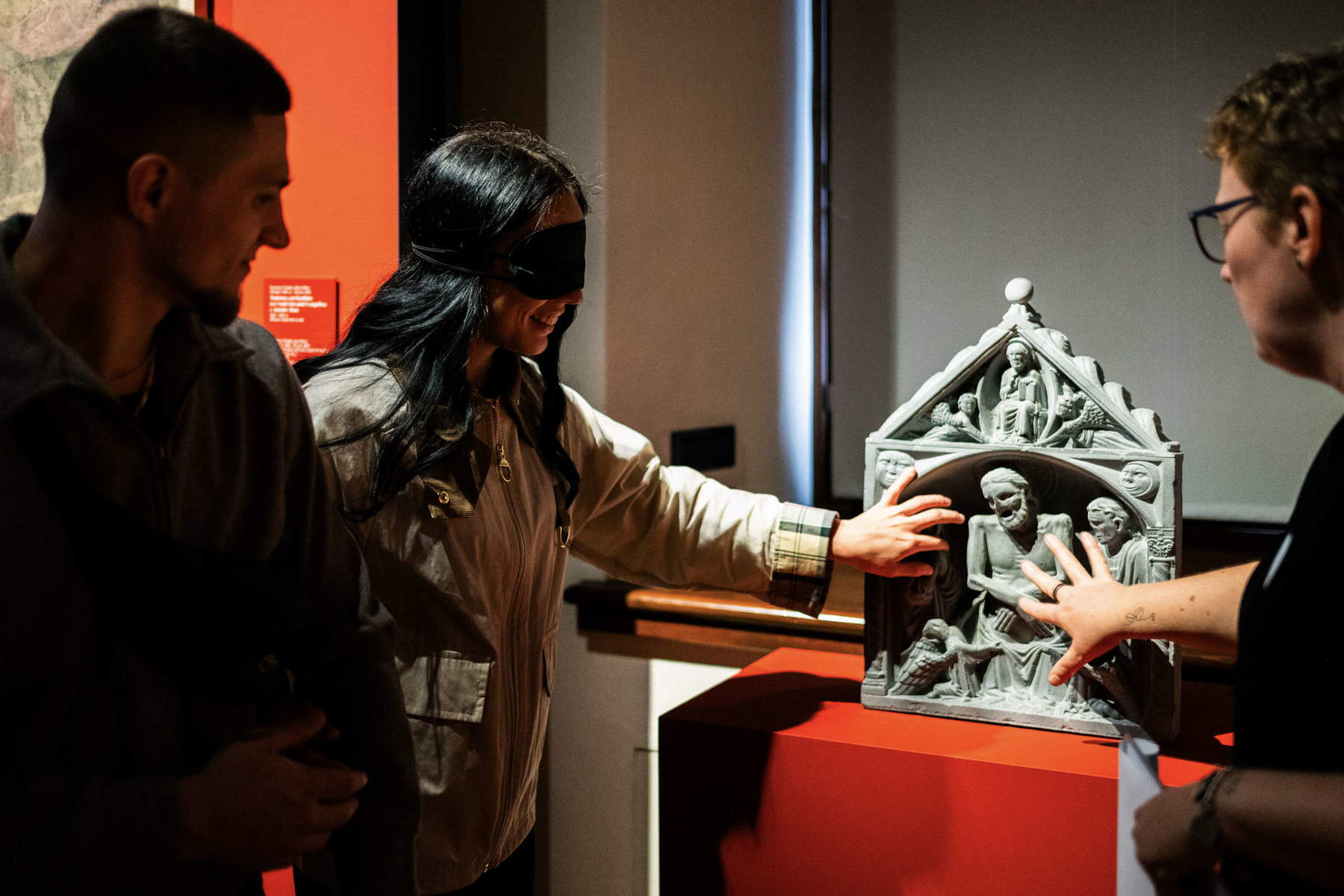
The museum’s exhibition unfolds along two interconnected yet distinct paths: on the one hand, there is the focus on accessibility, supported in particular by the project “Museo Alto Garda without Barriers: Accessible, Interactive, and Multilingual Cultural Experiences,” made possible thanks to funding obtained through the Caritro Foundation’s “Digitale per la Cultura 2024” call for proposals. On the other hand, research on multisensory experiences is taking shape, carried out through collaborations with local organizations and private entities, which allows the visit to also incorporate hearing, touch, and smell. The project supported by the Caritro Foundation arose from a network of collaborations that brought together diverse expertise in the fields of technology, culture, and social services. Partners involved include MITAG, the Italian Historical War Museum in Rovereto; the companies Suggesto, FunnelArt, and PromFacility for technological and production aspects; as well as organizations specializing in the field of disability, such as ANFFAS, AbilNova, and ENS (the National Association for the Deaf). This network of expertise has made it possible to take action on several fronts, combining digital tools, new content, and training and awareness-raising activities. The goal has been to make the Alto Garda Museum’s collection more accessible, focusing not only on how information is conveyed but also on the training of the people who help shape the visitor experience.
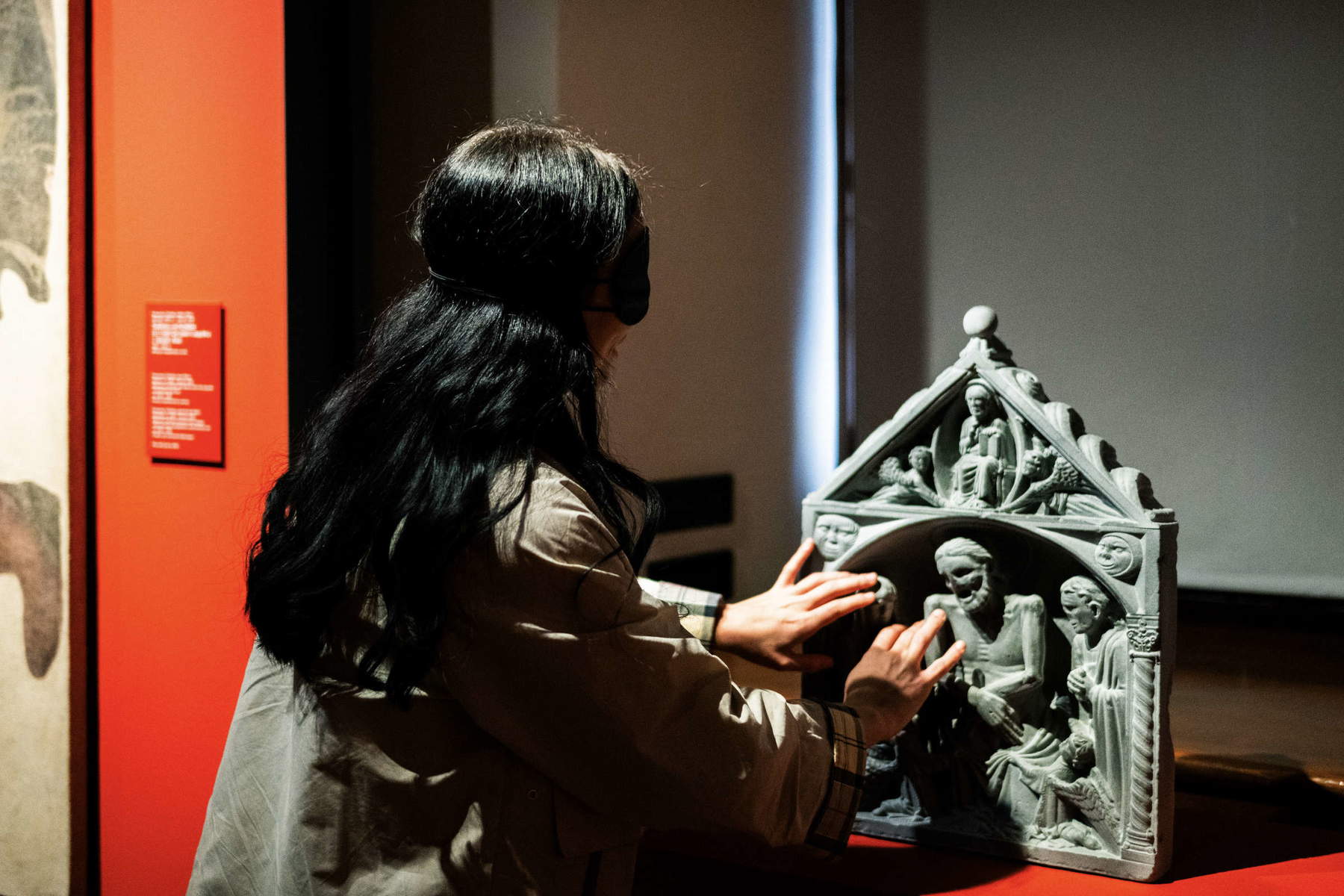
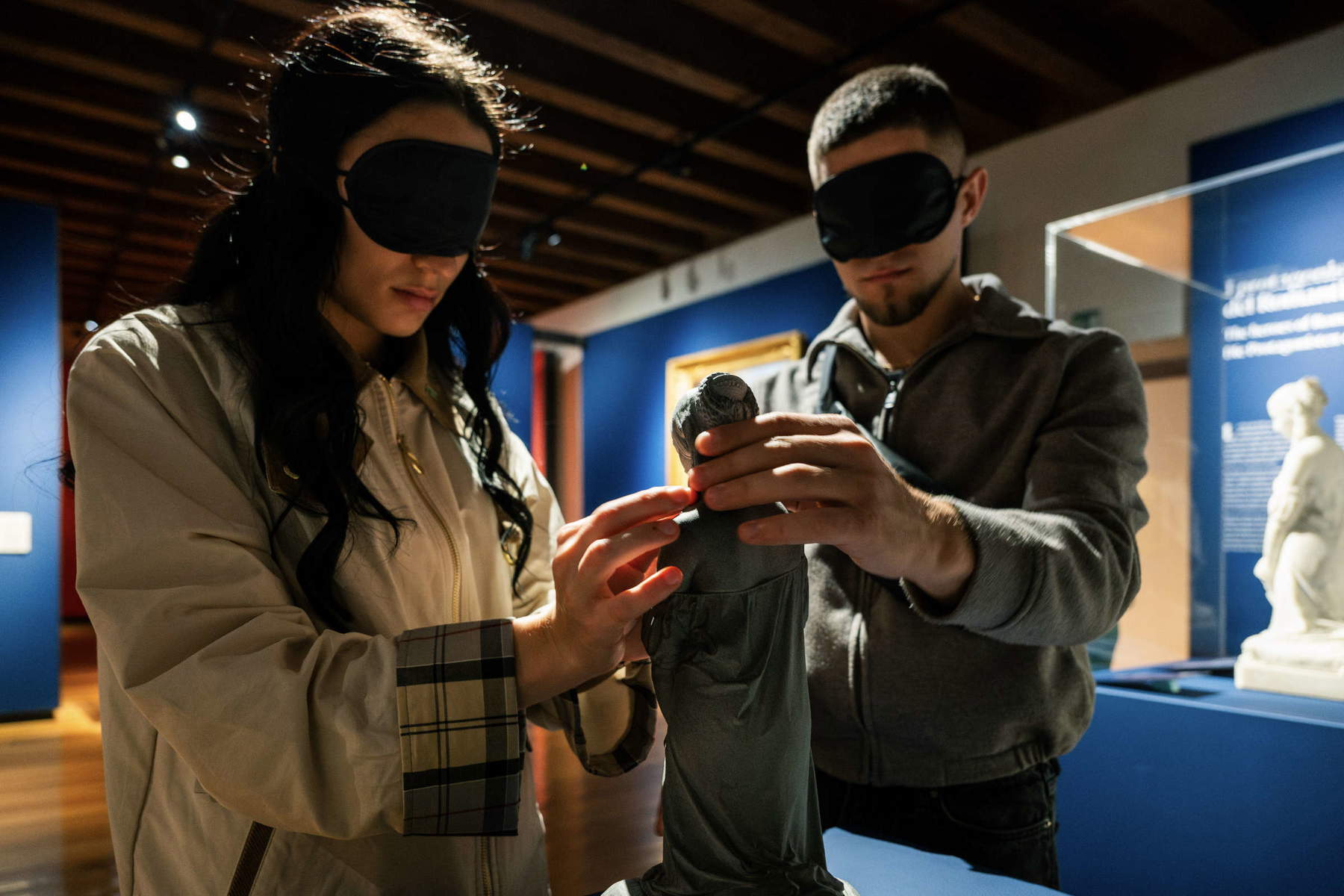
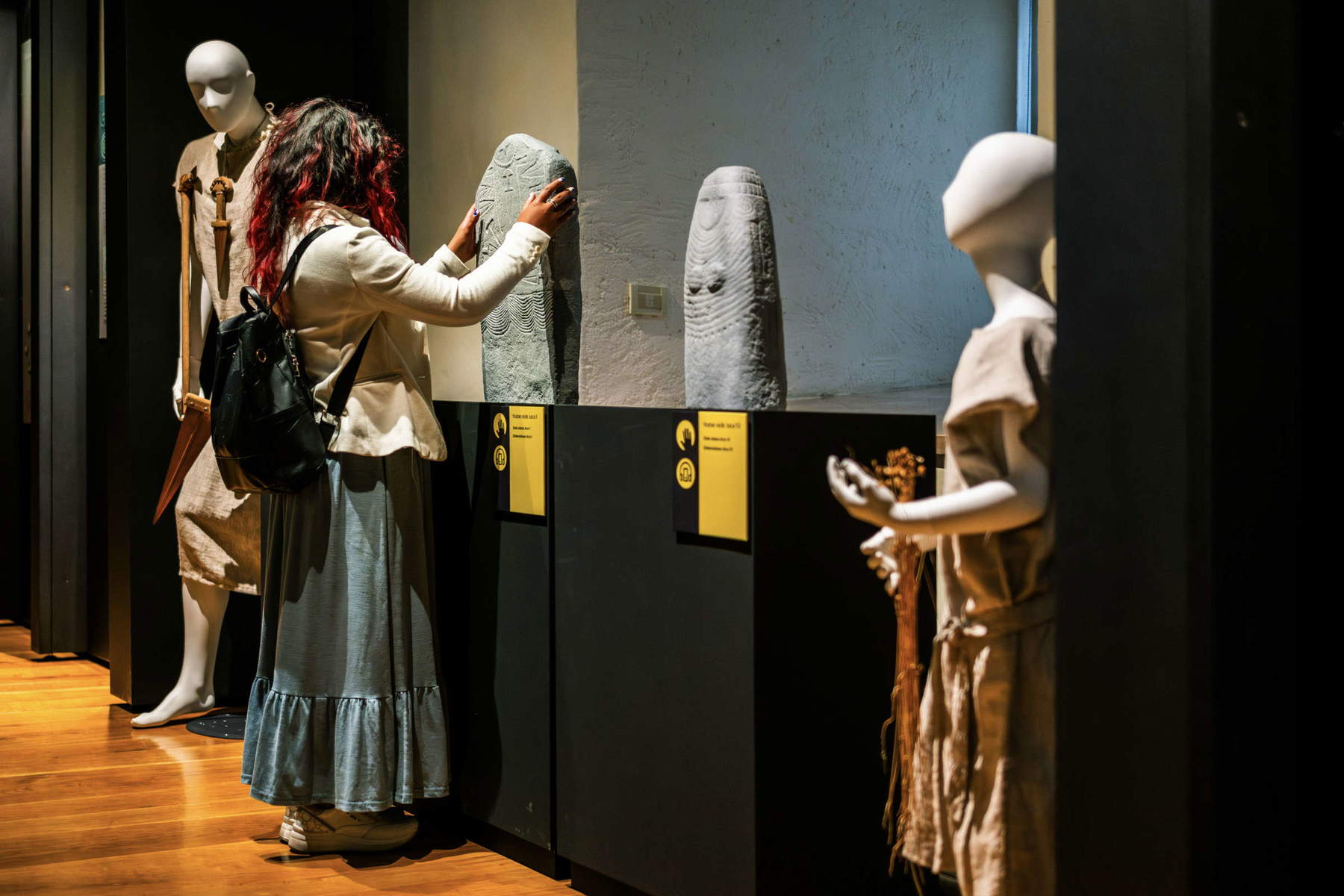
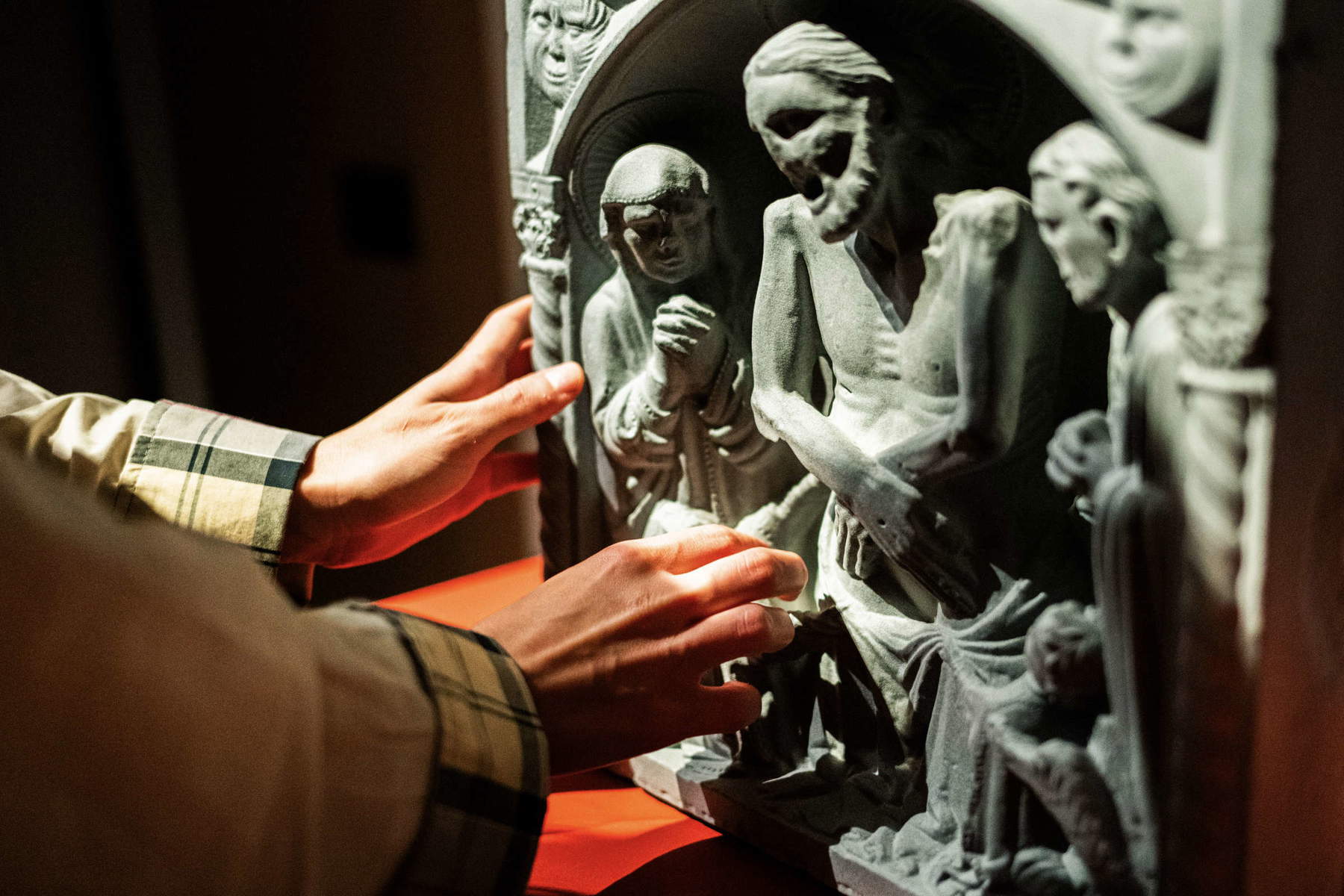
Among the initiatives carried out, the development of the MobiCult app stands out—designed as a tool to guide visitors in exploring the museum’s collections and spaces—as well as the creation of a virtual tour that allows people to engage with the MAG’s collection even from a distance, offering an alternative way to visit. Also particularly significant are the tactile replicas of statues and archaeological artifacts housed in the museum, created using laser scanning and 3D-printed from nylon powder, with dimensions and a level of detail designed to be explored through touch. The project also included the production of videos in sign language, which make part of the content accessible to the deaf, and the creation of a guide written in Easy-to-Read language, designed to facilitate understanding for people with intellectual disabilities. These initiatives are part of a vision of accessibility that goes beyond simply adapting existing content, but rather explores which tools can truly enable people with diverse needs to engage authentically with cultural heritage.
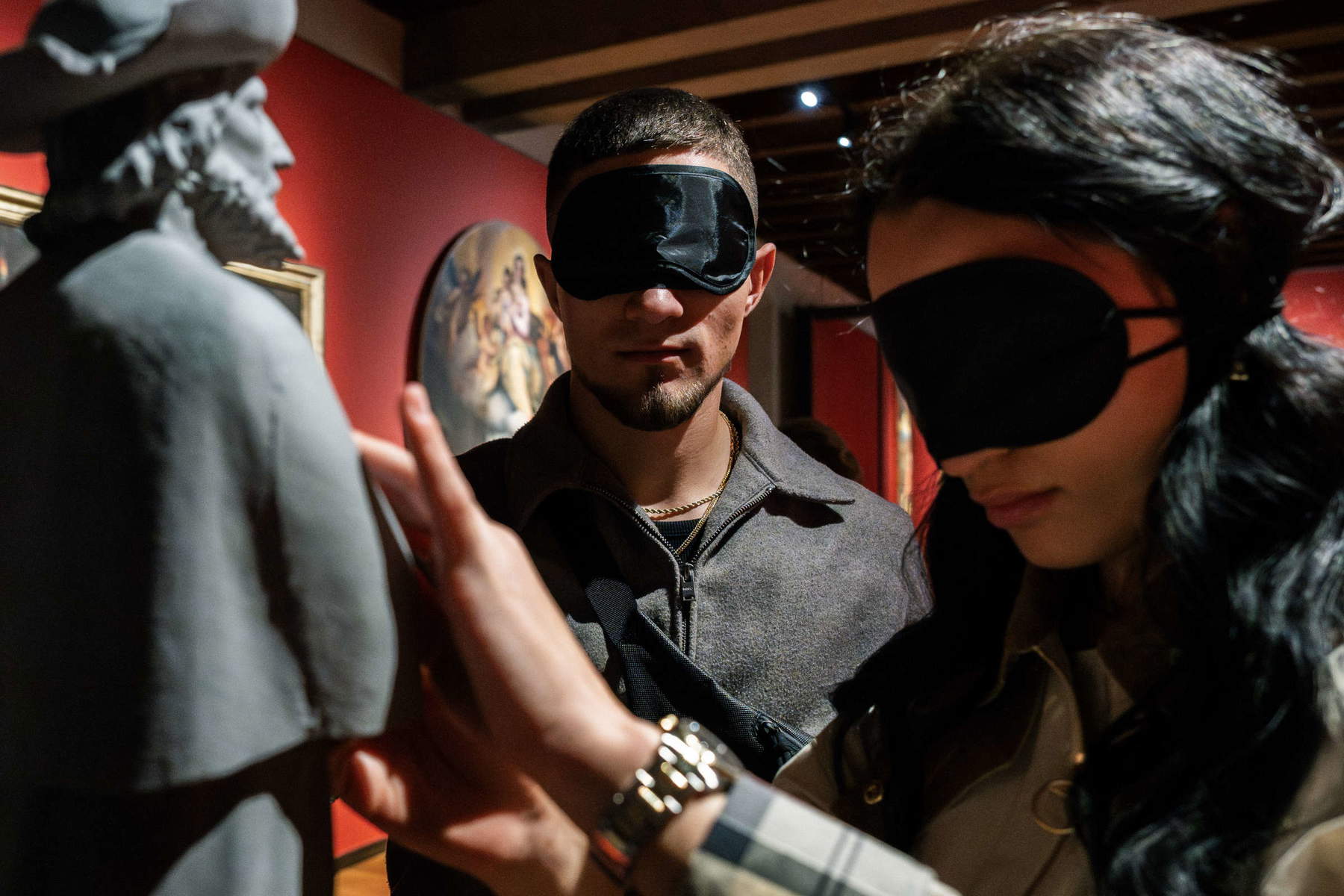
Co-design played a central role in this process, understood as a working method that directly involves the people concerned in defining solutions. From this perspective, accessibility is not conceived solely for a select few, but is built together with those who will use the tools made available.
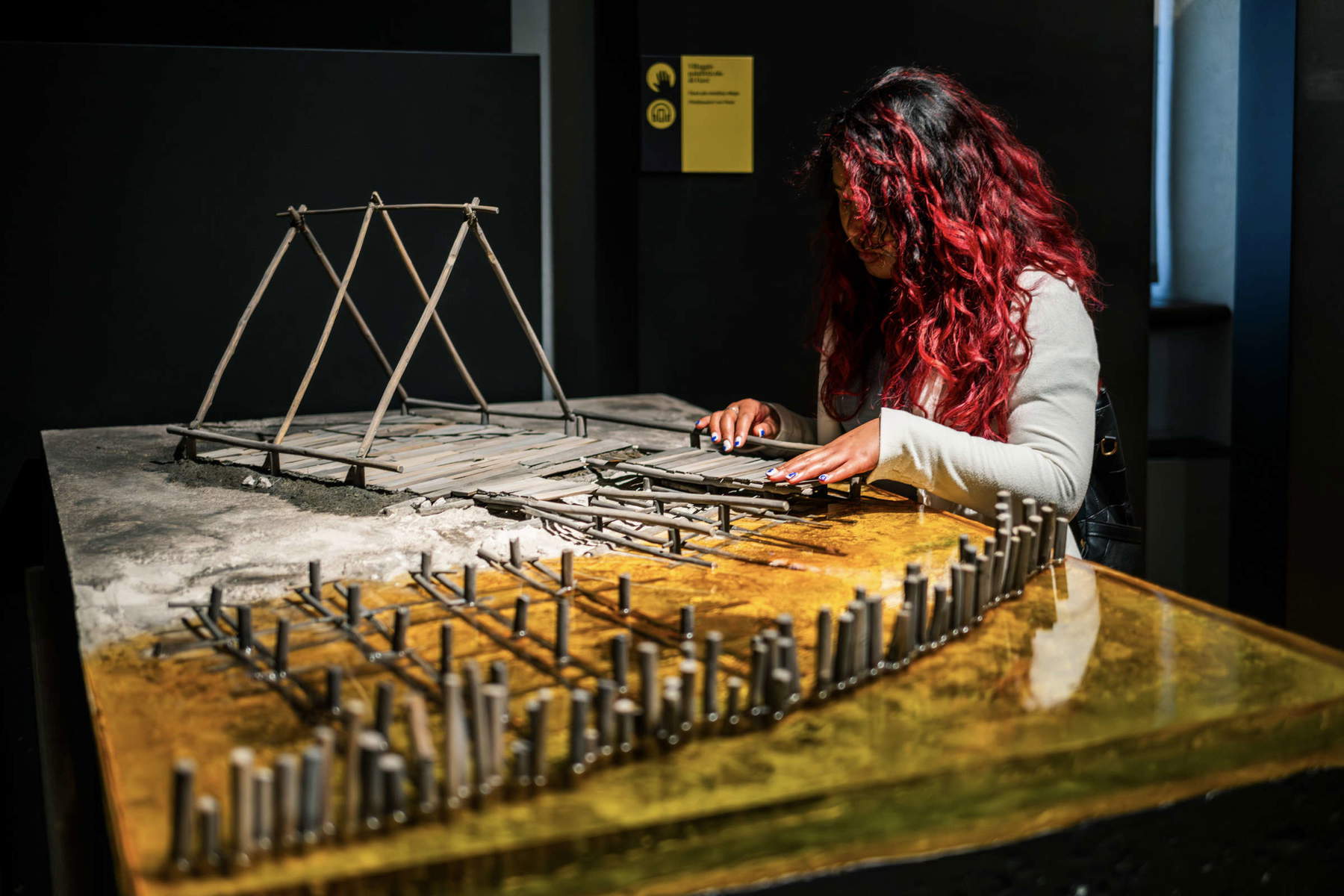
The project, supported by Caritro, also included a collaboration with the Andrea Maffei High School for Science and Classics in Riva del Garda. The students participated in a training program on 3D printing techniques and in an awareness-raising initiative on the topic of visual impairment, which led to the creation of a 3D model of the Rocca di Riva del Garda, the museum’s home. The model serves as a concrete example of how technology can become a tool for accessibility: the three-dimensional reproduction allows users to explore the Fortress’s shape and certain architectural elements through touch, offering blind and visually impaired people an alternative way to experience a monument that is usually perceived primarily through sight. The value of the initiative, however, extends beyond the final result: the project with the students also had an educational dimension, as engaging with the needs of blind people meant that the students learned to design an object while taking into account, from the very beginning, modes of perception other than sight.
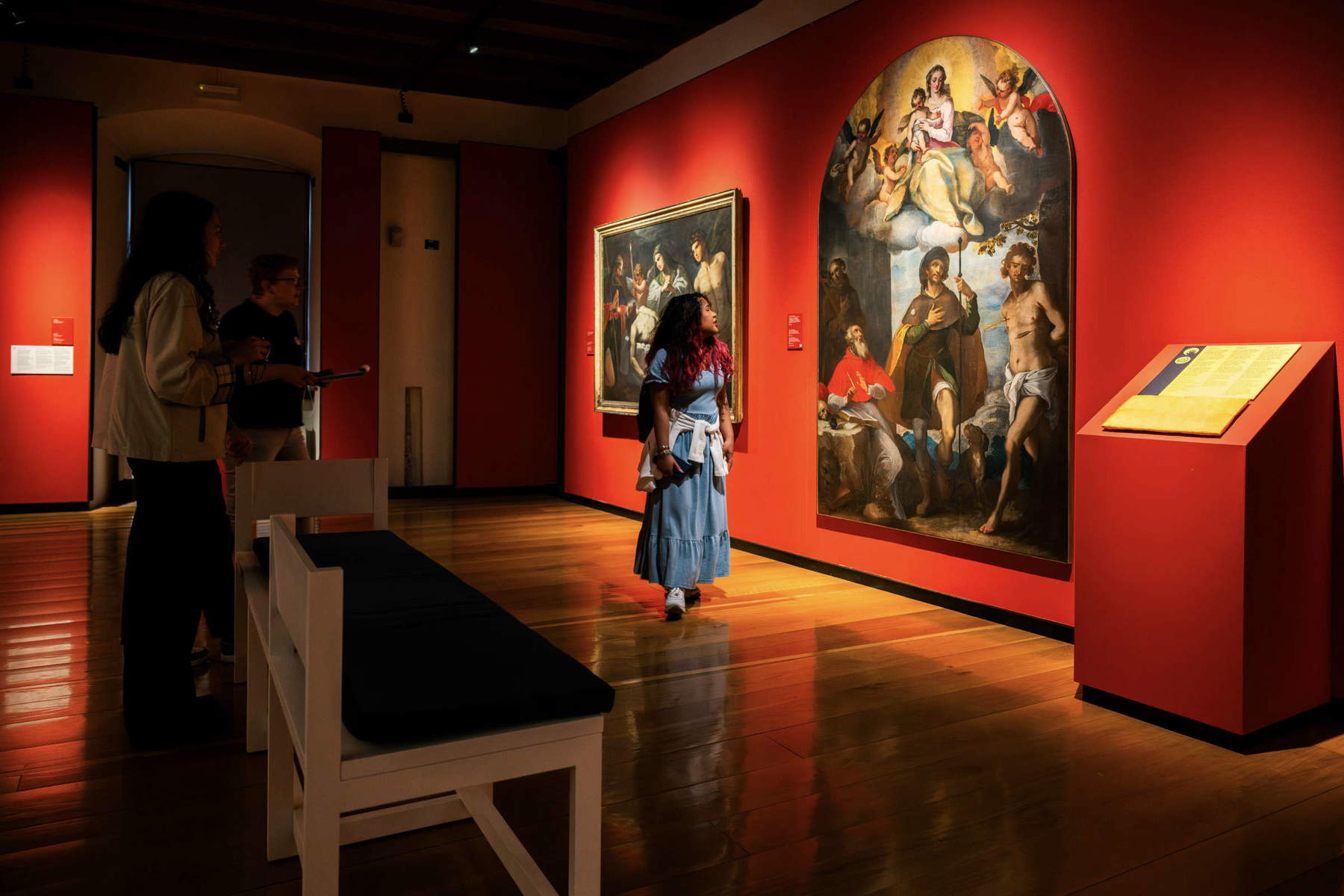
It is precisely at this juncture that the work on accessibility intersects with the museum’s second major initiative: multisensory engagement. The underlying idea is that a museum need not necessarily be a place where cultural heritage is experienced almost exclusively through sight: a work of art, an object, or a historical setting can also be explored through sound, touch, smell, and the sensations these elements evoke. Music is one of the areas where this approach has already been put into practice, thanks to a collaboration with the Francesco Antonio Bonporti Conservatory of Music in Trento and Riva del Garda. The pieces composed by students at the Riva del Garda campus serve as a lens through which to interpret our heritage—not merely background music for a visit, but an interpretive tool capable of adding an additional layer to the experience. Listening can, in fact, help create atmospheres, suggest eras and contexts, evoke places, and enhance the understanding of historical or artistic content.
In the historic halls of the Pinacoteca, for example, the works of Tomás Luis de Victoria and Giovanni Pierluigi da Palestrina recall the original connection between images and liturgy, evoking a world in which altarpieces, devotional sculptures, and other sacred works were not merely observed but experienced within a community and as part of ritual practice. In the section dedicated to the 19th century, on the other hand, the music of Mauro Giuliani allows visitors to immerse themselves in the cultural atmosphere of chamber music and Hausmusik, the domestic musical practice widespread in private settings of the time: the Serenade in A major, Op. 19, engages with the nineteenth-century salon culture and the interplay between painting, music, and literature that characterized the world of artists and intellectuals of the time. This approach can be particularly meaningful for those who rely on hearing rather than sight, though it is not designed exclusively for this audience: “listening to a museum” simply adds another dimension to the experience.
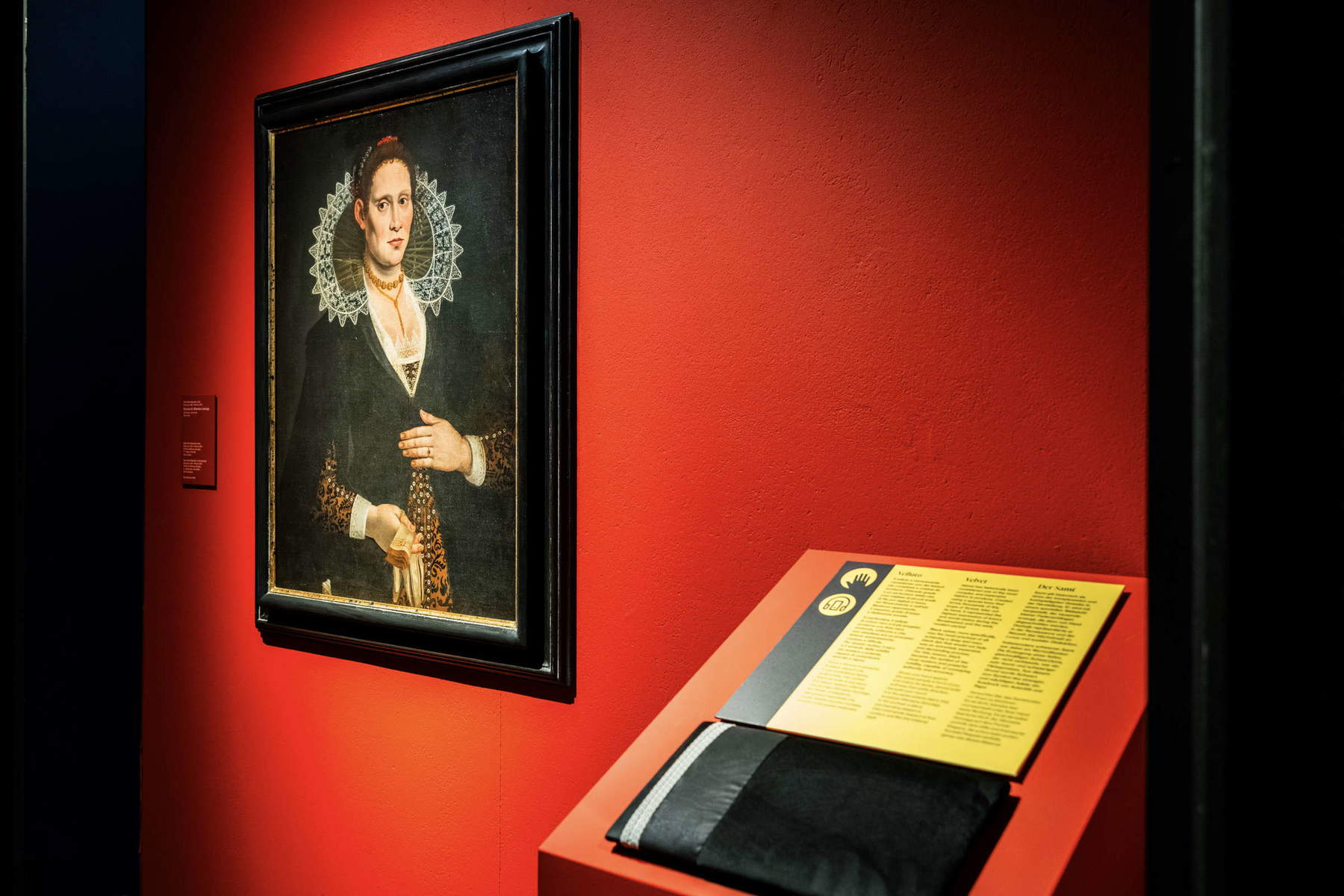
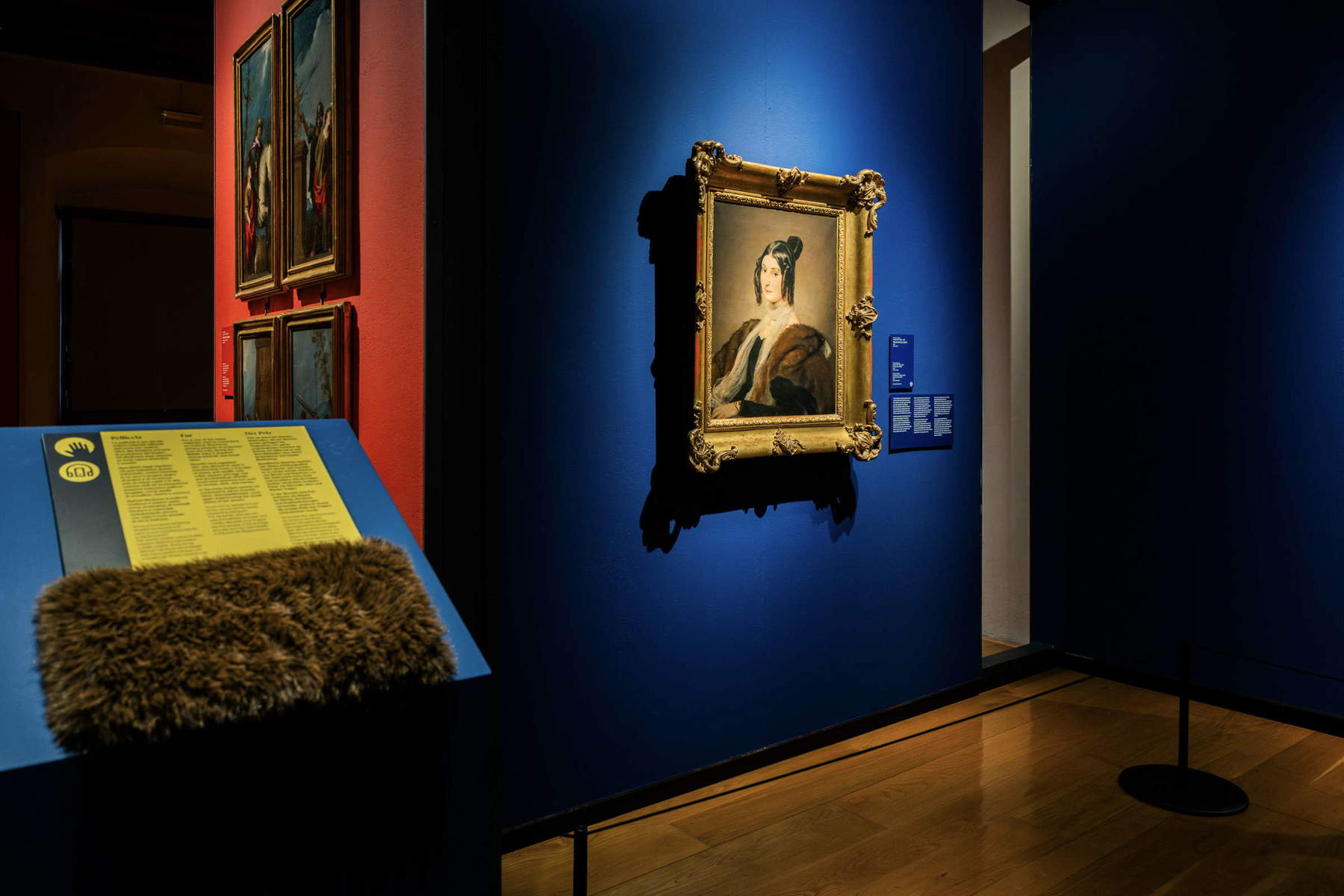
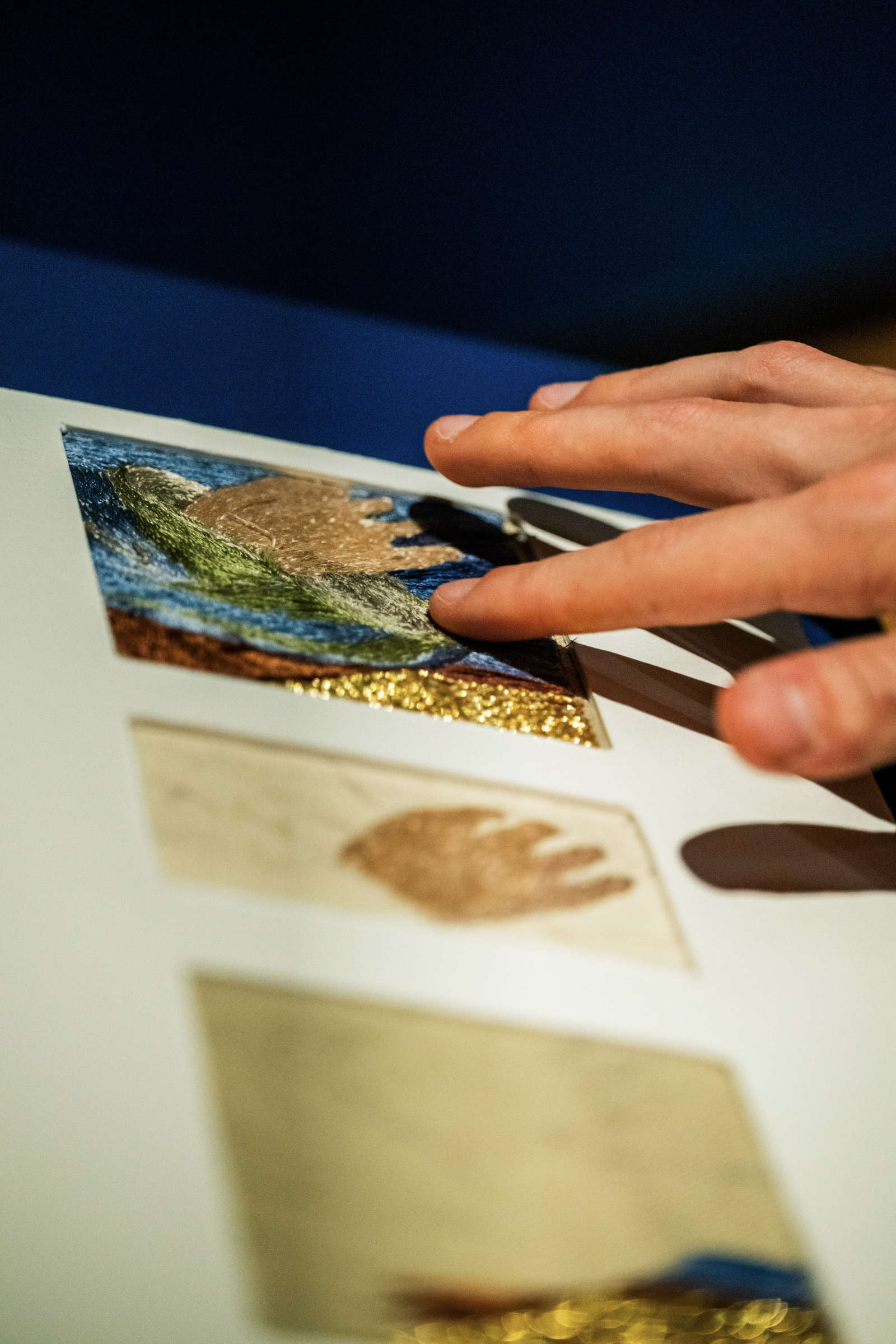
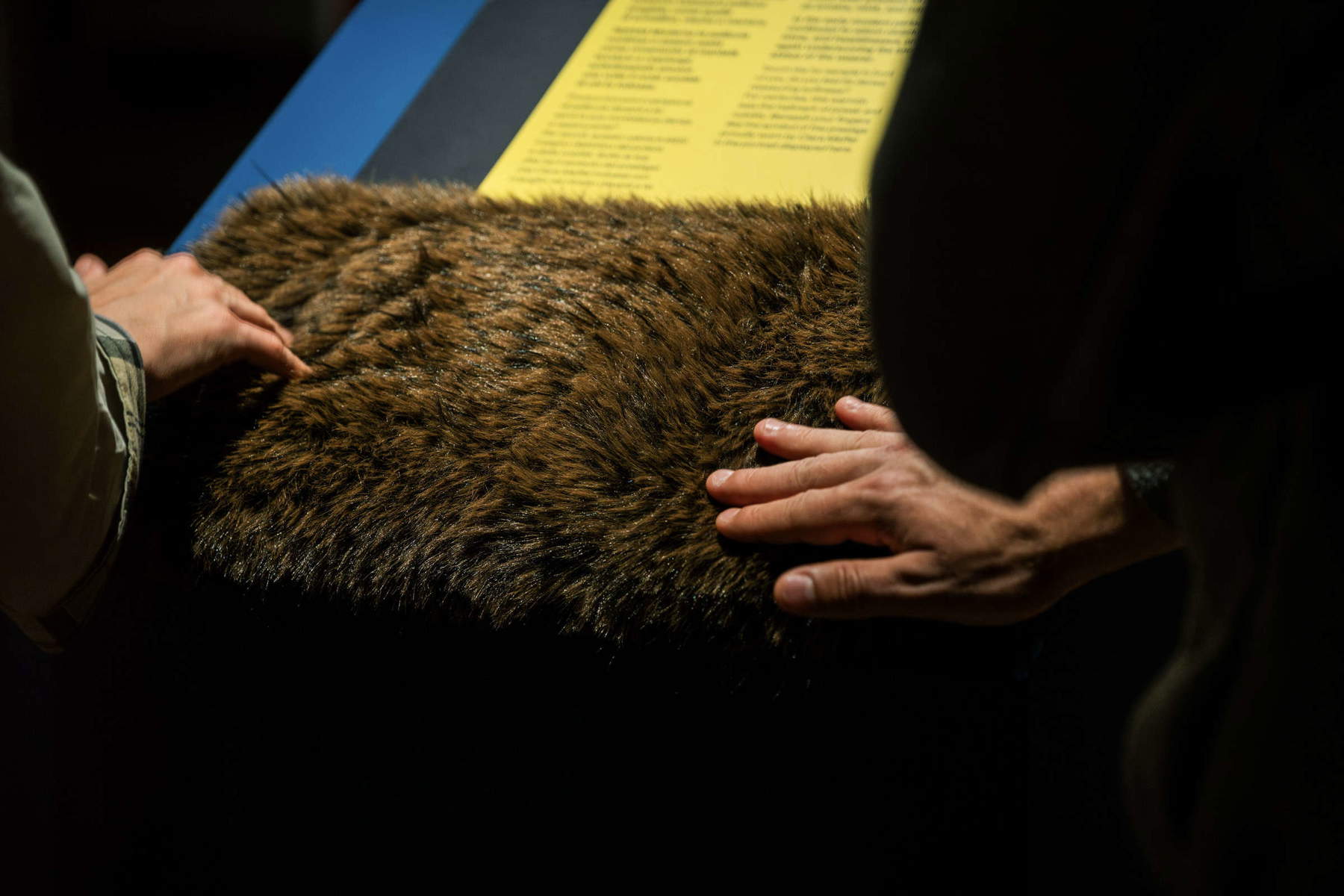
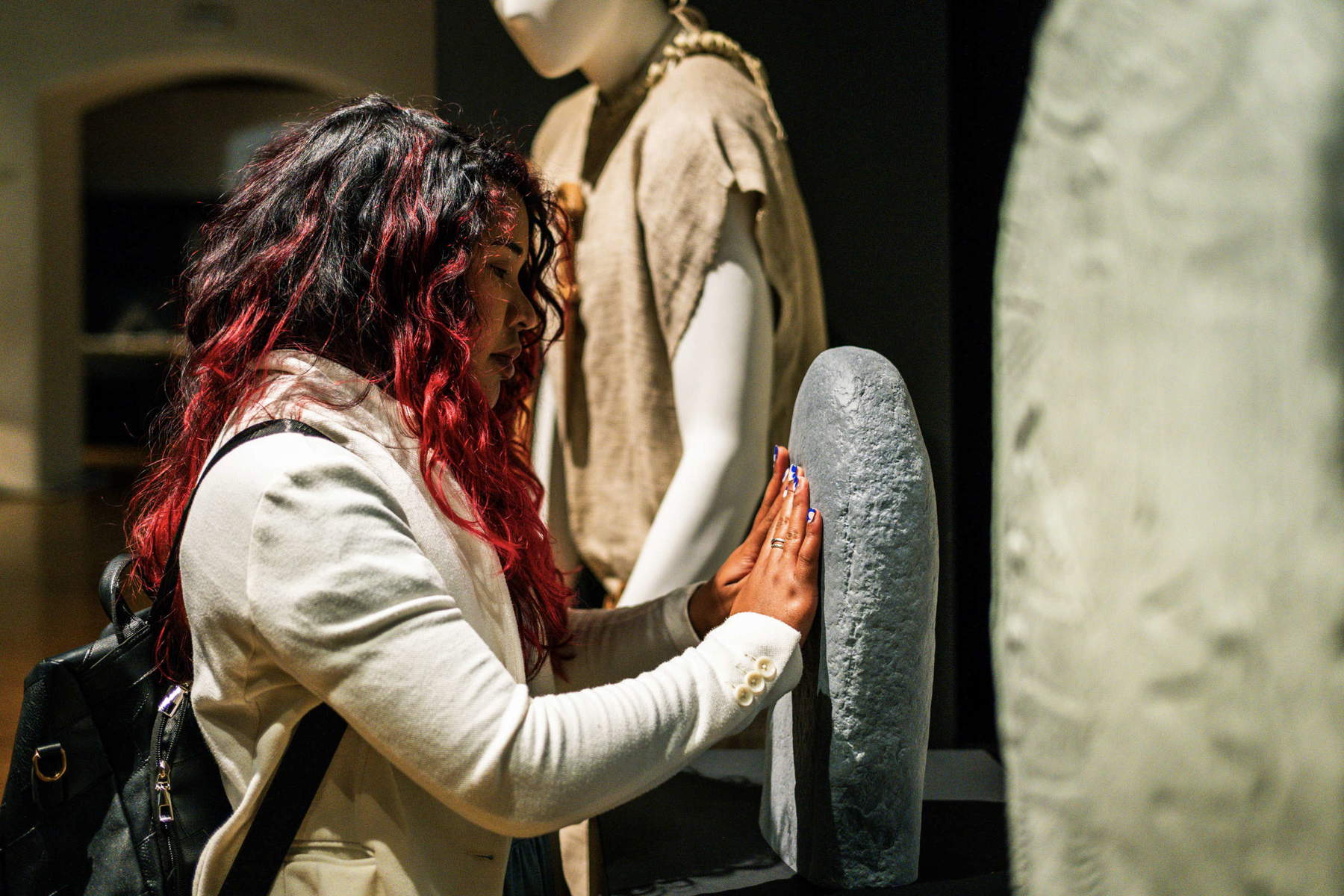
The same principle applies to touch. Along the MAG’s exhibition route, replicas of historical textiles have been created thanks to a collaboration with textile restoration expert Katia Brida, with the aim of conveying, through tactile perception, certain characteristics of the materials and their craftsmanship. Dedicated tactile stations have been set up where visitors can touch the fabrics worn by the most significant figures portrayed in the museum’s art gallery: silk, velvet, embroidery, furs, and wool—materials that visitors would normally perceive only through their depiction in the paintings. The artist seeks to convey their softness, sheen, texture, weight, or ability to reflect light through colors, brushstrokes, and contrasts; the project takes this a step further by pairing the actual material with the pictorial representation. This allows for a better understanding not only of how a painter depicts a fabric but also of what that fabric represented in the society that used it, as it could signify wealth, power, social status, devotion, profession, elegance, or everyday life.
The reference to textiles helps us understand the project’s overall logic: there is no single tactile experience, because different materials evoke different sensations. A fabric’s texture, softness, or stiffer feel, the weave of its surface, and the variety of its finish all become pieces of information capable of telling a story about an object even beyond its image. Here, too, the experience is not intended solely for the blind: the opportunity to touch a replica and recognize its texture can be interesting for any visitor, precisely because it opens up a mode of understanding that is usually unavailable in museum collections.
The journey toward an increasingly multisensory museum does not end with music and touch. The next step involves the sense of smell, a sense particularly powerful in its ability to evoke environments, eras, and memories. The MAG has already developed a project dedicated to this dimension, currently in the implementation phase, with the aim of identifying scents and olfactory stimuli capable of contributing to the narrative of the collections and spaces. In fact, the sense of smell can establish a different connection to the past than that created by an image or a text: a scent can immediately evoke a setting, a daily routine, a material, or a specific atmosphere.
The common thread running through all these experiences is the Museo Alto Garda’s commitment to avoiding a clear distinction between resources designed for people with disabilities and those intended for the rest of the public. Accessibility certainly remains an essential necessity: a blind person must be able to find tools that allow them to learn about and understand the heritage; a deaf person must be able to access content through appropriate means; and those with mobility challenges or other specific needs must be able to experience the museum without encountering barriers. But the MAG’s goal goes further, aiming to transform accessibility tools into opportunities for shared experiences.
A three-dimensional model designed to allow a blind person to explore the Rocca can become an interesting way for anyone to understand its structure through touch. A textile replica created to make materials and craftsmanship perceptible to those who cannot see them offers everyone a more tangible understanding of the object. Music can guide those who are blind, but it also enriches the experience of those who can see. A future olfactory tour could serve as a tool for accessibility and, at the same time, a new way of interpreting cultural heritage.
This is the direction in which the Museo Alto Garda is working: an accessible and, at the same time, multisensory museum, in which the diversity of ways of perceiving the world does not constitute a source of division, but rather an added value for the entire community. The ultimate goal, therefore, is not to create a “special” museum reserved for certain categories of visitors, but an institution capable of offering multiple pathways to culture, allowing everyone the opportunity to choose, use, and combine different modes of exploration.
|
| The Alto Garda Museum is developing an accessibility and multisensory program |
Warning: the translation into English of the original Italian article was created using automatic tools. We undertake to review all articles, but we do not guarantee the total absence of inaccuracies in the translation due to the program. You can find the original by clicking on the ITA button. If you find any mistake,please contact us.