


by Redazione 29/10/2026


Categories: Museums / Disclaimer
The Nivola Museum in Orani is expanding the “Nivola vis-à-vis” project with two exhibitions dedicated to the work of Ruth Guggenheim, Bruno Munari, and Regina Cassolo Bracchi. The permanent collection will also be reorganized.
Two new exhibition itineraries offer a deeper exploration of Costantino Nivola’s work and the artistic connections that shaped his career. The Nivola Museum in Orani, in the province of Nuoro, continues “Nivola vis-à-vis,” the program conceived by director Chiara Gatti to explore lesser-known aspects of the Sardinian sculptor’s work and relate them to the trends, figures, and cultural contexts with which he came into contact.


Following the opening in July 2026 of the exhibition *Nivola, Colombo, and the Space Around*, from November 29, 2026, to March 21, 2027, the museum will present two new exhibitions: *Ruth Guggenheim Nivola: Light Sculptures* and *Munari and Regina: Concrete Affinities*. These will be accompanied by *Collection: Chapter One—Andando*, a re-staging of the permanent collection that offers new interpretations of the works held by the museum.
The program also ties in with the major retrospective *Costantino Nivola: Sculpting the Wind*, curated by Cecilia Alemani and hosted at the Triennale di Milano from November 11, 2026, to February 14, 2027, to which the Nivola Museum is contributing significant loans.


Ruth Guggenheim Nivola: The Lightness of Sculpture
Curated by Chiara Gatti, *Ruth Guggenheim Nivola: Light Sculptures* brings renewed attention to the figure of Ruth Guggenheim (1917–2008), wife of Costantino Nivola and an artist with an independent and original artistic vision. Held in the spacesof the Ex Lavatoio, the exhibition brings together works from the collection of the artist’s heirs in Boston, offering an opportunity to rediscover a body of work that remains relatively unknown.


Guggenheim was a visionary experimenter, capable of creating jewel-like sculptures that straddle the line between ornament and work of art. Her creations evoke ancient traditions—from Greek and Etruscan archaeology to the ritual jewelry of Sardinia—reimagined through abstract compositions and formal solutions that recall the aesthetics of miniature theater and furniture. Her work also reveals parallels with that of key figures such as Louise Nevelson, Sophie Taeuber-Arp, and Claire Falkenstein. Alongside the sculptures, the exhibition will feature the artist’s preparatory drawings, sketchbooks, and portraits in pencil and charcoal. The exhibition will also feature a painting and a full-figure sculpture by Costantino Nivola, both of which have never before been shown to the public.
The exhibition thus serves as a tribute to a leading figure in abstract art, who was biographically linked to Nivola yet capable of developing her own artistic identity. The catalog, published by Allemandi, includes essays by Matteo Meschiari, Claire Nivola, and Teresa Kittler. Anna Pirisi is the curator.
Munari and Regina: The Dialogue Between Art, Design, and Space
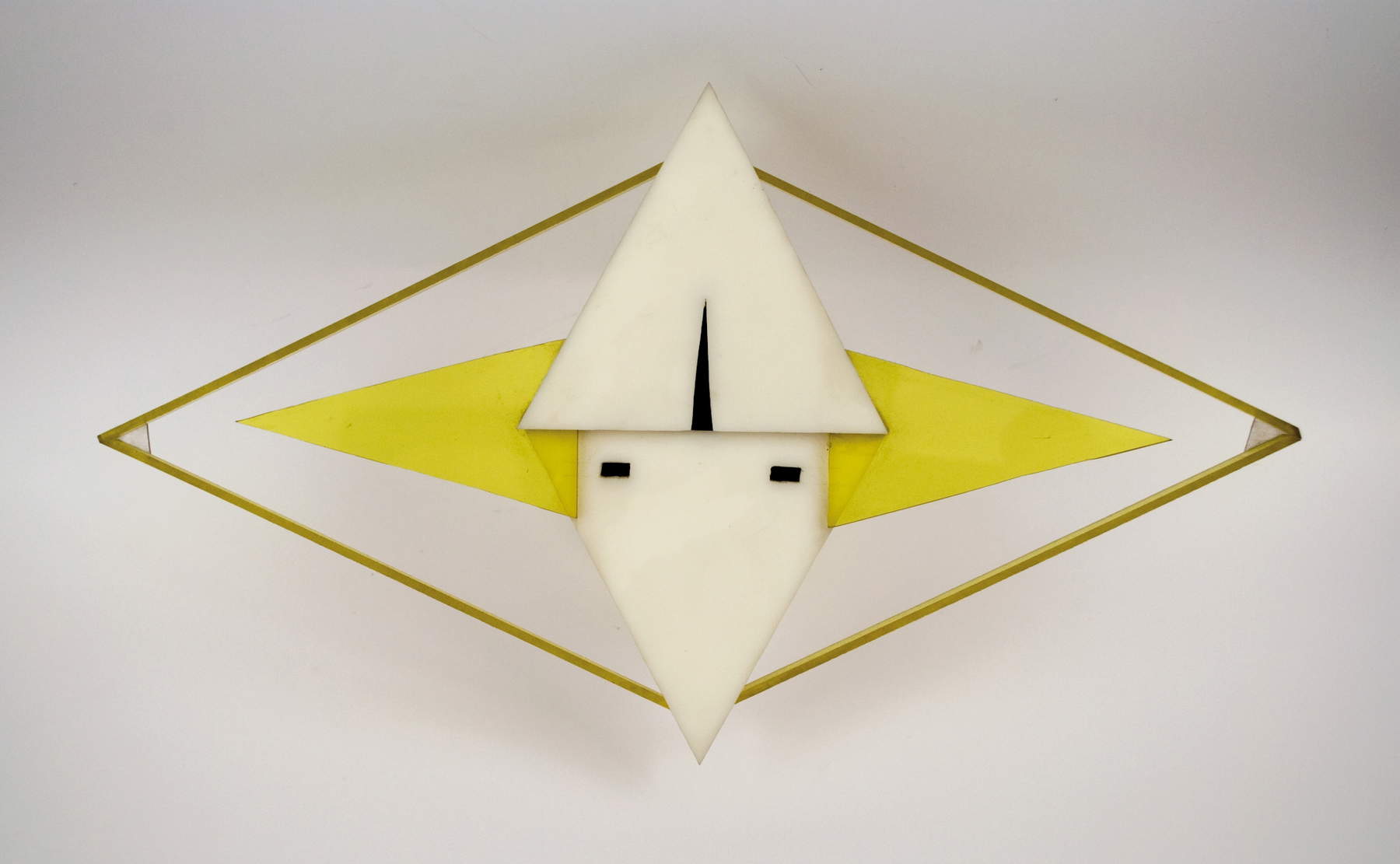
The second exhibition, Munari and Regina: Concrete Affinities, curated by Lorenzo Giusti and Chiara Gatti, compares the work of Bruno Munari (1907–1998) and Regina Cassolo Bracchi (1894–1974), two figures who contributed to the experimental era of Italian art in the post-World War II period. Through a selection of works, the project explores themes that remain relevant today: transcending disciplinary boundaries, the relationship between art and pedagogy, the environmental dimension of artworks, and the connections between artistic research and design. The experiments developed by the two artists between the late 1940s and the early 1960s in fact foreshadow central issues in contemporary practices, ranging from modularity to the mobility of forms, to the idea of the artwork as an open system and the social function of art.
The exhibition also highlights the relationship between Munari, Regina, and Costantino Nivola. The three artists participated in the Second Rome Quadriennale in 1935 and, the following year, in the International Exhibition of Stage Design organized as part of the Sixth Milan Triennale. Their research shares an interest in construction, the decomposition of forms, and experimentation with space.
A significant connection also emerges from their respective academic careers. In 1954, Nivola founded the Design Workshop at Harvard University, introducing a teaching method inspired by the legacy of the Bauhaus and the freedom of experimentation. In 1967, Munari was invited to teach at the same university, taking over Nivola’s chair and addressing similar themes related to the aesthetic experience in living spaces and the synthesis of the arts.
The exhibition thus highlights a shared conception of art as an experience capable of transforming environments and contributing to the development of a collective sensibility. The project is organized in collaboration with the Bruno Munari Archive, the Regina Archive, the Corraini Archive, and the Repetto Gallery. The catalog, published by Lenz, includes texts by the curators and a historical-critical essay by Nicoletta Boschiero, a member of the museum’s Scientific Committee. Rosella Sedda serves as the project coordinator.
The permanent collection is being renewed
The program “Collection. Chapter One. Andando” is complemented by a redesign born of the need to reorganize the permanent exhibition following the loan of numerous works by Costantino Nivola to the Milan Triennale for the exhibition *Scolpire il vento*. Curated by the staff of the Nivola Museum, with consultation from architect Alessandro Floris and designer Leonardo Sonnoli, the new exhibition design does more than simply replace the temporarily absent works. The project serves as an opportunity to explore the museum’s storage collections, highlight works not previously exhibited, incorporate new donations from the artist’s heirs, and construct alternative narratives about the artist’s body of work.
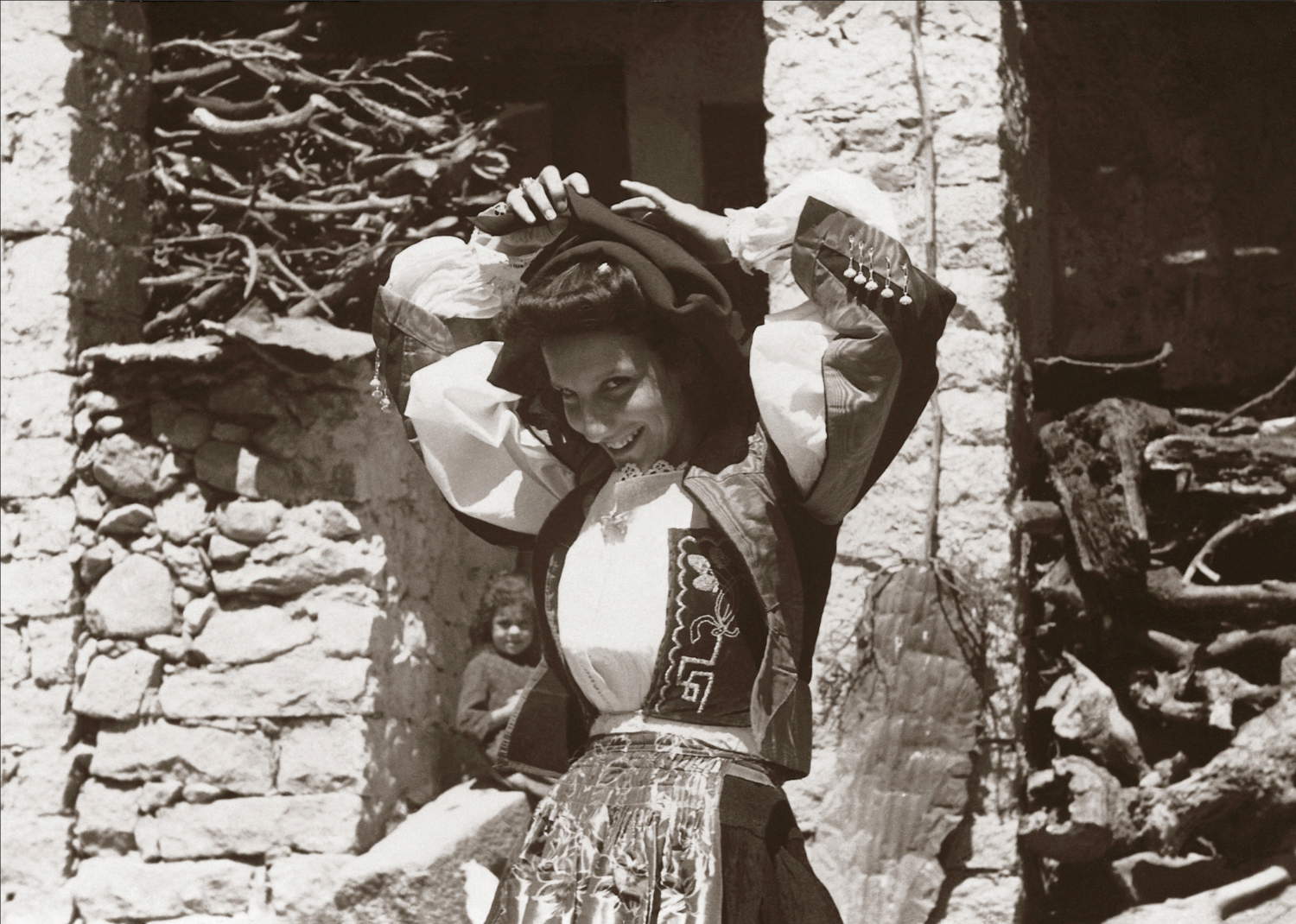
The exhibition itinerary connects the various techniques and artistic languages experimented with by Nivola, bringing to light less obvious connections between his artistic explorations. Particular attention is given to photography, which takes center stage in a separate section conceived as an exhibition within the exhibition.
Thanks to a collaboration withthe Ilisso Archive, the public will be able to view for the first time a large collection of photographs taken by Nivola in Orani in the early 1960s. The images document the town’s streets, its inhabitants, its hidden corners, the hilly landscape, and the imposing presence of the talc quarry, offering a personal perspective on the artist’s hometown.
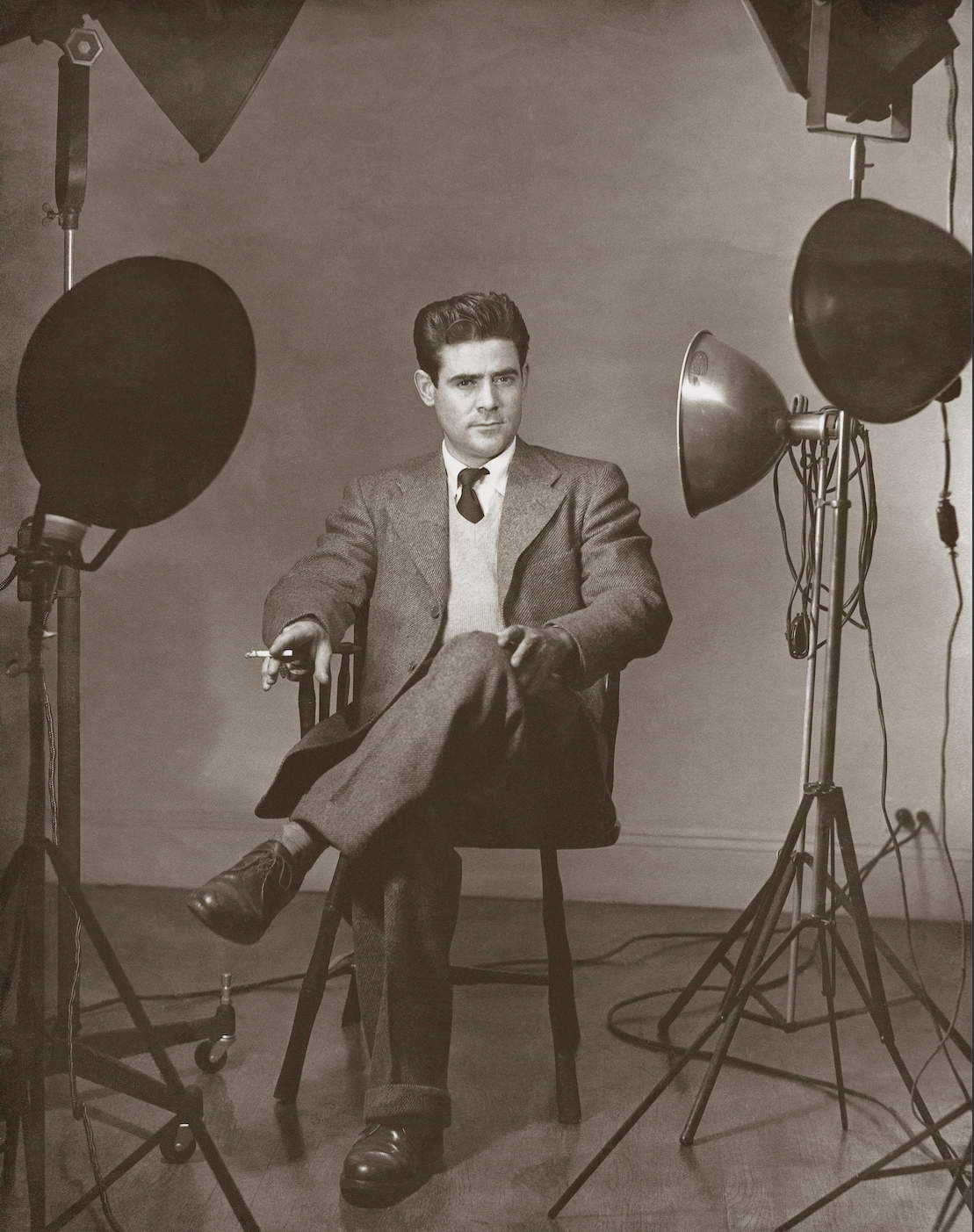
The new exhibition layout serves as an example of tactical museography: a temporary and dynamic solution that takes advantage of the absence of certain works to create new relationships and bring to the forefront of the narrative parts of the collection that have thus far remained on the margins. Alongside Nivola’s works, pieces by Munari and Regina will also be featured, integrated into the exhibition to generate unexpected juxtapositions and dialogues.
Through these three initiatives, the Nivola Museum thus renews its perspective on the figure of Costantino Nivola, expanding the narrative of his artistic exploration through comparison with other artists, the rediscovery of little-known works, and a reinterpretation of the permanent collection. This program weaves together biographies, experimentation, and memory, demonstrating how the relationships between art, design, and space continue to offer new keys to interpreting the heritage of the 20th century.
|
| The Nivola Museum is reorganizing its collection and dedicating two new exhibitions to Ruth Guggenheim, Munari, and Regina |
Warning: the translation into English of the original Italian article was created using automatic tools. We undertake to review all articles, but we do not guarantee the total absence of inaccuracies in the translation due to the program. You can find the original by clicking on the ITA button. If you find any mistake,please contact us.