



by Redazione 21/07/2026



Categories: News / Disclaimer
A spokesperson for the European Commission announced that the 2 million euro EU grant for the Venice Biennale will be revoked. The decision follows the reopening of the Russian Pavilion. According to Brussels, EU funds must support democratic values.
The European Union will revoke the 2 million euro grant allocated to the Venice Biennale for the 2026–2028 period. The announcement was made a few hours ago by European Commission spokesperson Thomas Regnier, who confirmed to the Brussels correspondent of European Pravda—a Ukrainian daily focused on European issues—that the EU grant would be permanently discontinued. The decision was reportedly made based on the outcome of the legal assessment conducted by the European Commission and the recommendations issued by the Commission to the European Education and Culture Executive Agency (EACEA), the European Education and Culture Executive Agency, following the conclusion of the procedure launched in recent months after the reopening of the Russian Federation Pavilion at the 2026 Venice Biennale.
“Culture funded with European taxpayers’ money must safeguard democratic values, promote open dialogue, diversity, and freedom of expression—values that are not respected in today’s Russia,” stated Thomas Regnier, explaining the reasons that led to the permanent revocation of funding.


The decision marks the latest development in a saga that began in the months leading up to the opening of the Biennale, when the Foundation’s decision to once again allow Russia’s participation sparked strong reactions from both European institutions and the Ukrainian government. The 2026 edition of the Venice Biennale opened in May with Russia’s return to the event for the first time since the 2022 invasion of Ukraine. After the outbreak of the war, the Russian Pavilion had not participated in the Venice Biennale, amid widespread international protest against Russia’s military aggression. The decision to once again allow the Russian Federation’s participation—albeit on a reduced scale compared to editions prior to the conflict—had sparked immediate controversy.
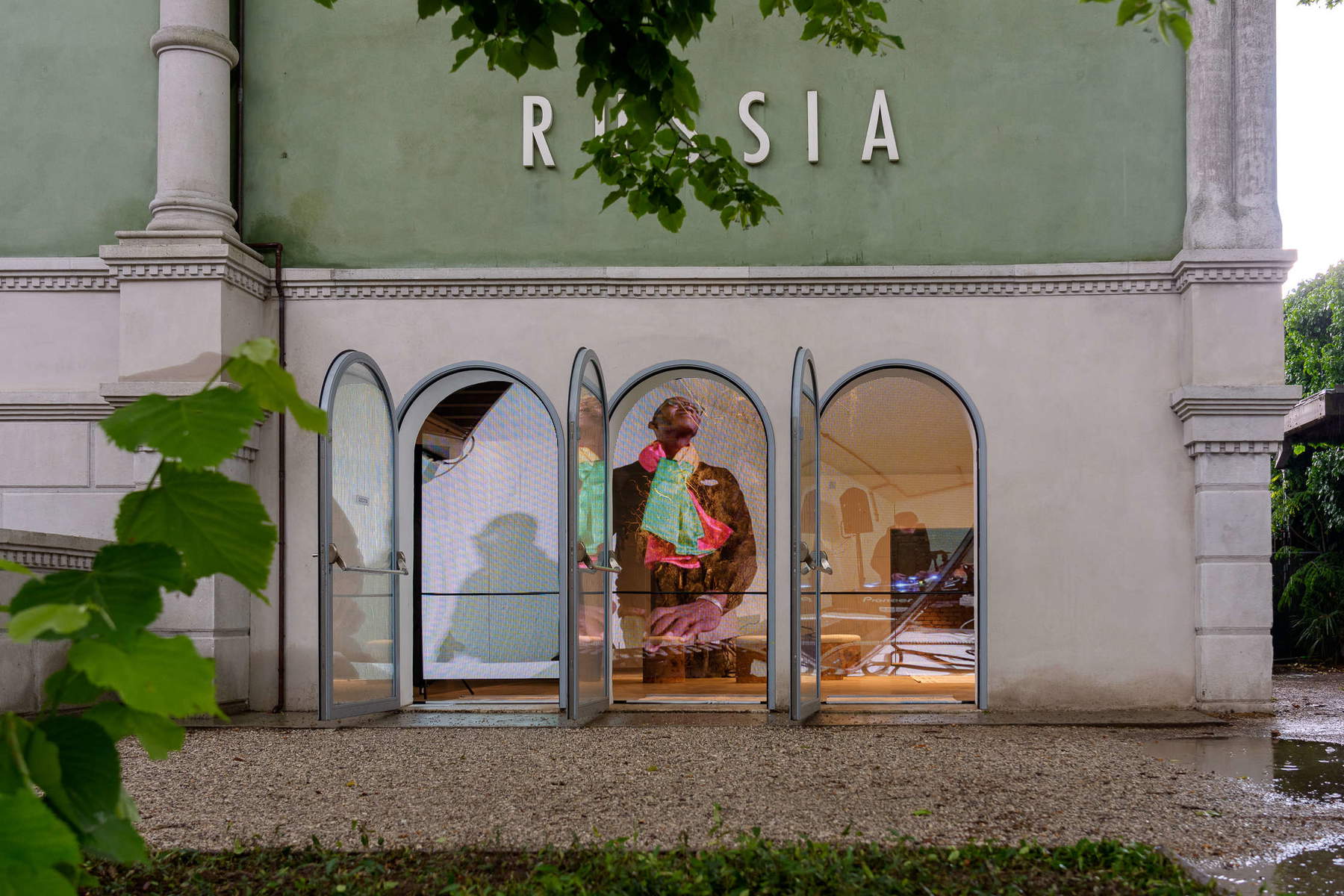
The La Biennale di Venezia Foundation has consistently defended this decision by invoking the institution’s founding principles, arguing that the Biennale was established in the spirit of openness, dialogue, and the rejection of any form of exclusion or censorship. The procedure that, according to Regnier’s announcement, will lead to the revocation of European funding was formally initiated by the European Commission following statements by the president of the La Biennale Foundation, Pietrangelo Buttafuoco, who had confirmed the reopening of the Russian Pavilion for the 2026 edition.
Following those statements, the EACEA sent an official communication to the Foundation raising the possibility of suspending or revoking the European funding allocated for the 2026–2028 period. In the first phase of the proceedings, Brussels had granted the Biennale thirty days to revise its position or to submit comments and justifications deemed sufficient to justify the decision to reopen the Russian pavilion. At the same time, the European Commission had requested further official clarification regarding the true nature of Russia’s participation in the event, in an effort to gather all the information necessary to assess the matter.
Meanwhile, more than twenty European countries had called for the Russian Federation to be barred from participating in the Venice Biennale, further intensifying political pressure on EU institutions and the event’s organizers. The Ukrainian government had also issued a direct appeal to the La Biennale Foundation, urging it to reconsider the decision and to maintain the policy adopted between 2022 and 2024, when the Russian pavilion had been excluded from the exhibition following the invasion of Ukraine.
A key development in the matter occurred on July 11, when the European Commission officially recommended that the EACEA proceed with the withdrawal of funding. That decision was announced by the European Commission’s Executive Vice President, Henna Virkkunen, in a message posted on the X platform. In her statement, Virkkunen explained that the Commission had concluded its assessment of the explanations provided by the Biennale, deeming the justifications offered by the Venetian institution insufficient to warrant the reopening of the Russian Pavilion.
“The Commission officially recommends that the EACEA suspend the two-million-euro grant to the Venice Biennale,” Virkkunen wrote. “This follows a careful assessment of the responses provided by the Biennale to justify the reopening of the Russian Pavilion. Culture in Europe, funded by taxpayers’ money, should promote and safeguard democratic values. These values are not respected in today’s Russia.”
The Commission’s recommendation was the natural next step in the procedure that began in late April, when the EACEA had formally notified the Foundation of the possibility of suspending or revoking the EU grant. At that stage, Commission spokesperson Thomas Regnier had clarified that although the funding had been allocated, it had not yet actually been disbursed. “Not a single euro” had been paid to the Biennale, the European spokesperson had emphasized at the time. The absence of any payments already made thus allowed the EACEA to permanently terminate the grant without seeking repayment of any funds already received. With the decision announced today, the recommendation issued by the European Commission is therefore set to take effect.
The decision also reaffirms the European Commission’s stance toward cultural institutions that receive EU funding, and aims to reaffirm the principle that the Union’s financial support is closely linked to respect for democratic values, freedom of expression, dialogue, and diversity—which the Union considers the foundation of its cultural policies.
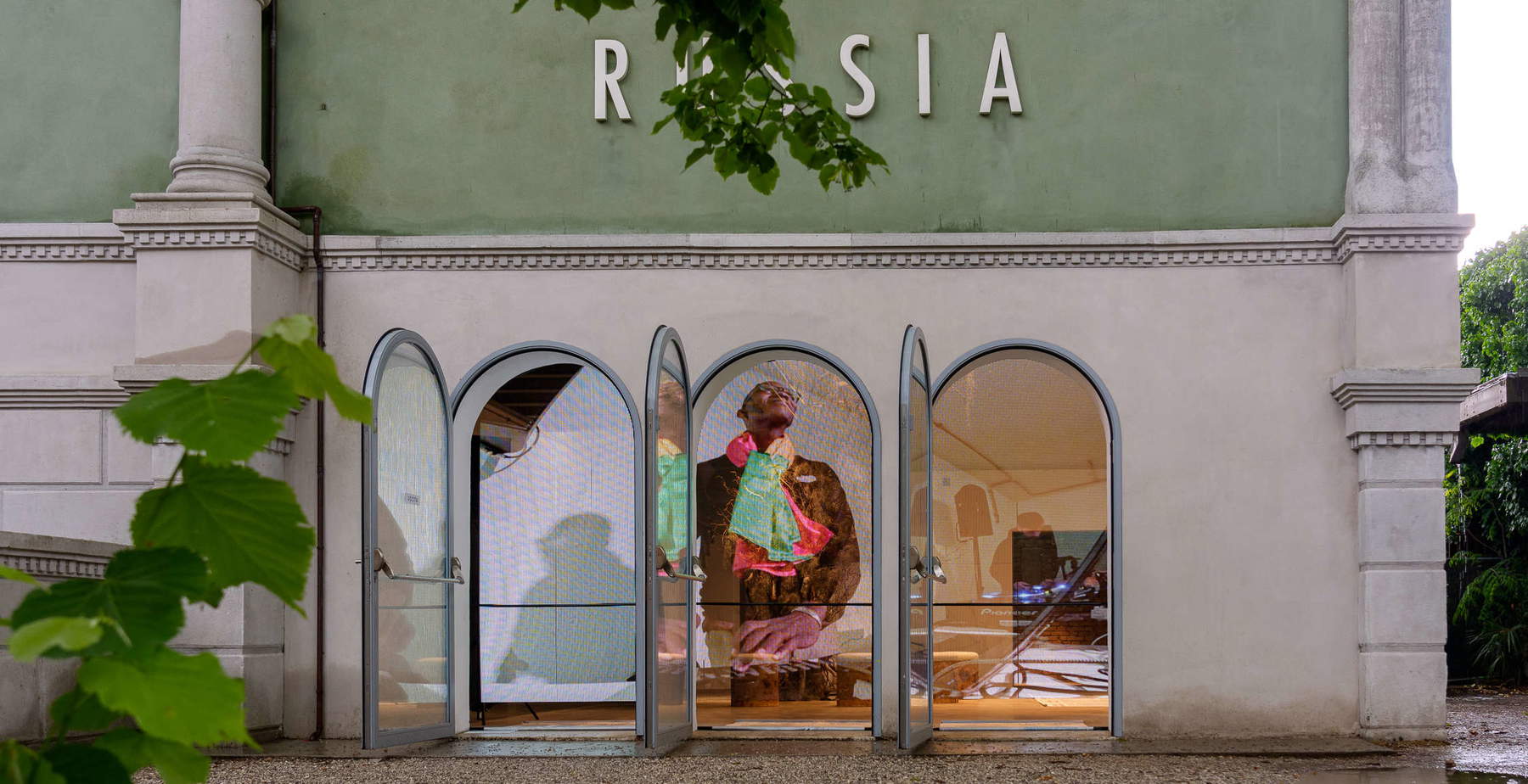 |
| EU Spokesperson Announces Withdrawal of Funding for the Russian Pavilion at the Biennale |
Warning: the translation into English of the original Italian article was created using automatic tools. We undertake to review all articles, but we do not guarantee the total absence of inaccuracies in the translation due to the program. You can find the original by clicking on the ITA button. If you find any mistake,please contact us.