




by Redazione 11/07/2026


Categories: News / Disclaimer
The European Commission considers the explanations provided by the Venice Biennale regarding the reopening of the Russian Pavilion to be insufficient and has called on the European Education and Culture Executive Agency to revoke the €2 million in European funding for the 2026–2028 period. The Venetian institution has announced that it will defend its position.

The European Commission has officially recommended the withdrawal of the 2 million euro EU grant allocated to the Venice Biennale: the reasons provided by the Venetian institution to justify its decision to reopen the Russian Pavilion were deemed insufficient. The recommendation marks a new development in the matter involving the European contribution planned for the 2026–2028 period and now paves the way for the possible permanent withdrawal of the grant.
The decision was announced by the European Commission’s Executive Vice President, Henna Virkkunen, in a message posted on platform X. In her statement, she clarified that the recommendation had been formally forwarded tothe European Education and Culture Executive Agency (EACEA), the agency responsible for the operational management of cultural programs funded by the European Union.
“The Commission,” Virkkunen wrote, “officially recommends that the EACEA suspend the two-million-euro grant to the Venice Biennale. This follows a careful assessment of the responses provided by the Biennale to justify the reopening of the Russian Pavilion. Culture in Europe, funded by taxpayers’ money, should promote and safeguard democratic values. These values are not respected in today’s Russia,” Virkkunen wrote.”


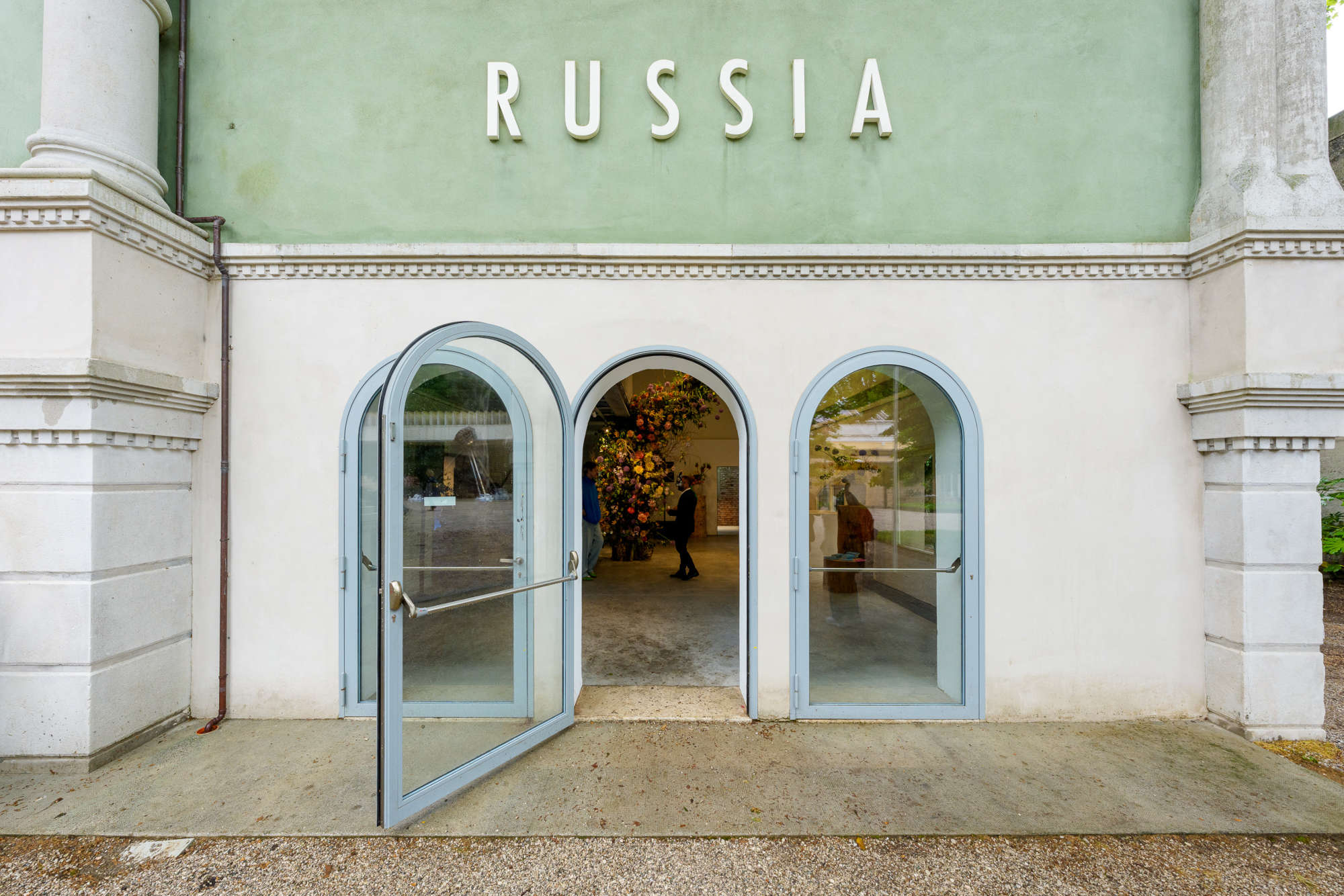
The Commission’s position comes at the conclusion of a process initiated in recent months. In fact, it was the EACEA itself that, at the end of April, sent a formal notice to the La Biennale di Venezia Foundation, in which it raised the possibility of suspending or revoking the €2 million in European funding earmarked for the 2026–2028 period. The Agency’s decision followed a specific policy directive from the European Commission: at that time, Commission spokesperson Thomas Regnier had clarified that no portion of the funding had yet been paid to the Biennale, emphasizing that “not a single euro” had been disbursed. At the same time, the Venetian institution was given a 30-day deadline to submit comments and provide its explanations regarding the decision to reopen the Russian Pavilion.
According to the assessment now issued by the European Commission, the arguments presented by the Biennale were not sufficient to overcome the objections raised by the Commission. For this reason, Brussels has decided to formally recommend to the EACEA that the funding be revoked. However, it will be the European Education and Culture Executive Agency itself—which manages the funding contracts for the Union’s cultural programs—that must adopt the final administrative act that could result in the definitive revocation of the grant.
The Venice Biennale’s response was not long in coming; through its press offices, it expressed surprise at the manner in which the European Commission’s political decision was made public. “We learned via X from political authorities—and not from the relevant technical authorities—of decisions made regarding the European Commission’s European Education and Culture Executive Agency (EACEA) grant to the Venice Biennale,” the Foundation stated in a press release issued after the announcement. The Biennale also emphasizes that it has fully complied with the procedures set forth by the European Agency: “The institution states that it has responded within the established deadlines to all points in the third letter received from the EACEA on this matter, and that it is awaiting a formal technical note from the EACEA to assess any possible next steps and present its case in all relevant forums.”
Finally, the Foundation emphasizes that any revocation of the European grant will not jeopardize the activities covered by the funding: “In any case, the programs in question will continue, as they are only marginally co-financed by the aforementioned grant,” concludes the Biennale.
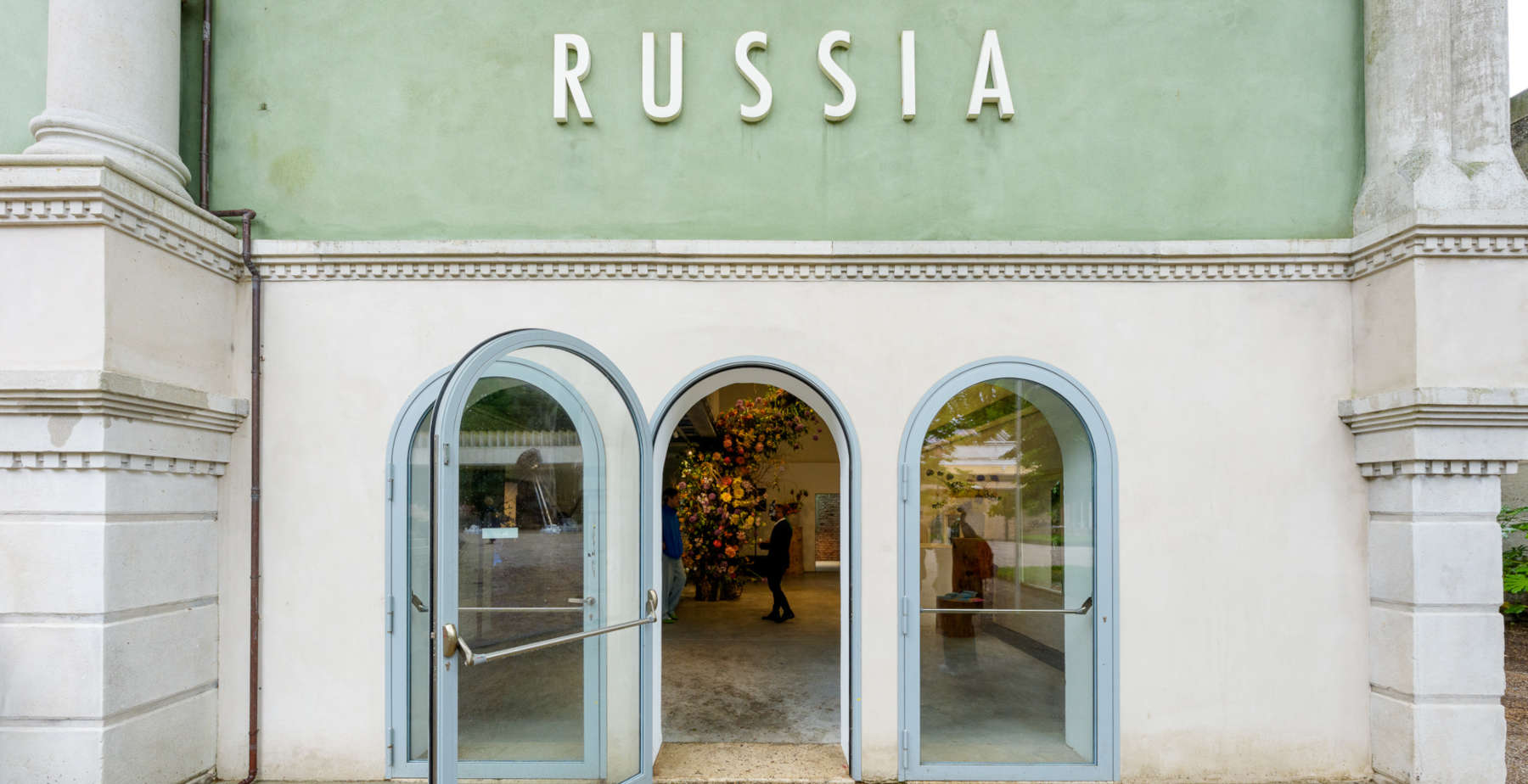
The saga of the Russian Pavilion’s reopening (which, in the end, was open only during the preview days for the press and industry professionals— upon opening to the public, it was closed again, and Biennale visitors can only view the screenings from the electronic and folk music festival held at the Russian Pavilion during the preview) thus enters a new phase: following the European Commission’s policy recommendation, it will in fact be up to the EACEA to complete the administrative process regarding the funding contract, assessing the implementation of the revocation in light of the guidance received from Brussels and the counterarguments presented by the Venice Biennale. Until the European Executive Agency adopts the final decision, the procedure remains formally open, while the Foundation has already announced, as noted, its intention to defend its position in the appropriate forums.
 |
| The European Commission Calls for the Withdrawal of Funding for the Russian Pavilion at the Biennale |
Warning: the translation into English of the original Italian article was created using automatic tools. We undertake to review all articles, but we do not guarantee the total absence of inaccuracies in the translation due to the program. You can find the original by clicking on the ITA button. If you find any mistake,please contact us.