



by Redazione 19/11/2026


Categories: News / Disclaimer
A rare illuminated manuscript from the early 16th century, with an estimated value of one million euros, has been donated to public collections and becomes part of the nation’s heritage. Ferrante d’Aragona’s Book of Hours will be housed at the Royal Palace in Naples, a city whose Aragonese court is closely linked to its history.


A priceless Renaissance manuscript, believed to have originated at the Aragonese court in Naples and valued at approximately one million euros, has become part of Italy’s public heritage. It is the Book of Hours of Ferrante of Aragon, one of the finest examples of Italian Renaissance miniature art, acquired through a donation formalized yesterday in Milan. The donor has chosen to remain anonymous, while the manuscript’s future home will be the Royal Palace of Naples, where it will be housed.

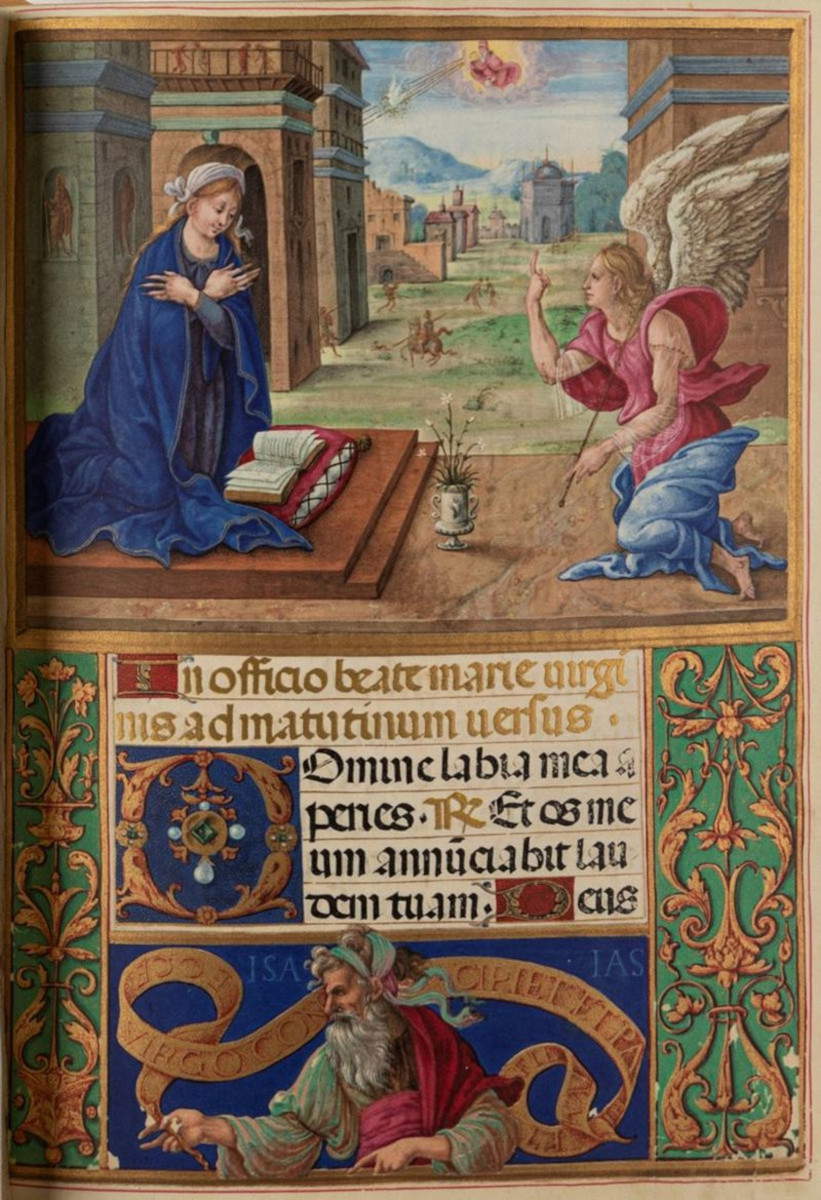
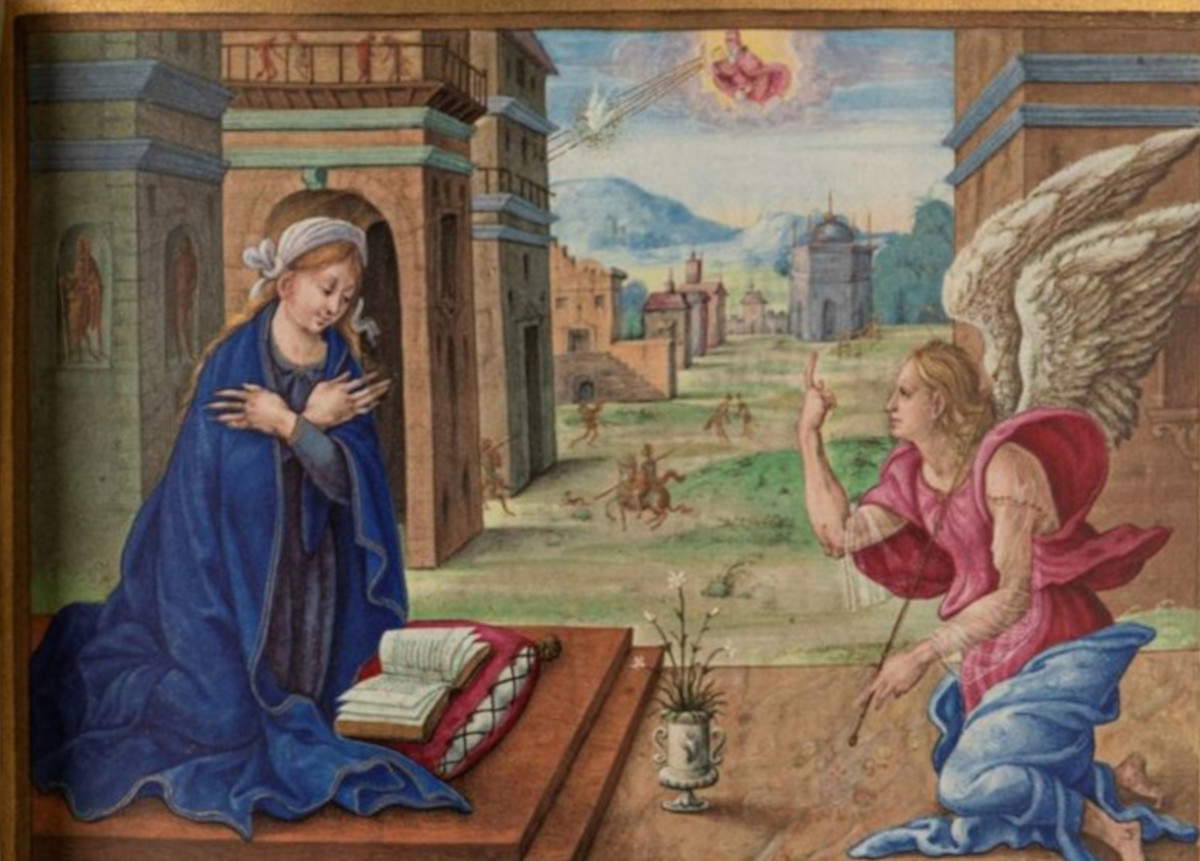
Created in the early 16th century, the codex stands out for the extraordinary richness of its decorations and the quality of its craftsmanship. The manuscript includes numerous full-page miniatures, elaborate ornamental frames, four sheets of purple parchment, and silk interleaves. Further enhancing the volume is its refined binding in red velvet and gilded silver—elements that attest to its intended destination for a patron of particularly high rank.
Art-historical research has traced the codex’s creationto the Aragonese court in Naples, identifying in the miniatures references to the Roman school inspired by the works of Michelangelo and Raphael. Certain internal details also reinforce the connection to Naples: the liturgical calendar features Saints Athanasius, Januarius, and Severus, while some prayers are written in Spanish. The manuscript’s chronology and its iconographic characteristics also suggest it may have been commissioned by Ferrante of Aragon.




Several factors contribute to making this acquisition particularly significant: the exceptional quality of the illuminated illustrations, the excellent state of preservation, and the possibility that the volume once belonged to the Aragonese family’s library, which is now dispersed. A comparison with prices achieved on the antiquities market for manuscripts of similar value and characteristics also helps define its economic importance, with an overall estimate of around one million euros.
“We are witnessing a particularly rare event,” stated Minister of Culture Alessandro Giuli, “which represents one of the most significant acts of patronage in the history of the Italian Republic. Nothing is lost in the act of giving, because what we offer to others reveals who we are and lives on in the collective memory. This decision fills us with pride and gratitude. This masterpiece of Renaissance book art bears witness to the extraordinary artistic flourishing of Naples in the early 16th century. The refinement of the miniatures and the richness of the decorative elements attest to its exceptional nature. It will be housed at the National Library in the Royal Palace and will become part of the heritage of all Italians.”
“‘This donation,’ stated Paola Passarelli, Director General of Libraries and Cultural Institutions, ‘demonstrates the value of sharing. As the donor—who chose to remain anonymous—remarked, “My family had the privilege of safeguarding it; now it is right that it return to the community.”’. A deeply thoughtful reflection that elegantly expresses the highest purpose of stewardship: not to possess culture, but to preserve it so that it may be passed on to future generations.”
 |
| Ferrante d’Aragona’s Book of Hours Returns to Naples: The Renaissance Manuscript Donated to the State |
Warning: the translation into English of the original Italian article was created using automatic tools. We undertake to review all articles, but we do not guarantee the total absence of inaccuracies in the translation due to the program. You can find the original by clicking on the ITA button. If you find any mistake,please contact us.