



by Redazione 09/11/2026


Categories: News / Disclaimer
The Ministry of Culture is funding the construction of a new facility to preserve historic celluloid nitrate films. The project involves the Experimental Center for Cinematography and the State Property Agency and is part of a broader initiative to revitalize the former military complex.


The former 8th Cerimant Barracks in Rome will house a new storage facility for the preservation of the National Film Archive’s historical films. The Ministry of Culture is spearheading the project, funded with 12 million euros, which will enable the creation of facilities equipped to house film materials of particular historical and artistic value, ensuring adequate security conditions. The project involves the Experimental Center for Cinematography (CSC) andthe State Property Agency and is part of the redevelopment program for the military complex.


The new facility will be located in Building E of the former barracks, at Via Prenestina 931, and will be dedicated specifically to films on cellulose nitrate base. These materials require specific preservation conditions, fire prevention systems, and environments designed to reduce the risk of deterioration and ensure their long-term preservation.
The agreement governing the project was signed by the Ministry of Culture—through the Department for Cultural Activities (DIAC), the General Directorate for Cinema and Audiovisual Media, and the Special Superintendence for Archaeology, Fine Arts, and Landscape in Rome, together with the State Property Agency and the Experimental Cinematography Center Foundation.




The various parties involved will have distinct roles. The State Property Agency will act as the contracting authority, overseeing the design and execution of the work. The Special Superintendence of Rome, on the other hand, will serve as the funding and disbursing authority. Once the project is completed, the property will be assigned for use to the Experimental Center for Cinematography, which will use it for activities related to the preservation and promotion of film heritage.
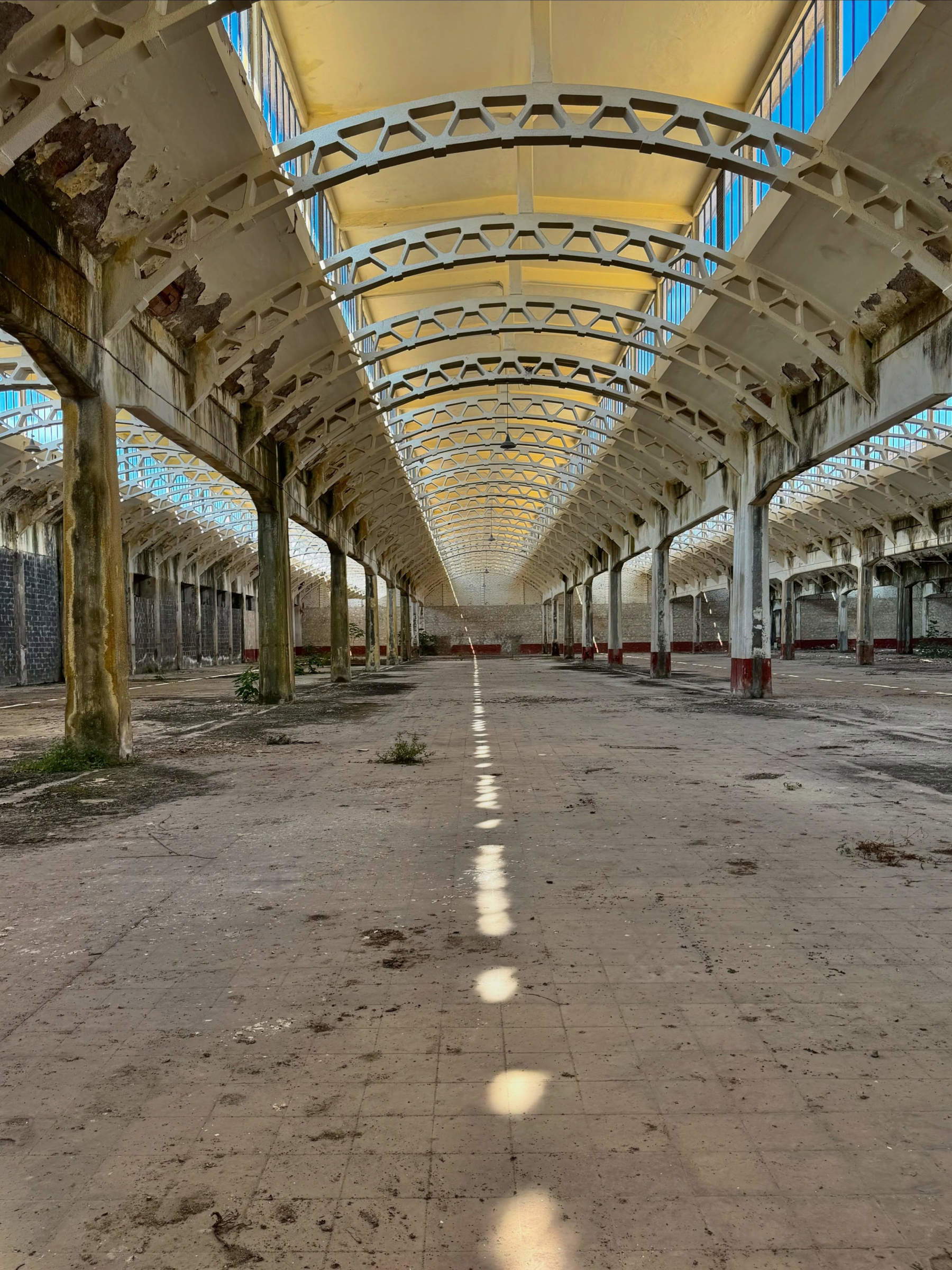
This initiative is part of the project to transform the former Cerimant military complex, which is the subject of a memorandum of understanding signed in December 2024 by the Ministry of Defense, the Ministry of Culture, the Minister for Public Administration, Roma Capitale, and the State Property Agency. The agreement calls for the conversion of the area into an administrative, cultural, and creative hub, with spaces dedicated to contemporary art, cinema, the performing arts, and community activities.
The complex is already part of “Recovery Art,” a project of the Ministry of Culture funded through the National Recovery and Resilience Plan. The redevelopment of the area will also help foster the development of additional initiatives dedicated to contemporary art, cinema, and the performing arts, with the involvement of the relevant departments within the Ministry. The goal is to contribute to the cultural revitalization of the eastern part of the capital, complementing the film storage function with new spaces and activities aimed at the community.
The news was accompanied by a further announcement regarding the training of the next generation. On the occasion of the opening of the academic year at the Centro Sperimentale di Cinematografia, a memorandum of understanding was presented, promoted by Undersecretary of State for Culture Lucia Borgonzoni and signed by the Ministry of Culture, the Venice Biennale Foundation, and the Centro Sperimentale di Cinematografia Foundation. The agreement provides for the establishment of three scholarships and twenty artistic training programs dedicated to the memory of the six young Italian victims of the Crans-Montana tragedy. The initiative aims to offer the younger generation concrete opportunities for professional growth and the development of their talents.
Statements
“We are investing to ensure the preservation, under the safest possible conditions, of a precious part of our cinematic heritage,” stated Minister of Culture Alessandro Giuli. “The redevelopment of the former Cerimant barracks combines heritage preservation with urban regeneration, contributing to the transformation of the complex into a cultural and creative hub capable of providing new spaces for the community and strengthening the bond between culture and the local area. Our focus is always on young people, to whom we want to pass on the history and passion for our cinema, offering new opportunities for learning, training, and cultural growth.”
“Today’s signing of the agreement,” says Lucia Borgonzoni, Undersecretary of State for Culture, “marks a concrete step toward preserving the legacy of Italian cinema. Thanks to the renovation of the former 8th Cerimant Barracks, the 7,500-square-meter storage facility is now complete and fully operational. It will therefore be able to house the National Film Archive’s entire collection of cellulose nitrate films: 28,000 boxes and 9,500 film reels chronicling cinema from 1896 to the early 1950s, ranging from the original Lumière and Fregoli films to the negatives of *Roma città aperta*. A unique and extremely fragile heritage that we are finally securing and that will remain available to future generations. Preserving, restoring, and passing on this legacy means investing in our country’s cultural identity.”
"The redevelopment of the former Cerimant Barracks is a concrete example of how the state’s real estate assets are transformed into memory, cultural production, and a tool for urban regeneration. “This project,” says Alessandra dal Verme, Director of the State Property Agency, “marks the beginning of a very broad cultural development of the former Caserma VIII Cerimont in Tor Sapienza, which was severely damaged during World War II and has been abandoned ever since. An important historical and symbolic site is being returned to the city to create spaces for culture and community capable of preserving pieces of our history and passing on to new generations the extraordinary tangible and intangible heritage, such as that of Italian cinema. Through the design and implementation of projects at the former military complex, the State Property Agency is spearheading the transformation of the state’s real estate assets, creating multifunctional hubs where culture serves as the primary driver of regeneration. “So that all areas of the city—including the suburbs—can participate in the process of urban cultural regeneration.”
“The nitrate films preserved by the National Film Archive,” says Massimo Osanna, Head of the Department of Cultural Activities, “document the history of an art form, its languages, and the techniques through which filmmakers have given shape to their own experience of the world. These formats often preserve the copies closest to the original, containing information on color, editing, and production that no duplicate can fully reproduce. Preserving them means ensuring that these works can continue to be studied, restored, and shared. The new storage facility will be located within a complex where cinema, music, the performing arts, and contemporary creativity can engage in dialogue, and where new generations will have the opportunity to engage with this heritage, helping to keep it alive.”
“With this agreement, thanks to the 12 million euros allocated by the Ministry of Culture,” states Giorgio Carlo Brugnoni, Deputy Chief of Staff and Director General of Cinema and Audiovisual Affairs, “we are launching the construction of the new storage facility for the National Film Archive’s nitrate films. This is a significant project, the result of a joint effort between the Ministry of Culture, the State Property Agency, and the Fondazione Centro Sperimentale di Cinematografia, which will allow us to culturally revitalize part of the former Cerimant barracks, dedicating it to the preservation and promotion of a heritage that has shaped the history of Italian cinema. An investment in the past that shapes the future. Preserving and promoting these films means offering today’s young generations—who are learning the craft of cinema—the opportunity to understand its roots and to stimulate the creativity of the filmmakers of today and tomorrow.”
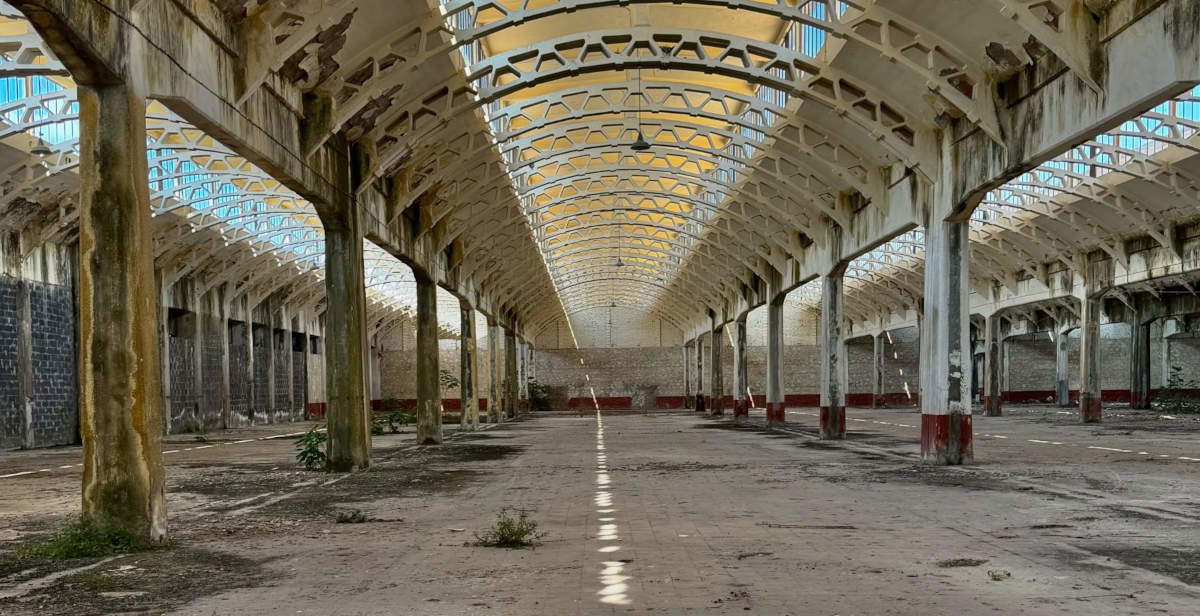 |
| In Rome, a former barracks is becoming a home for historic Italian films |
Warning: the translation into English of the original Italian article was created using automatic tools. We undertake to review all articles, but we do not guarantee the total absence of inaccuracies in the translation due to the program. You can find the original by clicking on the ITA button. If you find any mistake,please contact us.