



by Redazione 31/10/2026


Categories: News / Disclaimer
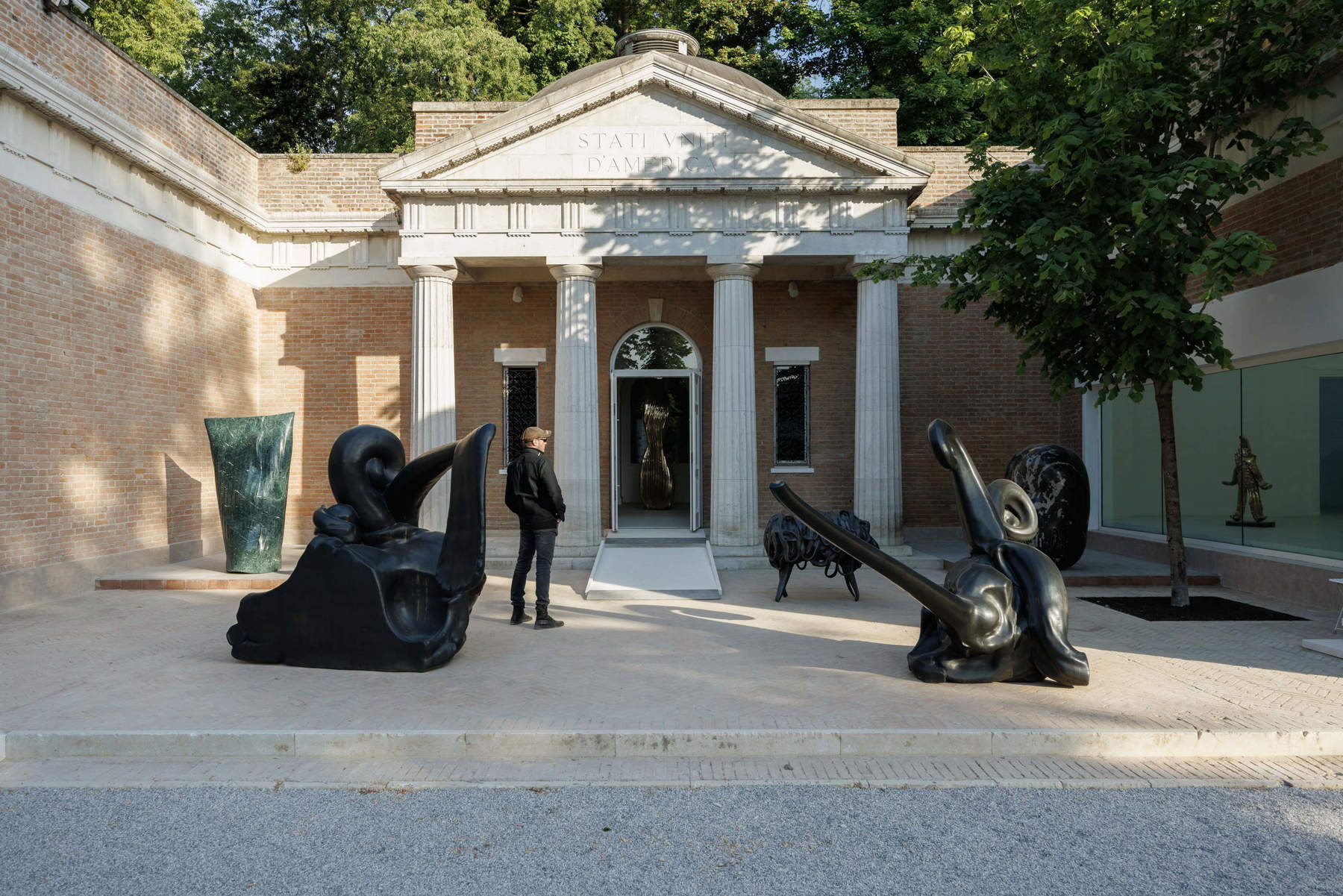
The U.S. Pavilion at the Venice Biennale may face difficulties in repatriating Alma Allen’s works. The organization responsible for the U.S. participation has raised $1.4 million, but it would need about another million to complete the process, including the dismantling of the exhibition. Without this money, the works risk remaining in Venice.


The works of sculptor Alma Allen have arrived in Venice to fill the U.S. Pavilion at the Art Biennale, but their return trip could prove more complicated than expected: the organization responsible for the American pavilion, the American Arts Conservancy, reportedly faces a shortfall of about one million dollars compared to the funds needed to cover all expenses, including those for dismantling the exhibition and returning the works to the United States. The news was reported by The New York Times in an article by Zachary Small on October 29, 2026.


The alarm was raised by Jenni Parido, commissioner of the U.S. pavilion (the country is represented this year by Alma Allen, a choice that has sparked considerable controversy), who, in a letter sent this week to potential donors, requested urgent financial support. “We are facing an urgent need for funding related to the final dismantling and safe return of the artworks to the United States,” Parido wrote, explaining that the available resources are insufficient to cover the final phase of the project.
This situation stands in stark contrast to the statements made by the organizers prior to the opening of the Biennale. At that time, they had described the American participation as “one of the least expensive exhibitions in the history of the Biennale,” announcing a budget of less than $2.5 million. However, according to Parido’s own account in the letter, the American Arts Conservancy has managed to raise only $1.4 million. “Although we have accomplished a great deal in a relatively short period of time,” the commissioner wrote, “the final phase of this initiative has presented financial challenges that I am working tirelessly to resolve.”




The U.S. State Department contributed only partially to the costs of the national participation, leaving it up to the private organization to secure the remaining funding. A State Department spokesperson stated that the administration is not involved in the fundraising effort and would have no further comment on the 2026 Biennale.
This situation comes amid a particularly controversial edition due to the United States’ participation. For nearly a century, the selection of the U.S. project had followed an established procedure: leading museum directors and curators proposed exhibitions, while an independent committee of experts under the State Department selected the project to represent the country in Venice, with the goal of identifying artists and proposals capable of representing American cultural production.
For the 2026 edition, however, the system was changed by the Trump administration. The museum and curatorial professionals who traditionally participated in the selection process were replaced by a new nonprofit organization led by Parido, who was appointed commissioner last fall. Parido had no prior professional experience in the arts sector: before taking on the role, she co-owned a pet store with her husband in Tampa, Florida.
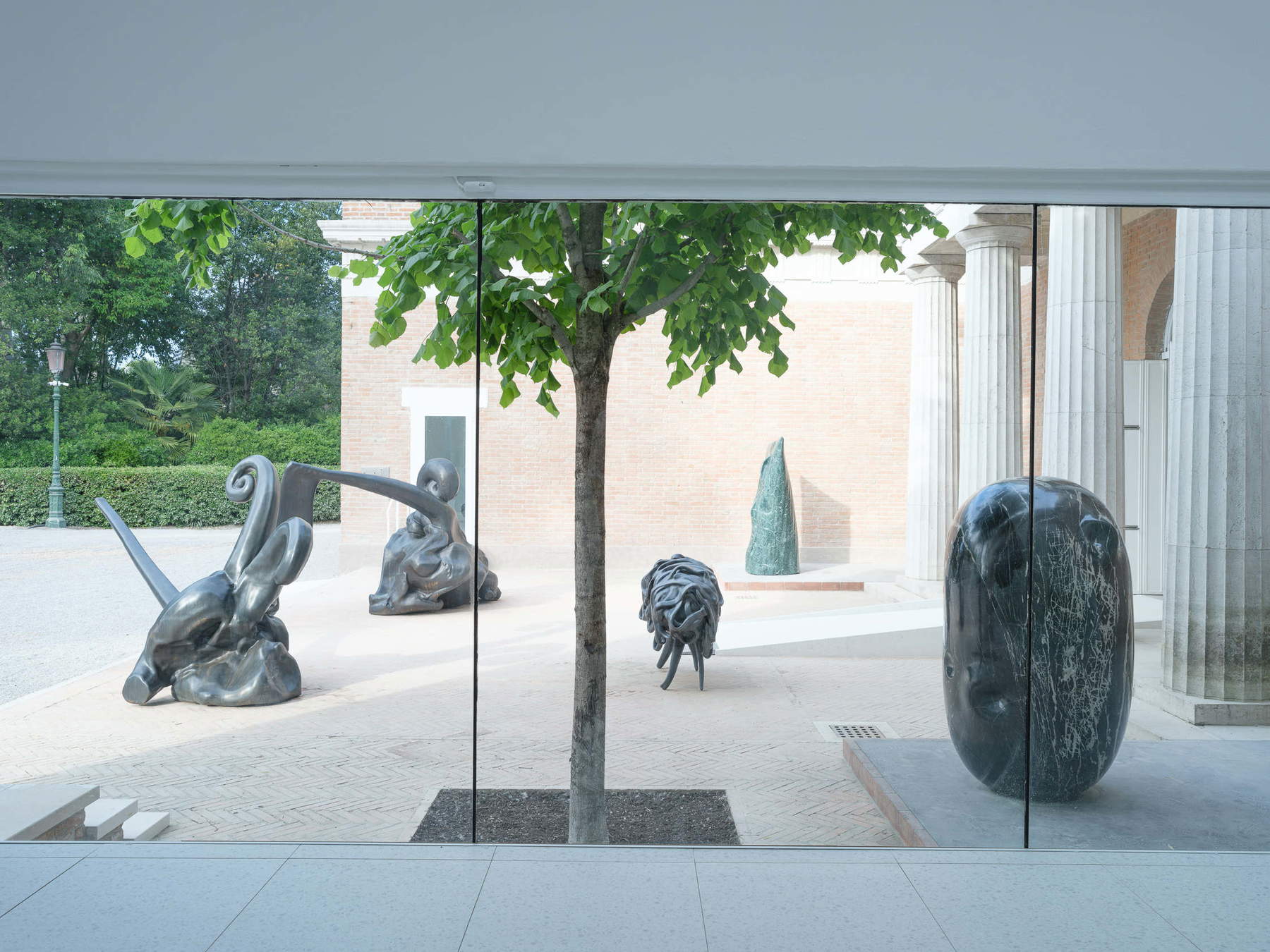
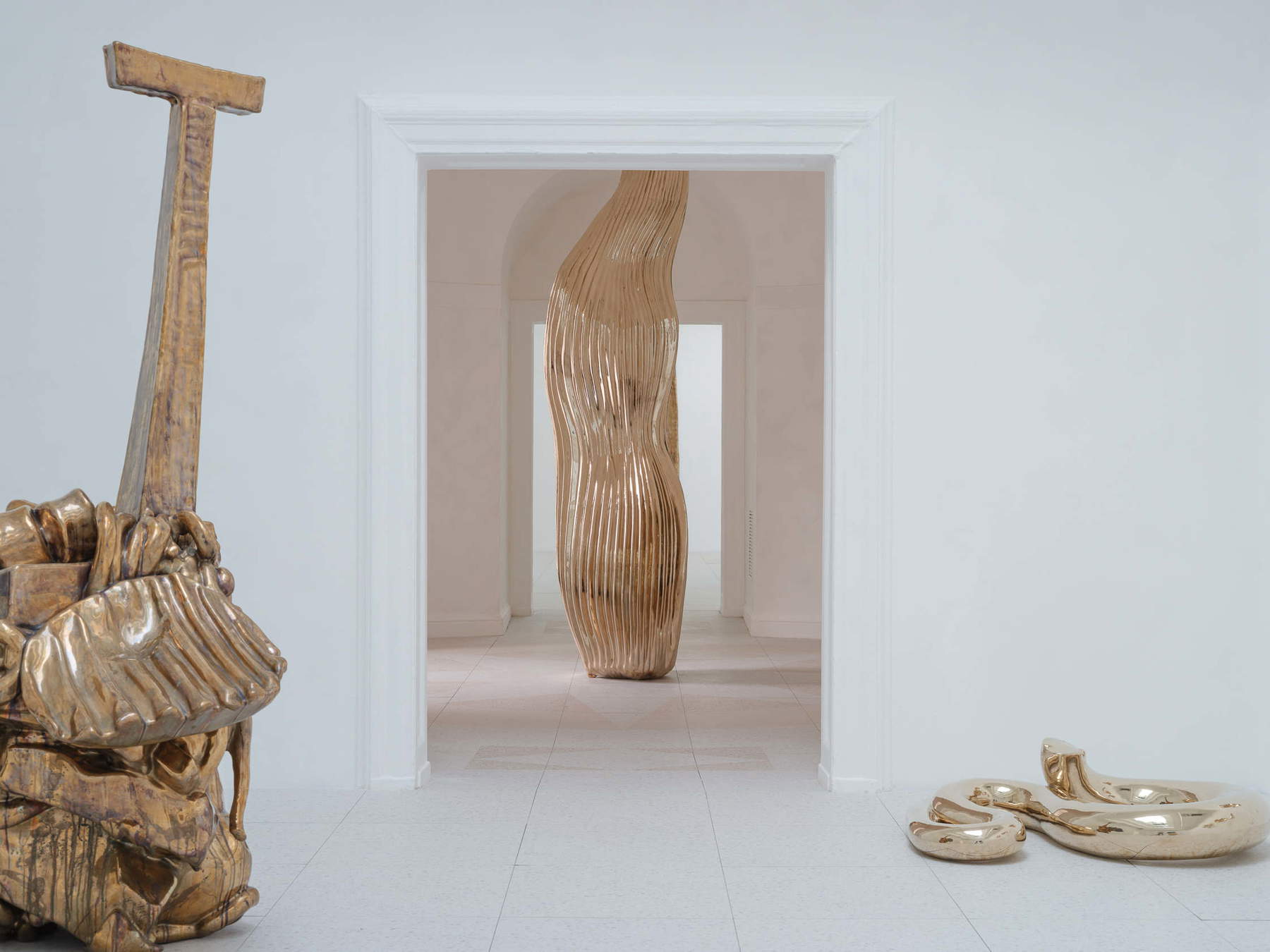
Her appointment came after the State Department abandoned its usual selection guidelines, following the recommendation of Erin Scavino, head of the Art in Embassies program and a close associate of President Donald Trump. The Department did, however, clarify that Parido had been chosen through an evaluation process. Scavino and the commissioner are close friends and recently co-curated an exhibition in Washington to celebrate the 250th anniversary of the United States. To carry out the Venice project, Parido worked with curator Jeffrey Uslip. After several artists had declined invitations to participate, the choice fell on American sculptor Alma Allen, who lives in Mexico. Her exhibition, titled *Call Me the Breeze*, features large-scale stone and metal sculptures.
The relationship between the artist and the pavilion’s organizers was reportedly anything but straightforward. Allen reported that neither the commissioner nor the curator had exercised significant oversight over the exhibition project and that neither had visited her studio to view the works before their presentation. Furthermore, by the end of the Biennale’s preview days, the artist and the curator were no longer on speaking terms.
Allen stated on Wednesday that he was unaware of the American Arts Conservancy’s financial difficulties. “I only received reimbursement for my travel expenses and my Airbnb, which was inexpensive,” he said, clarifying that he had been reimbursed only for travel and lodging expenses. The organization, however, did not respond to questions from The New York Times about what would happen to the sculptures if it were unable to raise the necessary funds to dismantle them and ship them to the United States.
The funds raised for the U.S. pavilion are particularly modest, even when compared to those of previous editions. In 2024, the budget for the U.S. participation was approximately $5 million, while in 2022, spending reached nearly $7 million. The contribution made available by the State Department for national pavilions amounts to $375,000; it is therefore up to the curators to raise the remaining funds through private donations.
According to three former pavilion organizers interviewed by The New York Times, previous procedures for U.S. participation required curators to submit detailed budgets and demonstrate that they could count on adequate support from museums and foundations, thereby ensuring full financial coverage of the entire project.
The American Arts Conservancy’s fundraising efforts have relied primarily on private events, including a party organized during Art Basel Miami Beach and a dinner at Donald Trump’s Mar-a-Lago estate. Donors include fashion designer Tommy Hilfiger and entrepreneur John Phelan, who served as Secretary of the U.S. Navy during the Trump administration until his dismissal in April 2026.
The nature of Allen’s works further complicates the situation. The large size of the sculptures makes it difficult to find temporary storage in Venice in the event that their transfer cannot be arranged within the scheduled timeframe. In fact, the U.S. Pavilion does not have storage space, and not even the Guggenheim Foundation—which is responsible for maintaining the building—has premises large enough to accommodate the works. For the U.S. Pavilion, therefore, the issue is not merely about bringing an exhibition to a close: with just a few months left before the event ends, the practical problem of how to bring the works representing the country back home remains to be resolved.
|
| The U.S. Pavilion at the Biennale doesn't have the money to ship the artworks back home: will they stay in Venice? |
Warning: the translation into English of the original Italian article was created using automatic tools. We undertake to review all articles, but we do not guarantee the total absence of inaccuracies in the translation due to the program. You can find the original by clicking on the ITA button. If you find any mistake,please contact us.