





There is no “Messina case”; it is not “a Southern issue,” as stated by Claudio Strinati, president of the Higher Council for Cultural and Environmental Heritage. But it is indeed a Sicilian issue. The security system at the National Museum of Reggio Calabria, as well as at the National Archaeological Museum of Naples, falls under the museum organization of the Ministry of Culture (MiC). It cannot be compared to a different structure, such as that of the museums of the Sicilian Region. Exclusive jurisdiction over cultural heritage ends at the Strait of Messina. This also applies to the security measures implemented in museums.
In autonomous state museums, the protection of the works falls exclusively under the director’s responsibility. In Sicilian regional museums, however, it falls under the jurisdiction of the Superintendency, while the museum directorate is responsible for monitoring the state of conservation, including routine maintenance such as periodically dusting the works. To give a concrete example, a restoration project for a painting at the Uffizi Galleries is authorized by the director, whereas at the Abatellis Gallery it is authorized by the Superintendency. Oversight, however, in both cases falls to the museum. There are fundamental differences, however, between the state and the region.
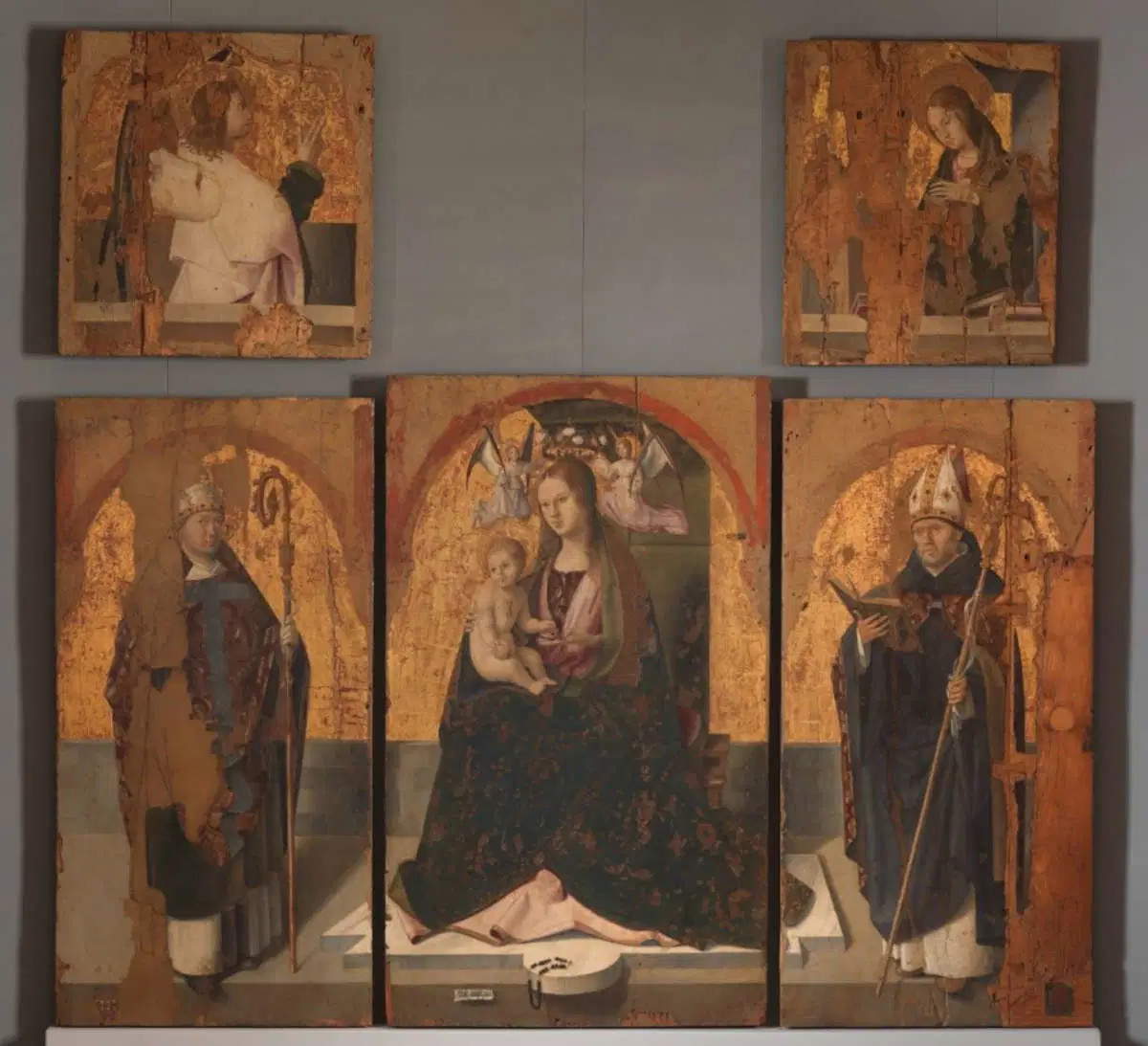
The blow inflicted on the nation’s cultural heritage by the theft of the Antonello from the Regional Museum of Messina has clearly highlighted the risk to which all regional museums are exposed, so much so that today we are rushing to take shelter by implementing measures such as armed security, which cannot be considered a structural solution. While investigators must carry out their duty in determining responsibility, the objective reality of the central importance of expertise in the cultural heritage sector has become strikingly evident. In particular, security and surveillance personnel bear a crucial responsibility for the preservation of cultural heritage; therefore, they must possess specific skills in monitoring, prevention, and emergency management.
However, in Sicily—as first highlighted the very next day after the theft by the National Association of Art Historians, which I chair— the surveillance system for regional cultural sites is largely delegated to staff from SAS (Servizi Ausiliari Sicilia), who are recruited without targeted competitive selection procedures and lack specialized training tailored to the sensitivity of their duties. Added to this is a frequent and chronic shortage of staff relative to the actual needs of the institutions. At the MiC, on the other hand, security personnel are hired through specific competitive selection procedures, while autonomous institutions may rely on external services when internal resources are insufficient.
At present, amid hopes that Antonello’s precious works will be recovered, there are two levels of action: a long-term approach to correct what all regional governments have failed to do in recent decades—through competitive exams and state-of-the-art video surveillance systems that require periodic maintenance— and immediate action to protect the exhibited heritage, even through drastic measures—not only armed security but also nighttime military patrols at sensitive sites. Given that Messina’s chief prosecutor, Antonio D’Amato, has not ruled out a mafia connection, the message must be: the State is here.
Silvia Mazza
President of the National Association of Art Historians – AStArte

The author of this article: Silvia Mazza
Storica dell’arte e giornalista, scrive su “Il Giornale dell’Arte”, “Il Giornale dell’Architettura” e “The Art Newspaper”. Le sue inchieste sono state citate dal “Corriere della Sera” e dal compianto Folco Quilici nel suo ultimo libro Tutt'attorno la Sicilia: Un'avventura di mare (Utet, Torino 2017). Come opinionista specializzata interviene spesso sulla stampa siciliana (“Gazzetta del Sud”, “Il Giornale di Sicilia”, “La Sicilia”, etc.). Dal 2006 al 2012 è stata corrispondente per il quotidiano “America Oggi” (New Jersey), titolare della rubrica di “Arte e Cultura” del magazine domenicale “Oggi 7”. Con un diploma di Specializzazione in Storia dell’Arte Medievale e Moderna, ha una formazione specifica nel campo della conservazione del patrimonio culturale (Carta del Rischio).Warning: the translation into English of the original Italian article was created using automatic tools. We undertake to review all articles, but we do not guarantee the total absence of inaccuracies in the translation due to the program. You can find the original by clicking on the ITA button. If you find any mistake,please contact us.




























 IT
IT FR
FR DE
DE ES
ES CN
CN


