





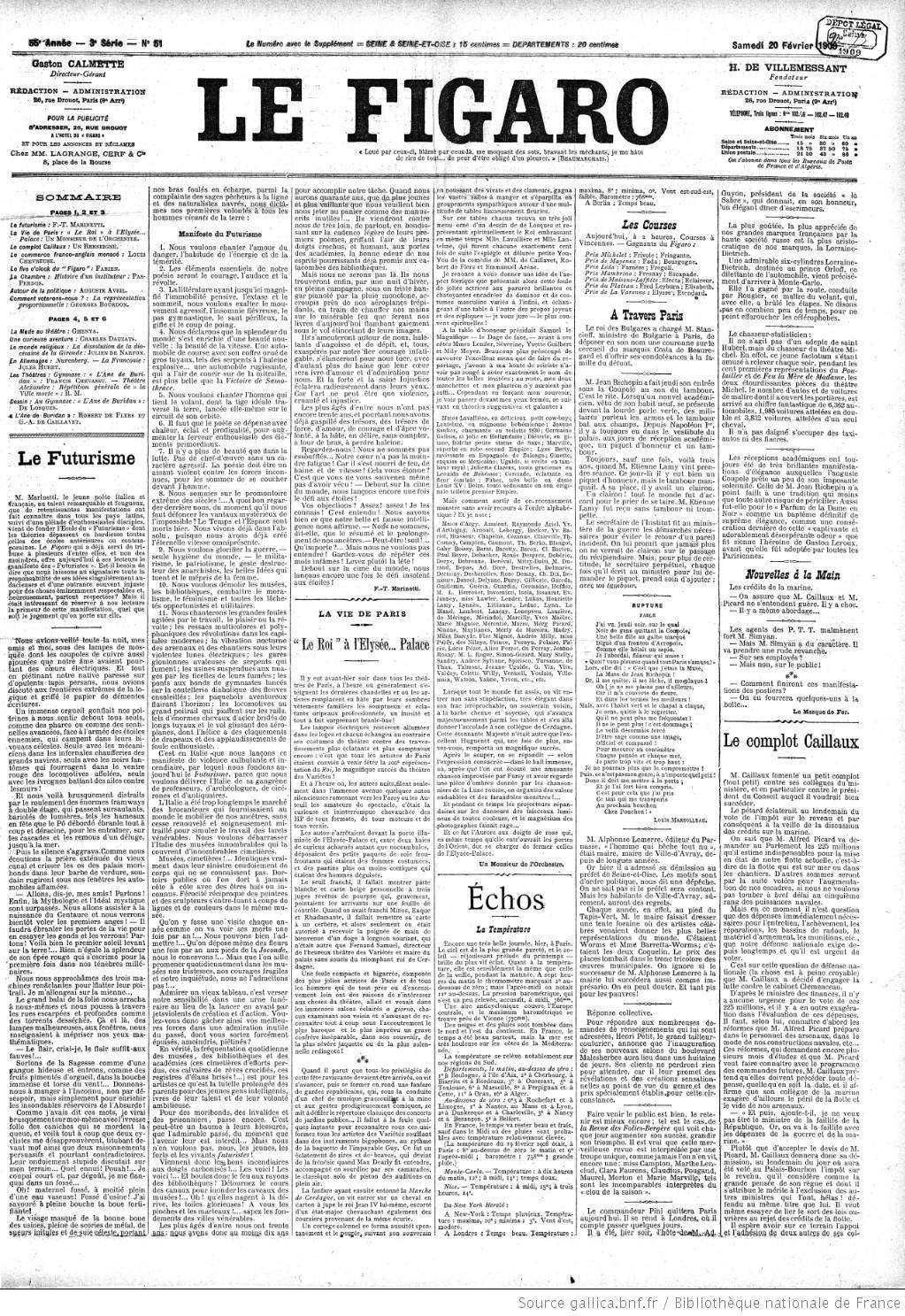
In February 1909, in the Parisian newspaper *Le Figaro*, Filippo Tommaso Marinetti launched his famous challenge against the worship of the past, ushering in the 20th century with the Futurist Manifesto: “We affirm that the magnificence of the world has been enriched by a new beauty: the beauty of speed. [...] A roaring automobile is more beautiful than the Winged Victory of Samothrace. We want to destroy museums, libraries, and academies of every kind... .” More than a century later, Mark Zuckerberg’s programmatic words outline the vision of our present: “We are fortunate to be living in an extraordinary moment in history. In the coming years, people will be able to use superintelligence—capabilities beyond human capacity—to create and discover extraordinary things, launch new ventures, express new ideas, learn new concepts, and improve our health and quality of life.”
These two texts mark the conceptual divide between two centuries. While the avant-garde of the early 20th century theorized the erasure of historical memory to make way for the internal combustion engine, the 21st century responds with a fruitful paradox: technology and supercomputing do not destroy the art of the past, but rather redeem it. Computing power becomes the key to penetrating where the human eye stops, rescuing authentic masterpieces from oblivion, unmasking sophisticated forgeries, and freeing art history from the obscurity of speculative attributions.
Every genuine technical breakthrough has always sparked fears, entrenchment, and corporate resistance. When photography took its first steps—from Joseph Nicéphore Niépce’s heliographs to Louis Daguerre’s daguerreotype—the world of painting reacted with suspicion and open scorn. Many artists and theorists of the time proclaimed the “death of art,” seeing in the mechanical recording of reality an intolerable threat to the supremacy of the workshop, the brush, and the academic craft.
Nearly two centuries later, we are witnessing an identical dynamic with regard to Artificial Intelligence. The ability to compare millions of data points, cross-reference spectrographs, and process the technical parameters of a work is often opposed by those who, over time, have built a monopoly based solely on their own “eye.” This subjective judgment, in the absence of verifiable evidence, has often proven fragile: susceptible to personal biases, critical preferences, or—worse still—economic ties to the market. Just as photography did not destroy painting but forced it to redefine itself and evolve, so today computing does not erase the scholar’s sensitivity but sweeps away the arbitrariness of the ipse dixit.
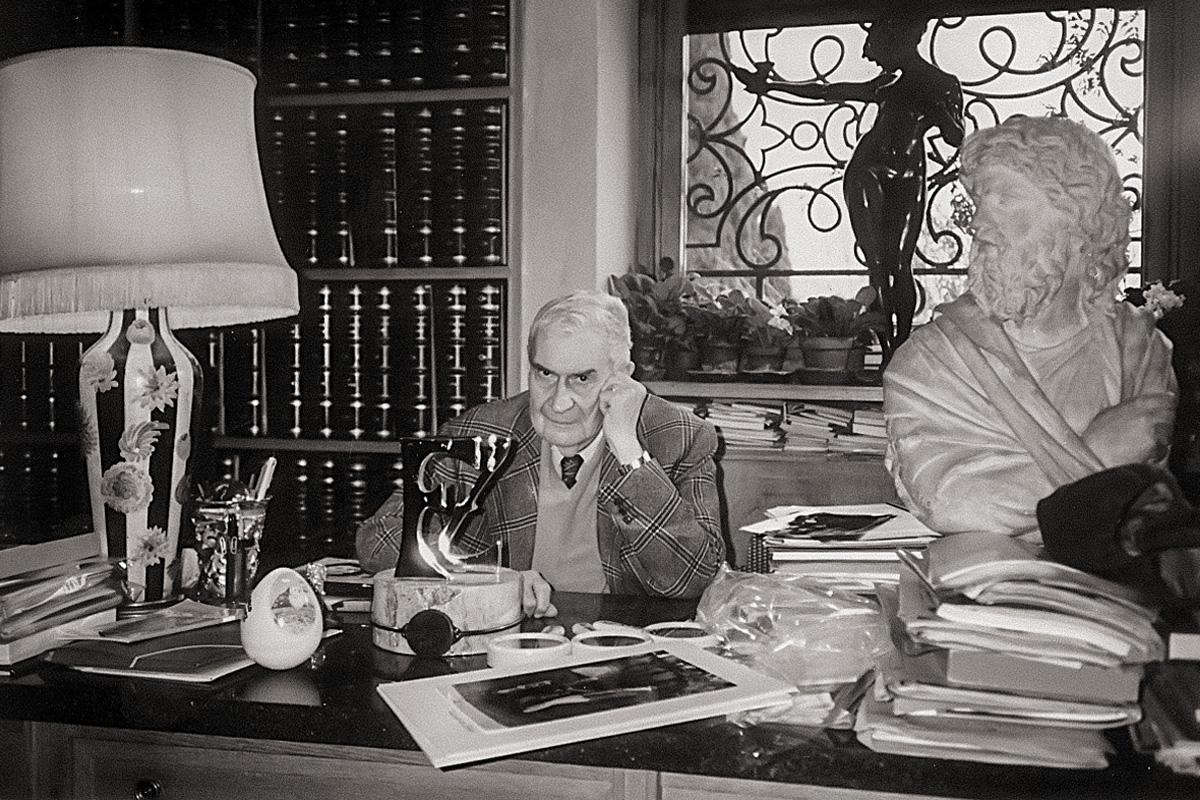
Even before microprocessors and algorithms, the true foundation of modern art history was documentary photography. Without photographic reproduction, large-scale morphological comparison would never have come into being. It is essential to recall the rigorous lesson of Federico Zeri, who insisted on using exclusively black-and-white photographs for his philological research. Until the early 1980s, in fact, color films and prints lacked the stability and tonal precision necessary to be considered reliable; chemical dominants and alterations in the developing baths risked completely skewing the historian’s judgment. Black-and-white photography, on the other hand, allowed for a focus of absolute purity on volumes, chiaroscuro transitions, texture, and the brushwork of the mark.
In the digital age, the quality of the photograph remains the cornerstone of any scientific analysis. Photographing a work of art is not a mere mechanical recording. If the photographer lacks specific technical training and a deep sensitivity to the artistic subject matter, the result is disastrous: exaggerated contrasts, blocked-up shadows, chromatic aberrations, or artificial saturations that distort the actual surface of the painting. Since Artificial Intelligence learns and processes data based on pixel matrices, visual data that is flawed at the source will produce misleading results. A photographer specializing in cultural heritage ensures colorimetric accuracy through certified targets, correct rendering of texture, and perfect optical flatness.
There is a compelling parallel between modern criminology and the study of art history: a work of art is, to all intents and purposes, a crime scene. In contemporary forensic science, the use of microscopic technologies, genetic databases, and high-resolution spectrography has made it possible to reopen and solve so-called “cold cases” (unsolved crimes committed thirty or forty years earlier), arriving at irrefutable truths where traditional investigative intuition had to give up. Similarly, the surface and structure of an artwork preserve the indelible material trace of every event: the artist’s initial gesture through the composition ofthe underdrawing, the density of the paint mixture, and the layering of glazes; subsequent alterations in the form of repainting, abrasions, and artificial patinas intended to simulate aging; and finally, the chemical and physical changes the work has undergone over the centuries. Artificial Intelligence, operating like a forensic mind, is capable of simultaneously processing and cross-referencing these microscopic traces with an analytical rigor comparable to that employed in courtrooms, transforming scattered clues into irrefutable evidence.
This investigation does not stop at paintings on canvas or panel but encompasses the entire spectrum of the visual and plastic arts. In drawings and works on paper, computational analysis of the stroke deciphers the speed of the mark, the pressure of the hand, and the spontaneity of the graphic invention (distinguishing the creative flair of the original from the hesitant stroke of the copyist), integrating with spectrometry of iron gall, charcoal, or watercolor inks and the digital mapping of watermarks. In sculpture and the plastic arts, using 3D photogrammetric surveys and structured light scans, the algorithm maps the cuts made by chisel, gouge, or burin, while simultaneously analyzing the chemical and isotopic composition of marbles, terracottas, and bronze alloys, exposing later castings or artificial patinas.
This diagnostic method is not new: for over two decades, scientific laboratory analyses have been the standard practice for studying significant works of art. When such analyses are omitted or kept confidential in the face of an important attribution, immediate and justified suspicion arises regarding the true reliability of the process. The true breakthrough introduced by Artificial Intelligence lies in its ability to perform simultaneous, comprehensive comparisons in real time. X-ray fluorescence (XRF) analysis is no longer limited to qualitatively verifying the presence of a metal or pigment, but calculates their exact percentage by weight—with an accuracy approaching 100%—as well as the stoichiometric impurities of the components (white lead, cinnabar, azurite, lapis lazuli), instantly comparing these percentages with the formulations documented in the artist’s authentic works.
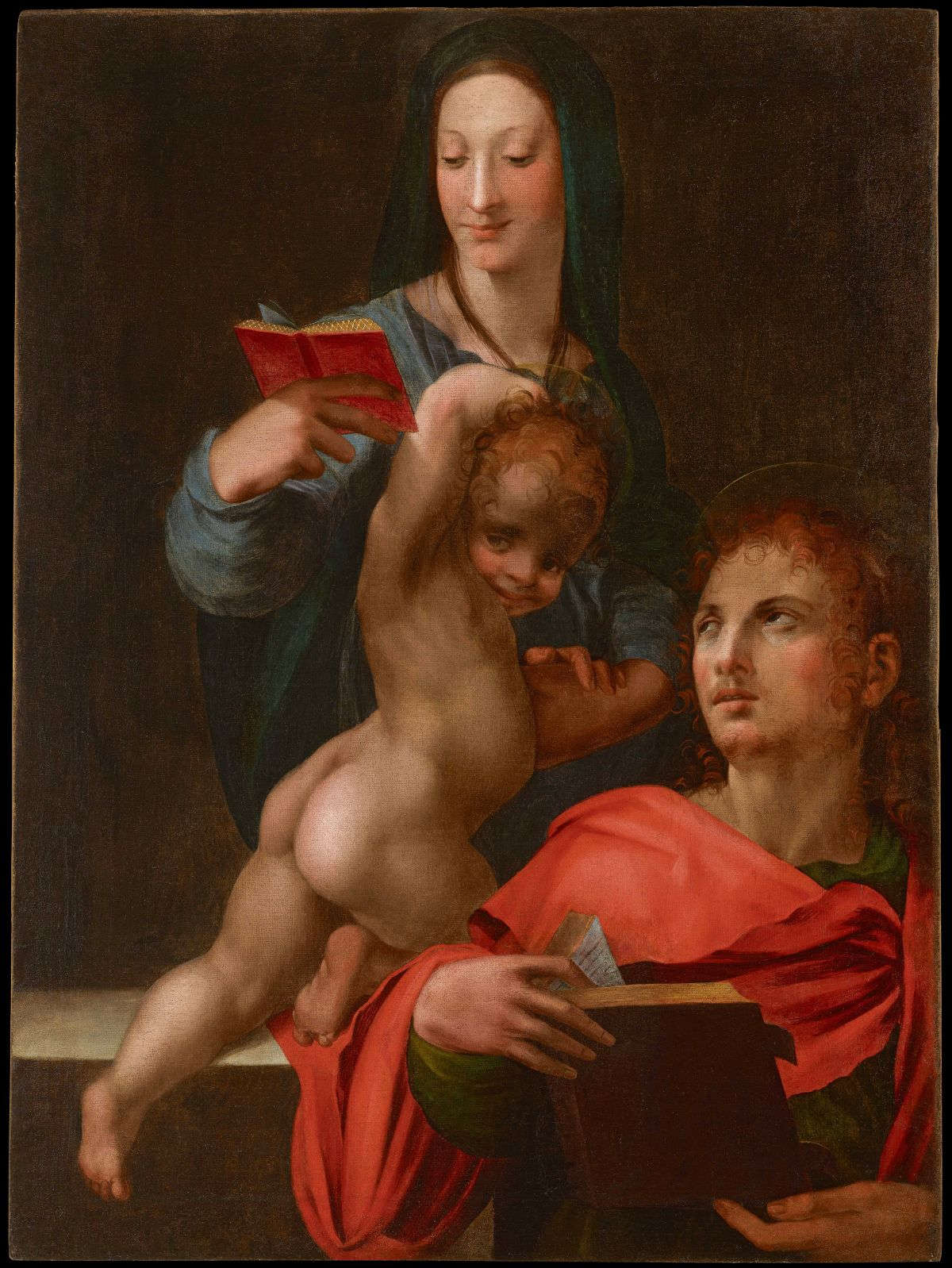
The scientific investigation must encompass the entirety of the physical artifact. In the recent case of the *Madonna and Child with Saint John the Evangelist*, acquired by the Metropolitan Museum of Art in New York and presented by the museum as an autograph early work by Rosso Fiorentino, the critical debate and expert analyses published in the art press (beginning with the articles in *Finestre sull’Arte* that highlighted the marked stylistic and technical discrepancies in the composition) have raised legitimate questions. Faced with an acquisition of such significance, a museum institution should have published a rigorous and comprehensive diagnostic report in advance: an analysis of the canvas and the wooden support, along with a complete set of X-rays (RX) and infrared reflectography (IRR) images. The failure to publicly share this data undermines the transparency and scientific validity of the attribution.
In addition to the subject matter, AI is revolutionizing provenance research by analyzing the backs of artworks, deciphering worn wax seals, heraldic stamps, and chalk or stencil numbers from historic international auctions. By cross-referencing thousands of digitized notarial inventories and historical period catalogs—and automatically converting ancient units of measurement such as braccia, palms, or ounces, the algorithm traces the artifact’s history back through the annals of collecting, linking chemical evidence to archival records.
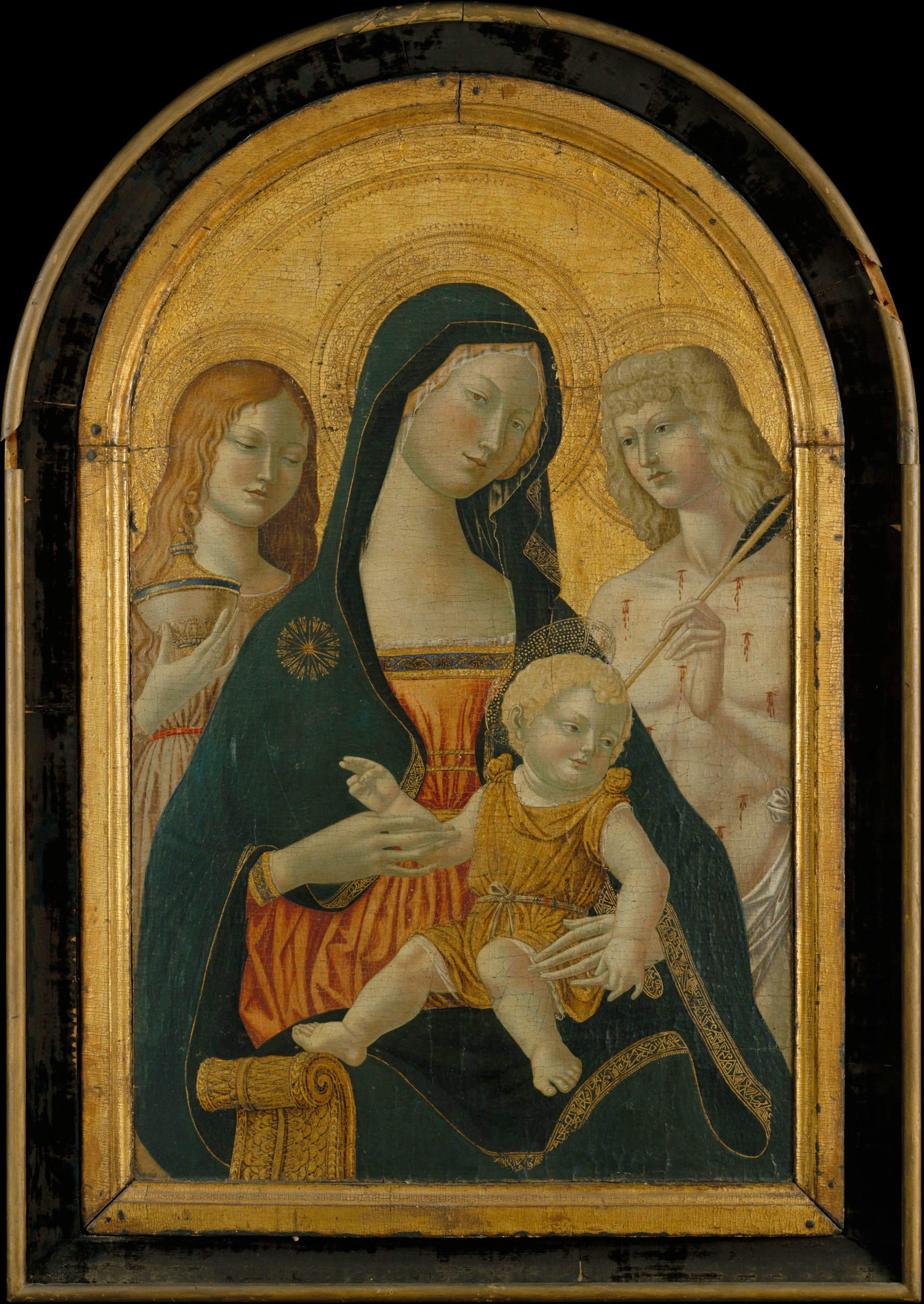
Art history is littered with sensational deceptions made possible by the self-referential nature of art connoisseurs and the complacency of the market—deceptions that an integrated, computational diagnostic approach would have immediately thwarted. In the early 20th century, the Sienese workshop of Icilio Federico Joni and highly skilled Tuscan artisans produced refined 14th- and 15th-century “ready-made” gold-ground panels. Art historians of the caliber of Bernard Berenson, in close collaboration with major international art dealers such as Joseph Duveen, authenticated and placed panels—created just a few months earlier—in the collections of leading American collectors and museums. Many of these works, authenticated by the connoisseur’s intuition—which was considered infallible at the time—still lie today in the storage facilities of international institutions.
During World War II, the Dutch painter Han van Meegeren orchestrated a now-famous hoax: to take revenge on critics who considered him a mediocre artist, he purchased authentic 17th-century canvases, stripped off the original paint, and used historical pigments bound with a synthetic resin that was cutting-edge at the time—Bakelite—baking the paintings in an oven to artificially create the cracks of age. He managed to pass off his forgeries as rediscovered masterpieces by Johannes Vermeer, selling one to Hermann Göring in exchange for no fewer than 137 authentic works of art. Arrested at the end of the war on charges of collaboration for having sold off the nation’s cultural heritage to the Nazis, van Meegeren was forced to confess and paint a picture under judicial supervision to prove that he was a forger and not a traitor to his country. Today, a simple spectrometric analysis or computational analysis of molecular density and craquelure would have detected the presence of synthetic polymers and the induced nature of the cracks in a matter of seconds. More recently, the same weakness in purely visual judgment has resurfaced in the case of Giuliano Ruffini and his copyist Lino Frongia: from the *Venus with Cupid* attributed to Lucas Cranach the Elder (seized by French authorities), to the Portrait of a Gentleman attributed to Frans Hals (withdrawn and refunded by Sotheby’s after the discovery of modern polymers). Added to these are sensational institutional blunders: the arched panel depicting Saint Cosmas, exhibited at the Metropolitan Museum as a Bronzino; the Saint Jerome attributed to Parmigianino, which sold at Sotheby’s in 2012 for over $800,000 and was later refunded due to the presence of industrial pigments; and even the *David with the Head of Goliath on Lapis Lazuli*, attributed to Orazio Gentileschi, which was on loan to the National Gallery in London. These forgeries eluded the scrutiny of distinguished experts precisely because the attribution was based solely on visual examination, in the complete absence of comprehensive chemical analysis.
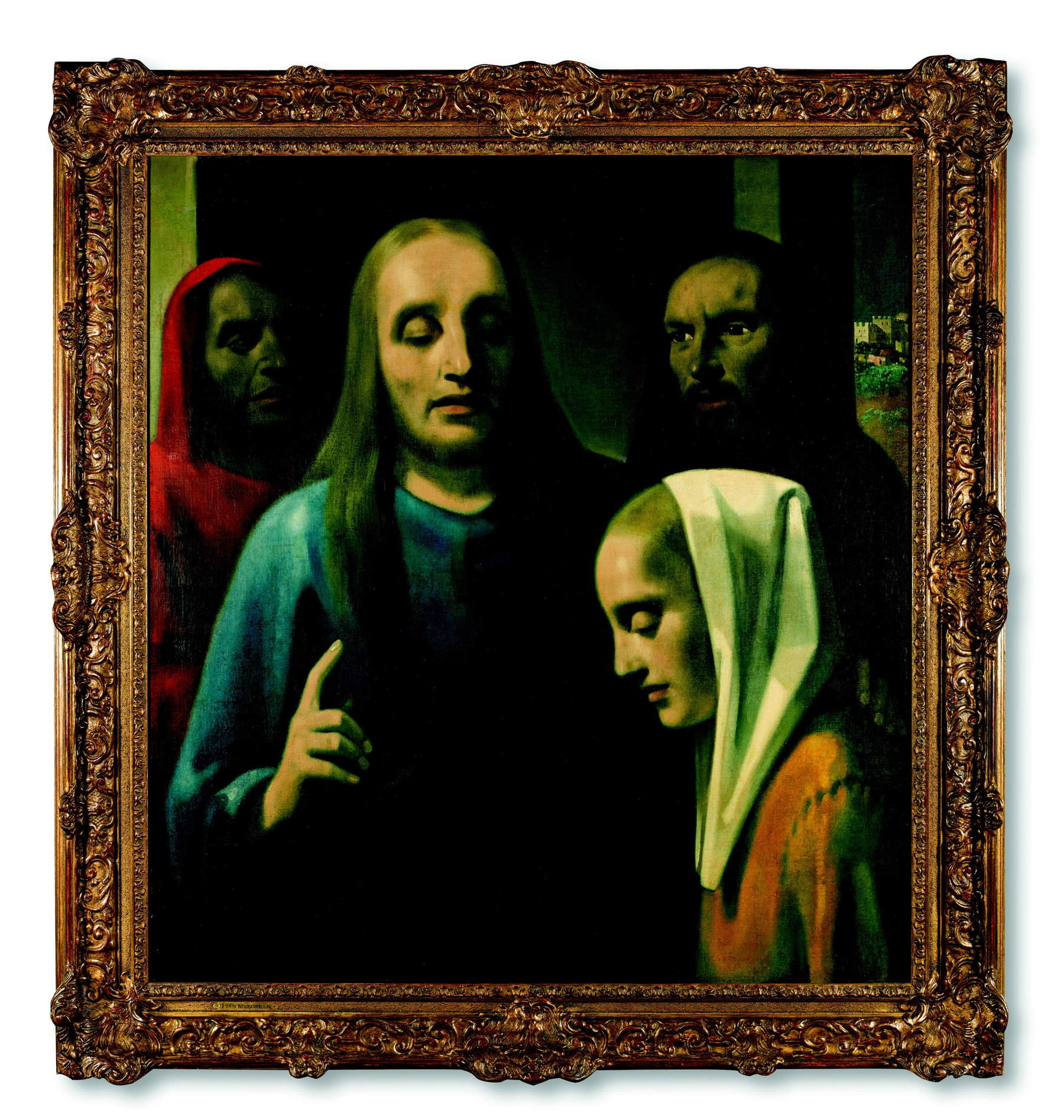
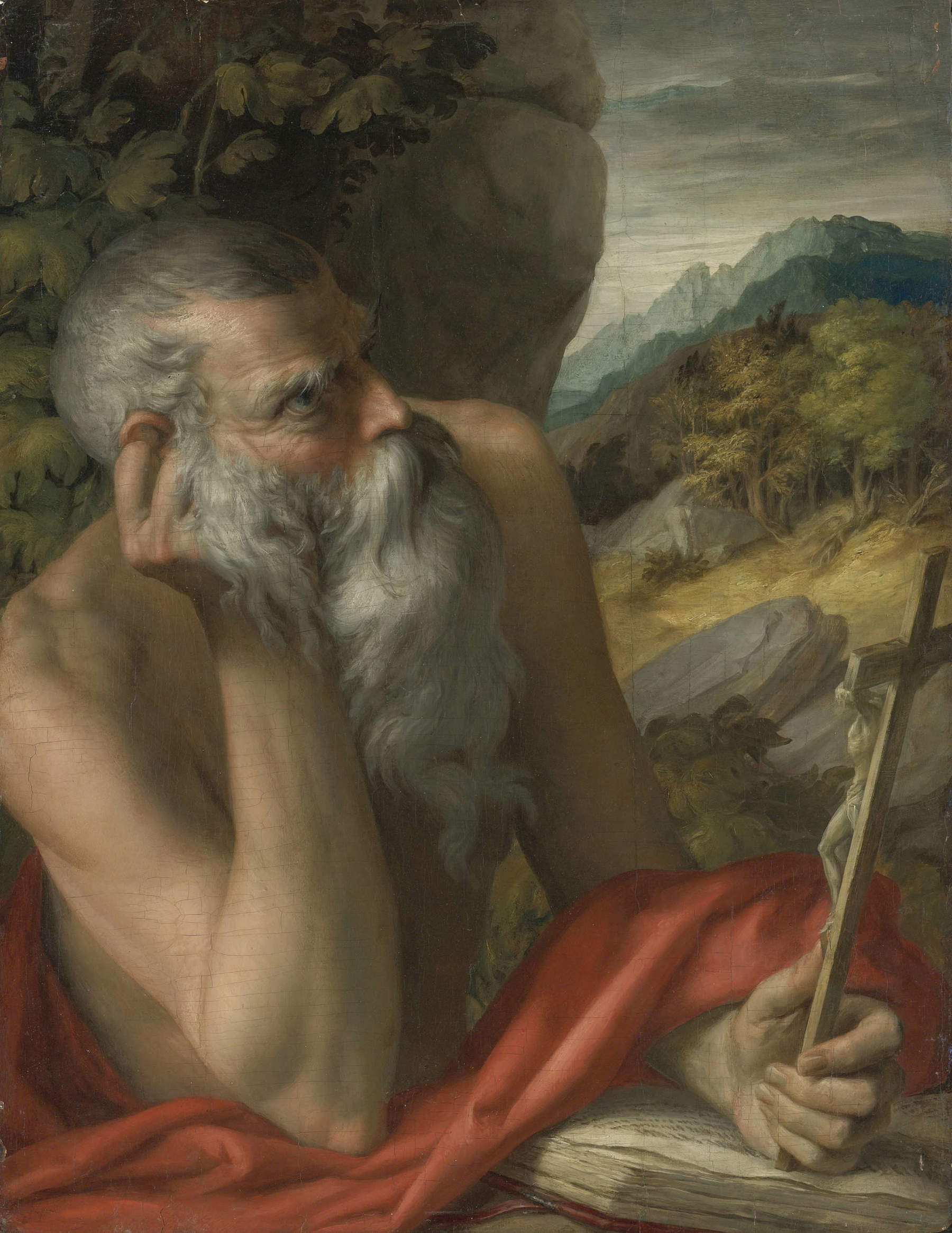
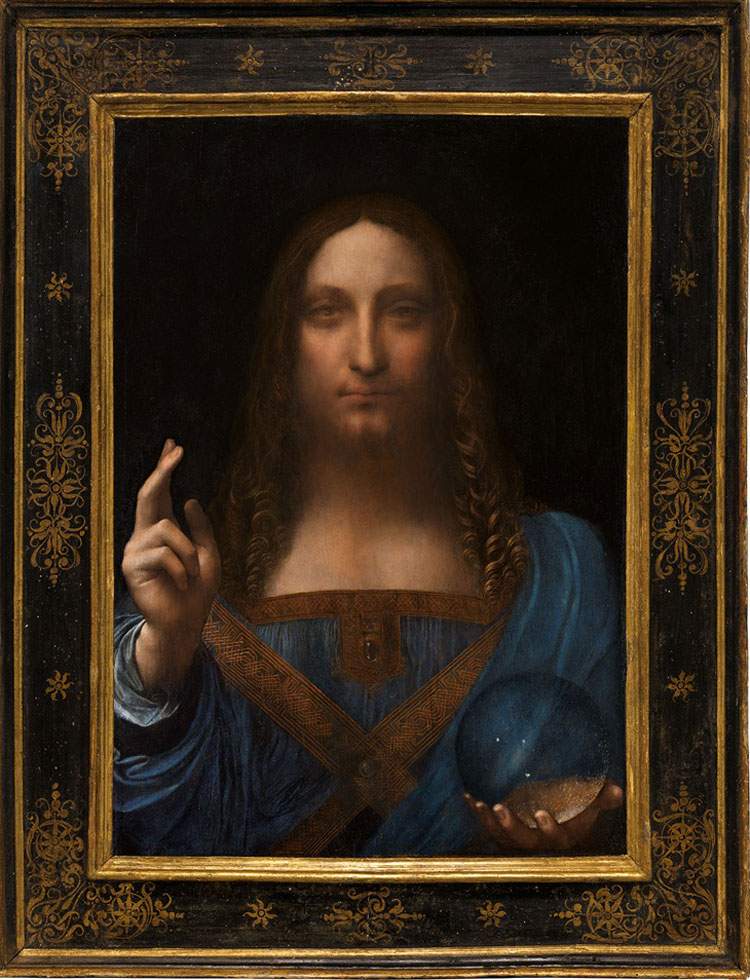
Alongside these well-documented frauds are financial manipulations, such as the sale of the highly contested *Salvator Mundi*, attributed to Leonardo da Vinci, for over $450 million (approximately $485 million in total). Strategically included by Christie’s in an evening auction of Modern and Contemporary Art to circumvent scrutiny by specialists in old master paintings, the work—heavily overpainted and widely debated as a workshop product—was sold as a financial brand rather than as an authentic work of art. Similar transactions, fueled by promotionalhype, have dealt a profound blow to the market’s credibility, evident in collectors’ growing skepticism regarding subsequent sales.
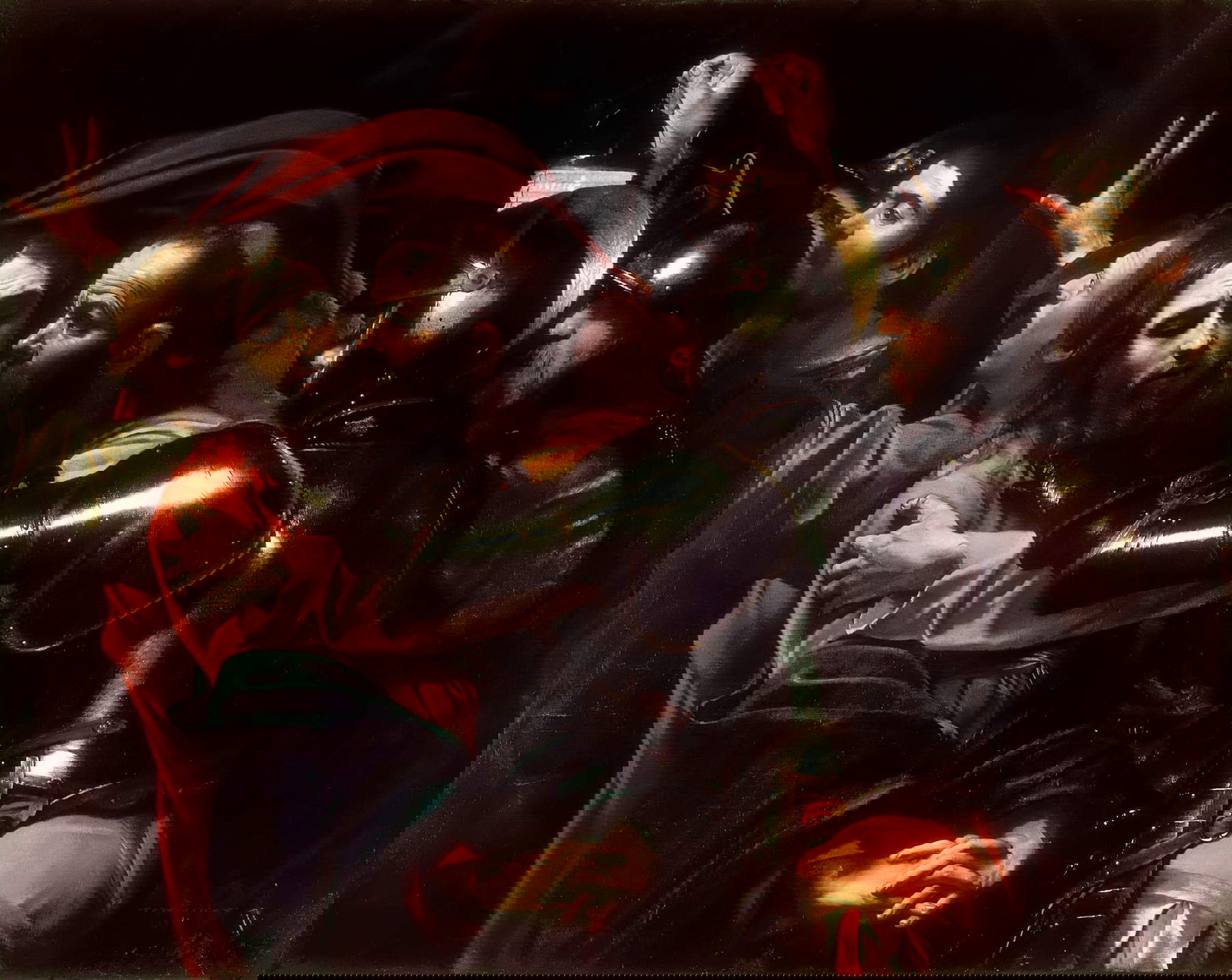
When works appear on the market supported only by the isolated opinions of individual scholars—however representative they may be—without open, transparent authentication, the result can be an immediate decline in the artist’s standing. Consider recent paintings on canvas and panel that have appeared in international auctions, including works by Correggio (a Magdalene and a Madonna and Child) or the Study with a White Horse attributed to Parmigianino: works that went unsold or were held at the reserve price, compared to the potential valuations of these masters, precisely because the market sensed the absence of a solid analytical framework. An equally complex dynamic has accompanied both the rediscovery in Spain of the controversial *Ecce Homo* attributed to Caravaggio and the discussions surrounding the famous *Capture of Christ* at the National Gallery of Ireland in Dublin. In both cases, an authoritative segment of art-historical criticism has expressed well-founded reservations, even though the complete diagnostic data necessary for an open scientific comparison with Merisi’s authenticated masterpieces has never been made fully accessible.
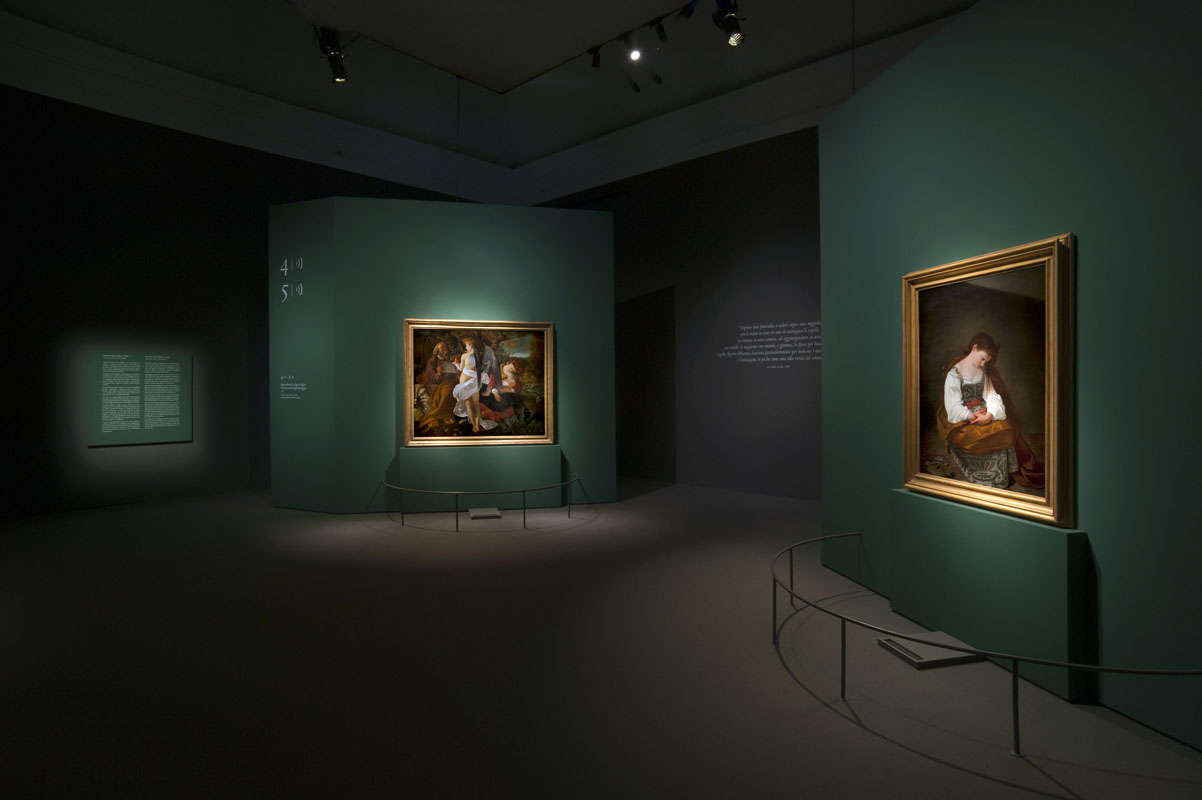
What happened at a recent exhibition in Rome— promptly reported by Federico Giannini, editor-in-chief of *Finestre sull’Arte*—is symptomatic: photographic reproduction in the exhibition halls was strictly prohibited by security measures applied exclusively to these two works. Such a ban represents the exact opposite of what scholarship requires. The true spirit of research must be to ascertain historical and material truth, not to defend preconceived positions. And this is precisely where the tools of Artificial Intelligence can make a decisive contribution: by comparing, in real time, ultra-high-resolution photographic details, X-ray images, reflectography, and all chemical and physical analyses with the artist’s verified body of work.
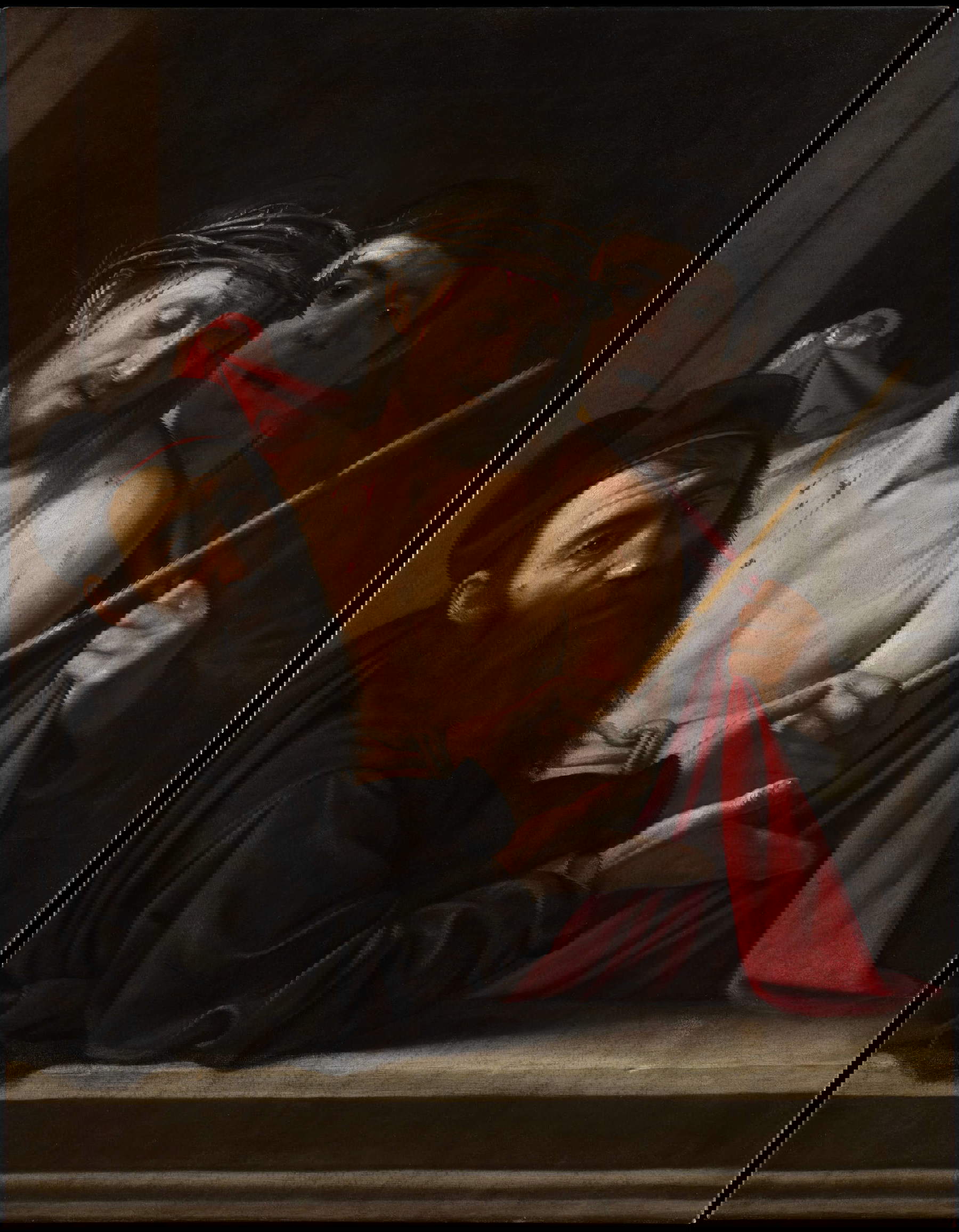
This opaque approach represents an incomprehensible step backward from exemplary exhibition models that have paved the way for scientific transparency. Consider the memorable exhibition “Inside Caravaggio,” held at Palazzo Reale in Milan in 2017, curated by Rossella Vodret and with diagnostic coordination by engineer Claudio Falcucci: for the first time, each masterpiece was accompanied by its corresponding 1:1-scale radiographic and reflectographic scans, allowing the public and scholars to directly examine the creative process, the underlying drawing, and the master’s pentimenti.
A similar and highly relevant example of scientific rigor applied to 20th-century art is represented by the recent research and exhibition projects promoted at the Pinacoteca Agnelli in Turin dedicated to Amedeo Modigliani. Through a comparative study of the works in the collection, scientific investigations have analyzed the weave of the canvases, the textile composition, the morphology of the support, and the stratigraphy of the pigments, demonstrating how, even for the 20th-century avant-garde, material analysis and diagnostics provide indispensable philological criteria for distinguishing authentic works from mass-produced forgeries.
This is the inevitable direction of modernity. In a mature market, the traditional “certificate of authenticity” issued by an art historian based on a personal and arbitrary opinion—however important—is no longer sufficient. Just as provenance, however prestigious, is not in itself a guarantee of an original work. Even within the Palazzo Barberini collection—one of the most famous in the world—there have historically been between 900 and 1,200 copies or “mannerist” works. Federico Zeri, in his 1954 catalog of the Spada Gallery, had already demonstrated how Cardinals Bernardino and Fabrizio Spada regularly commissioned and purchased copies of the great masters (Titian, Guercino, Reni, Caravaggio, Dürer) to complete their picture galleries and adorn their palaces. When an auction house or the market emphasizes that there is an antique seal or a Barberini or Borghese inventory number on the reverse, it provides a genuine archival fact that is, however, often used as a marketing ploy.
Here, too, the integration of artificial intelligence, provenance research, and scientific diagnostics allows for cross-referencing data: retrieving the original inventory transcription (verifying whether the work was recorded as an autograph or a copy) and comparing the quantitative composition of the pigments and the drawing, thereby distinguishing the master from the copyist employed by the princely family. That said, historical inventories demonstrate genuine consistency when they are contemporary with the creation of the works, whereas they must be carefully interpreted if compiled decades or centuries later.
I believe that, just as with any asset of high economic value, a work of art must be accompanied by a genuine scientific and documentary guarantee. Both at major international auction houses and at major industry events, such as the Florence Antiques Biennale (BIAF) or TEFAF in Maastricht, works of the highest caliber can no longer be presented without standardized diagnostic certification. One proposal could be to divide the works on offer into two value brackets, without ruling out the possibility of extending this protocol to works of lesser value as well:
• For mid-range works (under €500,000): a basic scientific dossier is required, including high-definition infrared reflectography, point XRF spectrometry on key pigments, grazing-light macro-photography, and a report on the state of conservation of the supports.
• For museum-level works (over €5,000,000): a comprehensive and publicly available (open data) diagnostic survey is required prior to sale or exhibition, including macro-XRF (MA-XRF) mapping, false-color infrared imaging, ultra-high-resolution digital radiography, textile or dendrochronological analysis, and public release of raw data to allow for independent computational verification.
Artificial Intelligence should not be viewed as a dogmatic oracle, but as an extraordinarily powerful dialectical partner. When presented with various hypotheses (autograph, workshop pupil, contemporary copy, historical or modern forgery), the superintelligence quantifies the probative weight of each option and articulates, with mathematical precision, the physical and material parameters on the basis of which a particular thesis must be rejected.
The final validation of the work rests—and will always rest—with the art historian and the connoisseur of proven experience. However, the contemporary scholar will no longer be able to rely on the arbitrary claim “he said so himself,” but will instead guide a rigorous synthesis of humanistic sensibility, a critical eye, impeccable photographic documentation, and scientific evidence. The superintelligence of our time thus fulfills its highest mission: to transform art history into a space of philological transparency, restoring to civilization and the market the certainty and grandeur of its authentic masterpieces.
The conservation and study of artworks can only benefit from this process, whether in museums or private collections. To oppose such an important tool for knowledge is to stand against history—not only the history of art but the history of humanity.
And it is precisely from this vision that the Miras Arte ETS Foundation was recently established: an institution conceived not only to protect and promote the family’s art collection and new acquisitions, but also to systematically organize a photographic heritage resulting from nearly fifty years of fieldwork and visual research on the landscape and cultural heritage. In this context, Artificial Intelligence becomes an indispensable operational tool: it allows for the cataloging of a monumental photographic archive with scientific precision and, at the same time, enables the application of the most rigorous comparison and diagnostic protocols for the study, attribution, and rediscovery of works of art.


The author of this article: Marco Baldassari
Marco Baldassari (Roma, 1958), fotografo, ha cominciato la sua carriera nel 1977 e dal 1980 ha lavorato come fotografo per i musei, in particolare alla Pinacoteca Nazionale di Bologna, spesso a fianco di Andrea Emiliani. Sue fotografie sono state pubblicate in numerosi volumi della Pinacoteca bolognese, museo per cui ha realizzato anche numerose immagini a uso didattico per programmi e mostre, e dell'istituto dei Beni Culturali della Regione Emilia Romagna. Ha insegnato per oltre trent'anni la materia. Di recente si è occupato di novità tecniche e tecnologiche sino alla recente introduzione dell'intelligenza artificiale in molti settori, tra cui la Storia dell'Arte.Warning: the translation into English of the original Italian article was created using automatic tools. We undertake to review all articles, but we do not guarantee the total absence of inaccuracies in the translation due to the program. You can find the original by clicking on the ITA button. If you find any mistake,please contact us.
























 IT
IT FR
FR DE
DE ES
ES CN
CN


