





There is increasing discussion about the value of culture for people’s well-being. The recent memorandum of understanding between the Ministry of Culture and the Ministry of Health, which paves the way for research into the effects of engaging with cultural heritage and artistic activities on health, marks an important step: recognizing culture’s role in promoting well-being means acknowledging its value for quality of life. But this raises a question: if culture can contribute to people’s well-being, is it truly accessible to everyone?
For a person with an intellectual disability, in fact, the barrier is not necessarily the museum’s door. It may be the language used to describe a work of art, the difficulty of navigating the space, of following an exhibition route, or of attributing meaning to what is being observed. It’s not enough to simply be able to enter a museum: one must be able to understand and fully experience the cultural encounter. For many years, we have rightly worked to eliminate architectural barriers. Today we must take a further step: we must ask ourselves not only who can enter a museum, but who can truly participate in the experience the museum offers. This does not mean simplifying art or diminishing its meaning. It means finding different ways to allow different audiences to engage with that meaning. This is the approach L’abilità ETS has been pursuing for over ten years through “Museo per tutti,” collaborating with museums to develop tools and methodologies that make cultural heritage understandable and accessible to people with intellectual disabilities.
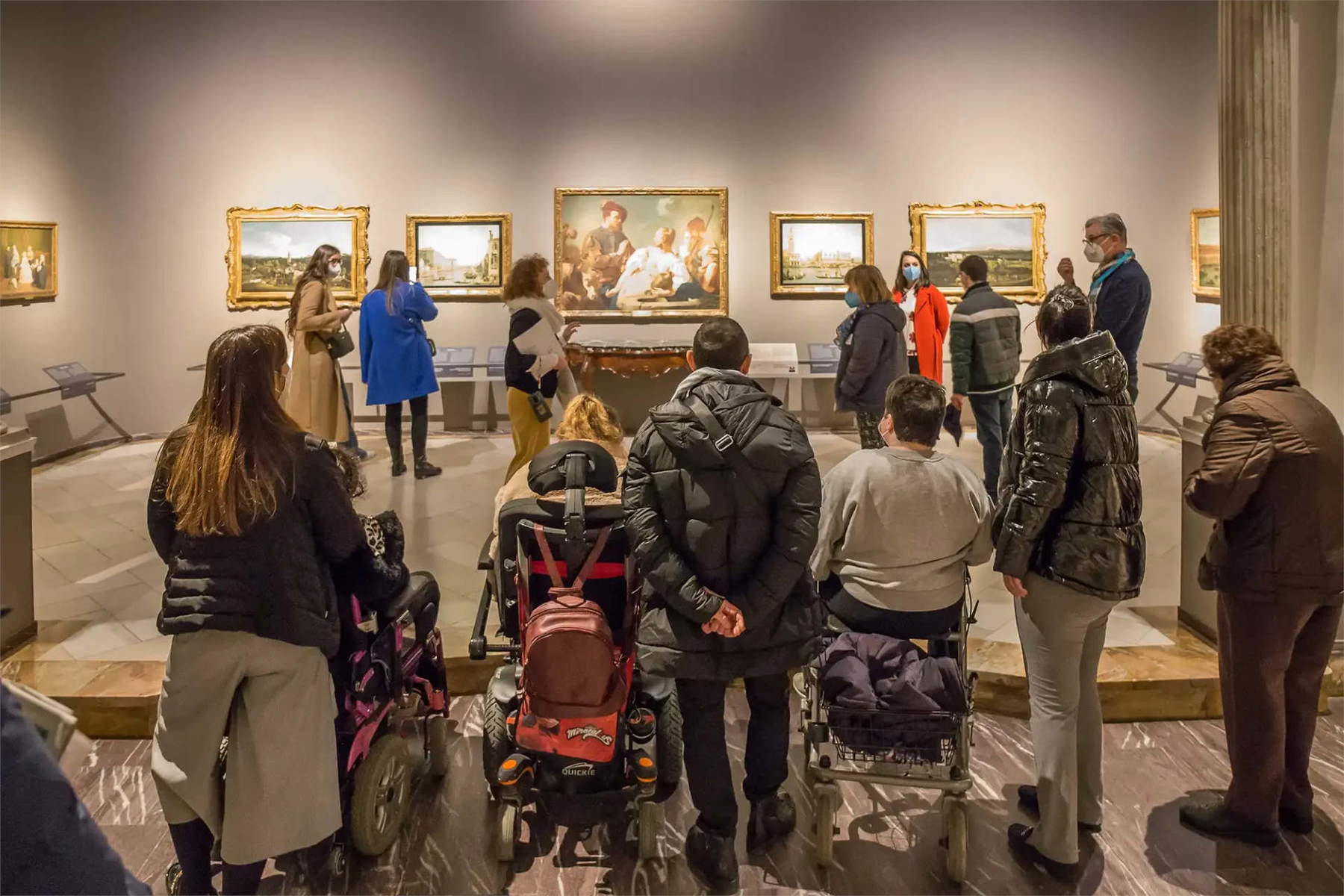
Experience has taught us that there is no one-size-fits-all solution. We must consider the entire visit experience: language, wayfinding, timing, modes of communication, and the opportunity to choose and participate. And above all, we must listen to the people for whom these solutions are intended. Accessibility does not mean making the cultural experience the same for everyone, but rather creating the conditions so that everyone can experience it. Today, this work enters a new phase with INCLUDE-ID, a European research project funded by Horizon Europe and coordinated by IRCCS Eugenio Medea, in which L’Abilità participates by contributing the experience gained through “Museo per tutti.” The project also involves three Italian institutions—the Luigi Rovati Foundation in Milan, Villa Panza in Varese, and Palazzo Moroni in Bergamo—and aims to study how to make cultural institutions more inclusive for people with intellectual disabilities through personalized pathways, co-design, and new technological solutions.
For us, this means bringing a question born of practical experience into European research: How can we build cultural institutions capable of adapting to people, rather than asking people to adapt to their languages? It is a question that concerns the future of museums. If we now begin to recognize that culture also plays a role in well-being, we must be consistent: we cannot consider culture a resource for everyone if not everyone has the opportunity to understand and experience it.
The challenge of cultural accessibility, therefore, is not merely about getting more people into museums. It is about ensuring that, once inside, they can understand, find their way around, participate, and feel like part of that experience. This, in my view, is the path to a truly inclusive culture.

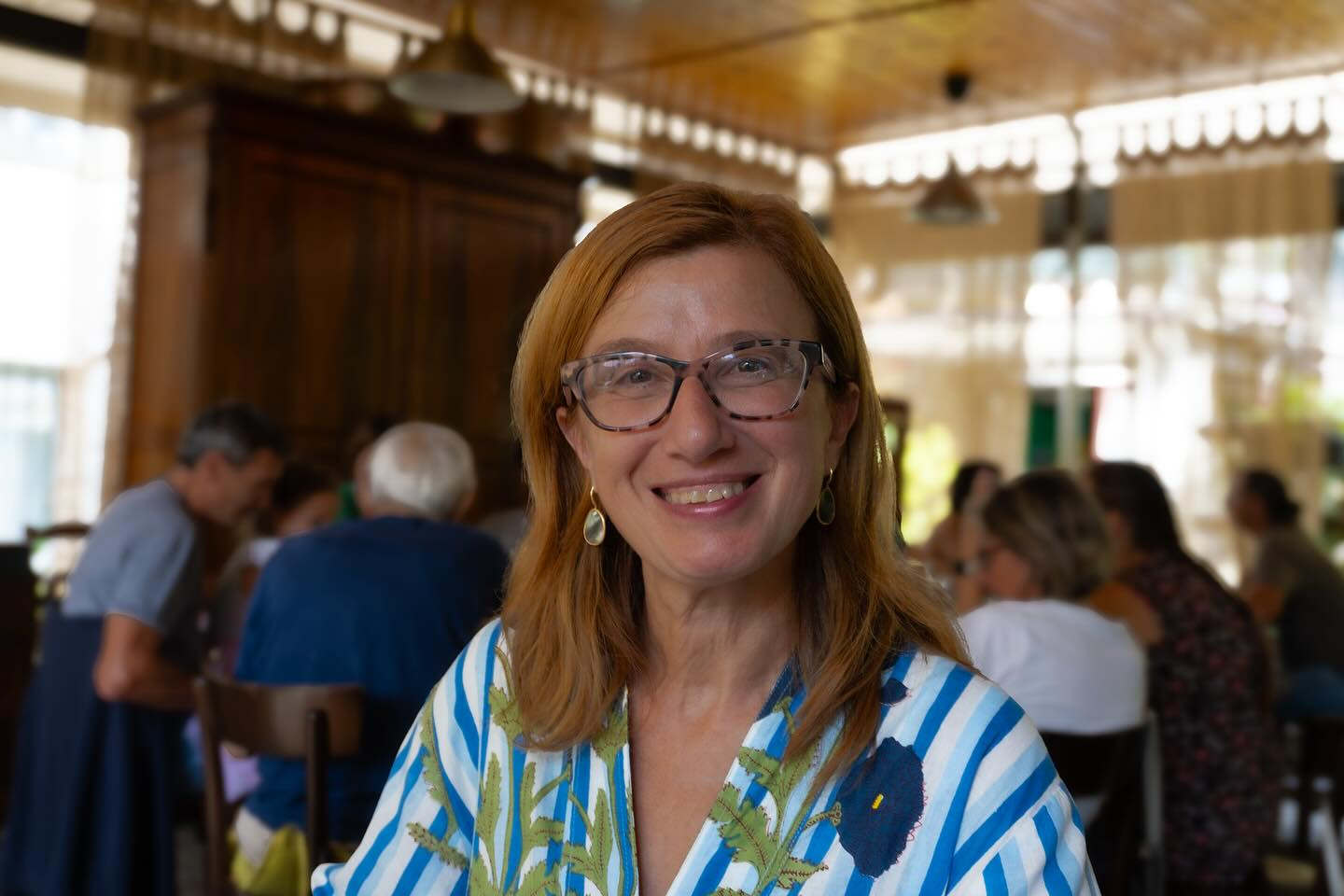
The author of this article: Laura Borghetto
Laura Borghetto è fondatrice e direttrice de L'Abilità ETS, associazione del terzo settore che si prende cura di bambini e bambine con disabilità e delle loro famiglie, grazie a una rete di centri specializzati dove vengono garantiti il diritto all’inclusione, alla cura e all’uguaglianza.Warning: the translation into English of the original Italian article was created using automatic tools. We undertake to review all articles, but we do not guarantee the total absence of inaccuracies in the translation due to the program. You can find the original by clicking on the ITA button. If you find any mistake,please contact us.






















 IT
IT FR
FR DE
DE ES
ES CN
CN


