



by
Noemi Capoccia  @noe_capo
19/11/2026


Categories: Works and artists / Disclaimer
With the release of Grand Theft Auto VI, Vice City brings 1980s Miami back to life. A journey through the American visual imagination, spanning Hopper’s paintings, Eggleston’s photography, Warhol’s Pop Art, and the murals of Wynwood. An article by Noemi Capoccia.


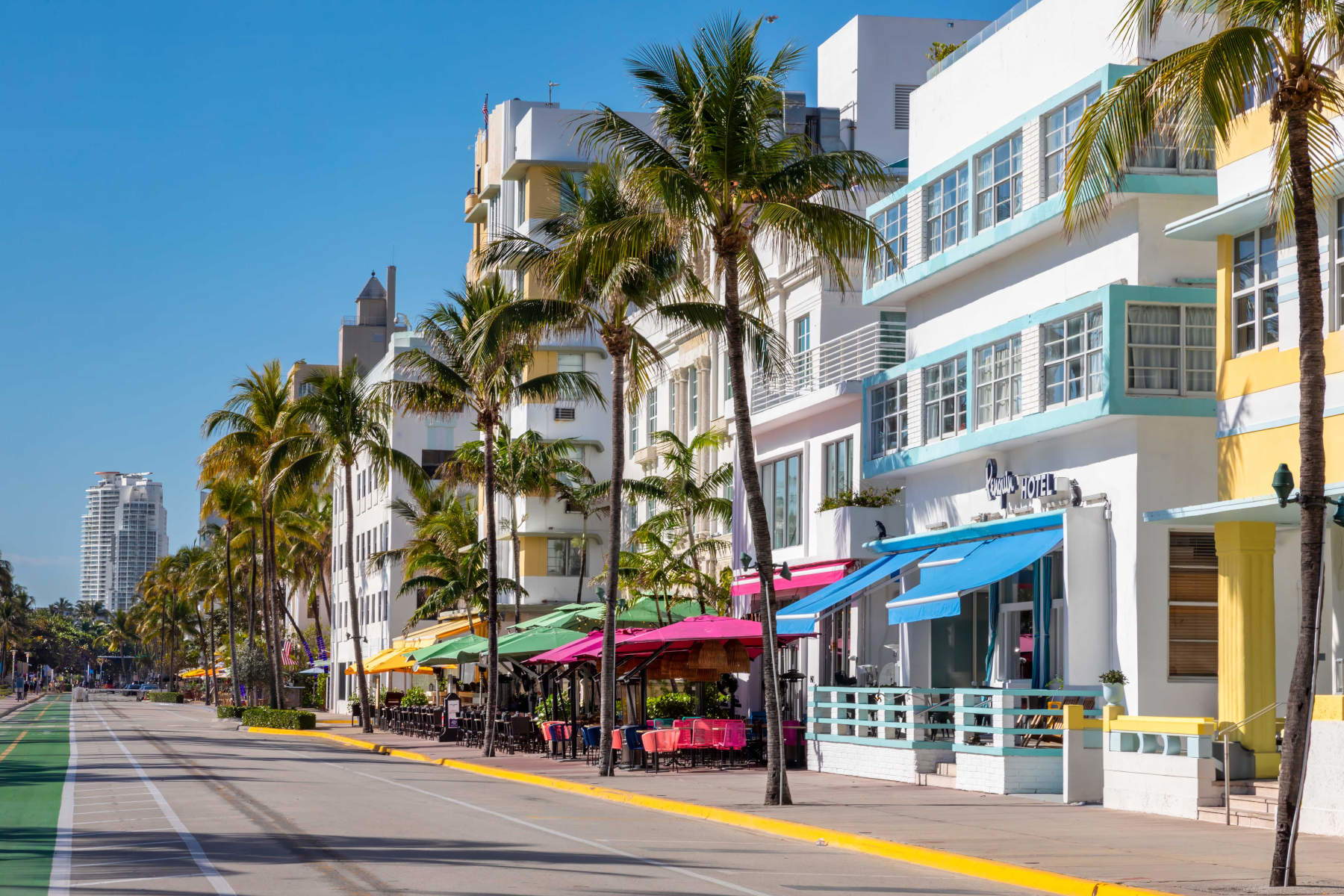
“Good morning, Vice City! It’s 8:15 a.m., the sun is already high over the coast, and traffic is starting to pick up on Ocean Drive. Get comfortable, roll down your windows, and let the music take you away. To kick off the day, we’re playing “Out of Touch” by Daryl Hall & John Oates, straight from 1984.” A familiar voice comes from the car stereo of a vehicle speeding along the streets of Florida, accompanied by the notes of an ’80s hit. Outside the window, neon signs, pastel-colored facades, boulevards, and palm trees lining the ocean flash by. A landscape that looks like something out of a movie. It’s Vice City, the fictional city inspired by Miami, and today, November 19, it once again opens its streets to Italian players with Grand Theft Auto VI, the latest installment in Rockstar Games’ open-world saga, available on PlayStation 5 and Xbox Series X|S. Awaiting them is a vast world to explore freely and the story of Jason Duval and Lucia Caminos, two protagonists swept up in a criminal saga that spans the entire fictional state of Leonida.

The anticipation has long since spread beyond the gaming industry, and today it’s even making its way into offices. According to a report by Open ( in an article dated November 17), which cites data from the human resources multinational Remote.com, requests for vacation and remote work this Thursday have risen globally by 32% compared to the same day in 2025. Italy leads the global rankings with a 91% increase, ahead of India, Ireland, and Spain, and Gen Z is the main driver of these absences. Yet, as the publication further reports, according to the same data, only one in 170 employees will have the courage to put the real reason for the request in writing. When a video game manages to clear out the offices, perhaps it’s fair to ask what makes it so special.


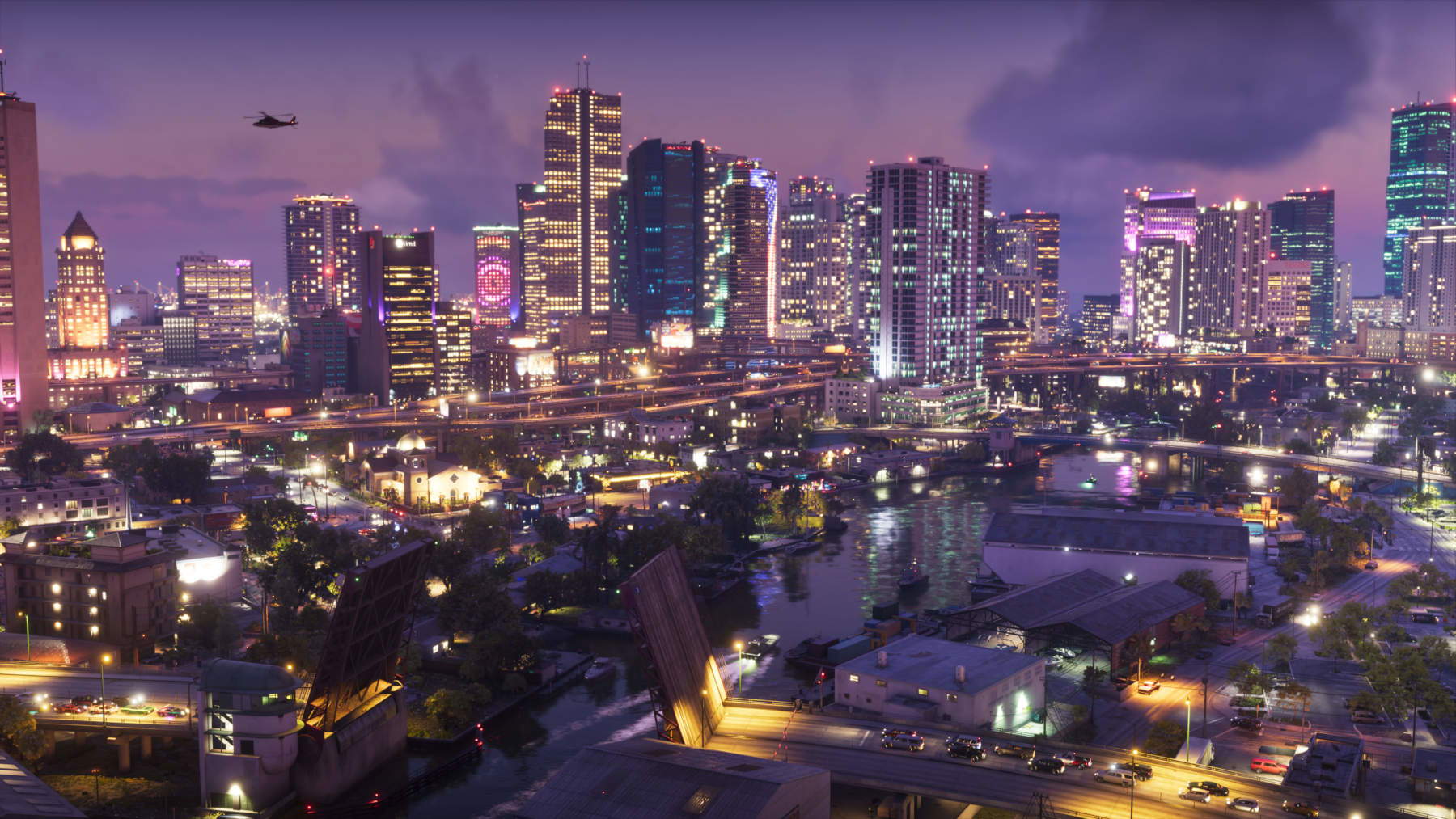
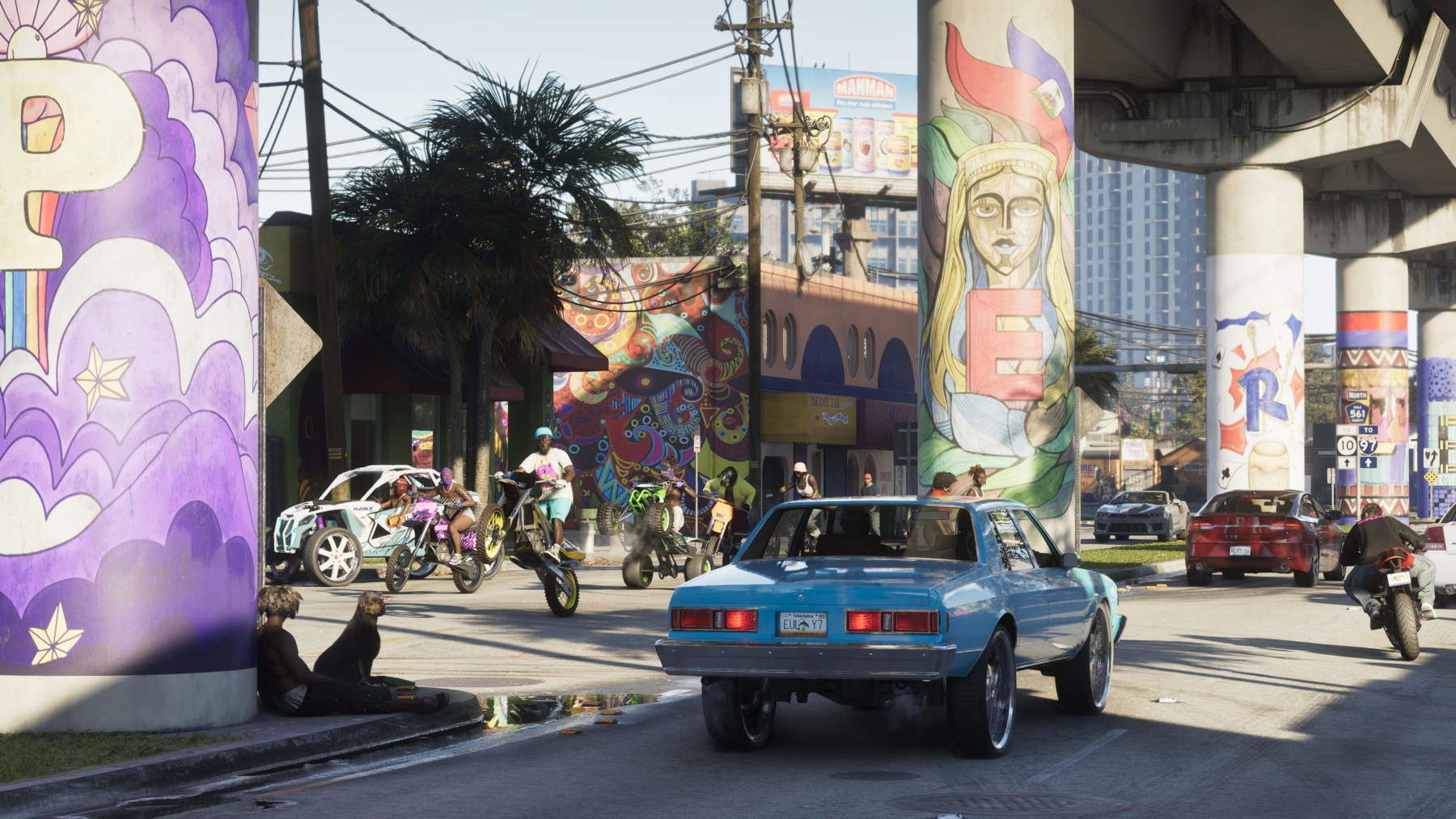
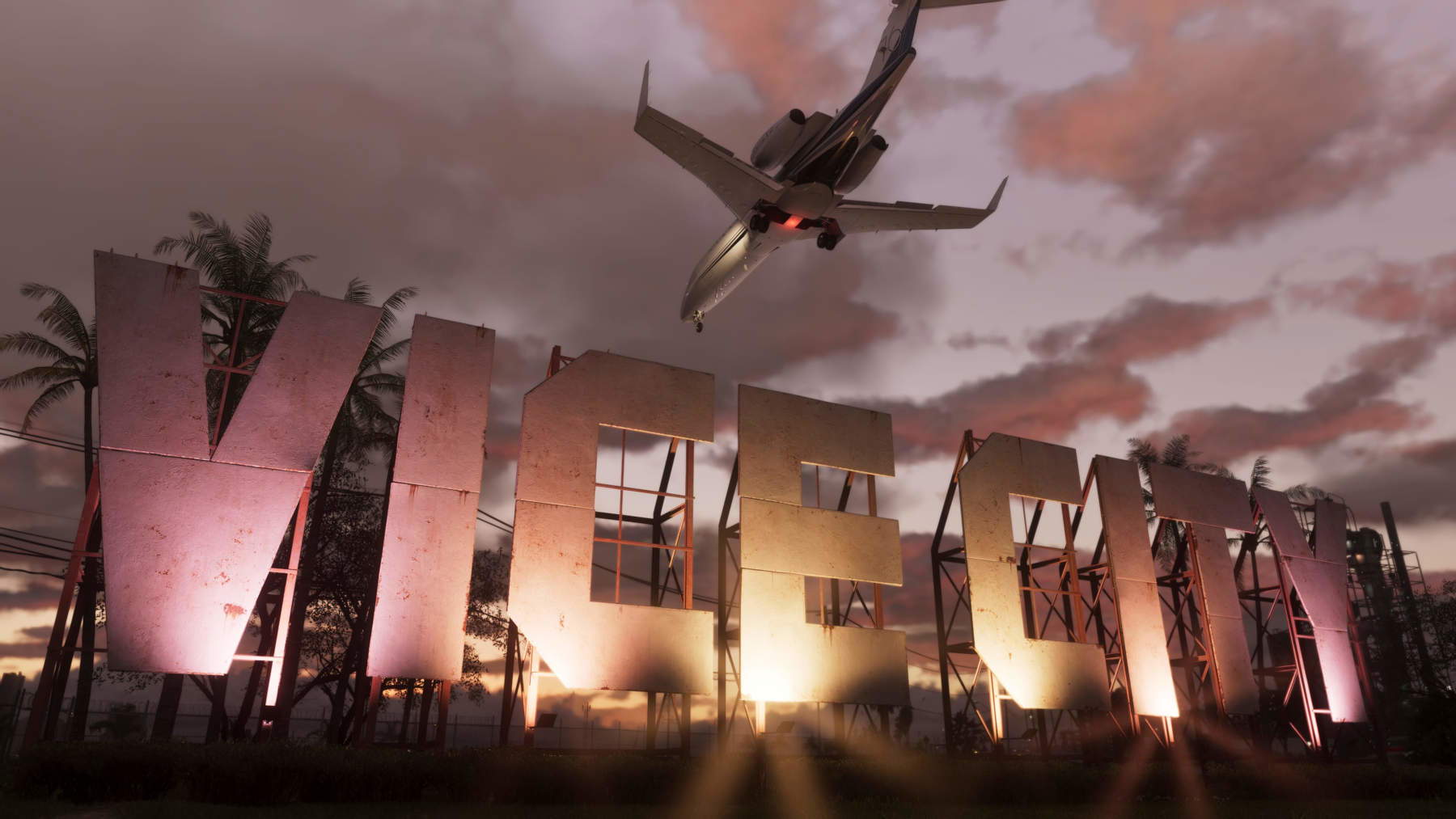
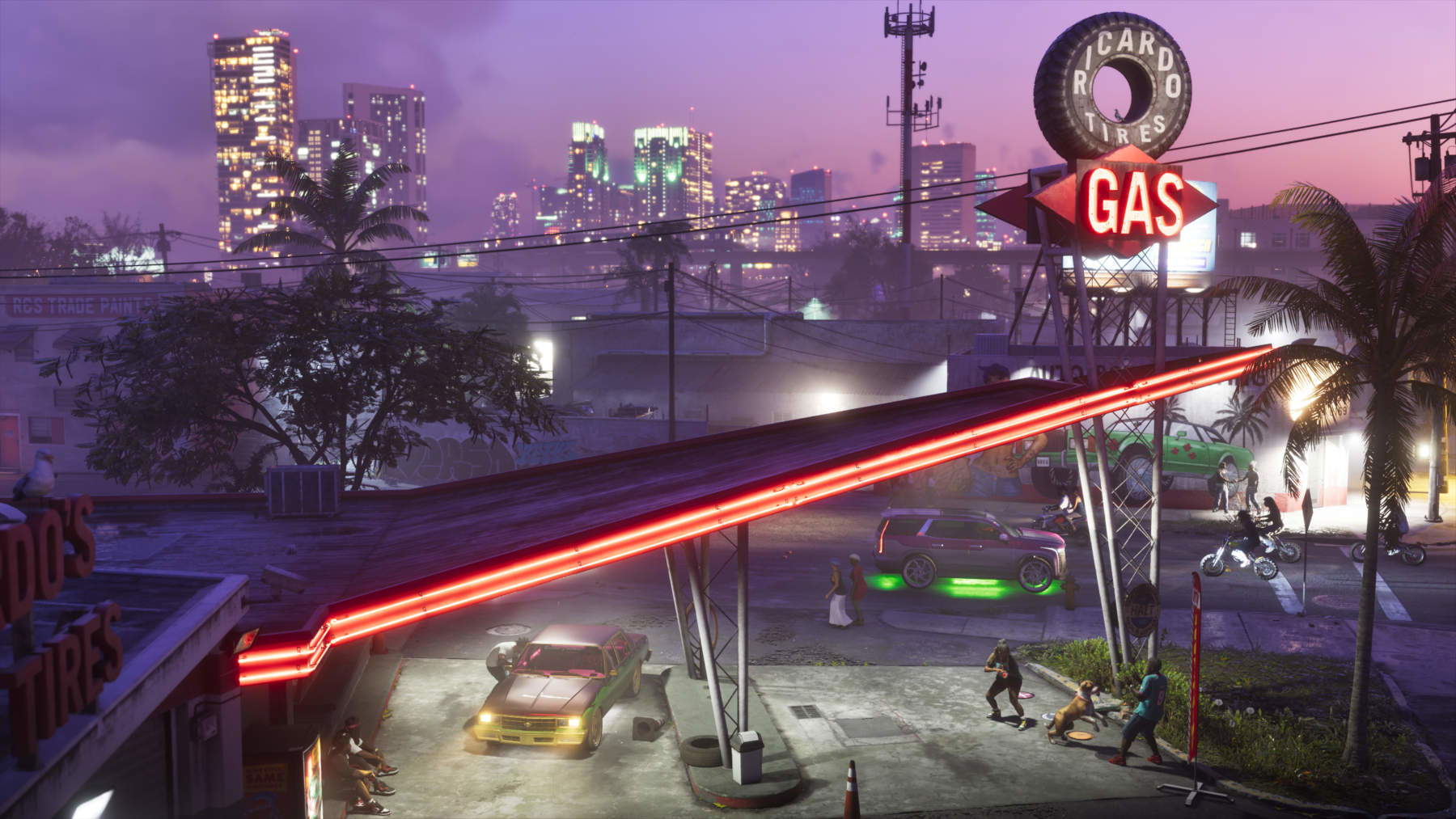
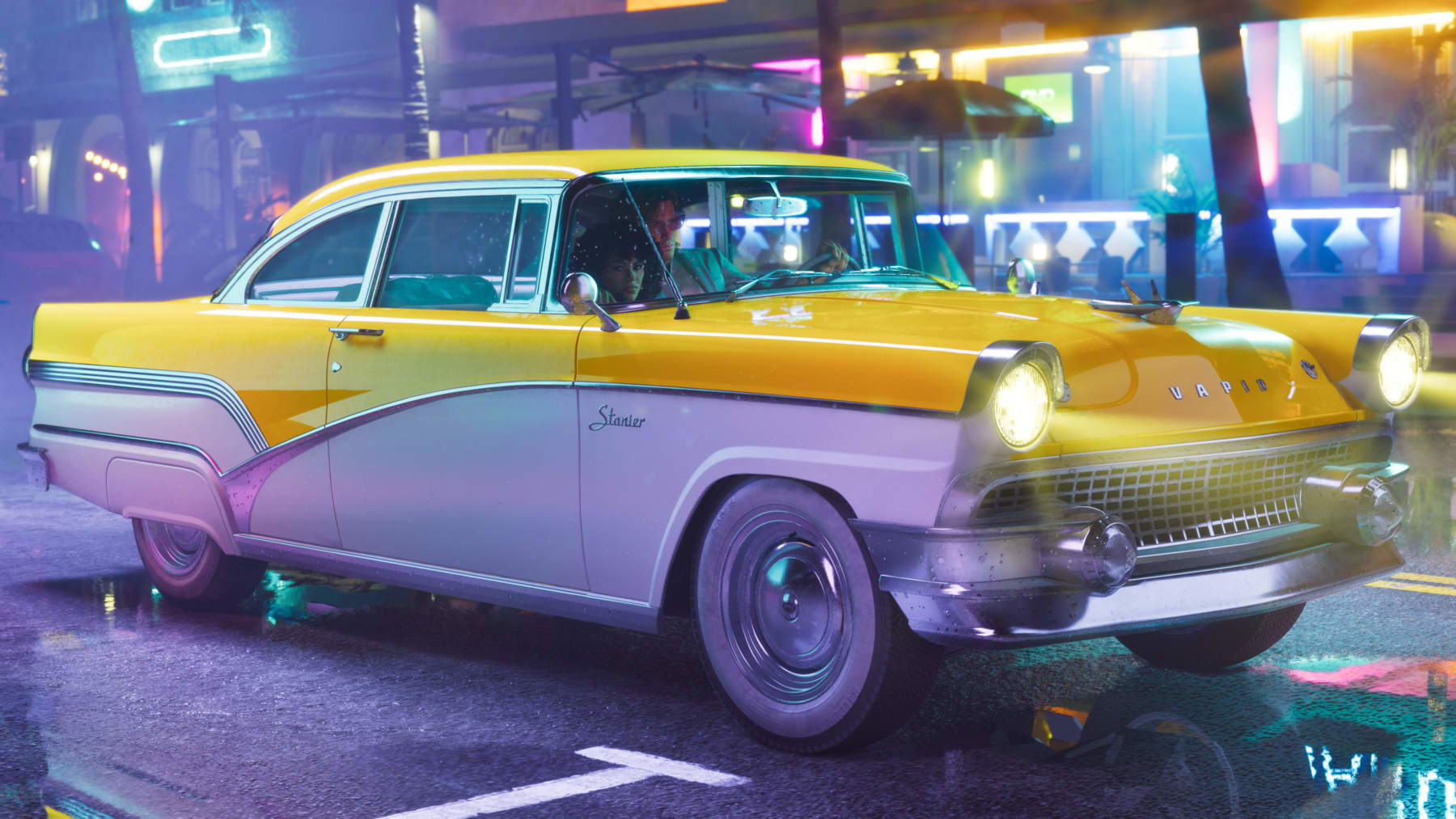
Part of the answer lies in the setting. Returning to Vice City doesn’t just mean revisiting a setting familiar to fans. It means stepping into a repertoire of images that belongs to American cultural—and above all, visual—memory: streets lit up at night, gas stations, motels, billboards, beaches, palm trees, and architecture overlooking the sea. An imagery that found some of its most important interpreters in Edward Hopper, William Eggleston, and Andy Warhol.


To understand how it came about, we must go back to the 1980s, when Miami became one of the major backdrops of American audiovisual culture. In September 1984, *Miami Vice* debuted—the crime series created by Anthony Yerkovich and produced by Michael Mann, which would forever change the way the city was portrayed. Sports cars, light-colored Armani suits, beaches, Art Deco buildings in the Art Deco Historic District (the historic South Beach neighborhood), and artificial lights all came together to create an instantly recognizable identity. Music also played its part: the sequences had the rhythm of music videos, and the songs of the moment became part of the narrative as if they were real characters.
"Stay tuned. It’s 10 p.m. and the temperature is still high. For those in the South Beach area, the night has just begun. This is ‘In the Air Tonight’ by Phil Collins.” And this very song, released in 1981, is closely tied to *Miami Vice*: it was, in fact, used in the series’ pilot episode, accompanying one of the show’s most famous sequences. The music, along with the cinematography and the distinctive color palette, helped transform Miami into a distinct narrative presence, filled with glamour and nocturnal atmospheres.
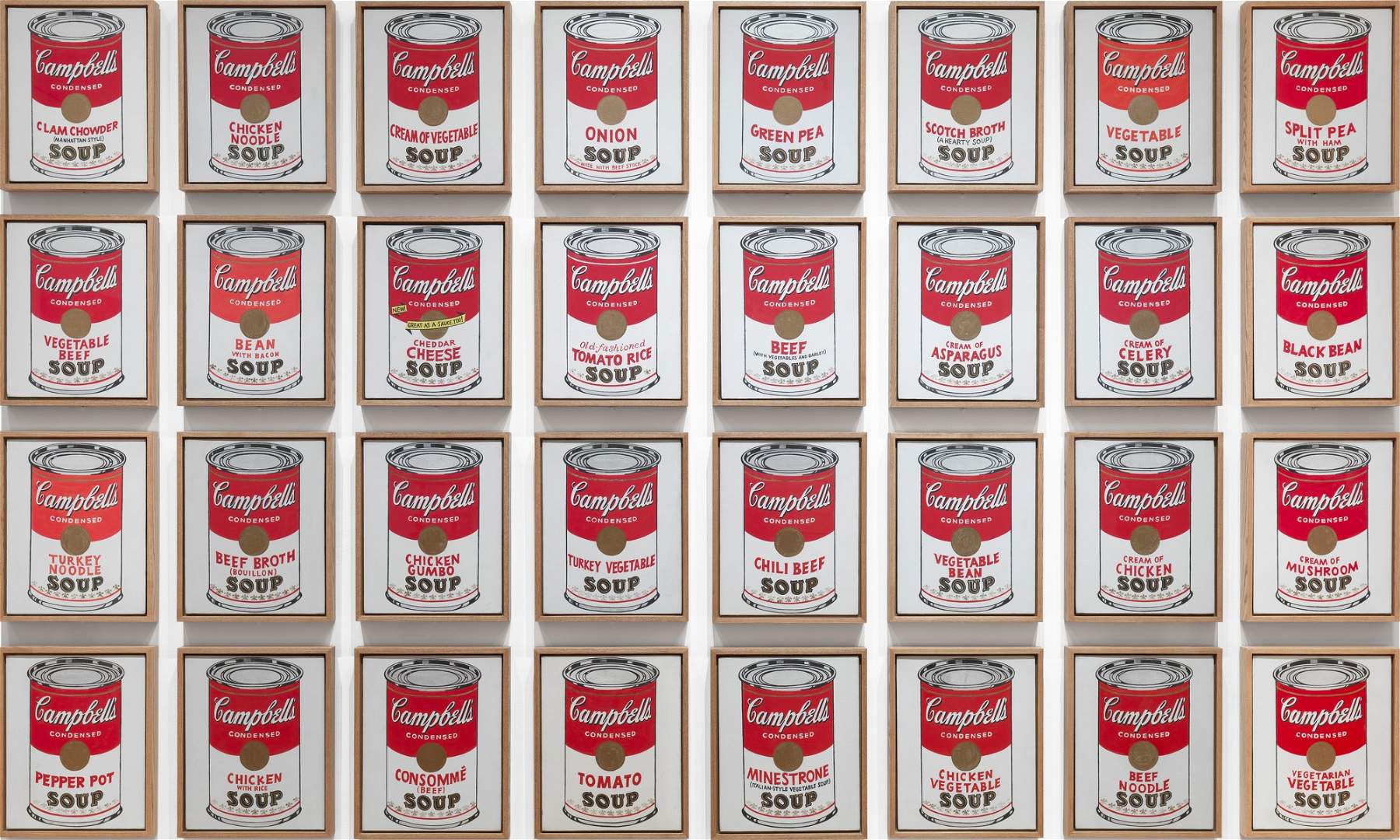
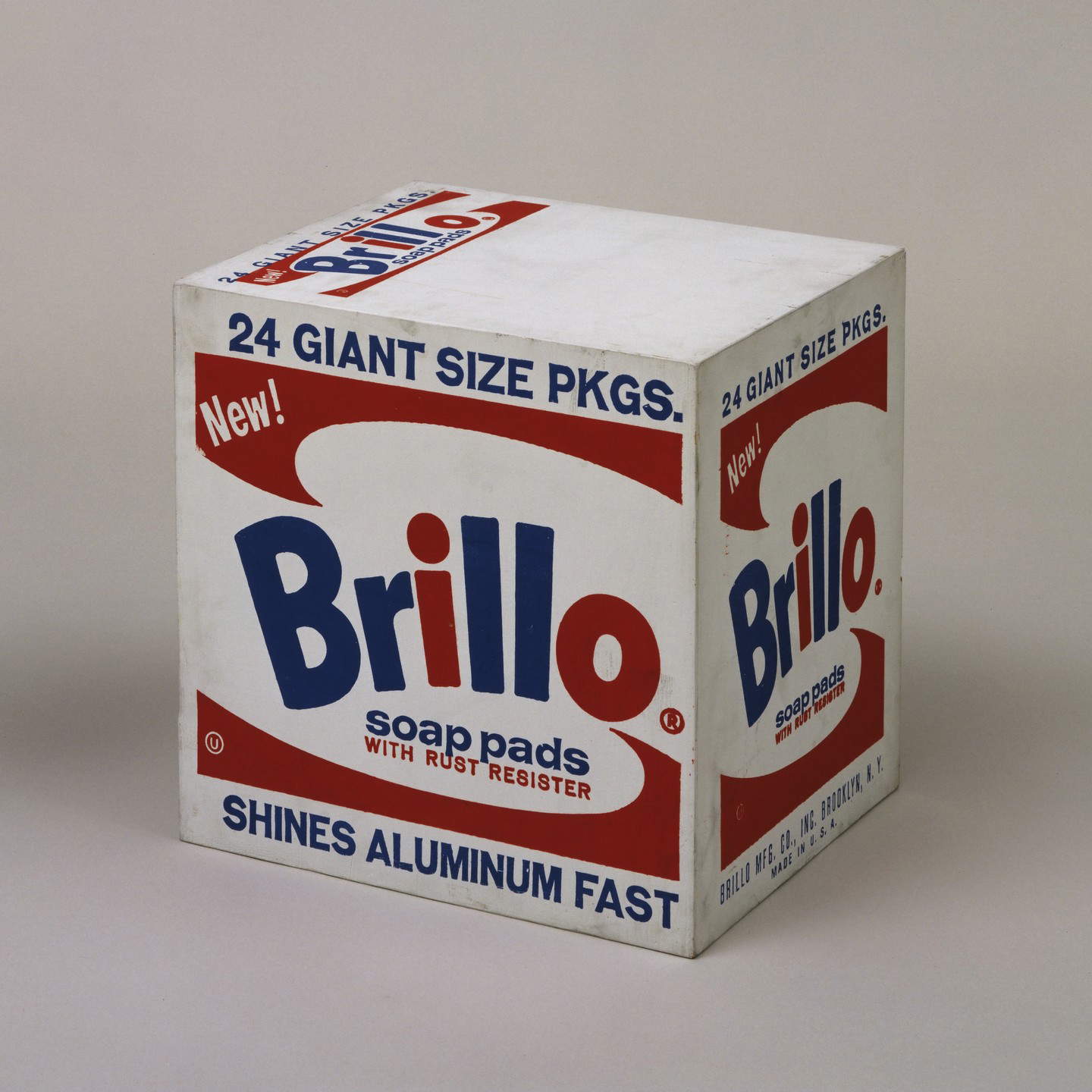
The aesthetic roots of Vice City and the *Miami Vice* series itself, however, date back to an earlier period and find some of their earliest references in the art of the 1960s. Andy Warhol (Pittsburgh, 1928 – New York, 1987), a key figure in Pop Art, chose advertising, consumer products, celebrities, and images disseminated by the mass media as the subject matter of his work. After working as an advertising illustrator for magazines such as *Vogue* and *Glamour*, the artist transferred the language of commercial communication into the realm of artistic exploration, developing a method based on the impersonal reproduction of images and seriality. Beginning in the early 1960s, through silkscreen printing on canvas, he transformed everyday objects into artistic subjects: Campbell’s Soup cans (1962), Coca-Cola bottles, and Brillo Boxes (1964) thus became representations of a society characterized by industrial production and mass consumption.
The same process was applied to images of celebrities, from Marilyn Monroe to Jacqueline Kennedy, reproduced in series until they became icons of popular culture. In 1964, Warhol founded The Factory in New York, a studio conceived as a center for collective artistic production, frequented by musicians, actors, and artists. His work also offers a lens through which to view the landscape of Vice City: neon signs, brands, advertisements, and commercial products all contribute to shaping the city’s visual identity. These everyday elements, like in Warhol’s works, transcend their original function and become recognizable, repeated, and shared images capable of portraying a society through its own symbols.
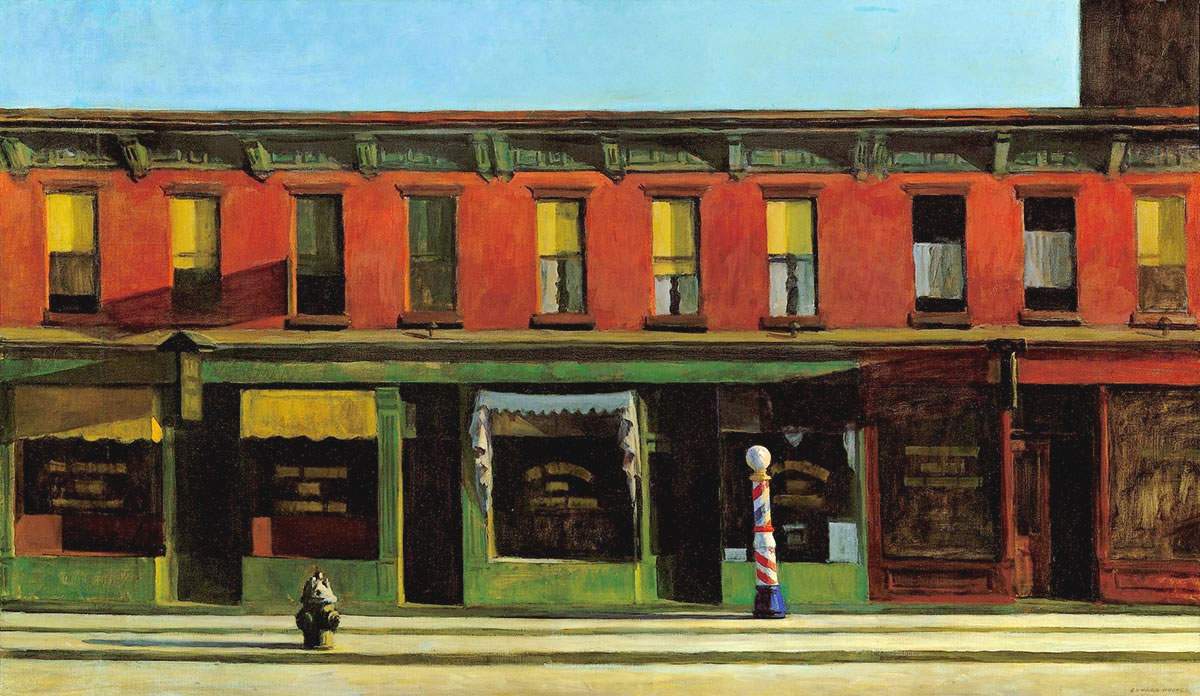
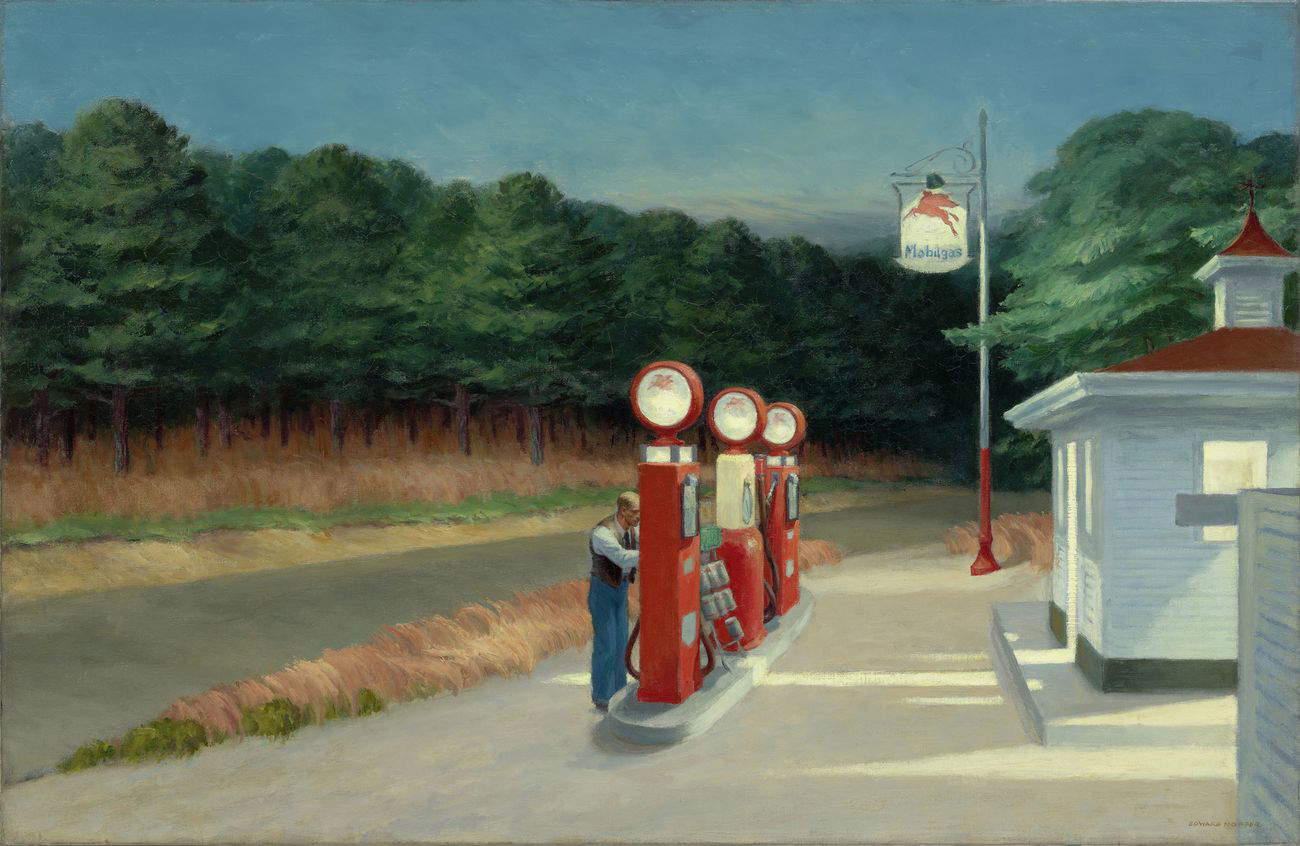
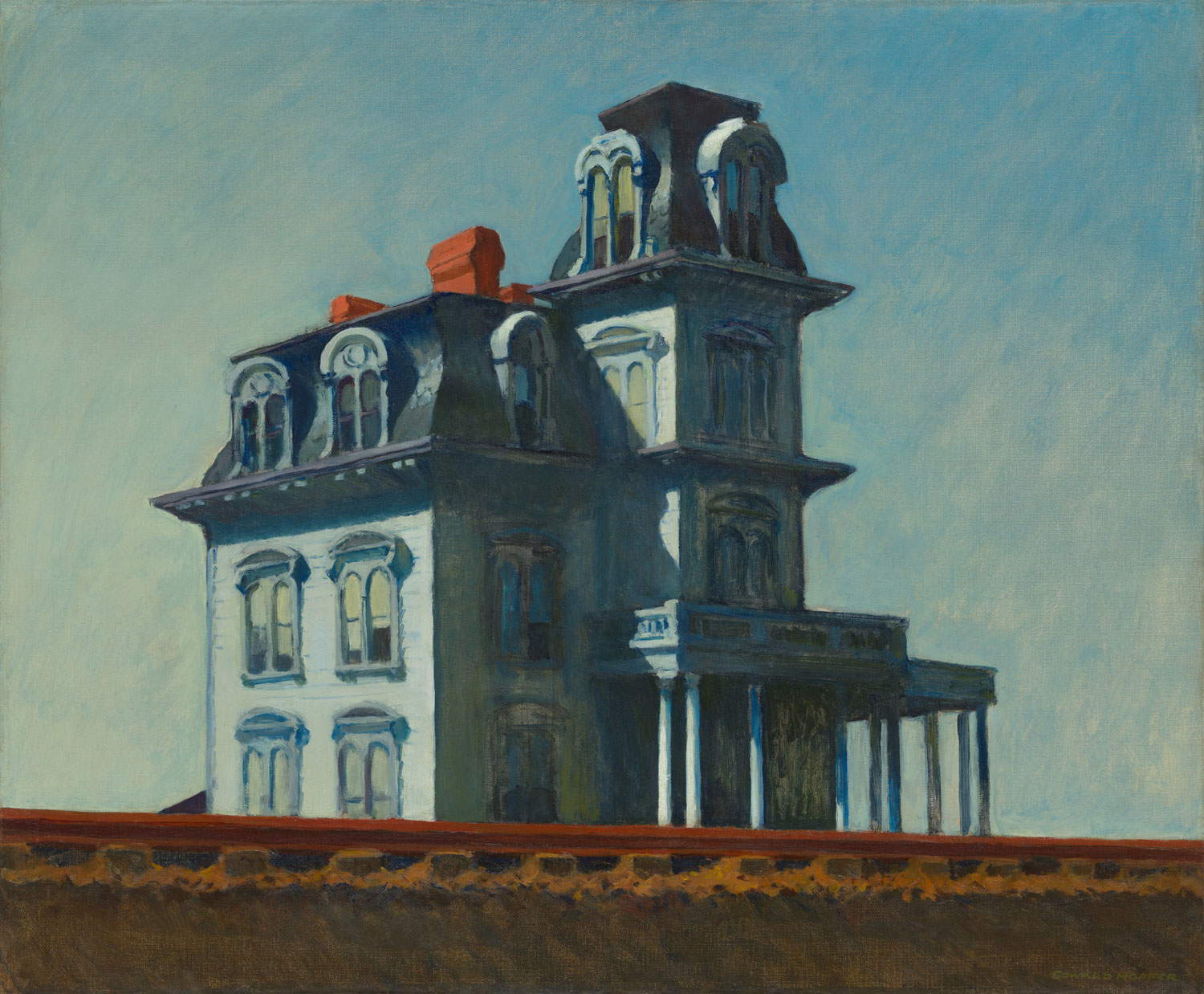
While Pop Art transformed symbols of consumerism into works of art, Edward Hopper (Nyack, 1882 – Manhattan, 1967), one of the leading figures of American realism, depicted cities and small towns in his paintings—often not far from New York—focusing on the spaces of everyday life and the figures that pass through them. In his paintings, physical proximity almost never coincides with a real possibility of encounter: the figures appear isolated, lost in their own thoughts, strangers to one another. It is a sense of loneliness that also pervades the artist’s urban and suburban landscapes, where streets, buildings, gas stations, and establishments are immersed in silent atmospheres. They hover between apparent serenity and unease.
Light is one of the central elements of his painting. Influenced by Impressionism and fascinated by the work of Edgar Degas, Hopper created minimalist compositions in which the play of light helps define space and the relationship between individuals and their surroundings. Works such as *House by the Railroad* (1925), *Early Sunday Morning* (1930), and *Gas* (1940) depictan America made up of ordinary places, marked by the transformations of modernity and urban expansion. It is precisely these scenes, with their isolated buildings and streets bathed in crisp light, that offer a possible point of comparison for certain landscapes in Vice City.
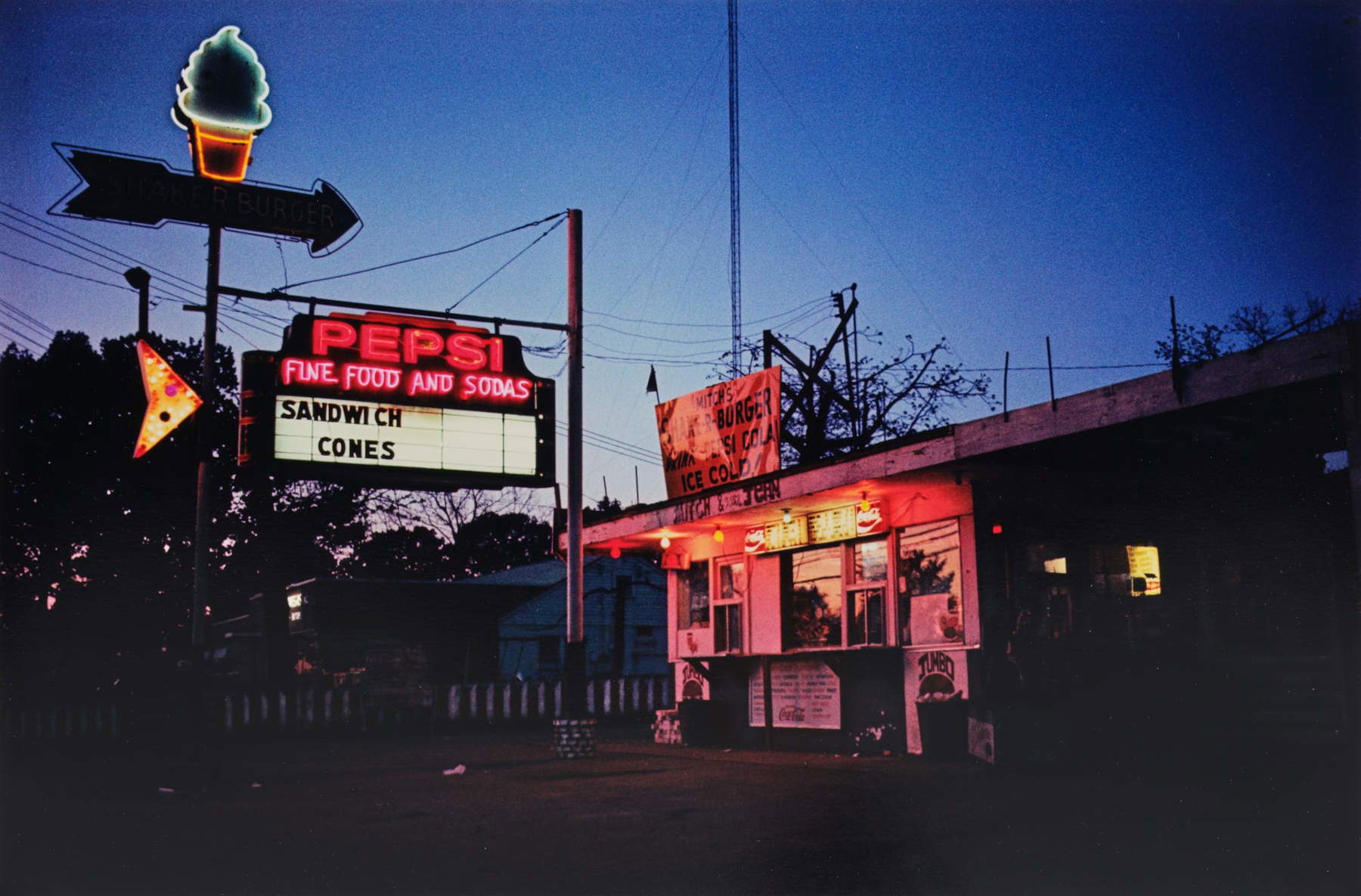
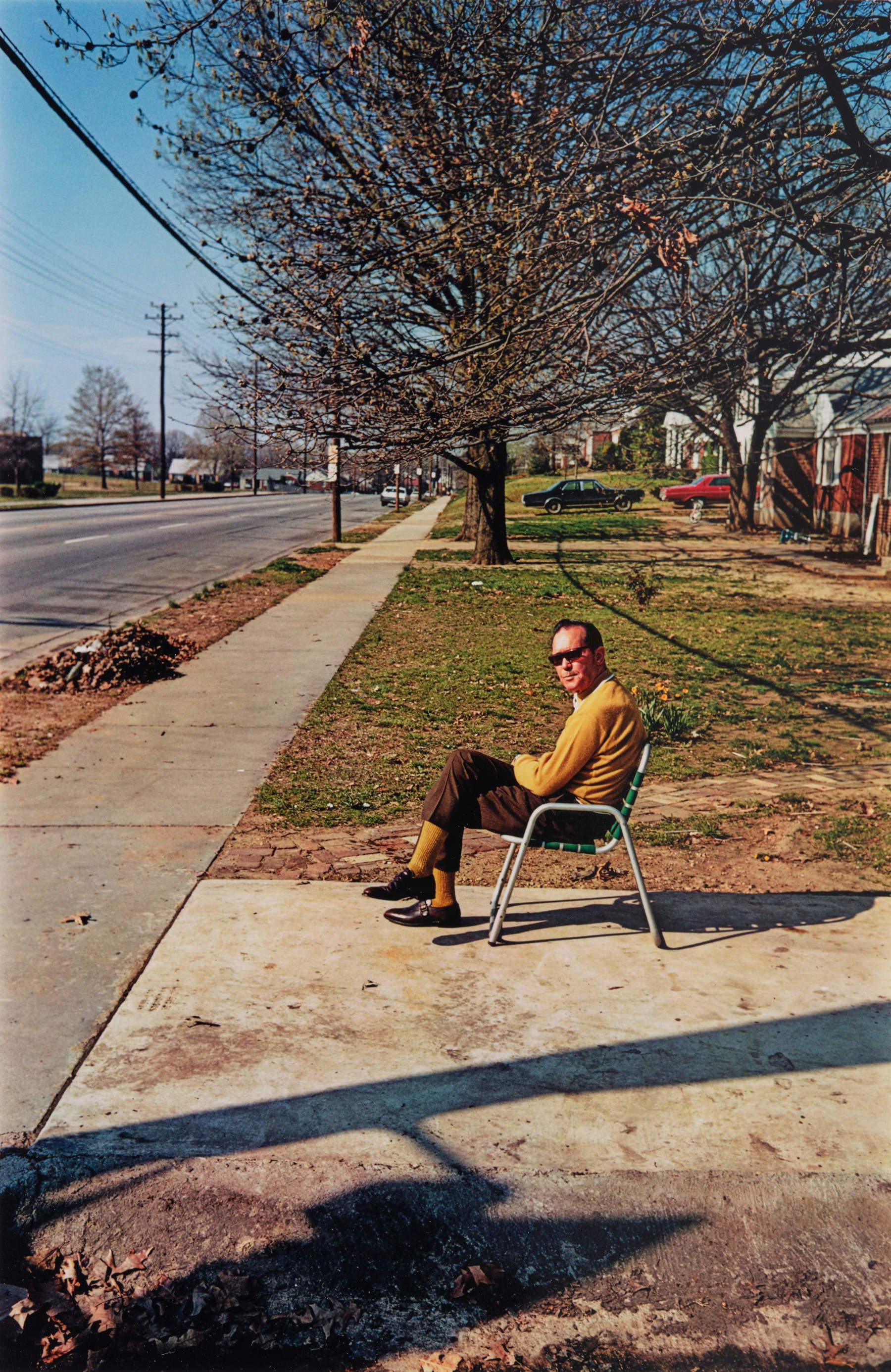
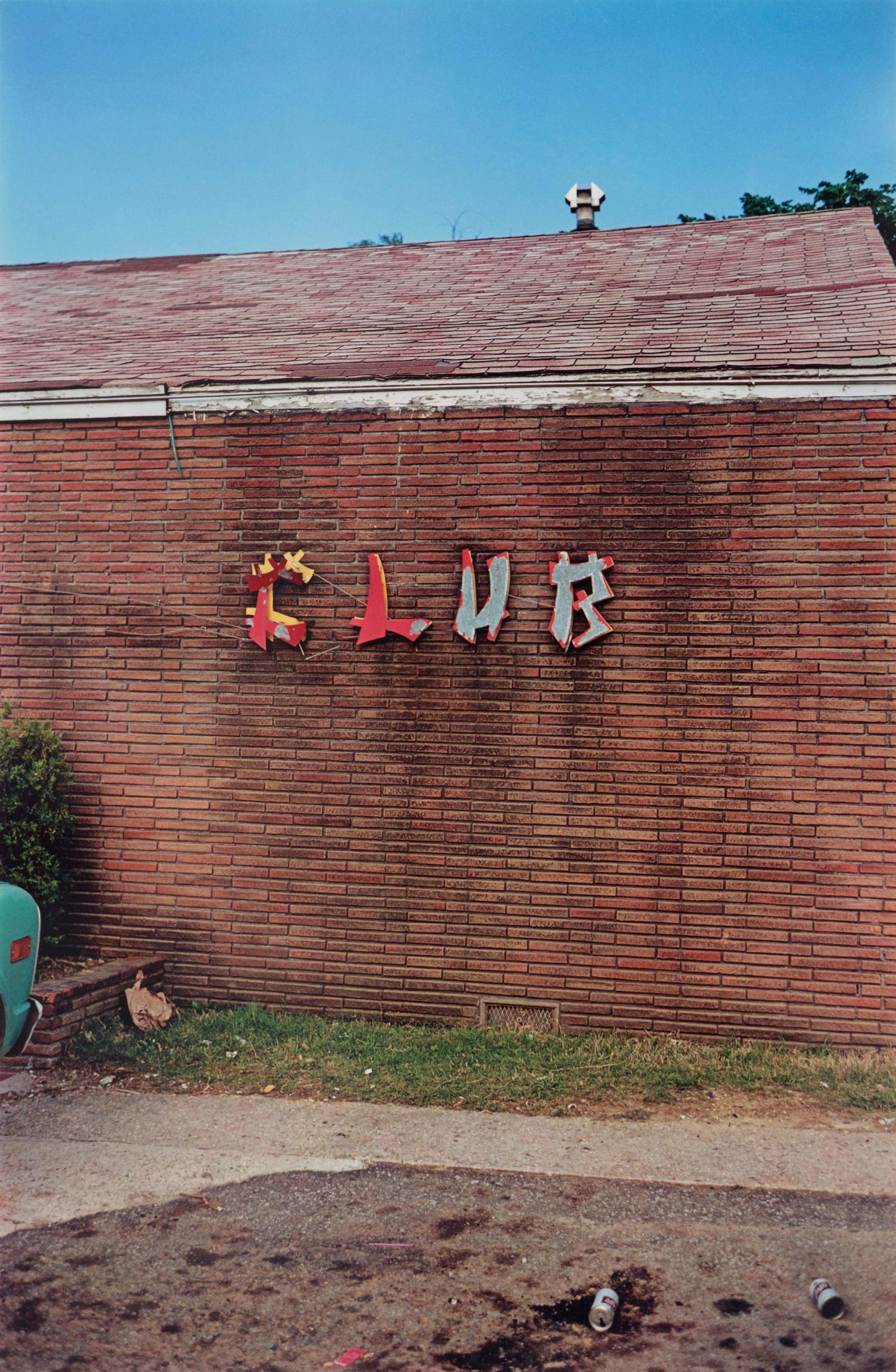
Using a different medium, the same focus on everyday life is evident in the photography of William Eggleston (Memphis, 1939). As one of the leading figures in American photography of the second half of the 20th century, he helped establish color photography as a fully-fledged art form. After beginning his career in black-and-white, in the mid-1960s he began experimenting with color film, focusing his lens on the landscapes of the Southern United States, domestic settings, and ordinary architecture. His photographs, such as *Untitled* (hamburger stand at night) (circa 1970–1974) or Untitled (wall with club sign) from 1972, focus on seemingly mundane subjects: cars, home interiors, streets, signs, and everyday objects. Through spontaneous compositions and intense colors, Eggleston was able to bring out unusual details and hidden tensions in familiar scenes, creating an image of everyday life that is both recognizable and alienating.
The turning point came in 1976, when the Museum of Modern Art in New York dedicated a solo exhibition to him featuring 75 color prints, accompanied by the publication of *William Eggleston’s Guide*, the museum’s first volume entirely devoted to color photography. The exhibition initially elicited mixed reactions but helped solidify the recognition of this medium as an art form. Eggleston’s work thus offers another point of reference for interpreting the aesthetics of Vice City: the saturated colors, the cars, the architecture, and the glimpses of everyday life in Florida evoke that way of observing America through seemingly ordinary images, in which the landscape becomes a portrait of an entire visual culture.
Comparing Hopper and Eggleston, after all, is not a critical stretch. In 2014, the Whitney Museum of American Art in New York organized “Edward Hopper and Photography,” an exhibition that placed Hopper’s paintings in dialogue with contemporary photography, featuring artists focused on ordinary settings and the creation of atmospheres through light. Among them was Eggleston.
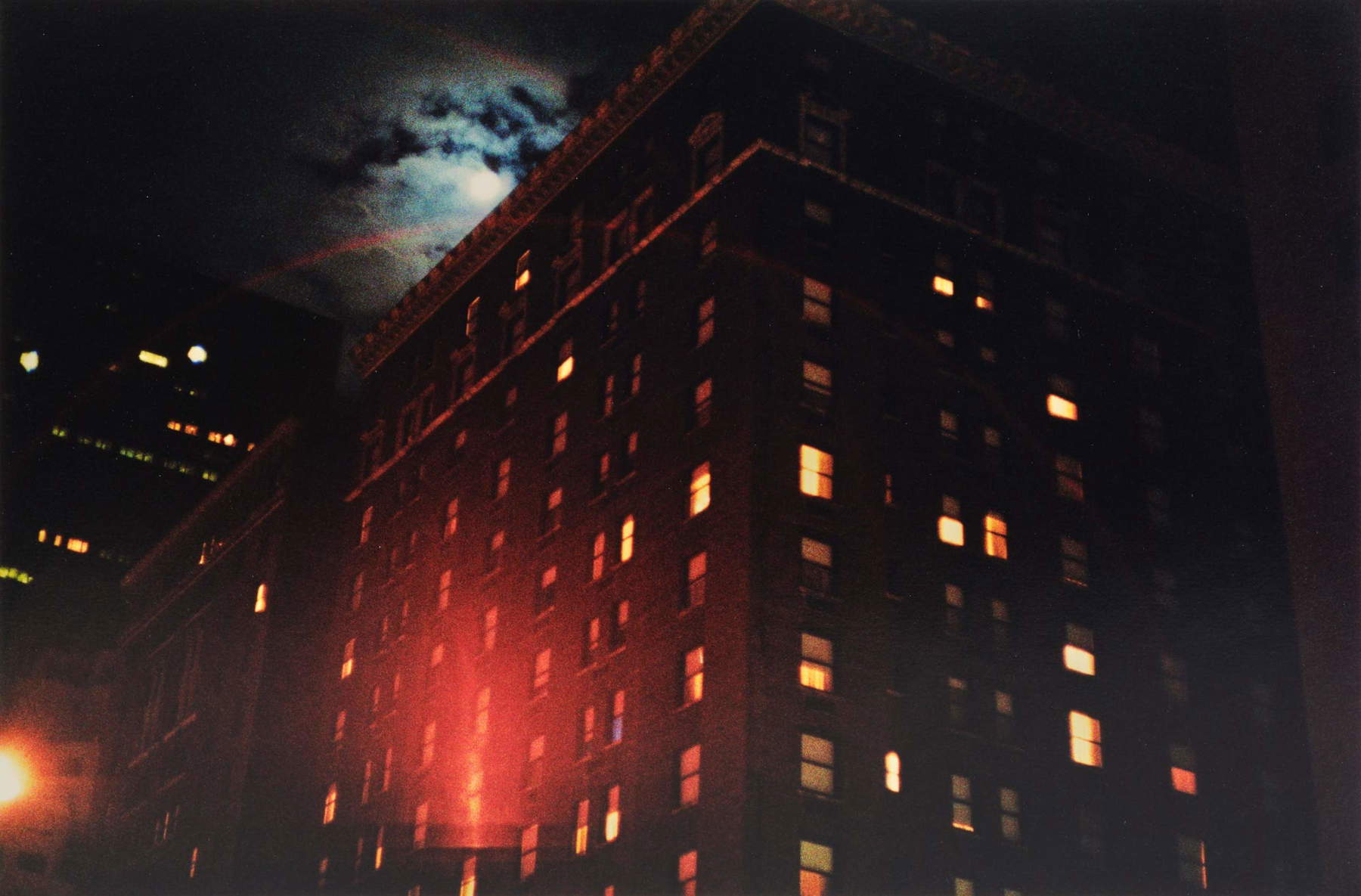
“Good evening, Vice City. Night is falling, and the lights of Wynwood are already on. If you’re passing through, take a look around: this city has a story to tell. Now playing: ‘I Want to Know What Love Is ’ by Foreigner, 1984.”
Miami’s identity isn’t confined to paintings and photographs. An important part of its recent history is written on the walls of Wynwood, the neighborhood now internationally renowned for its street art. Its transformation is also driven by Wynwood Walls, the project launched in 2009 by entrepreneur Tony Goldman, which turned the walls of several buildings into an open-air gallery filled with graffiti and large murals. The project’s debut, coinciding with Art Basel Miami Beach, helped draw international attention to the neighborhood. Since then, artists from various countries have reimagined its surfaces, transforming them into a repertoire of styles and colors.
The collaboration with the gaming world has also extended to the Wynwood Walls online store, which has dedicated a collection of products to GTA VI, created in collaboration with artists from the urban art scene. The collection includes clothing, accessories, and prints that draw on the imagery of Vice City and Leonida, bringing the video game’s visual references off the screen and into the artistic context that has helped define Miami’s contemporary identity. The real city thus becomes part of an initiative that blends street art and video game promotion.
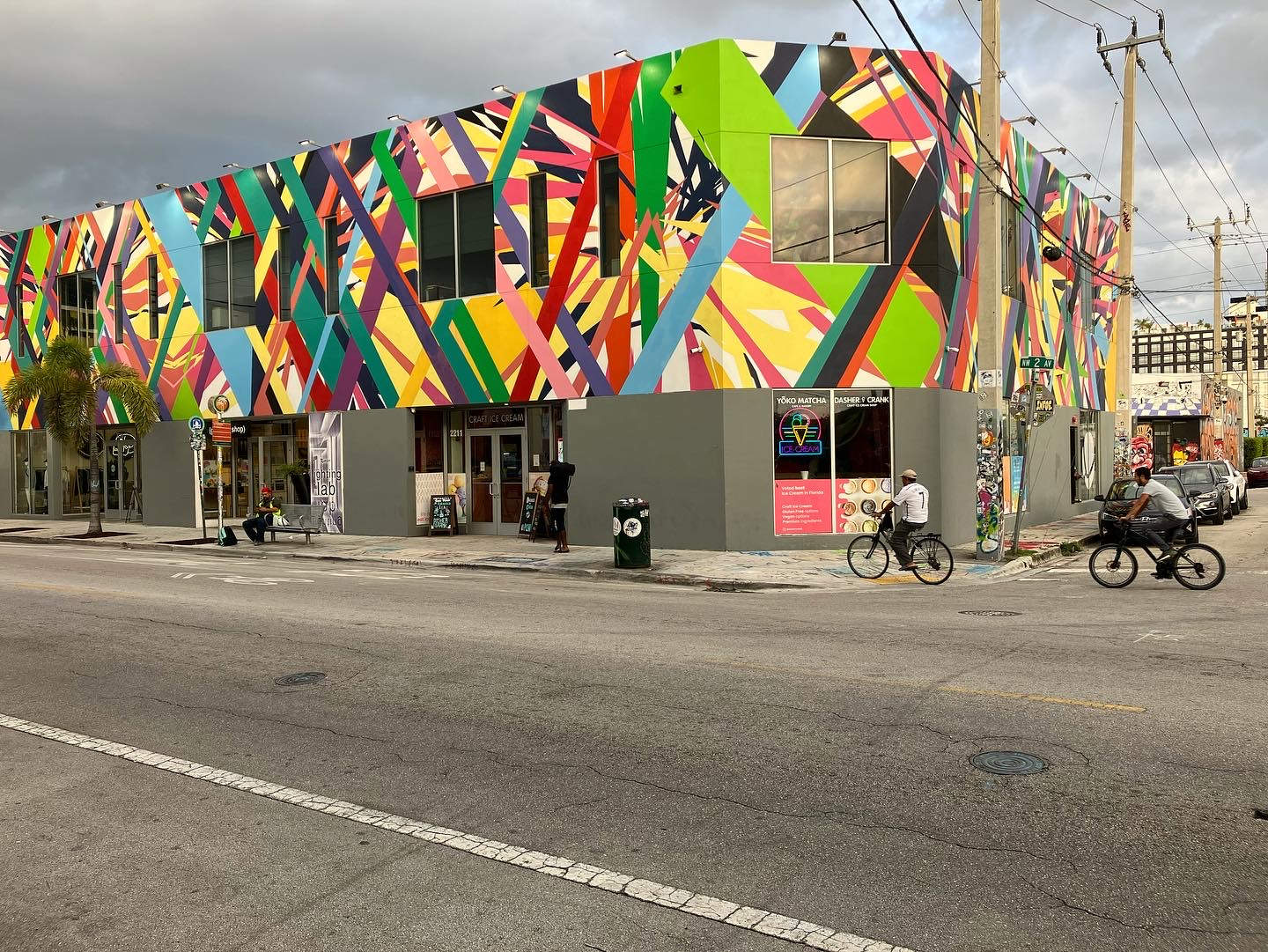
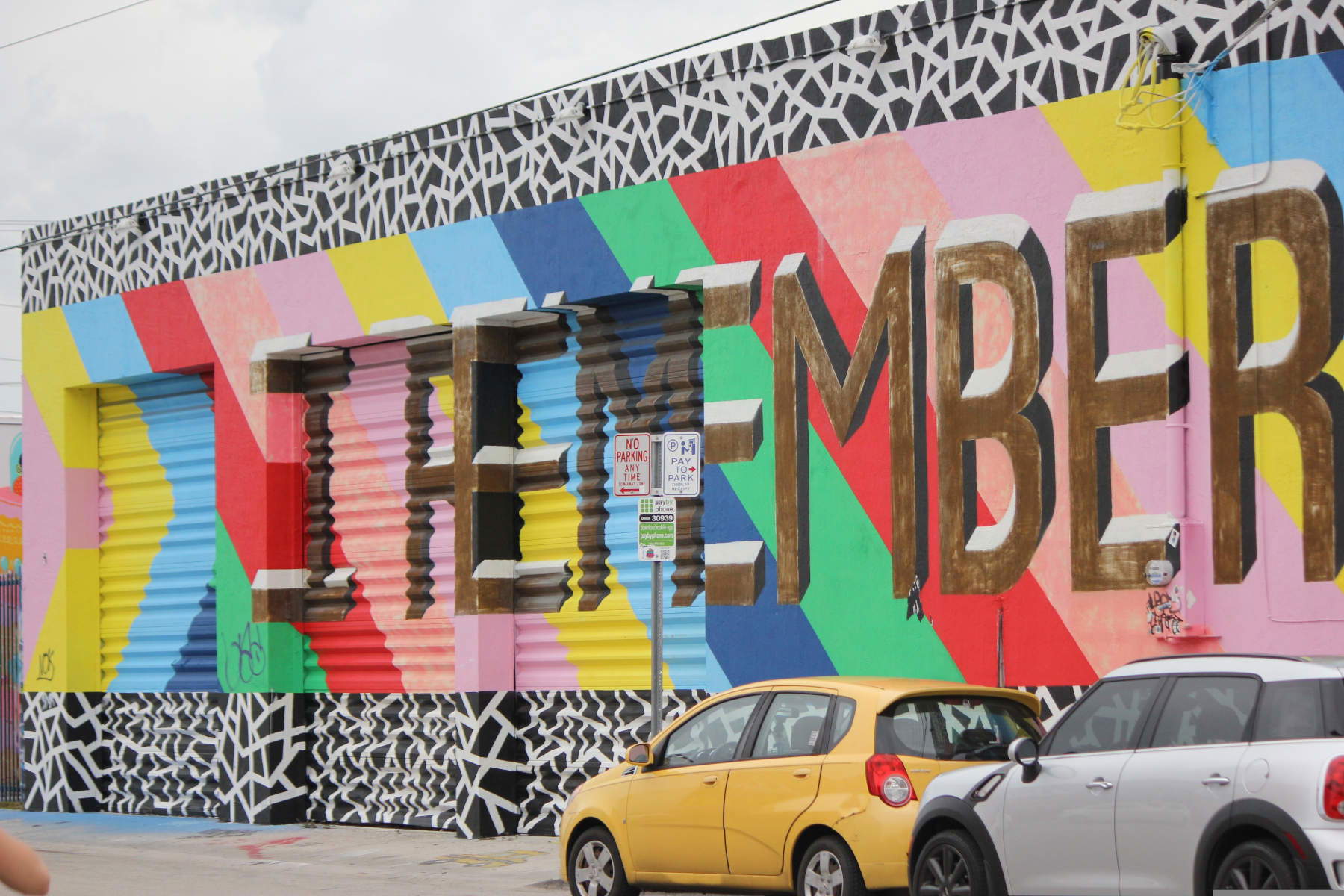
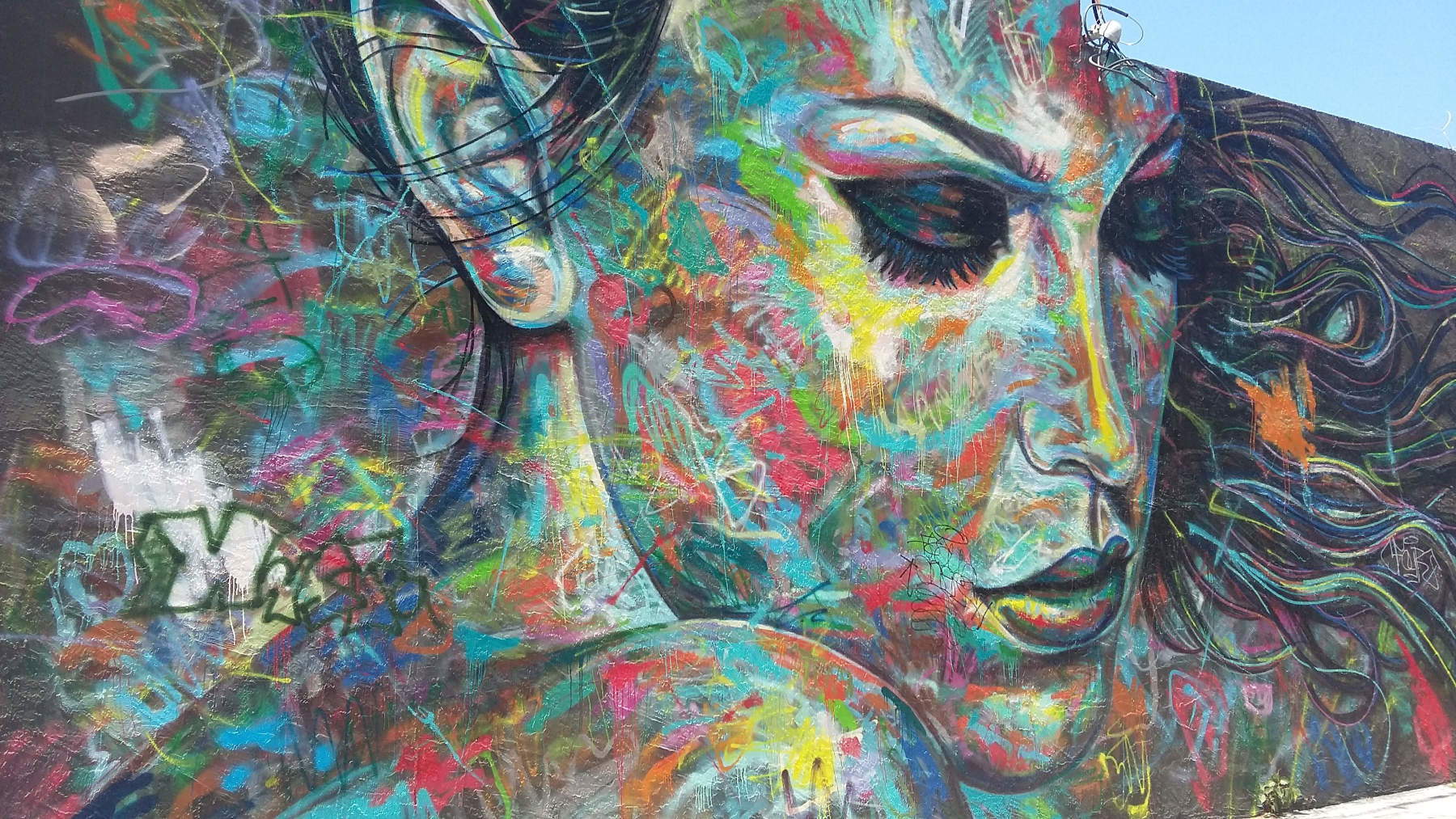
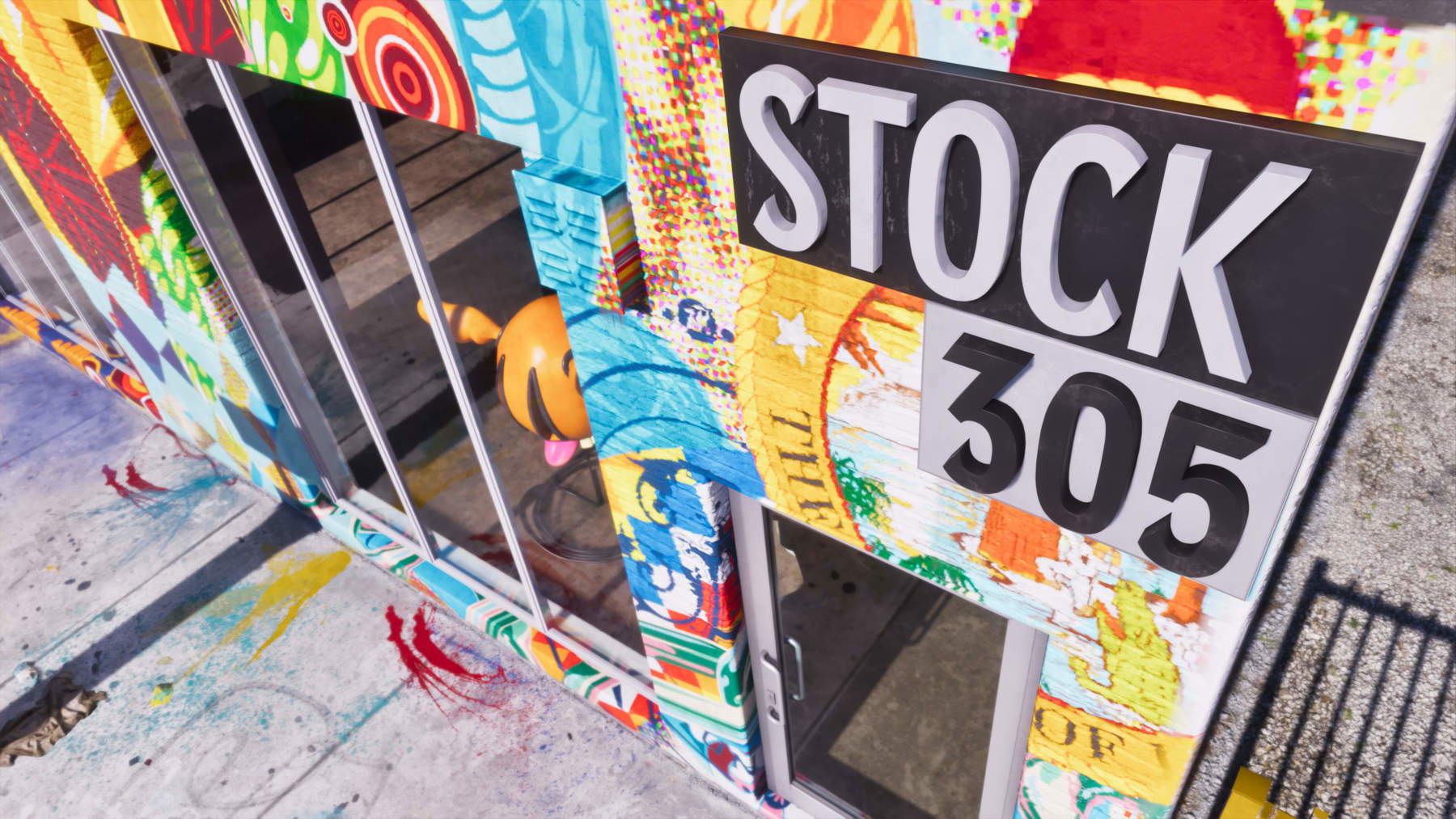

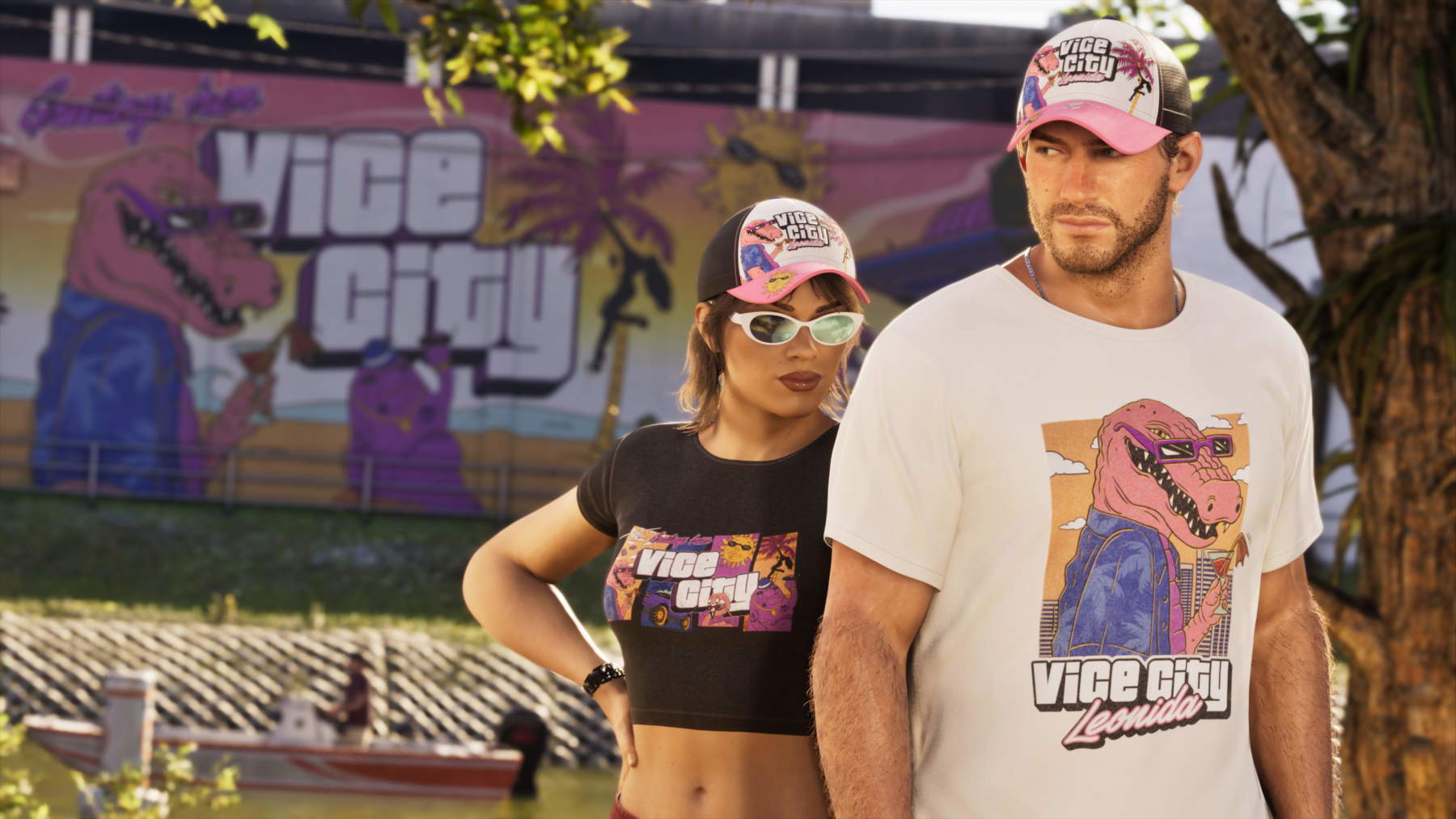
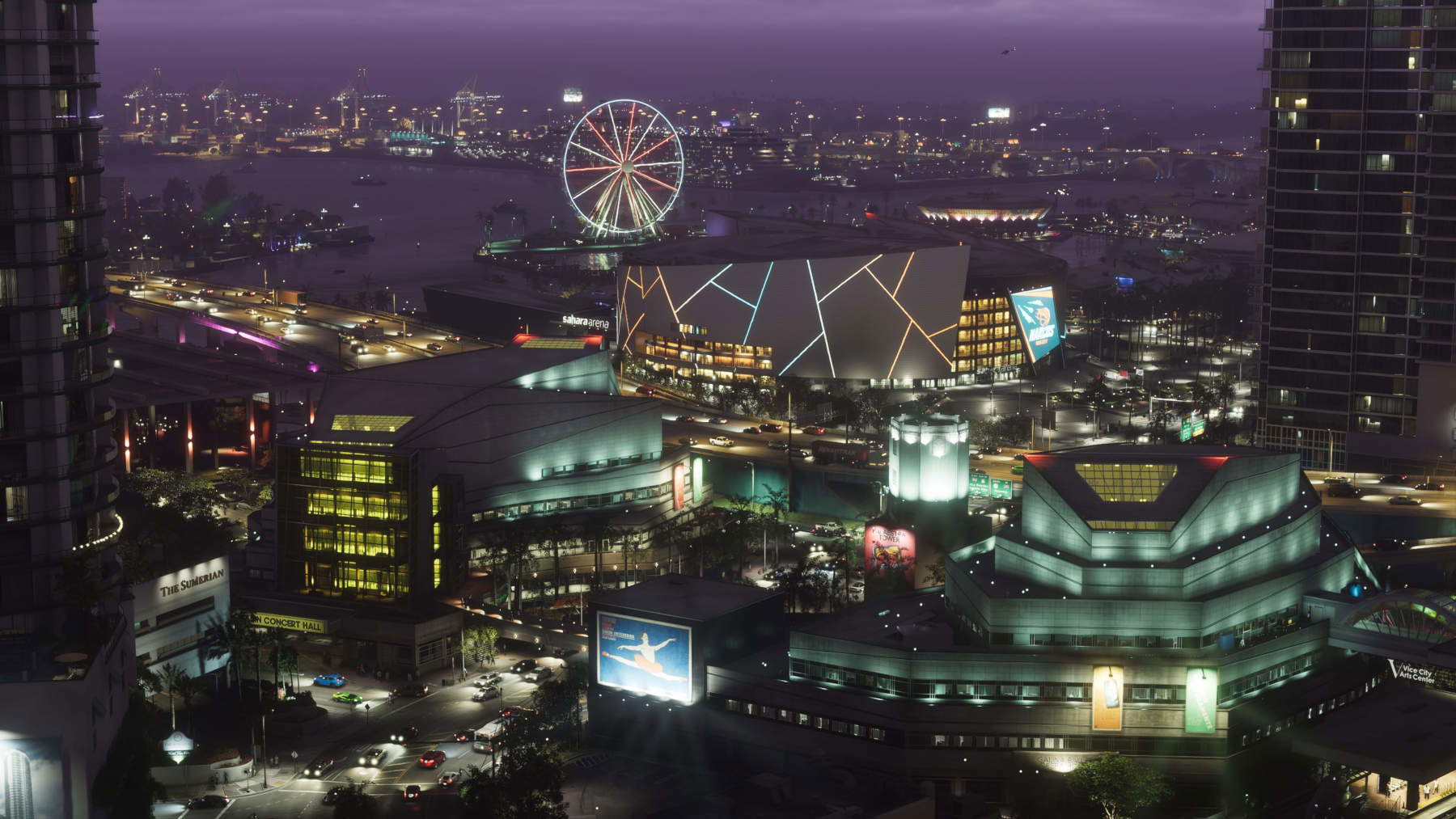
It is precisely in Wynwood that the connection between Miami and the new video game is particularly evident. In an article dated November 17, 2026,the Associated Press in New York reports on how the city is capitalizing on the release of GTA VI to enhance its image. As the news outlet reports, Rockstar Games has commissioned a series of murals, many of which are located right in the neighborhood, while the cities of Miami and Miami Beach have promoted initiatives tied to the game’s debut, involving public transportation, beaches, and urban spaces. Miami-Dade County has also signed a $3.9 million agreement with the company, which includes a large light installation reading “Welcome to Vice City” on the roof of the Kaseya Center.
Asthe Associated Press further reports, before creating their own version of Florida, Rockstar’s designers conducted site visits in the southern part of the state: they visited Miami, the Keys, and nearby towns, studying local history, architecture, and communities. Particular attention was paid to the Art Deco buildings on Ocean Drive, with their neon signs and geometric facades.
But when a real city becomes the backdrop for a video game intended for an international audience, who really owns its image? The interest sparked by the game has reignited the debate over the relationship between digital representation and real-world heritage. Today, meanwhile, the consoles are turning on. And the first thing to do, probably, will be to roll down the windows and listen to the radio.
Warning: the translation into English of the original Italian article was created using automatic tools. We undertake to review all articles, but we do not guarantee the total absence of inaccuracies in the translation due to the program. You can find the original by clicking on the ITA button. If you find any mistake,please contact us.