





A fragment of Homer’s*Odyssey* dating from the 3rd or 4th century A.D. has been discovered in the special collections of Utrecht University in Utrecht, the Netherlands. The discovery was made by Mark de Kreij of Radboud University as part of a project dedicated to the study and publication of ancient manuscripts preserved by the university. The artifact, identified by the designation Utrecht Gr. Ms. B6.39a, is a small fragment of parchment that once belonged to a codex and preserves several verses from the twelfth book ofthe Odyssey. According to Utrecht University, which announced the discovery, there are approximately thirty fragments of this type from the work known worldwide today.
The fragment entered the university’s collections in the mid-20th century, when the university purchased a collection of early Christian manuscripts from the heirs of the German scholar Carl Schmidt. Most of the texts were written on parchment in Coptic, the Egyptian language transcribed using the Greek alphabet, while the collection also included some Egyptian and Greek papyri. Initially, the fragment was believed to be an anonymous 7th-century document. Damaged, discolored, and characterized by very small, regular handwriting, it caught the attention of de Kreij, who recognized some words attributable to the Homeric poems. Subsequent research has established that the verses belong to Book 12of the Odyssey.
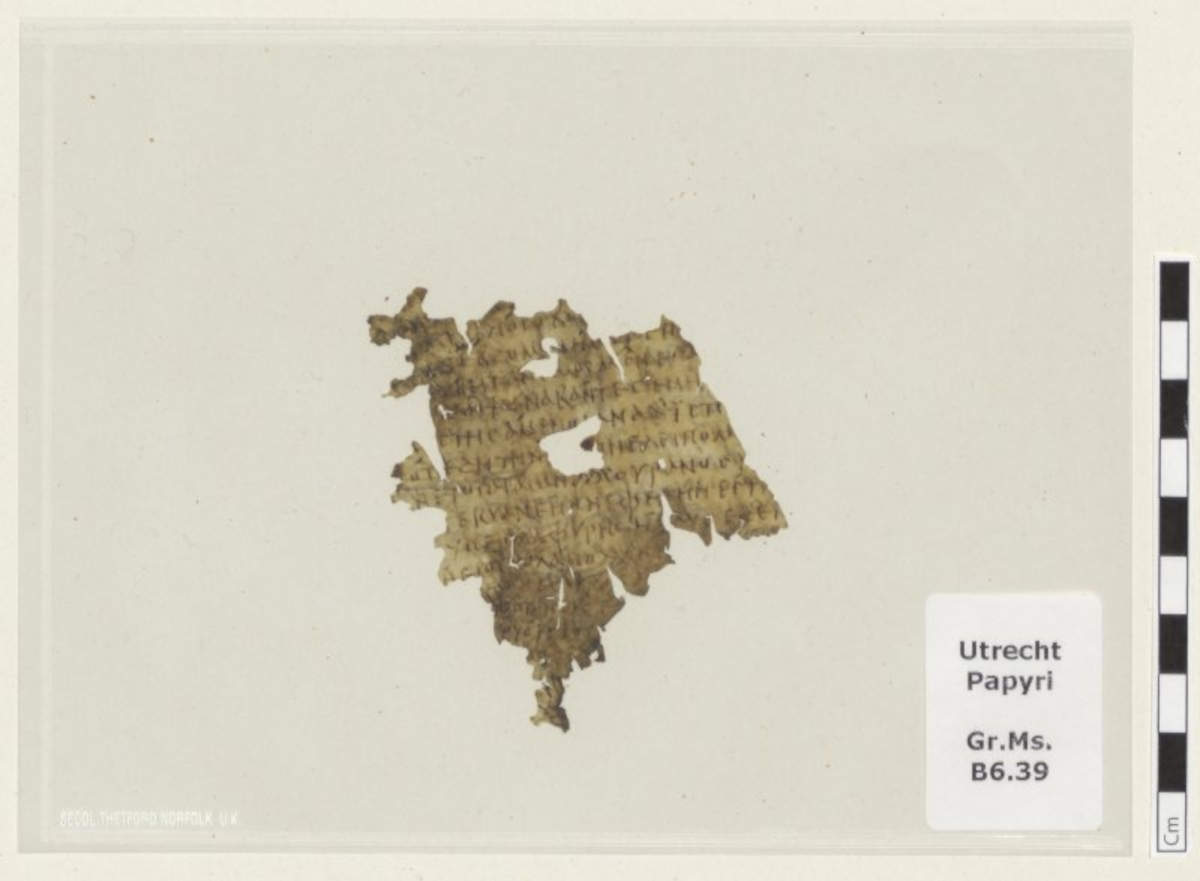
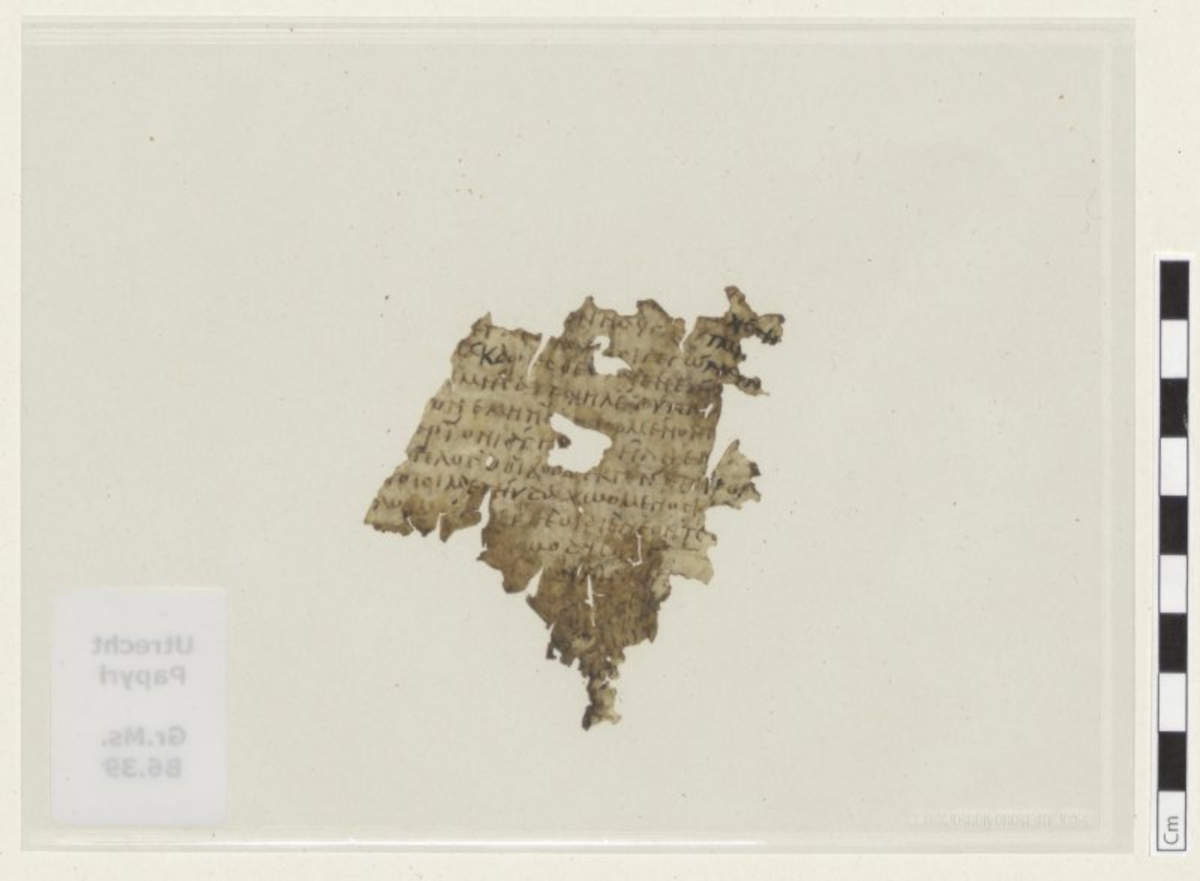
The preserved passage describes the moment when Helios, the sun god, discovers that Odysseus’s companions have eaten the sacred cattle dedicated to him, despite the hero’s prohibition. This episode leads to Odysseus’ plea for vengeance directed at Zeus and the ensuing storm that destroys Odysseus’ ship and kills all his companions. Book 12 constitutes the concluding part of the long narrative that Odysseus recounts to the Phaeacians after arriving on the island of Scheria. In Books 9–12, the hero recounts the events of his journey from Troy, describing his encounters with the Lotophagi, Polyphemus, Circe, and Calypso, up to the loss of his ship and crew. The moment described in the fragment thus marks a turning point in the story, occurring roughly halfway through the poem’s 24 books, before Odysseus’s return to Ithaca.
The page, written on both sides, is believed to have belonged to a portable yet complete editionof the *Odyssey* (roughly the size of a Kindle). According to the university, the codex may have belonged to a reader of Homer living in the Fayyum Oasis in Egypt around 300 C.E. The fragment joins other documents in the university’s collection from Greco-Roman Egypt. The materials will soon be published by de Kreij in the volume *Hieratic, Demotic, Greek, and Coptic Texts in the Utrecht University Collection* (P.Utr.).
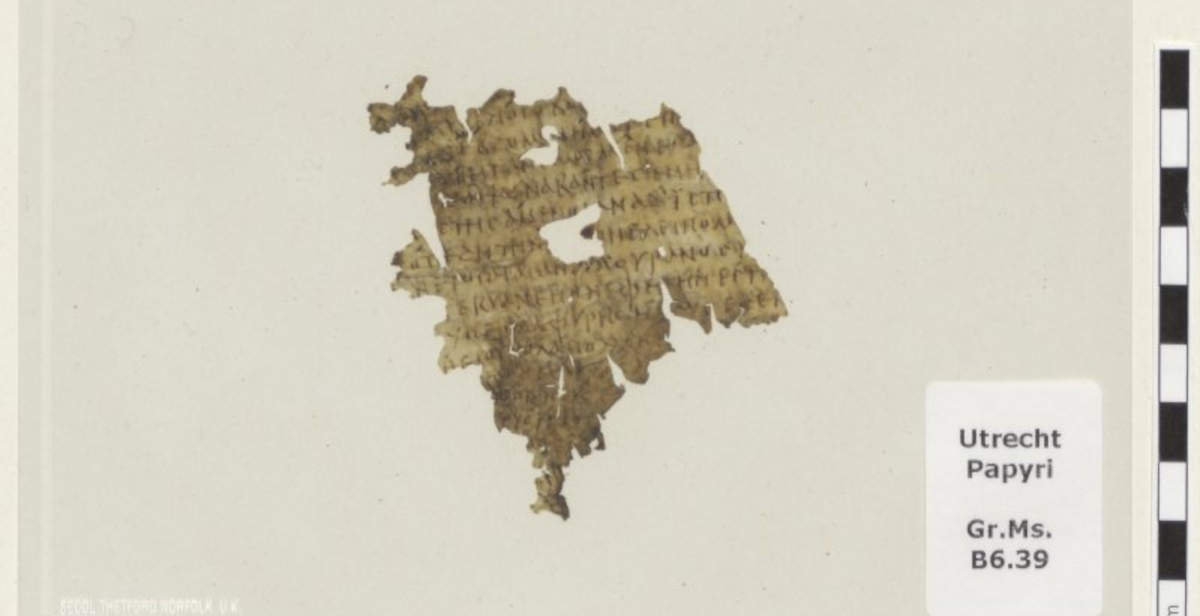 |
| A fragment of the *Odyssey* dating from the 3rd or 4th century was discovered hidden in a library in Utrecht (Netherlands) |

Warning: the translation into English of the original Italian article was created using automatic tools. We undertake to review all articles, but we do not guarantee the total absence of inaccuracies in the translation due to the program. You can find the original by clicking on the ITA button. If you find any mistake,please contact us.
























 IT
IT FR
FR DE
DE ES
ES CN
CN


