





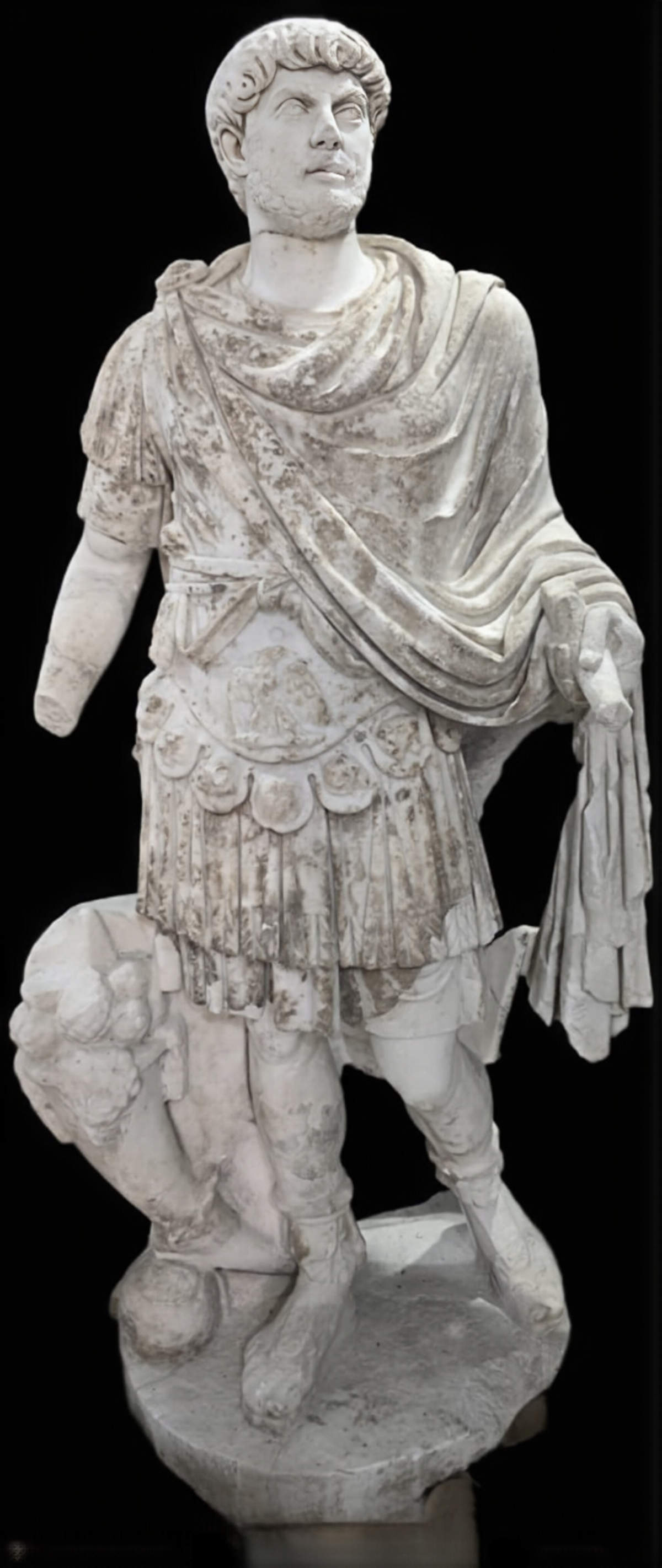
In Turkey, a statue of Emperor Hadrian, approximately 2.14 meters tall, was discovered, reassembled, and re-erected in Kibyra, in what is now the Turkish province of Burdur, using fragments recovered during excavations. The research, conducted since 2006 by Burdur Mehmet Akif Ersoy University (MAKÜ), is part of the Turkish Ministry of Culture and Tourism’s “Legacy for the Future” project.
In 2026, the restoration was carried out by the excavation team under the supervision of Ünal Demirer, a professor of Architectural Restoration at the MAKÜ Gölhisar Vocational School. Recent investigations have focused on the monumental entrance gate, where twenty fragments belonging to four marble statues—likely displayed at the top—were uncovered. Their destruction is probably linked to the earthquake of 417 AD, which likely caused them to fall from above.
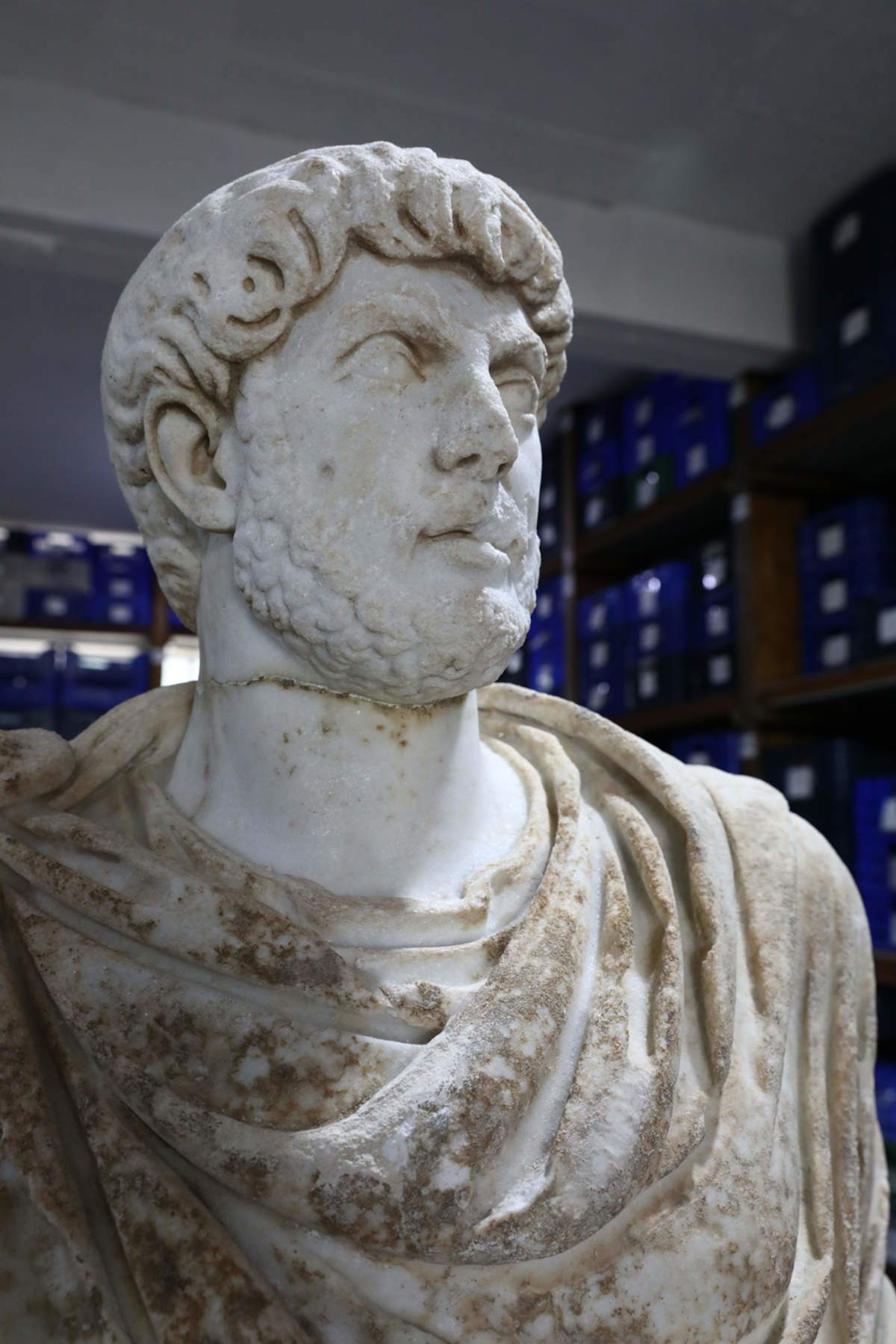
Among the finds was an intact portrait of Hadrian, identified as belonging to the armored figure previously discovered. Carved from marble from Afyon-Döğer and İscehisar, the statue depicts the emperor in military attire and features reliefs of a lion and an eagle on the bust. The facial features allow for its attribution to Hadrian. According to the director of the excavations, Şükrü Özüdoğru, intact statues of the emperor are rare in Anatolia.
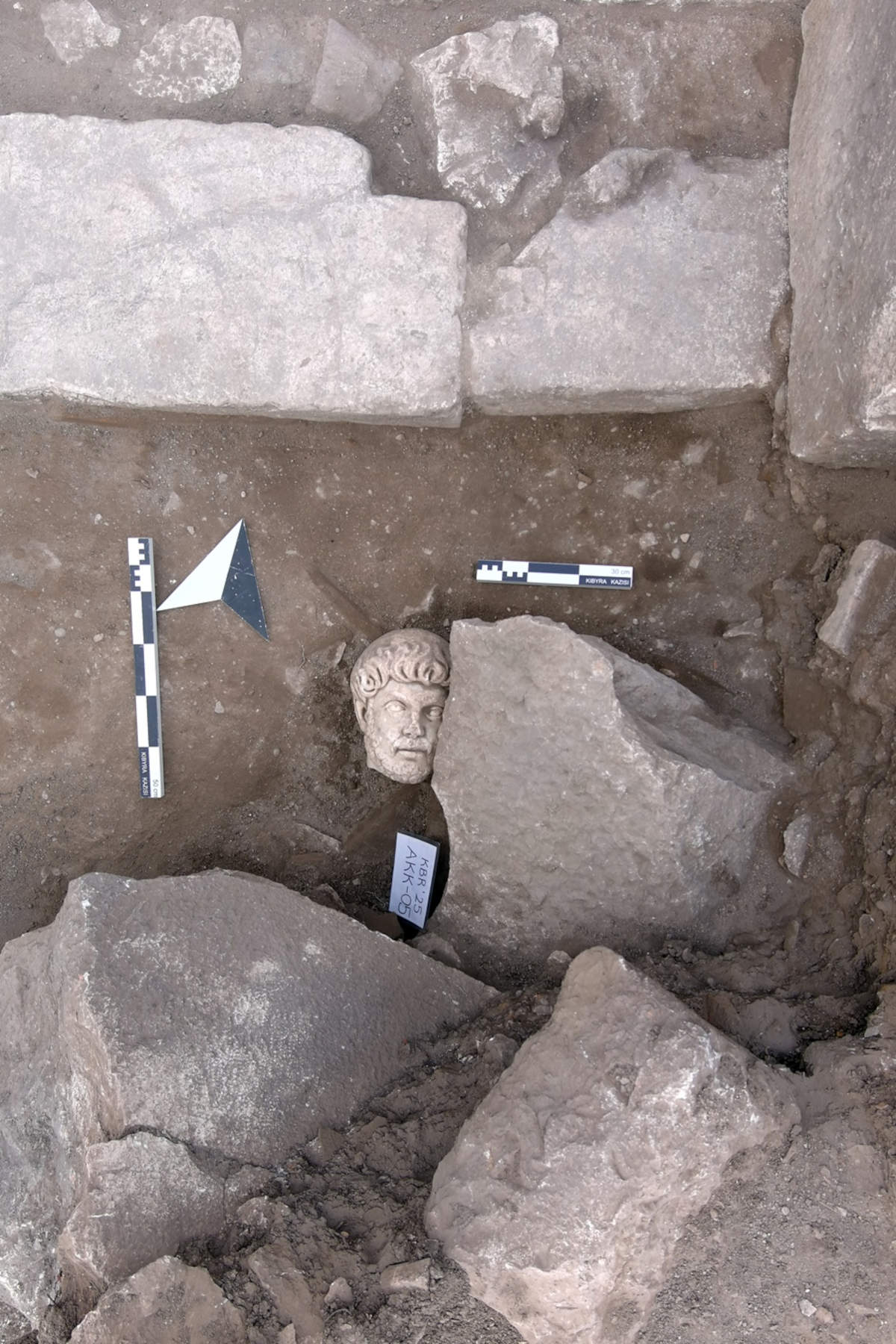
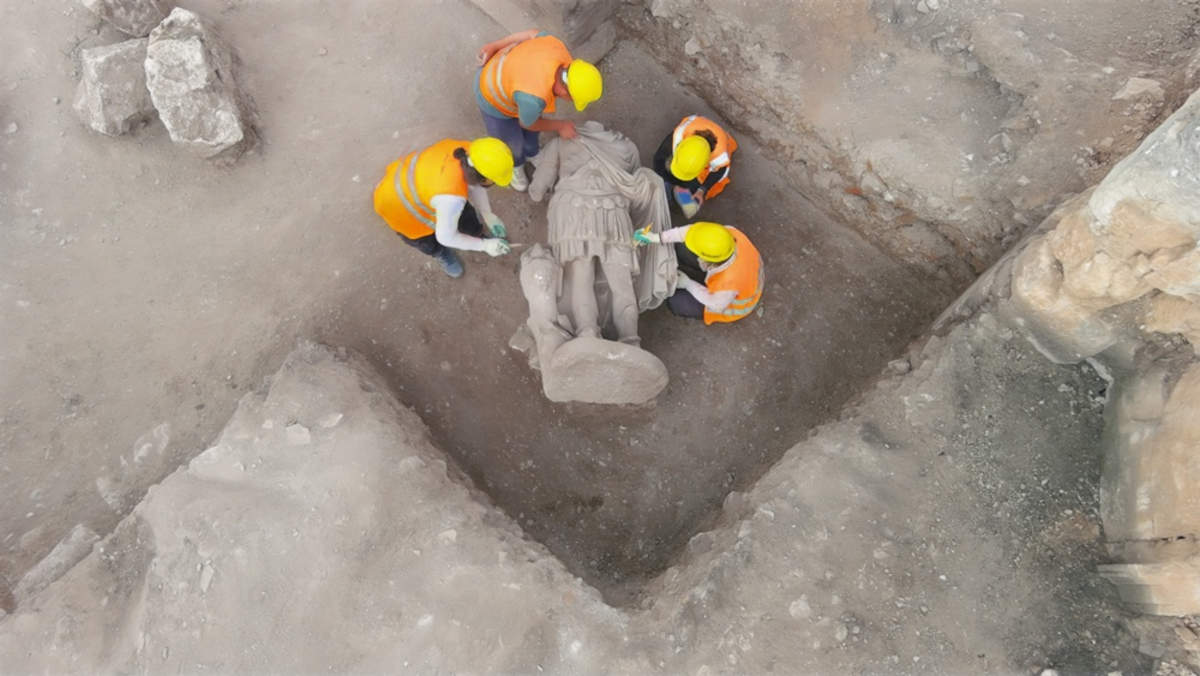
One of the other sculptures has been identified asEmpress Sabina, Hadrian’s wife, of whom substantial parts have been uncovered. Also recovered were a statue of an armored emperor approximately 1.86 meters tall, a female statue preserved in two pieces, and a male head approximately 30 centimeters tall. The works date to the reign of Hadrian, between 117 and 138 A.D., likely around 130.
Özüdoğru has hypothesized that the statues may have been commissioned for Hadrian’s visit to Anatolia, in accordance with the custom of placing imperial images at key locations in cities prior to such visits. However, there is no documentation that the emperor actually traveled directly to Kibyra: the city may have prepared the statues in anticipation of his passage through the region. The missing parts may come to light in future excavation campaigns. Once restoration is complete, the four statues will be reassembled and are expected to be displayed in the halls of the Burdur Museum.
Since 2025, excavations have also focused on the Monumental Gate, at the city’s entrance from the main road leading from the necropolis. The structure, rare in Anatolia due to its layout, features two circular towers and a central passageway with three arches. Discovered largely as a pile of blocks, the site required the relocation and cataloging of approximately 2,500 elements. The excavation is not yet complete: after another season, work is expected to move on to the design and restoration phases.
The president of the Turkish Council of Higher Education, Erol Özvar, cited Kibyra as an example of universities’ contribution to scientific research, the preservation of historical and cultural heritage, and its transmission to future generations.
“These studies also allow us to better understand the history of Anatolia and the interaction between different civilizations,” said Erol Özvar. “We consider it extremely important that our universities contribute to the discovery of our history and cultural heritage through scientific research, and that they preserve these values and pass them on to future generations.”
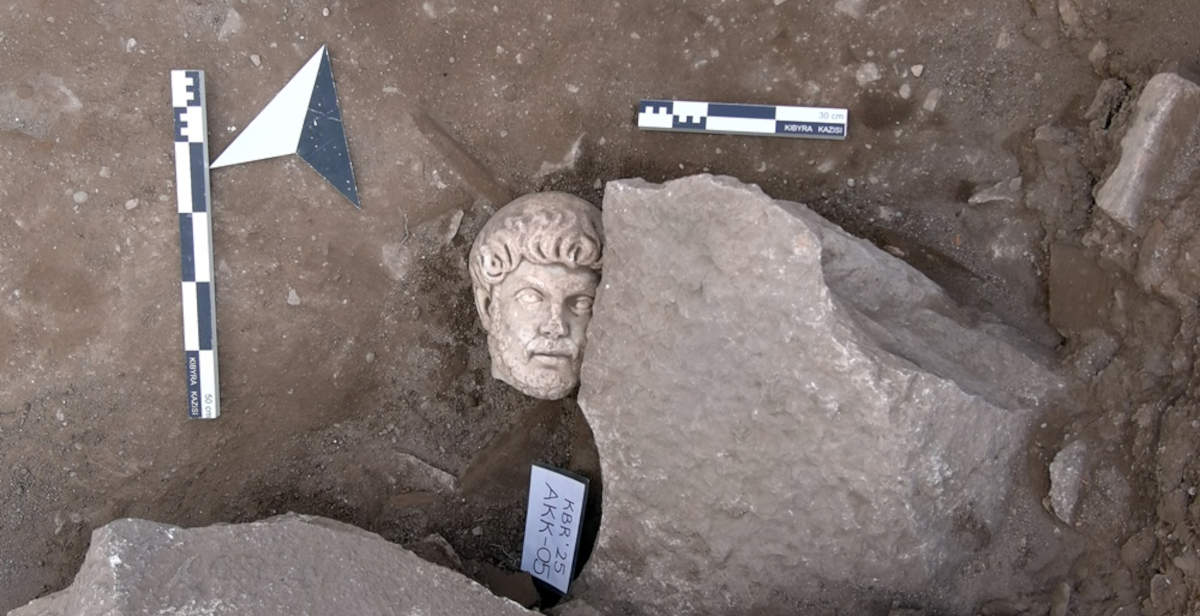 |
| Hadrian's Head Found in Turkey: A 2.14-meter-tall Roman statue is back on its feet |


The author of this article: Noemi Capoccia
Originaria di Lecce, classe 1995, ha conseguito la laurea presso l'Accademia di Belle Arti di Carrara nel 2021. Le sue passioni sono l'arte antica e l'archeologia. Dal 2024 lavora in Finestre sull'Arte.Warning: the translation into English of the original Italian article was created using automatic tools. We undertake to review all articles, but we do not guarantee the total absence of inaccuracies in the translation due to the program. You can find the original by clicking on the ITA button. If you find any mistake,please contact us.


















 IT
IT FR
FR DE
DE ES
ES CN
CN


