





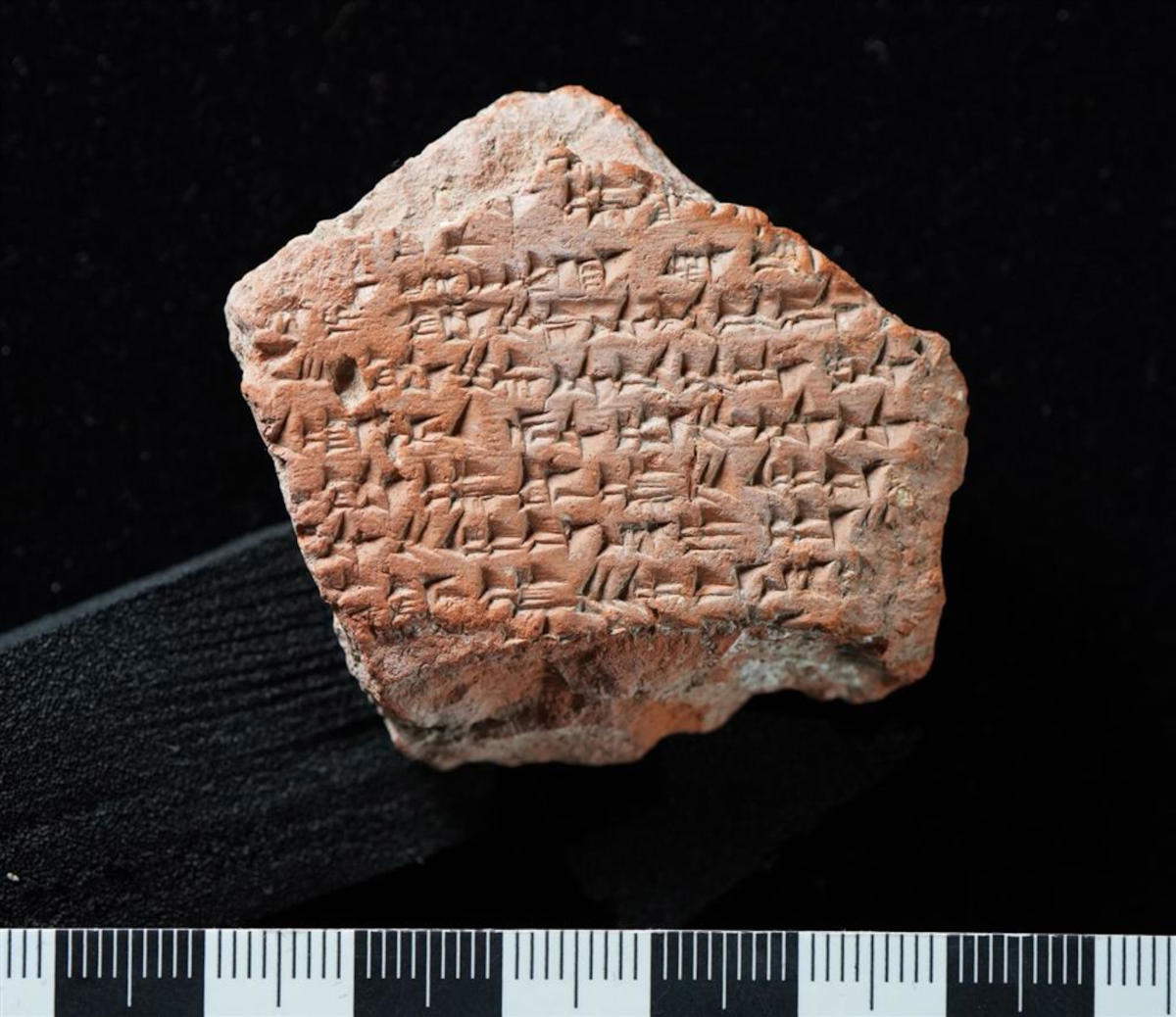
In the ancient Hittite capital of Hattuşa, in what is now the Turkish province of Çorum, a new fragment of the Treaty of Kadesh—one of the most important documents in the history of diplomacy—has been identified. The artifact, discovered during excavations at the Boğazköy/Hattuşa archaeological site, was found to belong to one of the Akkadian-language copiesof the agreement signed between the Hittite king Hattuşili III and the Egyptian pharaoh Ramses II.
The discovery was announced on September 21, World Peace Day, by Turkish Minister of Culture and Tourism Mehmet Nuri Ersoy, who highlighted Anatolia’s role in the history of diplomacy and thanked the excavation team and the scholars involved in the research. The fragment of the cuneiform tablet was found at Büyükkale, the site of the Hittite royal palace, near the building known as “E.” The tablet, which is intact on one side, underwent approximately one year of detailed scientific analysis, at the conclusion of which it was identified as part of one of the copies of the treaty.
“The passages regarding the need not to destroy people’s homes convey a powerful message that has resonated for thousands of years, right up to the present day,” Ersoy stated. “This precious discovery, made public on September 21, World Peace Day, demonstrates once again Anatolia’s deeply rooted role in the history of peace and diplomacy.”
In his message, Ersoy also referred to the situation in Palestine. “This legacy, passed down to us from thousands of years ago, reminds us of our responsibility to protect human life and dignity. We hope for a future in which all people—starting with our Palestinian brothers and sisters—can live in safety, peace, and serenity.”
The text preserves a few lines relating to Articles 12–20 of the agreement, which deal with the treatment of people leaving one of the two countries to seek refuge in the other. The fragment has several gaps and broken sections, but the legible parts mention people from Egypt and the Land of Hatti. The text also contains references to the need to prevent the destruction of homes.
The Treaty of Kadesh is known from various sources. The Egyptian version was inscribed in hieroglyphs on the walls of several temples in Egypt, while fragments of Akkadian-language copies on clay tablets were discovered at Hattuşa during the first excavation campaigns conducted between 1906 and 1912. The artifacts already identified are now housed in the collections of the Istanbul Archaeological Museums, the Museum of Anatolian Civilizations in Ankara, the Museum of the Near East in Berlin, and the Hermitage Museum in St. Petersburg. The new fragment thus adds another piece to the reconstruction of the clay-tablet copies of the treaty preserved at Hattuşa. Excavations in the Büyükkale area will continue with the aim of locating any other missing parts of the document.
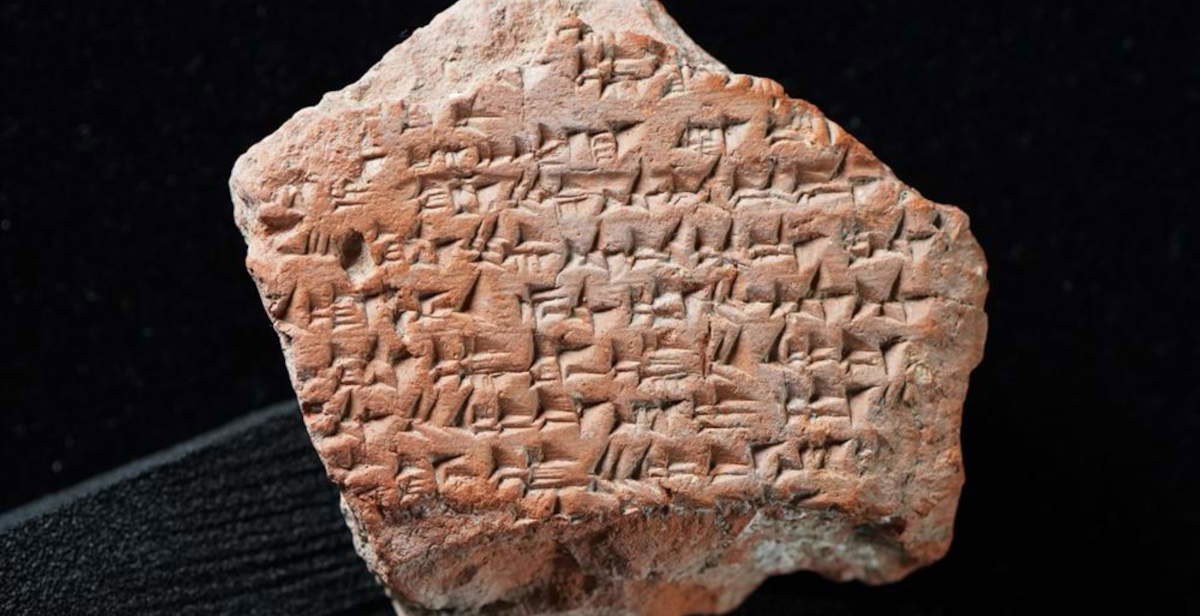 |
| Turkey: A fragment of the peace treaty between the Hittites and the Egypt of Ramses II has been discovered |

Warning: the translation into English of the original Italian article was created using automatic tools. We undertake to review all articles, but we do not guarantee the total absence of inaccuracies in the translation due to the program. You can find the original by clicking on the ITA button. If you find any mistake,please contact us.






























 IT
IT FR
FR DE
DE ES
ES CN
CN


