





A pre-Roman funerary context has been identified in the industrial area of Punta Penna, in the northern portion of the municipality of Vasto, in the province of Chieti. This was announced by the Soprintendenza Archeologia, Belle Arti e Paesaggio for the provinces of Chieti and Pescara, which announced the discovery occurred as part of preliminary activities related to the construction of a photovoltaic plant.
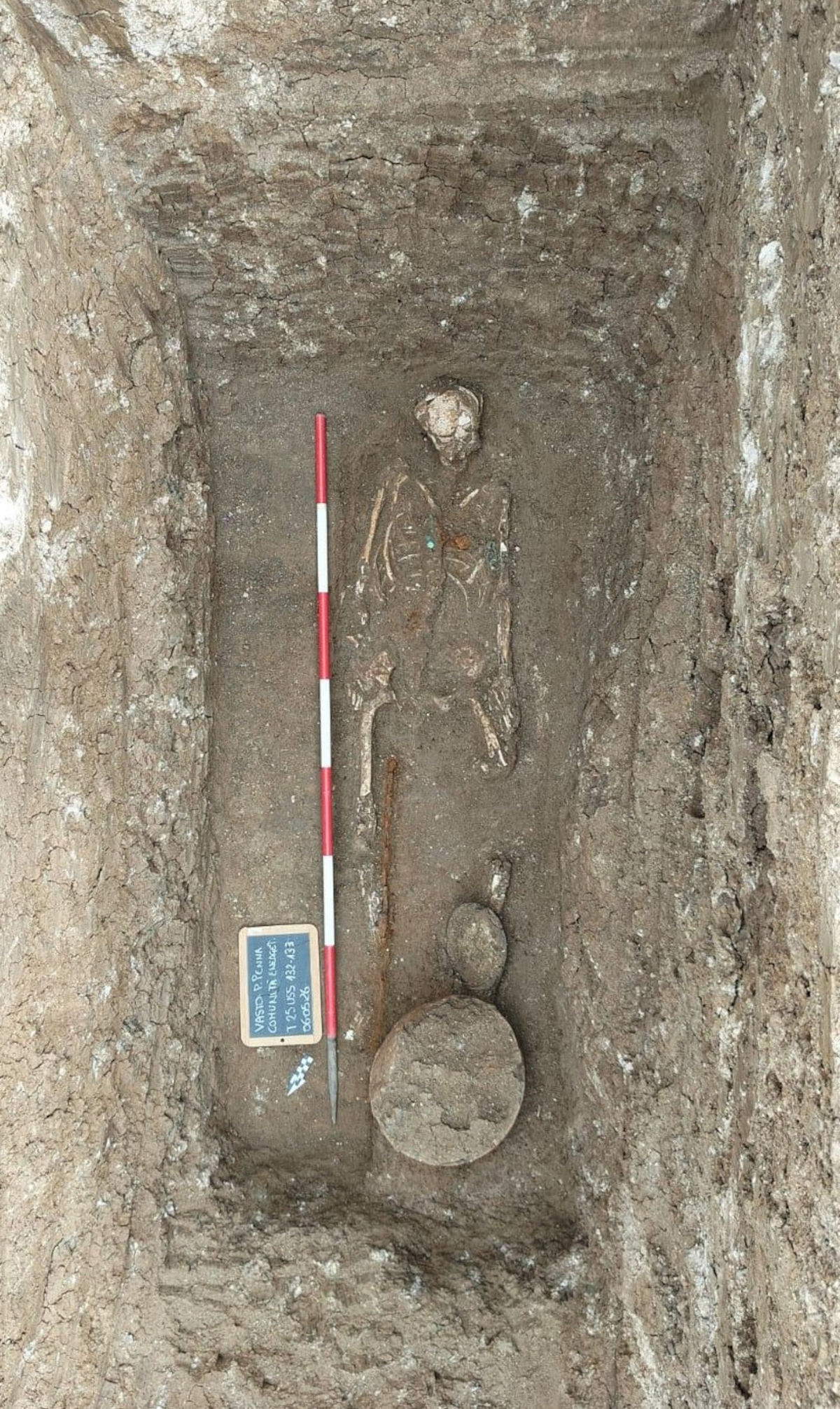
The discovery emerged during preventive archaeological investigations required by current regulations and conducted under the scientific direction of the Superintendence, which was constantly present on the construction site. The operations were financed by the company proposing the intervention. The excavations identified a large funerary nucleus consisting of numerous burials preliminarily attributed to a chronological span between the fifth and fourth centuries BC.
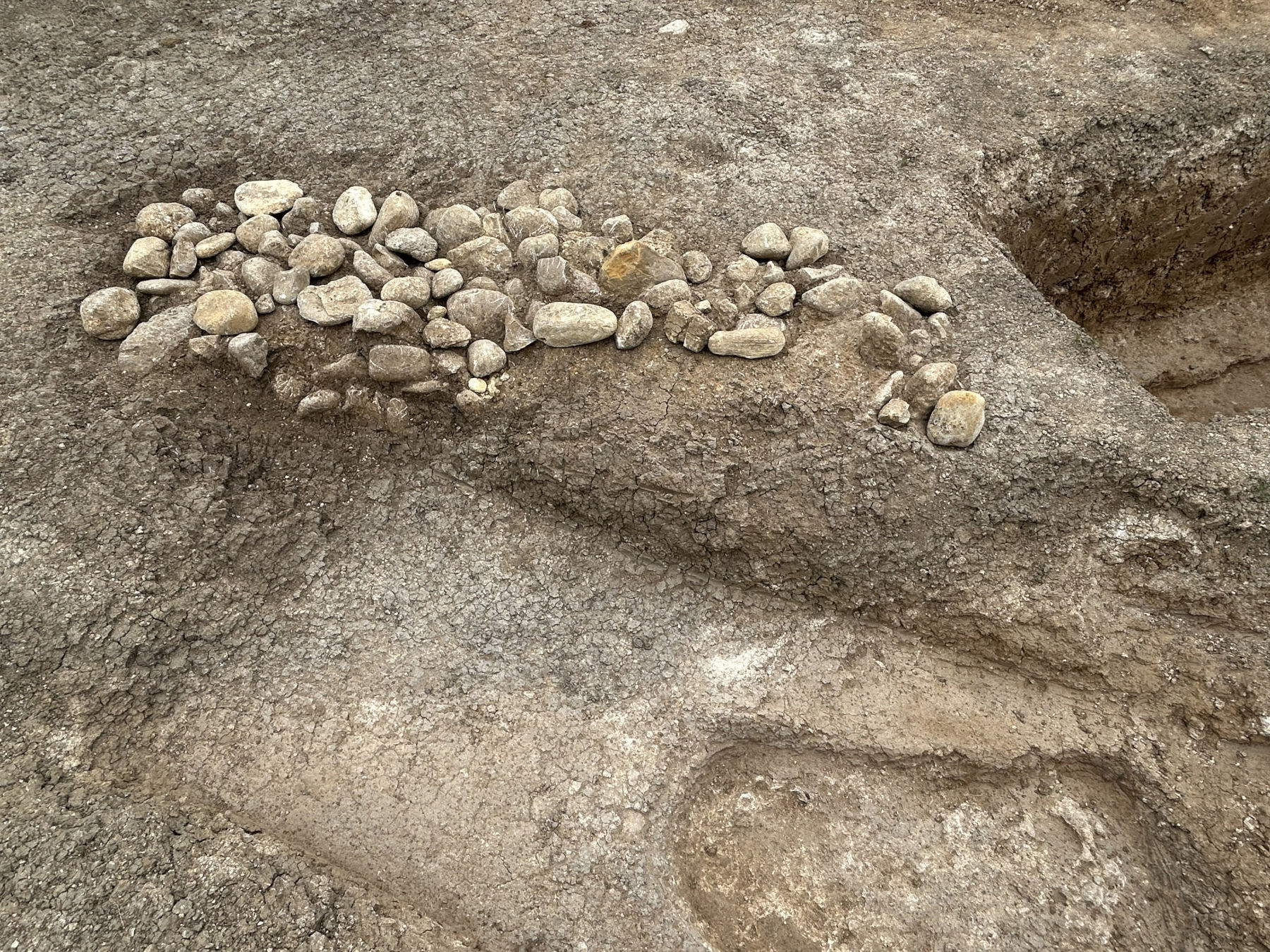
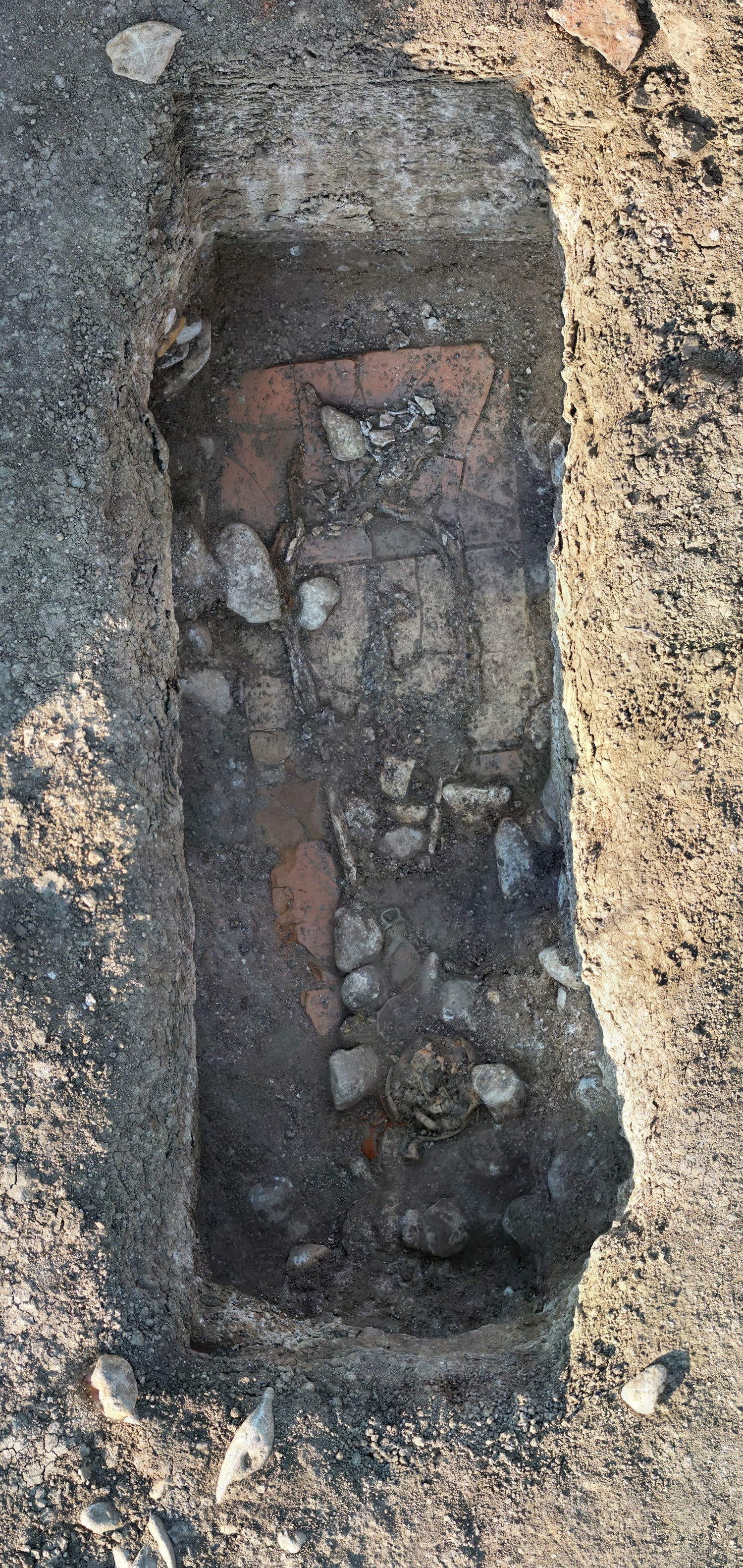
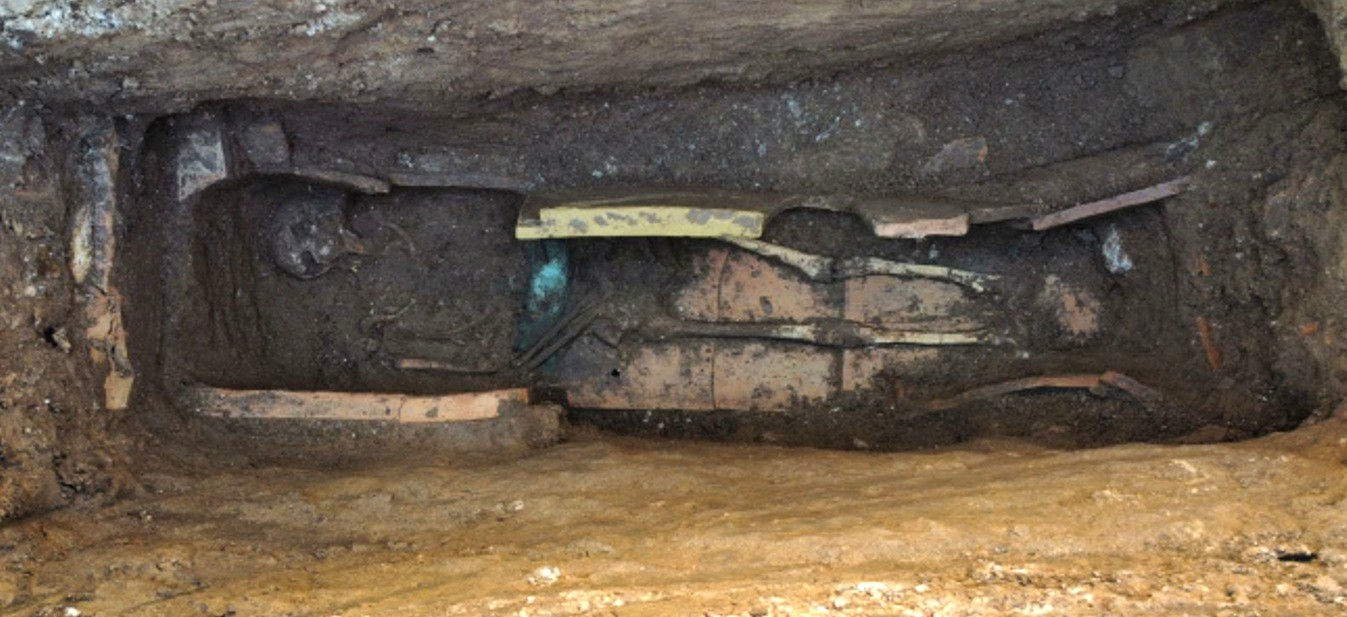
In the course of the activities, a structure was also identified, the function and chronology of which could not yet be precisely defined. According to reports from the Superintendency, the data collected is still insufficient to formulate definitive interpretations. In any case, the archaeological material found on the surface would seem to suggest that the area was also frequented in the Hellenistic-Roman period.
The recently concluded excavation and documentation activity has made it possible to acquire elements considered to be of particular scientific interest. The Superintendency has announced that further survey campaigns will be launched in the near future with direct funding from the Ministry of Culture. The interventions will aim to ensure the preservation of the archaeological context and to define more precisely the extent, chronology and characteristics of the site. In parallel, restoration work has already been planned on the grave goods recovered within the burials. The operations will be financed through the Superintendence’s ordinary funds and represent a preliminary phase with respect to the subsequent study and cataloguing activities of the materials found.
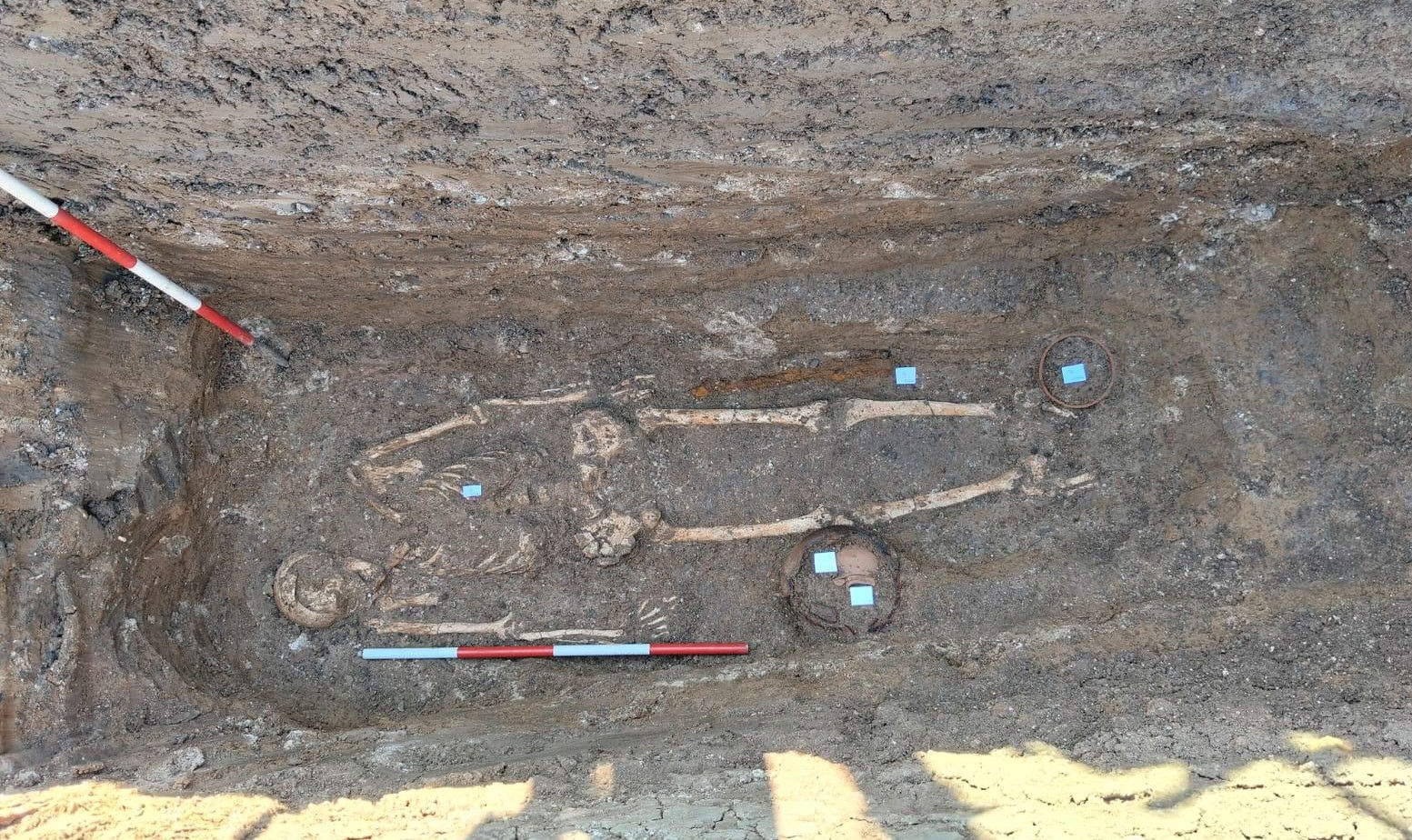
The statement released by the institution also stressed that the activities carried out to date have been kept confidential for reasons of protecting the archaeological site and the artifacts. The decision not to disclose information during the early stages of the investigations is also motivated by security needs, since the area affected by the discovery is located within a construction site that is still active and subject to specific operational and access requirements. The Superintendency points out how the news spread in recent days through the press may undermine the precautions taken so far.
The discovery confirms, according to the statement, the archaeological significance of the Vasto area, which is already known for the presence of evidence related to the ancient frequentation of the area. The new funerary nucleus is considered a useful element to further investigate the settlement and funerary dynamics of the Italic communities of southern Abruzzo. A selection of the finds considered most relevant will be earmarked for display in the new museum itinerary currently being planned at Palazzo d’Avalos in Vasto. The initiative is part of the program to enhance the local archaeological heritage and aims to keep the materials in their territory of origin. Finally, the Superintendency announced that further updates will be communicated to the public and scientific community through future public initiatives and official communications, once the next phases of investigation and study already planned are completed.
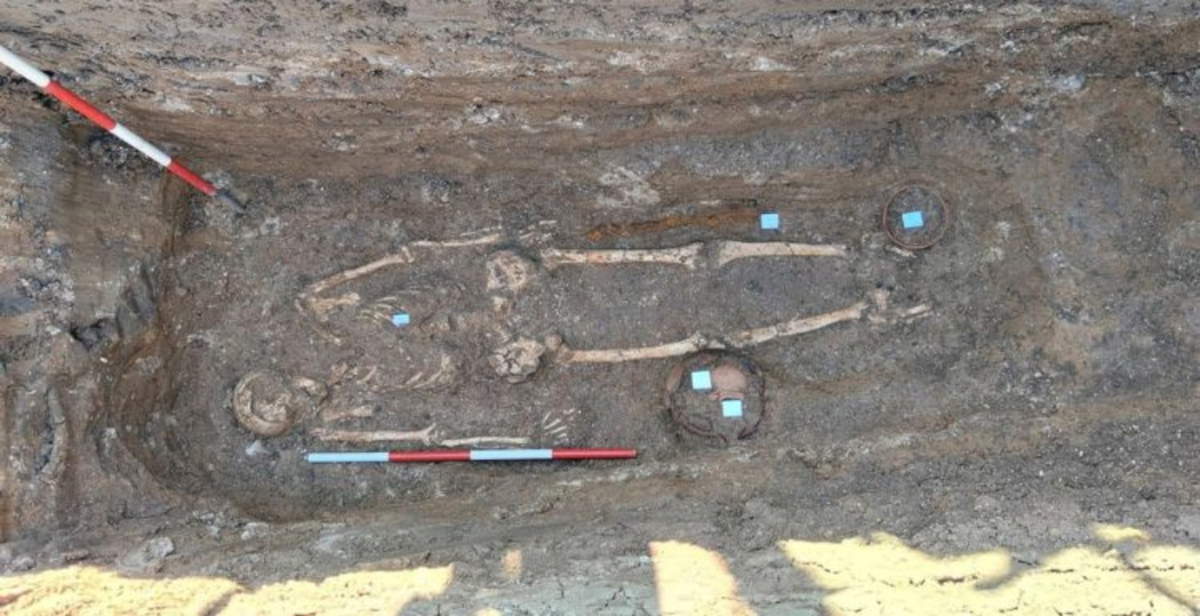 |
| Vasto, an Italic necropolis discovered during work on a photovoltaic plant |

Warning: the translation into English of the original Italian article was created using automatic tools. We undertake to review all articles, but we do not guarantee the total absence of inaccuracies in the translation due to the program. You can find the original by clicking on the ITA button. If you find any mistake,please contact us.























 IT
IT FR
FR DE
DE ES
ES CN
CN


