





“A wave of memories, of symbols, of recollections…” engulfs Giovanni Testori when he is invited by Anna Banti to speak about Roberto Longhi at the Florentine home on Via Fortini, headquarters of the foundation named after the critic from Alba. And, as the transcript of this previously unpublished speech—read with trepidation by the Milanese writer and playwright and now published in the book *Giovanni Testori. With Roberto Longhi. Letters and Writings (Feltrinelli, March 2026, 671 pages, 45 euros): “… a lump in my throat, too, of melancholy; and, why not say it? That sense of privilege, of great, steadfast happiness that comes from having known him, from having loved him, and from having been so helped and enlightened by him—these are the first emotions, the first feelings that wash over me as I find myself speaking here where, as was his custom, Roberto Longhi used to sit, study, write, and drift away, away, completing what, on another occasion, I chose to call his great ‘novel’ on the history of art.”
Giovanni Testori’s (1923–1993) devotion to Roberto Longhi (1890–1970) in this remembrance already emphasizes the aspect that most interested the “student” regarding the work and theteaching of his ideal master: namely, the literary dimension, beyond and above the purely historical-artistic one, attested to and reinforced by a prodigious, ingenious, and imaginative prose that describes and brings paintings and sculptures to life with an incomparable flair, inspiration, and D’Annunzio-esque style. And this predilection for the purely linguistic and stylistic aspect—to the point of venerating Longhi’s calligraphy (p. 516: “to study it closely […] seems to highlight the desire to pause and linger on each letter as if to make it blossom”)— is due in part to the fact that Testori was first and foremost a novelist, poet, and playwright, as well as an art critic (and, especially in his youth, also a painter of sacred art), following in the footsteps of Roberto Longhi: “How many writers (and I am speaking above all of those of my generation) find in Longhi a guiding light and a guide for their work, for their personal journey? For my part, I have never missed an opportunity to acknowledge him,” the speaker continued in his tribute in Florence some fifty years ago at the Longhi Foundation, “but I know that the late, great Pasolini had much the same to say, time and again.”
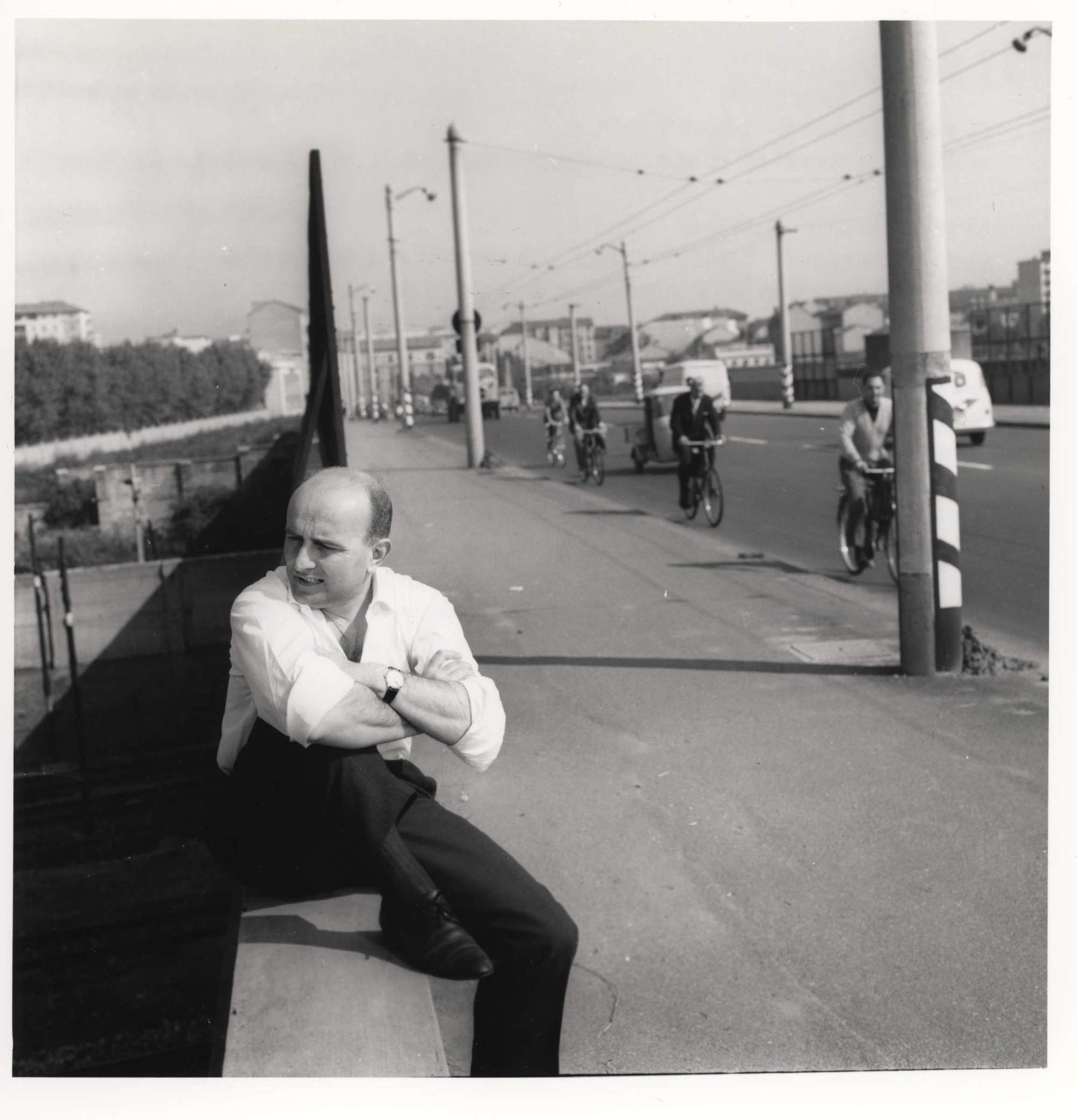
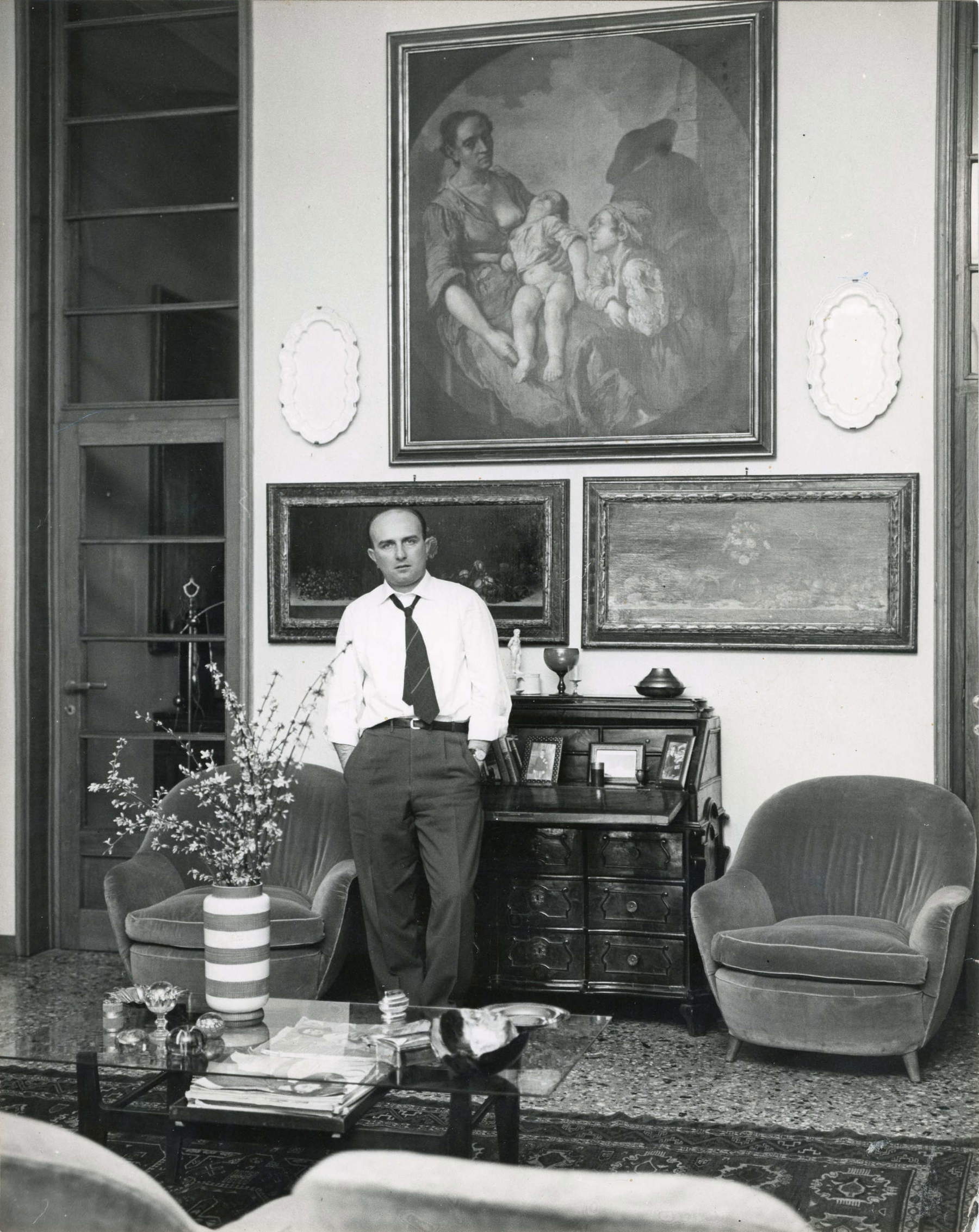
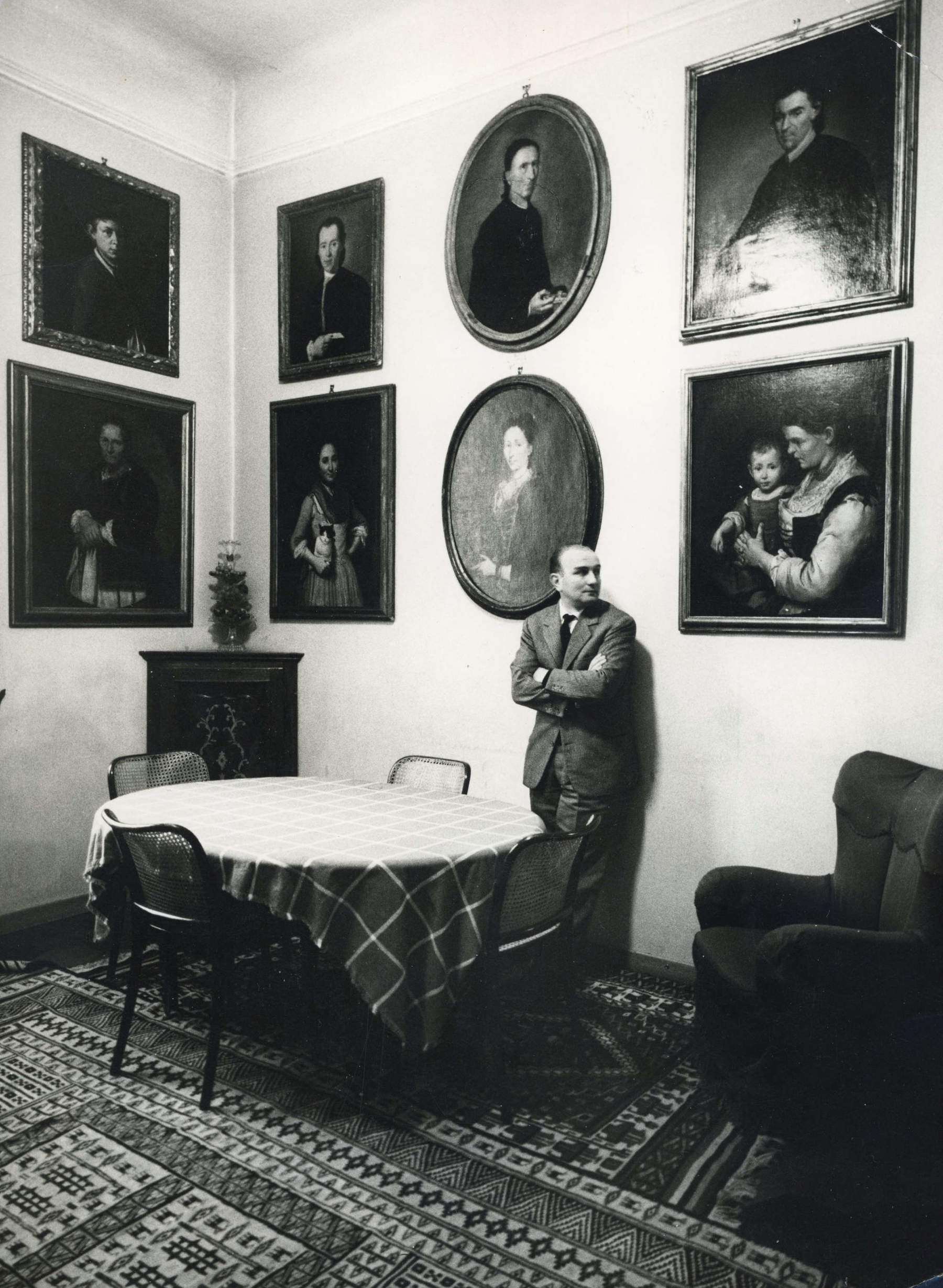
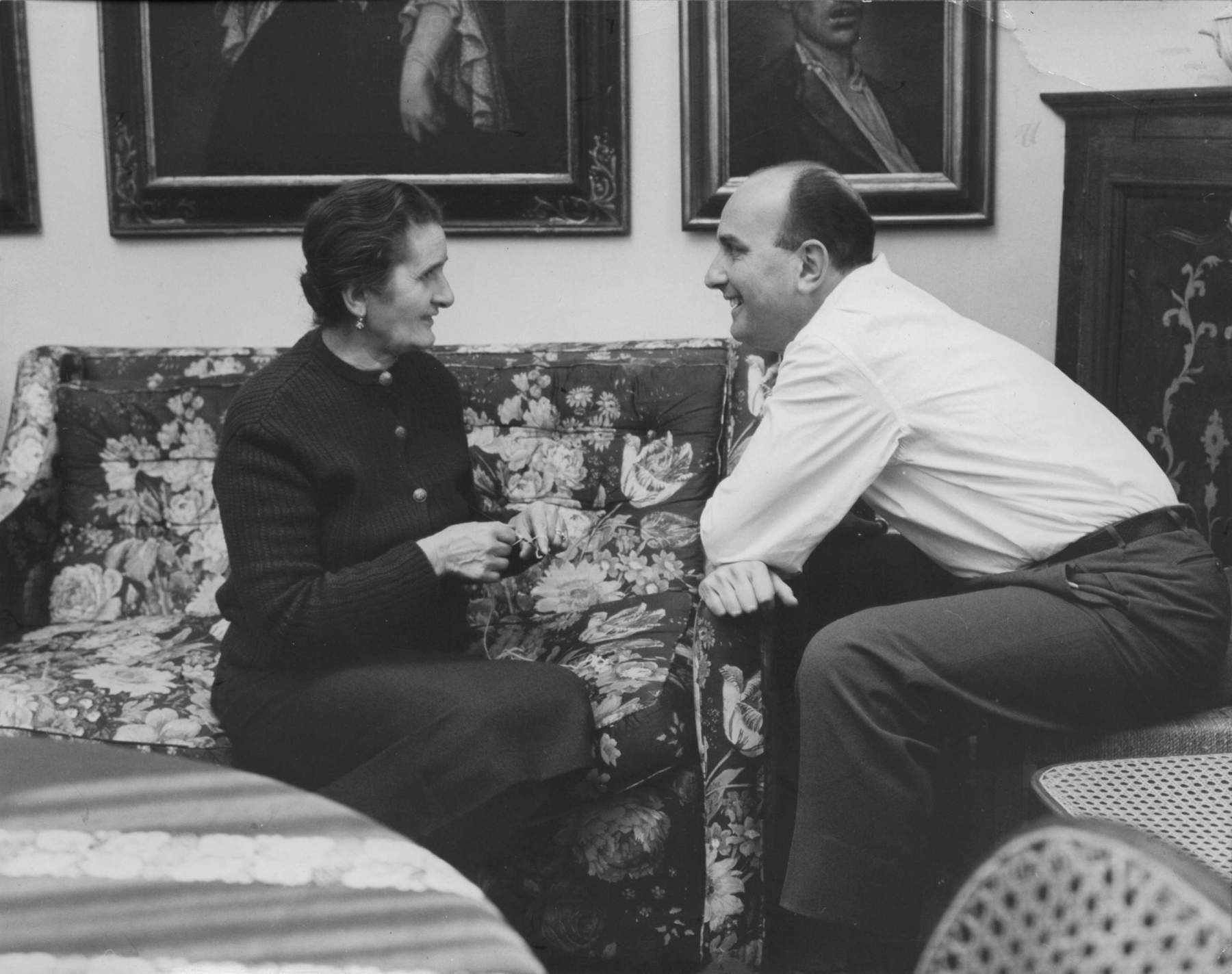
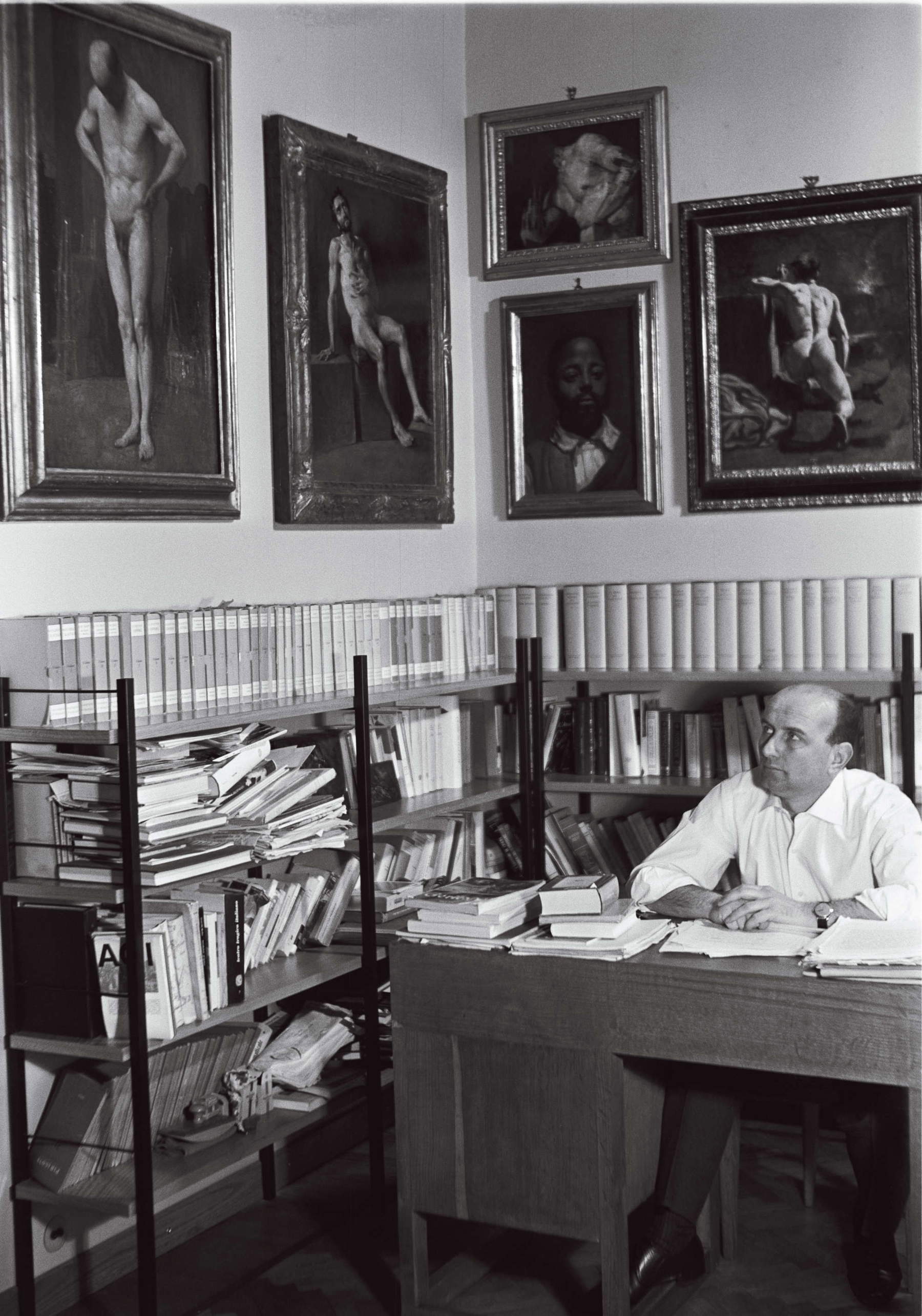
In contrast, Testori’s 62 letters to Longhi focus primarily on issues of art criticism and attribution. These, too, are unpublished and preserved at the Florence-based foundation named after the Piedmontese scholar, whose sixty-year career spanned from the Futurists to Piero della Francesca,from the Ferrara Workshop to Caravaggio, and from Cimabue to Morandi (to summarize the breadth of his interests, from modern to contemporary art, borrowing the successful title of the 1973 Meridiano volume edited, incidentally, not by an art historian but by a literary critic such as Gianfranco Contini), these letters are all that remains of a correspondence that has come down to us incomplete. In fact, the Giovanni Testori Archive is missing the letters from Roberto Longhi, whose thoughts regarding his young follower—who had impressed him by citing him in a 1942 article on Carlo Carrà—shine through in the very words of his friend. “Dear Professor, please excuse the delay in replying to your letter, but I have been away from Milan,” reads the letter dated September 23, 1951, which shows that the correspondence was initiated by Longhi, a few months after the two met, along with the professor’s students and his assistant Mina Gregori, at the Palazzo Reale, in front of the paintings from the most famous of the exhibitions curated by the critic from Alba: “I saw him for the first time at the Caravaggio exhibition in Milan. I had already adored Longhi for quite some time. Partly because he wrote so divinely,” Testori would remark in a conversation with Luca Doninelli in 1992–1993.
The first letter in the incomplete correspondence displays many of the distinctive features that characterize the subsequent letters between the two art experts. First and foremost, the master’s good-natured intransigence. Although Testori affectionately called him“Testùr,” he did not spare him objections regarding style (“You’re right: ‘croma’ is a bad word,” the student admitted in his letter of September 23, 1951) and attributions; corrections which, to tell the truth, his colleague welcomed favorably without, however, ceasing to put forward his own ideas. The main topic of the first letter is, in fact, Testori’s article on the Milanese painter Francesco Cairo (1607–1665), which would appear in *Paragone* in March 1952—the young critic’s debut essay, the first of many he would write for the journal edited by Longhi. Cairo was a discovery by Testori (in 1998, art historian Francesco Frangi, his nephew, commissioned the monograph on the painter for Allemandi). And Longhi, upon reading the first draft of the article, immediately expressed “the doubt that the Judith from a private collection might not even be from Milan—and that the Buona Ventura from Modena might not be by Cairo,” as recorded by the author of the article as it was being prepared for publication.
Davide Dall’Ombra—professor of the History of Art Criticism at the Catholic University, director of the Testori Archive library, and author of essays and the exhaustive bibliography of the intellectual from Novate Milanese—edited this collection of letters together with Roberto Longhi. And he has devoted entire pages of notes—often more than double the length of the letters themselves—to explaining every detail and unpacking the nuances of Testori’s prose (drawing also on an extensive bibliography: over a hundred pages, out of a total of 671, including the index of names). Dall’Ombra explains that the rejected and expunged *Judith* “has not been identified”; while regarding *Buona Ventura* at the Galleria Estense in Modena, he emphasizes that it was “a painting not new to Longhi’scircle,” having been attributed to Cairo in 1945 by Rodolfo Pallucchini “precisely at Longhi’s suggestion” and having later received (1983) received the endorsement of Mina Gregori, the guardian of the Longhi Foundation, who had previously, however—in agreement with and in line with the master—created a fictitious “Master of Good Fortune” to deny authorship to Cairo.
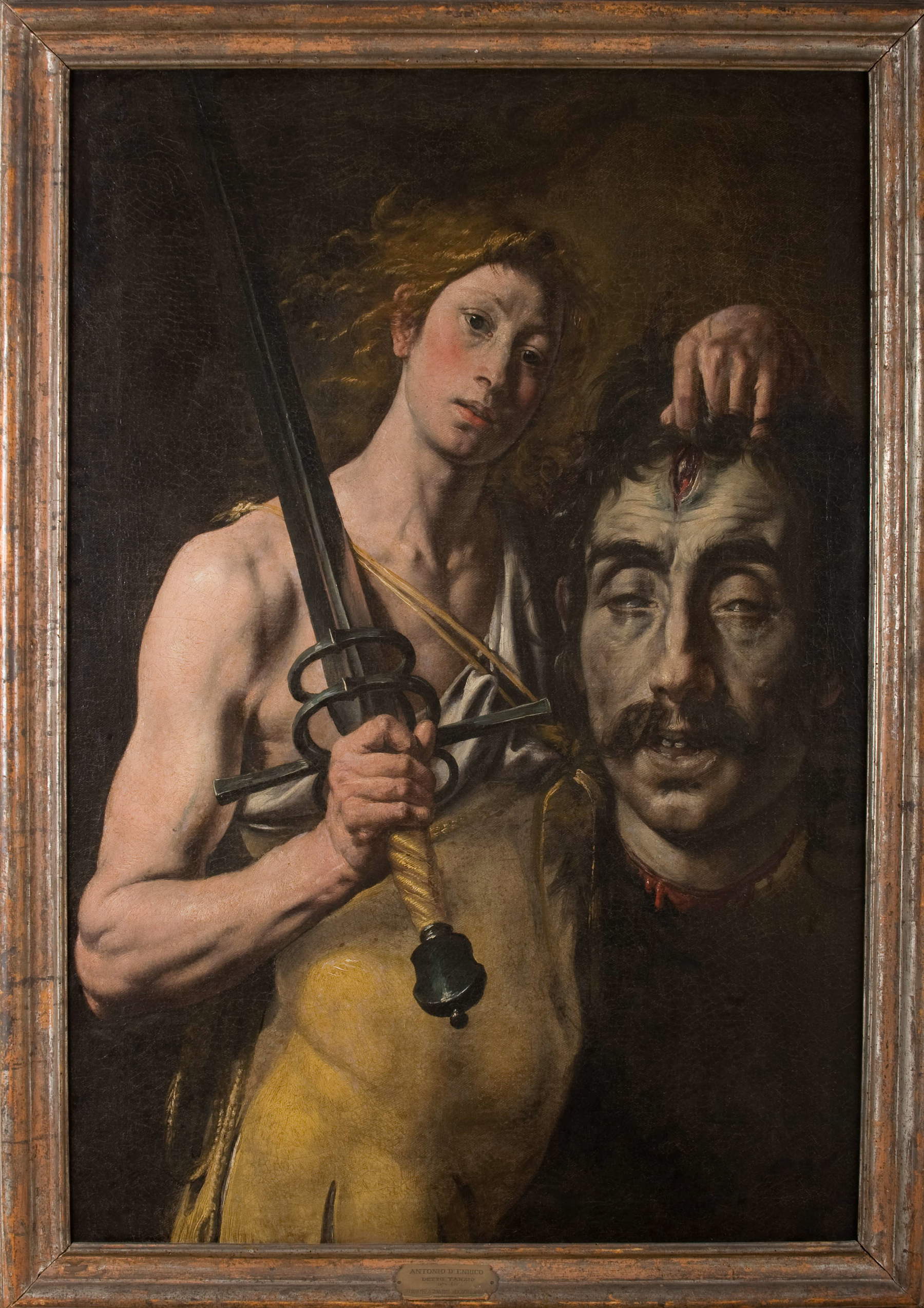
To the Milanese painter rediscovered by Testori—like so many other Lombard artists (Tanzio da Varallo, Cerano, Morazzone, Ceruti, etc.) whom he brought back to the attention of critics and the art market —Longhi agreed to attribute to him the *Christ in the Garden*, which, as a copy of the canvas in the Sabauda Gallery, was in the collection of the young critic from Novate (Dall’Ombra specifies that the work was inherited upon his death by his partner, Alain Toubas); The Testori collection also included the *Lucrezia*, which , in the 1952 article, is listed as part of a generic “private collection” and which was sold at auction in Vienna in 2024 – Engaging in scholarly analysis of works in one’s own possession did not entail an accusation of conflict of interest on Longhi’s part, as he frequently wrote about the paintings in his own renowned private collection. Such was the student’s trust that the master’s words recorded in the letter regarding the suicidal Roman heroine (“The connections you suggested to me regarding my Lucrezia with ‘Rhenish motifs and early 16th-century Venetian motifs’”) are found virtually unchanged in his debut essay in *Paragone*.
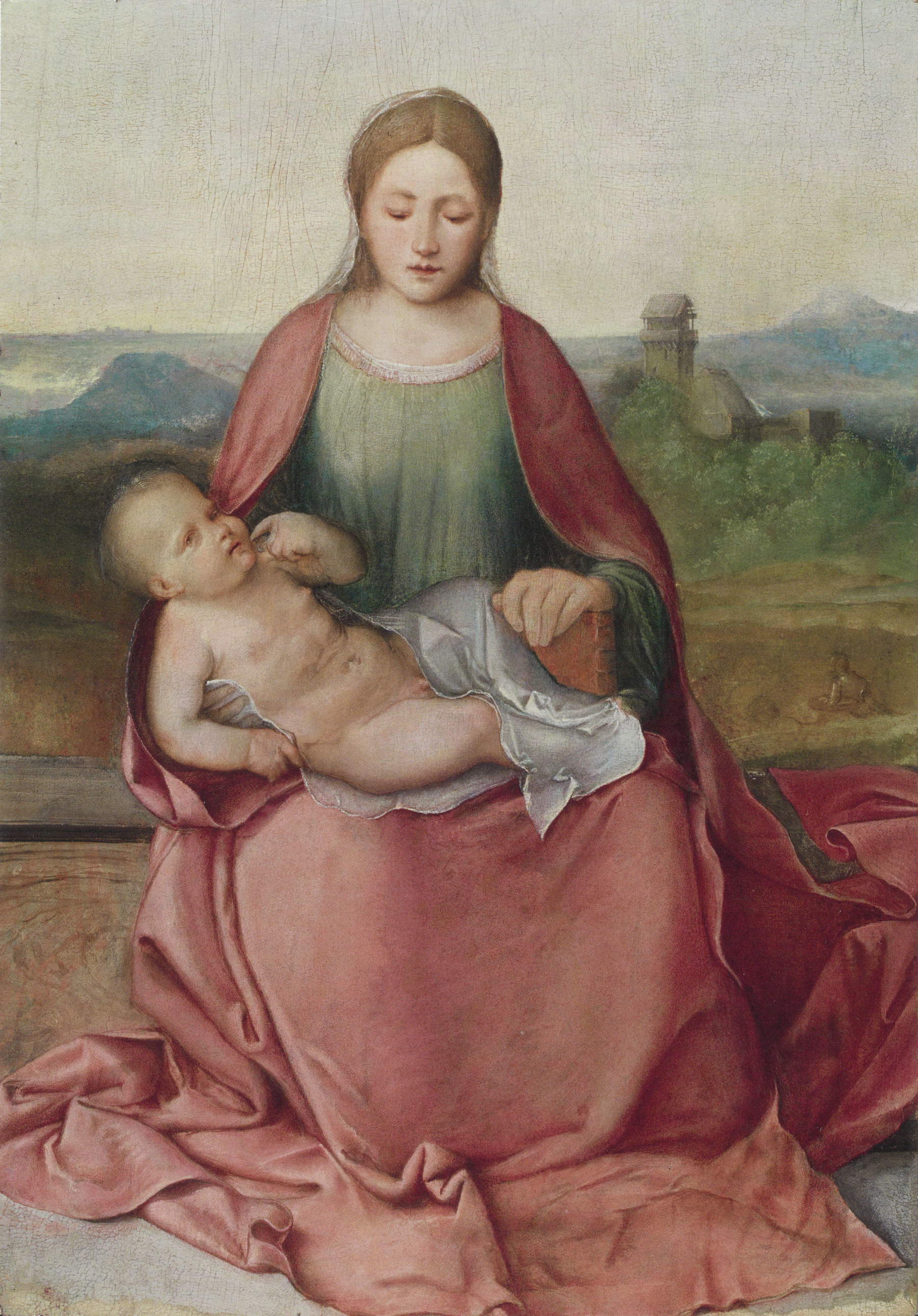
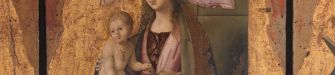
The back-and-forth discussions, the twists and turns of stylistic analysis, and the shifts in opinion regarding the authorship of the paintings—all in a manner dear to the practice of connoisseurs—are very frequent in the Testori-Longhi correspondence and are meticulously documented in the book’s editor’s extensive notes. One need only think of the Cook Madonna, which, for Dall’Ombra, is “the most important discovery Testori made in his life as a connoisseur.” In an undated letter—certainly from the fall of 1962—which the mail carrier delivered to Longhi a full year after the last one had been sent (the correspondence from 1951–56 was much more intense, accounting for about half of the 62 surviving letters), the writer discusses theatrical matters with his mentor and the difficulties of finding a talented actor capable of bringing his play *Il Branda*—a work published only posthumously—to the stage; but, above all, he dwells on the work in progress for *Paragone* (there’s a lot brewing: from Lotto to Delacroix, from Géricault to Giuseppe Antonio Pianca, all the way to Guttuso) and announces with satisfaction: “I’ve finished the piece on ‘Giorgione’ and I plan to send it to him soon or come by myself to deliver it.” Testori is referring to the Madonna and Child, now in the Gemäldegalerie in Berlin, which Longhi had included in his 1926 review of a book on Romanino, attributing the painting—“without ever having seen it”—to the Brescian painter. After passing from the Cook collection to “a dealer in Bergamo” who showed it to Testori, the latter had it photographed after having it “cleaned” (that is, restored), and the prints were immediately taken to Longhi, who, after an amusing game of concealment and revelation, like a poker player with cards on the green table, approved the transfer from one painter to another and allowed Testori to publish an article in 1963 whose very title ratified his change of heart: From Romanino to Giorgione. The illustrations in Dall’Ombra’s book—32 images in all, featuring beautiful photographs of the two protagonists of the correspondence, either alone or alongside Anna Banti or their associates Giorgio Bassani, Elio Vittorini, Mario Soldati—features, among the reproductions of the paintings, no fewer than three photographs of the work possibly by Giorgione that document three distinct stages of transition, before and after drastic restorations: from the photo archive of the distinguished Zeri Archive to the color print from Berlin’s Gemäldegalerie (the caption erroneously refers to Dresden); in the latest version of the painting, with the curtain in the background—which concealed the Leonardo-esque landscape—now gone, the position and shape of Mary’s hand have changed radically; it now appears (perhaps due to the removal of the overpainting?) very similar (as well as in the colors and shape of the garments) to the left hand resting on the throne in the Madonna of the famous Castelfranco Altarpiece, painted in the early sixteenth century by the young artist for his city’s cathedral.
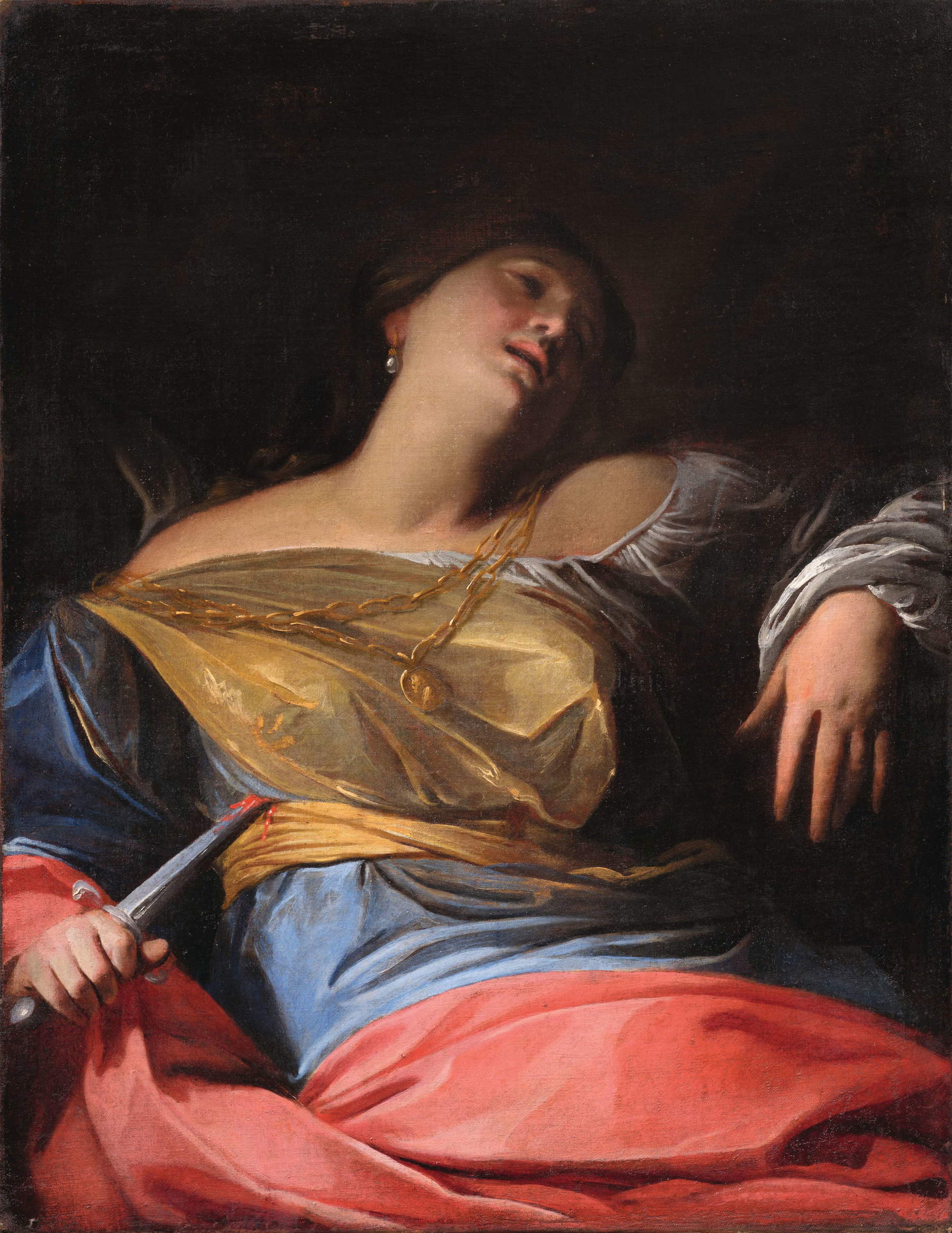
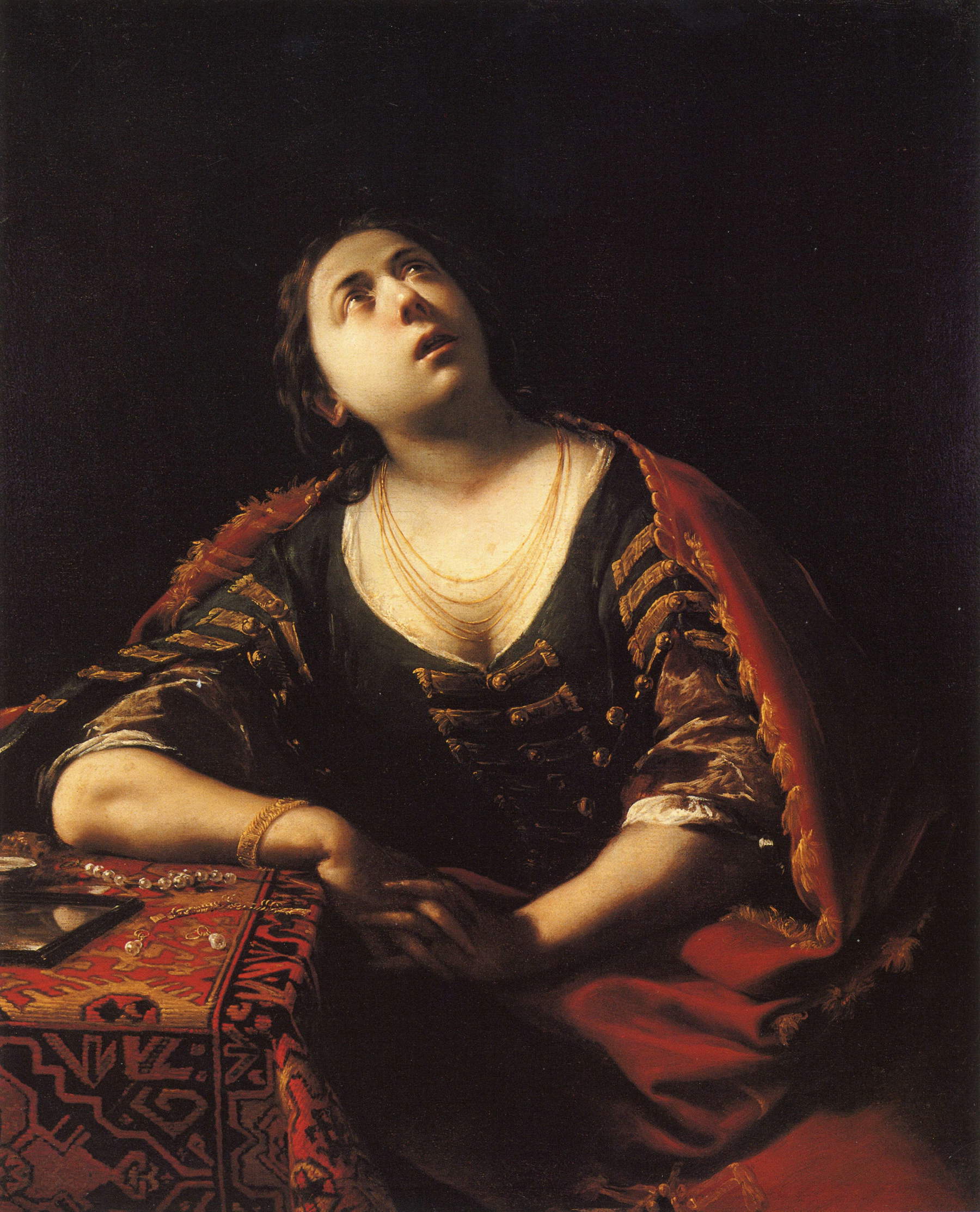
The art-historical profile of the dynamic and multifaceted Testori did not sit well with a large part of the academic world. This is evidenced by the footnotes in his other unpublished text, now published by Dall’Ombra among his writings on Longhi, alongside the many portraits of Longhi that appeared in the pages of the *Corriere della Sera*, to which the Milanese playwright contributed. This is the transcript of a lecture titled *The Painters of Reality in Lombardy*, a talk open to the public, delivered on September 27, 1980, in the main auditorium of the University of Florence at a conference organized ten years after Longhi’s death. Testori’s opening address was subsequently excluded—along with those of other scholars—from the conference proceedings by Giovanni Previtali, who, as revealed by Arturo Galansino in 2013, had already expressed, while drafting the list of invitees for the conference, “strong reservations about Testori, whose name even Ferdinando Bologna does not agree with.” In fact, the art historian from L’Aquila did not include him in the section he coordinated at that conference, nor did Volpe and Castelnuovo include him in theirs on Longhi as a historian and connoisseur. It was thus Anna Banti, his widow, who made sure to include Testori among the speakers in the program on Longhi and the literary disciplines.
But what had this unorthodox Longhi enthusiast—a man of art, literature, and theater—said in Florence to provoke such aversion from the academic world, summed up in Paolo Fossati’s negative assessment (a speech that ‘is befitting his fundamentalist pietism’)? Testori had recounted to the audience his trip with Longhi to Bergamo “to the home of the Marenzi Pacciani counts” to request the loan of *The Young Gentleman*, an 18th-century masterpiece by Fra’ Galgario now housed at the Accademia Carrara, in preparation for the famous 1953 Milan exhibition on *The Painters of Reality in Lombardy*. Testori recounted that visit with unparalleled narrative flair and a witty spirit of observation, describing the welcome extended by the two hostesses—two sisters “both slender, with snow-white hair, a narrow shadow-purple velvet ribbon around their necks, dressed with gentle severity, kind, most dignified, certainly not touchy, yet heavily armored…”. He then described the unveiling of the portrait of the 18th-century patrician, which, in that setting of fallen nobility, harmonized well with the parlor and the elderly ladies: “And the marvel appeared: pea green, 18th-century gagà, even—timidly—a little gay. And it appeared so fresh and immediate, dewy with life, radiating presence—forgive me for the slightly disrespectful reference, but, as they say, I’m on home turf—it seemed capable of shattering, right then, the centuries that separated us from the moment when Ghislandi had captured and brought it to life.”
Longhi was the critic who, in *Viatico per cinque secoli di pittura veneziana* —a text containing negative, almost contemptuous, and today inconceivable judgments on certain painters (the Venetian 14th-century masters, Bartolomeo Vivarini, Gentile Bellini, etc.)—but which had dazzled the young Testori in 1946—had written, regarding Michele Giambono’s *San Crisogono on Horseback* in San Trovaso: “It seems as though the painter, at dusk, is trying to patiently and carefully trace the eyelashes of the drowsy palfrey and to describe in slow motion how the banner and cloak settle upon the gold with a lazy, intricate snap”. And the student seems to be in tune with his master’s prose when, in his 1980 lecture in Florence, he describes the Gentleman he had seen in Bergamo thirty years earlier as follows: “All shades of gray, creams, meringues, pale, pale greens, galle cookies, and ribbons as black as coal; the figure bathed entirely in a shimmer—or rather, a shiver of silver light—and, at the same time, in a tenderness and, one might say, a heart-wrenching sensation, like cream…”.
No reference to context, content, philology, or the sociology of art history, but an inspired voice that transforms the painting into literature, creating images and narratives around and within the canvas. After all, that evening in Milan, having returned to the hotel from Bergamo and thinking about the text he was supposed to write as an introduction to the exhibition, Longhi had said to“Testùr”: “After all, it would be enough to tell the story of those Marenzi Pacciani, to describe their home, the velvet, the portrait, the rosolio, and the piece on the Galgario would be as good as done.” At that point, addressing the art history scholars who had given him a cold reception at that day’s symposium in Florence, Testori reaffirmed the literary value—which he considered absolute—of Longhi’s work: “So, it would have been enough to simply tell the story: was it enough, or was it necessary? I have always maintained […] that Longhi’s criticism is vast, crystal-clear, razor-sharp, and deeply relevant precisely because it is narrative criticism, novelistic criticism—and because it is all the more so the more it is applied to the specific nature of knowledge and philology.”

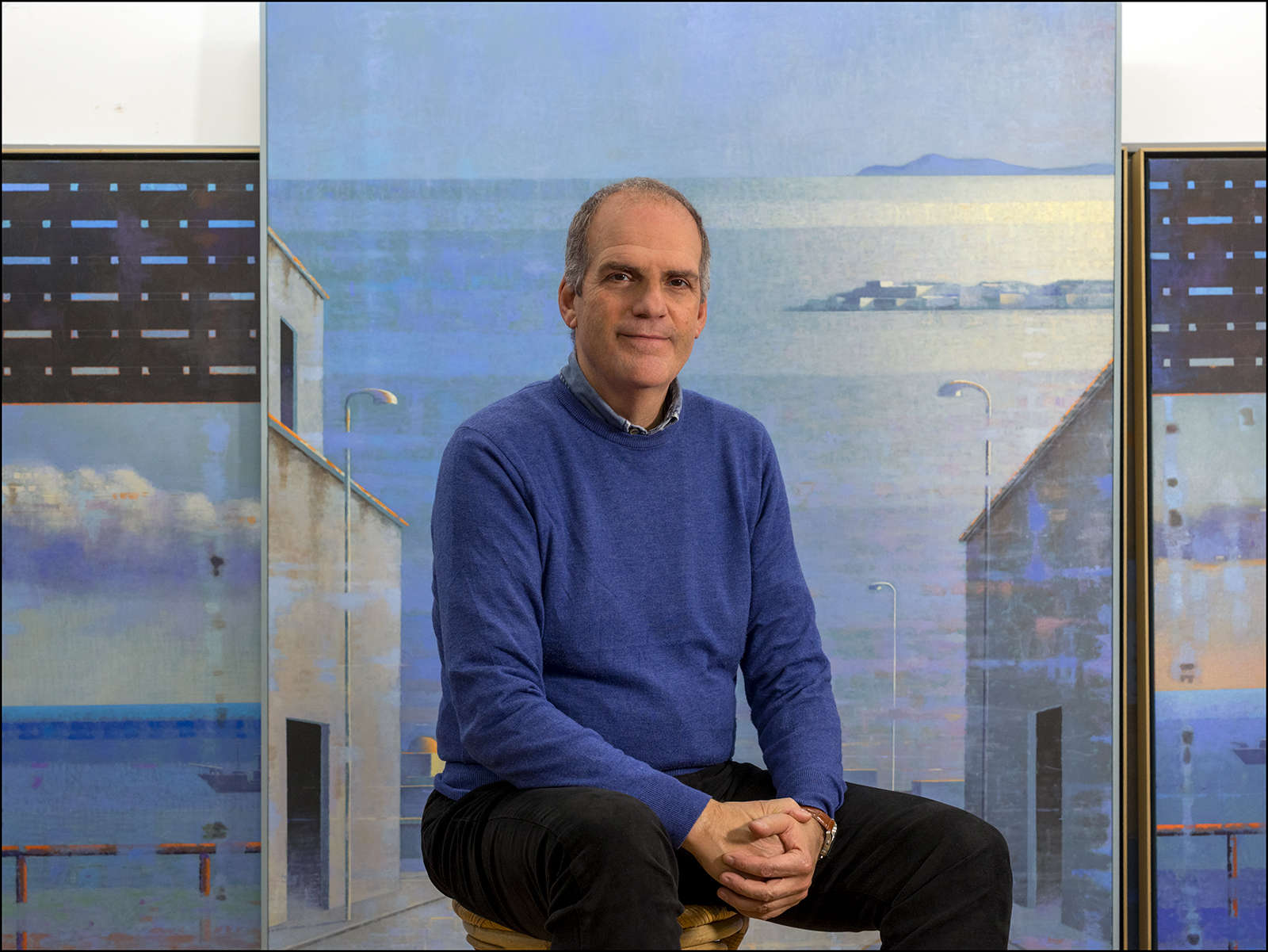
The author of this article: Carlo Alberto Bucci
Nato a Roma nel 1962, Carlo Alberto Bucci si è laureato nel 1989 alla Sapienza con Augusto Gentili. Dalla tesi, dedicata all’opera di “Bartolomeo Montagna per la chiesa di San Bartolomeo a Vicenza”, sono stati estratti i saggi sulla “Pala Porto” e sulla “Presentazione al Tempio”, pubblicati da “Venezia ‘500”, rispettivamente, nel 1991 e nel 1993. È stato redattore a contratto del Dizionario biografico degli italiani dell’Istituto dell’Enciclopedia italiana, per il quale ha redatto alcune voci occupandosi dell’assegnazione e della revisione di quelle degli artisti. Ha lavorato alla schedatura dell’opera di Francesco Di Cocco con Enrico Crispolti, accanto al quale ha lavorato, tra l’altro, alla grande antologica romana del 1992 su Enrico Prampolini. Nel 2000 è stato assunto come redattore del sito Kataweb Arte, diretto da Paolo Vagheggi, quindi nel 2002 è passato al quotidiano La Repubblica dove è rimasto fino al 2024 lavorando per l’Ufficio centrale, per la Cronaca di Roma e per quella nazionale con la qualifica di capo servizio. Ha scritto numerosi articoli e recensioni per gli inserti “Robinson” e “il Venerdì” del quotidiano fondato da Eugenio Scalfari. Si occupa di critica e di divulgazione dell’arte, in particolare moderna e contemporanea (nella foto del 2024 di Dino Ignani è stato ritratto davanti a un dipinto di Giuseppe Modica).Warning: the translation into English of the original Italian article was created using automatic tools. We undertake to review all articles, but we do not guarantee the total absence of inaccuracies in the translation due to the program. You can find the original by clicking on the ITA button. If you find any mistake,please contact us.
















 IT
IT FR
FR DE
DE ES
ES CN
CN


