





Nexo Studios La Grande Arte al Cinema returns on April 20, 21 and 22, 2026, with TABÙ. EGON SCHIELE, produced by 3D Productions and Nexo Studios, directed by Michele Mally, who also signs the subject and screenplay together with Arianna Marelli. Guiding viewers on the journey in the footsteps of Egon Schiele is Erika Carletto, a young actress who through song evokes the atmosphere of Vienna and Prague of the time. Between the late 19th and early 20th centuries, these cities, also told through archival materials, were vital centers of change and contradictions that still influence the present. The soundtrack consists of original pieces by violinist Laura Masotto and will be available in digital format on the Nexo Digital label. A list of participating theaters can be found at nexostudios.co.uk.
In the intense and hectic life of Egon Schiele (Tulln an der Donau, 1890 - Vienna, 1918), filled with hundreds of paintings and thousands of works on paper, one constant return emerges: that to Krumau, the birthplace of the artist’s mother, today Český Krumlov, in the Czech Republic. It is precisely from here that TABU starts . EGON SCHIELE, from theAtelier Egon Schiele, the house with a garden in which the painter lived with his companion and model Wally Neuzil. In this small town in Bohemia, then part of the Austro-Hungarian Empire, lie the roots of an art capable of breaking the aesthetic, moral and psychological patterns of the time, still leading us to the heart of human experience. It was while observing Krumau’s architecture that Schiele, from a young age, developed an original gaze that was destined to become distinctive: the perspective from above, which in his drawings results in a novel point of view. Krumau alternates between soft lines, such as the Vltava River enveloping the old town, and more rigid, angular features, such as medieval houses and winding streets. An almost maternal city, it recalls recurring themes in Schiele’s work: the unconscious desire to return to the origin and the need to reconstruct one’s identity. The artist’s relationship with his mother Marie was marked by emotional distance and tension, just as his relationship with Edith Harms, whom he married in 1915 after the end of his relationship with Wally, was marked by loneliness and incommunicability. The deepest bond remained that with his sister Gerti, about whom new biographical information has only recently emerged.
The analysis of these connections, both visual and inner, is enriched by contributions from scholars and experts, including Jane Kallir, curator of the complete catalog of works; Ralph Gleis and Elisabeth Dutz of the Albertina in Vienna; Kerstin Jesse of the Leopold Museum; Verena Gamper of the Belvedere; Klára Sváčková of the Museum Fotoatelier Seidel; art historians Elio Grazioli and Otto M. Urban; philosopher Maddalena Mazzocut-Mis; psychoanalyst Micaela Riboldi; Germanist Amelia Valtolina; writers Romina Casagrande and Alessandro Banda; and filmmaker Gerda Leopold.
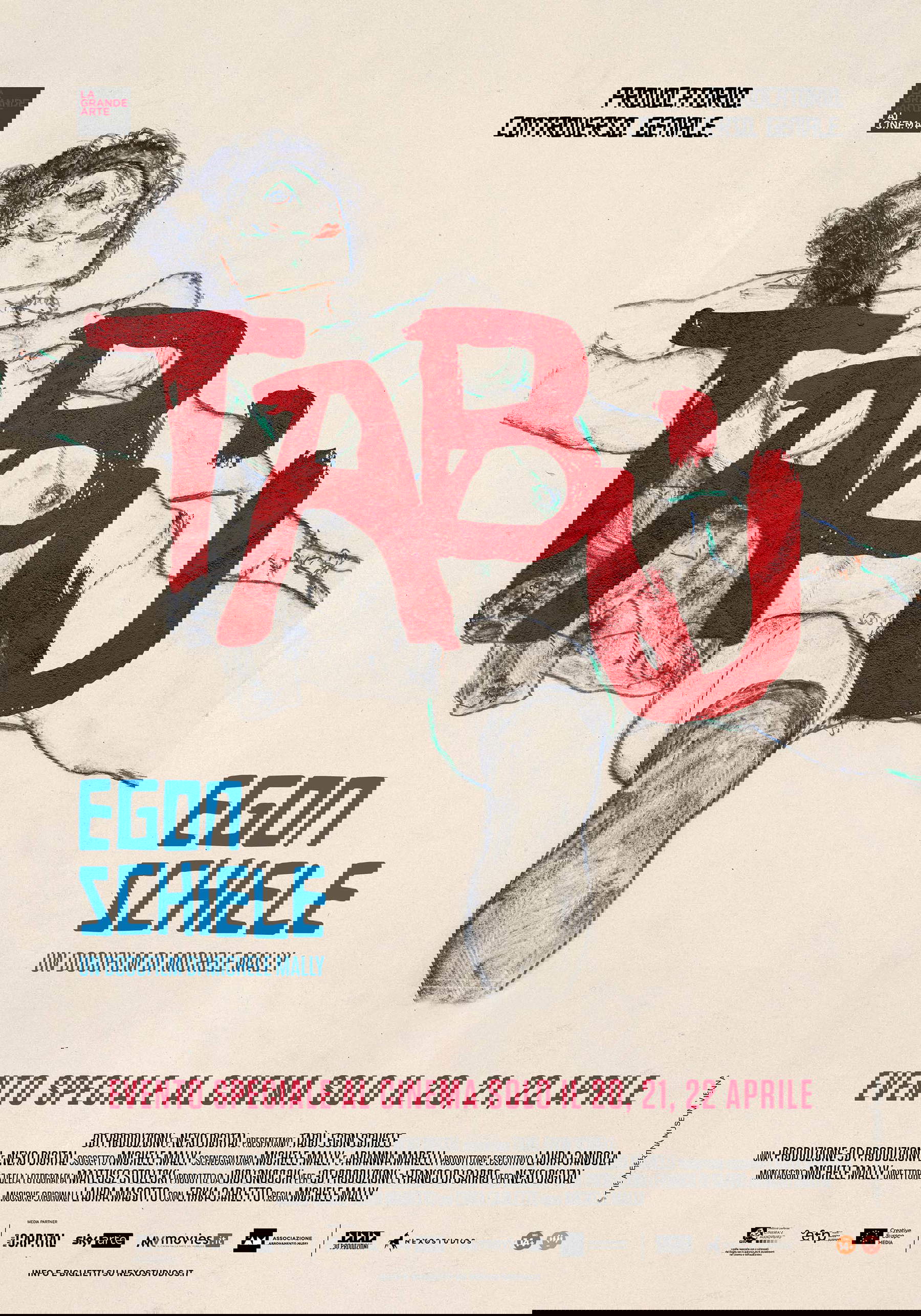
A key moment in the film is 1910, the year in which Schiele’s style is fully defined. At the same time, the passage of Halley’s Comet illuminates the sky, creating a trail that seems to connect different places and times. Against this backdrop, one can imagine Schiele walking the streets of Prague alongside Franz Kafka (1883-1924), a recurring figure in the docufilm. There is no evidence of their meeting, but their lives and works are ideally intertwined, offering new perspectives also for understanding the Kafkaesque universe: a dreamlike and disturbing world, capable of disturbing, just like the twisted bodies depicted by Schiele. In that Vienna, the way of perceiving time also changed: no longer linear, but dense, emotional and inevitable, like the “starry hours” described by Stefan Zweig, in which birth and death turn out to be closely connected. There was a sense of impending end everywhere. 1918, the year of the death of Schiele and Gustav Klimt along with other protagonists of Golden Vienna, also witnessed the collapse of the Austro-Hungarian Empire and the birth of Czechoslovakia.
With Schiele’s death, his personal story ends, while Kafka’s continues. Above all, however, it is the modern world that takes shape in those years: the cyclical return of themes, the obsession with death, the deep and often restless introspection, the sense of inadequacy combined with a strong presence in the world make Schiele incredibly relevant today, still capable of provoking and disturbing. His art forces us to confront our taboos, those of yesterday and those of today.
For 2026, Nexo Studios’ La Grande Arte al Cinema is exclusively distributed in Italy with the support of media partners Radio Capital, Sky Arte, MYmovies and in collaboration with Abbonamento Musei.
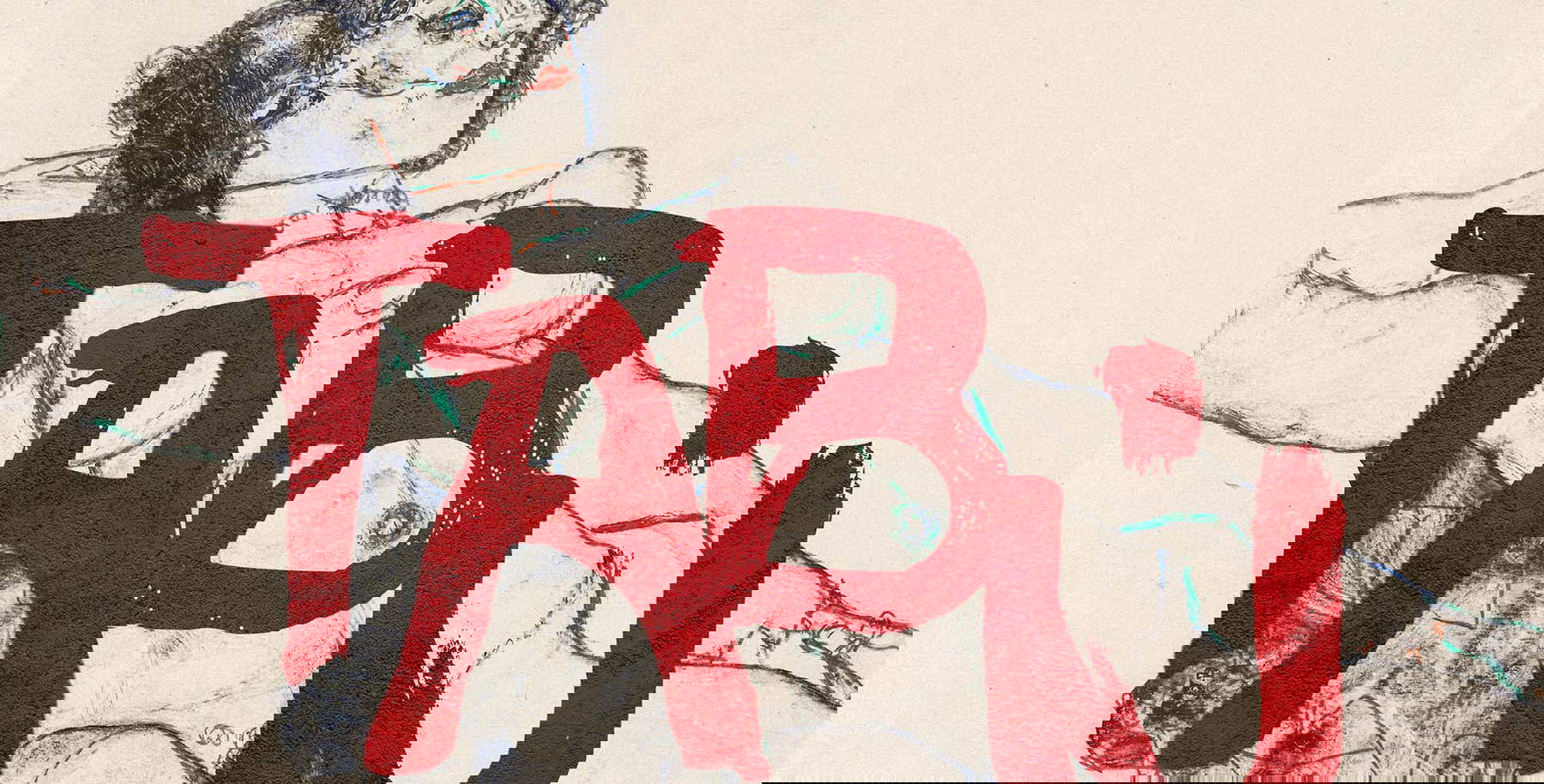 |
| Egon Schiele's art makes us confront our taboos. In theaters the docufilm, only April 20, 21 and 22 |

Warning: the translation into English of the original Italian article was created using automatic tools. We undertake to review all articles, but we do not guarantee the total absence of inaccuracies in the translation due to the program. You can find the original by clicking on the ITA button. If you find any mistake,please contact us.


















 IT
IT FR
FR DE
DE ES
ES CN
CN


