




by Giuseppe Adani 25/01/2022



Categories: Exhibition reviews / Disclaimer
Review of the exhibition "Antonio Canova and Bologna. At the Origins of the Pinacoteca," Bologna, Pinacoteca Nazionale, December 4, 2021 to February 20, 2022.

A flight! A glittering flight accomplished by a wise bee responding to the ideal figure of an affable and cultured princess as is Maria Luisa Pacelli, director of the Pinacoteca Nazionale di Bologna. An exploration over a phenomenon that becomes more and more interesting, even to the point of enthusiasm for art, as the visitor proceeds in the assumption of the themes and works of a singular and beautiful exhibition concerning the Canovian imbrication of learned Bologna in the lively auras of a high and sublime neoclassicism.
What was Bologna like while Girondins and Jacobins were disputing the French Revolution and then while the Corsican Buonaparte stripped Italy of every possible good? It was a city of studies and features that enjoyed the long secular peace of the Church State and could boast cultural presences of the highest prestige: the advanced Institute of Sciences founded in 1711 by Luigi Ferdinando Marsili, which (next to the Alma Mater Studiorum) stood at the head of research in every field of knowledge; the University itself; the Philharmonic Academy; the Academy of Arts, alive within the Clementine Academy that cared for letters, poetry, history, archaeology, architecture; all in the “spirit of enlightenment” as Francesca Lui recalls in an excellent catalog essay. In Bologna taught harmonies Father Giovanni Battista Martini “gran musagete” and teacher of Mozart; here the famous man of letters Pietro Giordani, Leopardi’s malleader, carried out a sovereign task in the humanities and in the very taste of society, as did Francesco Algarotti in the arts of drawing with profound culture; painters like Ubaldo Gandolfi worked here, sculptors like Carlo Bianconi and Giacomo Rossi; among engravers Mauro Tesi and then Francesco Rosaspina, architects like Angelo Venturoli and Giovanni Battista Martinetti. All to be reevaluated today, and powerfully, with knowledge and conscience.


Why this introduction? Because it opens up a full universe of study and activity in the last quarter of the 18th century in a city on a European level. For English, Irish and French intellectuals came and stayed here in dense numbers, and so did figurative artists in search of examples, models and inspiration. Touching and perfectly significant was the gesture of the Irish painter James Barry, who wished to leave his painting Philoctetes Wounded as a gift to the City after being named an Academician of Honor at the Clementina (1771): a canvas soon famous as an early and supreme example of neoclassicism, that is, endowed with monumentality, ancient literary evocation, and strong moral content. In a general sense Bologna was an ethical center of excellent standing to accommodate what would be, and became, the living prodigy of the new classicism.

Canova stayed in Bologna six times certainly and even more if one considers the stages of his national and international travels. The first time at the age of 22 in 1779 on his way to Rome to collect the immense legacy of the Eternal City and to be welcomed as the new dawn of art in the Palazzo Venezia by the direct heirs of his beloved Venetian pope, Carlo Rezzonico, namely Clement XIII. The good fortune of possessing his autograph travel notebooks, which appear in the exhibition, certifies us of his careful census of the works in Bologna, where, in addition to the drawings, he jotted down his appraisals and often admiring amazement: as for the anatomies of the Istituto delle Scienze, for Lombardi’s Lamentation, for the altarpieces by Carracci, Reni, Cavedone, Pasinelli and Domenichino; and for that ceiling of the Sampieri house, by Guercino, of which he writes “I do not believe that a mortal can do more in fresco.” This extensive and rich stage (also in terms of music and food) provided him with an intimate bond with the city, a decisive lesson in artistic vitality and several sincere friendships that he always renewed.
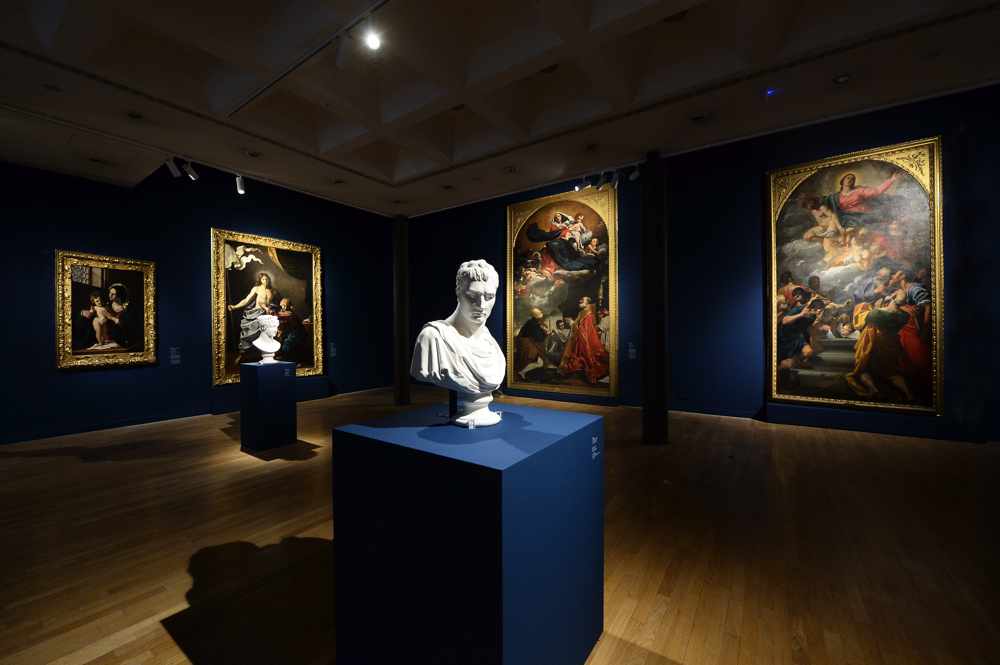
The exhibition, curated by the young and fervent scholar Alessio Costarelli, covers all the visits of the man who became “sculpture itself” for the whole of Europe in Felsina felix, and all the fervent relationships that marked those ties in a crescendo of discoveries on documents, gifts, courtesies of Bolognese ladies, on the literary panegyrics, on the admirable sculptures present, all the way to the overwhelming gratitude of the Genius who brought back for Bologna and Cento from the Napoleonic robberies some of the greatest masterpieces, which mark for the visitor an extreme tuning fork of heartfelt and grateful enthusiasm. The very arrangement of the exhibition, in its layout, is happily inviting: the dilated basement and ultra-modern “open space,” perfectly illuminated with attractive and purposeful dosages, is articulated in a varied and accommodating itinerary that poses at every step the ease of contemplation, of documentary reading, of roundabout enjoyment of the all-rounds, of accompaniment through charts (a grand one on the peregrinating vicissitudes of the works under examination), and finally, after the unforgettable picture gallery of pictorial masterpieces returned from Paris and tributing to the soul of Canova, leads to the recreated computer reconstruction of the Church of Santo Spirito where, in 1816, the exhibition of the returned paintings was held.
It is an exhibition that offers an unexpected glimpse into a little-known but highly intense bond between the great Antonio and the City that loved him to the fullest. What is more, Bologna can now boast of actually possessing a marble by Canova in the slender sweet nude of the Apollino in the Civic Museums, thanks to the meritorious discovery of Antonella Mampieri, a true master on the “Felsina sculptor.”
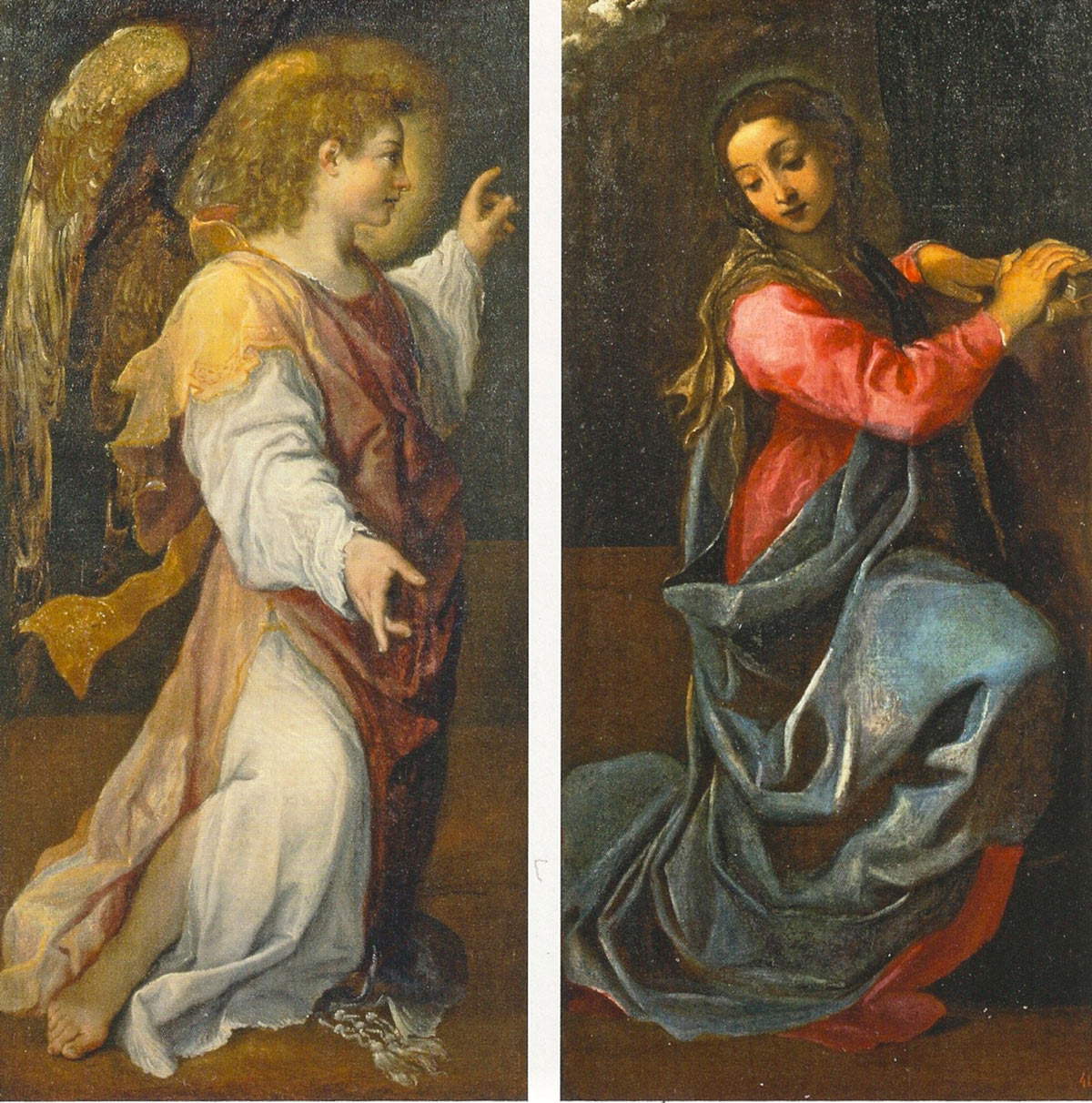
Painted probably for the Filippini Fathers of Santa Maria di Galliera, the two organ doors shine for their freshness and chromatic felicity. The Carracci’s works struck Canova vividly on his first visit to Bologna and received wide praise. These two canvases were later commandeered and taken to Paris, whence Canova brought them back.
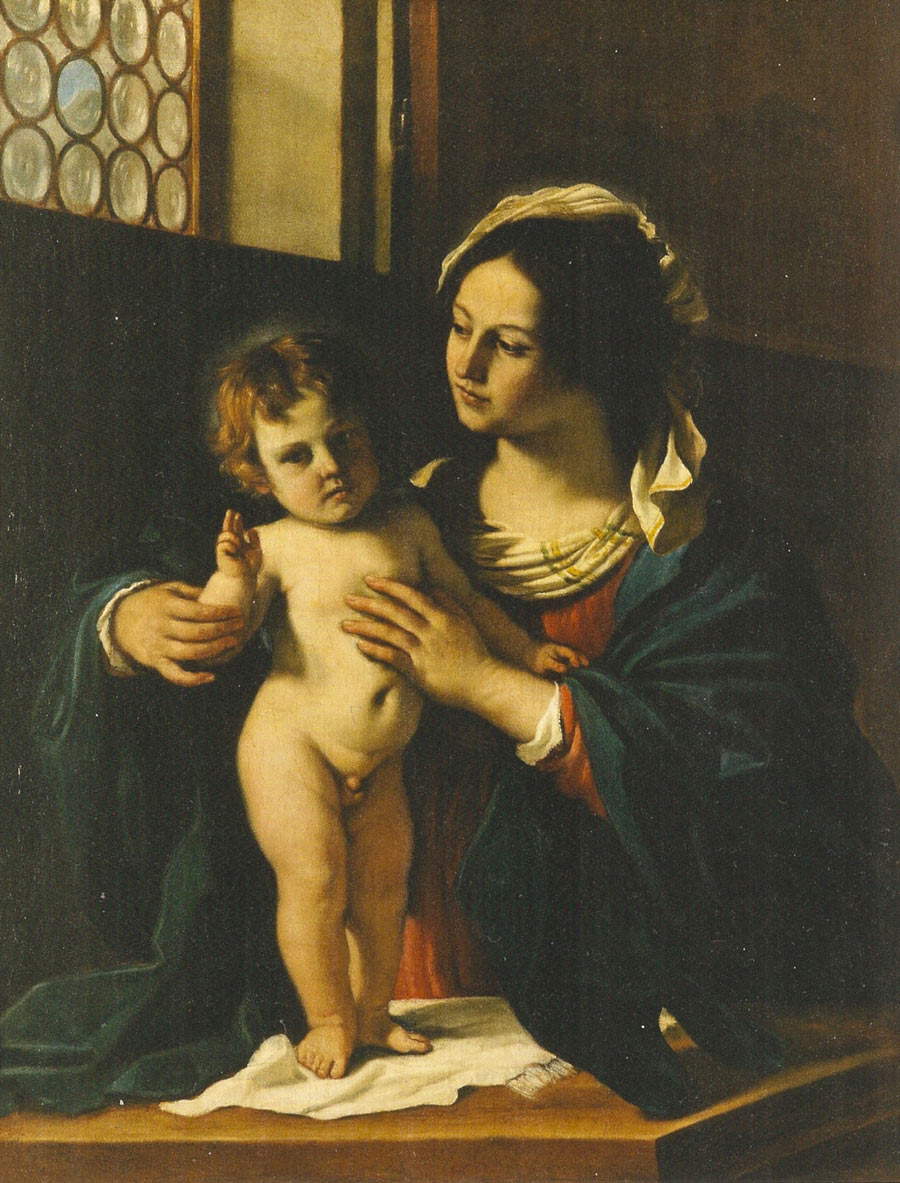
To Guercino the great Antonio reserved full admiration for the trepidation of the intimate reality he gave to his holy characters, such as that of this Mother tenderly touching her divine Son. Canova never forgot such a quiver of life and transmitted it in his sculptures. From the Carracci and Guercino he grasped a teaching that could no longer be abandoned. Here is an early and strong artistic connection with the Felsina painter.
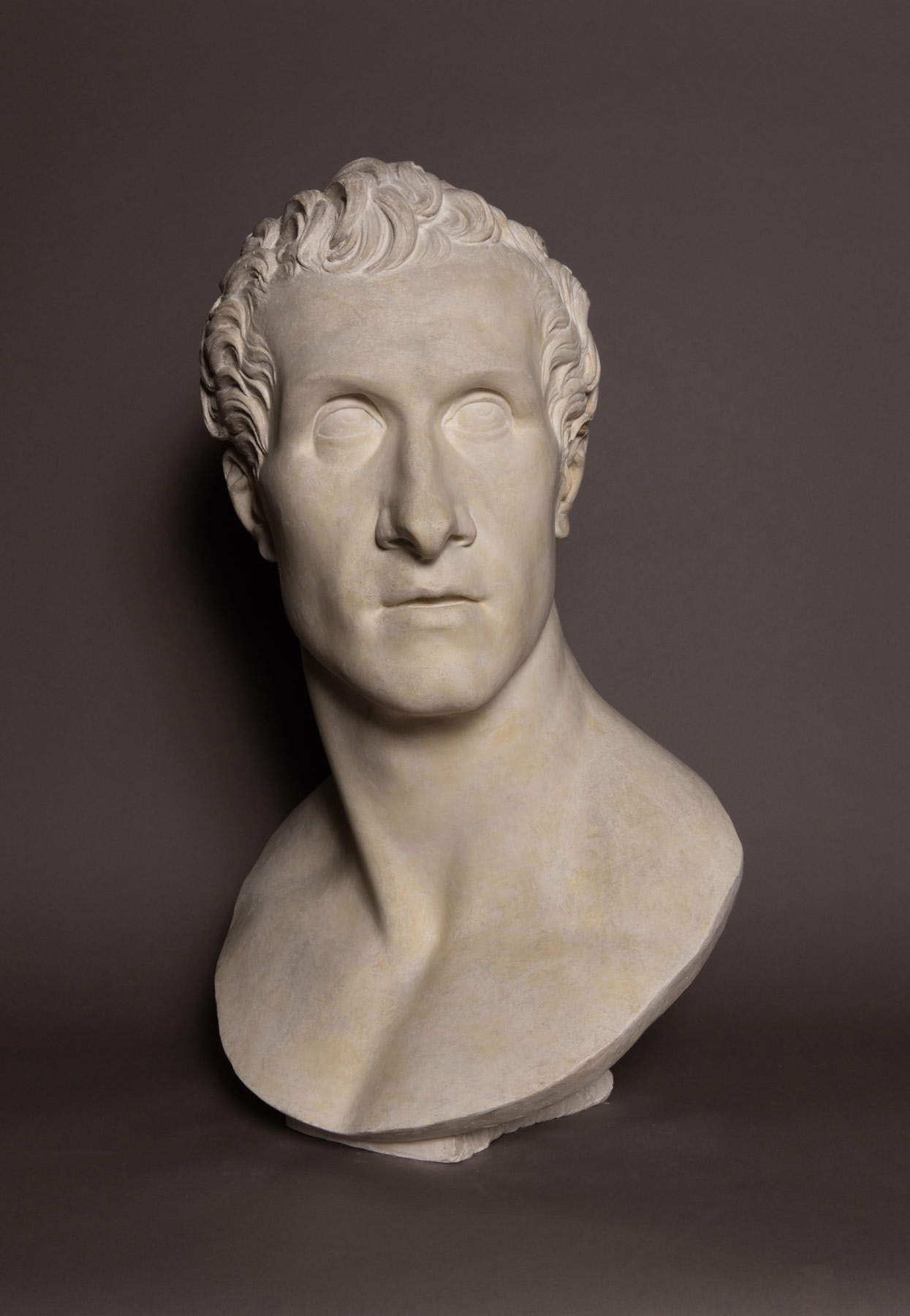
The author wrote to his friend Pietro Giordani in Bologna that he was pressed by many for a self-portrait of himself in sculpture and, after some hesitation, realized that he could make an interesting subject out of his own face as well. In 1813 he sent Giordani’s house a replica of this plaster cast on a larger scale, receiving very lively thanks.
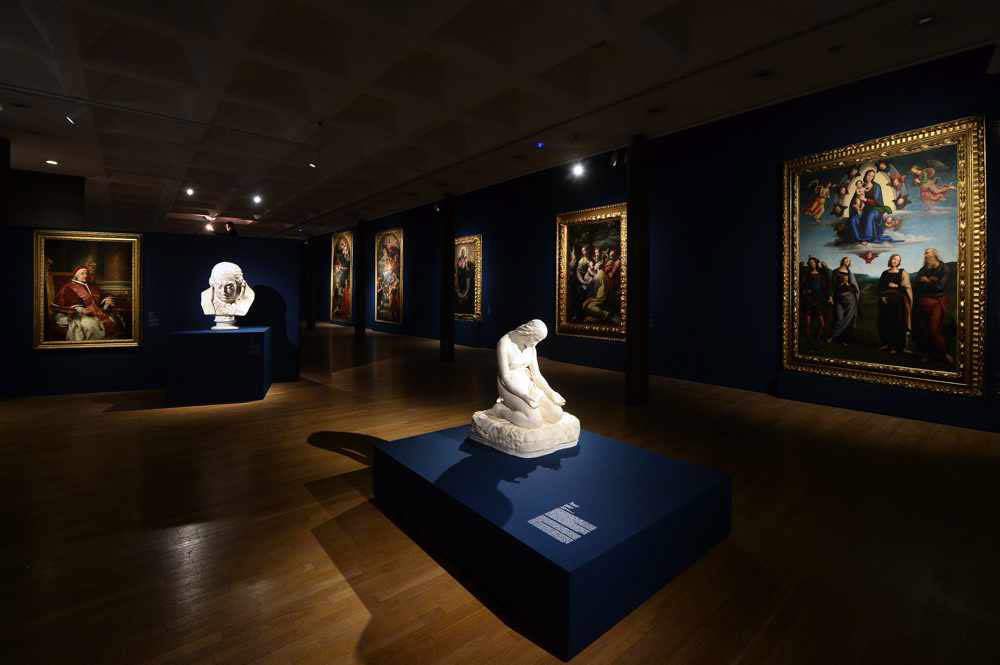
Canova’s two excellent donations to the Academy of Bologna stand out there. Truly precious is the Penitent Magdalene, one of the Maestro’s most celebrated works, recently restored within the Academy itself. In the background is the lifelike head from the funeral monument of Clement XIII, the Venetian Pontiff beloved by the sculptor, his countryman.
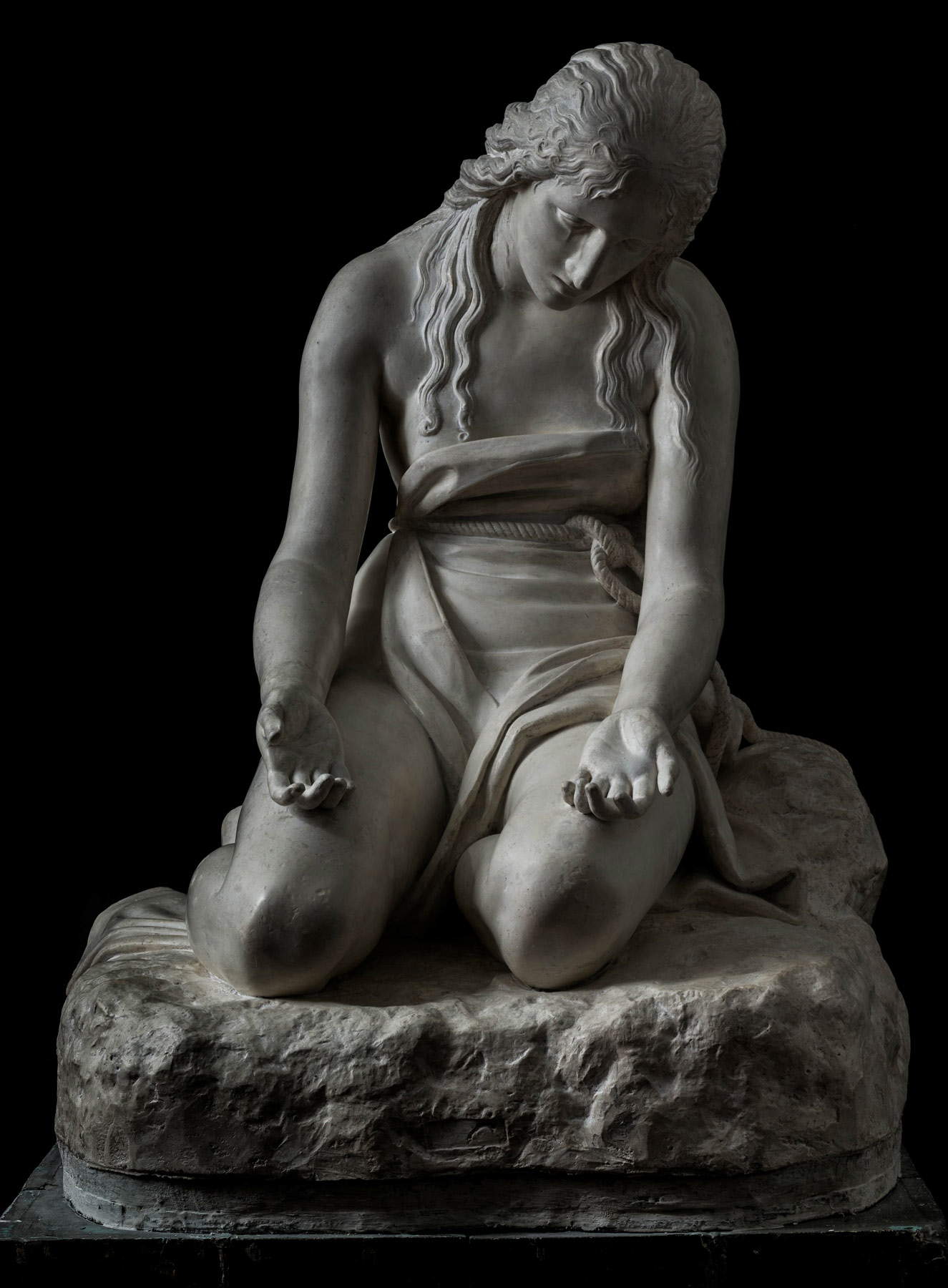
Probable gift of the artist, who was very attentive to the curricula of the Academies. This is one of the most intensely participated formal engagements by Canova, who shone in Europe as a re-creator of classical majesty in sculpture and of harmonic perfection in nudes, but who committed himself with genuine love to the most moving religious subjects. This evangelical penitent is truly a portrait of the soul.
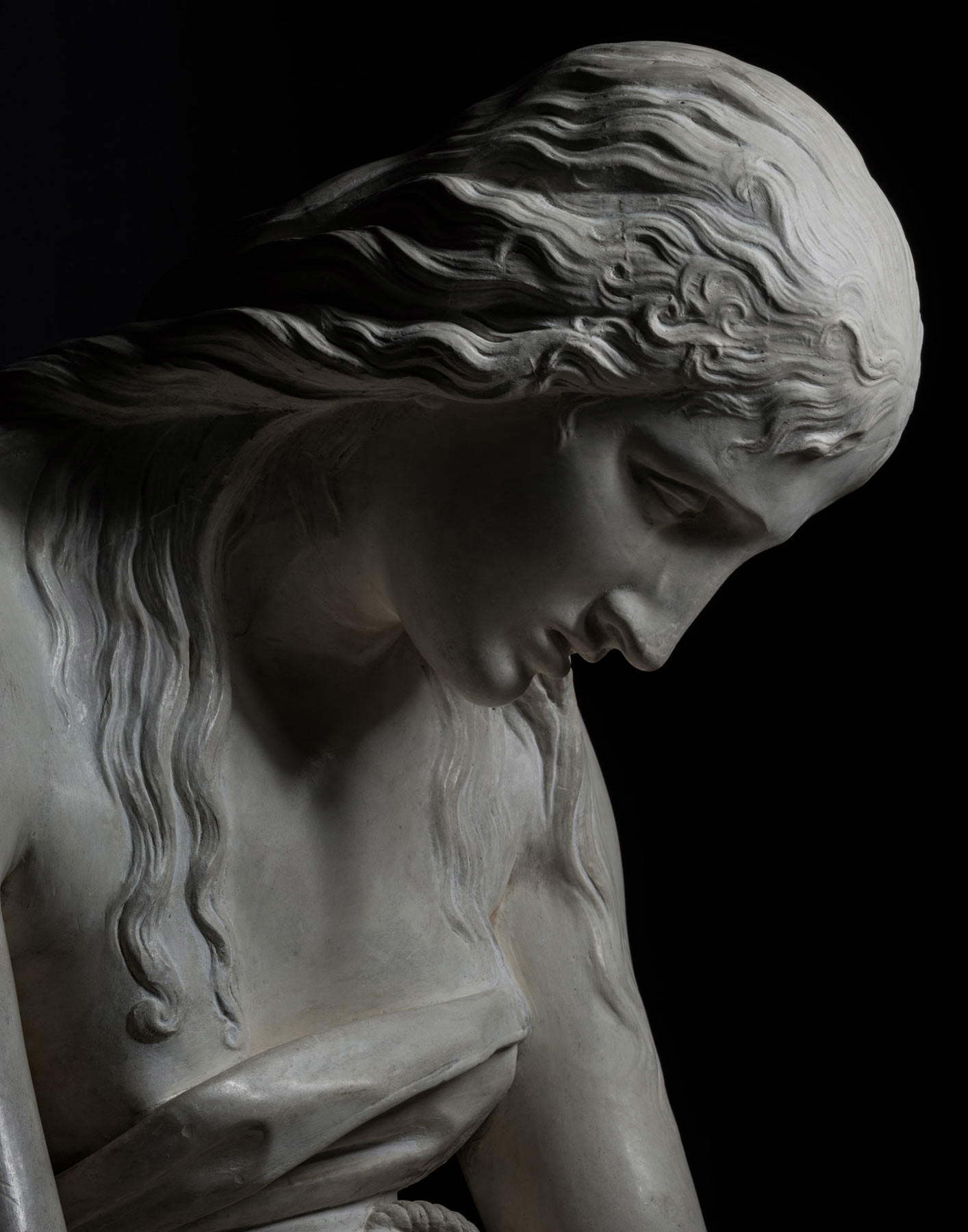
The figure of the penitent Magdalene, who was supposed to carry a cross on her hands, was one of Canova’s most successful inventions, capable of arousing emotions and spiritual raptures. In this detail we can presumptively approach the extraordinary finishing that the artist accomplished on every surface and every detail (here the hair, the eyelids, the tear) with very fine chisels tempered and shaped at the grindstone.
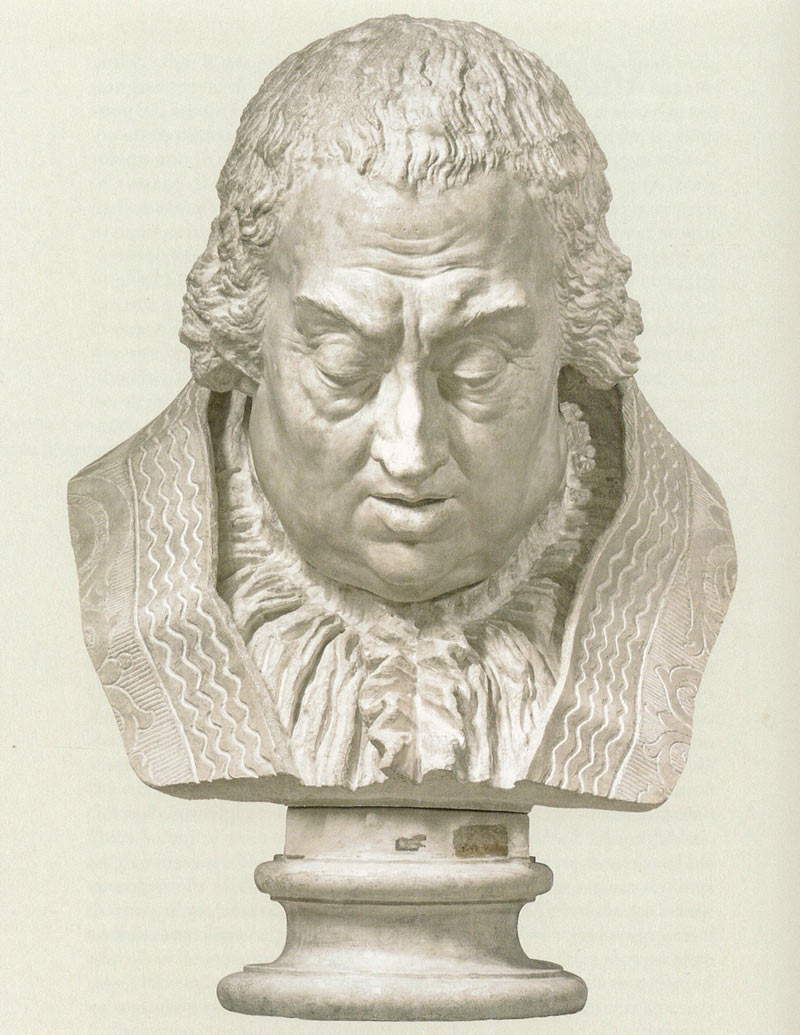
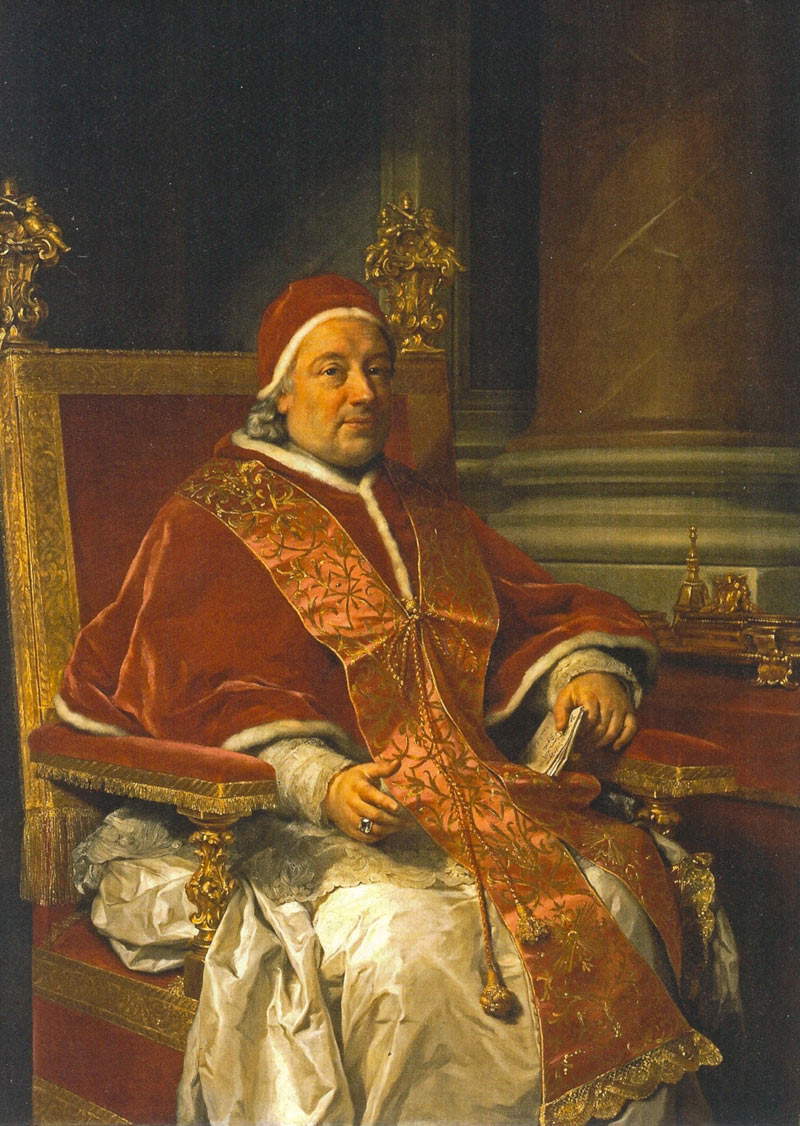
This superb portrait by one of the most important artists of the second half of the 18th century in Europe stands out in the exhibition. Now the painting is the pride of the Pinacoteca Nazionale in Bologna, inherited from the Accademia di Belle Arti. Canova, in Rome, certainly knew an early version of it that has now reappeared.
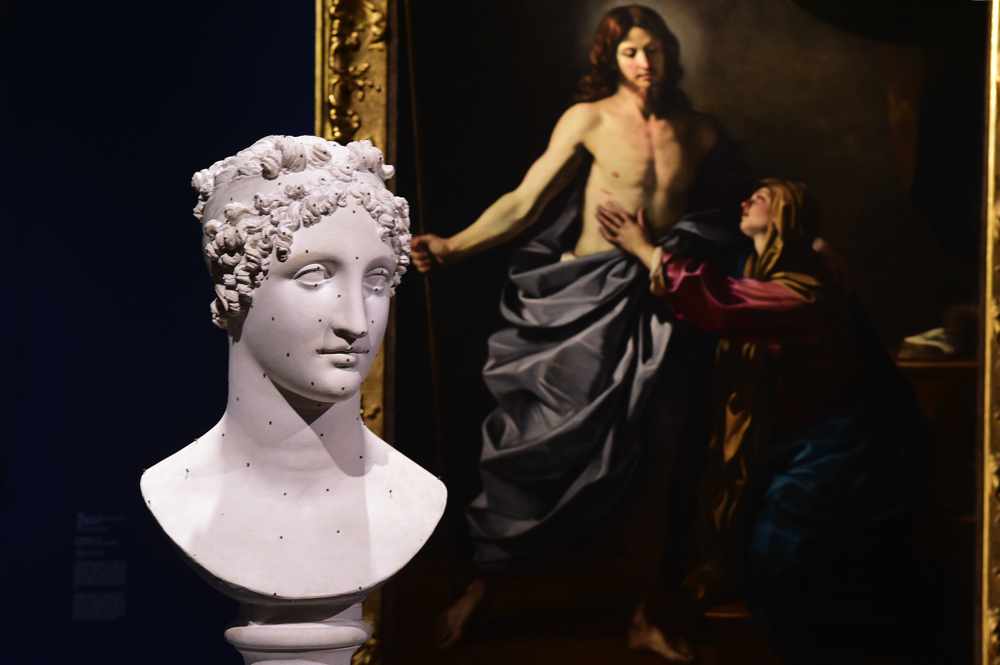
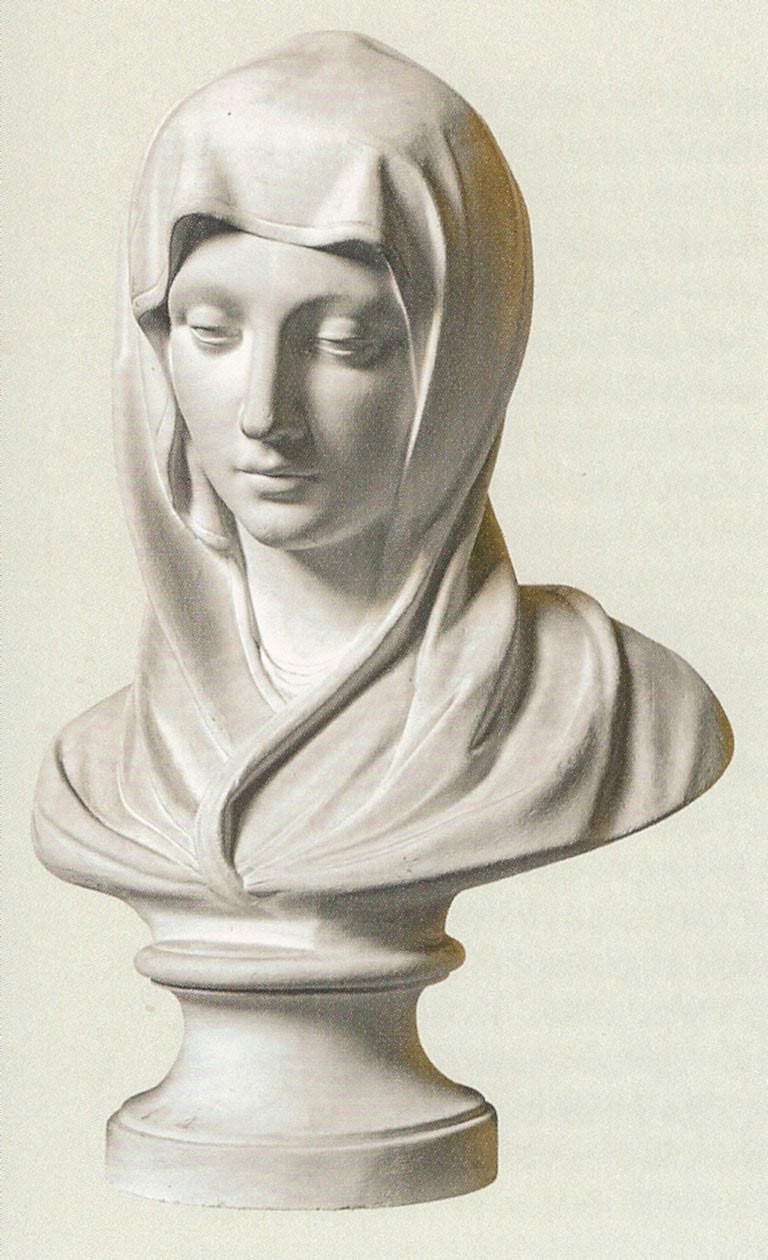
Made known by Antonella Mampieri in recent years this cast can be traced back to a Canova matrix because of its very pure form and the gentle breath. It is difficult to reassemble its history, but one can point to its passage through the hands of the Imola-Bolognese sculptor Cincinnato Baruzzi, a revered teacher at the Academy who was always animated by the purest Canova inspiration.

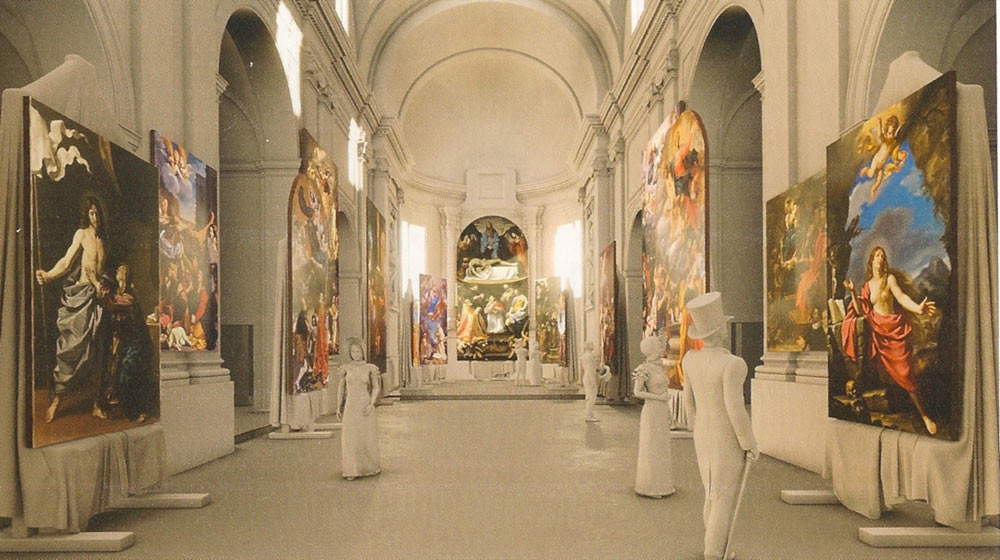
In 1816, in the excitement of the return of the masterpieces from Paris by Canova, an exhibition of the paintings returned to the former Church of Spirito Santo was organized in Bologna. The present Exhibition closes with the stimulating reconstruction of the hypothetical model of the event, due to Fabrizio Ivan Apollonio, Federico Fallavollita and Riccardo Foschi. A conclusion rightly considered necessary and as stimulating as possible by Director Maria Luisa Pacelli, so much so that it offers the viewer an admiring pause, a general reenactment of the visit, and a joyful sense of cultural satisfaction. Admiring the “works of repatriation” gushes more vividly of the merit achieved by Canova in Paris, where - although he was at the head of the papal delegation - he nevertheless garnered unlimited veneration from the English, Anglican delegates, who imposed themselves on the French and Russians, who were reluctant to redeliver. The lofty sculptor fulfilled, at least in large part, the vows of his great friend Antoine Chrysostome Quatremére de Quincy, who was always and heroically opposed to the removal of works of art from their original destinations and the context of their places.
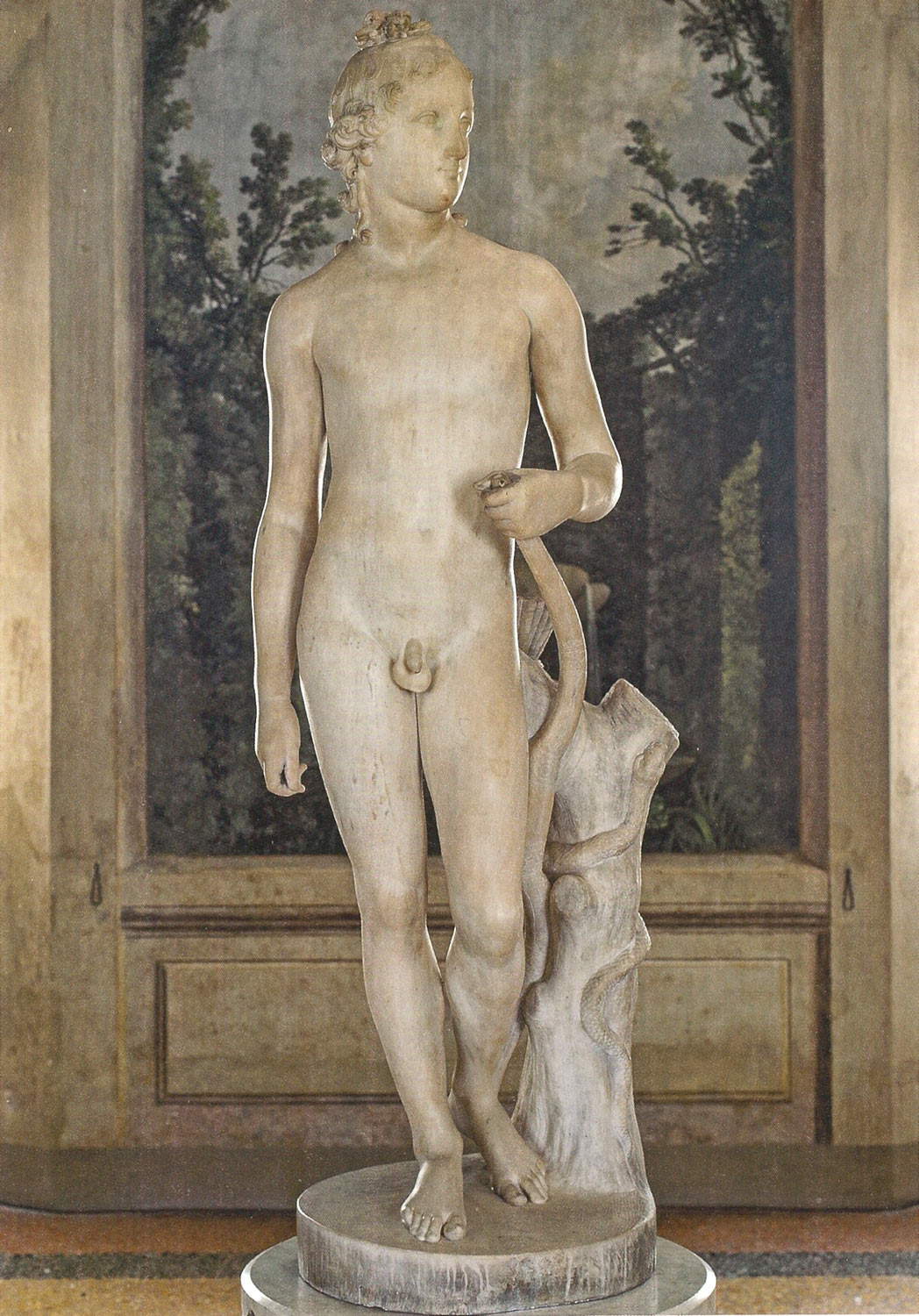
We publish here the exceptional presence in Bologna of an authentic marble by Canova. An exciting compensation due to Antonella Mampieri’s rediscovery that restores a very long, even distressing, void for generations before us. The marble passed to public collections thanks to the testamentary bequest of sculptor Cincinnato Baruzzi (1796-1878) and only recent identification corroborates it in its authorship. Thus the visitor who comes to Bologna can meet Canova in person; he can feel a youthful god vibrating in the marble and run his eyes over its sharp sinuous forms, truly feeling a moment of jubilation, a faint sigh of music and poetry.
Warning: the translation into English of the original Italian article was created using automatic tools. We undertake to review all articles, but we do not guarantee the total absence of inaccuracies in the translation due to the program. You can find the original by clicking on the ITA button. If you find any mistake,please contact us.