



by
Federico Giannini  @federicogiannini1
25/10/2026


Categories: Exhibition reviews / Disclaimer
In the 16th century, nature was a world waiting to be discovered. An exhibition in Mantua, in the halls of Palazzo Te, reconstructs a way of understanding the world based on wonder, analogical thinking, and the discovery of invisible connections. A review by Federico Giannini.


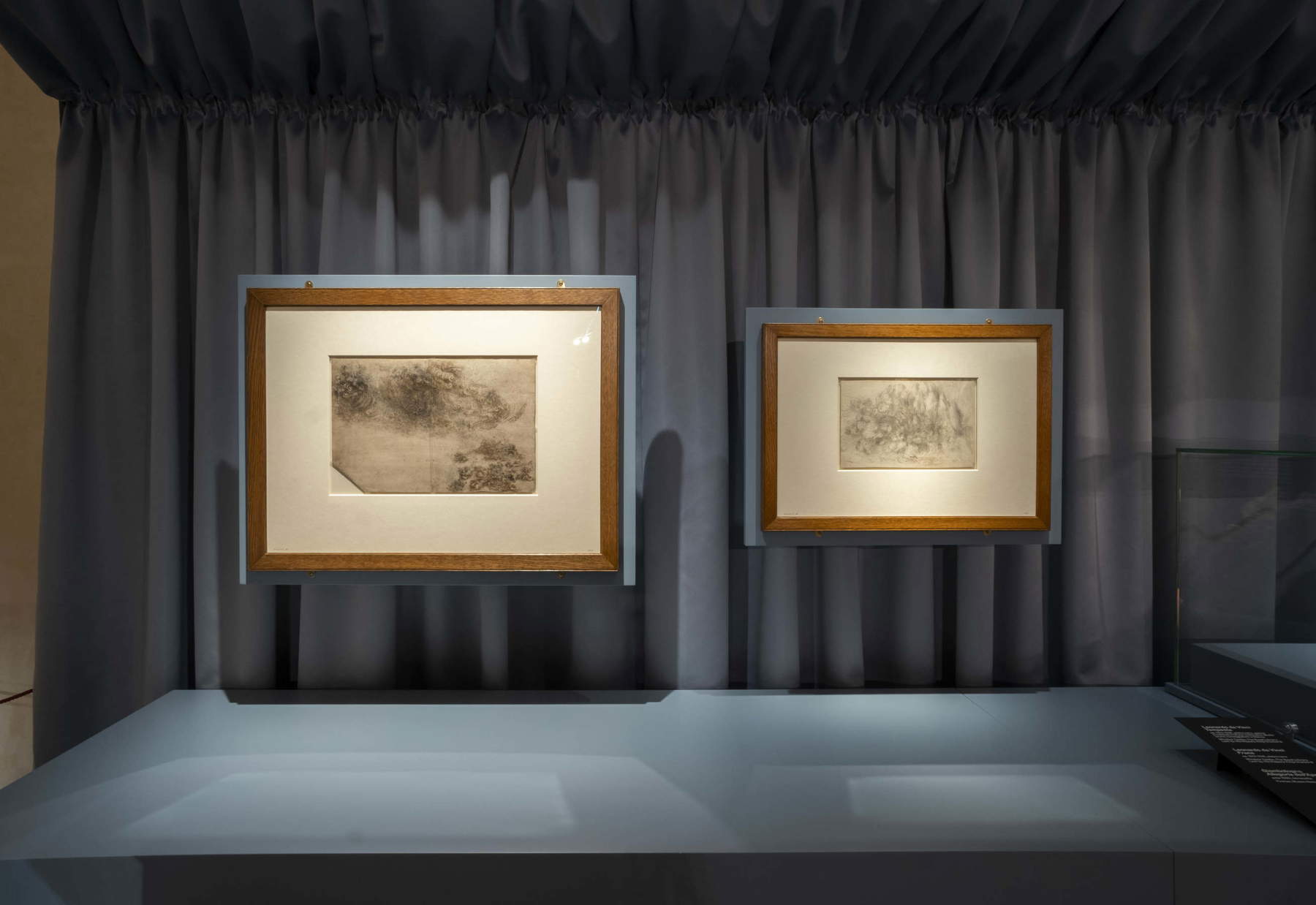
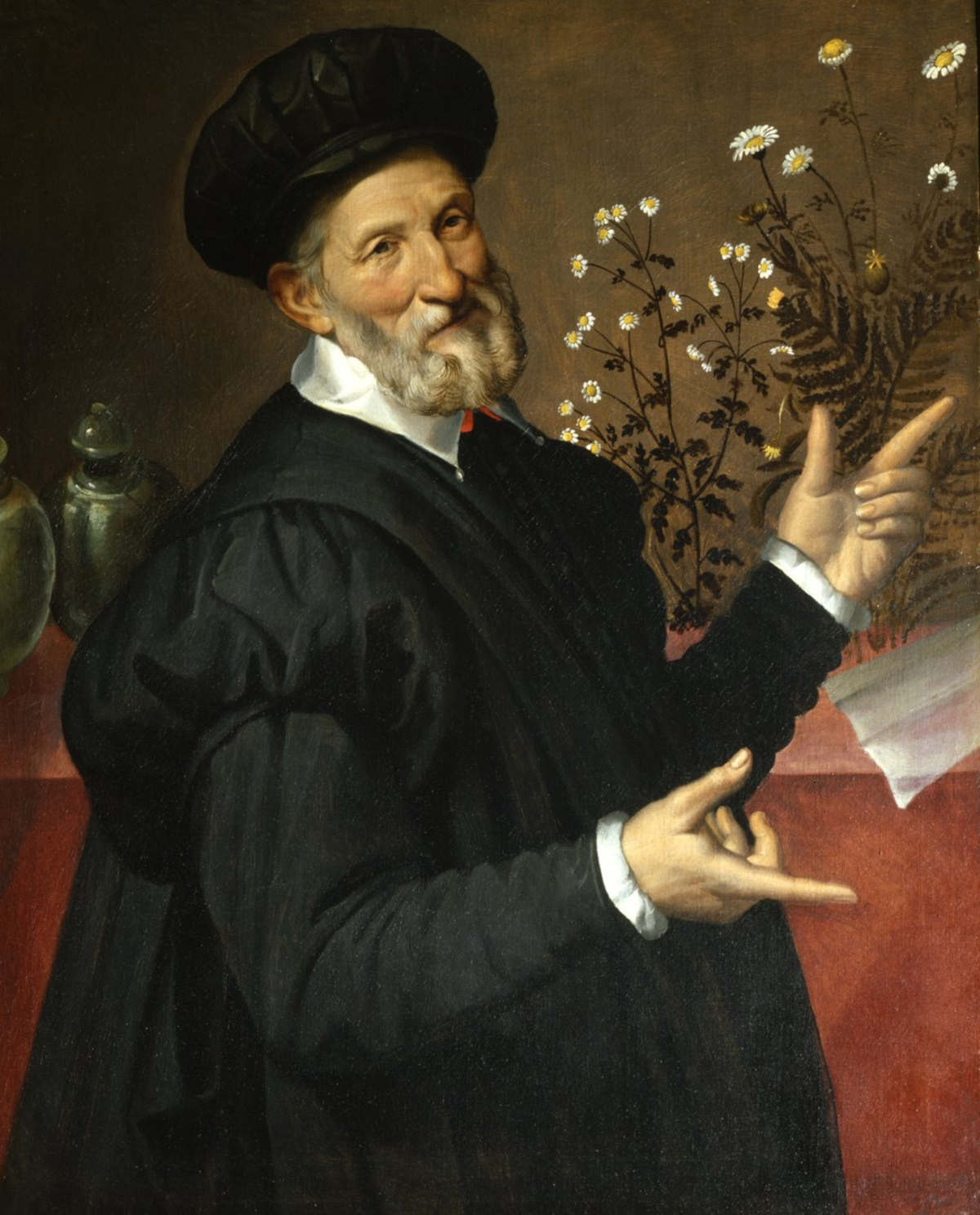
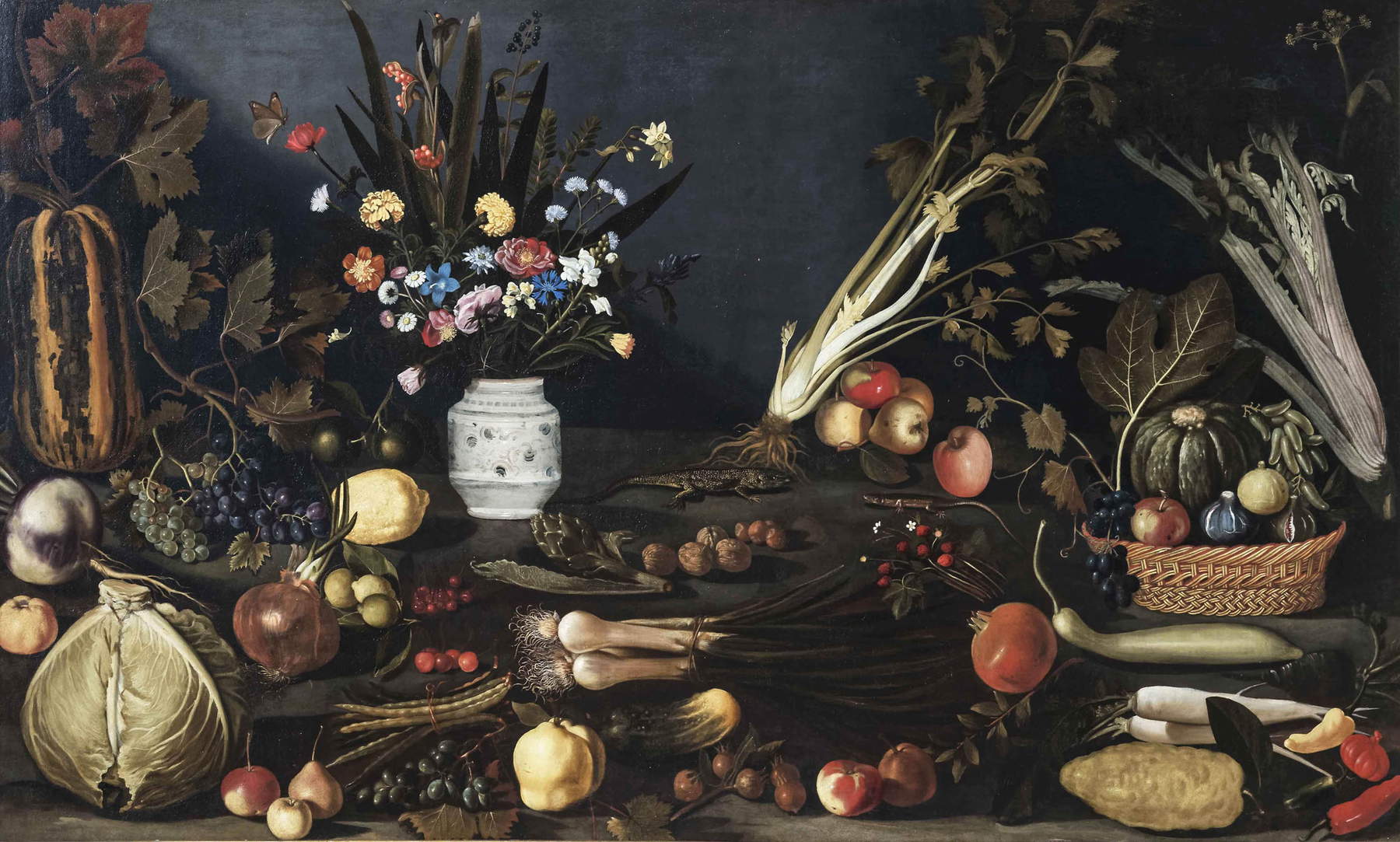
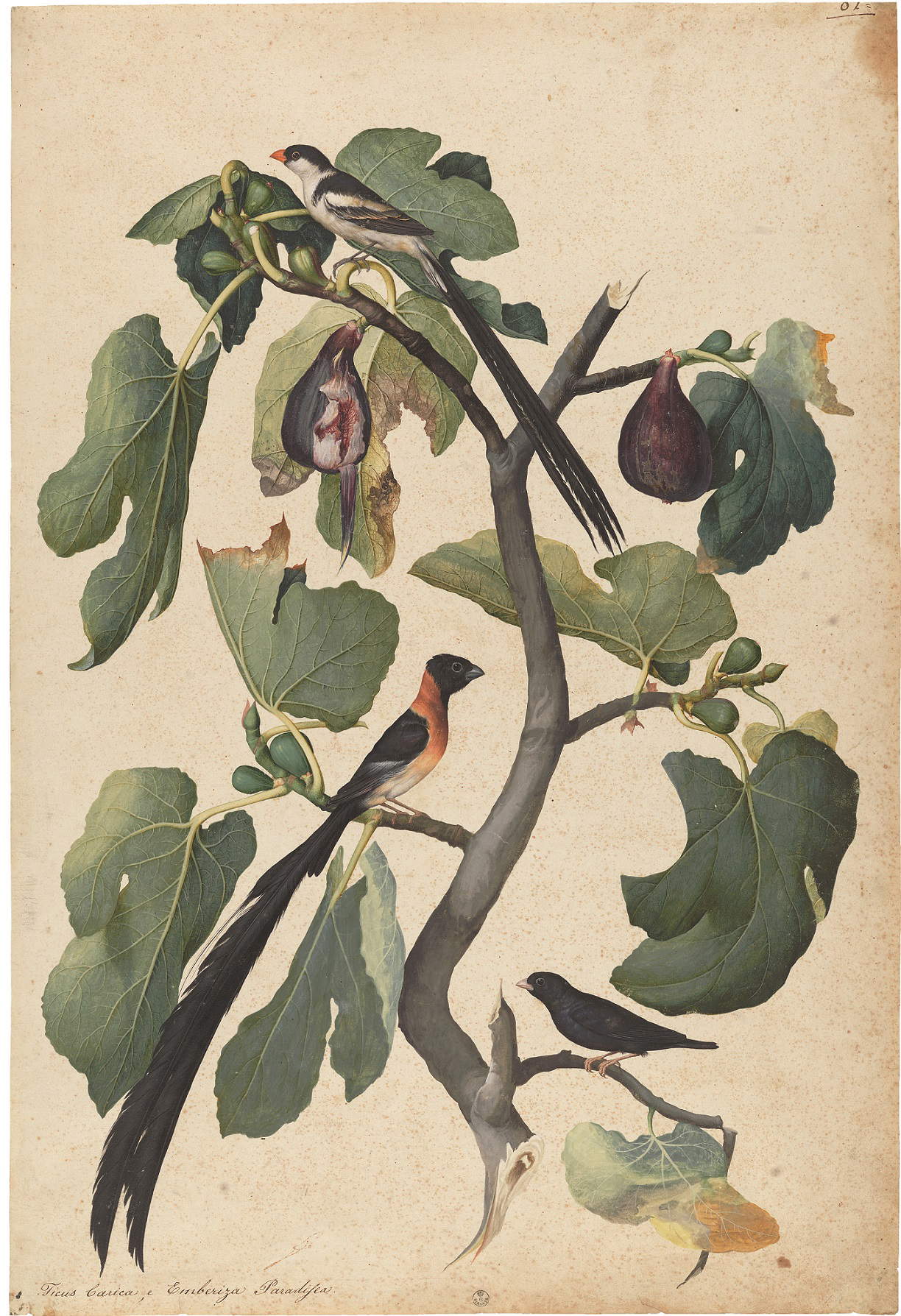
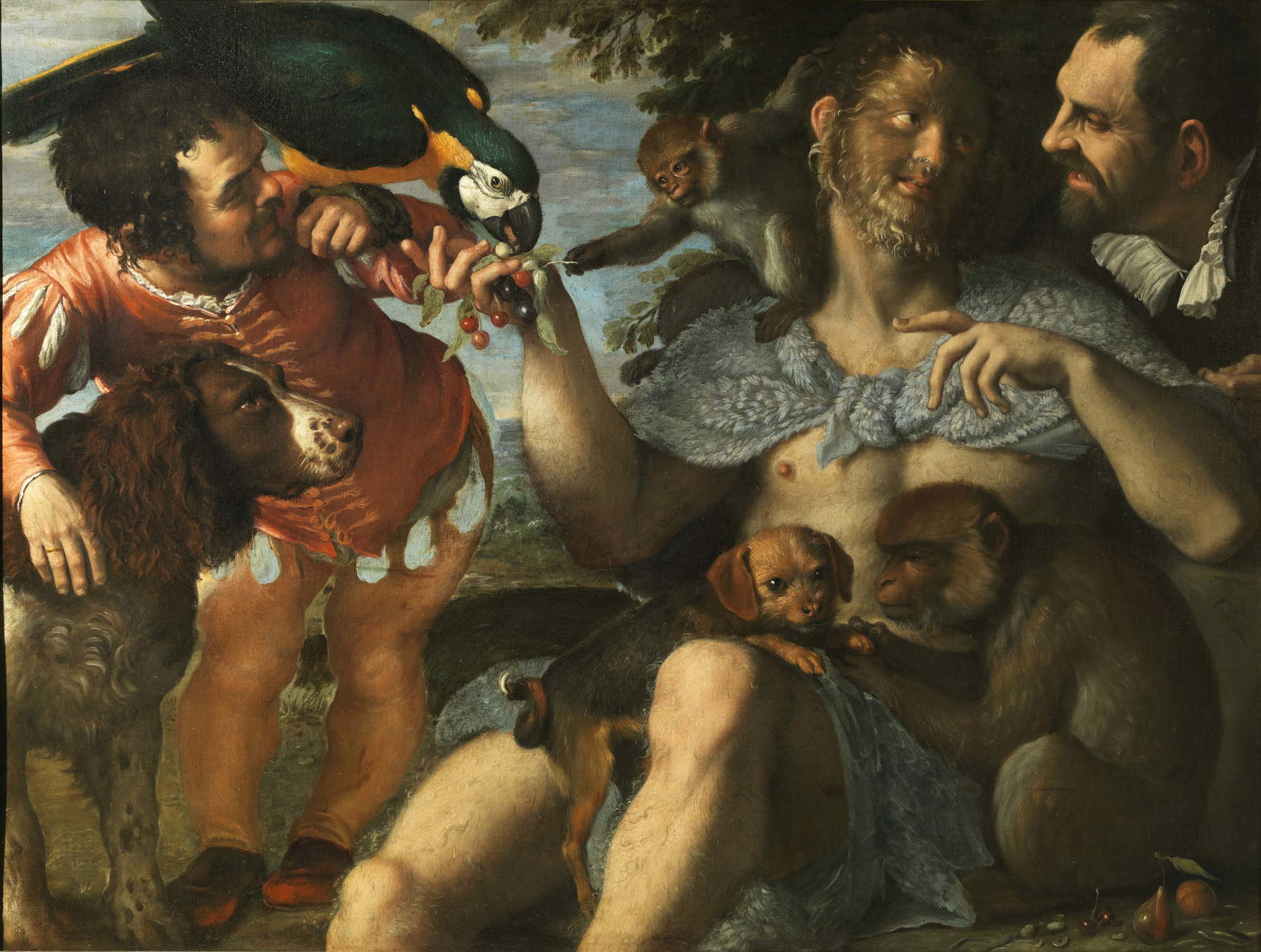
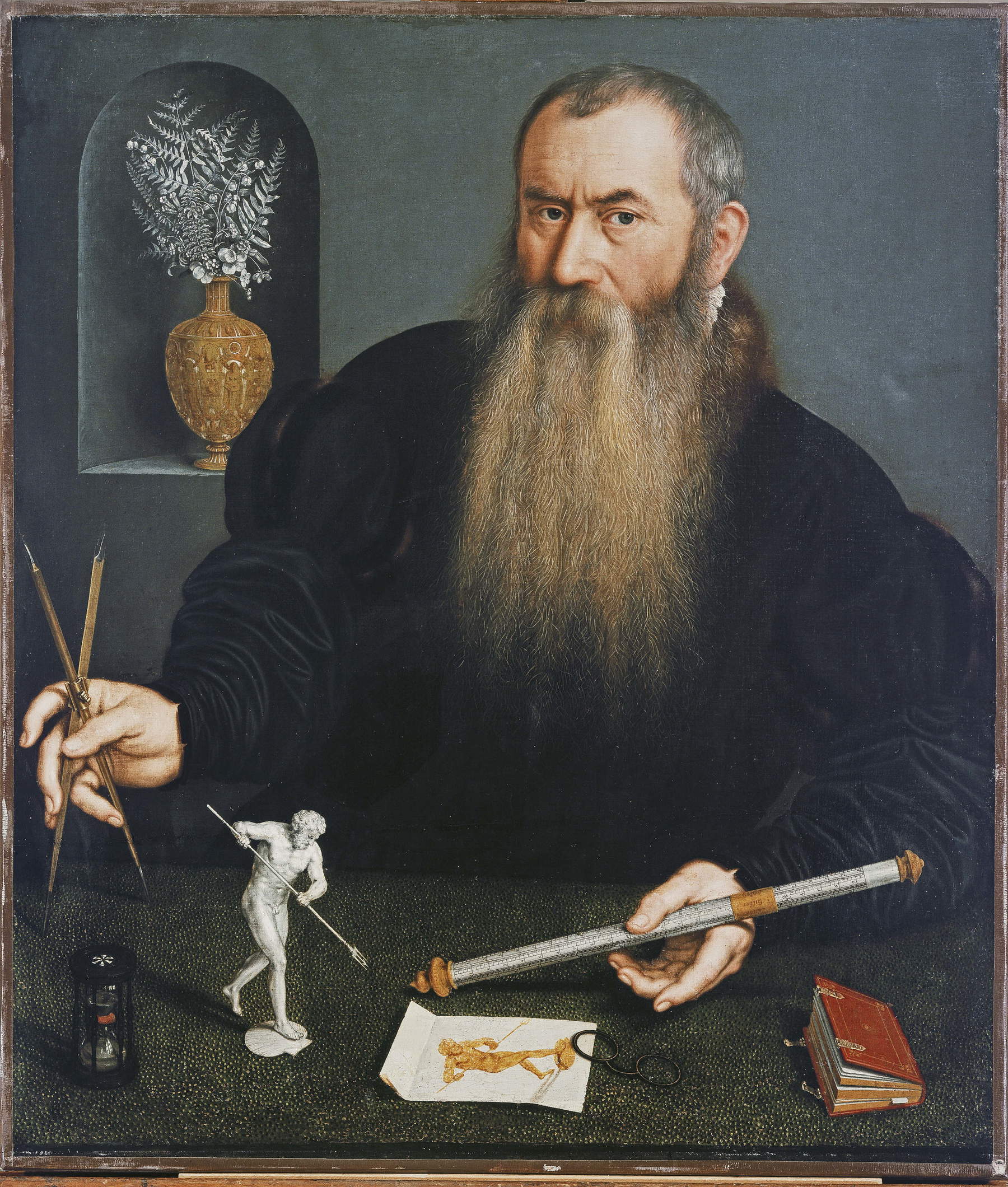
Tucked away as it is inside a horizontal display case—the kind used to display books, the kind that usually goes unnoticed—the portrait of Ferrante Imperato at the museum risks being overlooked, of going unseen. This is also because at this exhibition at Palazzo Te, *Inventing Nature*, visitors are drawn to things that are less elusive, less quiet, and less seemingly peripheral. Above the display case, for instance, hangs an anonymous botanist portrayed by Bartolomeo Passerotti—on loan from the Galleria Spada in Rome—who gesticulates to show us his plants: a chamomile, a fern, and the docents wandering through the halls of Palazzo Te enjoy pointing out to visitors that among the chamomile flowers one can easily spot the immature capsule of a *Papaver somniferum*, commonly known as the opium poppy (of course, visitors will enjoy imagining the botanist turning his home into an opium den and getting high alongside the patron as soon as the painter returned his pencils and brushes to his studio, but the reality is a bit more mundane, since at the time opium was a luxury medicine, and the anonymous botanist likely wanted to make it clear that his skills included the ability to prepare this expensive, precious medicine, and that he was therefore well-integrated into society: a sort of 16th-century advertisement mixed with a desire for professional ostentation). Next to it, one sees the drawings by Jacopo Ligozzi—that incredibly realistic pineapple drawn by a man of the sixteenth century, those exotic birds perched on fig branches—and feels a sort of reflected amazement, the spontaneous wonder one senses, perhaps unconsciously, when one becomes aware of the wonder felt by those who, five centuries ago, saw for the first time a piece of an unknown world—a piece of the world that today is the stuff of “buy two, get one free” deals at the supermarket but which, at the time, was above all a means of seeking meaning, and one that was, moreover, painstaking to obtain. And if the visitor glances around, they’ll even spot a still life by the Master of Hartford, which usually, in its natural setting, the Borghese Gallery, hangs above a door more than two meters high, making it impossible to get lost in the abundance of details—the shimmer on the green lizard’s scales or the grapes, the veins of a lettuce leaf, the bumps that ripple the skin of a lemon or a cucumber, the lenticels on the skin of a pomegranate, the trichomes on a strawberry, or the fuzz on a leek.

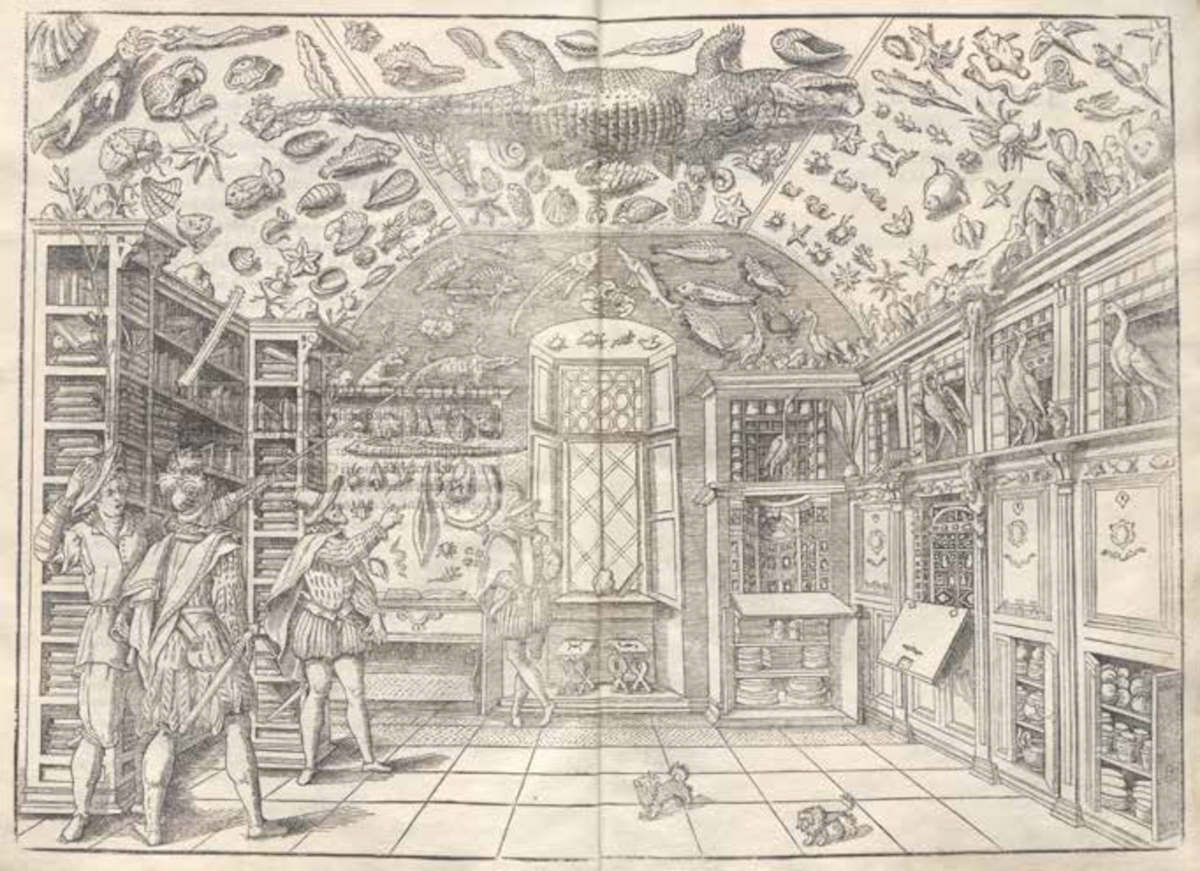
The still lifes of the time possess that seductive, hypnotic quality that audiences typically seek in exhibitions of this kind, and they also have the unabashed advantage of mimicking a scientific catalog: it is therefore legitimate for Ferrante Imperato’s portrait of the museum to slip away among Ligozzi’s plates and all this frenzied reproduction of produce from greengrocers. It’s even in black and white! And you can’t take a photo of it: if you hold your phone perpendicular to the display, the glare from the lights will end up acting like a whiteout, erasing a piece of that illustration. If, on the other hand, you position it in front of or at an angle to the display case, the edge of the case in the photo will act like a barrier, like a toll gate, and then you’ll move past it and take a photo of whatever you can capture without interference. What’s curious is that the Ferrante Imperato museum seems like a 1599 edition of this Mantua exhibition (this isn’t a slip of the tongue or an involuntary inversion: it’s just that today—whether because the pace of communication has changed, or because knowledge has become more fluid, or because study and critical thinking are becoming a luxury—we’re accustomed to thinking in terms of a perpetual present, detached from a past that has no bearing on it): Ferrante Imperato’s doodles are somewhat reminiscent of the exhibition at Palazzo Te; there are the same objects, the same shells, the same fish, the same natural specimens, and the same artificial ones, there’s even the crocodile hanging from the ceiling—if you’d like, you can go to the Santuario delle Grazie in Curtatone and see it, exactly the same, inside the church. So perhaps it is by looking at Ferrante Imperato’s museum portrait that one understands why Barbara Furlotti and Guido Rebecchini, the curators of this exhibition, gave it the title *Inventing Nature*: it is because the man of the sixteenth century knew the world by inventing it.


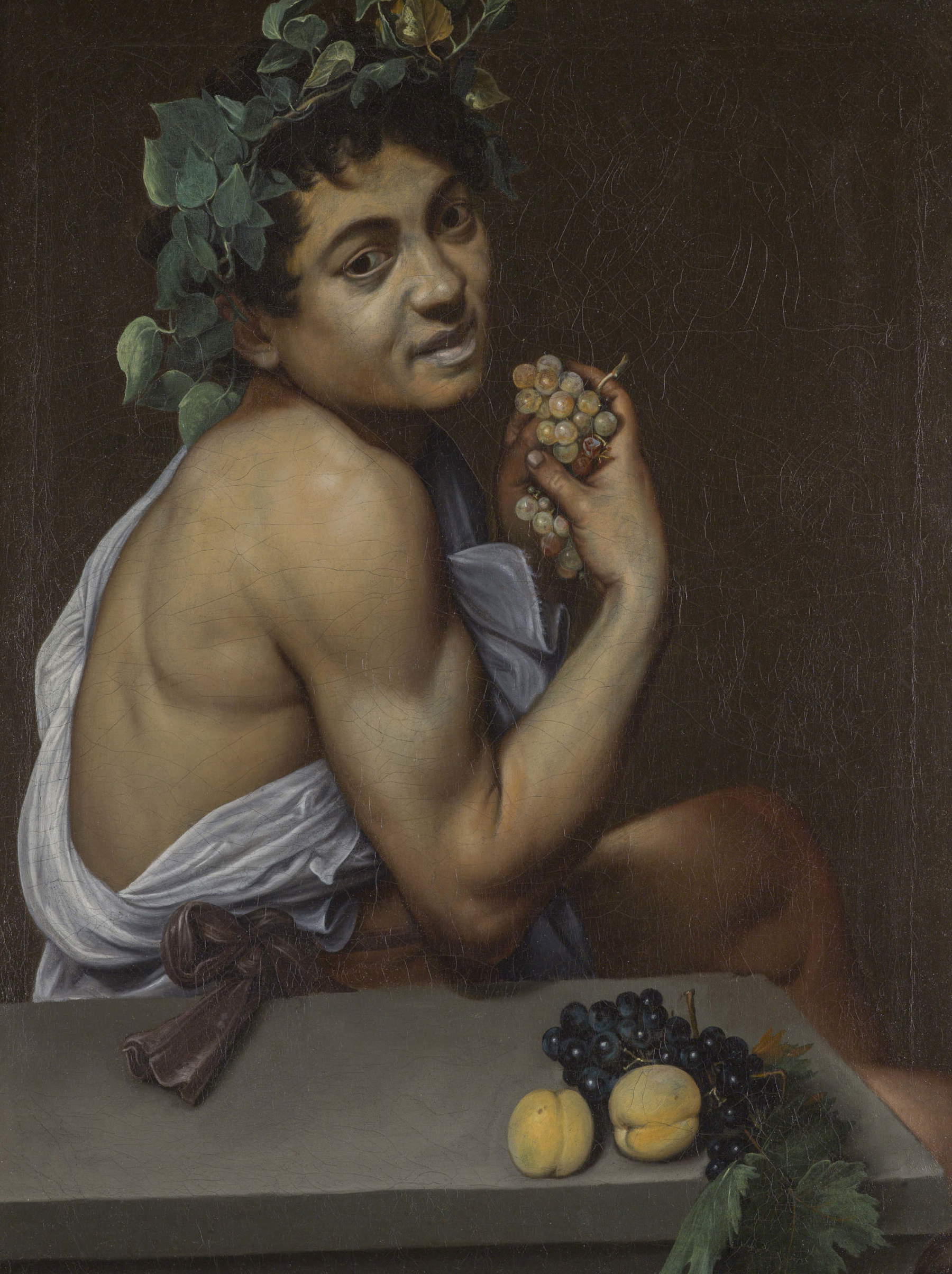
A different kind of knowledge from our own, as we’re accustomed to thinking in terms of classifications, categories, sequences, and solid relationships. People of the sixteenth century faced a world in fragments—a world that came to them piece by piece, a world organized not by themes or chronology but by the juxtaposition of fragments. And the exhibition, however discontinuous, however uneven, however sparsely populated—especially in certain sections—and however prone at times to pandering to the public’s confirmation biases (here, then, are Leonardo, Arcimboldo, and Caravaggio summoned first and foremost as figureheads—starting with Merisi, whose *Sick Bacchus* has been transformed for the occasion into a promotional gimmick designed to win the publicity race; but then again, that is exactly what the organizers must do: can we really blame them for sprinkling a dusting of sugar on the rim of the glass?), it nonetheless offers a more than commendable imitation of a language that is no longer comprehensible today (indeed: in all likelihood, it was no longer comprehensible even a hundred years later). Perhaps, then, to say that this exhibition is heavily disjointed—in those seven sections that correspond, roughly speaking, according to the curators, to seven visions of nature as seen through Renaissance culture—is the best compliment one can pay it. In any case, if one were to seek some form of coherence that holds the seven sections together (Creating, Destroying, Feeling, Reproducing, Knowing, Astonishing, Animating), one might speak of wonder: the sixteenth-century man also knew through wonder.

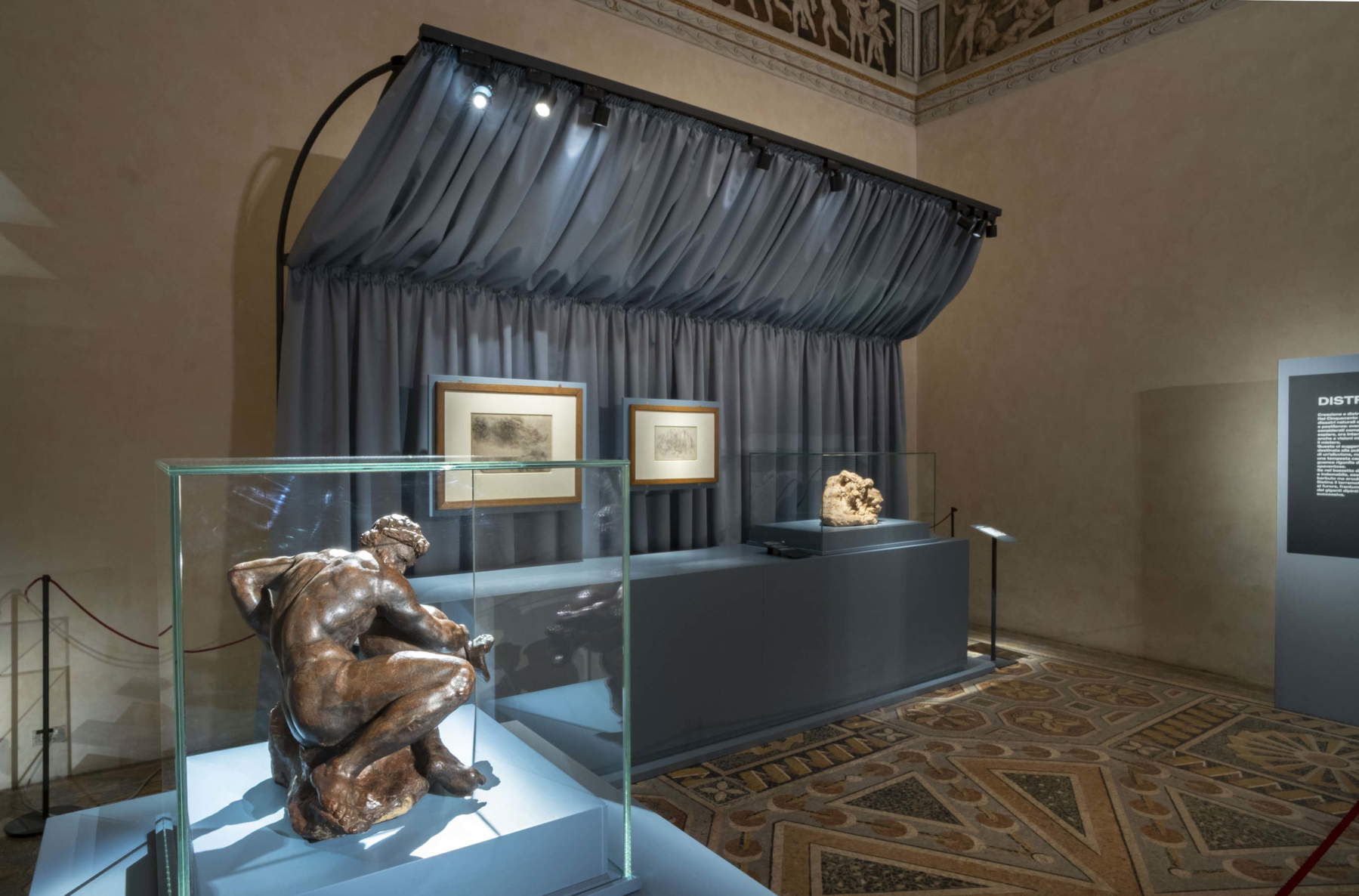
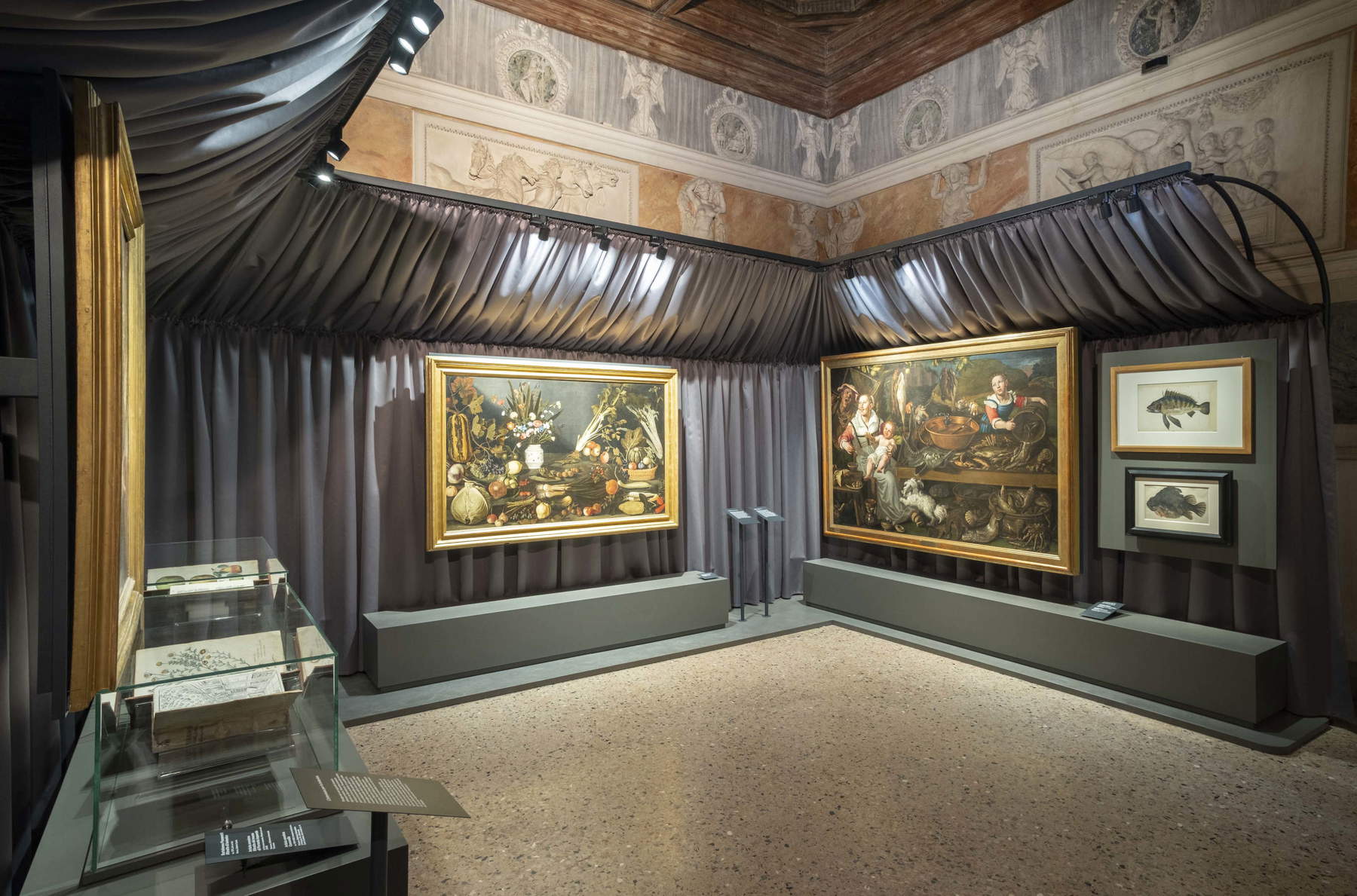
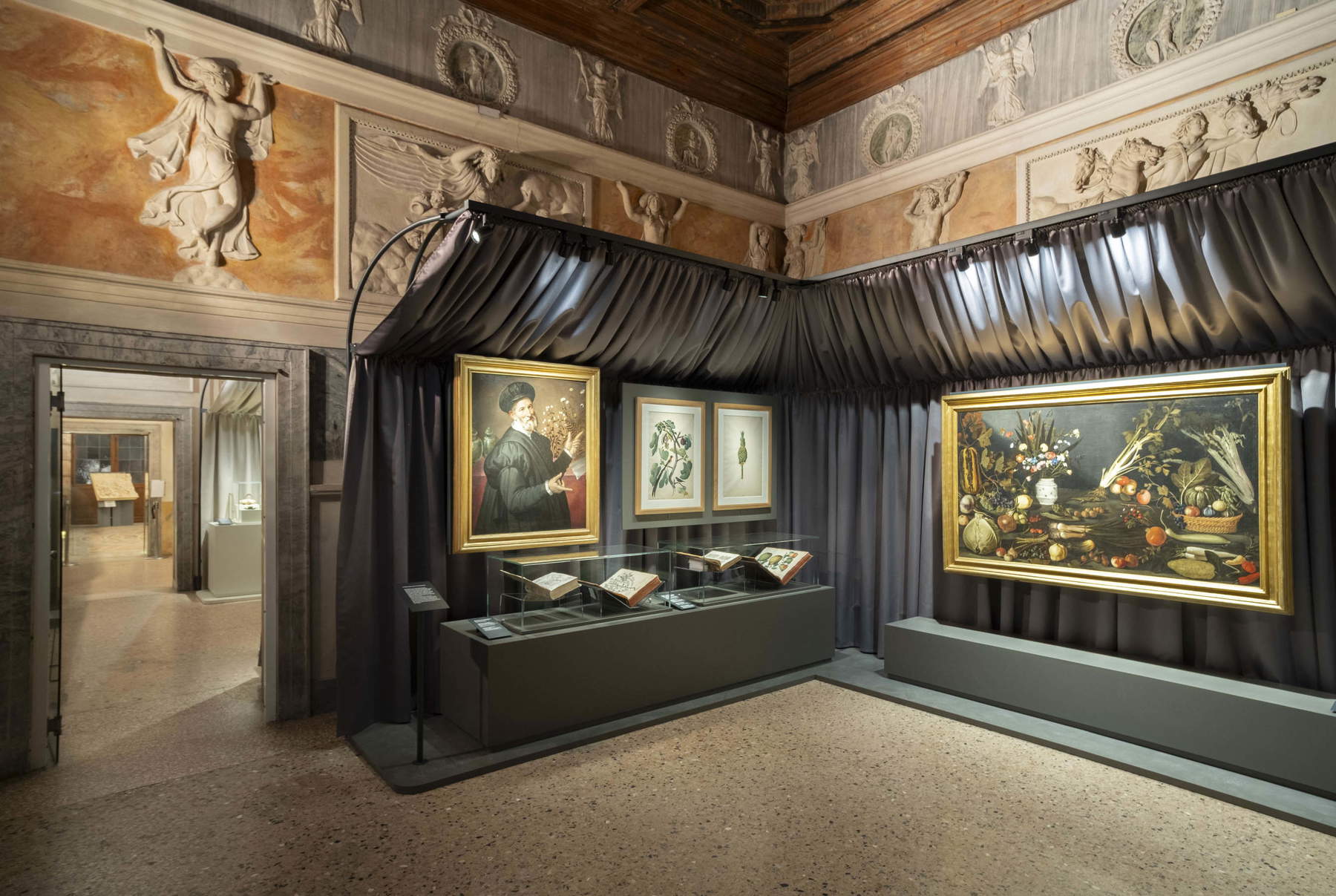
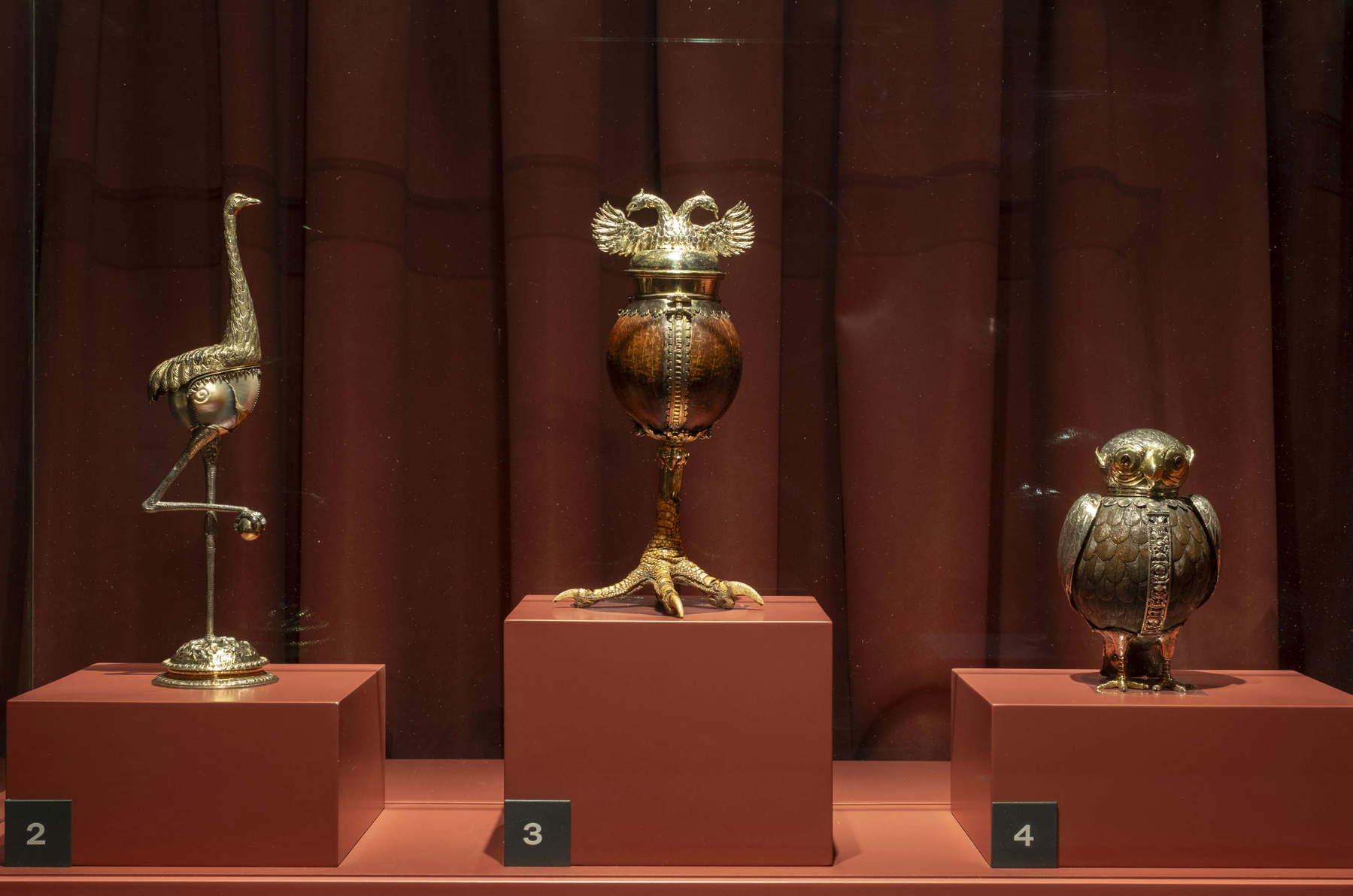
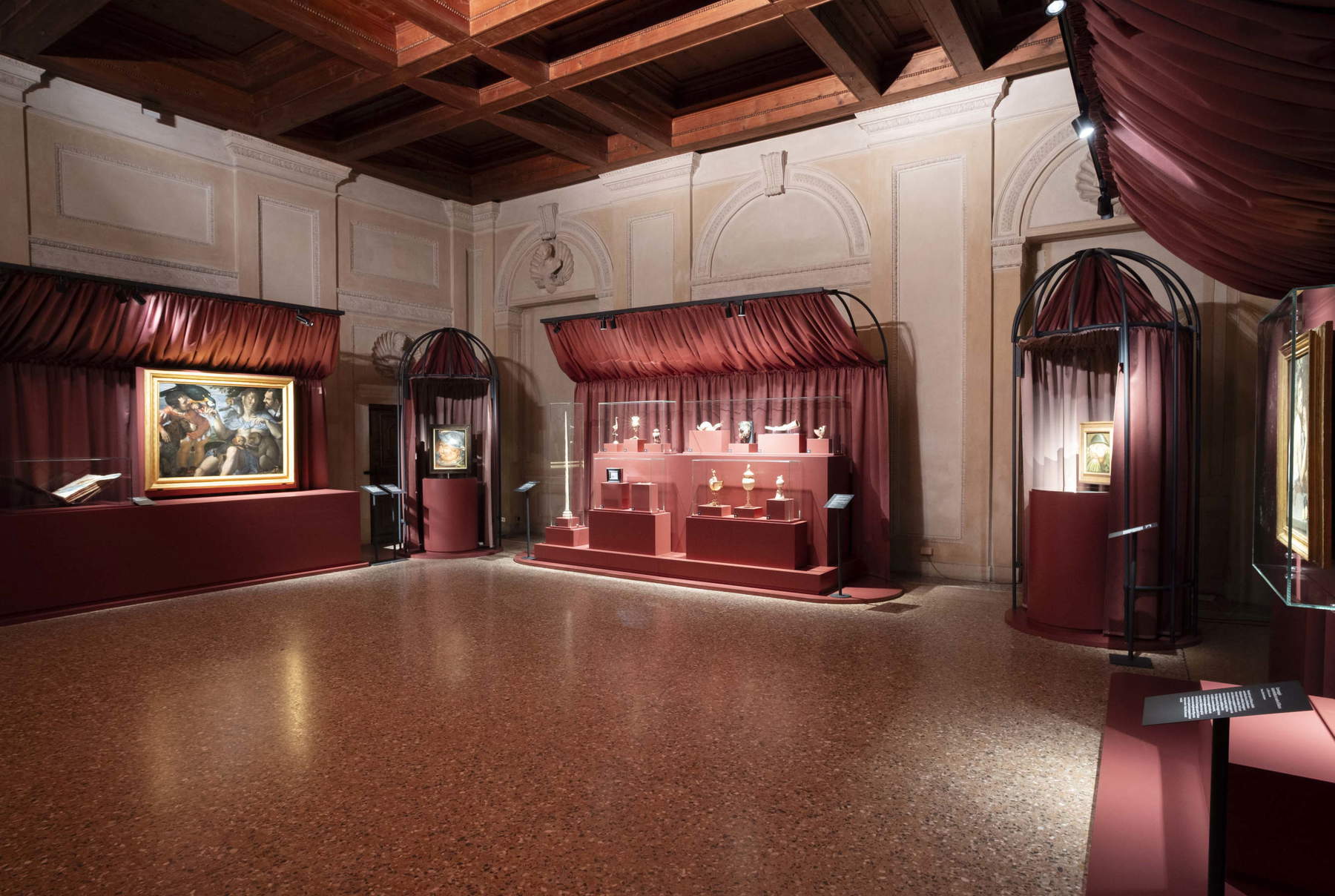
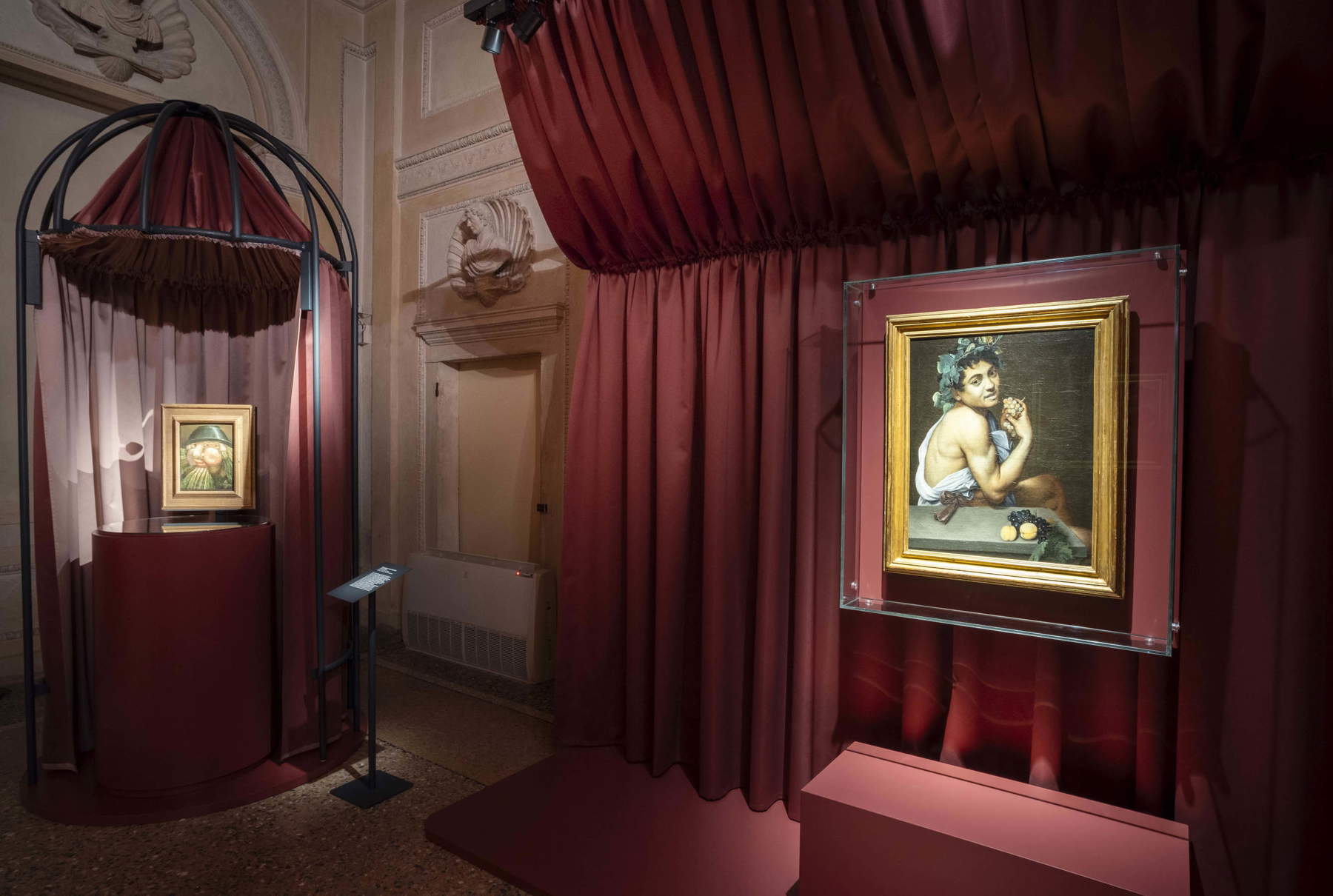
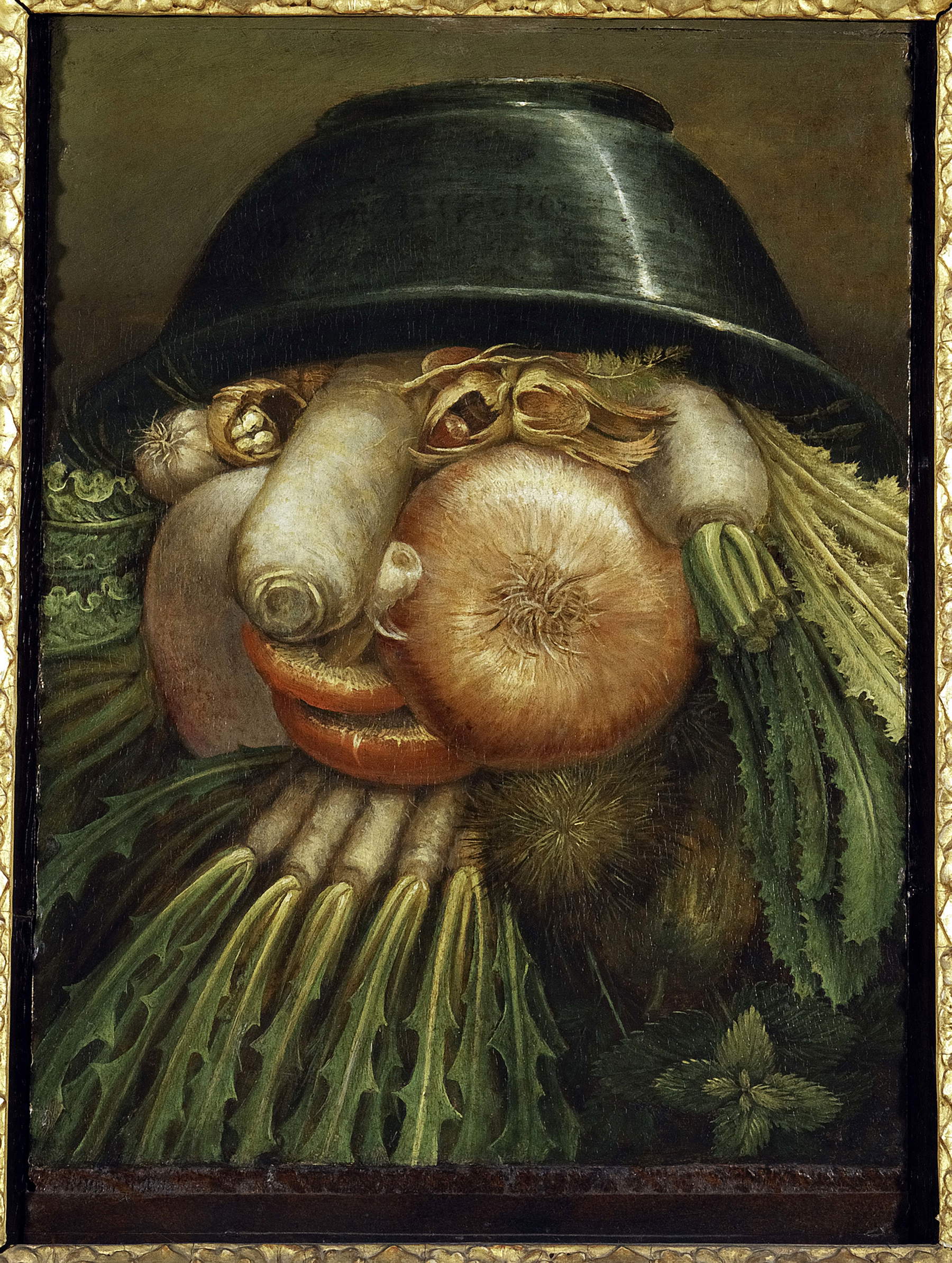
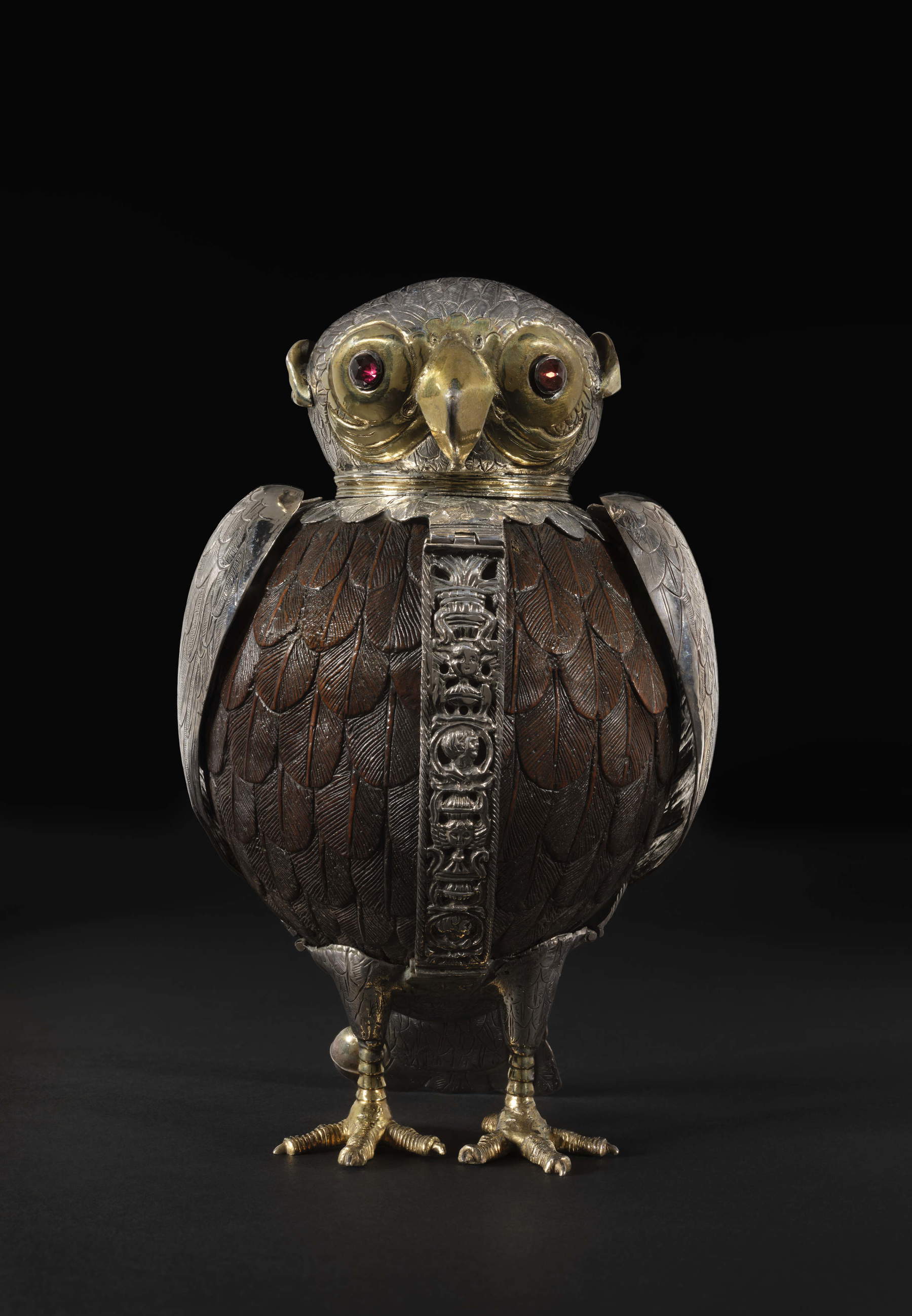
At the same time, there was a rather basic form of wonder—a sense of amazement in the presence of the unusual. An entire section of the exhibition at Palazzo Te is built around this sentiment: amazement provoked by an exotic animal, amazement aroused by an object that had reached Europe by crossing the ocean, awe deliberately generated or induced through combinations of the natural and the artificial, or even through works of art painted or commissioned with the specific intent of astonishing an audience. Toward the end, the exhibition brings together a motley collection of objects that seem to have been gathered here to demonstrate that the sense of wonder experienced by 16th-century people was not entirely the same as the sense of surprise to which we still give the same name today, but was something broader: we see a parrot (an macaw that belonged to the Duchess of Mantua, Eleonora de’ Medici) drawn by Teodoro Ghisi to illustrate Ulisse Aldrovandi’s animal plates; we see two reversible heads by Giuseppe Arcimboldo (perhaps the two most famous: *The Cook* and *The Gardener*), arranged in a mirrored display that allows us to observe both sides of each face; we then see a *Triple Portrait* by Agostino Carracci, an expression of an interest in “liminality,” as Barbara Furlotti calls it, depicting three figures who, in various capacities, served in the Farnese entourage and were regarded—by virtue of their physical differences (the hypertrichosis of “Hairy Arrigo,” the microsomia of “Amon the Dwarf,” and an unspecified mental disability of “Pietro the Mad”) three phenomena of nature to be observed with curiosity; and we also see a long array of objects—we might say—from a Wunderkammer (a term that the exhibition, however, tends to reject, as as Davide Domenici suggests in one of his essays, its overly broad application), or at the very least collected at the time not to conform to classification criteria (which did not exist), but to amass fragments of the world—or even combinations thereof. A Sapi-Portuguese olifant, a Mesoamerican mask covered with a turquoise mosaic, a German-made salt shaker shaped like a giant snail, nautilus shells set within gold and silver mountings to create unusual cups meant more for contemplation than for use, ostrich eggs, coconuts carved and adorned with fake owl wings and real eagle talons: objects and artifacts that filled the princely collections of the time to overflowing and for which a considerable trade had also developed, since it would be naive to think that those objects served merely a desire for knowledge. They were also admired for the aura of prestige they were able to confer, for the satisfaction derived from the ostentatious display of an expensive object, or simply for their preciousness, for the beauty of the material from which they were made.
Wonder, however, was also an instrument of knowledge, and as such formed the basis of philosophical inquiry, thus devoid of any romantic connotation that we tend to attribute today to the idea of something that amazes. Aldrovandi had established a sort of definition for it, which we find on the first page of Manuscript 34 at the University Library of Bologna: by *mirabilia* he meant “new or excellent inventions in the arts or works of nature that are particularly extraordinary or otherwise rare.” Wonders are also those things that excel greatly in every respect because they are rare, so much so that our common language makes excessive use of ‘extraordinary’ and ‘wonderful.’ […] We call a work ‘wonderful’ when it is worthy of contemplation and admiration, and since doubt is the beginning of philosophy, the ultimate goal is to marvel at nothing—or only a little—as if we had understood the reasons behind it.” What arouses wonder provokes doubt; doubt provokes inquiry; inquiry provokes knowledge; knowledge dispels doubt and, consequently, erases wonder. Part of Aldrovandi’s work was driven by the aim of mapping the wonders of nature—an aim that implied, as scholar Monica Azzolini wrote in a paper a year ago, a “meticulous research and classification” that is not, however, to be understood as a sort of catalog of nature, but rather as a “weaving of relational networks” that fed upon itself—through the work itself—via reading, annotation, and the transcription of everything relevant to a specific topic—a continuous source of an “incredible labyrinth of paper that dazzles and confuses the historian in search of Ariadne’s mythical thread, which will lead him to a vision of the broader architecture of his intellectual project.” There is no intent to categorize, a trait that would become characteristic of the knowledge systems of centuries to come. Of course: it is not that the men of the sixteenth century avoided classifying things altogether; otherwise, herbariums, medical treatises, and dissertations on natural history would not have existed, and even Aldrovandi had set himself the task of compiling a catalog of the wonders of the world. It is simply that their classifications were based on a worldview different from our own. For the sixteenth-century thinker, everything belongs to a single, grand interpretive framework, and if there is an order, that order does not arise from a taxonomy, but from proximity, from similarity, from analogy. Sixteenth-century thought is analogical: every phenomenon is related to another; everything seen in the world responds to a single generative principle; and every fragment is connected to and aligned with the others because everything breathes the same breath and the same flow moves through everything.
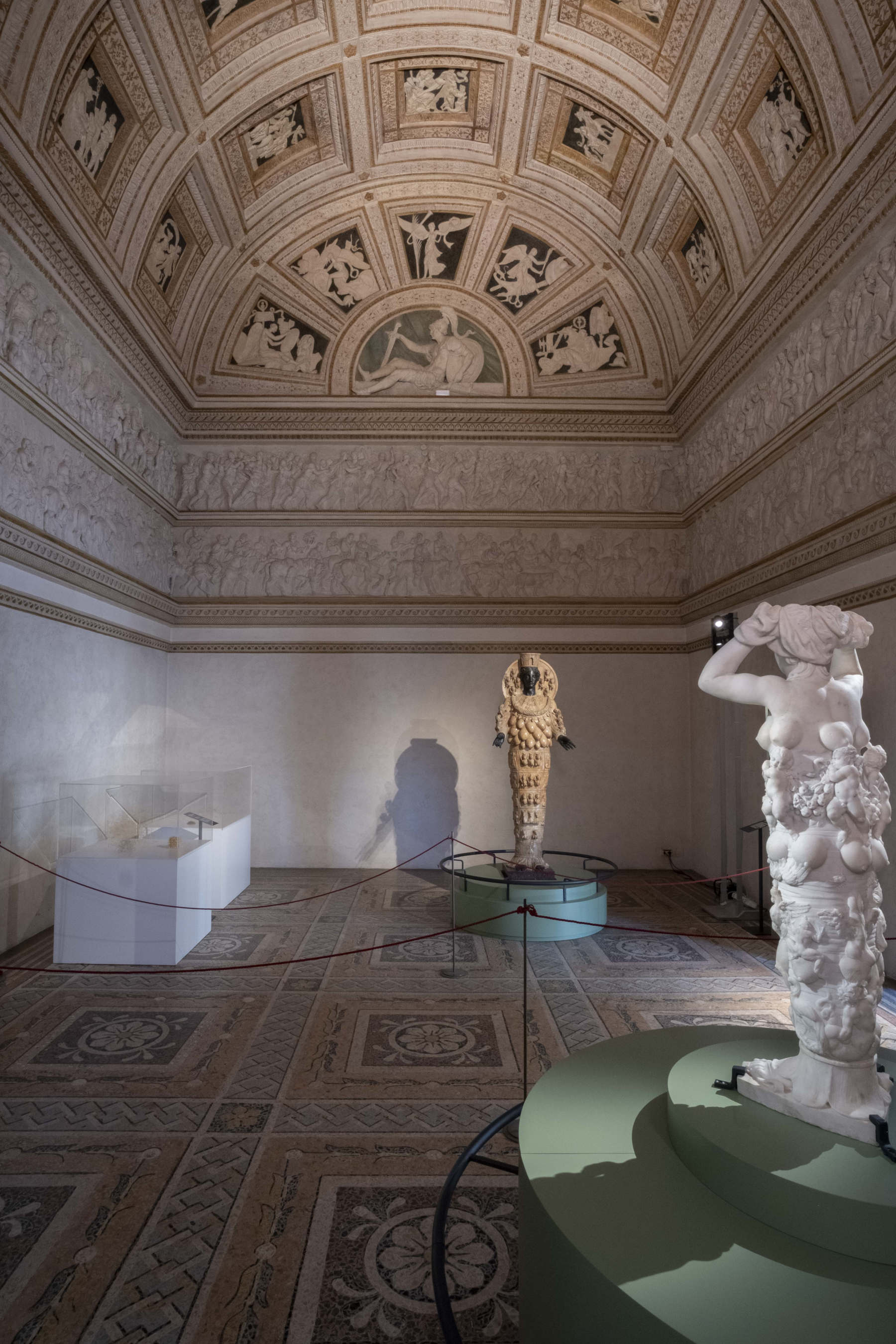
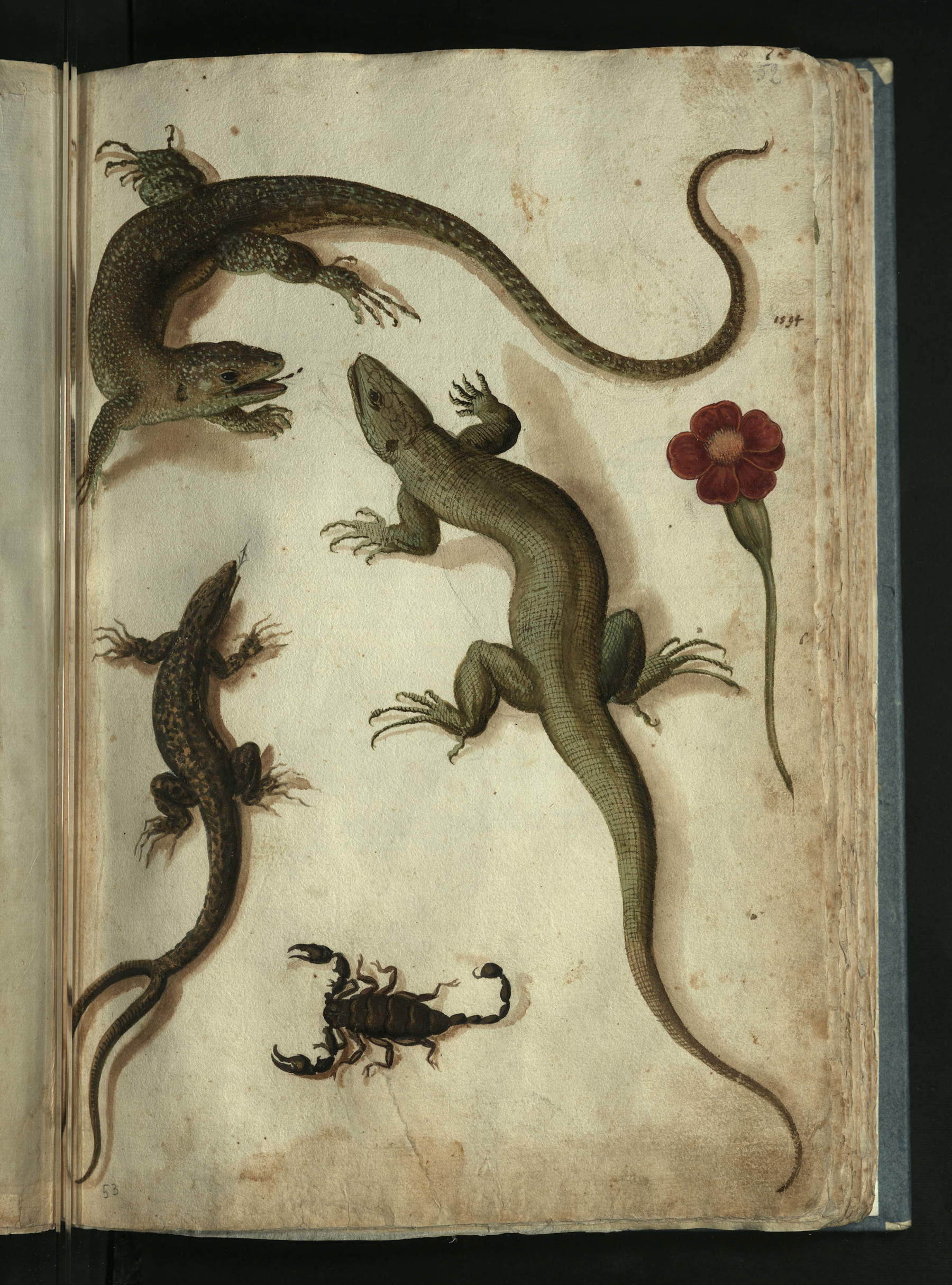
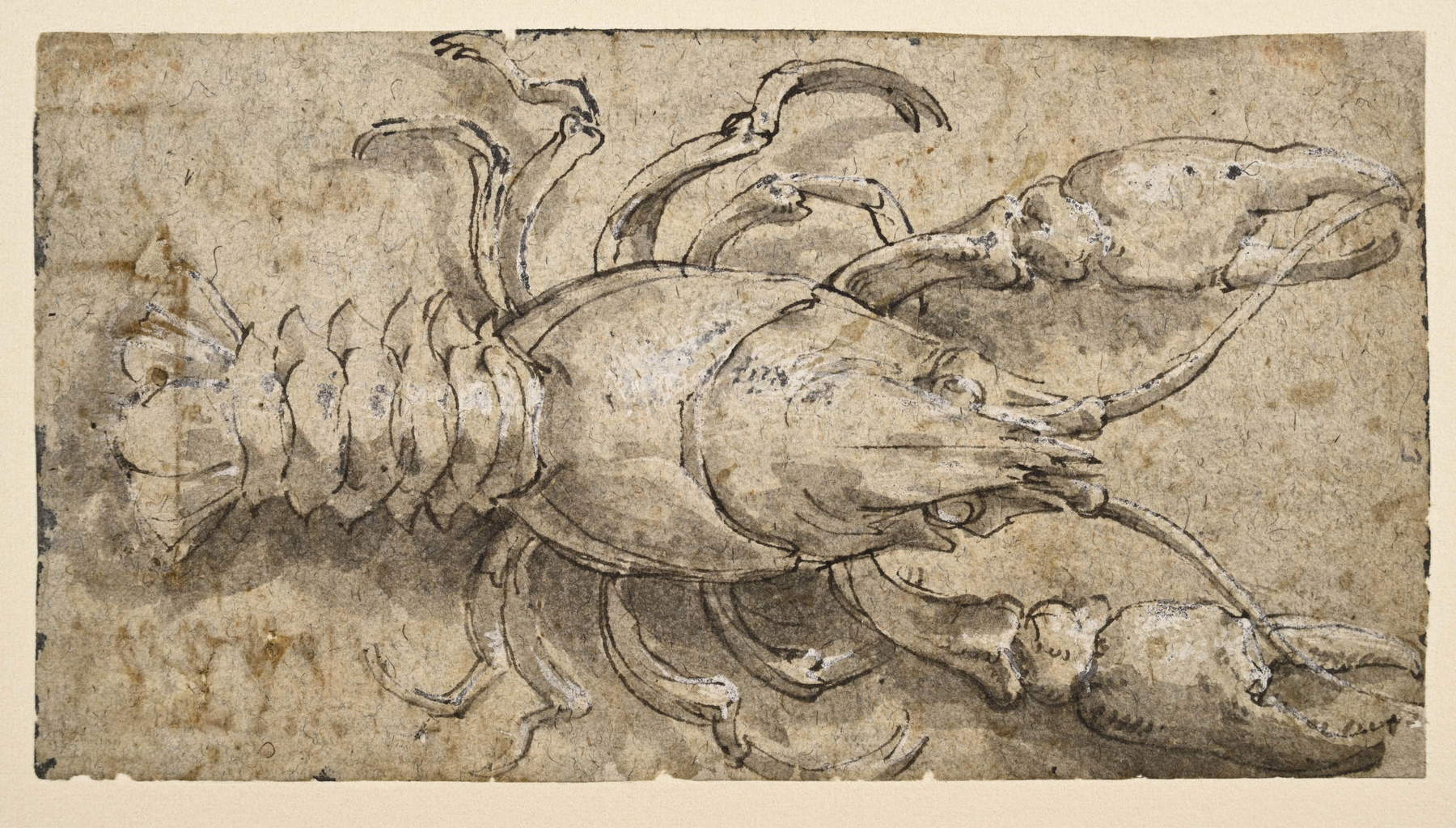
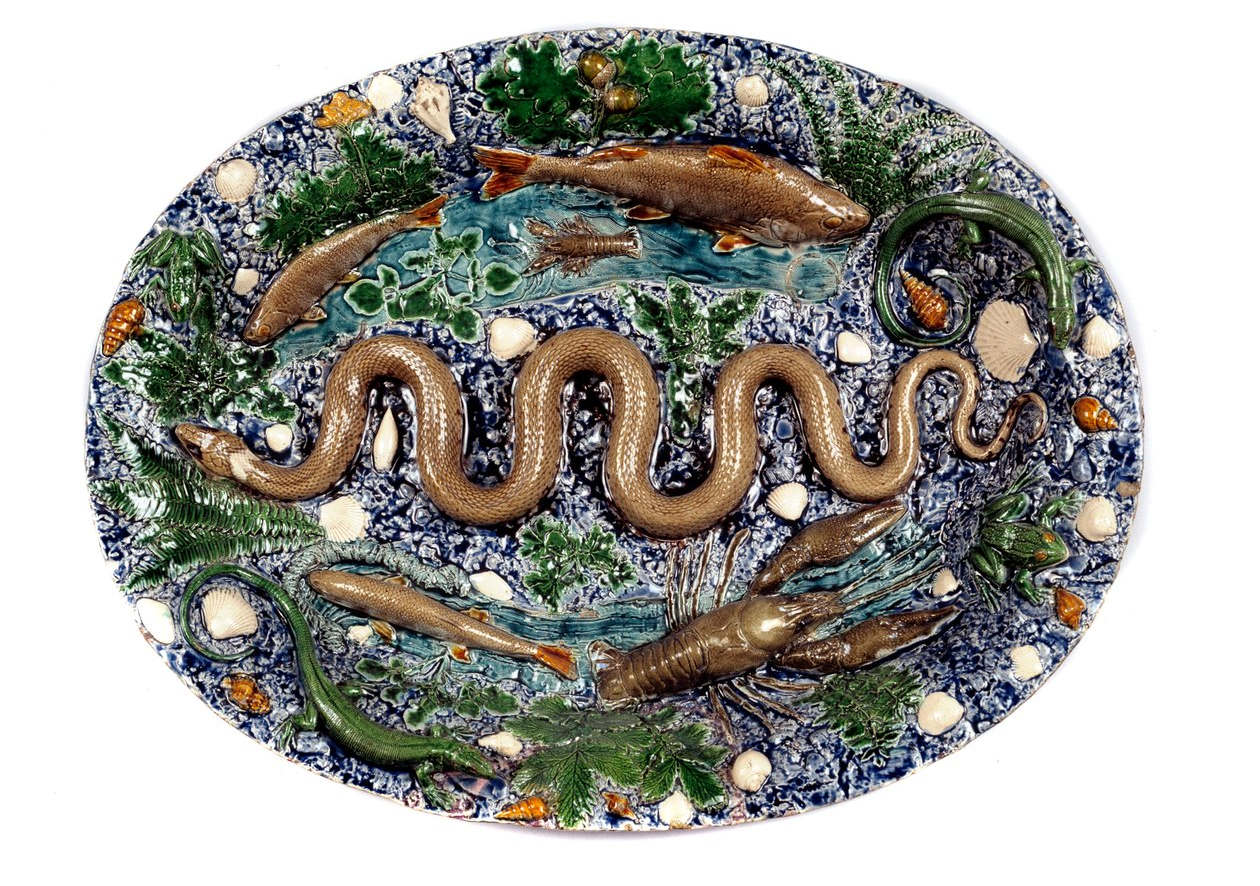
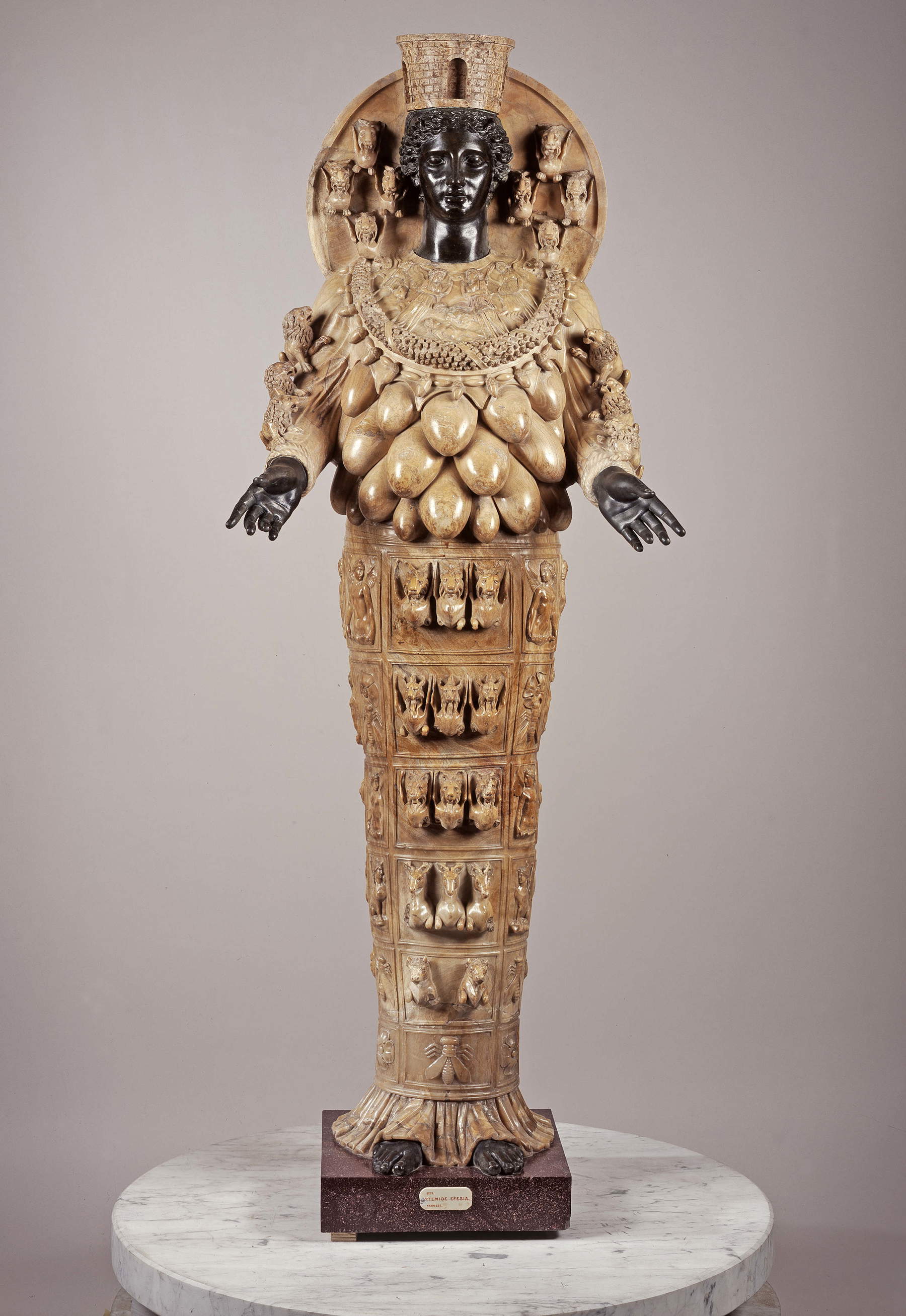
It is significant, then, that the exhibition opens with an Ephesian Diana, the goddess of nature whose breasts and the profusion of life on her body led sixteenth-century philosophers, as Guido Rebecchini writes, “to assign her the role of an allegory of abundance and fertility and, by extension, to conceive of her as the personification of nature itself,” sometimes even invoked to suggest the idea of nature as a generative force, capable of producing wonder even when reproduced or evoked in the form of a metaphorical image (the statue of the Tribolo on display in the first room had been conceived as a support for a fountain in the garden of Fontainebleau, a place that, like all gardens of the time, was inconceivable without a sort of alliance between the natural and the artificial). And perhaps even more significant is the realization that there is no difference between the crab fossil displayed in a case, the bronze spider crab by a Paduan sculptor, the drawing of a shrimp that Parmigianino had sketched—with great dedication, no less—to study the decoration of Santa Maria della Steccata in Parma, and the illustrations of crustaceans printed in a scientific treatise. There is no distinction whatsoever between flowers found in nature and Wenzel Jamnitzer’s silver flowers—casts from life so delicate, so indistinguishable, that one finds it hard to believe one is looking at the work of a goldsmith. There is no difference between the objects Bernard Palissy modeled in clay in his studio—reproductions of snakes, frogs, lizards, crabs, and insects that border on perfection—and the animals he himself studied, driven by a genuine scientific interest: “In the wake of Leonardo’s conception of painting as a science,” writes Juliette Ferdinand in the catalog, “for Palissy, reproducing nature through artistic means also meant studying it.”
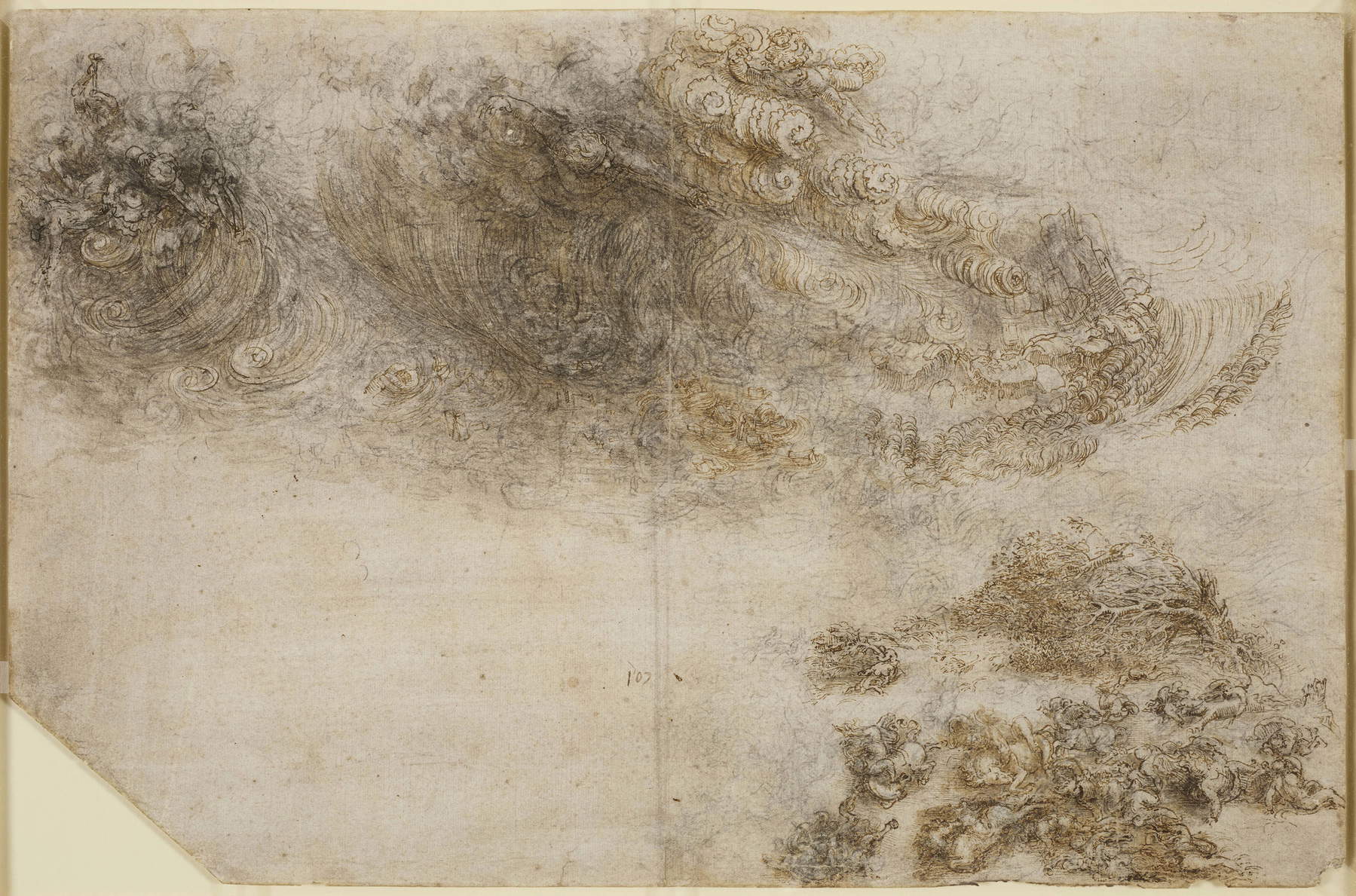
Leonardo da Vinci, whose two drawings from the Royal Library at Windsor—two studies of natural phenomena (a Storm and a Landslide)—are on display, is featured today in Mantua to fill what appears to be a secondary role, in the second room where works by artists dedicated to depicting natural disasters are gathered. Yet even in this meager collection, the analogical thinking of the sixteenth-century man stands out—and perhaps more so here than elsewhere: in Jacopo Bassano’s altarpiece, the precise account of the grim effects of a flood coexists with a plea for divine protection, and in the Vatican tapestry based on a design by Raphael, the earthquake that devastates the prison where Saint Peter is held captive and grants him freedom is a giant, the elder brother of those painted by Giulio Romano in the Chamber of Palazzo Te, who shakes the earth so violently that—more than a century before the great Baroque decoration—he spills beyond the boundaries of the artwork, in the very same century that had begun with Leonardo’s scientific investigations. The presence of the artist from Vinci—limited to this fleeting cameo despite his name appearing with great fanfare in the exhibition’s subtitles—nevertheless hovers throughout all the galleries; one might say: it is as if we perceive him at the head of a genealogy, like a parent who shirks the obligations of acknowledgment, like a numinous and unwitting authority. One senses an echo of him, however faint, even in the automata that close the exhibition (and which are one of the reasons to visit it: it’s not often one gets to see so many of them together), and not so much because they are rather laborious inventions in their own right—requiring an advanced, curious, and inquisitive engineering mindset—but because even these minute tabletop contraptions, built to amaze guests at a reception—kin to the mechanisms that powered the clocks of civic towers, fountains, and war machines— reveals a desire for knowledge, a will to emulate and reproduce the mechanisms of nature—a desire that is even somewhat suspect in its attempt to imitate a prerogative which, for sixteenth-century men, could only belong to the divine: namely, the power to bestow life.

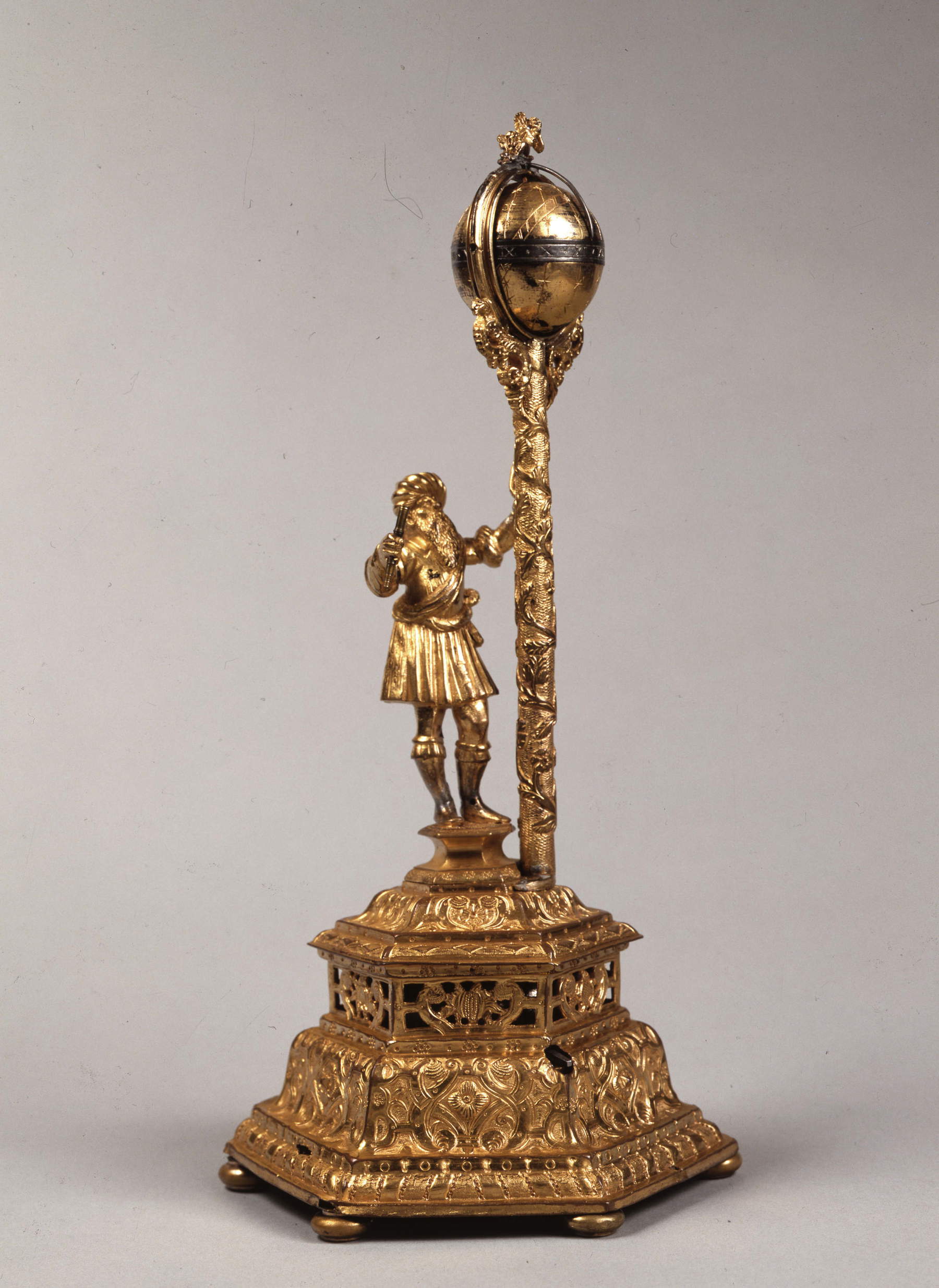
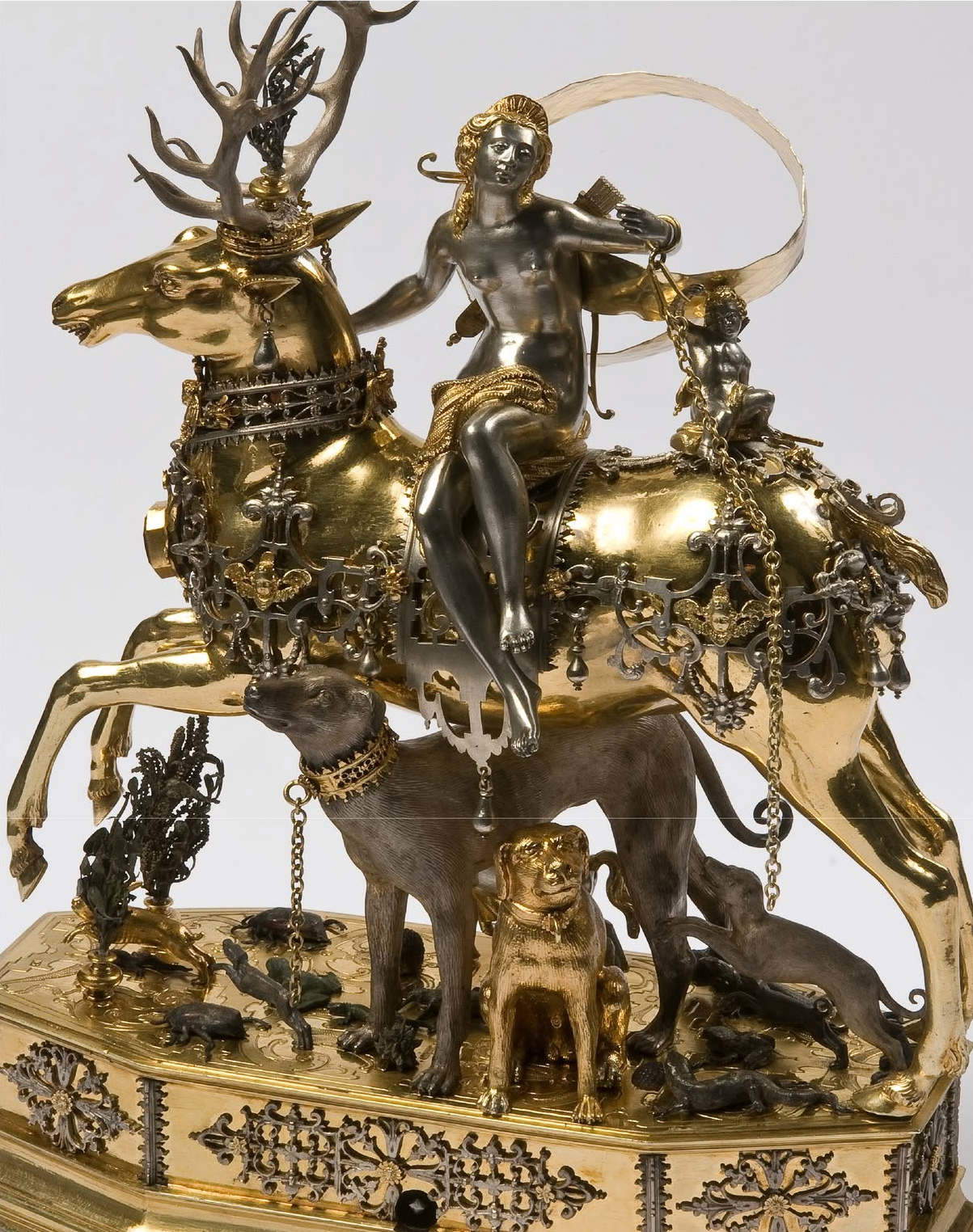
Of course, the exhibition could have included example after example (the catalog’s scope—which prioritized uncataloged works over a proliferation of essays, which partly makes up for this), would have benefited more from the recently restored Fruttiere space rather than the series of rooms following the Camera dei Giganti, and could have delved deeper into certain themes (the section on the birds of the Medici Villa in Castello, as it stands, seems more like filler than a chapter driven by real necessity, even though it is placed next to the grotto in the secret garden of Palazzo Te), and it could have done without some forced pairings to add substance (the works by contemporary sculptor Christiane Löhr, on loan from the Panza Collection—which are entirely unrelated to the exhibition’s context and included in the first section more as an institutional requirement, as a form of recognition toward the FAI, which collaborated on the initiative, than out of genuine necessity), nor does it uncover anything new: it does, however, offer an idea of knowledge, stages a thought, seeks to reproduce it, and presents it to an audience hungry for Leonardos and Caravaggios—and that is no small feat.
Obviously, one must come to terms with oneself. For starters, avoid adopting a passive attitude. Avoid simply enduring the exhibition, enduring the objects, enduring even Caravaggio and Arcimboldo (and, of course, avoid leaving disappointed at not having found more, even though the exhibition’s titles and announcements suggested quasi-monographic displays: the success of an exhibition is not gauged by the quantity of works by superstars, nor is its quality measured by that standard). One must break free from the hierarchies of attention imposed by habit, by the exhibition design, and by the way of looking cultivated through endless sequences of questionable exhibitions. Perhaps we must even pretend that the exhibition does not conform to the model of an exhibition as we commonly understand it—that is, as a reconstruction resulting from the cultural tools available in our time. We must open ourselves to the idea that curiosity possesses an intellectual dignity that is often not recognized, and to the idea that a collection can be organized according to a system of relationships that does not coincide with our own. To the idea that the past is not a set to be reassembled as we please—and therefore to the idea that that language, that worldview, that way of understanding things have been lost, and no exhibition can restore them.
Warning: the translation into English of the original Italian article was created using automatic tools. We undertake to review all articles, but we do not guarantee the total absence of inaccuracies in the translation due to the program. You can find the original by clicking on the ITA button. If you find any mistake,please contact us.