





One hundred years after its founding, the Friends of Brera are celebrating their history with an exhibition dedicated to the works acquired and donated to the Pinacoteca di Brera over the years, along with a program of events that will continue through 2027. The exhibition *Cento anni per Brera. Acquisti e doni degli Amici* (One Hundred Years for Brera: Acquisitions and Donations by the Friends), curated by Alessandro Morandotti, Lorenzo Francesco Colombo, and Valentina Ferrari, was unveiled this morning in Milan, following the official launch of the celebrations last January at Palazzo Marino. The exhibition at the Pinacoteca di Brera will be open to the public from October 7, 2026, to February 14, 2027, and features works not normally on display, historical photographs, documents, and press clippings that trace the association’s history and its relationship with the Pinacoteca.
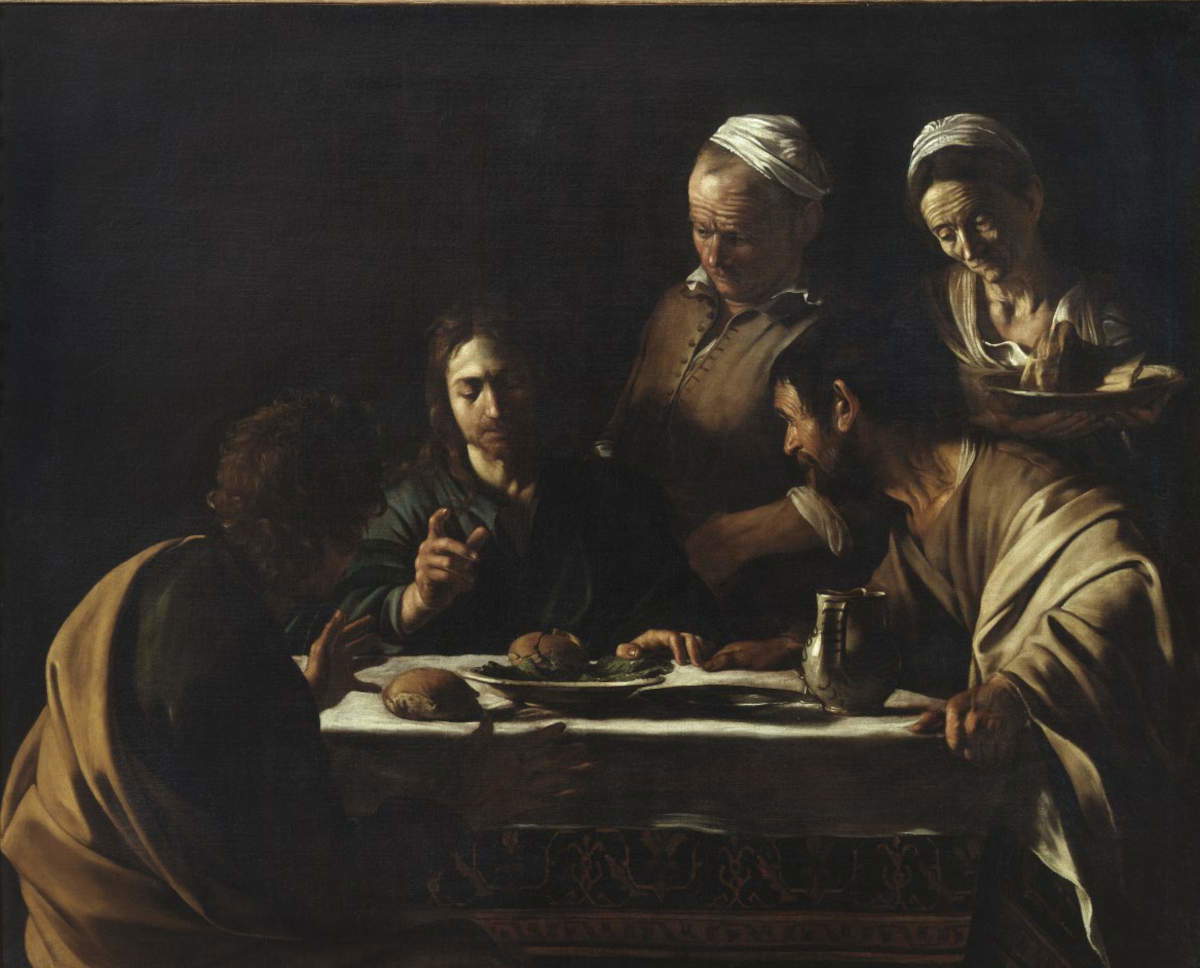
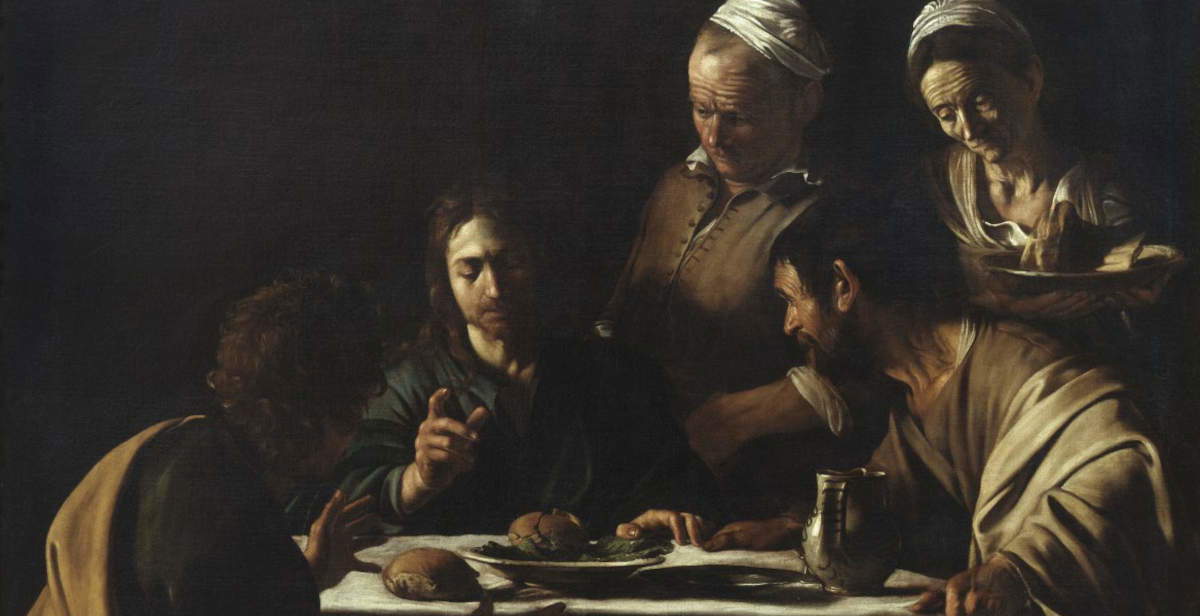
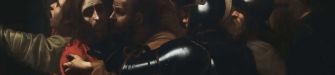
The history of the Friends of Brera began in 1926, when the then-director of the Pinacoteca, Ettore Modigliani, founded the association with the aim of contributing to the enhancement and enrichment of the museum’s collections. The initiative arose from a combination of interest in art and civic engagement and, even in its early years, translated into concrete efforts to support the Brera collections. In 1939, the association was dissolved, but before its closure, it contributed to the purchase of Caravaggio’s *The Supper at Emmaus *. Ten years later, in 1949, the Friends of Brera were reestablished thanks to Fernanda Wittgens and Tommaso Gallarati Scotti, with a new vision aimed at making Brera a museum open to education, research, and public outreach.
The centennial thus provides an opportunity to reassess the role the association has played over the course of a century, but also to look toward future activities and its relationship with Milan, its institutions, and an increasingly diverse audience. The exhibition organized to mark the anniversary focuses specifically on the historical and artistic heritage that the Amici have helped build, as well as on the presidents and patrons who have supported the growth of the collections through donations and acquisitions.
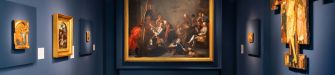
The exhibition follows a chronological sequence from 1926 to the present and features works that are not normally part of the permanent collection, alongside historical photographs, documents, and publications that help reconstruct the various moments in the association’s history. However, the initiative is not limited to the works brought together in the exhibition: the project also extends to the numerous works already on view in the galleries of the Pinacoteca di Brera and those of Palazzo Citterio. Special captions help visitors identify the works linked to the Amici’s activities and provide context regarding their acquisition.
The expansion of the collections has, in fact, been a constant feature of the association’s history. Throughout the 20th century and up to the present day, paintings, sculptures, and illuminated manuscripts have been added to the Braidense collections thanks to the efforts of the Amici and their members. These donations have helped strengthen sections of the museum that—due to the original curatorial choices influenced by Napoleonic-era tastes—were underrepresented, thereby expanding the museum’s ability to document different periods, artists, and movements in art history.
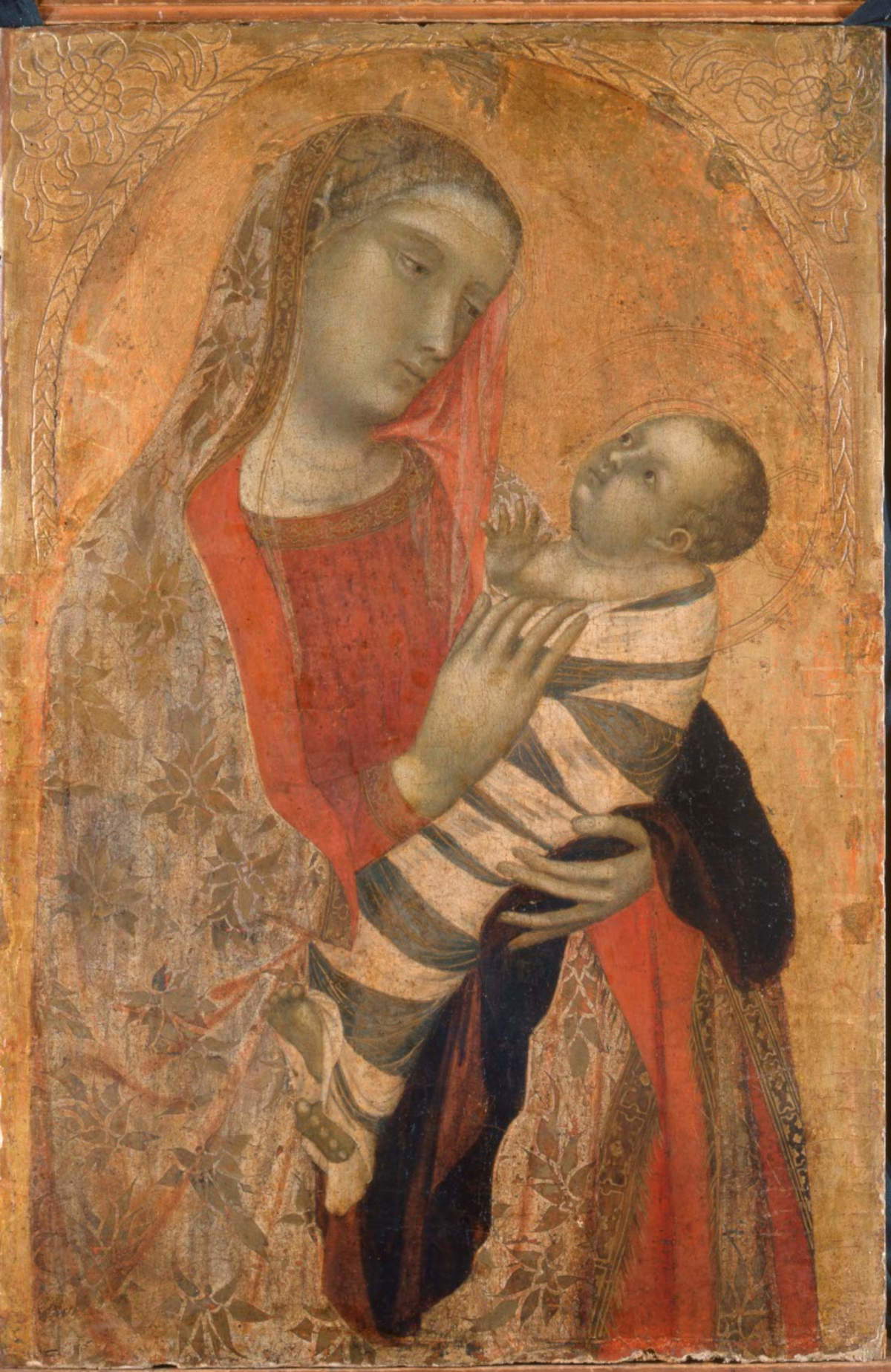
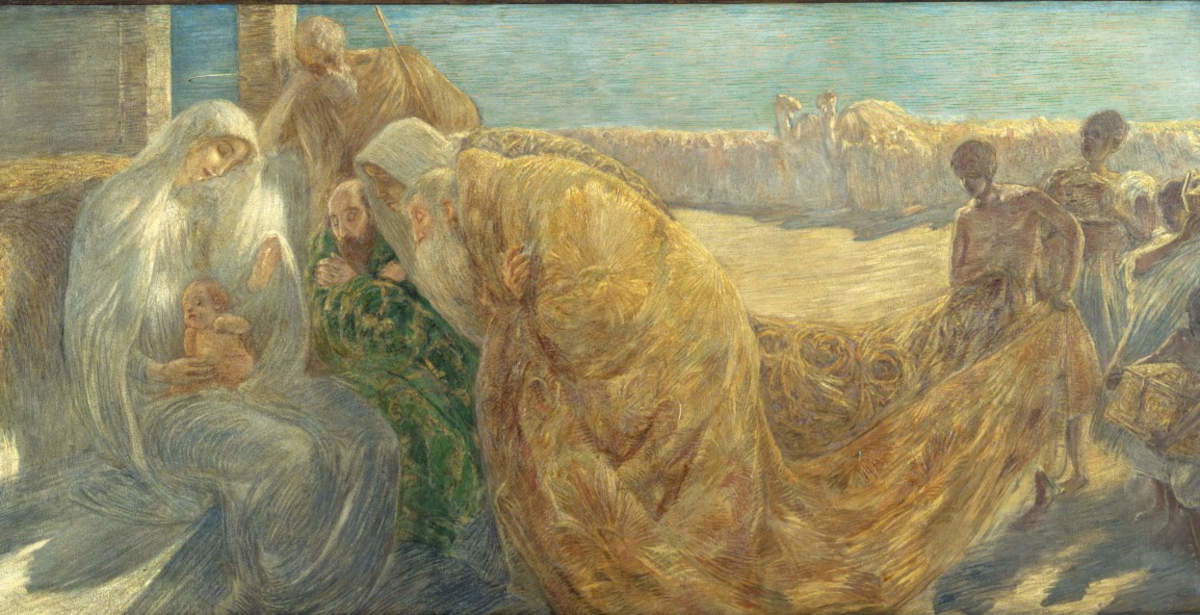
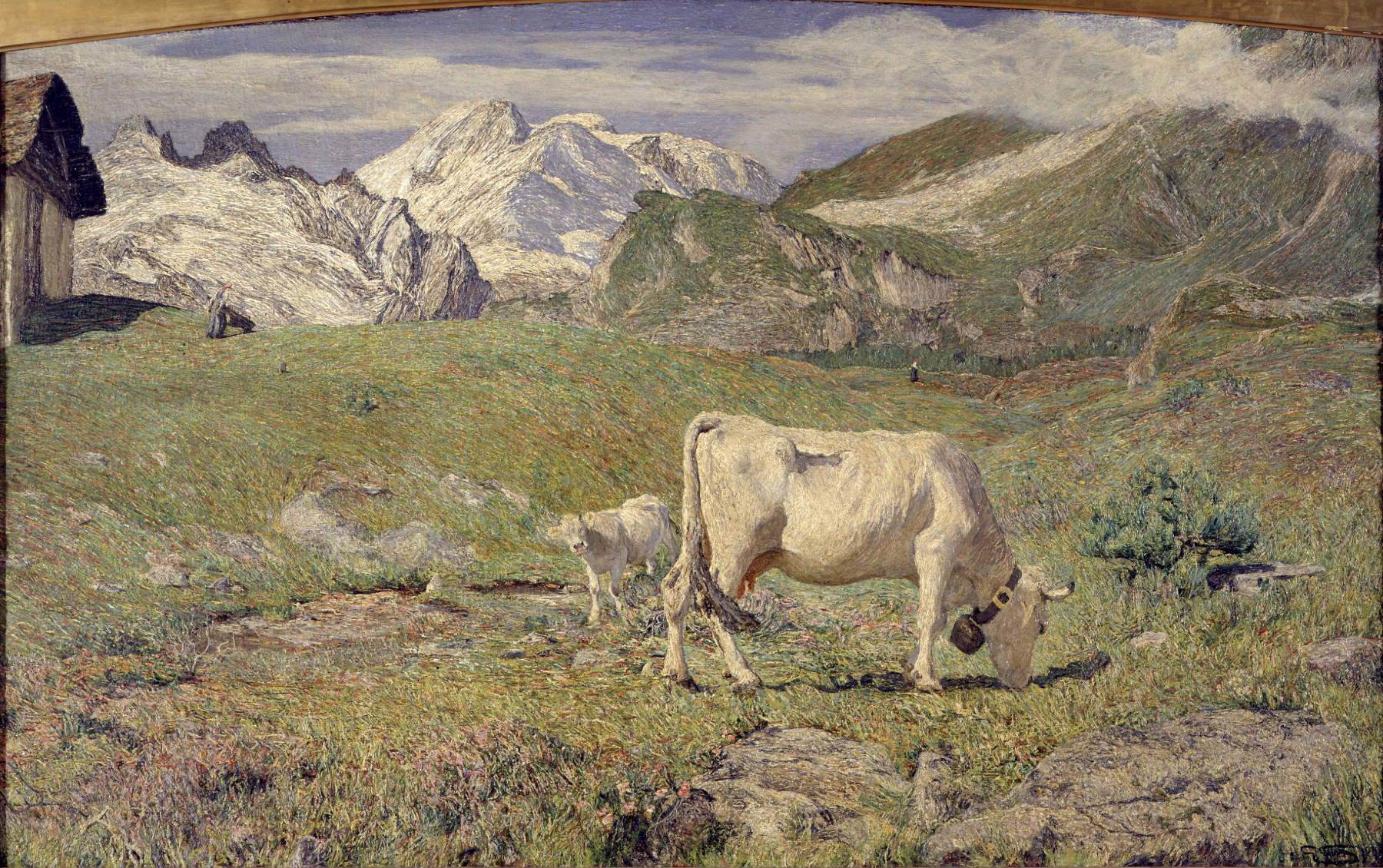
Among the works that have come to Brera thanks to these efforts are Caravaggio’s Supper at Emmaus, Giovanni Segantini’s Spring Pastures , “Portrait of a Gentleman with a Dog” by Bartolomeo Passarotti, “The Death of Cleopatra” by Guido Cagnacci,“The Adoration of the Magi” by Gaetano Previati, and “Madonna and Child” by Ambrogio Lorenzetti. These are just a few of the acquisitions that have marked the growth of the museum’s collections and are now being reexamined as part of the centennial project.
The year 2026 also saw new acquisitions and donations to the Pinacoteca. Over the course of the year, two portraits linked to key figures in the history of the Brera Academy—which is celebrating its 250th anniversary this very year—were added to the collections. The first is a portrait of Ettore Modigliani, director and superintendent of Brera, painted by Harold Knight during Modigliani’s stay in London for the major 1930 exhibition of Italian art at the Royal Academy of Arts. The second is an oil-on-canvas portrait of Ignazio Fumagalli, painted by Giuseppes. In addition to these, two monumental preparatory cartoons by Francesco Hayez and Pelagio Palagi have been donated to the Pinacoteca di Brera by Councilwoman Francesca Luchi.
The exhibition is accompanied by a book of the same name, published by the Centro Di in Florence as the eleventh volume in the historic “Quaderni di Brera” series. The book traces the history of the association and its efforts to support the Brera collections, devoting space to the biographies of its presidents and donors, as well as to the numerous donations made by the Amici and their members. The book thus serves as an additional resource for tracing the evolution of the association and the contribution it has made over time to the growth of the Pinacoteca’s collection.
Another publication dedicated to the centennial will be published in the fall of 2026 by Moebius. Edited by Pietro Bianchi, *Amici di Brera. *A Great History: 1926–2026* examines the association’s history from the perspective of the presidents, board members, and members who have accompanied it through its various phases, linking the association’s history to that of the city of Milan. The first part of the volume traces the institution’s evolution through the key figures and events that shaped its course; the second part features art historians collaborating with the Amici di Brera, who are invited to discuss the works donated to the museum. The technical descriptions provide information on the works, their provenance, and their contexts, with the aim of also serving as a tool for study and in-depth analysis.
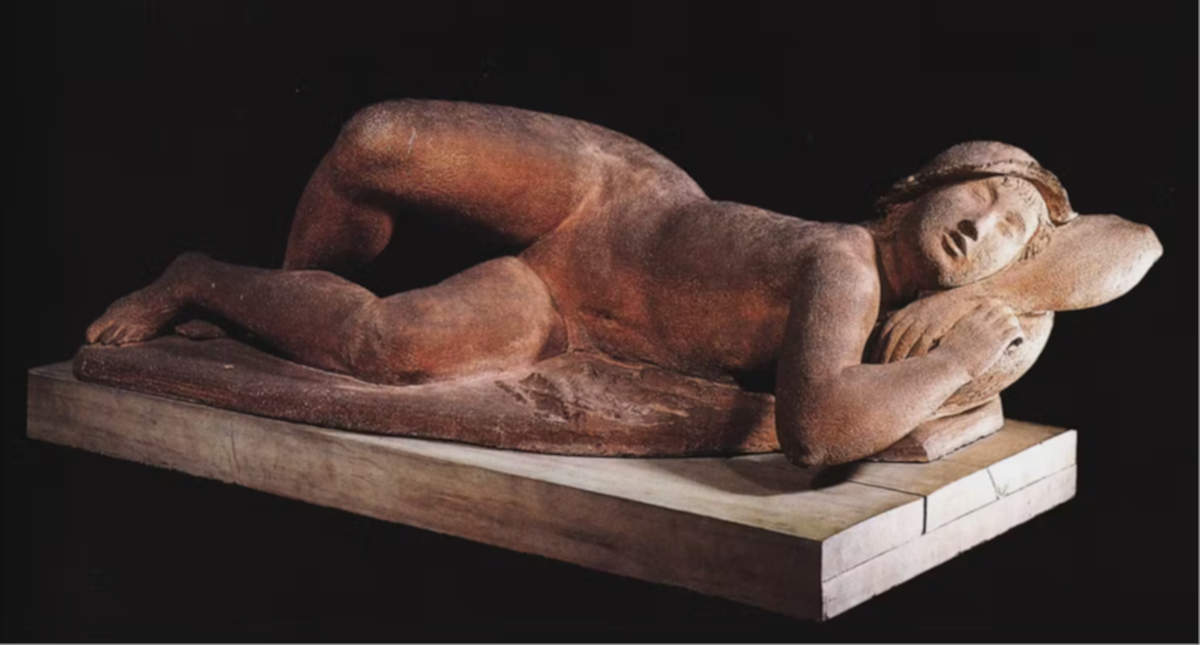
The centennial is also accompanied by a conservation project. Restoration work on Arturo Martini’s *Woman in the Sun * has been completed, funded by the Friends of Brera in coordination with Marina Gargiulo, the curator responsible for the Pinacoteca’s 20th-century collections. The sculpture will be permanently displayed in the galleries of Palazzo Citterio. The work belongs to the most mature phase of Martini’s career, which unfolded between the 1920s and 1930s. The reclining female figure, depicted in a state of abandonment, is constructed through a balance of forms, rhythms, and proportions that draws on classical tradition while translating it into a modern and minimalist language.
In addition to activities directly related to the collections, the program presented in Milan includes strengthening existing collaborations with some of the city’s leading cultural institutions and organizations. “Storie dell’Arte,” a program by the Amici di Brera curated by ArtsFor and under the scientific curatorship of Marco Carminati, will also continue in 2027. The project is carried out in collaboration with the City of Milan and the Piccolo Teatro di Milano – Teatro d’Europa, with the support of the Pinacoteca di Brera. The sponsors for the 2026 edition are Edison, attorney Carlo Pedersoli, and A Come A. The program attracted over 3,500 attendees in 2025.
The final event of 2026 will be dedicated to the major art movements of the 20th century. In 2027, however, the program will focus on the Wonders of the World, with one event scheduled for one Sunday morning each month. The project will begin with the traditional classification of the Seven Wonders of the Ancient World—of which only the Pyramid of Giza has survived to this day—and juxtapose them with seven new wonders. Through the question “What would be the wonders of our world?”, how artistic and cultural heritage is recognized and passed down. The ancient and contemporary wonders will be presented side by side, organized in pairs.
Among the collaborations set to continue is the one with the Milan Symphony Orchestra, which will be renewed through an agreement for the 2026–27 season. The program includes the launch of a course in the spring dedicated to the relationship between music and art. In January, Marco Carminati, vice president of the Friends of Brera, will also deliver a lecture on the theme of incompleteness to open the concert during which the Symphony Orchestra will perform Mozart’s Requiem.
Finally, a project with the I.R.C.C.S. Carlo Besta Neurological Institute Foundation is planned for completion by the end of 2026. The Amici di Brera will bring reproductions of masterpieces from the Pinacoteca di Brera and Palazzo Citterio to the new outpatient building of the Milanese institute. This initiative stems from a desire to enhance the hospital’s spaces through the presence of images from the city’s artistic heritage and to create a direct connection between art and care. The stated goal is to make the environments more welcoming and, through the artworks, to introduce a reference to Milan’s artistic history, bringing cultural heritage closer to people even within a healthcare setting.
With the exhibition, the two volumes, the restoration of *Woman in the Sun*, the new donations, and the calendar of activities planned for the coming months, the centennial of the Friends of Brera thus also becomes an opportunity to concretely reconstruct the association’s contribution to the history of the Pinacoteca and to outline its activities in relation to Milan’s cultural and civic institutions. The program presented for late 2026 and 2027 thus combines a re-examination of the heritage already acquired with new initiatives regarding the collections, outreach initiatives, music-related activities, and projects aimed at contexts outside the museum.
“On the centennial of the founding of the Friends of Brera,” saysCarlo Orsi, President of the“ ” Association, “which has brought together some of the most prominent figures in Milanese society—both in the business and cultural spheres—we renew our commitment to serving as ambassadors for a history of passion, expertise, and dedication to the growth of the museum’s heritage. Through this exhibition, we aim to preserve and pass on its legacy and highlight the key figures and masterpieces that have helped strengthen the role of the Grande Brera as a vibrant institution, capable of engaging with civil society and its own era.”
“This exhibition chronicles a hundred years of a deeply Milanese history, shaped by a passion for art, responsibility, and civic engagement,” states Tommaso Sacchi, Milan’s Councilor for Culture. “The Friends of Brera have made a tangible contribution to the growth of the museum’s collection by supporting acquisitions, restorations, research, and outreach. Celebrating this anniversary means recognizing the value of a collaboration between institutions, civil society, and patrons that has accompanied Brera over time and continues to be decisive for the future of the Grande Brera.”
“For a hundred years, the Friends of Brera have helped enrich the heritage of the Grande Brera through donations, acquisitions, and support for research,” says Francesca Caruso, Lombardy Region Councilor for Culture. “This exhibition highlights the civic value of their commitment and the bond between citizens and an institution that is a source of pride for Milan, for Lombardy, and for the entire country. Caring for a heritage that belongs to everyone means making it accessible, raising awareness of it, and passing it on to new generations. The association has successfully transformed its passion for art into a service to the community. This anniversary is an opportunity to recognize this invaluable work and to engage new supporters—especially among young people—in the life and future of Brera.”
“For a hundred years, the history of the Friends of Brera has been inextricably intertwined with that of the Pinacoteca, in a relationship founded on sharing, generosity, and a deep sense of belonging,” states Angelo Crespi, Director General of the Pinacoteca di Brera and the Braidense National Library, Palazzo Citterio, The Last Supper by Leonardo da Vinci. “A bond that has spanned different generations, finding its most concrete expression in the preservation and enrichment of our cultural heritage, transforming friendship for Brera into an authentic and enduring form of cultural responsibility. “One Hundred Years for Brera: Gifts and Acquisitions by the Friends” stems from the desire to bring this history to light—a story that serves as a clear example, first of patronage and now of subsidiarity as enshrined in our Constitution, and a clear illustration of how enlightened private citizens can contribute to the preservation of major public institutions. This exhibition is therefore also intended as a gesture of gratitude. Brera owes the Friends—both past and present—far more than just the works they have helped to bestow upon it: it owes them a faithful presence, a steadfast closeness, and that special kind of care that arises from feeling part of an institution’s history.”
“So that every act of generosity may be immortalized in a work of art, so that patronage may be a spiritual presence in the Pinacoteca”: in the words spoken by Fernanda Wittgens to the Friends of Brera in 1957, we find the deepest meaning of this story,” added curators Valentina Ferrari, Alessandro Morandotti, and Lorenzo Francesco Colombo. “Over the course of a hundred years, that ‘presence’ has taken on various concrete forms: masterpieces added to the collections, restorations, educational programs, cultural initiatives, and support for the museum’s existence and growth. But at their core lies the same idea: that the preservation and transmission of our heritage are a shared responsibility, capable of uniting people and generations around the same values. Today we have the privilege and responsibility to preserve the traces of this extraordinary history and, above all, to keep its spirit alive, so that it may continue to generate knowledge, engagement, and beauty.”
 |
| The Friends of Brera Celebrate Their 100th Anniversary: An Exhibition Chronicles Acquisitions and Donations to the Museum |

Warning: the translation into English of the original Italian article was created using automatic tools. We undertake to review all articles, but we do not guarantee the total absence of inaccuracies in the translation due to the program. You can find the original by clicking on the ITA button. If you find any mistake,please contact us.

















 IT
IT FR
FR DE
DE ES
ES CN
CN


