





After more than 140 years, the Magliano Lead is temporarily returning to the site where it was discovered. From July 11 to October 11, 2026, the Etruscan artifact—which has been housed at the National Archaeological Museum of Florence since 1882—will be on display at the Archaeological Museum of Magliano in Toscana (Magliano in Toscana, Grosseto) as part of the exhibition *The Magliano Lead*. In the Labyrinth of the Etruscan Language, curated by Daniele F. Maras. The exhibition, which is free to the public, will open on Saturday, July 11, at 6:30 p.m. and is the result of a collaboration between the National Archaeological Museum of Florence and the Municipality of Magliano in Toscana.
This initiative marks the temporary return to its place of origin of one of the most important artifacts of Etruscan civilization and is part of a project aimed at strengthening the relationship between museum collections and the places from which the artifacts originate. For the local community, it also represents an opportunity to rediscover an artifact considered one of the most significant testimonies to the area’s Etruscan past.
The Magliano Lead Tablet was discovered by chance in 1882 during agricultural work. The Busatti brothers, owners of the land where it was discovered, decided to sell it to the Royal Archaeological Museum of Florence for 1,000 lire, so that it could be preserved in a major museum and made available for scientific research. Since then, the artifact has remained in Florence.
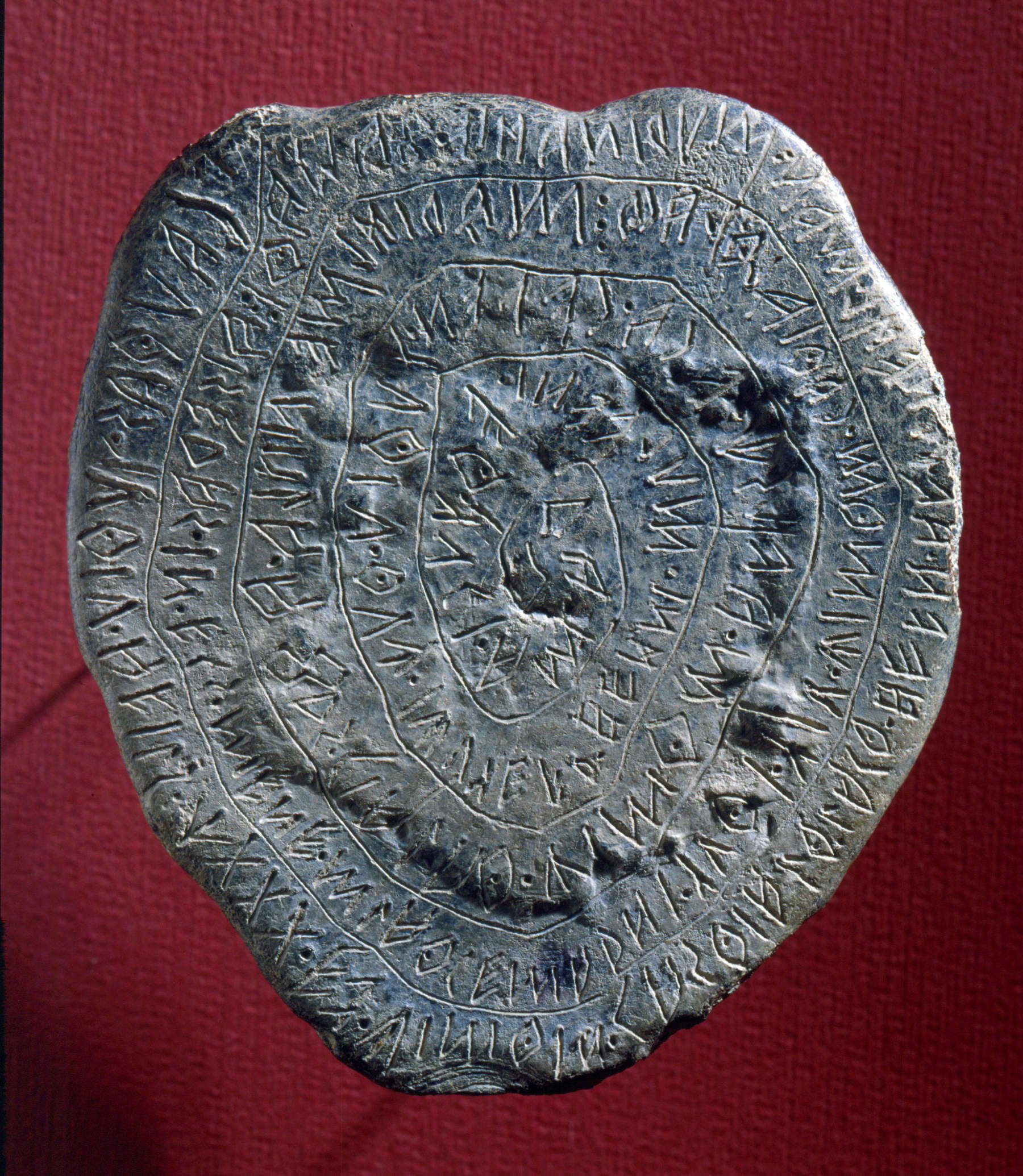
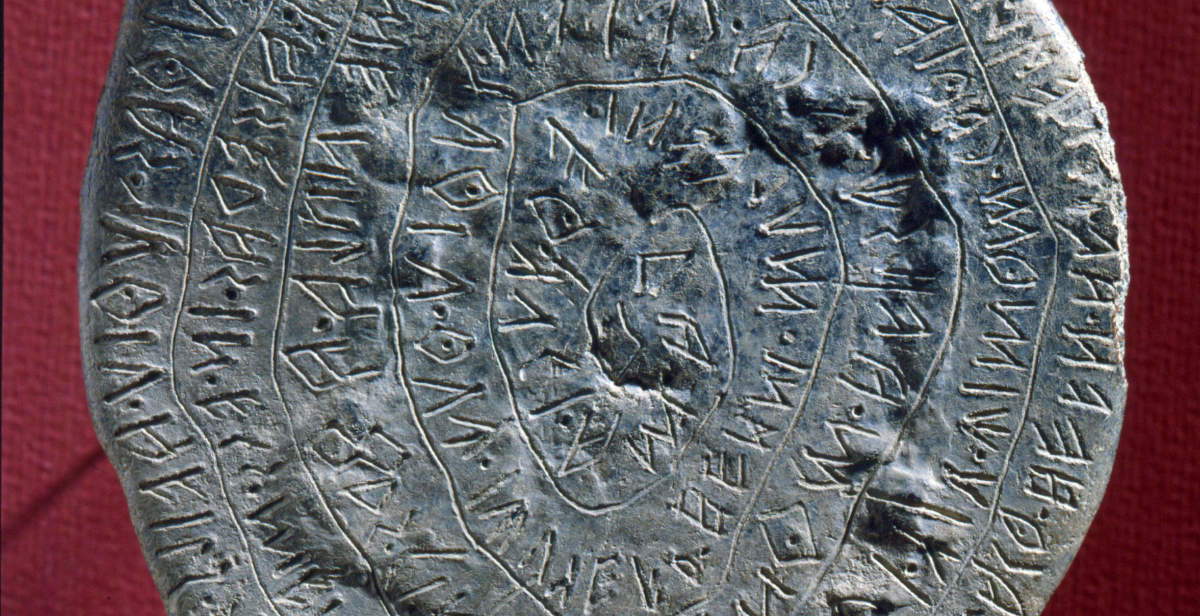
It is a lead disc engraved on both sides with two long Etruscan inscriptions arranged in a spiral, containing a series of ritual prescriptions dedicated to the Etruscan deities of the afterlife. Dated to the mid-5th century B.C., it is the fifth-longest Etruscan inscription known to date, after the Linen Book of the Zagreb Mummy, the Capua Tile, the Cortona Tablet, and the Perugia Stele. The artifact represents a fundamental source for studies on the Etruscan language, religion, and culture and documents the central role of writing in this civilization, from which the Latin alphabet also derived.
The exhibition is accompanied by a permanent redesign of the galleries at the Archaeological Museum of Magliano in Toscana, designed by the Florentine firm De Ferrari+Modesti. The new layout introduces a section dedicated to the Etruscan language and writing, which will remain open to visitors even after the exhibition concludes. The Magliano Lead Tablet has also been laser-scanned and will continue to be on display at the museum thanks to a 3D-printed replica and a video produced by the CNR’s Institute of Cultural Heritage Sciences.
At the end of the exhibition, on October 11, the original will return to the National Archaeological Museum of Florence, where it will be relocated to the renovated section of the Topographical Museum of Etruria, currently undergoing redesign. This initiative is made possible in part by a grant from the Fondazione Cassa di Risparmio di Firenze, as part of the “Cultural Activities 2026” call for proposals.
“The National Archaeological Museum of Florence continues to fulfill its role as a cultural hub for the region,” comments Daniele F. Maras, director of the Florentine museum and curator of the exhibition, “just as it was envisioned in the project by Luigi Adriano Milani, who directed the museum over a century ago and personally oversaw the acquisition of the Magliano Lead. This new exhibition follows those in Vetulonia, Arezzo, Rosignano Marittimo, and Bibbona, staged over the past two years with the aim of bringing together the current residents of Etruscan sites around our collections through objects of strong cultural significance, thereby strengthening their connection with the people.”
“I welcome the return of the ‘Piombo di Magliano’ to our community with great enthusiasm. This exhibition,” says Tamara Fattorini, deputy mayor of the Municipality of Magliano in Toscana, “is not only a high-profile cultural event, but also marks the beginning of a strategic and extremely important initiative to highlight our region, one that unites our historical roots with a new vision for promoting tourism. Lead, a symbol of our Etruscan past, is on display here for the first time for our citizens to see. We would like to express our heartfelt thanks to the National Archaeological Museum of Florence for its willingness to cooperate; as the municipal administration, we will preserve this historical artifact with great care and pride.”
 |
| Tuscany: The Etruscan Lead from Magliano Returns to the Site of Its Discovery After 140 Years |

Warning: the translation into English of the original Italian article was created using automatic tools. We undertake to review all articles, but we do not guarantee the total absence of inaccuracies in the translation due to the program. You can find the original by clicking on the ITA button. If you find any mistake,please contact us.





























 IT
IT FR
FR DE
DE ES
ES CN
CN


