





Ten years after the passing of Umberto Eco (1932–2016), the Braidense National Library in Milan is dedicating the exhibition *Umberto Eco: The Island of the Day Before* to the Italian writer, philosopher, and intellectual . Books, Seas, and Machines of Knowledge, scheduled from October 2, 2026, to January 10, 2027. This exhibition and educational project is sponsored by the Umberto Eco Foundation and the Pinacoteca di Brera/Braidense National Library, with the support and funding of the Lombardy Region, and is curated by Carlotta Eco, Riccardo Fedriga, and Marina Zetti.
The exhibition revolves around *The Island of the Day Before*, a novel published by Eco in 1994, and offers a journey through time via literature, history, science, and voyages across the South Seas. At the heart of the story is Roberto de la Grive, a young Piedmontese nobleman who, in the summer of 1643, is shipwrecked aboard his vessel,the Amarilli. After being rescued, the protagonist boards another seemingly abandoned vessel, the Daphne, anchored about a mile from a mysterious island characterized by exotic flora and fauna.
The island appears close, but for Roberto, reaching it is impossible. The protagonist cannot swim, the ship has no lifeboats, and the currents prevent him from landing. Furthermore, forced to move only after dusk due to his photophobia, he spends his time exploring the ship’s secrets and writing passionate love letters to a distant noblewoman. Against the backdrop of the story, the great scientific and philosophical questions of the seventeenth century unfold. After reflecting on his memories, Roberto also begins to doubt whether he is truly alone. A series of details leads him to believe that someone else, aboard the abandoned ship, is leading a life similar to his own.
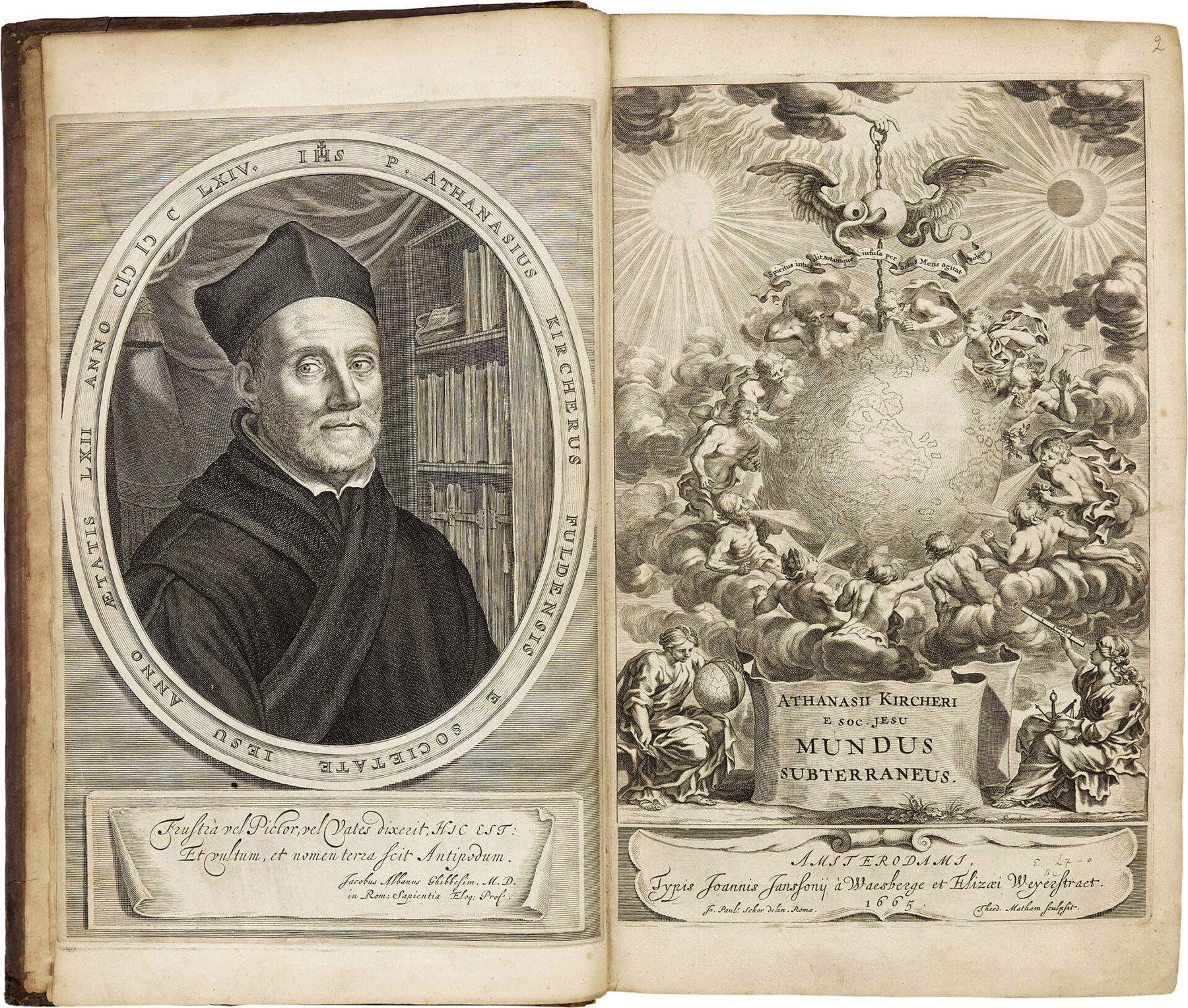
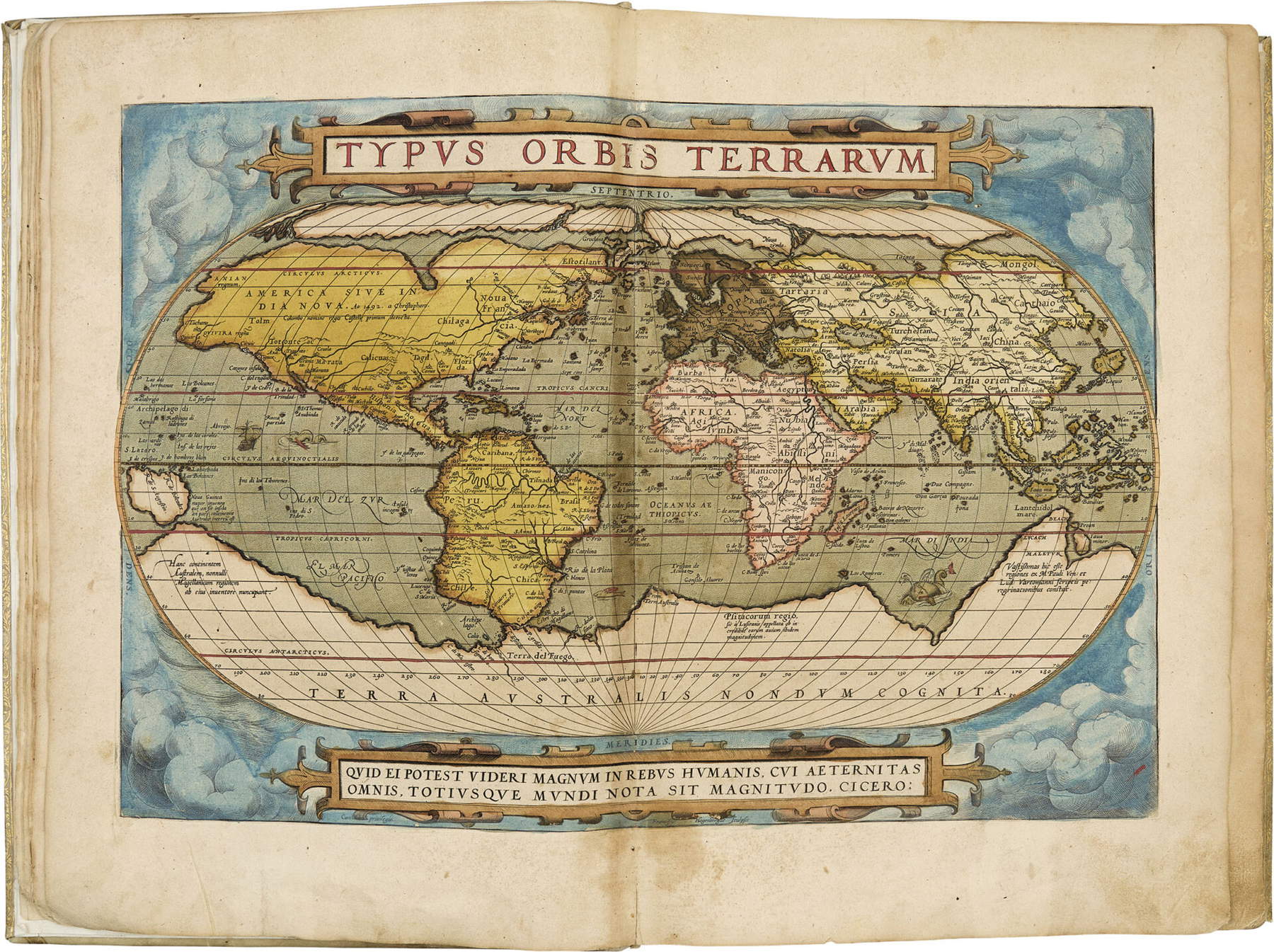
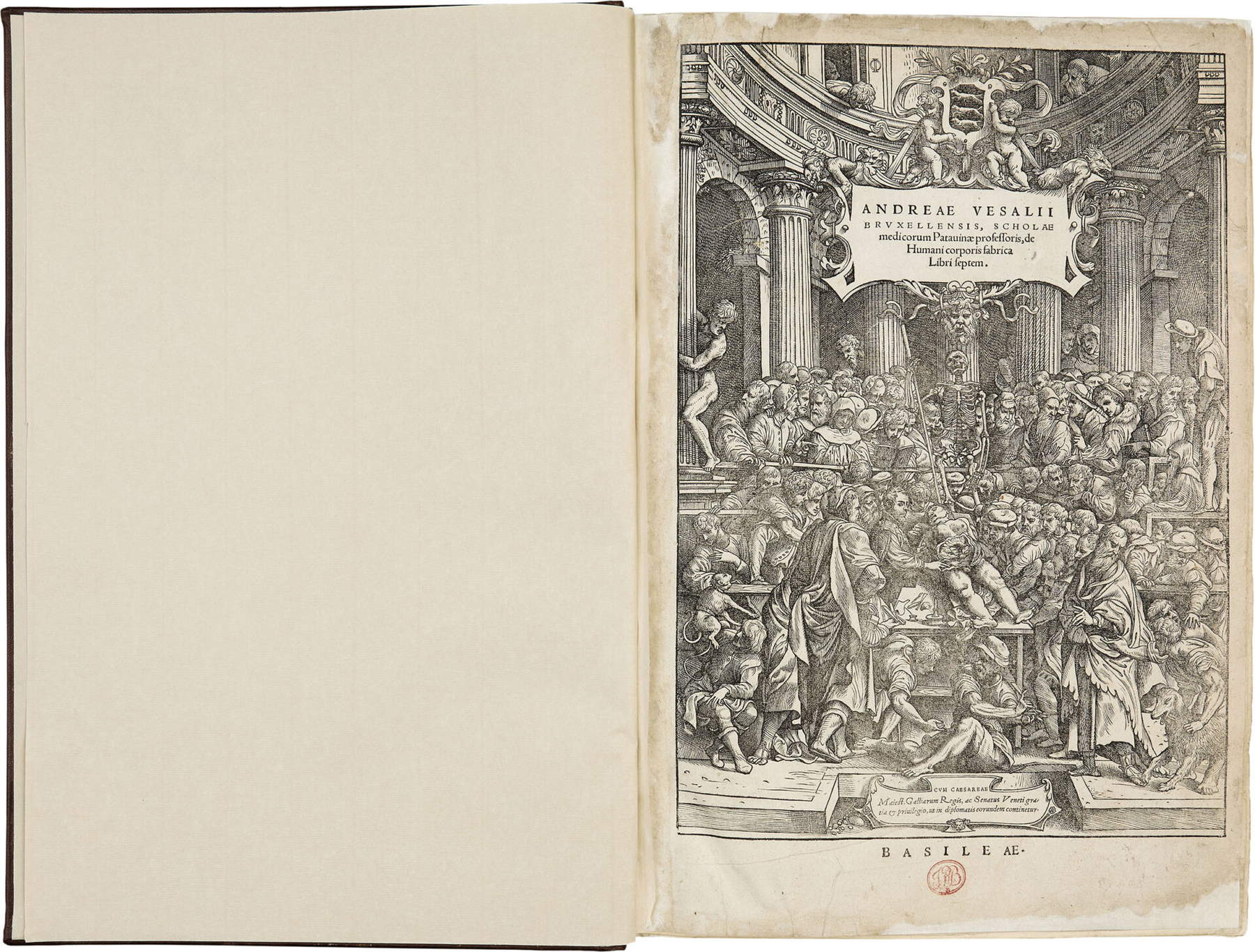
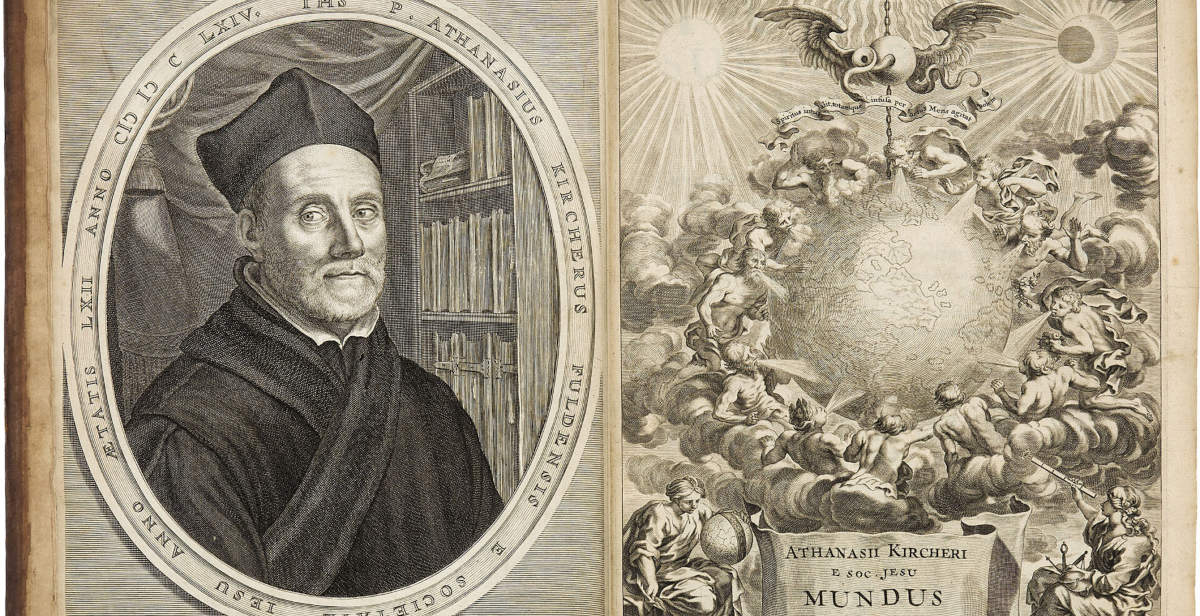
The exhibition reconstructs this narrative universe through 70 volumes and a series of original images that accompanied the narrative. The materials come from the bibliographic and scientific heritage of Umberto Eco’s collection of antique books and from the holdings of the Braidense Library. Also on display are several of Eco’s handwritten pages, featuring drawings, annotations, and reflections related to the writing of the novel.
The connection to the protagonist’s experience is further explored through tools specially created for the occasion, which engage visitors through the reproduction of sounds, visuals, and lighting. The exhibition also features some of the navigational instruments mentioned in the novel, on loan from the Museo Galileo—Institute and Museum of the History of Science in Florence, metaLAB Harvard, Berlin, and xyComm. These include a quadrant from 1686, an 18th-century nautical compass, a 17th-century astronomical ring that also functions as a sundial, and a replica of Galileo’s telescope, faithfully reproduced from the original. The exhibition is accompanied by a program of related events, including lectures and discussions with scholars on the themes addressed by the exhibition. The schedule will soon be available on the Braidense National Library’s website.
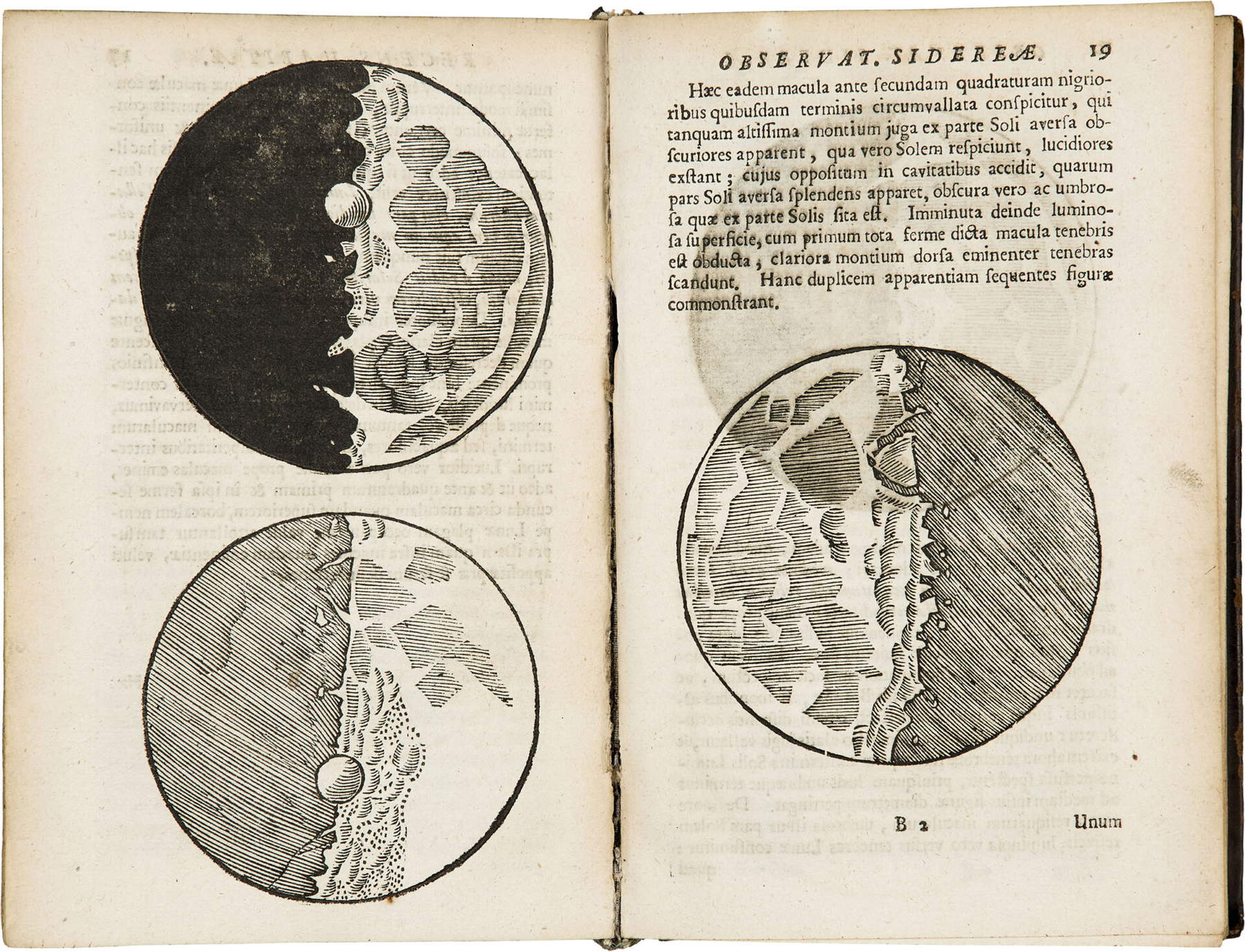
![Ulisse Aldrovandi, *Monstrorum historia*. With *Paralipomenis historiae omnium animalium*. Bologna, printed by Nicolai Tebaldini [i.e., Giovanni Battista Ferroni], 1642 [1657].](https://cdn.finestresullarte.info/rivista/immagini/2026/fn/ulisse-aldrovandi-monstrorum-historia.jpg)
There will also be activities for families with children ages 6 to 11. The program *Il viaggio delle meraviglie* (The Journey of Wonders ) offers guided tours and workshops throughout the various sections of the exhibition, featuring creative activities centered on maps, misconceptions, fantastical machines, memories, metaphors, and imaginary creatures. The experience concludes with the collaborative creation of a small “cabinet of curiosities.” The events, organized in collaboration with the Pasquinelli Foundation, will take place on Saturdays, October 17 and 31, November 14 and 28, and December 12, from 10 a.m. to 12 p.m.
 |
| Umberto Eco: Books, Science, and Navigation Take Center Stage in an Exhibition at the Braidense Library |

Warning: the translation into English of the original Italian article was created using automatic tools. We undertake to review all articles, but we do not guarantee the total absence of inaccuracies in the translation due to the program. You can find the original by clicking on the ITA button. If you find any mistake,please contact us.




















 IT
IT FR
FR DE
DE ES
ES CN
CN


