





“Inspiration Europe: Artistic Dialogues Between the 19th and 20th Centuries” is launching in Vicenza —a three-year exhibition project sponsored by the City of Vicenza and dedicated to Italy’s cultural and artistic ties with Germany, France, and Spain. The first installment will be “Italy-Germany: Painting and Sculpture from the 19th to the 20th Century.” From Canova to Kiefer, at the Basilica Palladiana from November 14, 2026, to May 2, 2027. The official opening is scheduled for November 13 in the presence of President of the Republic Sergio Mattarella.
The project was presented on October 6 in Rome, at the headquarters of the Foreign Press Association, by the mayor of Vicenza, Giacomo Possamai; the president of Marsilio Arte, Emanuela Bassetti; and the curators Gabriella Belli and Valerio Terraroli, in the presence of Deputy Prime Minister and Minister of Foreign Affairs and International Cooperation Antonio Tajani and the Ambassador of the Federal Republic of Germany to Italy, Thomas Bagger.
The concept behind“ spirationin Europe” stems from the encounters, journeys, and exchanges that have transcended the continent’s political and geographical borders. Over time, painters, sculptors, architects, designers, musicians, photographers, and intellectuals have built a network of influences that makes the history of European art not merely a succession of national schools, but also a history of relationships. Following “Italy–Germany,” the series will continue in 2027 with “Italy–France” and in 2028 with“ Italy –Spain.” Paintings, sculptures, photographs, works on paper, and documents will be contextualized within European political and social history, illustrating how cultural dialogue has often accompanied profound societal transformations.
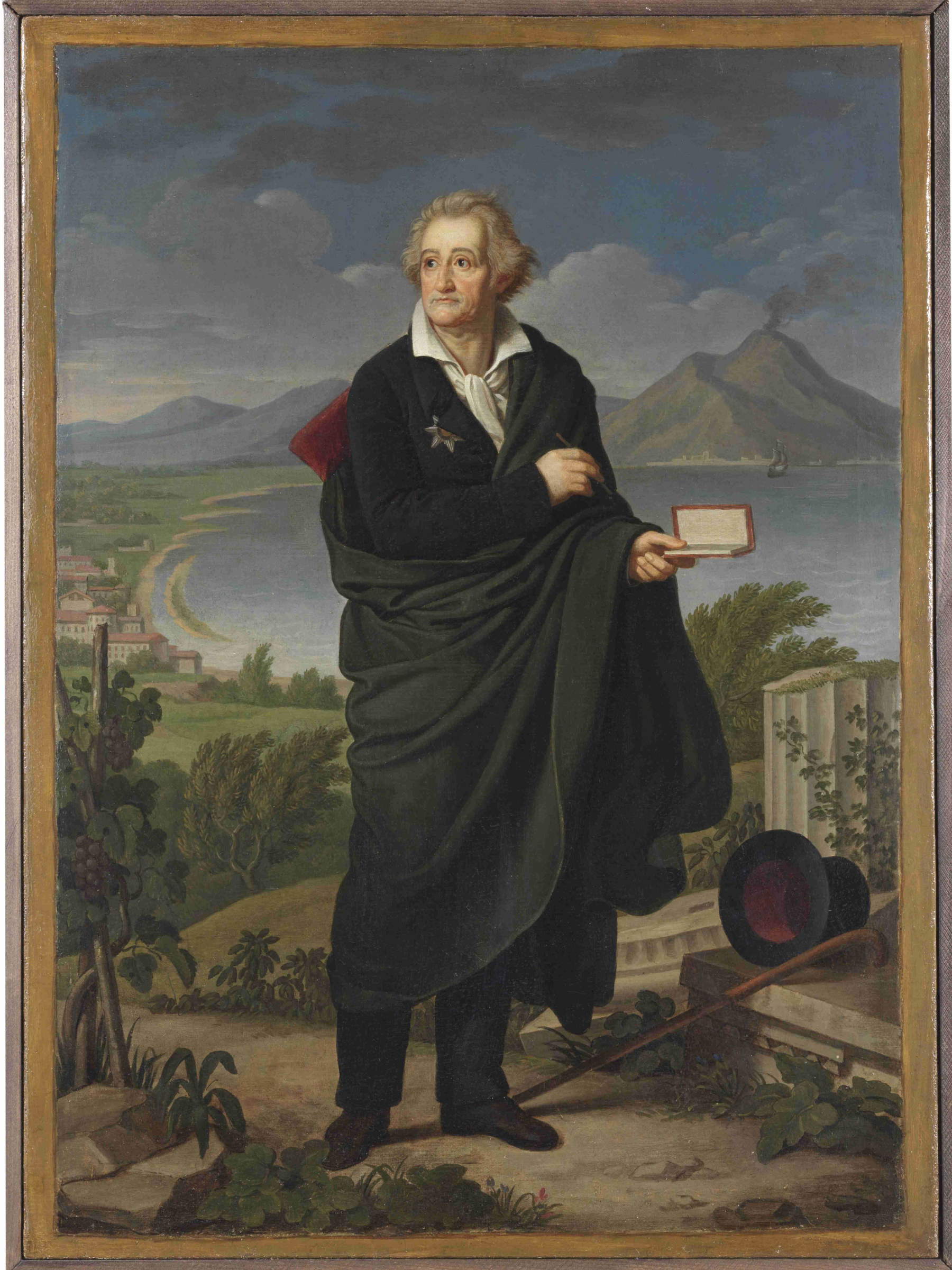
The first exhibition is a project of the City of Vicenza, promoted and organized by Marsilio Arte, the Andrea Palladio International Center for Architectural Studies, and the Fondazione Teatro Comunale Città di Vicenza. It is held under the High Patronage of the President of the Republic and with the patronage of the Embassy of the Federal Republic of Germany in Italy, marking the 75th anniversary of the resumption of diplomatic relations between the two countries.
Other collaborating institutions include the Mart—Museum of Modern and Contemporary Art of Trento and Rovereto, the Goethe House in Rome, Casagit Salute, and the Antonio Canova Gypsotheca Museum in Possagno. Intesa Sanpaolo is the Main Partner, while Mercedes-Benz and Trivellato are the Main Sponsors.
Curated by Gabriella Belli and Valerio Terraroli, the exhibition traces a network of journeys, encounters, and influences that transformed the language of art and Europe’s cultural vision. Art is interpreted as a“satellite system,” capable of intercepting messages, preserving legacies, and responding to societal crises. The guiding figure of the exhibition is Johann Wolfgang von Goethe, whose 1786–1788 Italian Journey represents one of the starting points of the cultural relationship between Germany and Italy: the Italian experience is interpreted as an encounter with the classical world, but also as an opportunity for ethical, inner, and artistic renewal.
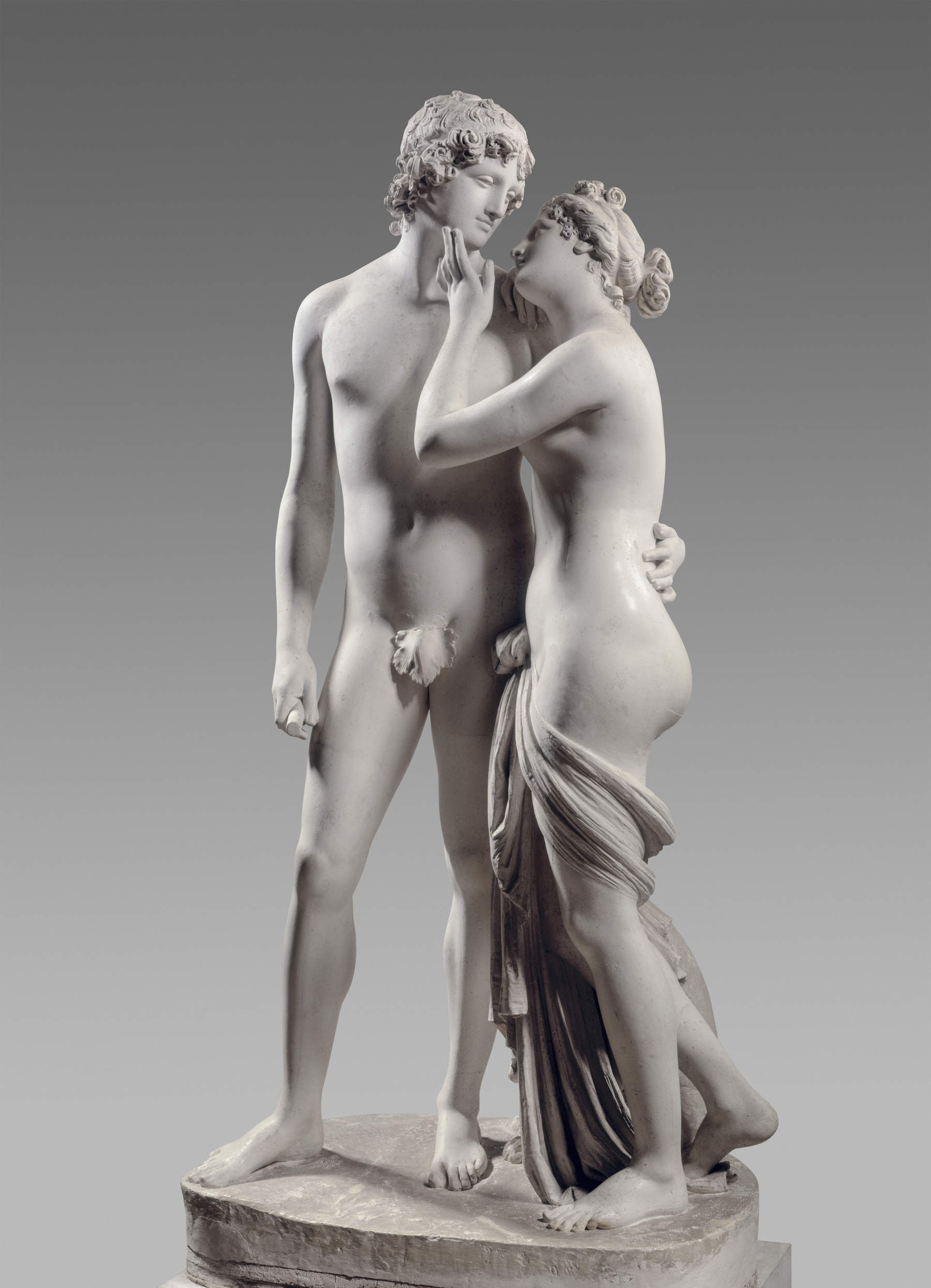
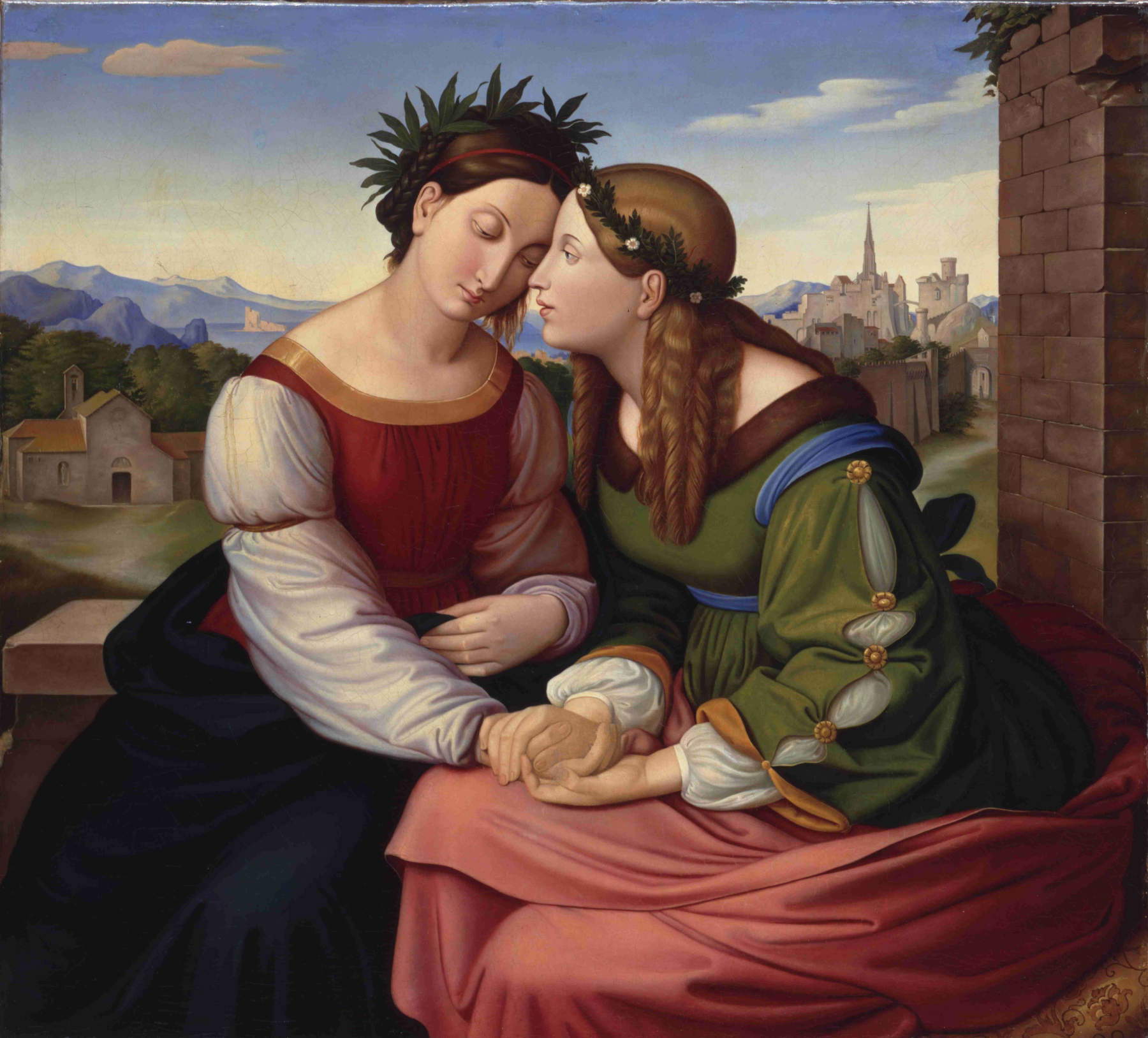
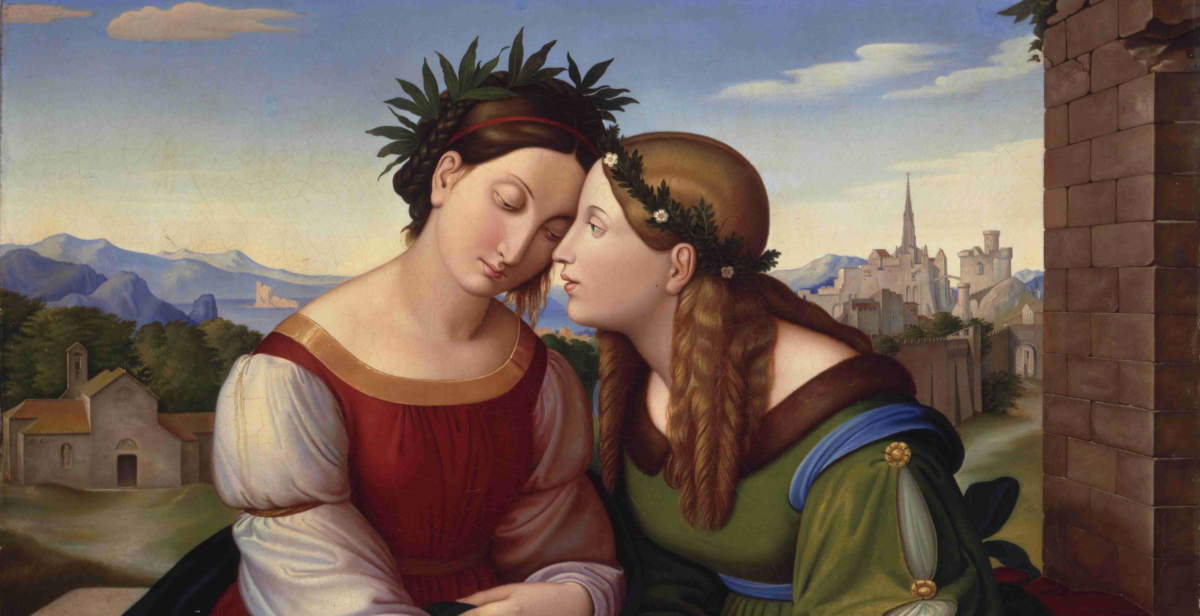
Toward the end of the 18th century, Italy became a favored destination for German artists and intellectuals interested in antiquity and the Renaissance. In Rome, the Nazarene community was founded, with Johann Friedrich Overbeck, Franz Pforr, and Peter von Cornelius, who were committed to reviving a moral style of painting inspired by the 14th and 15th centuries—from Beato Angelico to Perugino, and from the early Raphael to Dürer. Their artistic exploration engaged in a dialogue with that of the Italian Purists—including Pietro Tenerani and Tommaso Minardi—a relationship also reflected in allegorical works such as *Italy* and *Germany*. The discourse on European classicism also involved Antonio Canova and Bertel Thorvaldsen.
Toward the end of the 19th century, with Symbolism and the Secession movements, these exchanges intensified. Arnold Böcklin and Max Klinger became key influences for Giorgio de Chirico’s metaphysical painting and for the Italian Symbolists, including Giulio Aristide Sartorio and Adolfo De Carolis.
With the 20th century, the focus shifted to the avant-garde. In 1912 and 1913, the exhibitions organized by Herwarth Walden at the Der Sturm gallery in Berlin—includingthe Erster Deutscher Herbstsalon—established a connection between Italian Futurism and German Expressionism. Umberto Boccioni, Carlo Carrà, Gino Severini, and Luigi Russolo engaged with artists from Die Brücke and Der Blaue Reiter, including Franz Marc, August Macke, Emil Nolde, Karl Schmidt-Rottluff, Otto Dix, and Heinrich Campendonk. Futurism and Expressionism stem from different positions—oriented, respectively, toward dynamism and urban modernity, and toward interiority and existential drama—but their encounter contributes to the redefinition of the European artistic language.
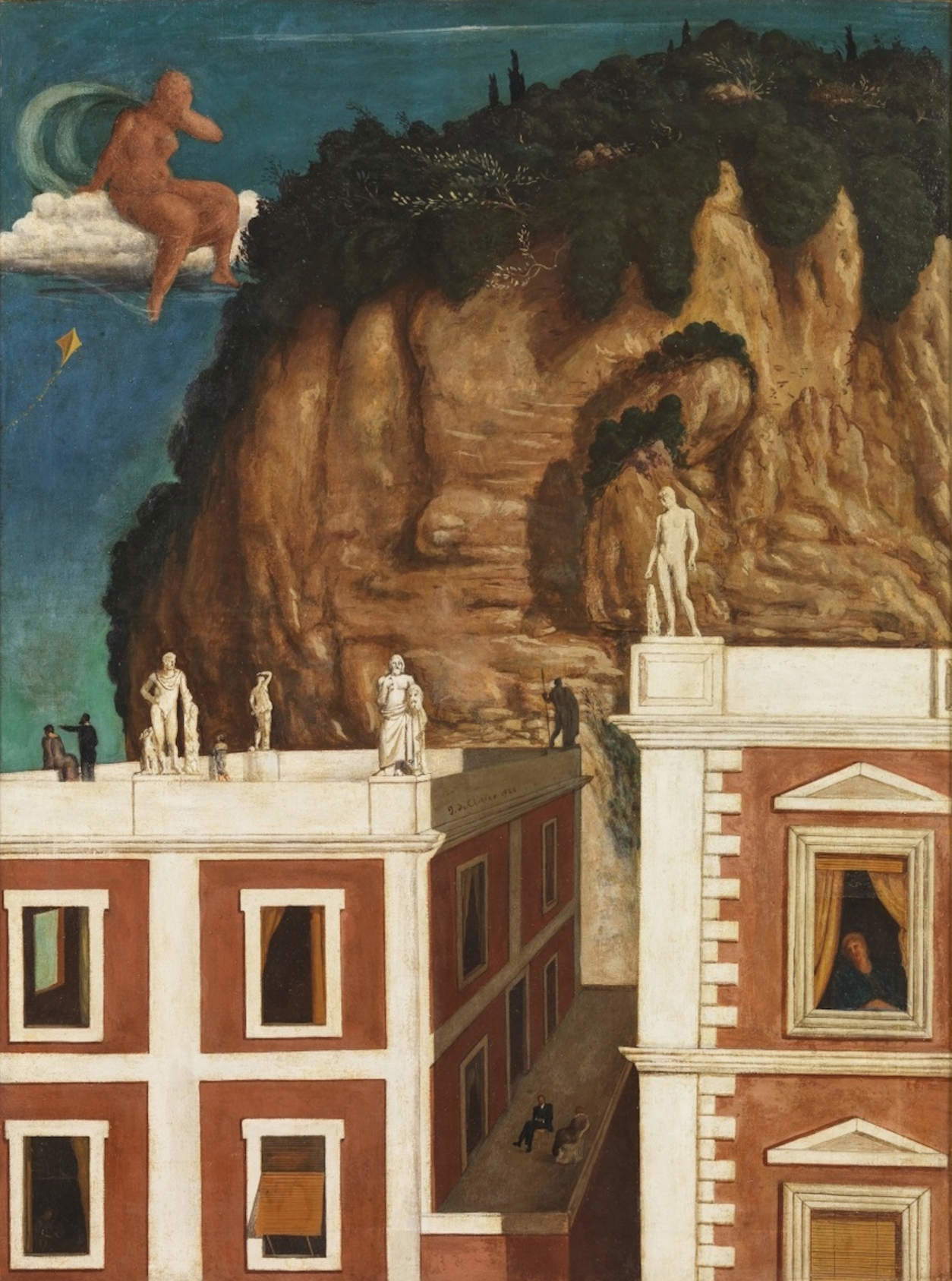
In the 1920s, following World War I, there was a return to figurative art. The German Neue Sachlichkeit addressed the unrest and decline of the Weimar Republic, while Italian Magic Realism—with artists such as Casorati, Donghi, Severini, Cagnaccio di San Pietro, Mario Broglio, and Oppi—transfigured everyday life into a suspended dimension.
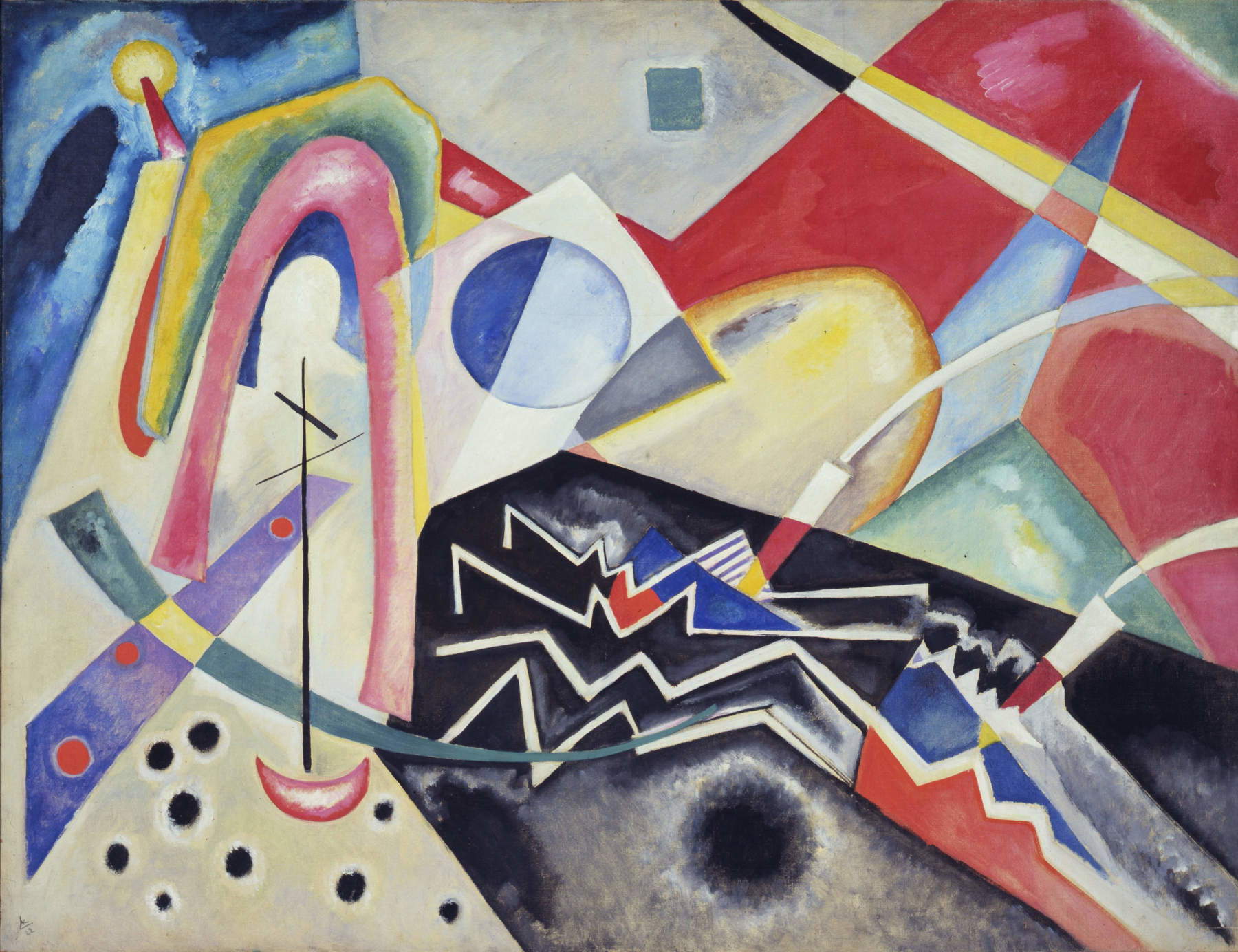
At the same time, geometric abstraction was developing. After the Nazi regime closed the Bauhaus in 1933, Milan became a hub for artistic experiments that had been banned in Germany. Centered around the Galleria Il Milione and architect Alberto Sartoris, Vasily Kandinsky, Josef Albers, and Willi Baumeister engaged in dialogue with Mauro Reggiani, Mario Radice, Luigi Veronesi, Fausto Melotti, and Lucio Fontana. Geometry also took on the meaning of an ethical choice and a form of freedom in the face of the rhetoric of authoritarian regimes.
After 1945, the relationship between art and memory became central. The works of Jenny Wiegmann Mucchi, Marino Marini, and Leoncillo; Emilio Vedova’s Berlin assemblages; and the Viennese Actionism performances by Arnulf Rainer, Hermann Nitsch, and Günter Brus bear witness to various ways of grappling with the tragedies of history. In 1958, the exhibition *Contemporary German and Italian Painters*, organized by Palma Bucarelli and Schweicher, brought together artists such as Alberto Burri, Emilio Vedova, Piero Dorazio, Karl Fred Dahmen, and Ernst Wilhelm Nay.
In the late 1950s, the Düsseldorf-based ZERO group—comprising Heinz Mack, Otto Piene, and Günther Uecker—established ties with the Milanese Azimuth scene, associated with Piero Manzoni, Enrico Castellani, Agostino Bonalumi, and Nanda Vigo, and ideologically guided by Lucio Fontana. Light, space, fire, nails, and monochrome surfaces replaced the traditional tools of painting in an international artistic exploration that included the Achrome works and “extroflexions.”
The exhibition then explores political, social, and ecological dimensions through Joseph Beuys and his relationship with Italy, particularly with Abruzzo and the action *La Difesa della Natura*(*The Defense of Nature*). His reflections on social sculpture and environmental protection find parallels in the Arte Povera of Merz, Penone, Anselmo, and Zorio, as theorized by Germano Celant.
Between the late 1970s and the 1980s, painting returned to the forefront with the German Neue Wilde—Georg Baselitz, Markus Lüpertz, Rainer Fetting, and Helmut Middendorf—followed by the generation of Neo Rauch and the Leipzig School. The exhibition contrasts this with the Italian Transavantgarde, theorized by Achille Bonito Oliva and represented by Sandro Chia, Francesco Clemente, Enzo Cucchi, Mimmo Paladino, and Nicola De Maria.
The exhibition concludes by posing the question “What is the purpose of art?” through the works of Emilio Vedova, Georg Baselitz, and Anselm Kiefer. The theme of memory and European cultural responsibility emerges from Vedova’s 1993 circular painting *Chi brucia un libro brucia un uomo* and from Kiefer’s canvas *Despedida*, inspired by the verses of Federico García Lorca. The exhibition is accompanied by a Marsilio Arte catalog featuring essays by Belli and Terraroli and contributions by Luca Massimo Barbero, Elisabetta Barisoni, Luca Crescenzi, Antonio d’Avossa, Flavio Fergonzi, Kay Heymer, Lucia Mor, Francesco Tedeschi, Alessandra Tiddia, Denis Viva, and Alessandro Zangrando.
The second exhibition, scheduled for 2027, will be dedicated to the relationship between Italy and France, with a particular focus on the 19th century. The exhibition will begin with the show organized in 1874 at Nadar’s studio—in which Giuseppe De Nittis participated—and the Impressionists, before exploring the role of Goupil & Cie in promoting Italian artists such as Boldini, De Nittis, Michetti, Corcos, Morelli, and Mancini in France.
The exhibition will compare the Barbizon School of Jean-François Millet and Jean-Baptiste-Camille Corot with the Macchiaioli and the Scapigliatura movement of Tranquillo Cremona and Daniele Ranzoni, also through the role of the art dealers Vittore and Alberto Grubicy. The exhibition will then proceed from the Pointillism of Georges Seurat, Paul Signac, and Henri-Edmond Cross to the Divisionism of Pellizza da Volpedo, Segantini, Morbelli, and Previati; then from the Cézanne-Segantini comparison to the avant-garde movements, from de Chirico’s Metaphysical Art to the Surrealism of Breton, Masson, Arp, and Tanguy, in dialogue with Savinio. Enrico Prampolini and Alberto Magnelli will represent the transition toward abstraction. The conclusion will be dedicated to the French Informel of Fautrier, Riopelle, and Hartung and to the Italian Informel of Burri, Vedova, Morlotti, and Afro.
In 2028, the focus will shift to “Italy and Spain,” expanding the timeline to the late 16th century. El Greco, who trained in Venice alongside Titian and Tintoretto, and Caravaggio will open the narrative, followed by the Italian influence on the Spanish painting of Velázquez and Ribera. Luca Giordano and Tiepolo will be linked to Goya, while Francisco Preciado de la Vega will represent a further connection between the two countries.
Between the 19th and 20th centuries, Rome and Venice served as meeting points for Spanish artists such as Mariano Fortuny y Madrazo, Ignacio Zuloaga, and Joaquín Sorolla, who also participated in the early Venice Biennales. The 20th century will be marked by Picasso, who arrived in Italy in 1918 to collaborate with Sergei Diaghilev’s Ballets Russes and came into contact with Balla and Depero. From the dialogue with Dalí, Miró, Juan Gris, Julio González, and Pablo Gargallo, the exhibition will move on to the relationship between Surrealism, de Chirico, and Savinio.
The final section will focus on the post-World War II period, from Emilio Vedova’s *Per la Spagna* cycle to the works of Antoni Tàpies and Manolo Millares. Eduardo Chillida will also be featured; he participated in the 1962 exhibition *Sculture nella Città*, curated by Giovanni Carandente as part of the 5th Festival dei Due Mondi in Spoleto. The exhibition will conclude with the Equipo Crónica group and artists such as Manolo Valdés and Eduardo Arroyo, in dialogue with the Italian scene represented by Tano Festa and Mario Schifano.
With three exhibitions dedicated respectively to Germany, France, and Spain, *Ispirazione Europa* thus offers a journey through the circulation of ideas, artists, and artistic languages that has shaped the history of European art from the late 18th century to the 20th century. The first exhibition will be on view at the Basilica Palladiana in Vicenza from November 14, 2026, to May 2, 2027, following the opening on November 13.
 |
| Vicenza: Italian Art Engages with Europe in a New Trilogy of Exhibitions |

Warning: the translation into English of the original Italian article was created using automatic tools. We undertake to review all articles, but we do not guarantee the total absence of inaccuracies in the translation due to the program. You can find the original by clicking on the ITA button. If you find any mistake,please contact us.






















 IT
IT FR
FR DE
DE ES
ES CN
CN


