



by
Ilaria Baratta  @ilaria.lilly
25/11/2026



Categories: Interviews / Disclaimer
In this interview with Ilaria Baratta, Ravenna-based artist Federica Giulianini—winner of the 2026 Pannaggi/Nuova Generazione Prize—discusses her artistic practice, her relationship with memory and the contemporary world, and her desire to use painting to create spaces of resistance to the fast pace of the present.


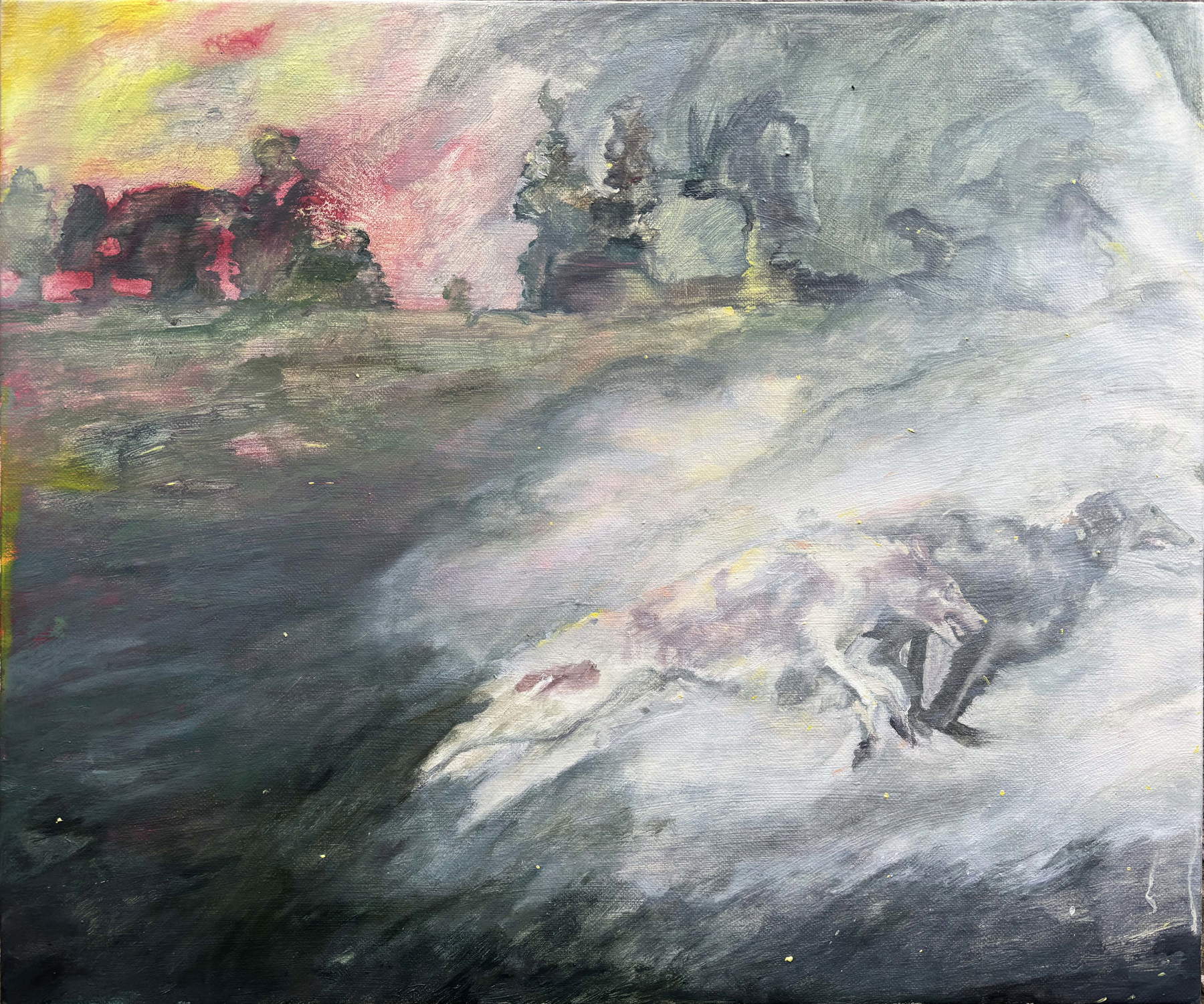
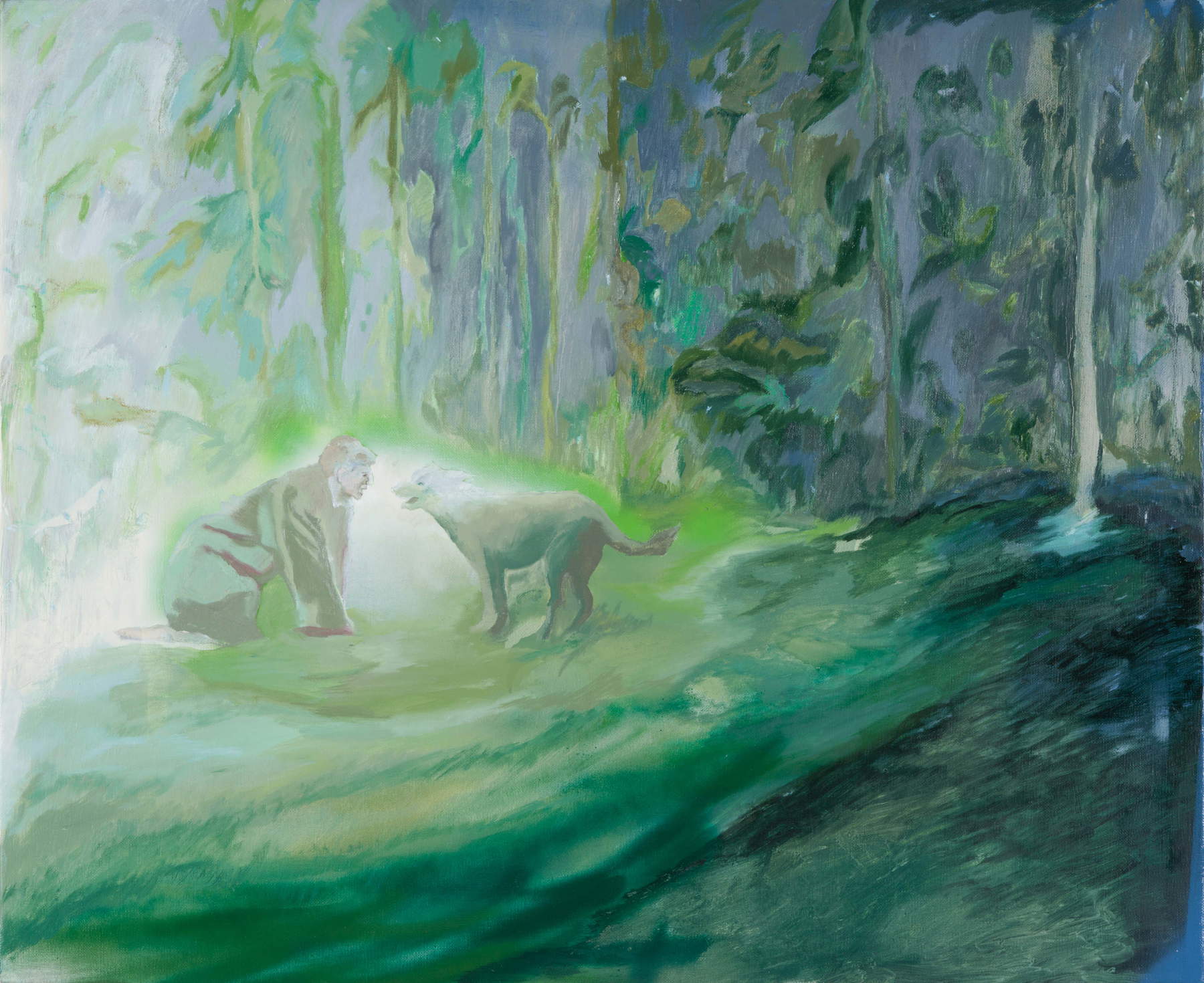
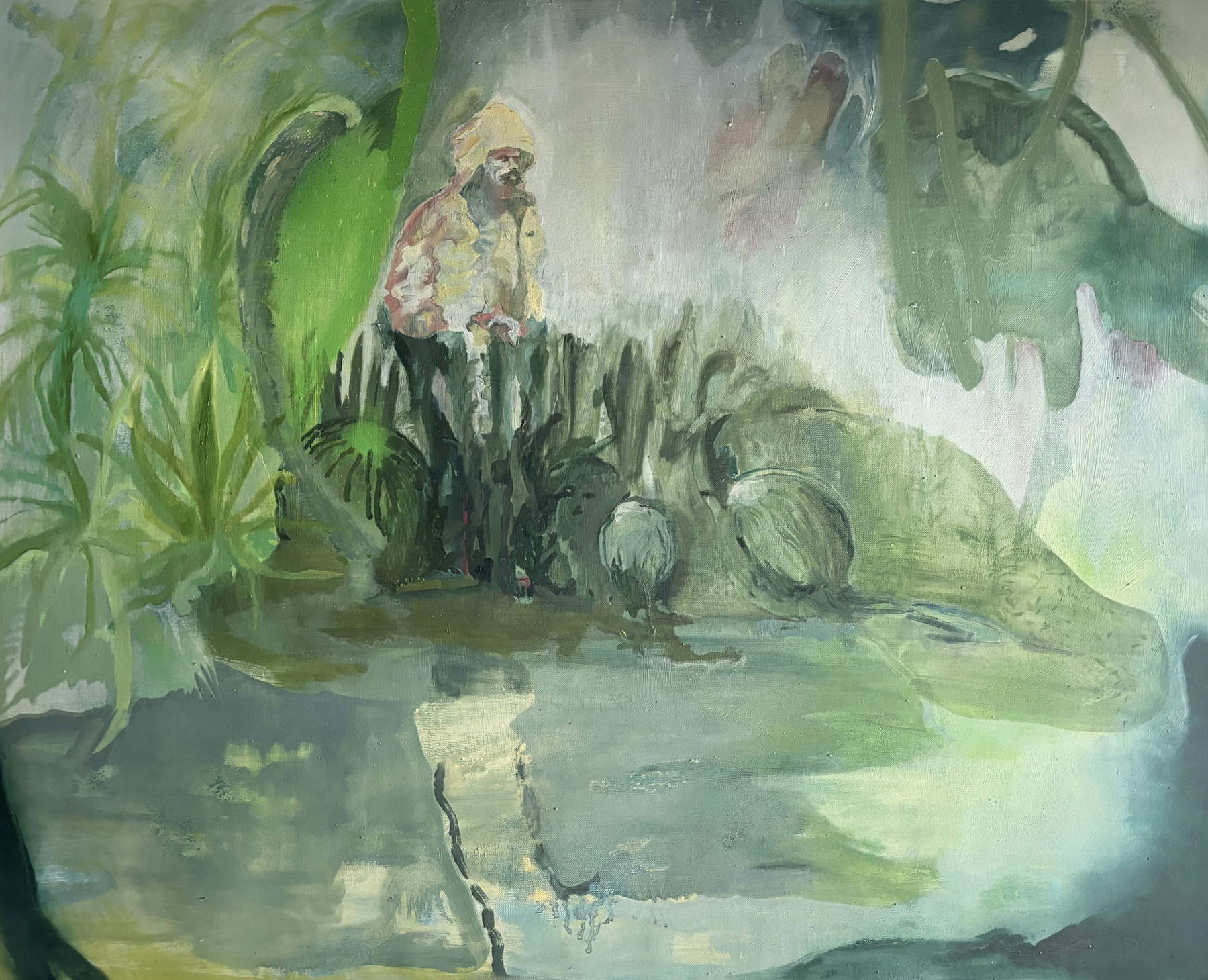
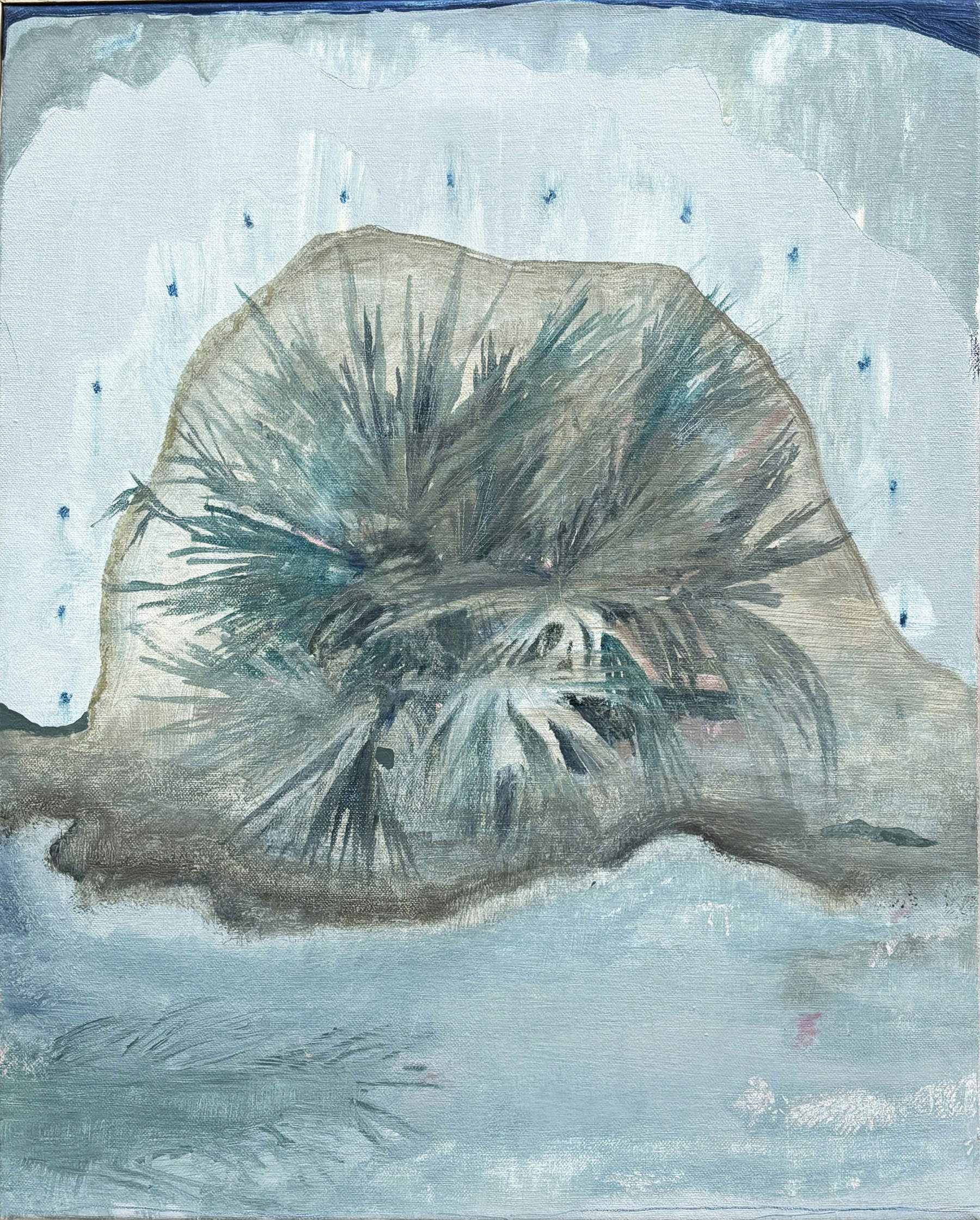
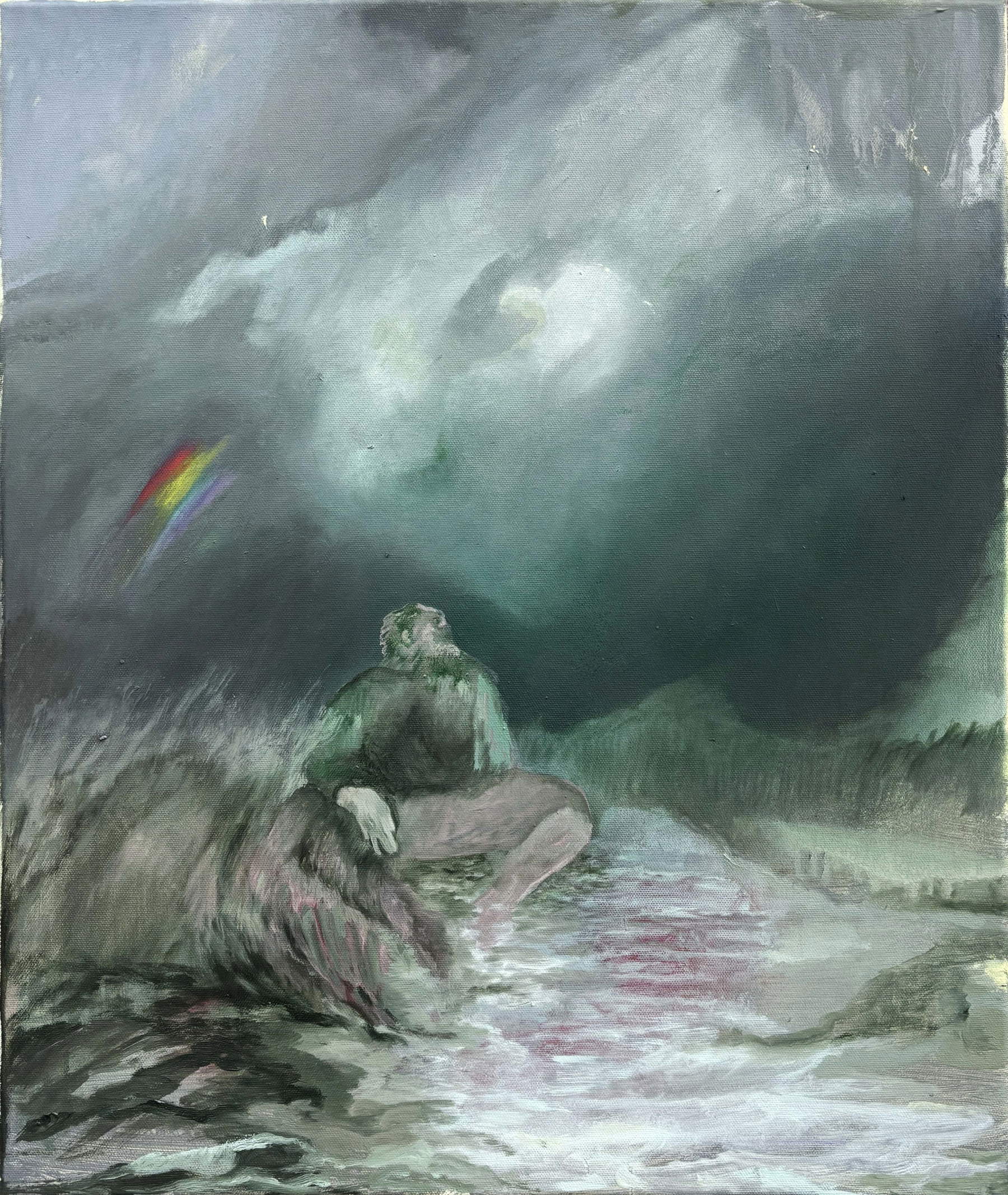
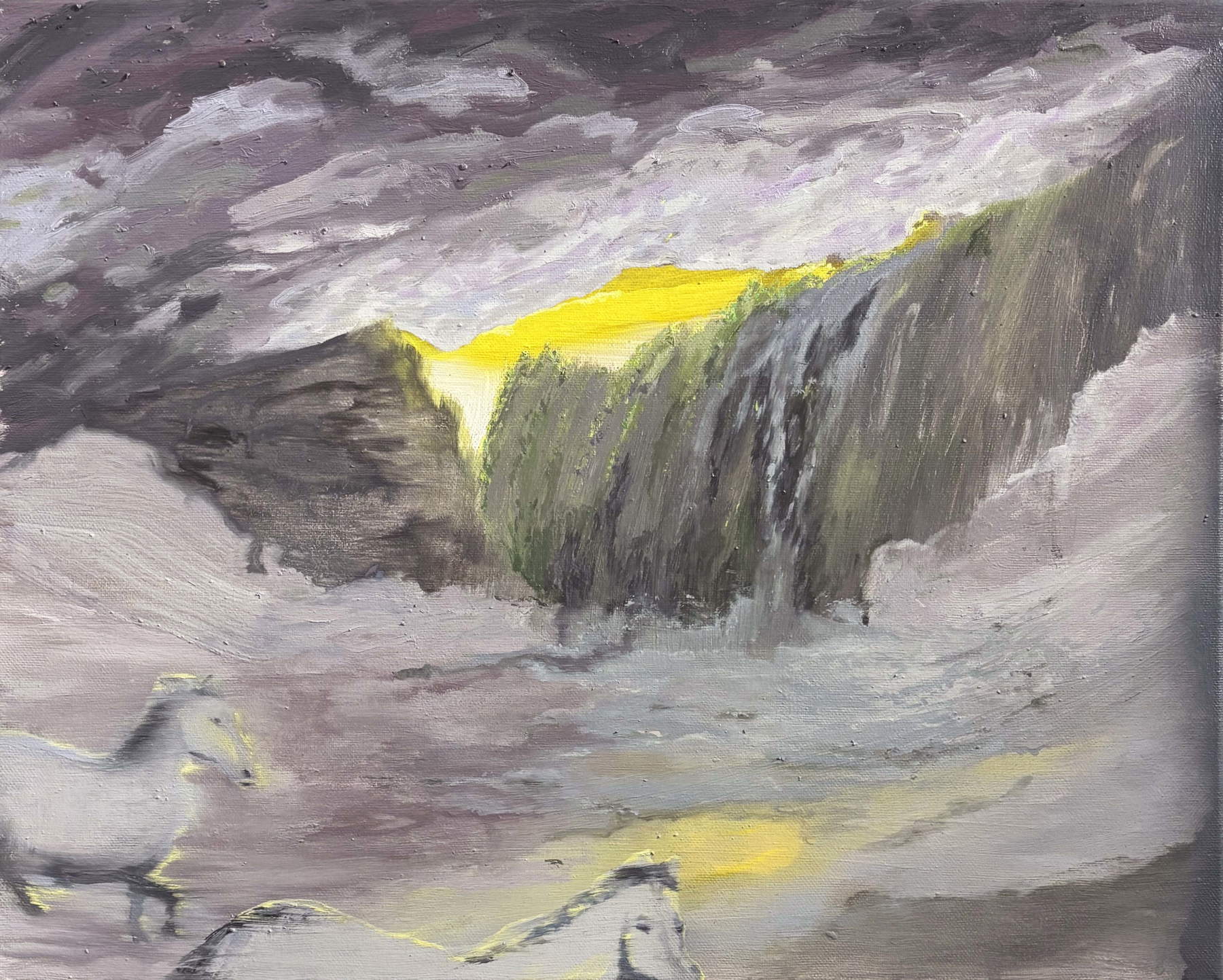
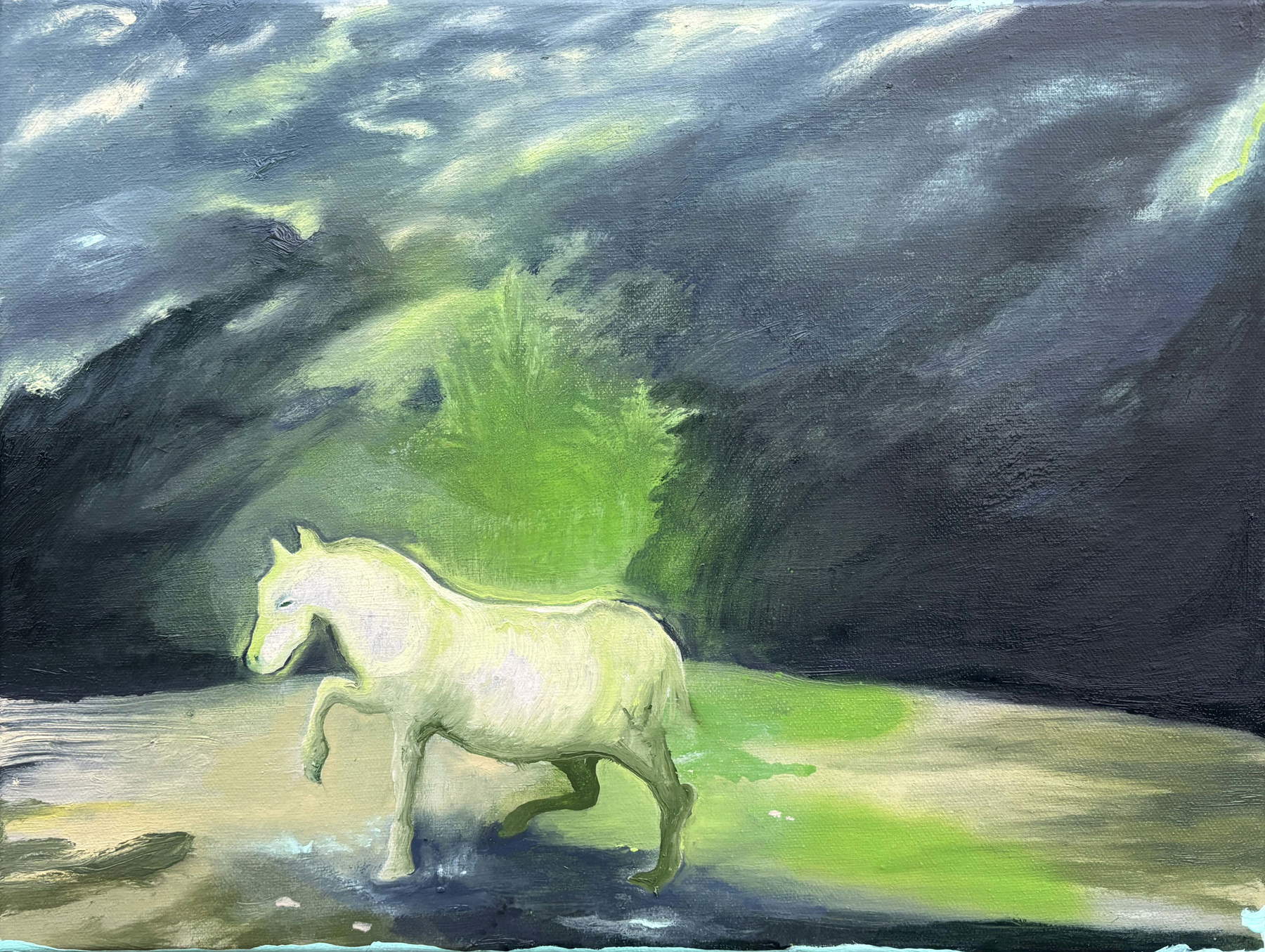
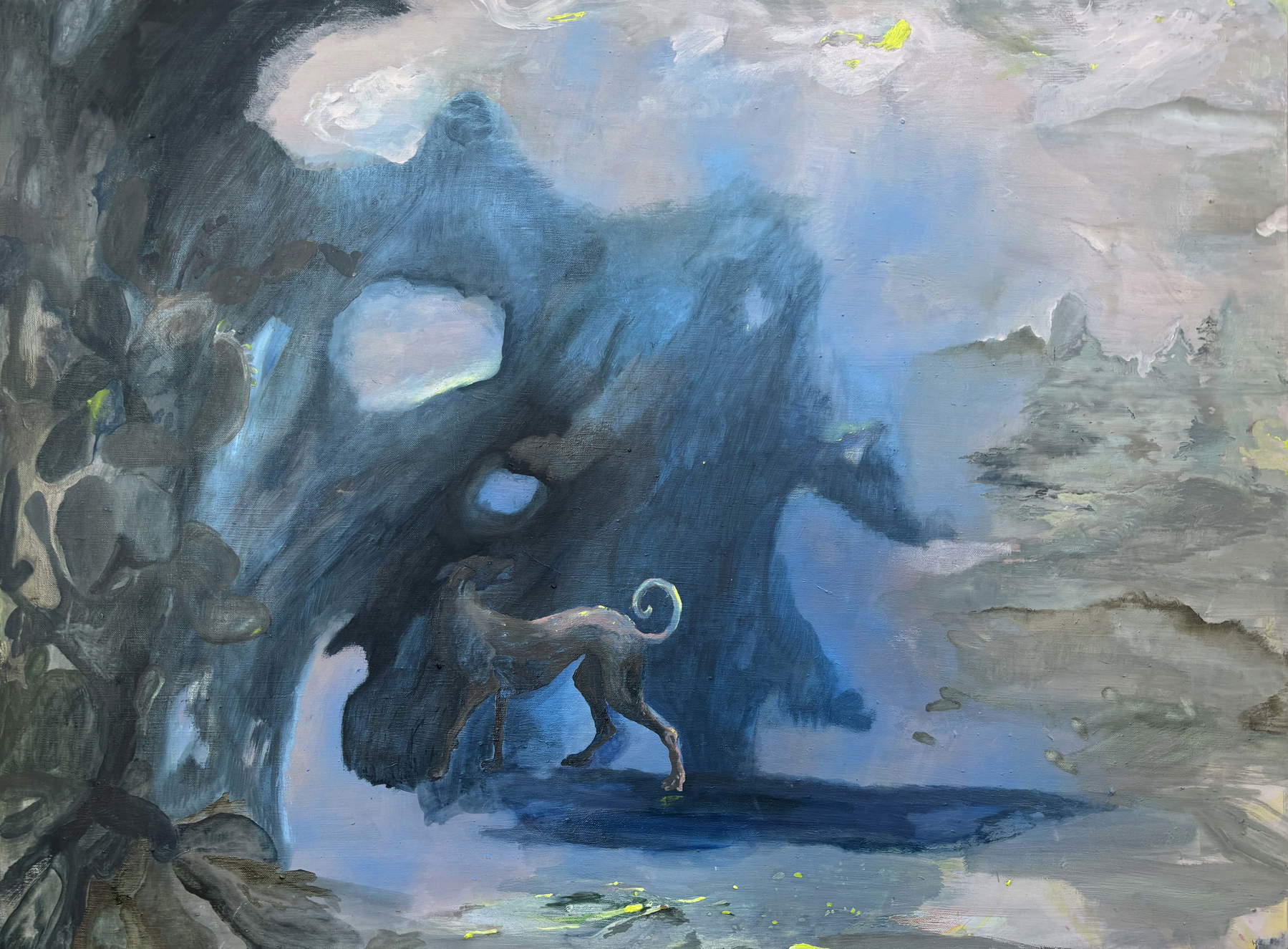
An artist and painting instructor at the Academy of Fine Arts in Florence, Federica Giulianini (Ravenna, 1990) explores a body of work in which nature, memory, and imagination intertwine, giving rise to worlds suspended between the past and the present. Winner of the 2026 Pannaggi/Nuova Generazione Award, the Ravenna-based artist presents her solo exhibition NEVERLAND at the Civic Museums of Palazzo Buonaccorsi in Macerata—an invitation to inhabit uncharted spaces, where painting becomes a place of resistance to the fast pace of the present, of healing, and of wonder. In this interview with Ilaria Baratta, she tells us about her “Neverland,” the value of the painterly gesture, and the responsibility of art to nourish the gaze and open up new possibilities for the future.


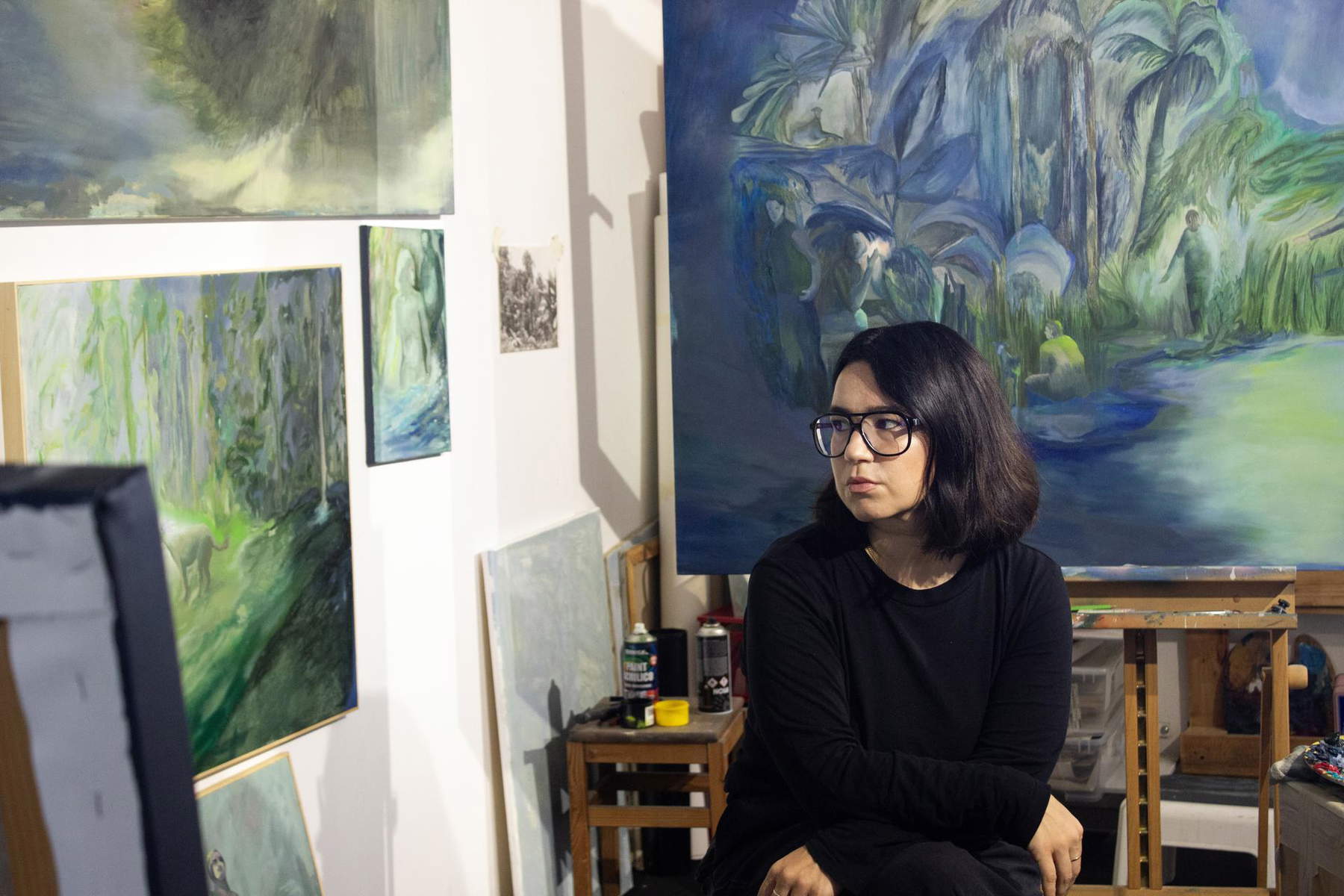
IB. Let’s start with the solo exhibition opening in a few days in Macerata, *Neverland*: a very evocative title that refers to Neverland. What is your Neverland? You’ve described it as a “place to truly inhabit”—what do you mean by that?


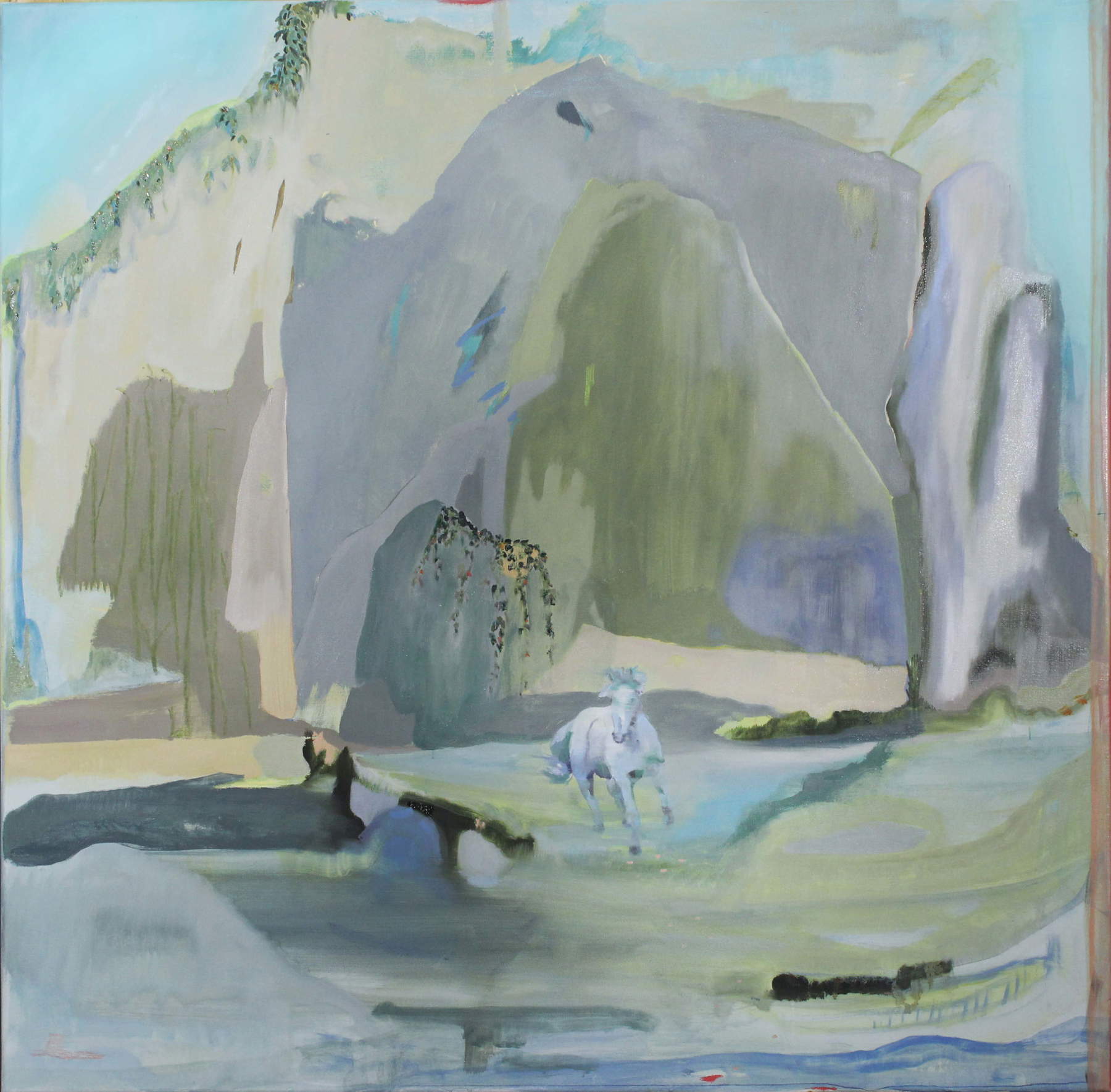
FG. The theme of the island fascinates me immensely. I’ve been working on it since 2020, with a project titled *Contemporary Islands* that brings together my latest paintings. Neverland, the Land of Neverland, is my attempt to use painting to create spaces—microworlds—that we don’t yet fully understand. The island appeals to me because it’s a circumscribed place that you can take in at a glance, yet within it you can discover things you’ve never seen before. When I say it’s a “place to truly inhabit,” this is what I mean: the island is the opposite of the speed that surrounds us. On the mainland, time flows in one way; on the island, it has different constants. I think of Derek Walcott, who reflects on the sea and the islands. He said that the sea is history and that on islands you can discover something that has been lost elsewhere. So, my “Neverland” is a bit like that: an attempt, through painting, to rediscover a space of resilience and wonder, where time moves more slowly and questions can still find a place.


You were awarded the 2026 Pannaggi/Nuova Generazione Prize, a major award now in its ninth edition, created to promote young artists under 40 in the Marche Region. The jury’s statement highlights some central aspects of your work, such as the dialogue between memory and the contemporary, the care you bring to your work, and the possibility of imagining new forms of coexistence; “an ‘elsewhere’ that leaves room for radical questions for those who immerse themselves in your work, free from the armor of prejudice and open to experiential enjoyment for a sentimental education, as if it were a magical sphere revealing the time to come, a Neverland for future New Inhabitants.” Do you identify with this interpretation of your work?
Yes, the Marche region was my workplace during my previous teaching position in Painting at the Academy of Fine Arts in Macerata. I certainly identify fully with the jury’s statement, because it highlights elements such as emotion, empathy, and a sense of responsibility toward those who will view the work—elements that are at the heart of my artistic exploration. The new inhabitants I imagine through painting are, for me, a training ground for the gaze—a place to cultivate attention and wonder, so that we may be ready to inhabit the future with semi-new eyes.
In your opinion, how difficult is it today for young artists to find a place and gain visibility within the contemporary art system? And to what extent do you think it’s necessary to have one’s own artistic identity—one that’s recognizable within the broad contemporary art scene?
It’s very difficult. The contemporary art world is complex, arduous, and full of pitfalls that go far beyond talent. We could go on endlessly about this. Artistic identity, however, is important—and being authentic is even more so. Authenticity is the driving force that helps you navigate the system’s path so you don’t lose your way. In such a vast and crowded landscape, identity isn’t a mere quirk—it’s a necessity. It’s what allows you to build a trajectory that remains meaningful over time.
What value do you attribute to the act of painting?
For me, the painterly gesture holds all the value it can possibly have.
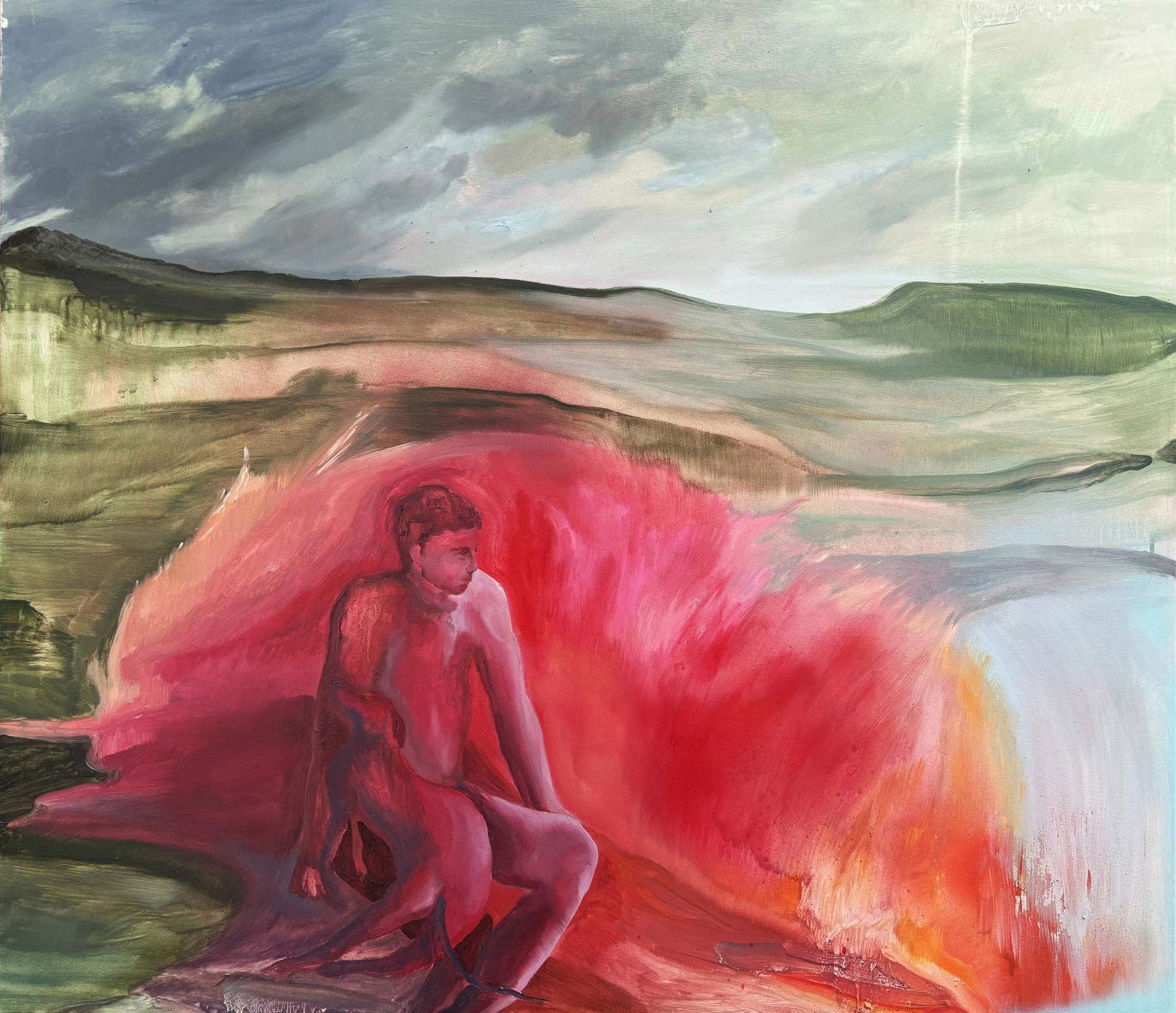
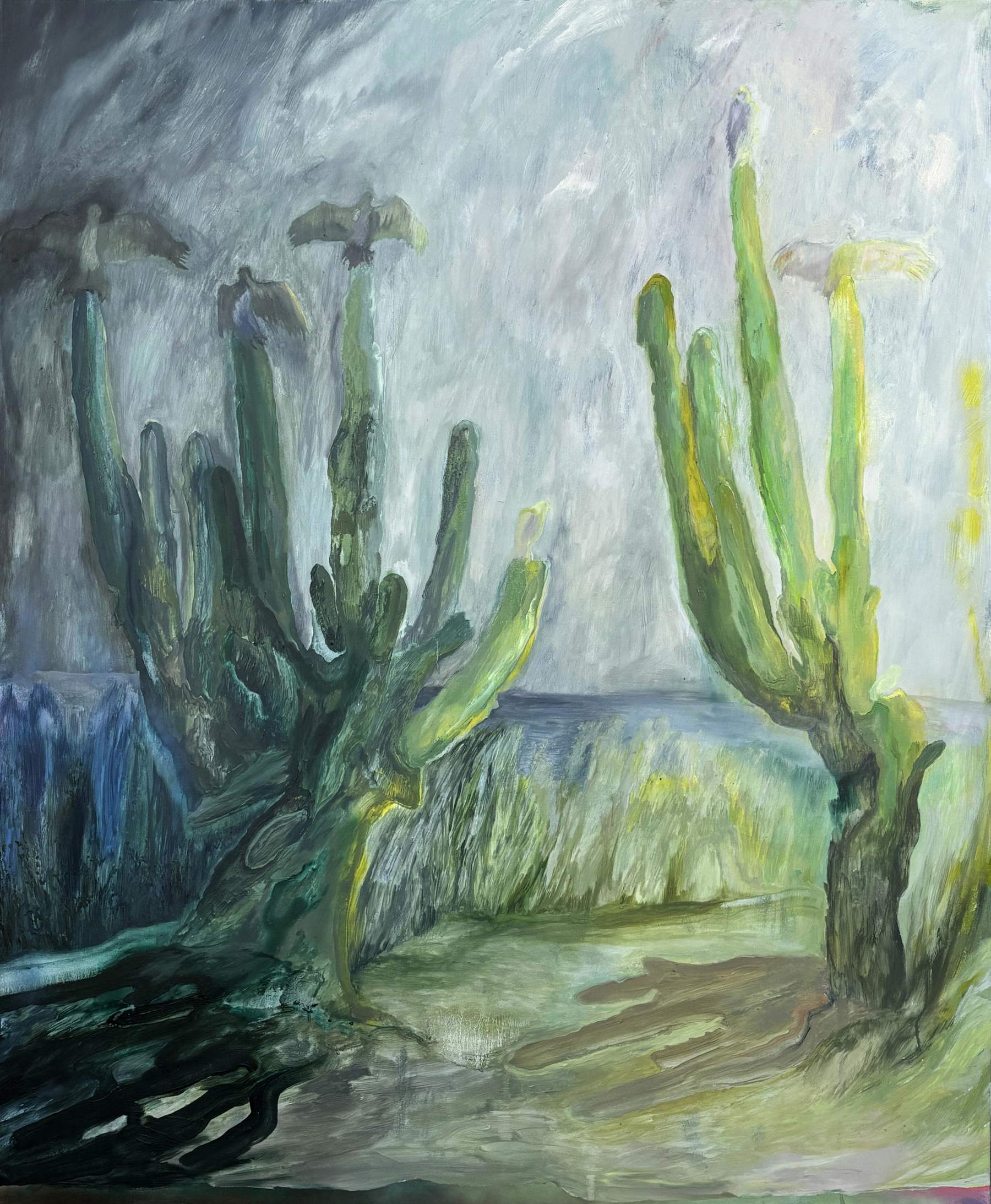
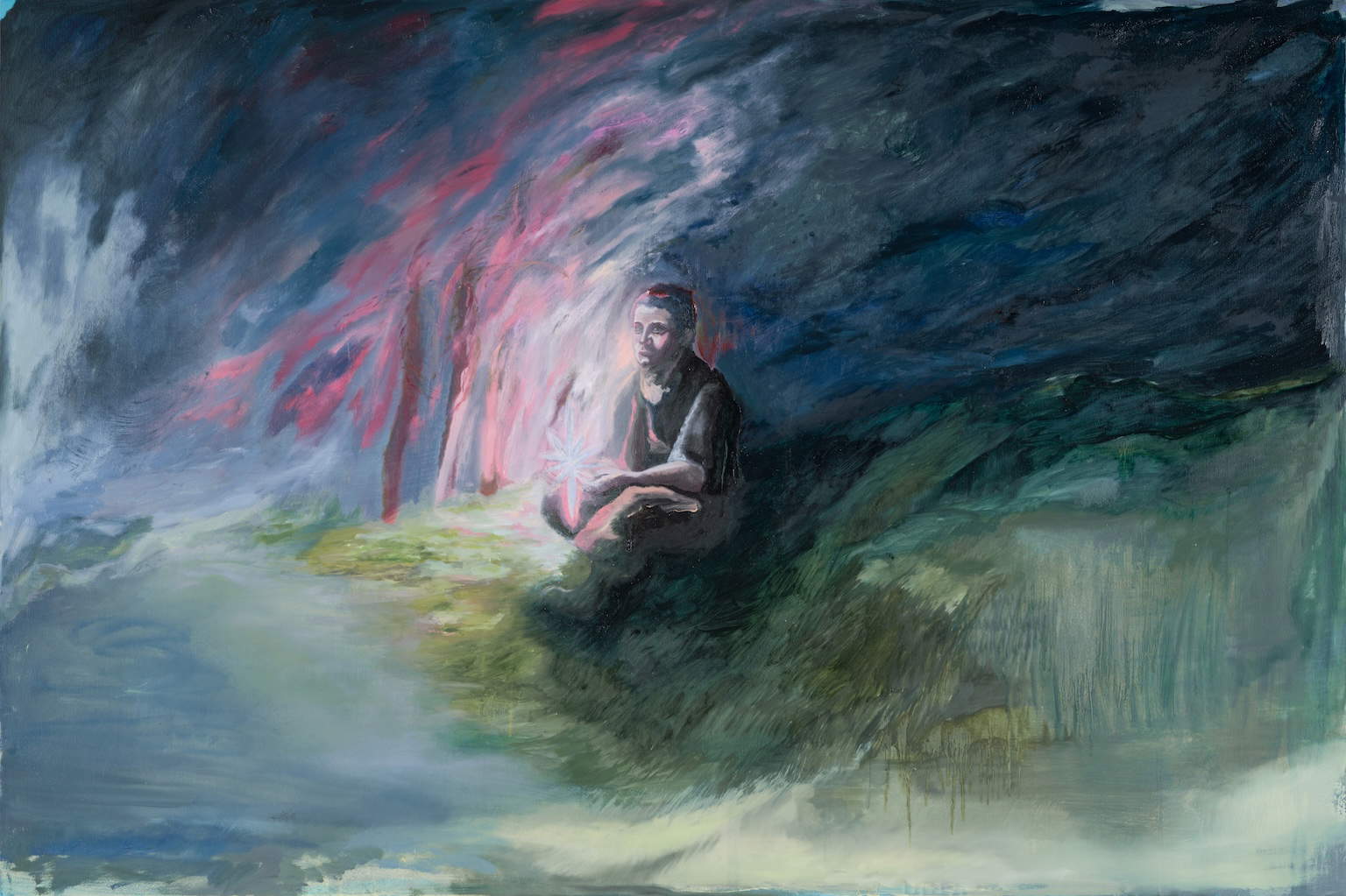
In your works, the figures seem to emerge from undefined, molten backgrounds through layers of color and glazes. Is this a choice rooted in a desire to leave the images open to multiple interpretations, or does it reflect a specific vision of reality?
I try to leave the images open to free interpretation. I like to think that a painting can offer different readings. I find that stimulating.
What is your relationship with color in the construction of your images?
Color is my grammar. I have a visceral, intense relationship with color. It is the foundation of my images, the regulator of the situation I want to paint and the meaning I want to give to the image.
Which artists, movements, or periods in art history have most influenced your development?
There are several: I feel a particular affinity for the Northern Renaissance, Mannerism, European Symbolism, and Magic Realism. I’m also fascinated by and connected to Late Naturalism, the Leipzig School, and Matthew Barney ’s *Cremaster Cycle *. Each of these influences has left a mark on my work.
In your art, the past and the present coexist: what do you think is the right balance for a harmonious coexistence between the two?
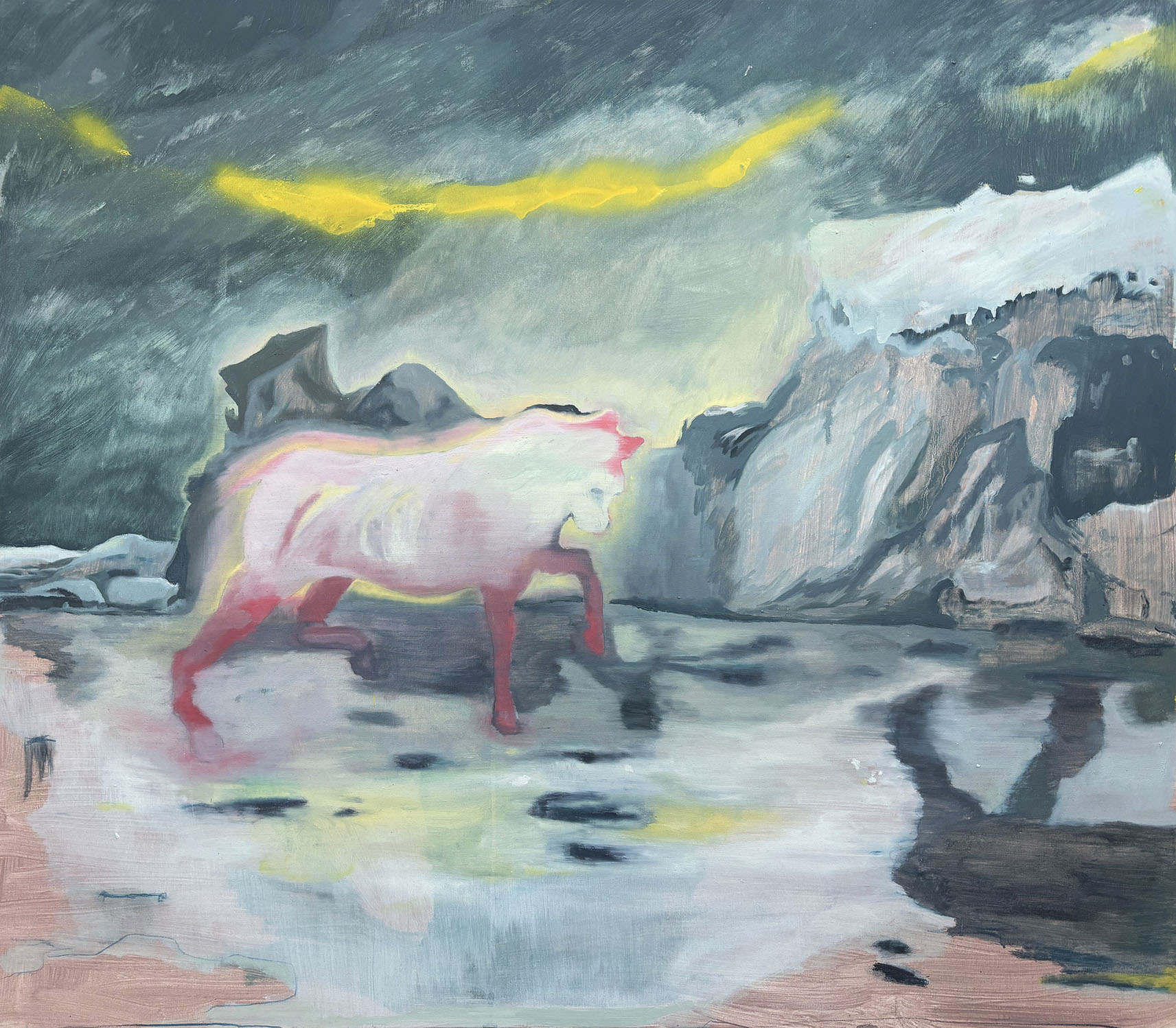
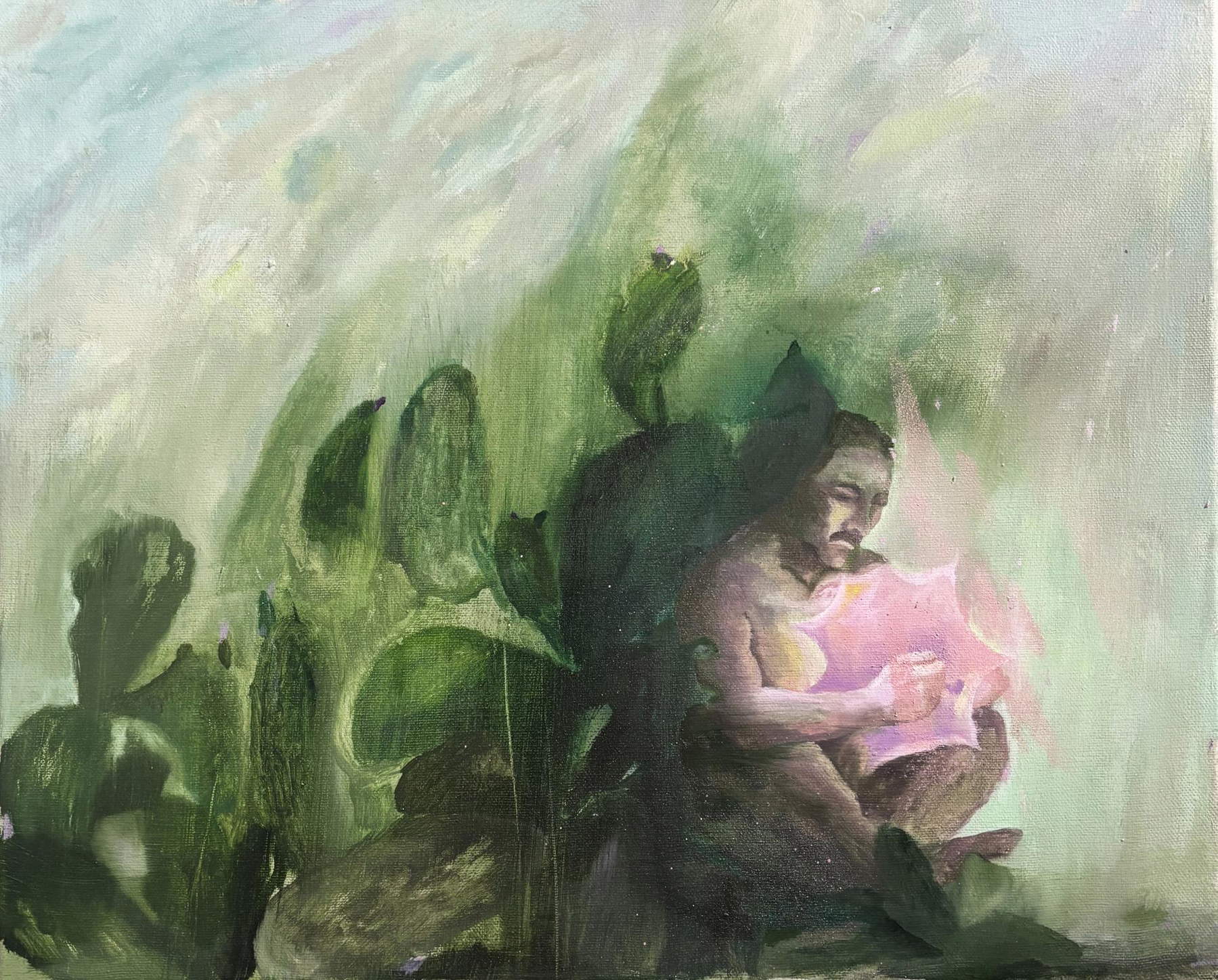
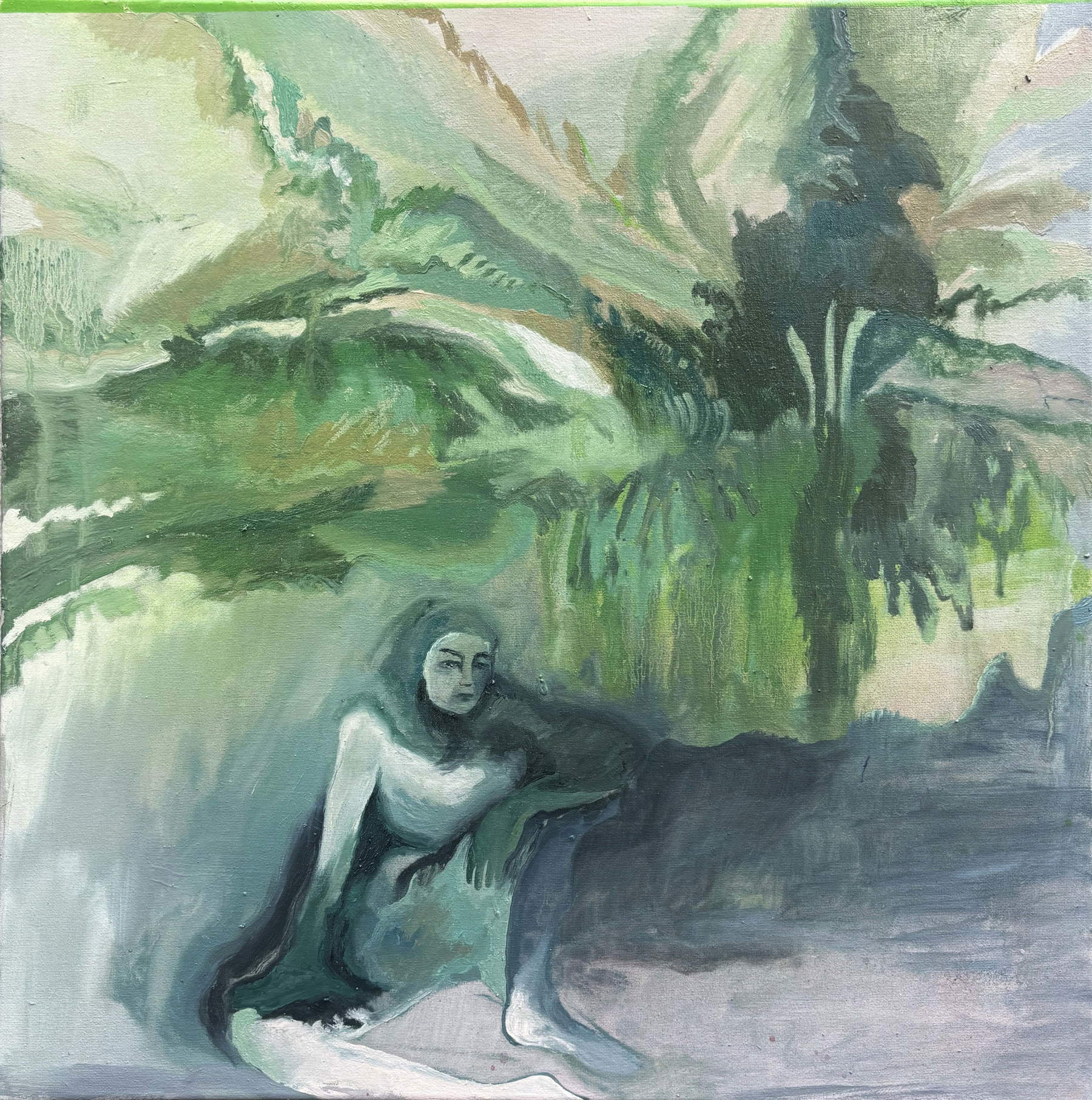
I believe the right balance is one where the two do not cancel each other out, but rather nourish one another. We must not forget where we came from, because that is where the roots of who we are lie. But those roots must not become a cage; they must serve as a starting point for questioning the present and imagining the future.
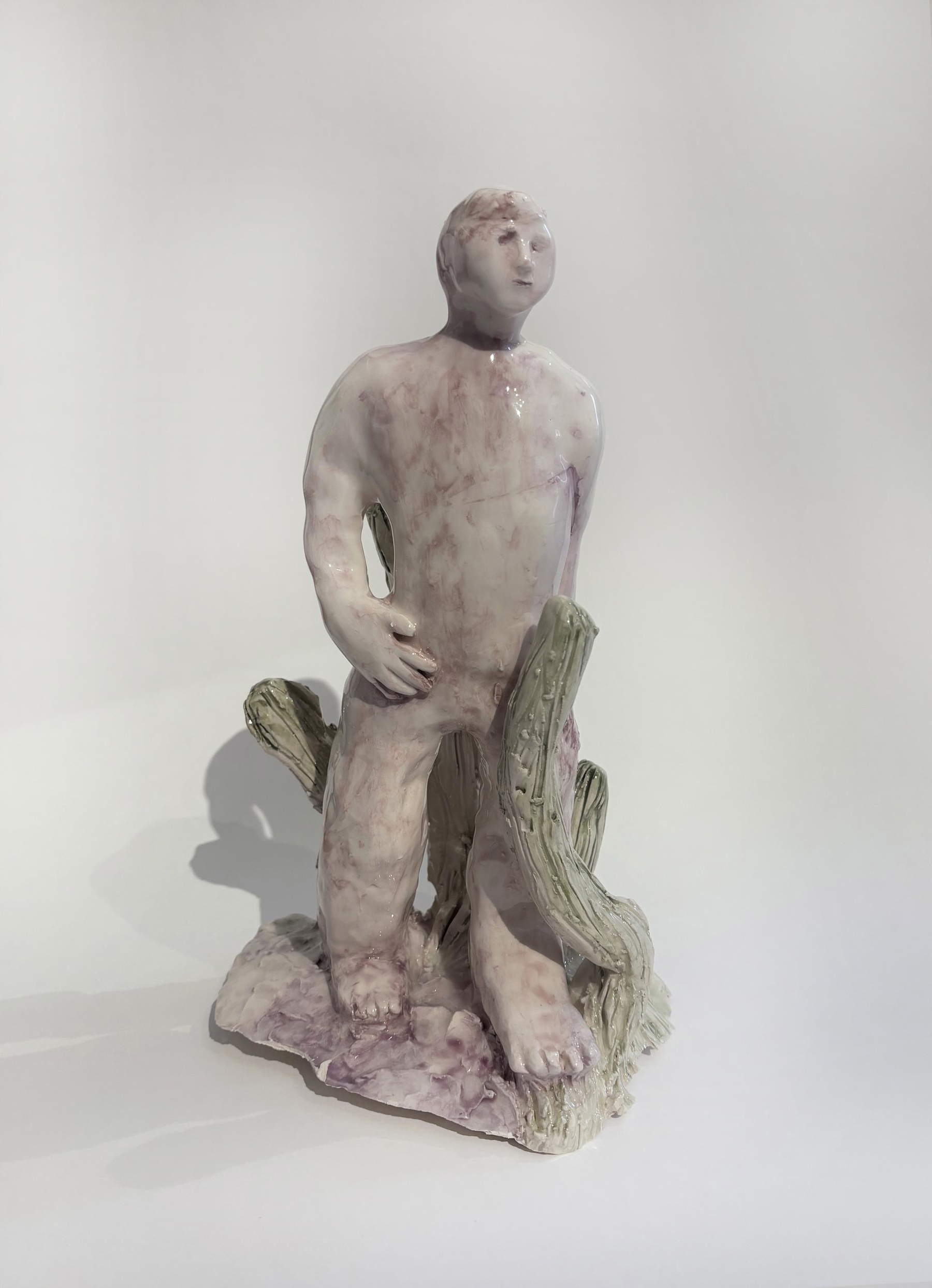
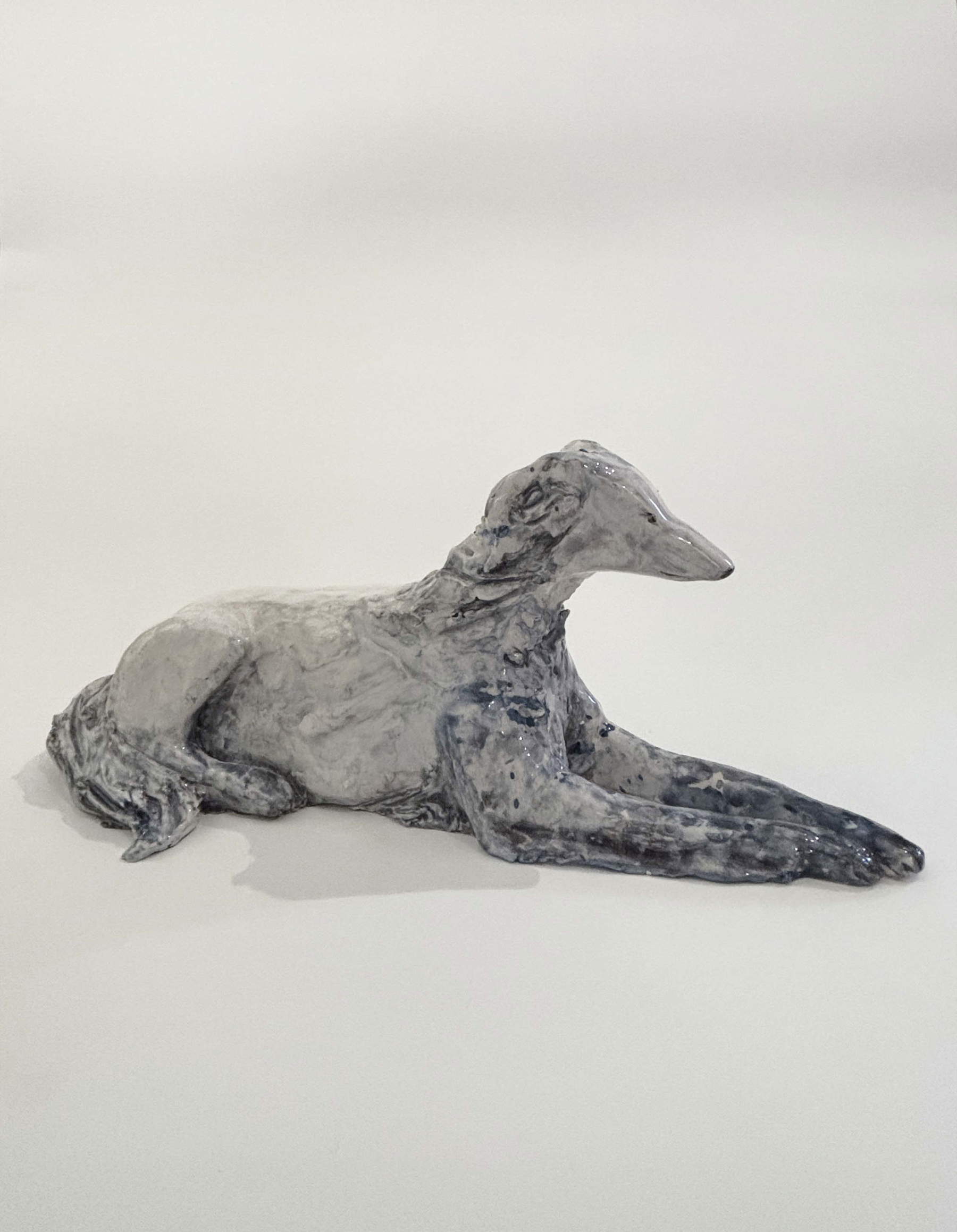
In your artistic practice, you combine painting with ceramics. What fascinates you about this material, and what expressive possibilities does it offer you compared to painting?
For me, ceramics is another way to bring my characters to life, to let them inhabit the world. I find it the ideal medium for giving form to my archetypes in a three-dimensional space—as if, unlike in painting, they were stepping out of their painted setting and taking on a physical, tangible presence in our everyday world.
What sense of urgency do you feel you share with many painters today?
There are two urgencies: the first is to defend the slowness and materiality of painting in a world that’s moving faster and faster and that consumes images in an instant. And then there is an ethical urgency, which is perhaps the most important: to defend painting as a practice of care, responsibility, and connection. Not a self-referential art, but one that cares for the viewer, that leaves questions open, that does not consume but nourishes.
Warning: the translation into English of the original Italian article was created using automatic tools. We undertake to review all articles, but we do not guarantee the total absence of inaccuracies in the translation due to the program. You can find the original by clicking on the ITA button. If you find any mistake,please contact us.