




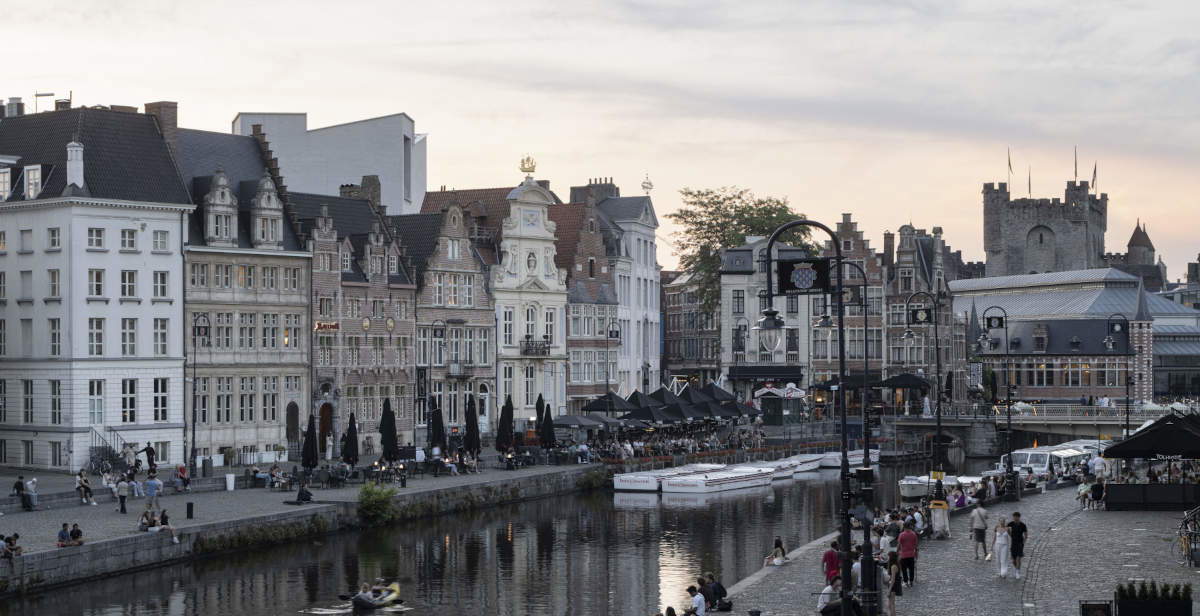
The Design Museum Gent will reopen to the public on October 3, 2026, following four years of renovation and expansion work on the museum complex in the heart of the city of Ghent, a site listed as a UNESCO World Heritage Site. The project has resulted in the construction of a new wing, the restoration of historic buildings, and the development of a new museum concept based on a central idea: everything is designed and, consequently, everything can be redesigned. This applies not only to everyday objects or urban spaces, but also to the rules, systems, and customs that organize society.
The museum, billed as Belgium’s largest design museum, aims to use design as a lens through which to examine contemporary social and environmental issues. The new program thus addresses themes such as sustainability, the relationship between technology and people, urban organization, and accessibility. Design is viewed not merely as a matter of form or aesthetics, but as a way of thinking through which to examine systems, objects, and everyday habits.
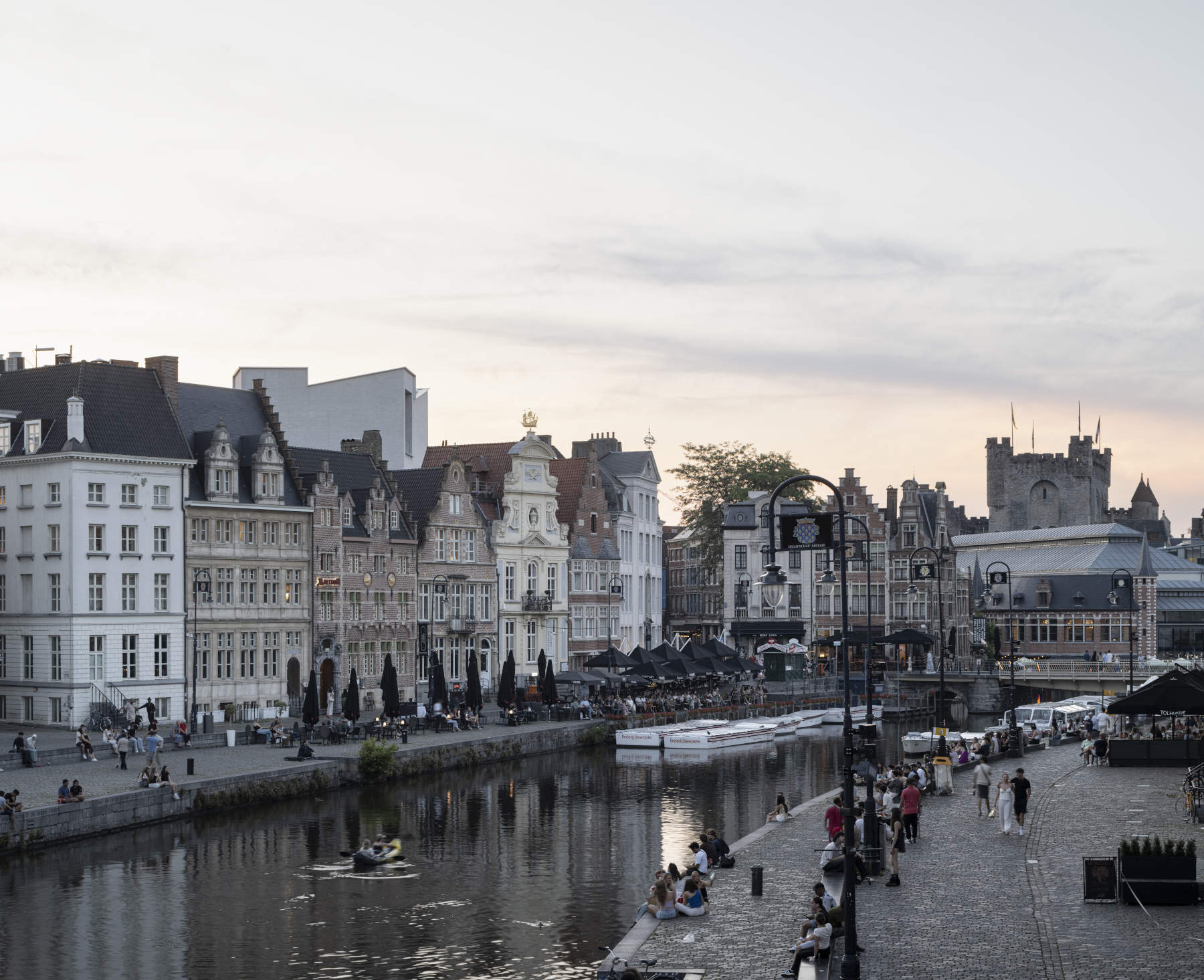
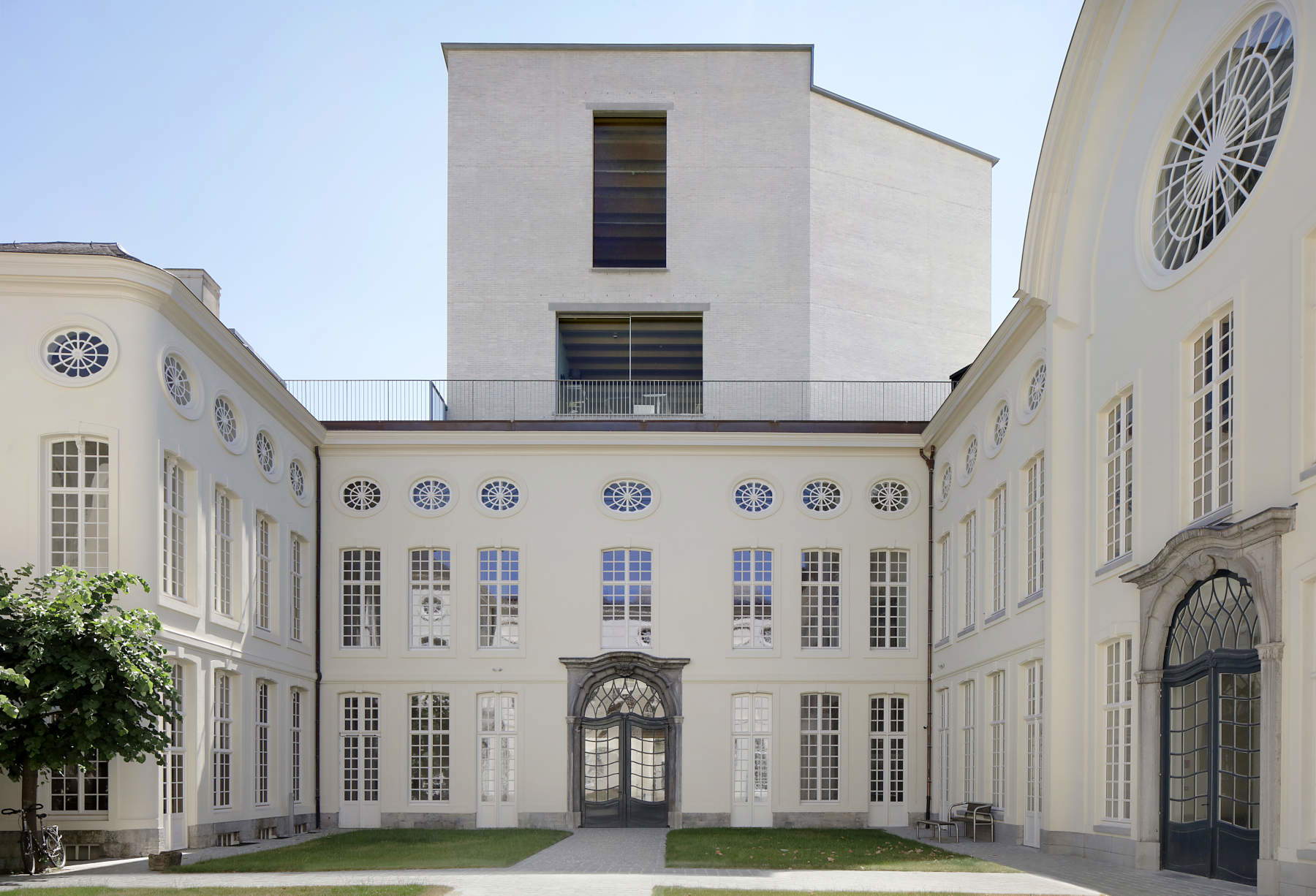
This approach is also reflected in the architecture. The complex has been transformed into an accessible space designed to foster connection. The new wing is an informal, freely accessible space designed to host an ever-evolving program. Built on a compact site and featuring large openings on the ground floor, it completes the museum complex by connecting the existing buildings and introducing a new route through the galleries.
The project was overseen by Sogent as the project owner. The design team consists of Carmody Groarke (United Kingdom), ATAMA (Belgium), and the architectural firm RE-ST (Belgium), which is responsible for the restoration of the historic buildings. The project received support from Flanders – Department of Culture, Youth, and Media, ERDF Flanders, the Flanders Heritage Agency, and Circular Flanders, while the reopening is being organized with the support of Event Flanders.
“This expansion and renovation are not simply aimed at creating more museum space, but something that goes beyond the museum: a place where the community can collectively process and interpret reality, with genuine social relevance, right at the heart of a diverse and complex society,” says Katrien Laporte, director of the Design Museum Gent.
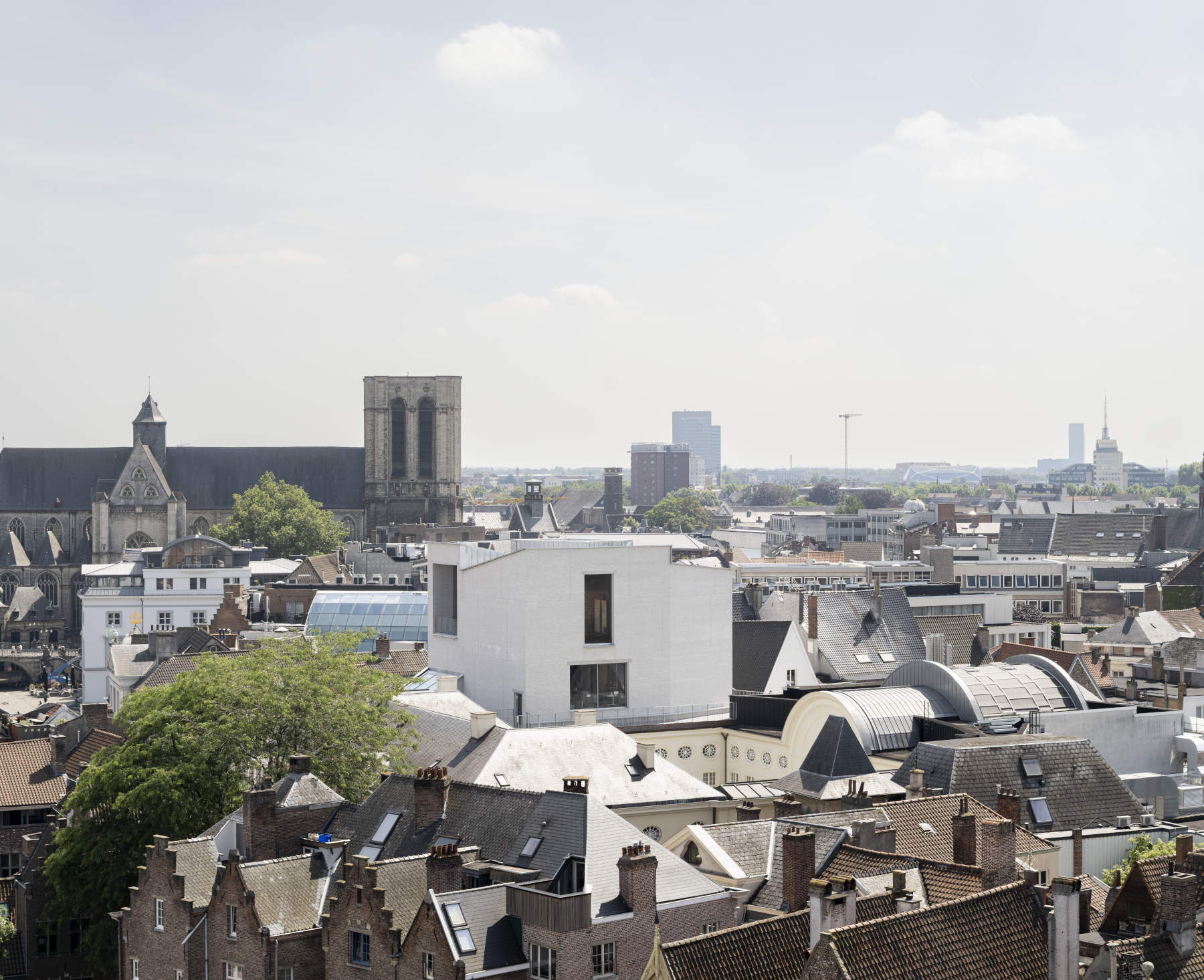
The transformation involved the monumental buildings dating from the 16th to the 20th centuries and added a new structure designed by Carmody Groarke and ATAMA. The goal was to connect heritage, innovation, and sustainability, while enhancing the visitor experience and the museum’s social function. The new wing is the final element of the complex and unifies the museum’s various structures into a cohesive whole. It will feature spaces for conferences, workshops, exhibitions, and events, as well as areas dedicated to nature. Visitors will thus be able to view the objects in the collection, but also participate in activities and engage in dialogue.
One of the objectives is to remove physical and symbolic barriers to access. The new wing includes a Stadskamer, a “city room” conceived as a freely accessible space where people can linger, meet, and host activities organized by local communities and neighborhoods, which will also be able to showcase their own creations.
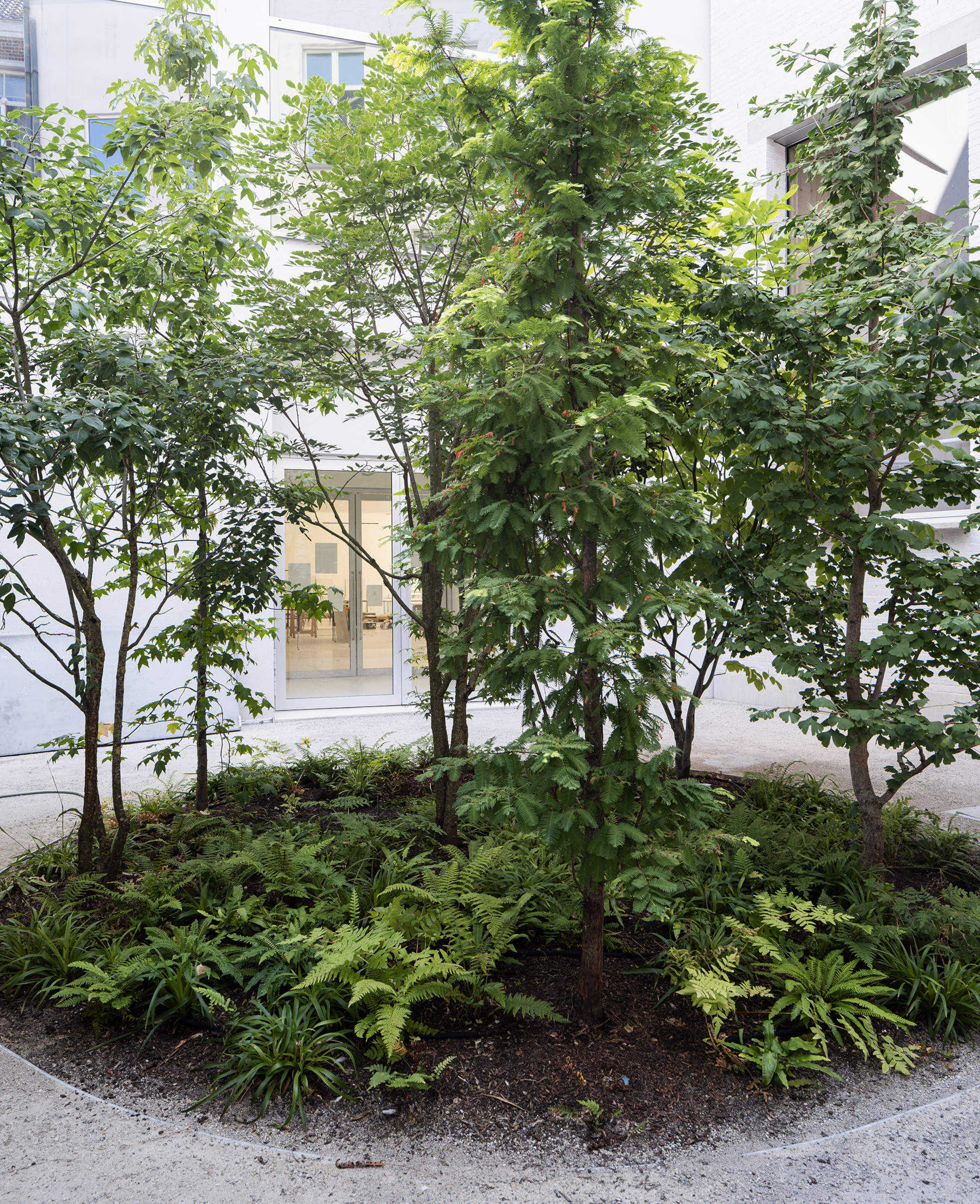
At the heart of the complex lies the historic courtyardof the Hotel de Coninck, around which the building was originally organized. Behind the main façade were a rarely used southern passageway and an unused lot. The new construction makes it possible to transform the courtyard into a garden, destined to become the museum’s focal point. Views of this space extend through the building and guide visitors’ movement, connecting the different parts of the complex and completing the circular route. The new wing is organized into six zones, designed according to three principles: hospitality, openness, and adaptability. The basement houses the area dedicated to handling artworks, which also offers a glimpse into part of the museum’s daily operations. The tour continues to the Stadskamer, featuring the reception area and gift shop; the Forum, designed for conferences; the Atelier, for workshops; and the Vitrine, dedicated to temporary exhibitions. On the fourth floor is the Loft, an event space offering a panoramic view of the city of Ghent.
The construction choices for the new wing are rooted in the theme of sustainability. The building uses wood and white bricks, offering a contemporary reinterpretation of certain characteristics of Ghent’s traditional building heritage. The facade is made of Gent Waste Brick, a brick produced from locally collected municipal waste and hardened through an energy-efficient lime curing process, rather than by firing in a kiln.
More than 82,000 bricks were produced locally in Ghent at Het Arsenaal, and citizens were able to observe the production process. The dimensions echo those of the 18th-century Hotel de Coninck, while the white color ties in with the historic homes on Drabstraat. The composition of the facade is also inspired by the scale and rhythm of Ghent’s guild and merchant houses. The overall project involved the restoration of the historic interiors and the optimization of additions made in later periods, with the goal of creating more space and improving indoor climate conditions. Where possible, existing materials were reused and sustainable solutions were adopted. The result is a museum designed to house its collections under appropriate conservation conditions while reducing the building’s environmental impact.
The Design Museum Gent was conceived as a “third space” within the public sphere—that is, an open place where people can meet, learn, create, and discover. One of the fundamental questions underlying the project was: “Is this a museum for me?” In 2025, forty residents of Ghent participated in the DE40 citizen panel, which was tasked with reflecting on how to make design accessible and relevant to a broad audience, regardless of background or prior knowledge.
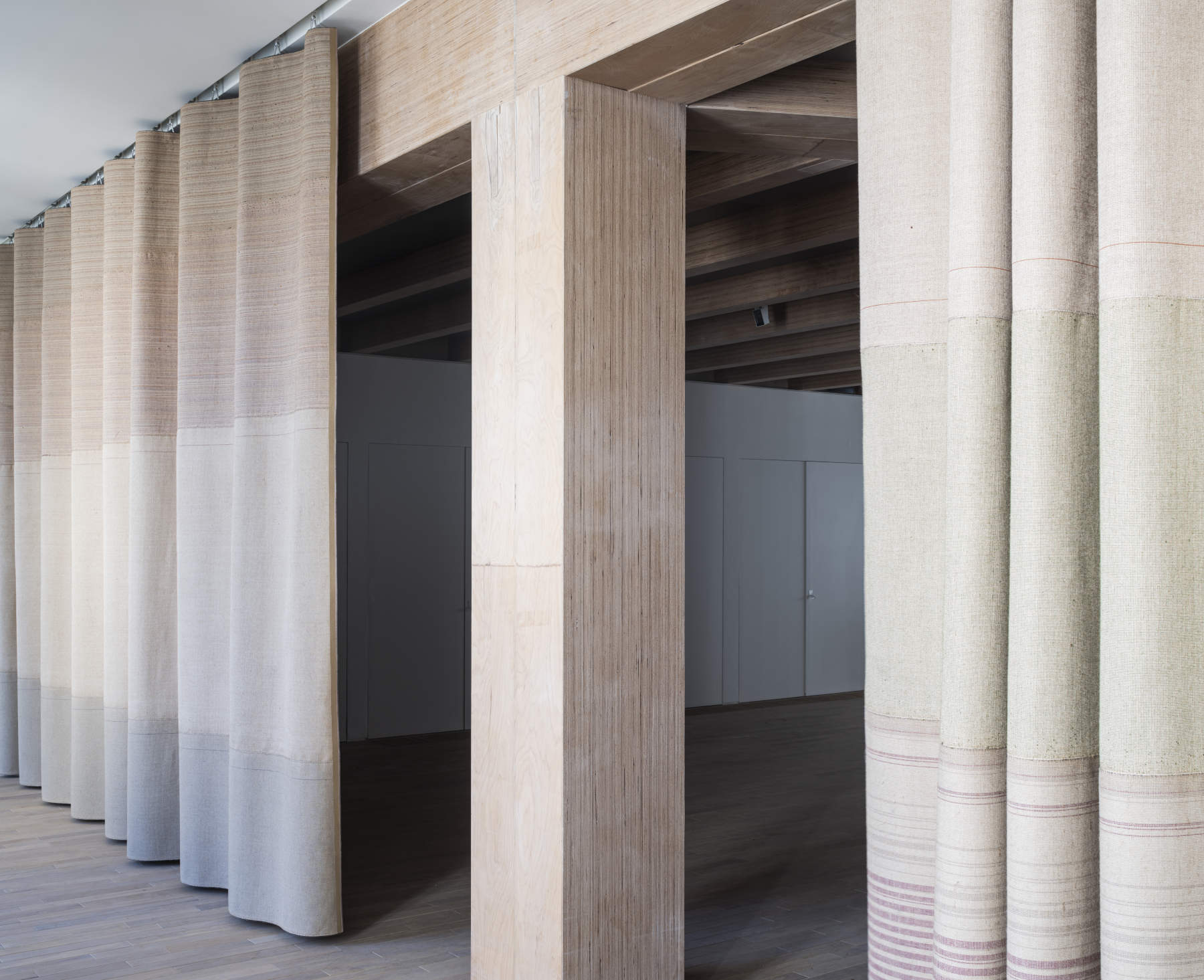
The insights that emerged were used as a guide for the building’s transformation and integrated into the institution’s operations. The museum also applies design to its own space through a series of specific projects: furniture by Casimir, Bram Vanderbeke, and Wendy Andreu; a pocket garden by Bureau Bas Smets; acoustic curtains by Chevalier-Masson; and the 3D-printed aluminum entrance gate “Freeze Frame 82.2” by Unfold. The new wing is thus conceived as a structure capable of evolving over time alongside the museum and its visitors.
One of the focal points of the reopening will be the new exhibition of the collection, *Collection. Models from the Past for the Future*, curated by Evelien Bracke. The exhibition begins with the question of how a design collection can continue to be meaningful in 2026, at a time when the search for alternative systems and models is affecting various spheres of society. The past is viewed through a contemporary lens. Materials, techniques, and design approaches from earlier eras are related to the needs of contemporary designers, while also showing how perceptions of objects can change over time.
This approach harkens back to the institution’s origins. The Design Museum Gent was founded in 1903 as a model museum, with the goal of collecting exemplary objects intended to inform and inspire artisans and visitors. The new exhibition returns to that starting point, presenting approximately 500 objects that were once considered benchmark examples. The collection is organized around five contemporary themes: copy, comfort, migration, folds, and connections. The question posed to the public concerns what continues to be a source of inspiration and what, on the other hand, needs to be rethought. The focus is not solely on the designers’ identities, but on the various ways in which the objects can be interpreted today.
The exhibition features Belgian and international designers, including Alvar Aalto, Pieter De Bruyne, Charles & Ray Eames, Mabel Elwes, Paul Hankar, Joseph Hoffmann, Victor Horta, Huib Hoste, David Huycke, Arne Jacobsen, Yvette Lauwaert, Alessandro Mendini, OpenStructures, Gaetano Pesce, Gustave Serrurier-Bovy, Yvonne Serruys, Bořek Šípek, Ettore Sottsass, Pieter Stockmans, Henry van de Velde, Albert Van Huffel, Elza Van Huffel-Gallet, Maarten Van Severen, Tapio Wirkkala, Philippe Wolfers, and Eva Zeisel. The dialogue with the present is reinforced through new commissions. Contemporary designers such as Kana Arioka, OpenStructures, and Victor Verhelst have drawn inspiration from the collection and its themes to create new works that visitors can experience.
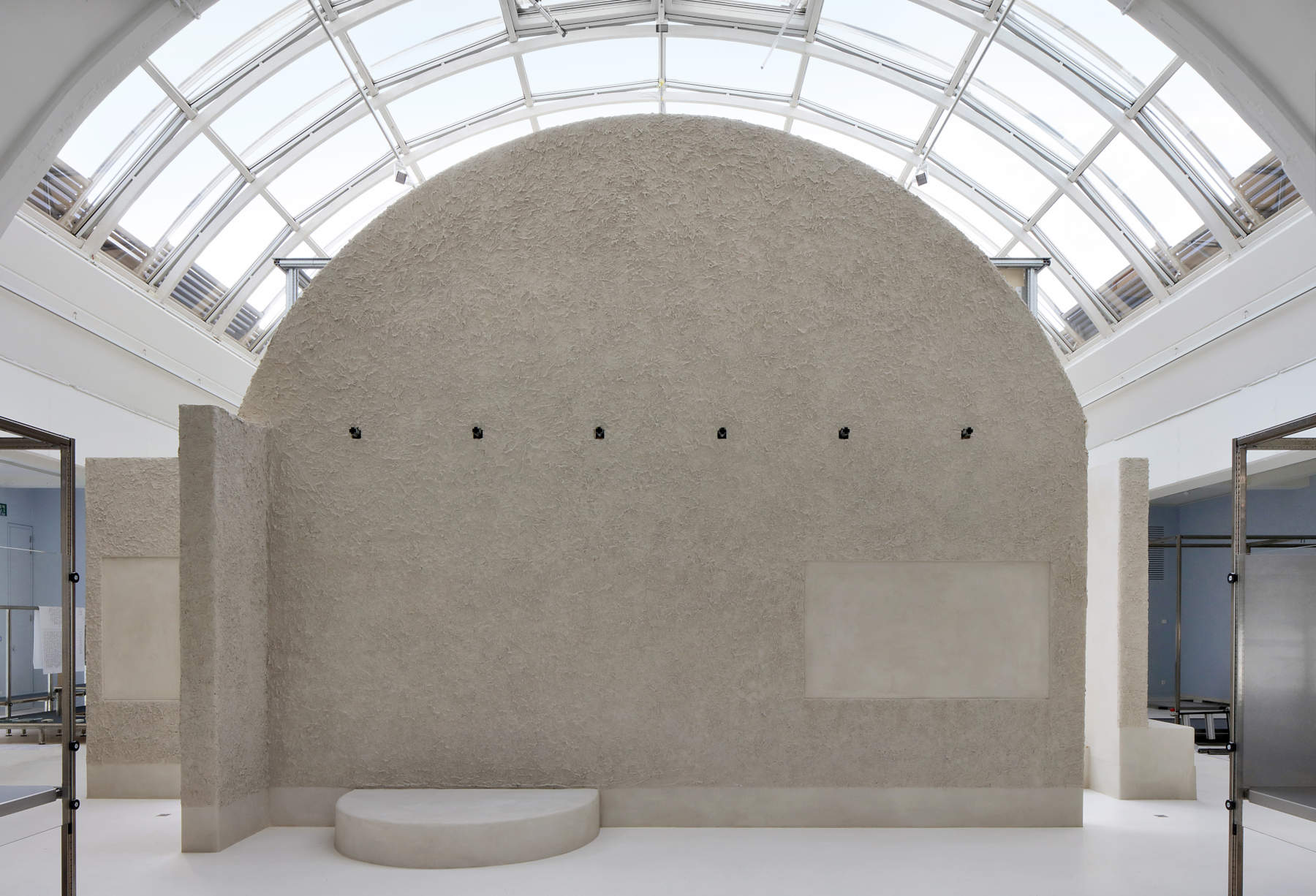
The exhibition design, created by the architects Nord + Laura Muyldermans, brings together artisanal and industrial materials. Traditional walls covered with clay plaster coexist with the Belgian Skellet circular steel construction system, demonstrating the possible coexistence of low-tech and high-tech approaches and the relationship between craftsmanship and technological innovation.
The other major new feature of the reopening is the exhibition *Public Matter(s): Design and Democracy*, dedicated to the relationship between design and democracy and curated by Amelie Klein and Vera Sacchetti. The project begins with the premise that the way a society lives together and makes decisions is the result of design choices. Ballots, parliamentary buildings, party representation systems, and voting procedures are all designed elements. Complex systems, however, are never truly complete. Building on this observation, the exhibition explores the idea that citizens are not merely users of democracy but can also be considered co-designers of the system.
The exhibition expands the concept of design beyond objects and explores, for example, access to elections for people who are homeless or visually impaired, as well as the ways in which a system determines who is heard and who is excluded. The exhibition also explores the history of women’s suffrage and the civil rights movements, as well as the reasons why some citizens today may feel disillusioned with democratic systems. Protest and activism are also viewed as tools capable of bringing about change. The exhibition further examines possible future forms of democratic coexistence. Among the examples presented is “ecocracy,” a model in which nature is granted legal and constitutional rights.
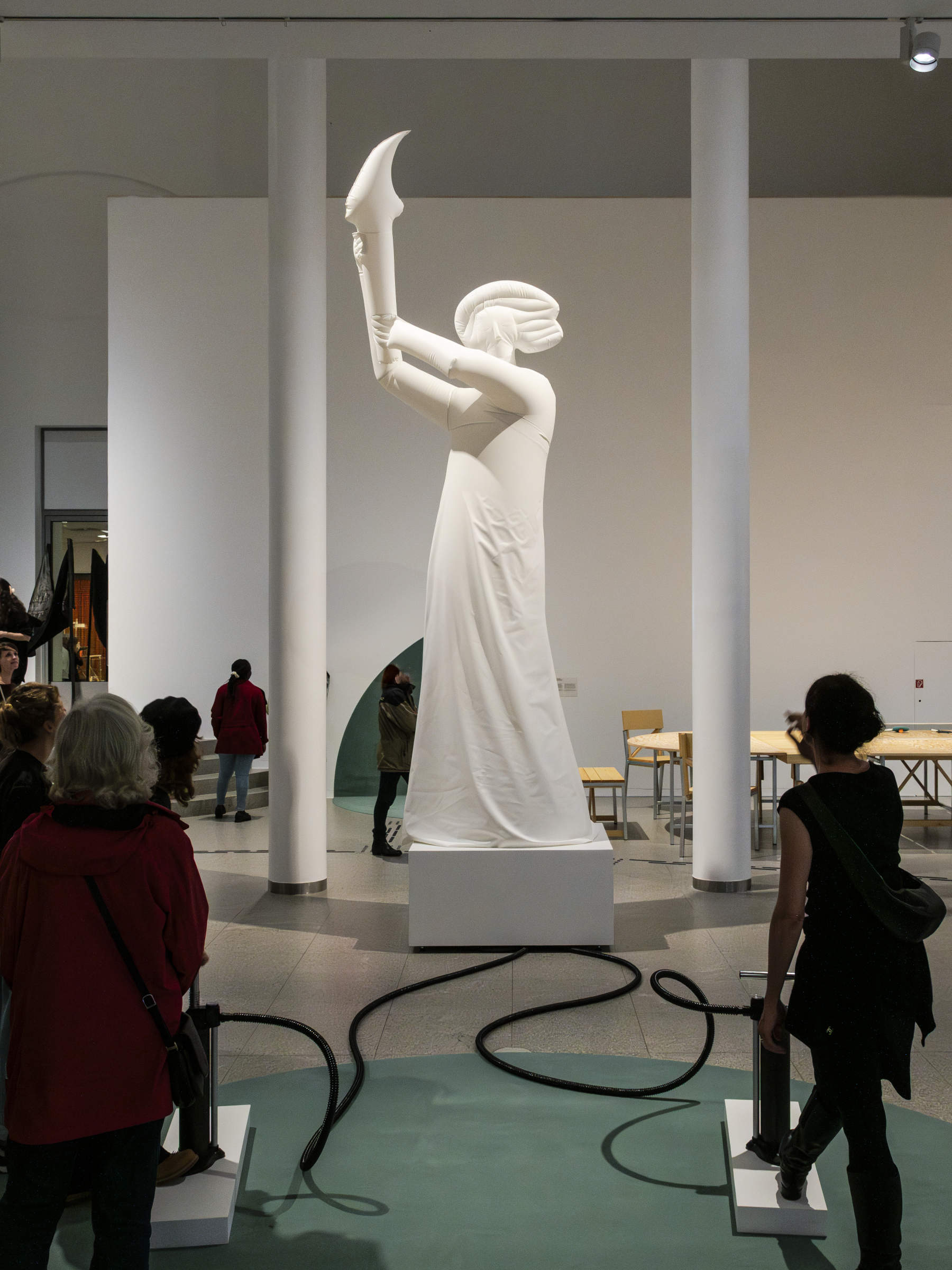
The exhibition includes the Democracy Fitness Trail, an interactive route through and around the museum designed to practice certain skills related to democratic participation, such as active listening, compromise, and the ability to engage in constructive conflict resolution. This project also stems from the work carried out in 2025 with DE40, the results of which have been incorporated into the exhibition and the museum’s broader activities.
The relationship between digital culture and design constitutes another pillar of the new program. The first project developed in this area is Searcher, an installation that uses artificial intelligence to explore the museum’s collection. The Design Museum Gent houses over 24,000 objects—a collection that cannot be fully presented within its physical spaces. Searcher allows users to identify connections that would otherwise be difficult to detect, moving beyond search methods based exclusively on author, period, or material. Visitors can navigate the collection based on similarities in form, color, and text.
The installation thus treats the collection as a network in which new connections can continually emerge. The project encourages a mode of exploration that is not necessarily linear, based in part on the possibility of letting oneself be guided by unexpected associations. Searcher was developed in collaboration with the Design Museum Gent and is part of a broader program dedicated to digital culture and design, curated by Olivier Van D’huynslager.
Another space will be CO-LAB, a collective workshop dedicated to design and democracy, curated by Siegrid Demyttenaere. The project brings together Belgian and international designers invited to explore the relationship between design and social engagement, as well as the possibility of collectively developing new ways of living and organizing spaces. The results will be presented in the eight historic rooms of the 18th-century Hotel de Coninck. The projects address various themes, ranging from the development of sustainable energy solutions to the documentation of queer archives, from designing with nature to the sharing of open-source tools. Designers, researchers, and local communities participate in processes in which design is not presented as a finished product but as a shared activity. The goal is to build knowledge through collaboration and to connect different perspectives in defining possible ways of inhabiting, imagining, and transforming urban spaces.
The official reopening of the Design Museum Gent is scheduled for October 3, 2026, and the inaugural program will run throughOctober 11. The first weekend will feature a program of events taking place throughout the building, including music, performances, talks, workshops, a design market in the surrounding streets, a brunch in the green courtyard, and other activities.
Subsequently, as part of Design Fest Gent, the program will extend throughout the city. A route will connect various locations in Ghent, including design shops, vacant buildings, design schools, and socially engaged art projects. The activities will address contemporary social and ecological issues and will be designed for a broad audience. Throughout the entire opening weekend, admission to the museum will be free, including the four main exhibitions marking the reopening: *Collection. Models from the Past for the Future*, *Public Matter(s): Design and Democracy*, *CO-LAB*, and*Searcher*. The full program for the Grand Reopening was announced in August 2026.
 |
| Fiandre: The Design Museum Gent reopens on October 3 with a new wing and a redesigned museum |

Warning: the translation into English of the original Italian article was created using automatic tools. We undertake to review all articles, but we do not guarantee the total absence of inaccuracies in the translation due to the program. You can find the original by clicking on the ITA button. If you find any mistake,please contact us.




















 IT
IT FR
FR DE
DE ES
ES CN
CN


