


by Redazione 27/10/2026


Categories: News Focus / Disclaimer
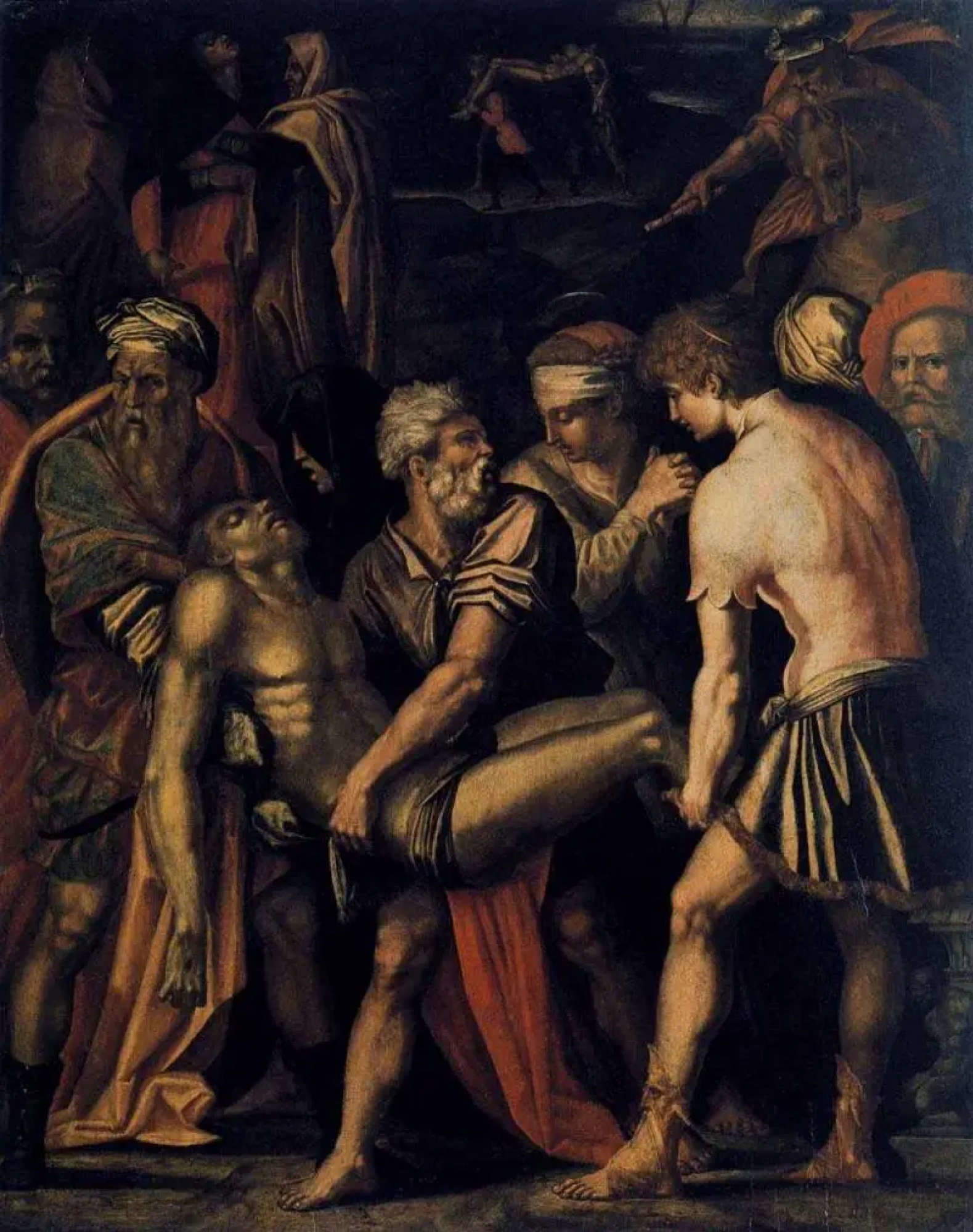
A painting titled *The Transport of Christ to the Tomb*, by Giorgio Vasari and dating from around 1545, has resurfaced: it was attributed to the Arezzo-born artist by Carlo Falciani. Tomorrow it will be offered for sale by the Il Ponte auction house with an estimate of 200,000–250,000 euros.
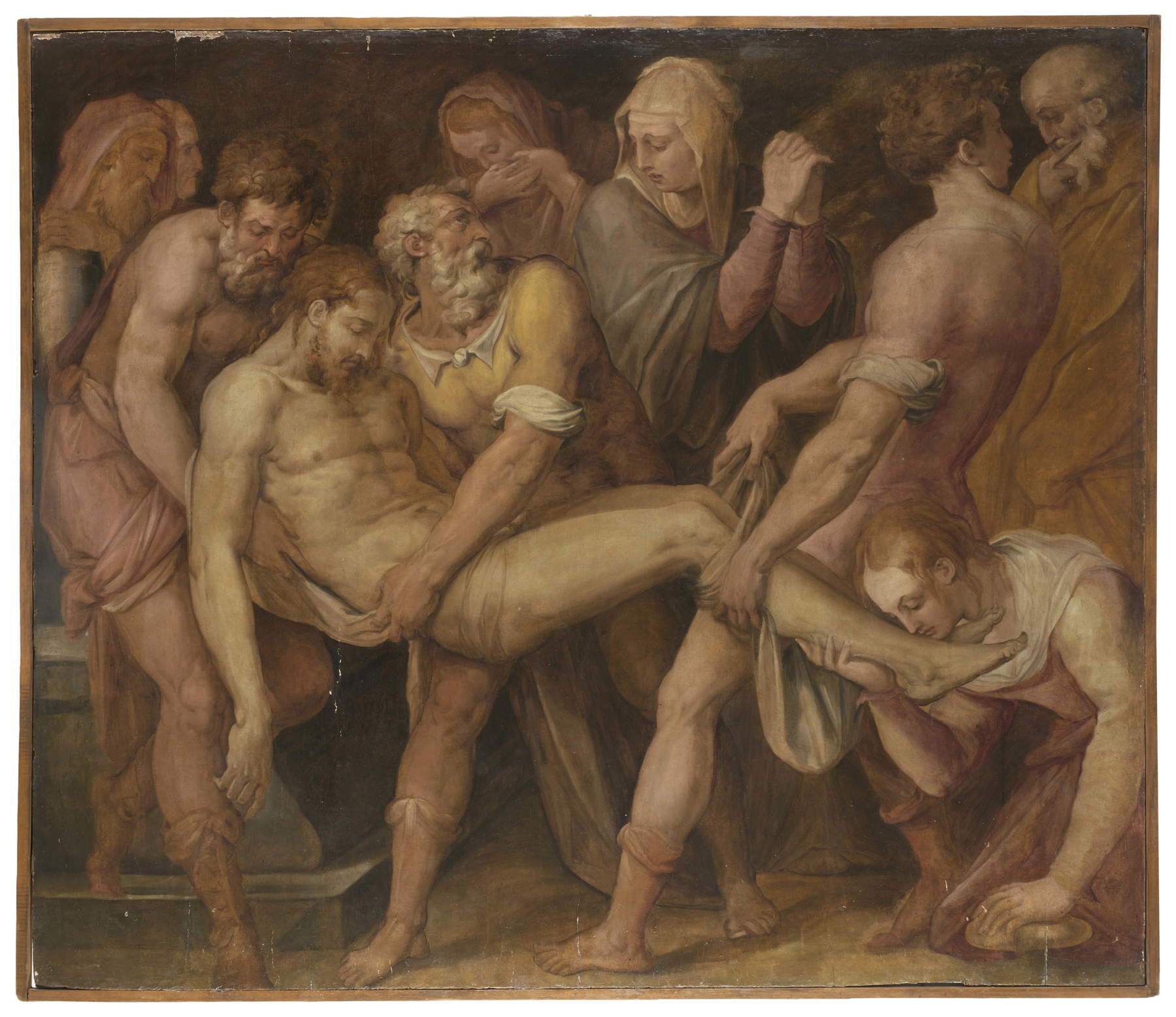
A painting by Giorgio Vasari (Arezzo, 1511 – Florence, 1574), which had remained unknown to scholars for decades, is once again drawing attention in the art market and art history circles. It is a *Transport of Christ to the Tomb*, an oil on panel measuring 159 by 185 centimeters, dating from around the mid-1540s. The work, from a private collection in Lombardy, will be offered for sale tomorrow at 3:00 p.m. by the Il Ponte auction house in Milan with an estimate of 200,000–250,000 euros. Its attribution to the Arezzo-born painter was confirmed by Carlo Falciani following a direct examination, accompanied by a scholarly essay that traces connections to other works by Vasari and highlights an unusual painting technique.


The panel will be lot 489 in the “Antique Furniture and Paintings” sale, scheduled for October 28, 29, and 30. And just last October 19, the Superintendence of Archaeology, Fine Arts, and Landscape for the Metropolitan City of Milan announced the initiation of proceedings to declare the work of particularly important artistic and historical significance. The painting has undergone restoration, and according to Falciani, its rediscovery constitutes a significant addition to the artist’s catalog, even though no documents have yet emerged that would allow for the identification of its commission or its precise placement within the painter’s biography. Vasari’s work is also the top lot in the Milanese auction house’s sale.


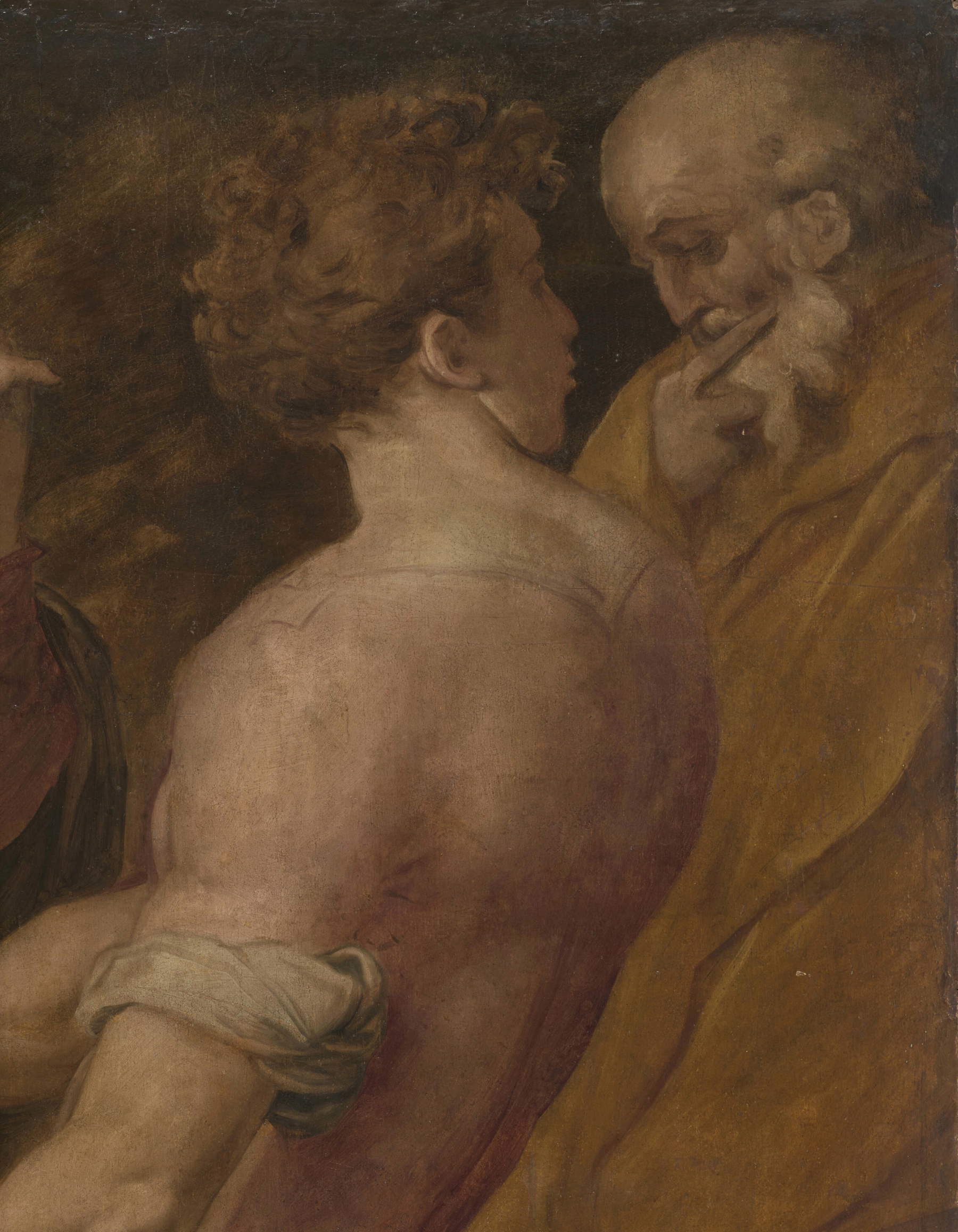
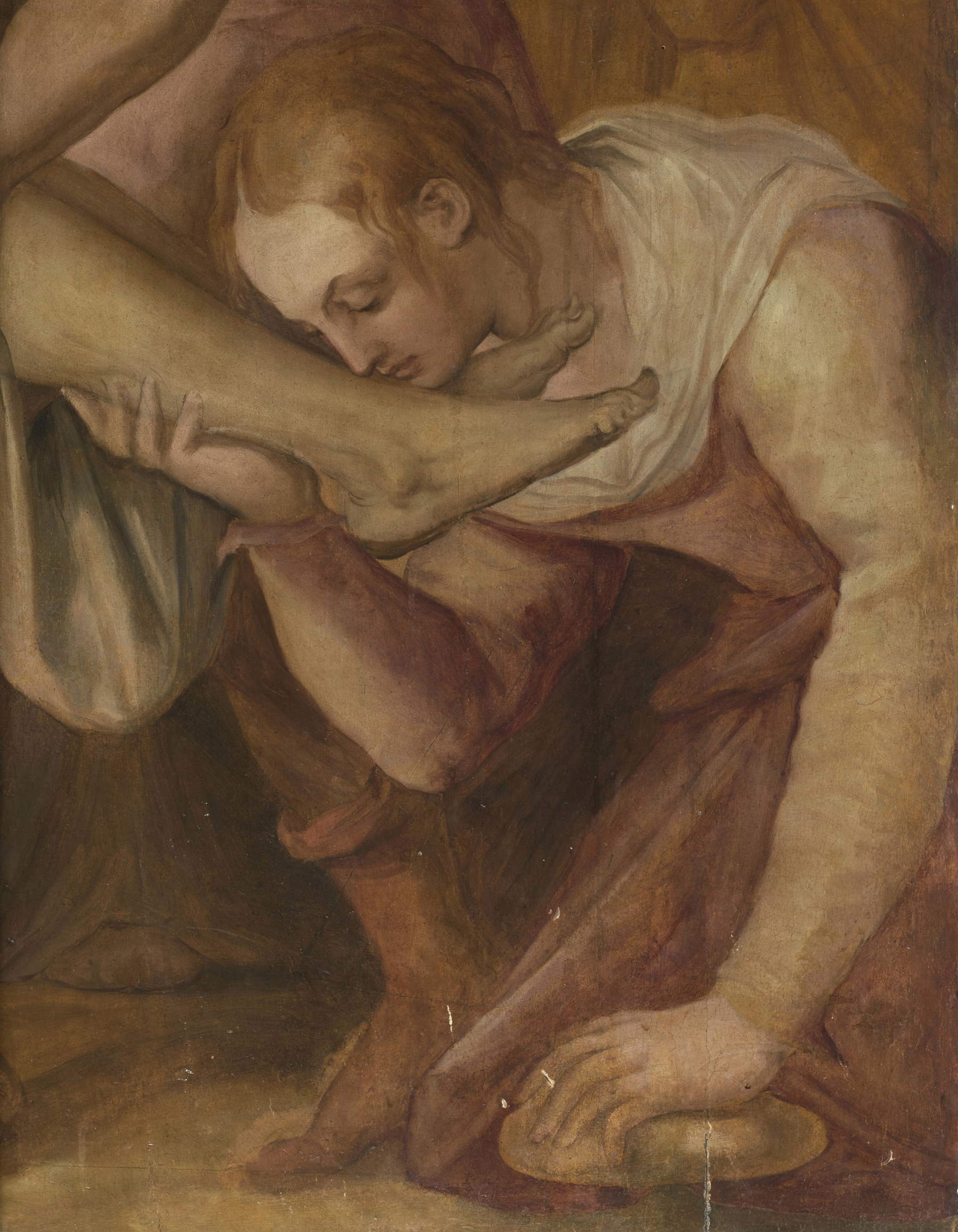
A composition that echoes his early works
To reconstruct the artistic history of the panel, Falciani begins with stylistic comparisons to authentic works by Vasari. The composition, in fact, draws on solutions the painter had already experimented with in another *Carrying of Christ*, created in 1532 on commission from Cardinal Ippolito de’ Medici and which remained in Florence in the private chamber of Duke Alessandro de’ Medici. That painting is now housed at the Casa Vasari in Arezzo. In this early work, still influenced by the style of Rosso Fiorentino, Vasari had already adopted a frieze-like composition, with the figures arranged in the foreground and the body of Christ stretched across the scene, supported by Nicodemus and Joseph of Arimathea. The relationship between the two central figures reappears in the panel that has now resurfaced, albeit with a different tilt of Christ’s head.

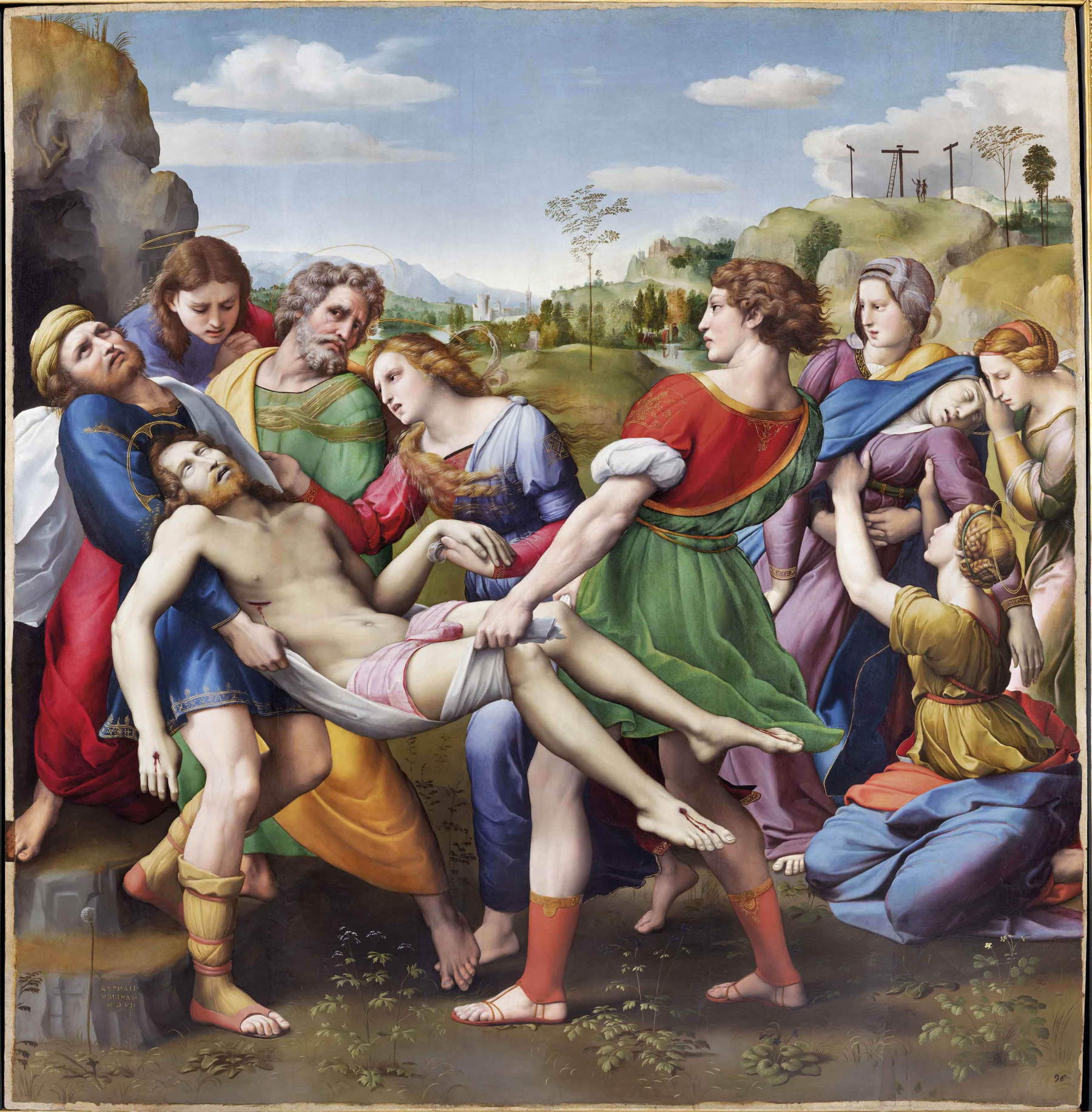
The new painting, however, demonstrates an evolution in the artist’s style compared to his early works in Arezzo. In particular, the figure of the young man tasked with supporting Christ’s legs—already present in the 1532 composition—assumes a dynamic pose that echoes the *Carrying of Christ* (or *Deposition*) * *, which Raphael painted for Atalanta Baglioni and which is now in the Galleria Borghese. The figure is positioned behind the Savior’s body and leans backward as he supports him with a cloth. This arrangement allows for greater articulation of the scene and reveals Christ’s body in its entirety.
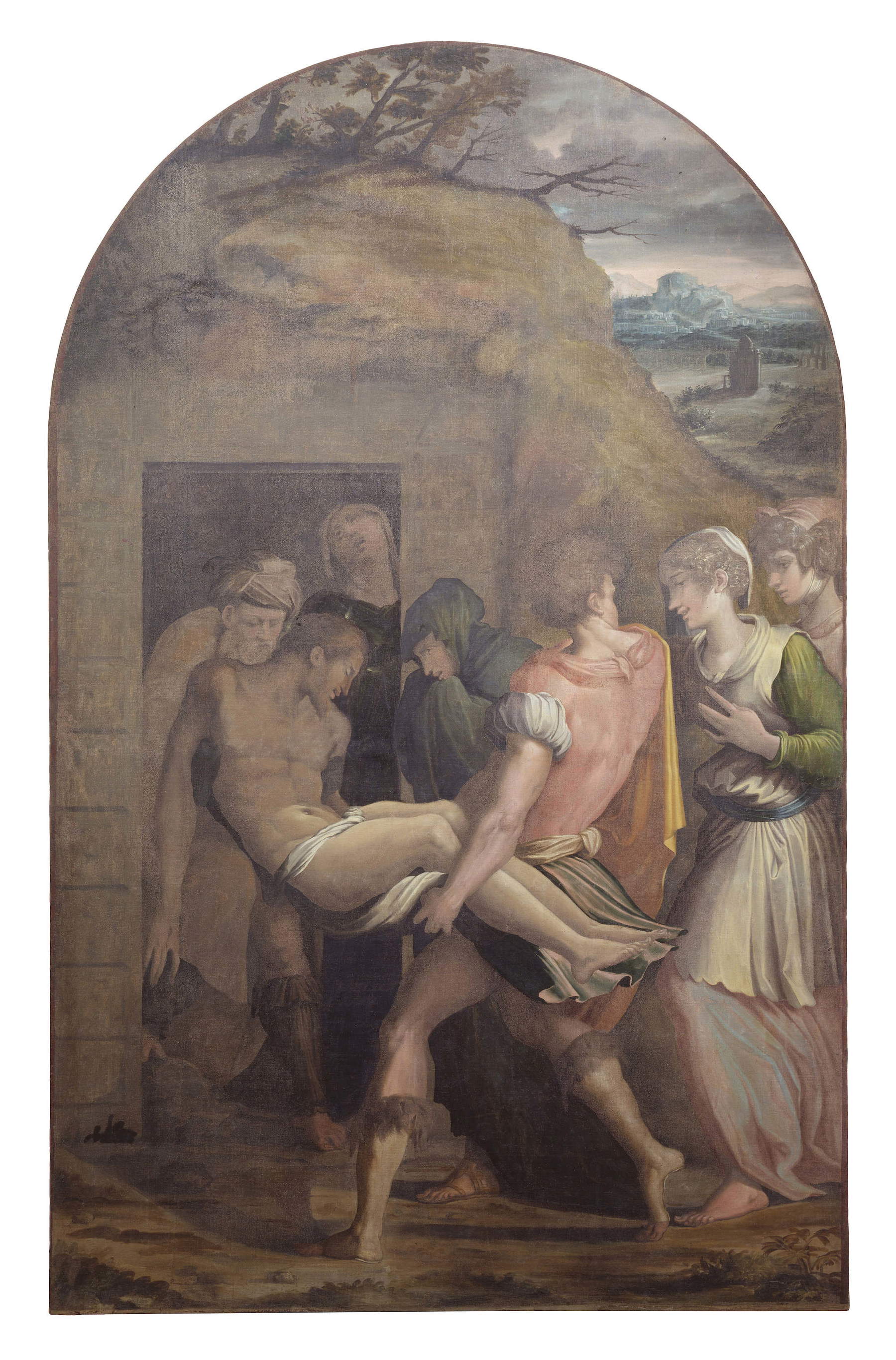
A particularly useful comparison is provided by another painting of the same subject housed at the Museum of Sacred Art in San Gimignano, documented in the artist’s memoirs: In 1540, Vasari noted that he had received a commission from the prior of Santa Maria di Barbiano to paint two canvases—one depicting Christ being carried to his burial and mourned by the Marys, the other the Resurrection—intended for two altars in the church. A total fee of 25 scudi had been agreed upon for both. In that work, created after his stay in Bologna in 1539–1540, the influences of Parmigianino are still recognizable, alongside those of Michelangelo, Raphael, and Perino del Vaga. The young man in the pink tunic, whose pose is derived from Raphael, directly foreshadows the composition seen in the panel now for sale. In the rediscovered painting, however, Parmigianino’s influence appears to have diminished, while a more solid and muscular composition prevails.
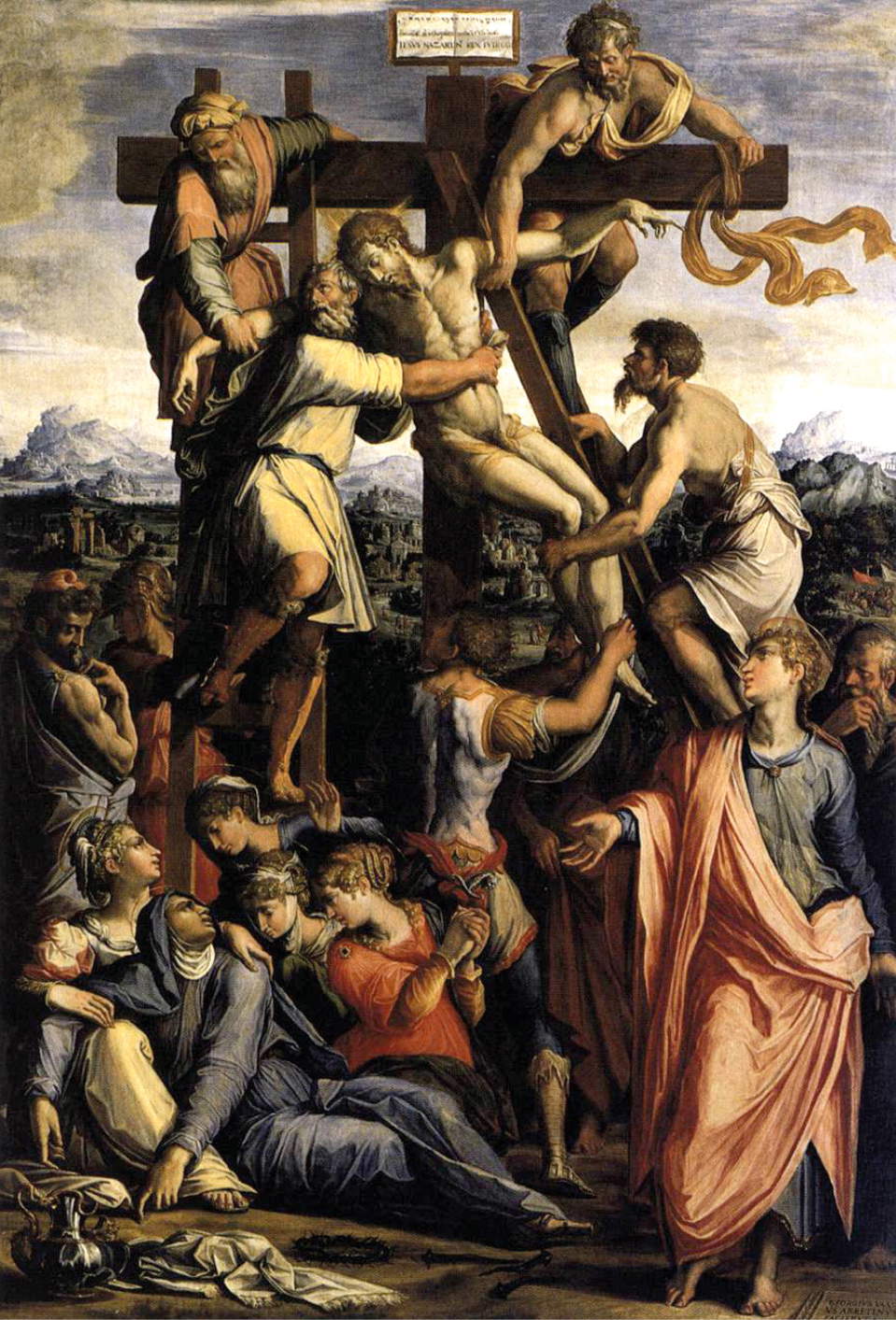
Another point of comparison is the monumental *Deposition from the Cross* created in 1540 for the Camaldoli monastery. On the right side of that composition appears a pensive old man, with one hand raised to his beard, in a pose similar to that of the figure observing the scene on the far right of the panel offered by Il Ponte. According to Falciani, the stylistic differences compared to the works of 1540 suggest a slightly later date, probably around 1545. Supporting this hypothesis is also the monumental quality of Christ’s face, which foreshadows that of the “Portacroce” painted by Vasari in 1553 for Bindo Altoviti. A comparison with *The Baptism*, housed at the Diocesan Museum of Arezzo and dated to around 1548, would offer a further point of reference for the evolution of the artist’s classical-style facial features.

A swiftly executed painting, distinct from Vasari’s other panel works
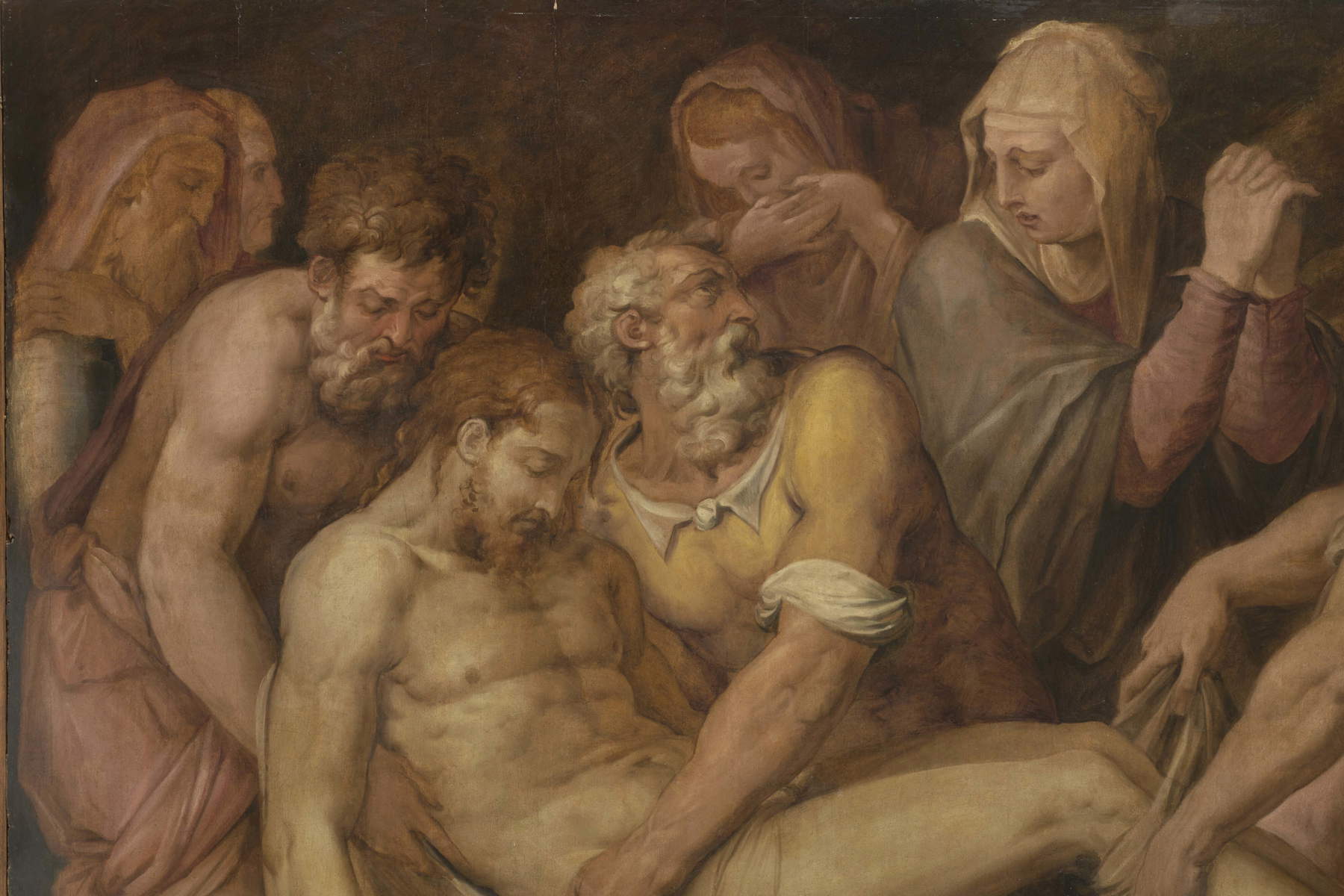
What distinguishes The Carrying of Christ to the Tomb from other contemporary works is above all the way the paint was applied. Falciani notes a swift and direct technique, characterized by energetic brushstrokes that in some places reveal the underlying ground layer. The surface, now altered by a heavily yellowed varnish, appears almost monochromatic; the scholar observes that removing the varnish should reveal a cooler, more vivid color palette, without obscuring the textural quality of the application. The speed of the process is also evident in the limited presence of revisions. The preparatory drawing, sketched in pencil, seems visible beneath the paint in several places, while some outlines have been reinforced with dark brushstrokes. An infrared reflectography might provide a better understanding of the structure of the underlying drawing.
The immediacy of the execution is evident in the details of the figures. The face of Mary Magdalene, kneeling at Christ’s feet, is rendered with just a few brushstrokes defining her hair, his eyebrows, and his closed eyelids, and the young man’s crimson tunic is rendered with short, crisscrossing strokes and a darker brushstroke along his back, while the folds of the old man’s yellow robe on the right are rendered with long, dark brushstrokes arranged in a radial pattern. Christ’s bruised body is also defined through essential touches of light: on his outstretched hand, a few light accents make the fingers stand out; the profile of his head, with its monumental structure, is rendered in such a way that the underlying drawing shows through in some places. For Falciani, this technique could indicate a commission executed under particularly tight deadlines. This is, however, a hypothesis that will need to be verified through further documentary research. The panel’s dimensions suggest an important commission, but at present there is insufficient evidence to identify the patron or the work’s original destination.
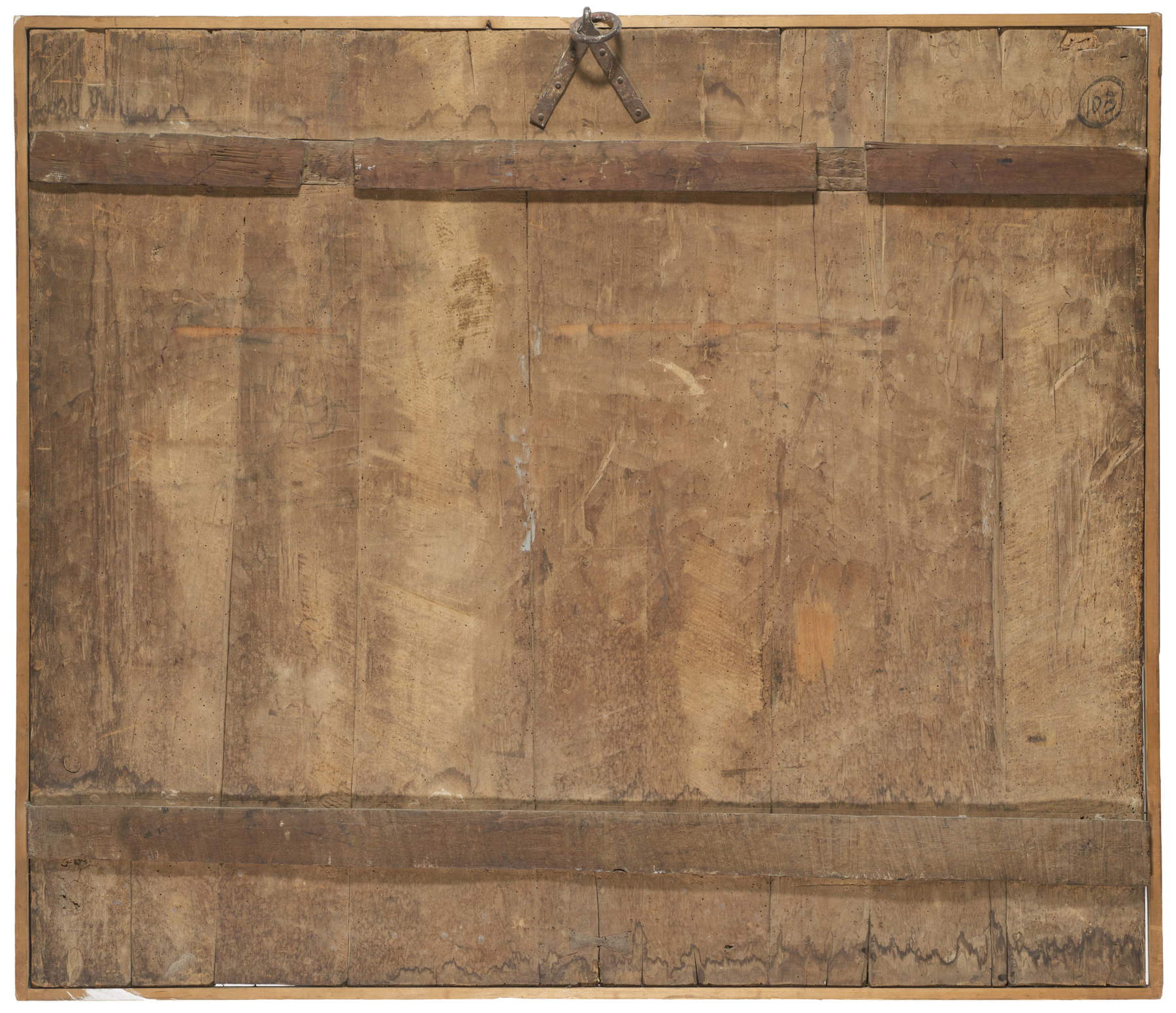
The painting was already known from a photograph documenting its condition prior to the most recent restoration—likely carried out in the 1970s—published by Florian Härb in the volume *The Drawings of Giorgio Vasari (1511–1574)*, released in Rome in 2015, without any indication of provenance. The rediscovery therefore does not resolve all the questions surrounding the work’s history, but it does offer a new insight into Vasari’s artistic exploration in the 1540s.
Warning: the translation into English of the original Italian article was created using automatic tools. We undertake to review all articles, but we do not guarantee the total absence of inaccuracies in the translation due to the program. You can find the original by clicking on the ITA button. If you find any mistake,please contact us.