


by Federico Giannini, Ilaria Baratta 30/10/2026


Categories: News Focus / Disclaimer
The 33rd edition of the Turin fair once again features a wide and high-quality selection, with prices to suit every budget and a growing focus on collecting. The selection emphasizes clarity and accessibility, with a growing emphasis on modern art. And experimentation seems to be giving way more and more to established and reassuring choices. A report by Federico Giannini and Ilaria Baratta.
Artissima is now in its 33rd edition—the fifth under the direction of Luigi Fassi—with a format that mirrors that of recent editions: a fair that is becoming less experimental and increasingly attuned to collectors’ tastes. From October 30 to November 1, the Oval at Lingotto Fiere will host 183 galleries from 35 countries (about half of the exhibitors are from abroad), featuring 66 monographic projects and 37 galleries making their debut. They are distributed across the four main sections (Main Section, New Entries, Monologue/Dialogue, and Art Editions) and the three curated sections (Present Future, Back to the Future, and Disegni), which remain unchanged from past editions. The theme is “Fancy: A Flexible, Acrobatic Body,” inspired by Martha Nussbaum’s reflections on imagination as a form of public intelligence and as a tool for connecting with those who are different from us.


In terms of the offerings, the impression is that of an edition more focused on substance than on experimentation. A pleasant edition, therefore, that does not intimidate the public, enthusiasts, or buyers. The works tend toward clarity, and one might think this also stems from a market that is currently pushing in this direction: experimental works are encountered less frequently than in previous seasons; there are few true novelties; and several established galleries have been sticking to their usual approach for years now—a circumstance that reassures collectors but leaves the regular visitor with less room for surprise. Furthermore, the number of galleries combining modern art with contemporary art is growing: as a result, one increasingly sees works on display by, for example, Piero Manzoni, Giorgio Morandi, Lucio Fontana, Luigi Ghirri, Alighiero Boetti, and Jannis Kounellis. On the other hand—and this is a positive development—the practice of displaying prices continues to spread (particularly among emerging galleries), which facilitates engagement with collectors, especially younger ones.


Let’s begin our tour in the corridors on the historic center side, where the exhibitors in the New Entries section are located—a section reserved for galleries that have been in business for less than five years and are participating for the first time. We immediately come across the Swedish gallery Saskia Neuman, from Stockholm, presenting an immersive installation by Josef Jägnefält (Gothenburg), accompanied by small-format oil paintings on wood: prices range from 2,250 to 4,500 euros. Also in the New Entries section, the Moldovan gallery Lutnița from Chișinău offers an exercise in visual attention centered on six artists from the Romanian-Moldovan scene. Alex Bodea (Cluj-Napoca, 1981), a painter whose work stems from the experience of a nomadic life in Europe and a desire to tell stories, presents works on canvas and paper priced between 1,000 and 5,000 euros. Diana Cepleanu’s (Bucharest, 1957), whose work includes small-format paintings and a four-panel self-portrait from 1995, with prices ranging from 2,500 to 12,000 euros, while the drawings by Mark Verlan (Cocieri, 1963 – Chișinău, 2020), one of the most acclaimed names in Moldovan art, whose work straddled historical irony and fantastical invention, are priced between 2,500 and 5,500 euros. The booth also features neon works by Pavel Brăila (Chișinău, 1971), who is representing Moldova at this year’s Venice Biennale: prices range from 8,000 to 10,000 euros.

The third stop among the “New Entries” is the Romanian gallery Biju from Cluj-Napoca, which is showcasing four young artists. Among them, Marius Ghita (Satu Mare, 1999) explores a delicate balance between a fleeting present and a past already steeped in nostalgia, creating enigmatic and melancholic atmospheres. Nothing particularly original, but the paintings are pleasing and reasonably priced—so much so that many of his works have already been sold at the preview; among those still available is *A Place of Odd Glances III* from 2026 (5,800 euros, one of the largest paintings on display). More intriguing is the work of Nicolae Romanițan (Cugiur, 1991), who instead presents his “relics,” oil paintings on found fragments (walls, stones, electronic circuit boards) encased in resin, with references to video games and medieval manuscripts: prices range from 2,500 to 5,500 euros. The Ceravento Gallery, based in Pescara, brings one of the most refined and meticulously curated booths to Artissima, entirely dedicated to the works of Federica Giulianini (Ravenna, 1990), one of the best Italian artists under 40 at the fair, works on antique paper, wood panels, and canvas, with a focus on the vibrations of nature, the landscape, and the animal kingdom: the sculptures range from 600 to 1,000 euros, while the paintings go up to 6,400 euros for the largest formats. Meanwhile, Andrew Reed’s offering comes from Miami; he has dedicated his entire booth to the monochrome paintings of the young Austrian-Brazilian artist Patricia Geyerhahn, an artist launched by the U.S. gallery whose career began just five years ago (her first solo exhibition, also at Reed, took place in 2023): Prices range from 3,600 to 16,000 euros, with the latter figure corresponding to the largest work, *Core* (2026, oil on linen, 152 by 244 centimeters).
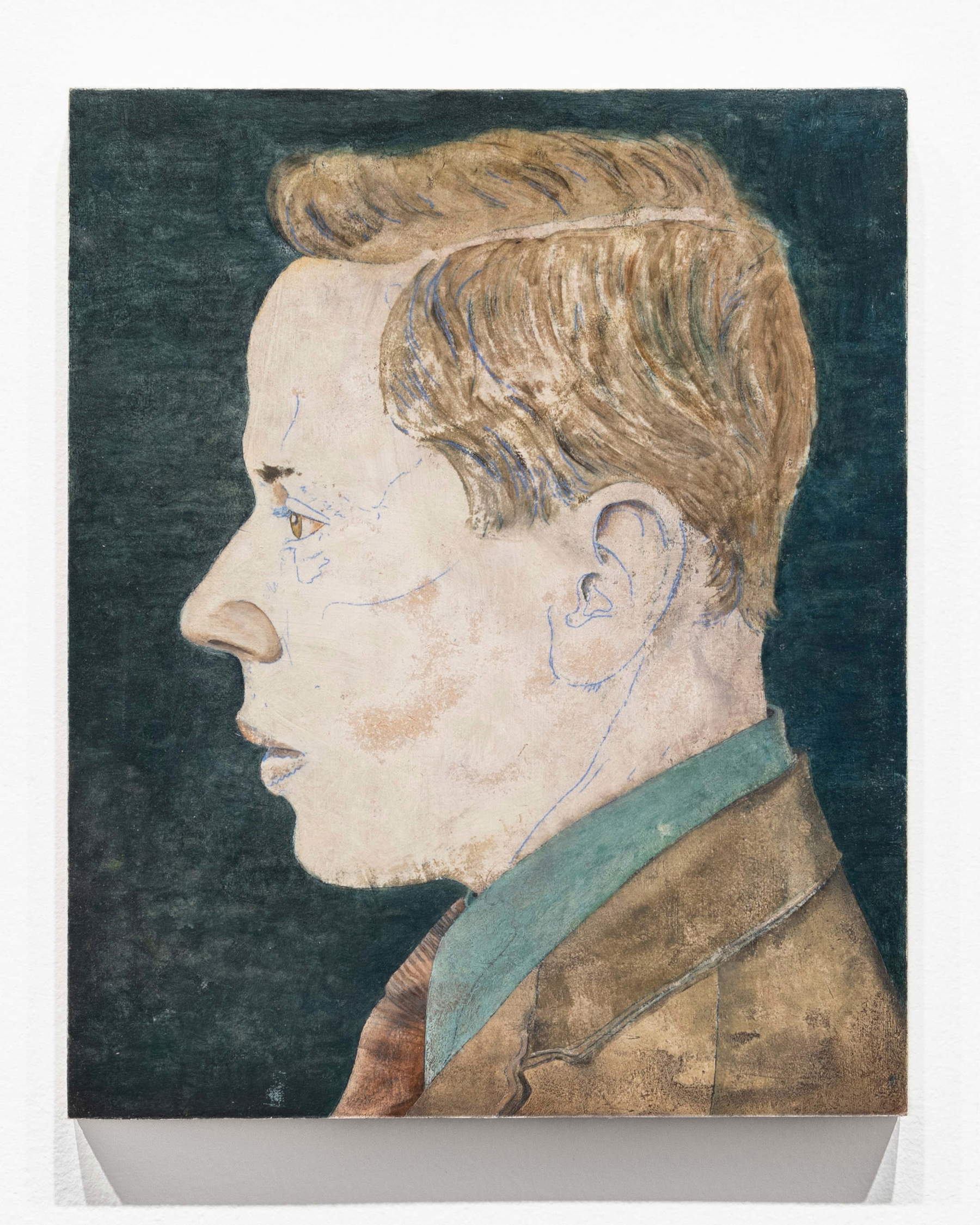
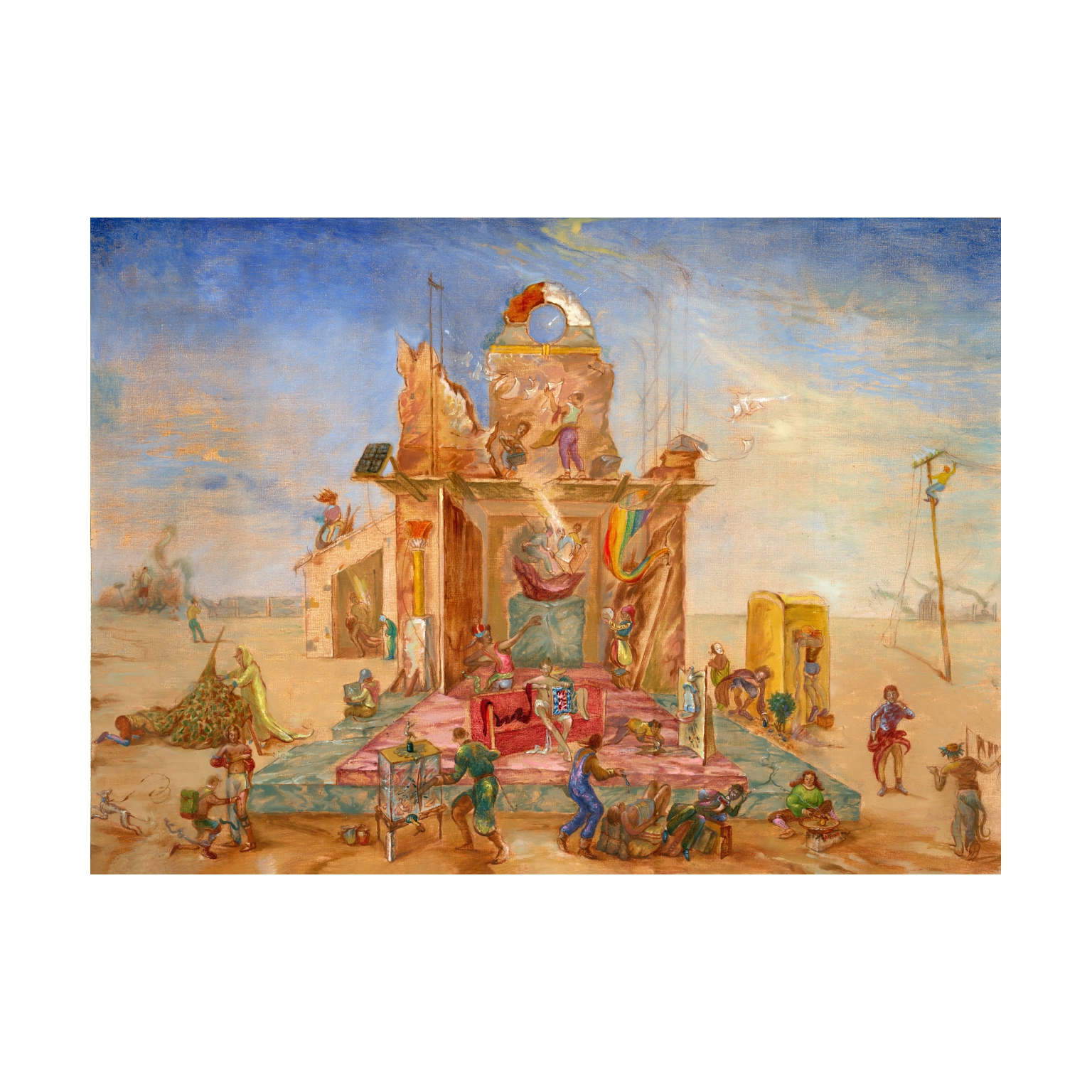
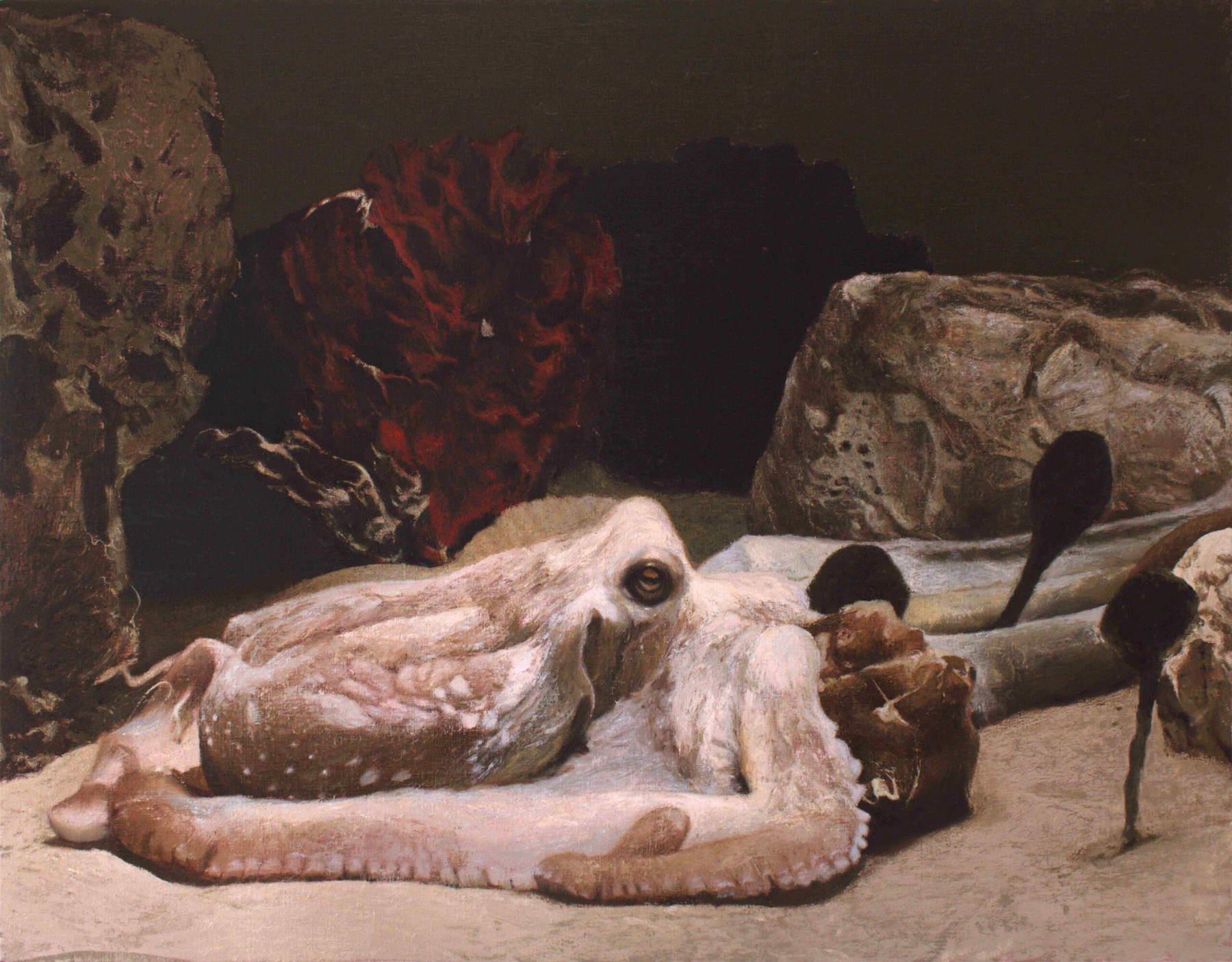
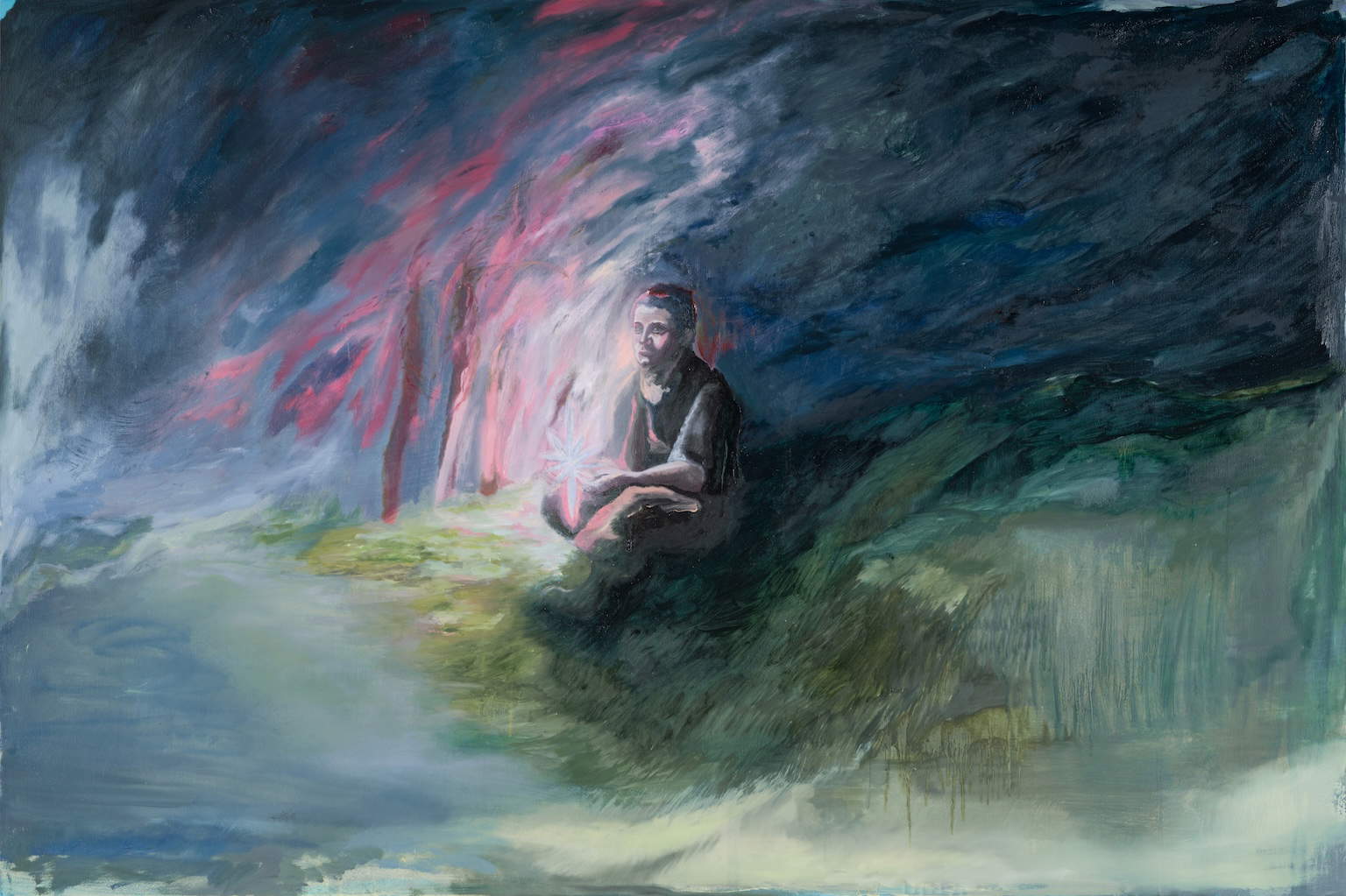
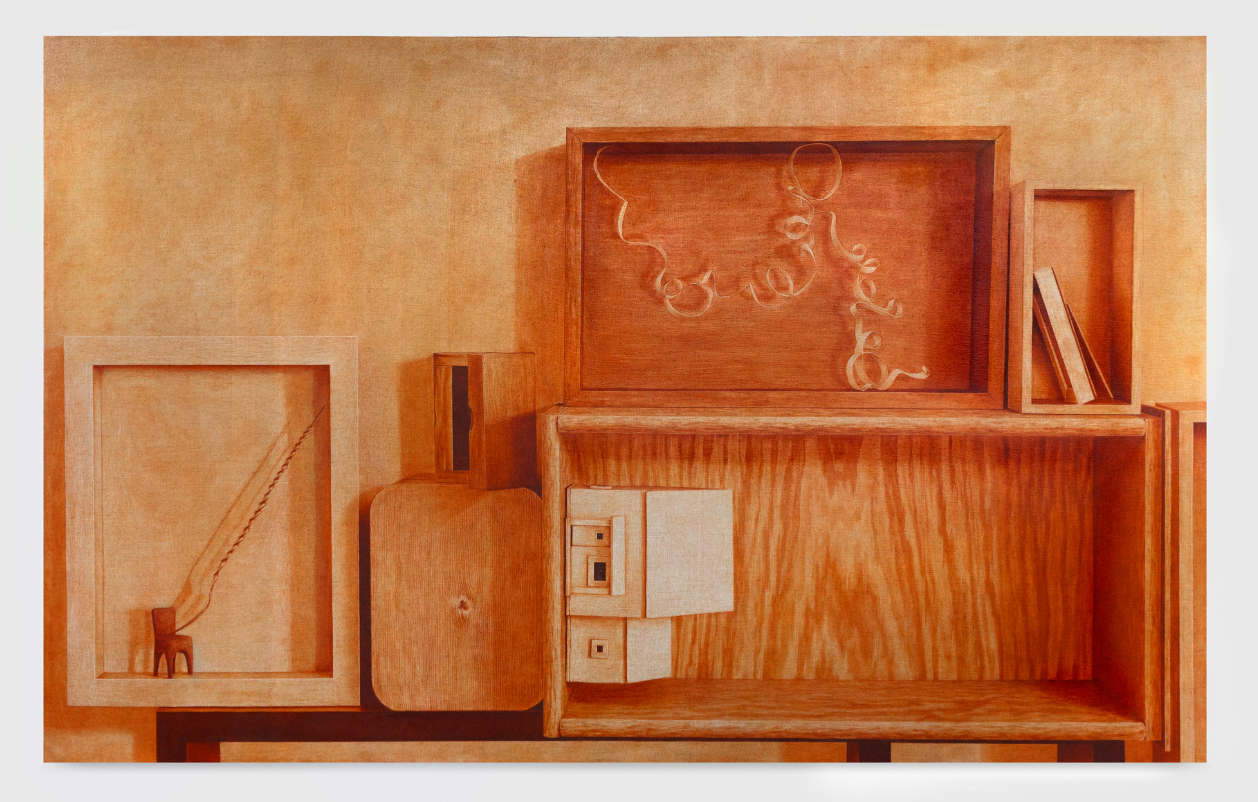
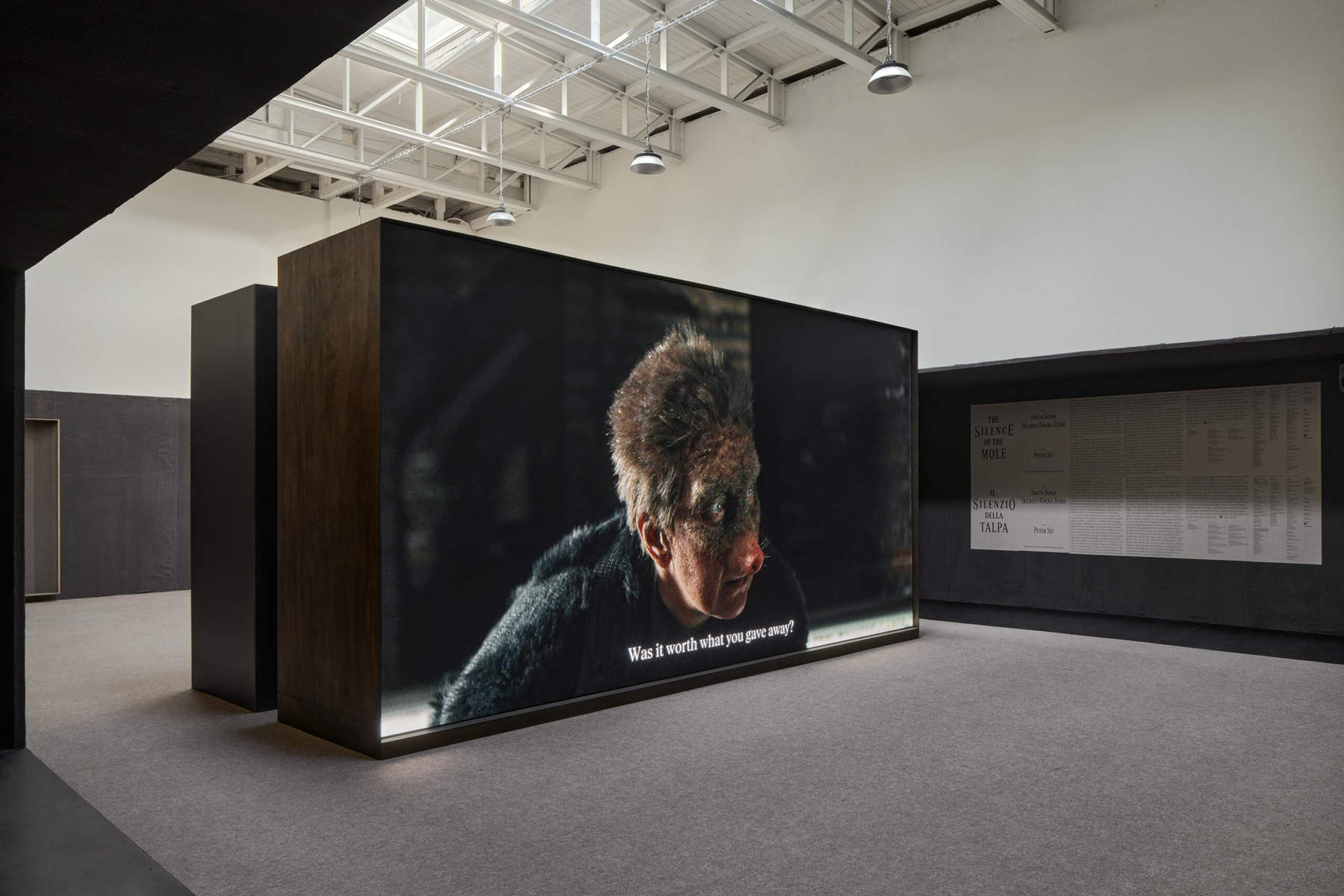
We then move on to Monologue/Dialogue, the section for emerging or experimental galleries, featuring solo booths or two-artist dialogues. Kodl Contemporary, from Prague, is bringing another artist to the Biennale this year: Jakub Jansa (Vyškov, 1989), who is representing the Czech Republic in the Czech-Slovak Pavilion in Venice. The video *The Silence of the Mole* (2026, 13 minutes, edition 2/5), created in dialogue with the Biennale project, tells the story of an elderly actor who plays a children’s character and finds himself transformed into an instrument of cultural representation: it costs 55,000 euros, including VAT. The analog photographs from the “Pumpkinville” series, taken from a short film presented in Berlin, range in price from 1,160 to 3,660 euros. Also on the same booth are the paintings by Pavla Malinová (Vsetín, 1985), which straddle the line between figuration and abstraction and feature a strong symbolic component: from 3,460 euros for small formats up to 9,910 for *Notes on Time* (2026, 120 x 160 centimeters). Another gallery from the Czech Republic, Clauda (part of the New Entries section), presents works by the young Tereza Kalousová (1998), an architect and intermedia artist who works at the intersection of the body, furniture, and architecture, and who won this year’s Jindřich Chalupecký Prize—the same award that Jansa received in 2021. The gallery offers paintings priced between 5,000 euros and 8,400 euros. The Lohaus Gallery, based in Munich and returning to Monologue/Dialogue, fosters a dialogue between two students of Karin Kneffel, both united by the idea of creating landscapes that evoke the presence of human beings without, however, depicting them directly. Sarah Zagefka (Münster, 1977), who trained at Ottersberg, Bremen, and at the Munich Academy, works on the traces people leave in the spaces they inhabit—often artists’ studios—using delicate brushstrokes: paintings priced from 3,200 to 4,600 euros. Melanie Siegel (Freiburg im Breisgau, 1978) paints landscapes viewed from above—constructed and almost clinical, poised between utopia and dystopia—drawing inspiration from familiar places such as tennis courts: the asking price for the paintings on display at the booth is 18,900 euros. Finally, worth noting in this section is the booth of the Trentino-based Boccanera Gallery, which features the ever-present Andrea Fontanari—one of Italy’s most established young painters—with new paintings that have a more ethereal and dreamlike quality than usual, in dialogue with the Chinese artist Yirui Fang.
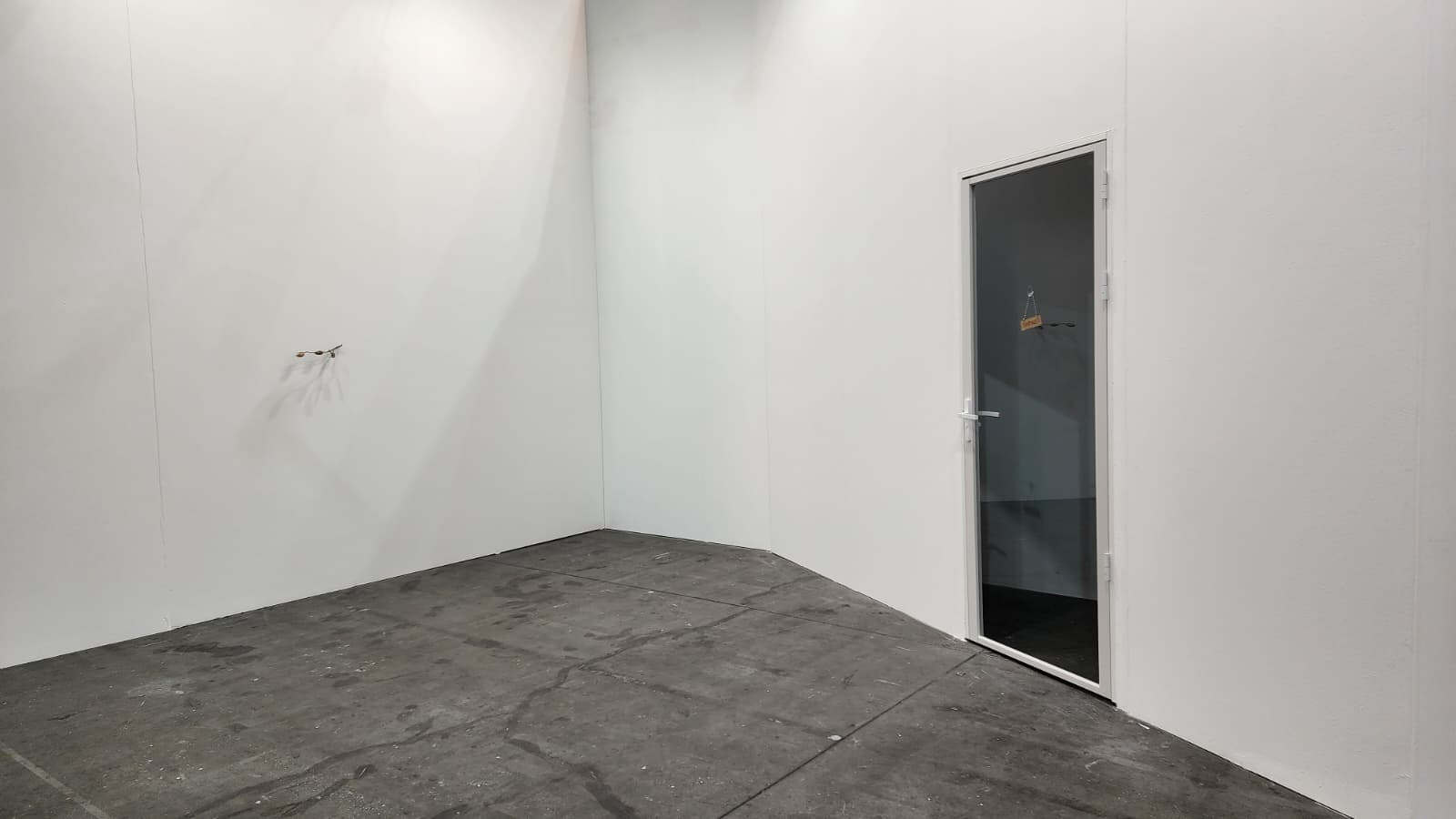
If there were an award for the most intriguing booth, it would be awarded without hesitation to the ZERO… gallery, from Milan—last year’s winner of the Orlane Prize for Art—which, again for Monologue/Dialogue, brings together two works by Maurizio Cattelan and Giorgio Andreotta Calò in a single installation titled *Something went wrong* (2026). A minimalist booth, just two works, and apparently no one there to greet visitors. On one side, Cattelan’s *Torno subito* (1989), an absence announced as temporary but which risks never ending; on the other, Andreotta Calò’s *Icarus (ramo) *, an interrupted ascent in which, however, one awaits the emergence of a moth. Two suspended images, then, that speak to the time of promise and waiting. The title evokes a system error message and refers to an event that is continually announced yet never verifiable, in a state of waiting that the gallery interprets in an almost theological light.
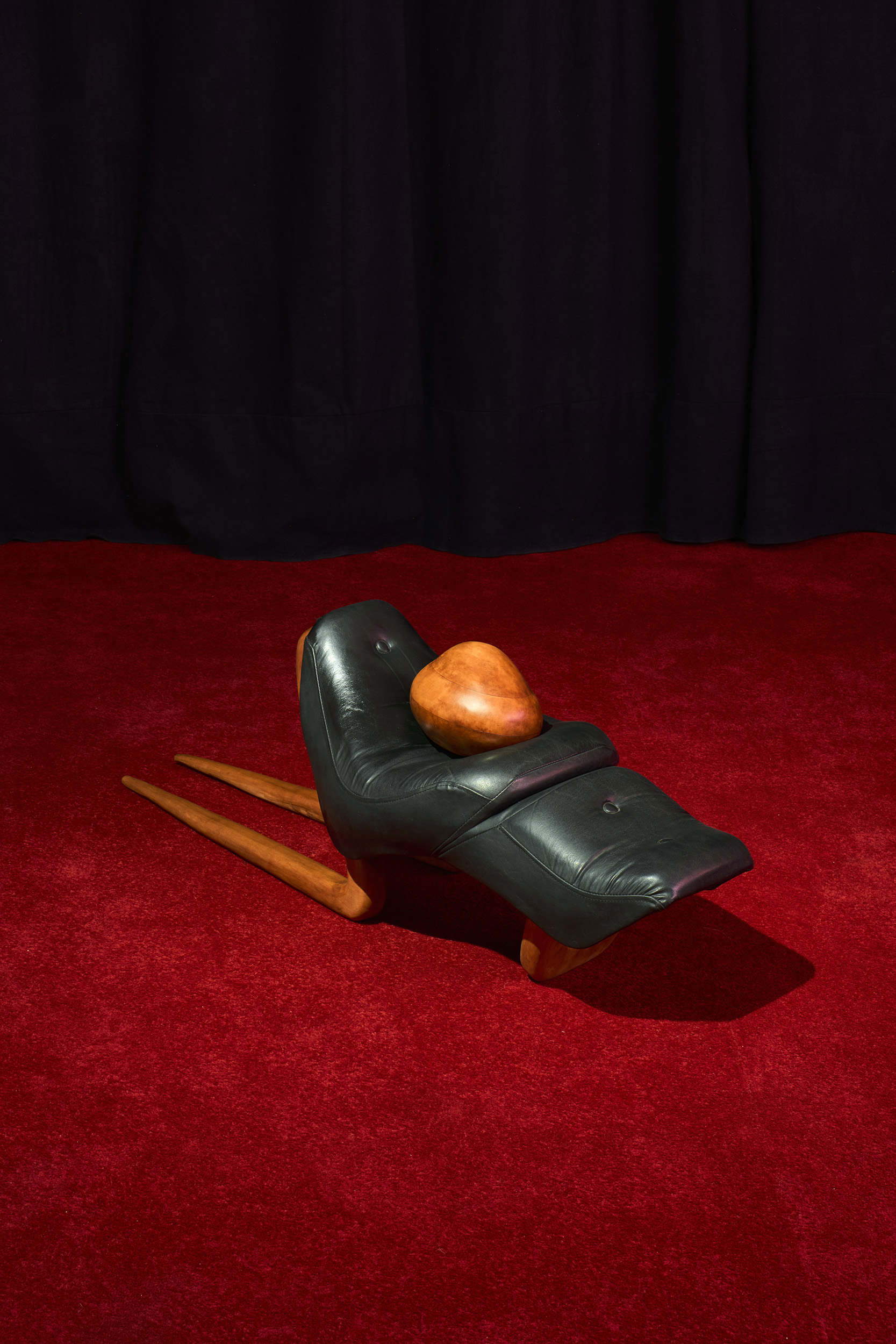
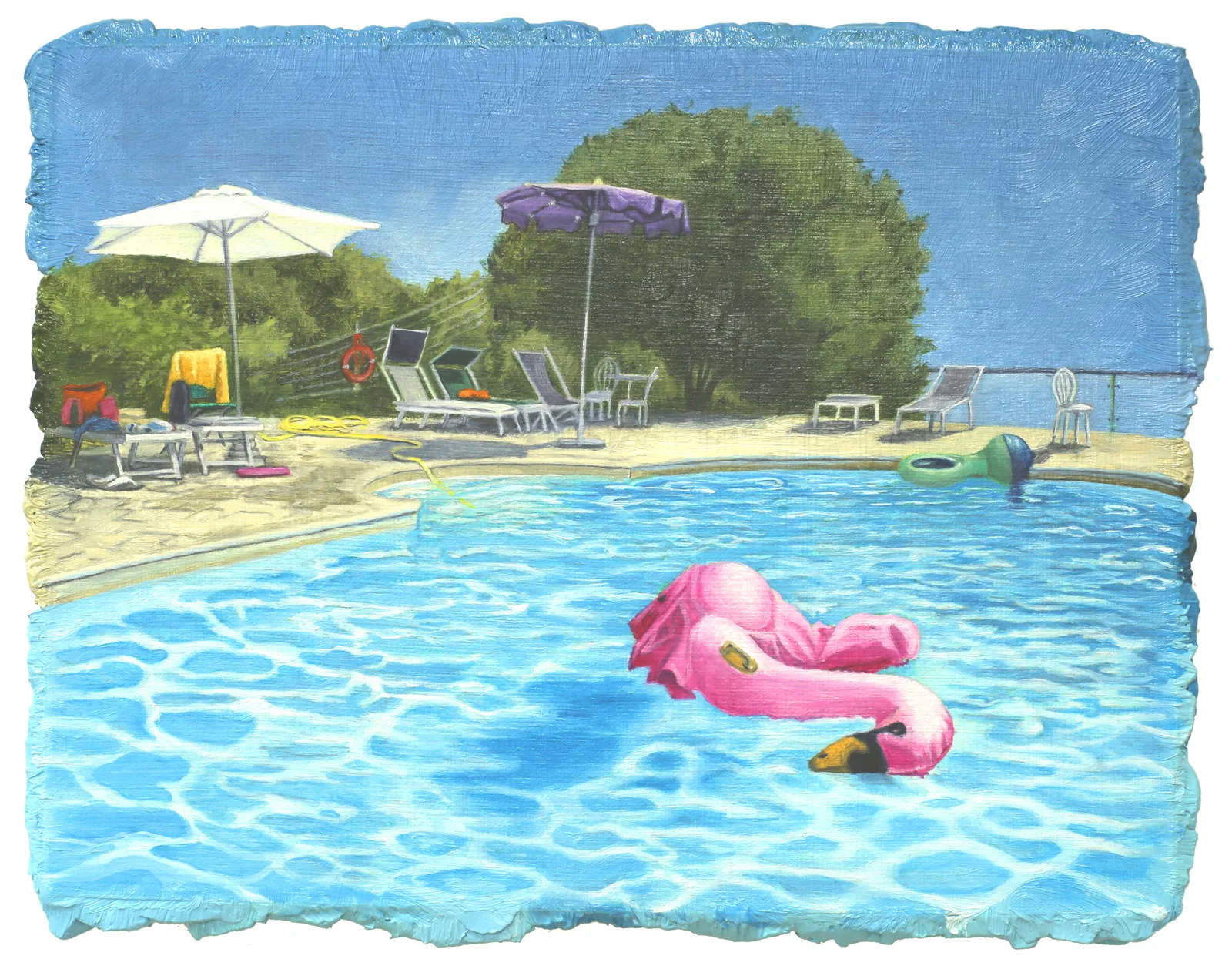
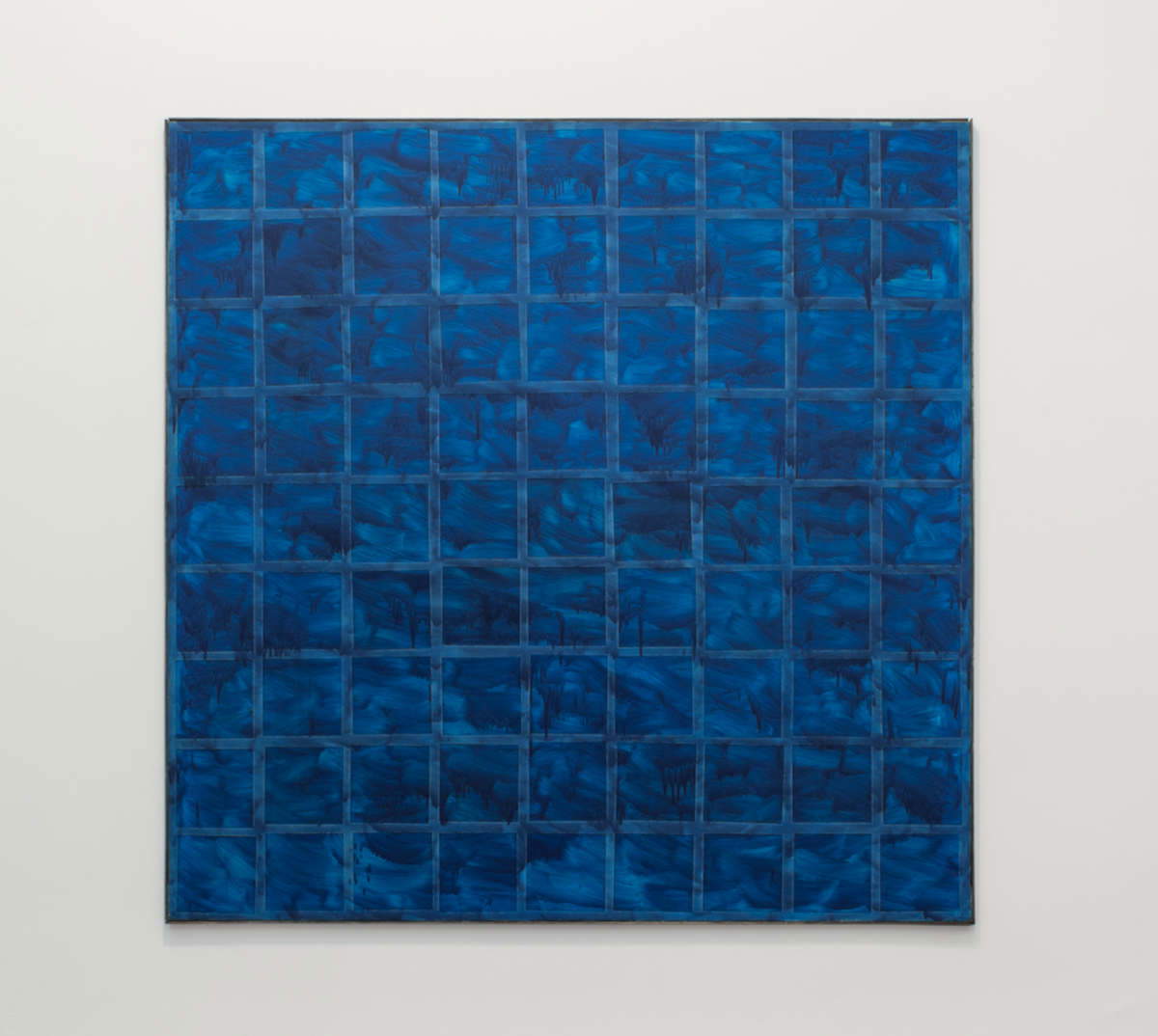
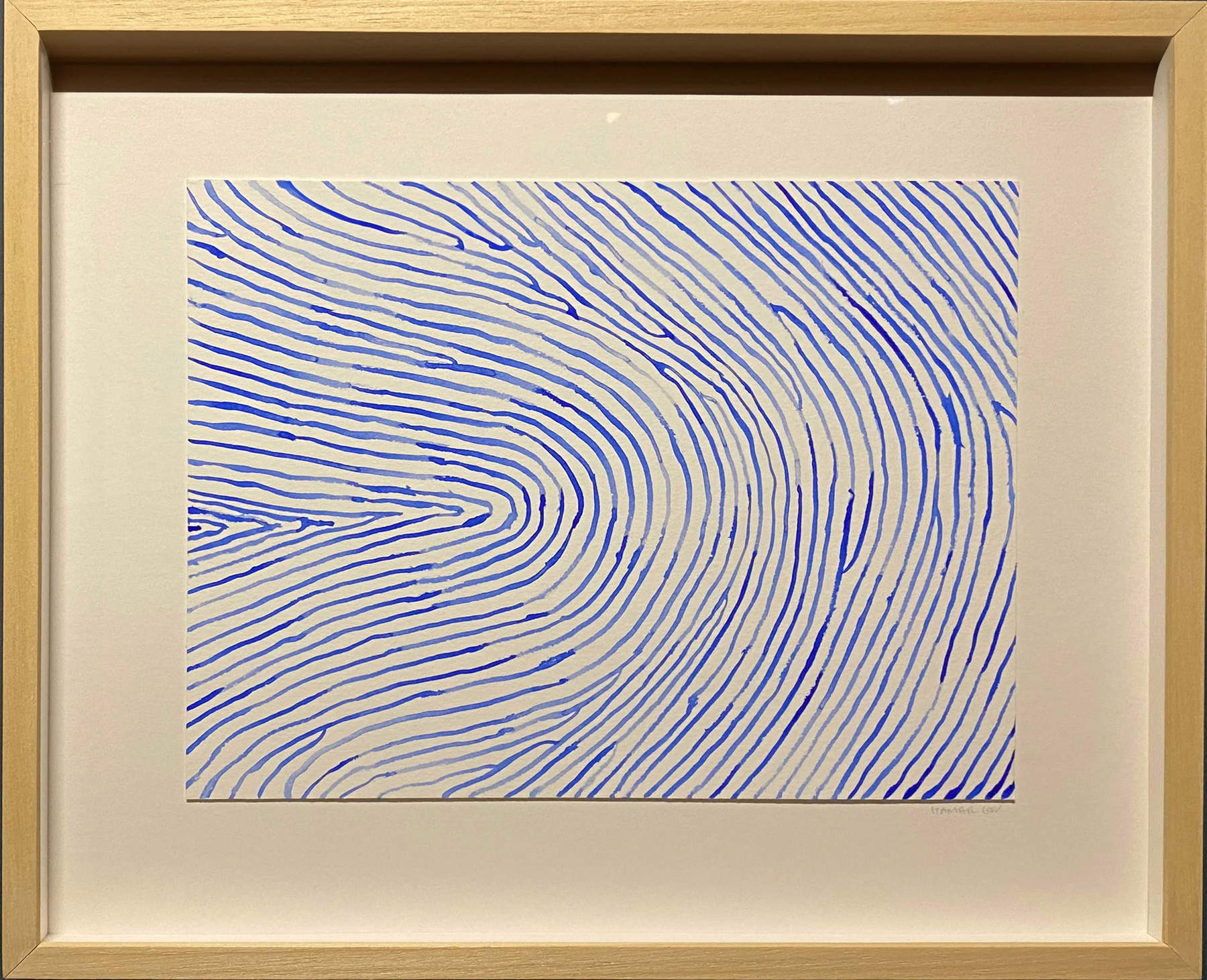
Moving on to the Main Section with 1/9unosunove, from Rome, which pairs a classic with works from two more recent generations: by Sergio Lombardo (Rome, 1939) is *Azzurro 81* (1960, collage and enamel on canvas, 200 x 200 centimeters), one of the fair’s most expensive works at 400,000 euros, while works by Pietro Moretti (Rome, 1996), paintings are available for 18,000 euros, and watercolors range from 1,300 to 5,500—prices in line with those of the landscapes on paper seen last year; Another young Italian artist, among the best seen at this edition—Giovanni Bongiovanni (Augusta, 2001)—has a large-format painting on display, *Ancora Insaziati* (2026, oil on canvas, 130.5 x 180.5 centimeters), priced at 6,000 euros. The Prometeo Gallery, with locations in Milan and Lucca, features, among other works, paintings by Niccolò Tomaini (Lecco, 1989), priced between 7,000 and 9,700 euros, alongside Santiago Sierra’s large wooden sculpture *No* from 2009—which previously took center stage in the traveling exhibition *NO Global Tour* and transforms waste into a visible gesture in public space—priced at 40,000 euros. The Zilberman Gallery, based in Istanbul and Berlin, presents, among its most striking works, a sculpture by the Slovak artist Lucia Tallová (Bratislava, 1985) from the series *Fragility of Caryatid* (2025, mixed media, 15,000 euros) and a collage from the series *Unstable Monument* at 5,000 euros, as well as watercolors by one of the best-known names in Israeli art, Itamar Gov (Tel Aviv, 1989), including the “Self Portrait” series, priced from 2,000 to 5,000 euros.
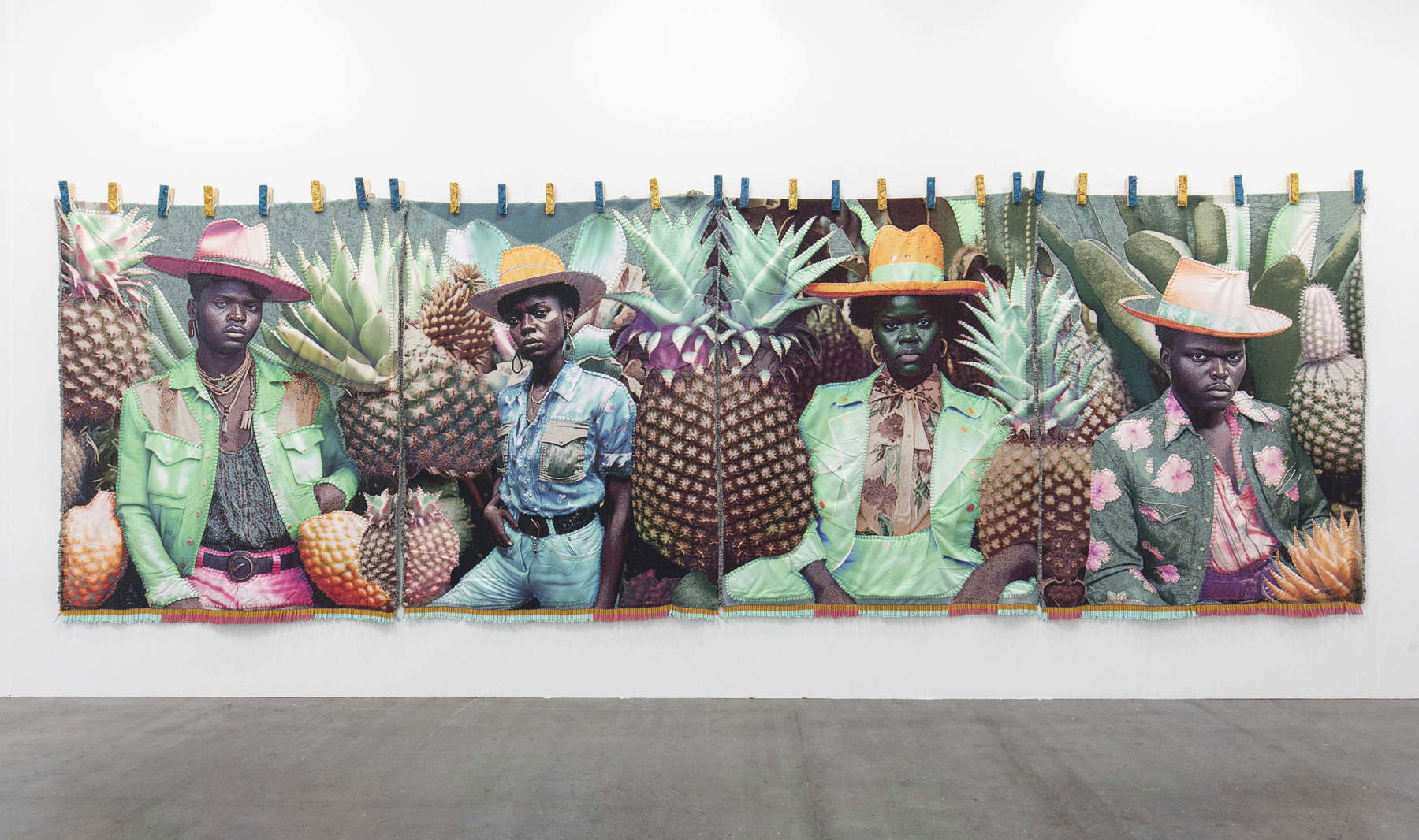
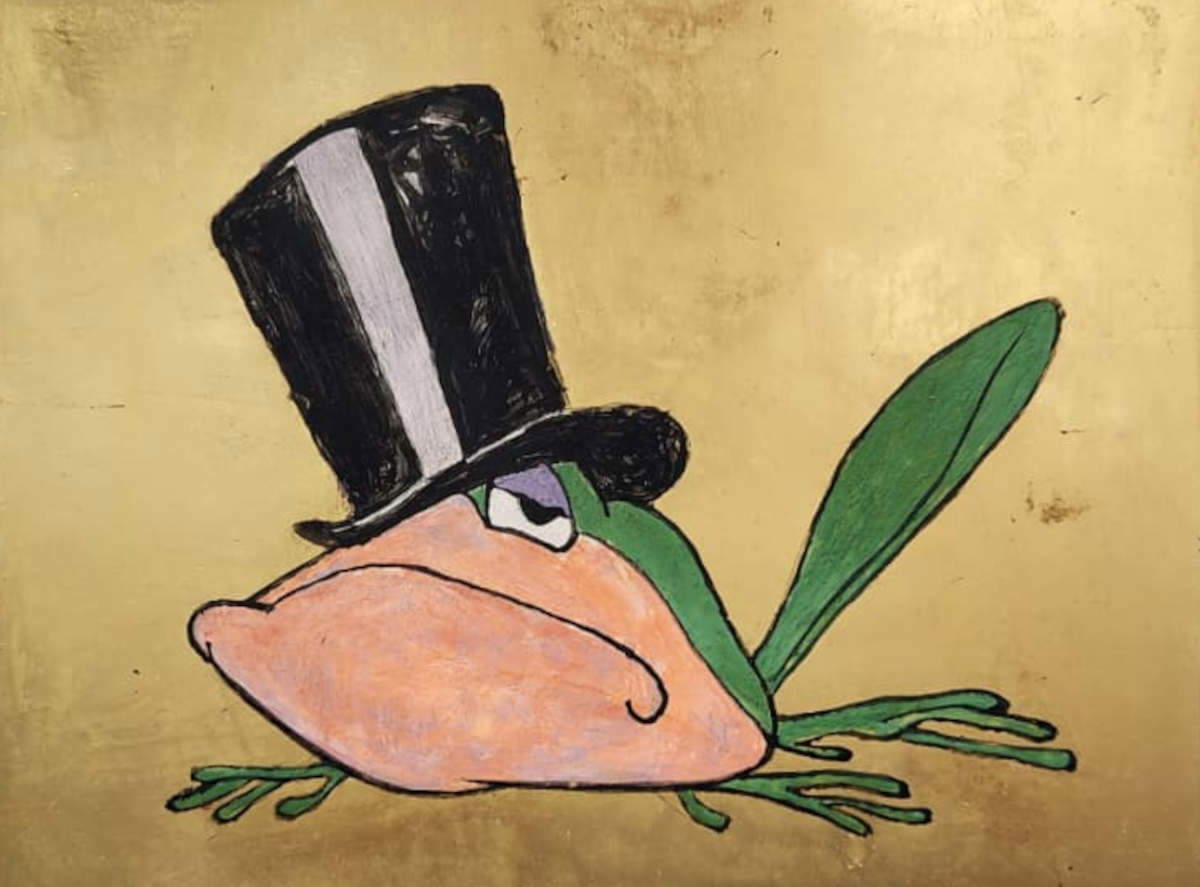
From 193 Gallery, with locations in Paris, Saint-Tropez, and Venice, comes one of the fair’s most diverse offerings: the most ambitious work is by April Bey (Bahamas, 1987), who weaves together feminism, nerd culture viewed from a Black perspective, and speculative imaginaries: the large tapestry *Me Personally?* I Wouldn’t Let Anyone Talk to Me Like That (2023, jacquard fabrics, sherpa blanket, and giant clothespins, 203.2 x 609.6 centimeters) is priced at 115,000 euros. Next to it, the paintings by the Korean artist Hyangmok Baik (Seoul, 1990), who draws on biblical and mythological references with an irreverent tone and a touch of dark humor, range from 5,500 to 16,000 euros. The Japanese gallery Side 2, based in Tokyo, presents an appealing booth focused primarily on the paintings of Takeo Hanazawa (Chiba, 1977), who draws on 18th- and 19th-century Japanese painting while remaining attuned to contemporary culture, featuring several small gilded paintings and three canvases centered on a series inspired by the encounter between Salvador Dalí and Rick James: prices range from 2,500 to 2,800 euros for works with a cosmopolitan tone yet deeply rooted in his homeland. The same booth also features one of the leading figures in relational art: Rirkrit Tiravanija (Buenos Aires, 1961), whose prices range from 6,000 to 27,000 euros—the latter figure being the asking price for a traditionally styled work, an Untitled from 2025 in oil on paper, measuring 82 x 55 centimeters.
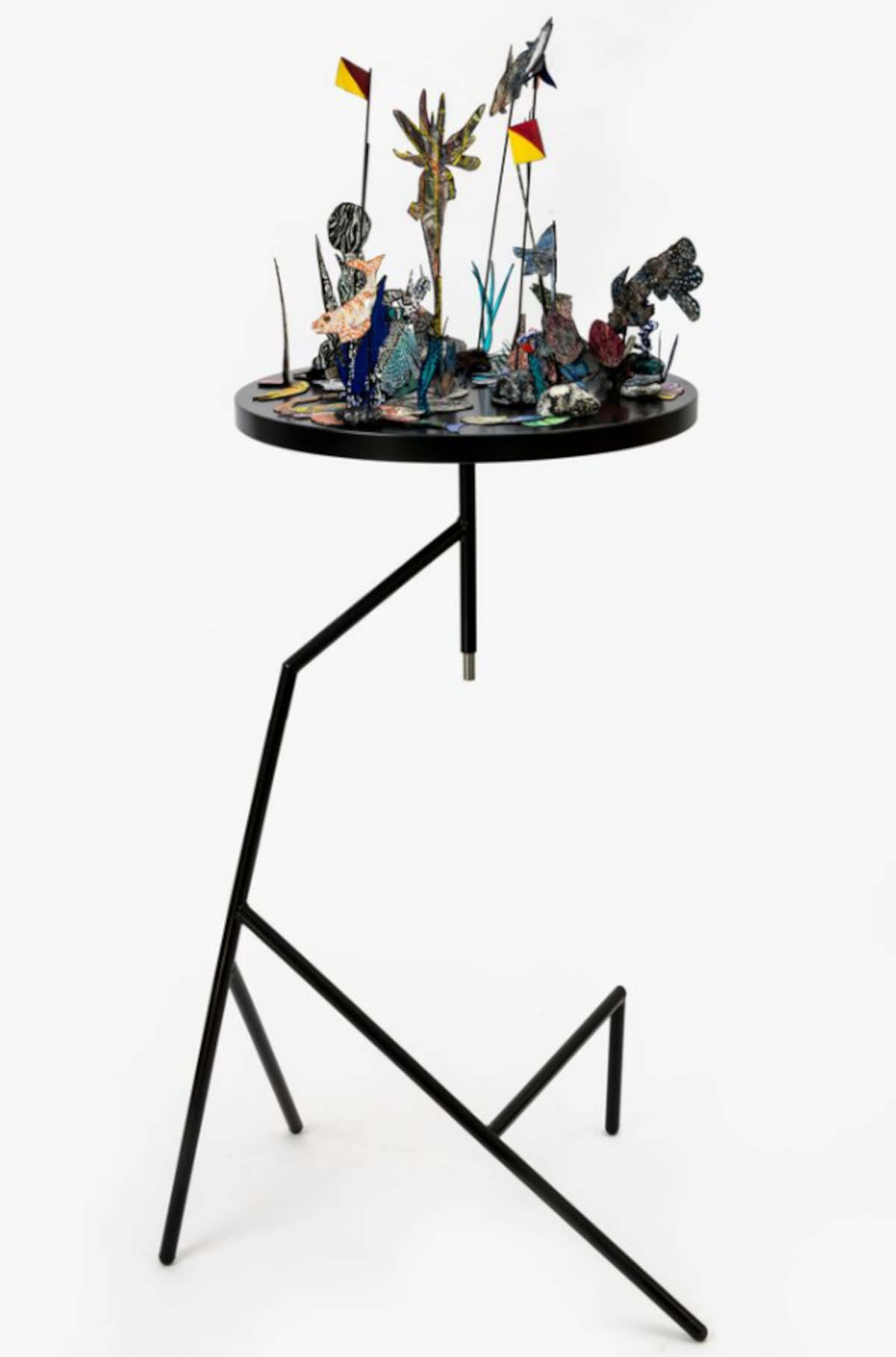
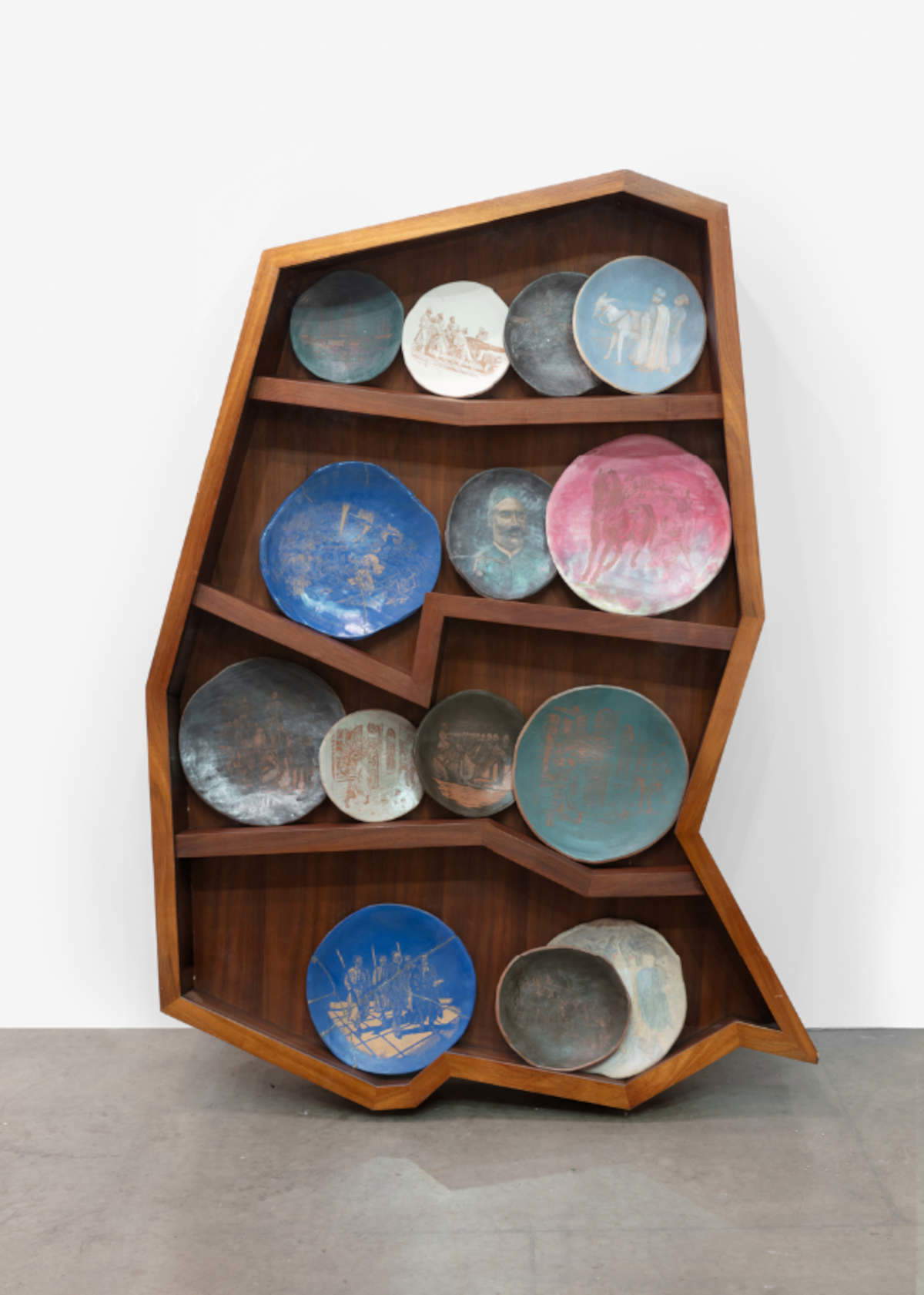
Not far away, Lia Rumma’s booth features, among its most interesting works, *Paradoxes of Abundance #67* (Midnight Zone) by Marzia Migliora (Alessandria, 1972)—dioramas composed of collages and drawings on paper with three-dimensional elements mounted on rotating wooden bases—sold for 16,000 euros. The highest price at the booth, however, is for a work by Wael Shawky (Alexandria, Egypt, 1971), *Drama 1882: Vitrine, ceramic plates #2, a sort of large display case with ceramic plates, originally conceived for the Egyptian Pavilion at the 2024 Venice Biennale and exhibited there two years ago as a physical complement to the feature-length film Shawky had brought to represent his country and its struggle for independence: 200,000 euros.
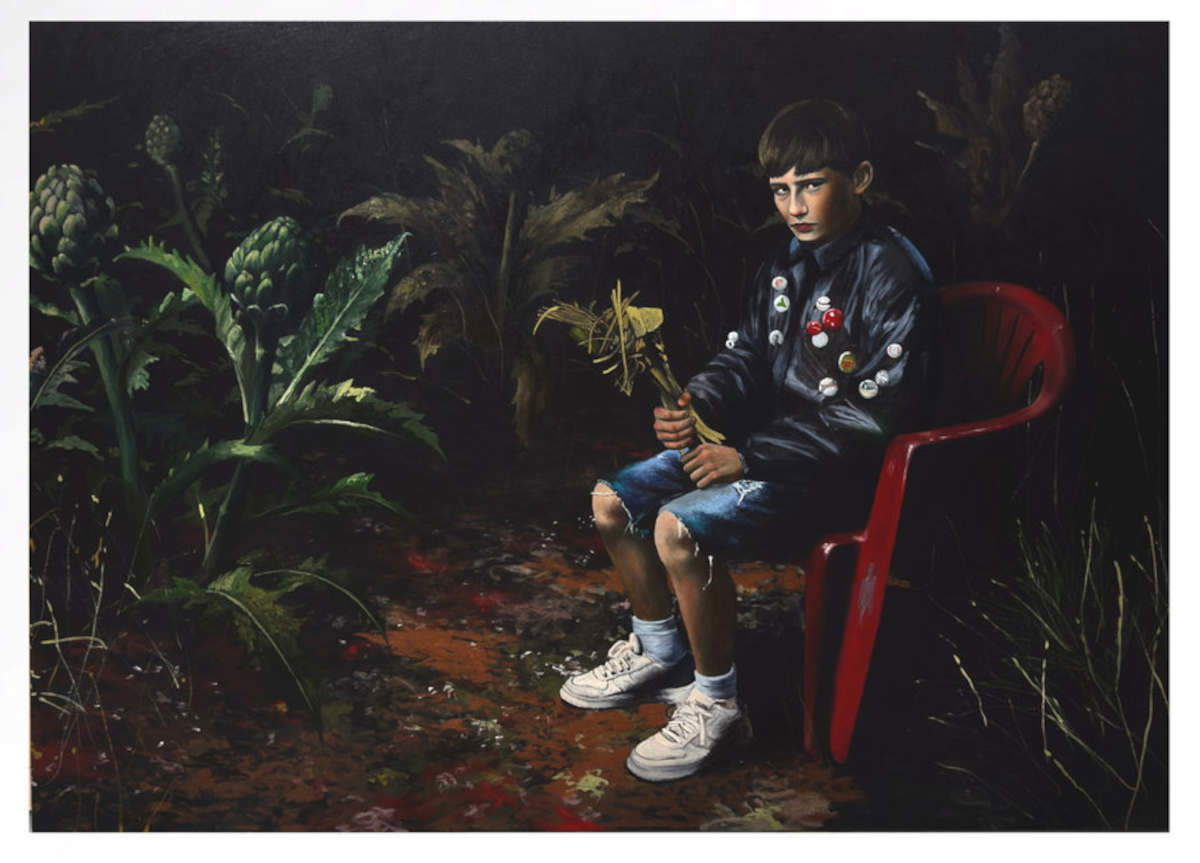
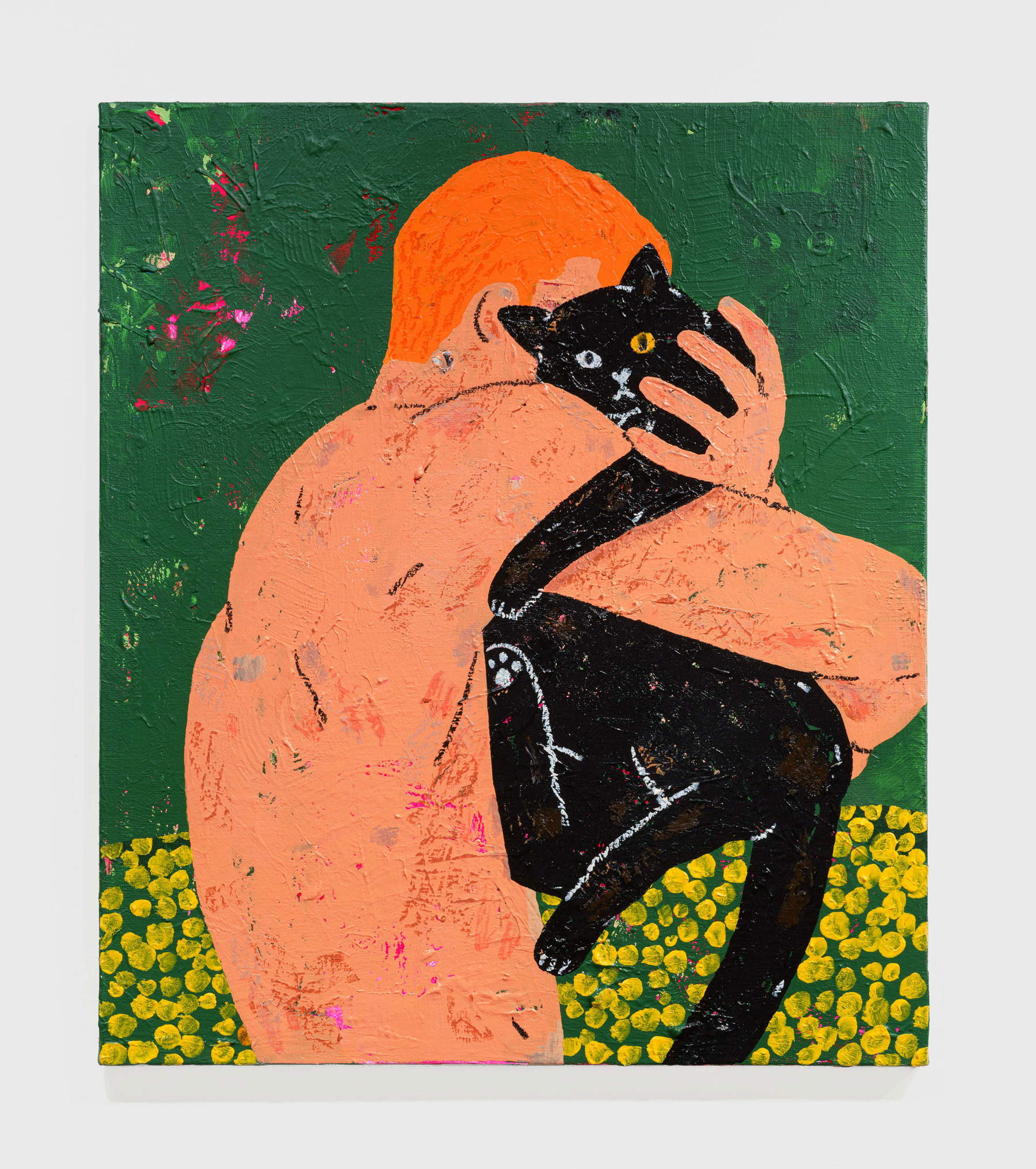
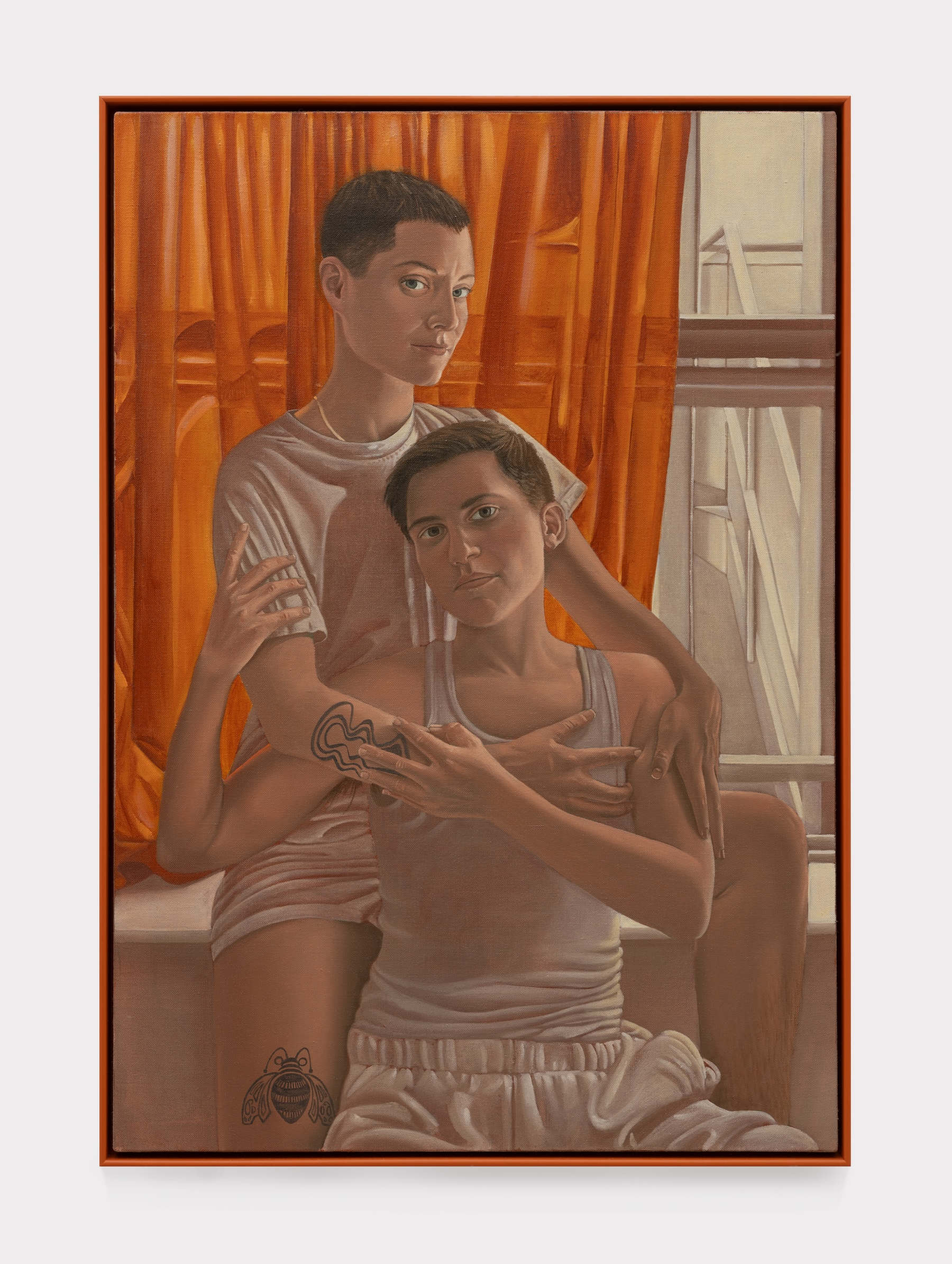
The Berlin-based ChertLüdde gallery has one of the most well-curated booths (several galleries have not bothered to present a curated selection, but instead offer a sort of sample collection of their material), featuring some well-known names in Italian art. Among them is Monia Ben Hamouda (Milan, 1991), winner of the 2024 MAXXI Bulgari Prize, is featured with *A brief period of darkness, flames and barricades IX* (2026, mixed media on cotton, 114 x 84 centimeters), priced at 12,000 euros. One of the most photographed paintings at the fair is by the ever-present Patrizio Di Massimo (Jesi, 1983): *The orange curtain (Gray and Asa) * (2024, oil on linen canvas, 134 x 94 centimeters), priced at 25,000 euros. Veteran artist Franco Mazzucchelli (Milan, 1939) is represented by *A. on A.* (2021–2023, PVC and air, 60 x 60 centimeters), priced at 8,000 euros, a nod to his early series of inflatable sculptures. Mazzoli, based in Modena and Berlin, is presenting David Salle’s *Flower Cake* (2025, oil, acrylic, flashe, and charcoal on an archival pigment print on linen, 152 x 234 centimeters), priced at 280,000 euros.
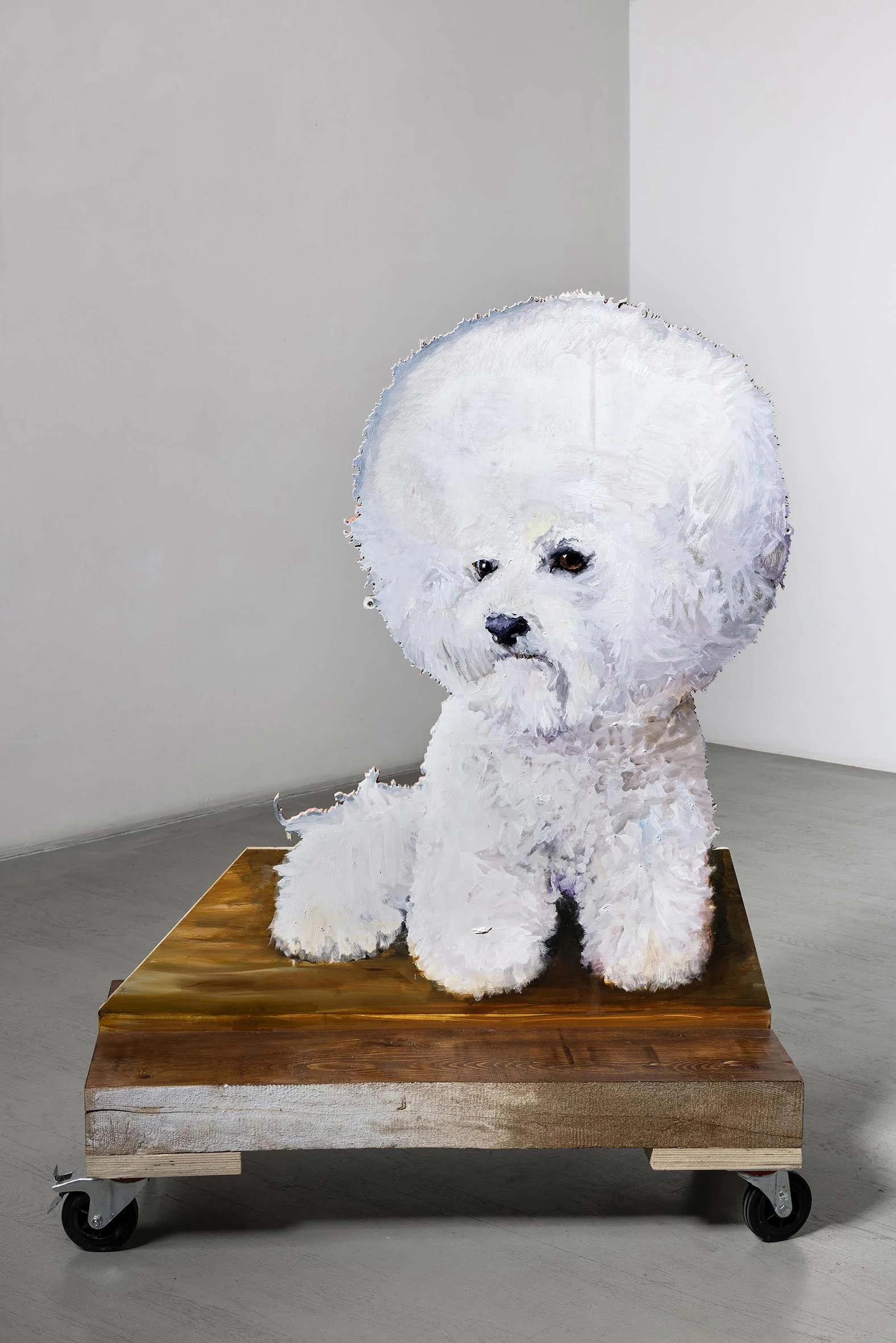
At the stand of the Modena-based gallery Mazzoli, attention is drawn to the large painting *Flower Cake* by David Salle (Norman, 1952), who had a strong showing this year in a beautiful exhibition in Venice at Palazzo Cini: For this work by the American artist—a large-format canvas that layers paint, charcoal, and a photographic base—the asking price is 280,000 euros. Alfonso Artiaco, from Naples—one of the leading galleries featured in the Main Section—presents another of the most eye-catching works: the charming *Bichon mélancolique et pourtant mobile* by Tursic & Mille (2021, oil on carved wood, Douglas fir base with casters, 129 x 94 x 45 centimeters): 35,000 euros. This work, halfway between painting and sculpture, features the image of a sad little dog carved into the wood, while the base—equipped with casters—suggests the possibility of movement.
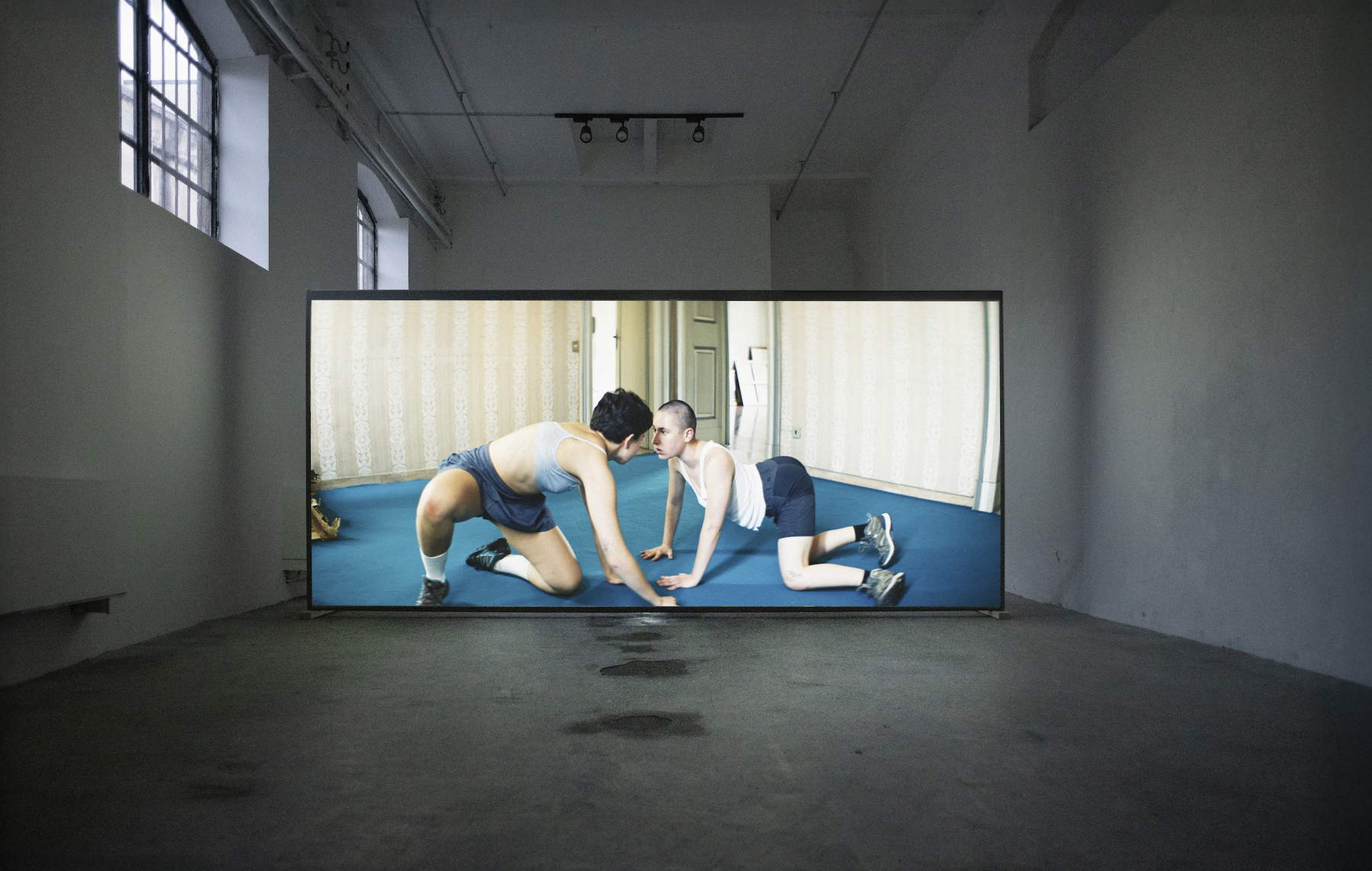
Let’s move on to the curated sections: Present Future, now in its 26th edition, brings together ten monographic projects by emerging artists, selected by curators Léon Kruijswijk and Joel Valabrega for their experimentation with materials, techniques, and technologies, and awards the illy Present Future Prize. Here, among others, the Secci Gallery, with locations in Milan and Pietrasanta, presents the young artist Emma Scarafiotti (Augusta, 1996), winner of the third edition of the Volker Walter Feierabend Foundation Prize, whose work spans film, sculpture, and the visual arts. The film *Baccanti* (2025, 27 minutes and 30 seconds, digital anamorphic) is priced at 6,500 euros; AI-QUARIUM (2026), a 3D-printed resin television featuring a video generated by artificial intelligence, is priced at 8,500 euros, and the booth is rounded out by lightboxes from the XRay series, featuring six printed stills taken from videos, priced at 6,500 and 7,000 euros.
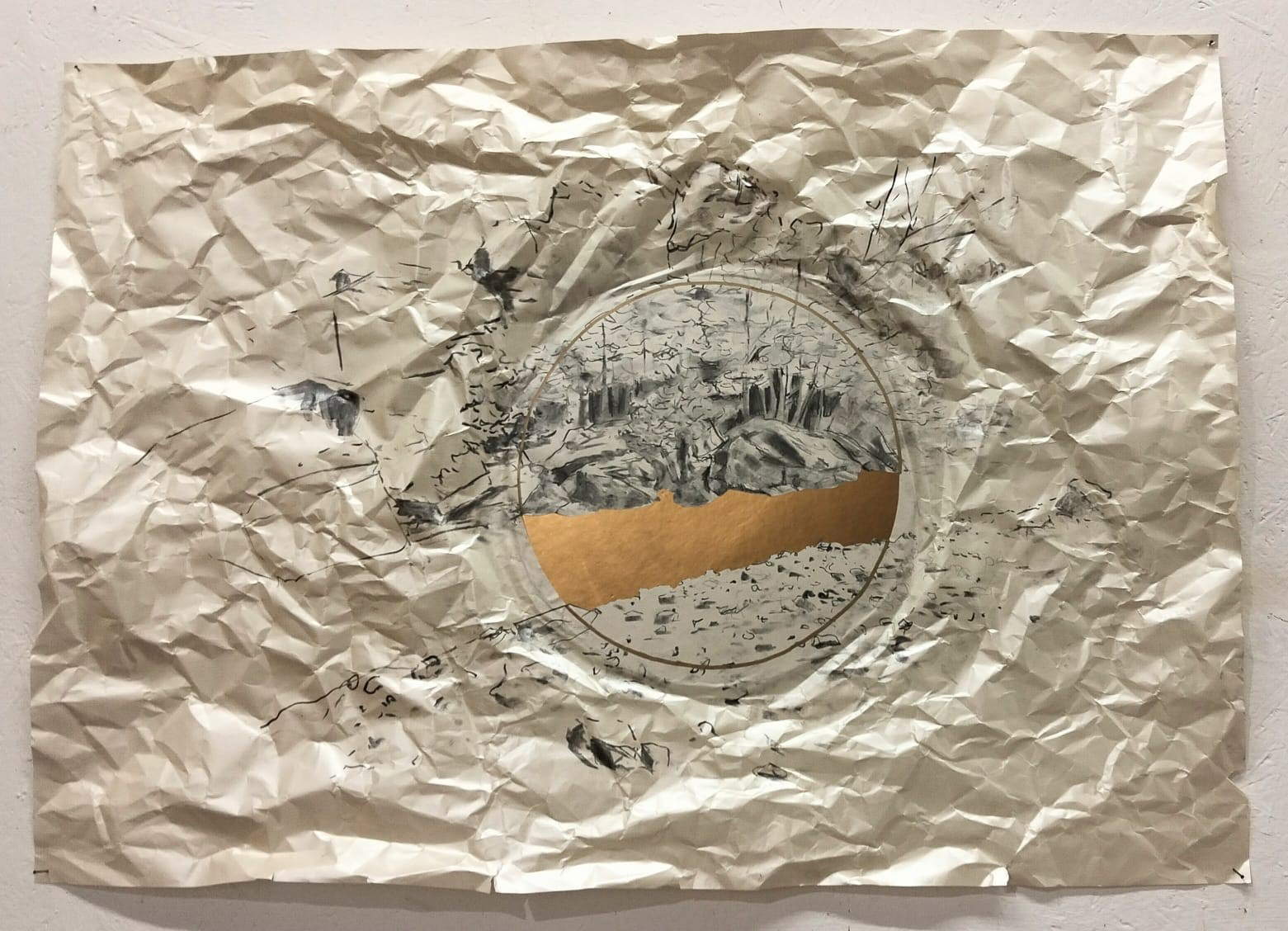
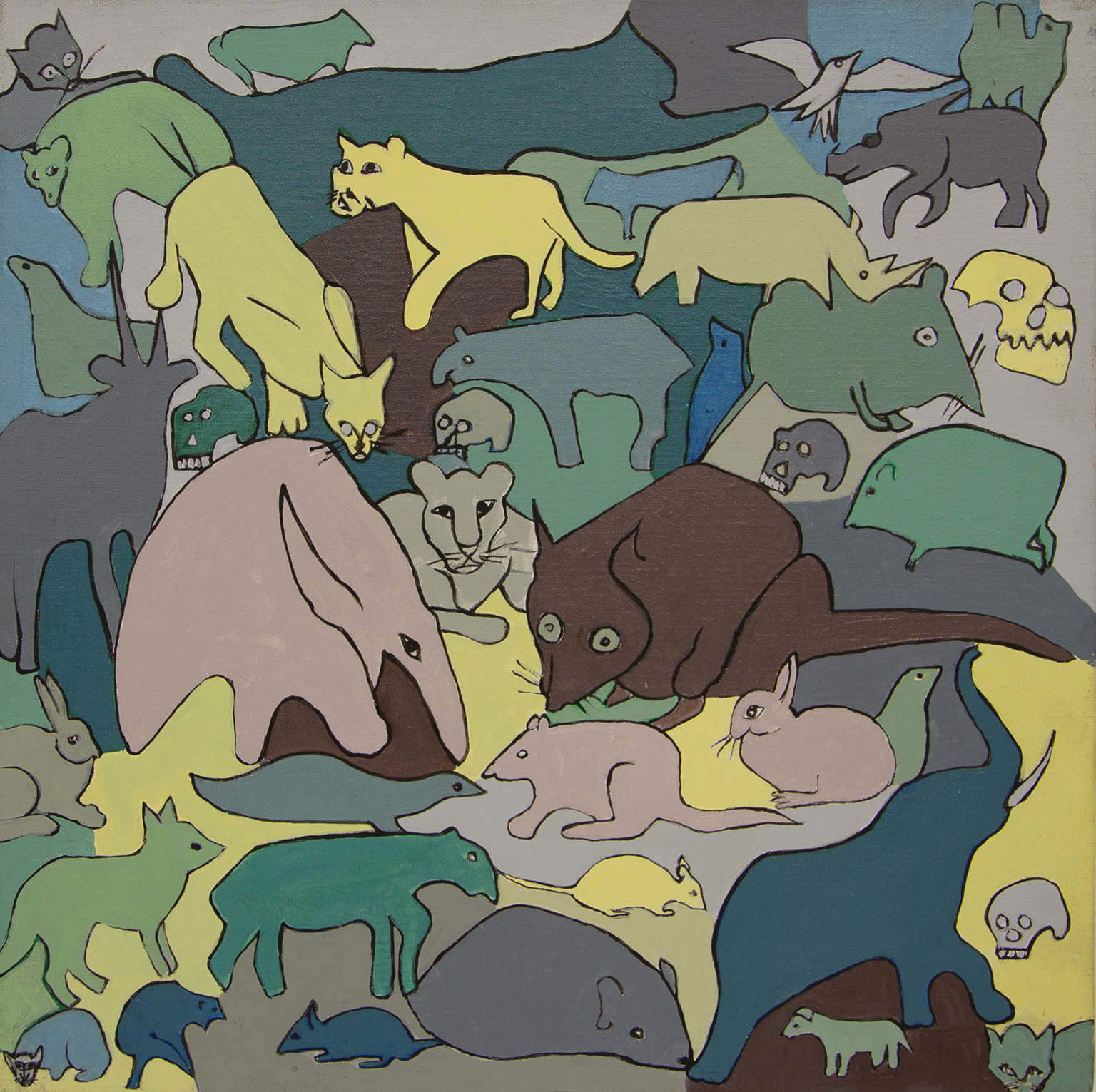
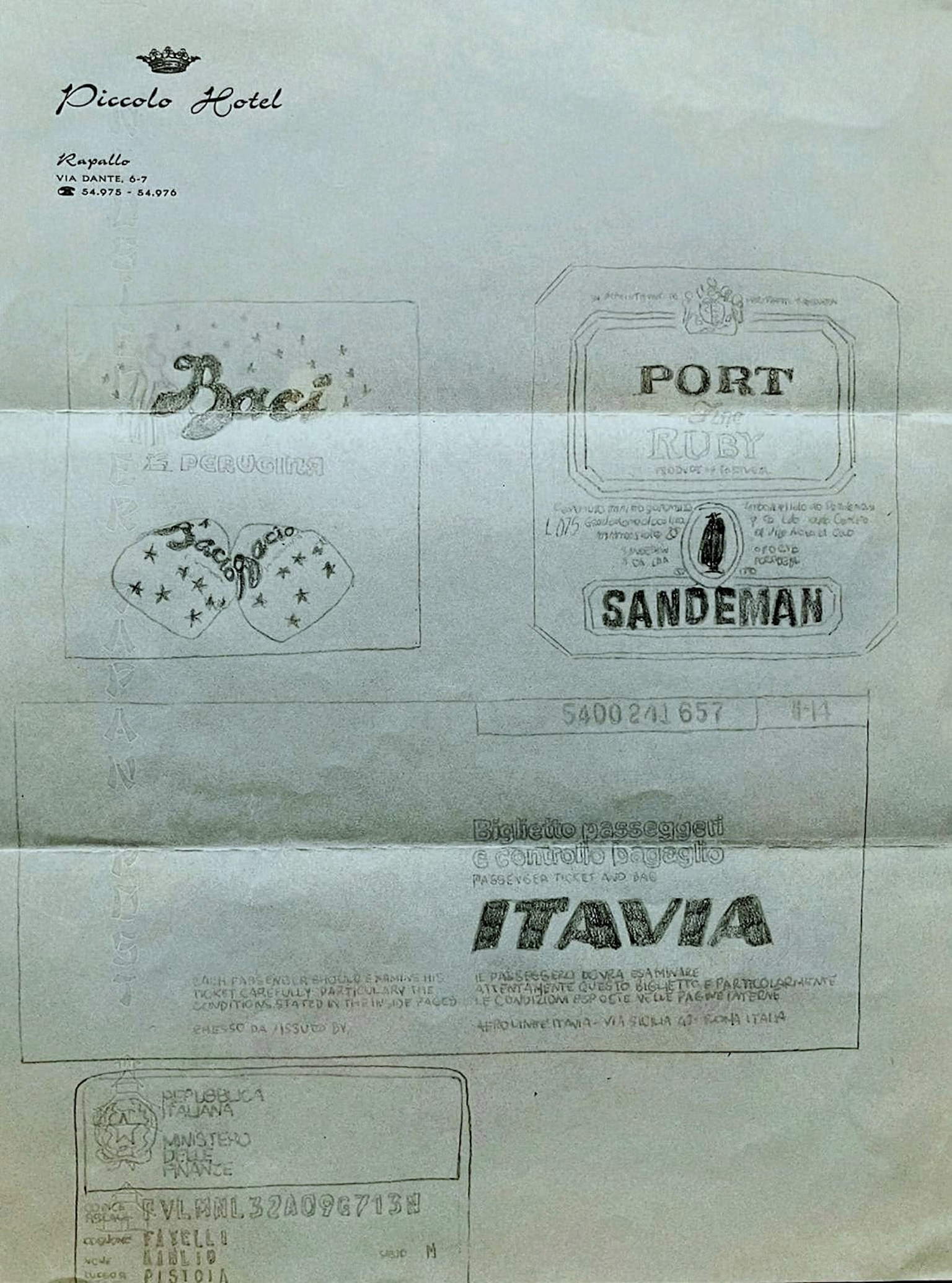
In “Disegni,” the only section of an Italian art fair dedicated to this medium—now in its tenth edition and curated by Irina Zucca Alessandrelli with ten projects conceived as solo exhibitions— Maurits van de Laar, from The Hague, presents the works of Susanna Inglada (Banyeres del Penedès, 1983). The Spanish artist, based in Amsterdam and with a background in theater, draws on the biblical story of Susanna and the Elders to reflect on power, gender inequality, and the weight of rumors, using collages of charcoal, pastel, and acrylic on colored paper, featuring distorted figures and symbolic gestures. The drawings are accompanied by an animation commissioned in 2024 by a Dutch museum, in which a bird becomes a symbol of the desire to escape: the works are priced between 3,000 and 13,500 euros. Also in the “Drawings” section, Il Chiostro Arte & Archivi in Saronno has a price list based on the sheet sizes for the Santerno-Koi series by Marco Di Giovanni (Teramo, 1976), a work inspired by an ancient Chinese legend that tells how, among hundreds upon hundreds of carp, only one will manage to swim upstream against the current of the sacred river and will be rewarded by the gods for its tenacity. The installation recounts this legend through a series of pearlescent paper sheets, available at various prices: 1,000 euros for the 35 x 50-centimeter size, 2,000 for the 50 x 70 sheets, 3,000 for the 70 x 100 size, while the entire installation (215 x 315 centimeters) is priced at 12,000 euros. The Studio Sales gallery in Rome presents one of the fair’s most ambitious installations, featuring evocative drawings by Flavio Favelli (Florence, 1967), all on hotel letterhead, each priced at 3,000 euros (a uniform price that thus allows buyers to choose based on the subject matter rather than the price list). In “Back to the Future,” the section dedicated to pioneers of contemporary art active between the 1930s and 1990s—curated by Heike Munder and Jacopo Crivelli Visconti and featuring ten monographic booths—dieFirma, based in New York, rediscovers the works of Nadia Gould (1929–2007), with paintings priced between $12,600 and $33,600.
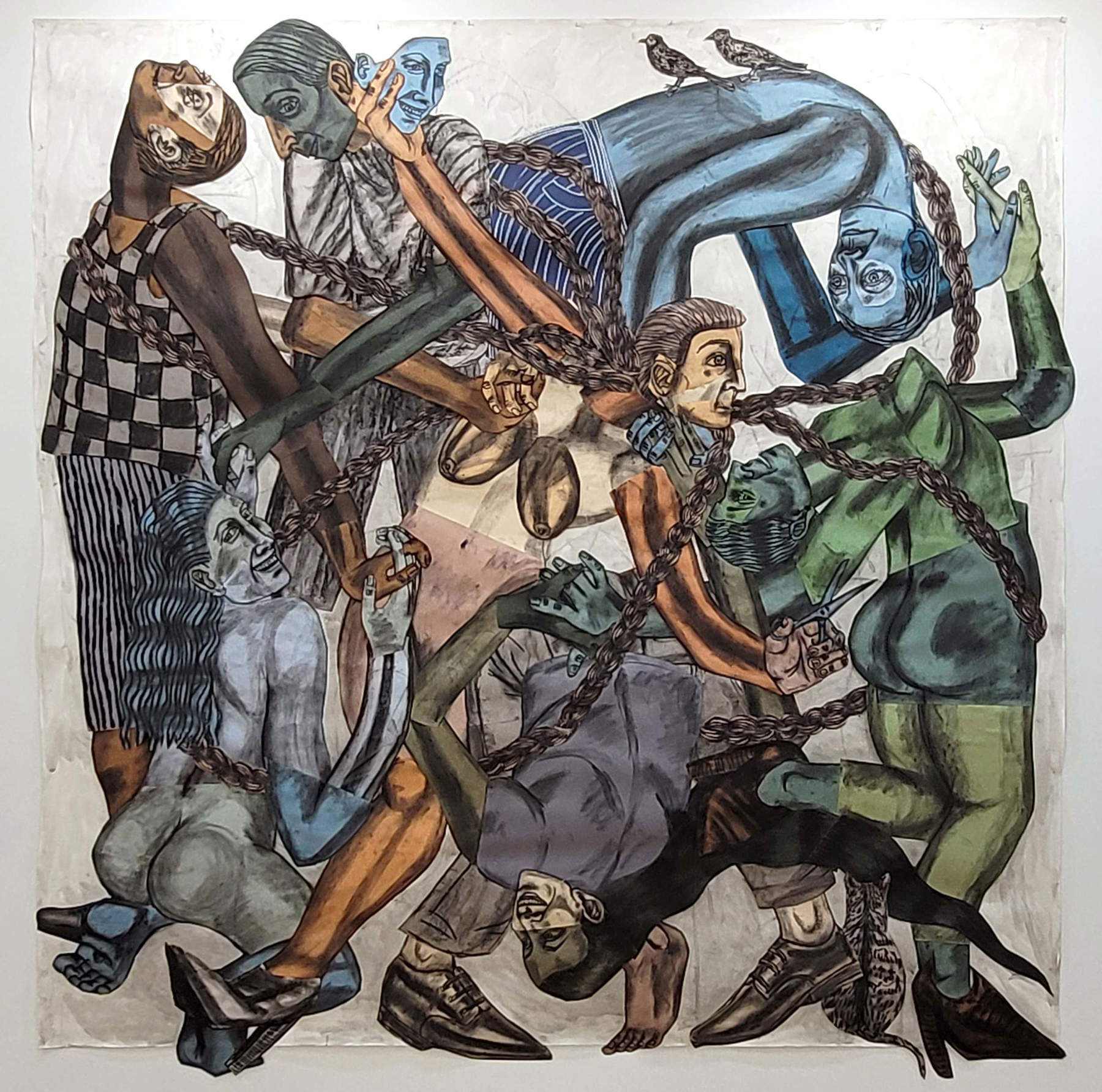
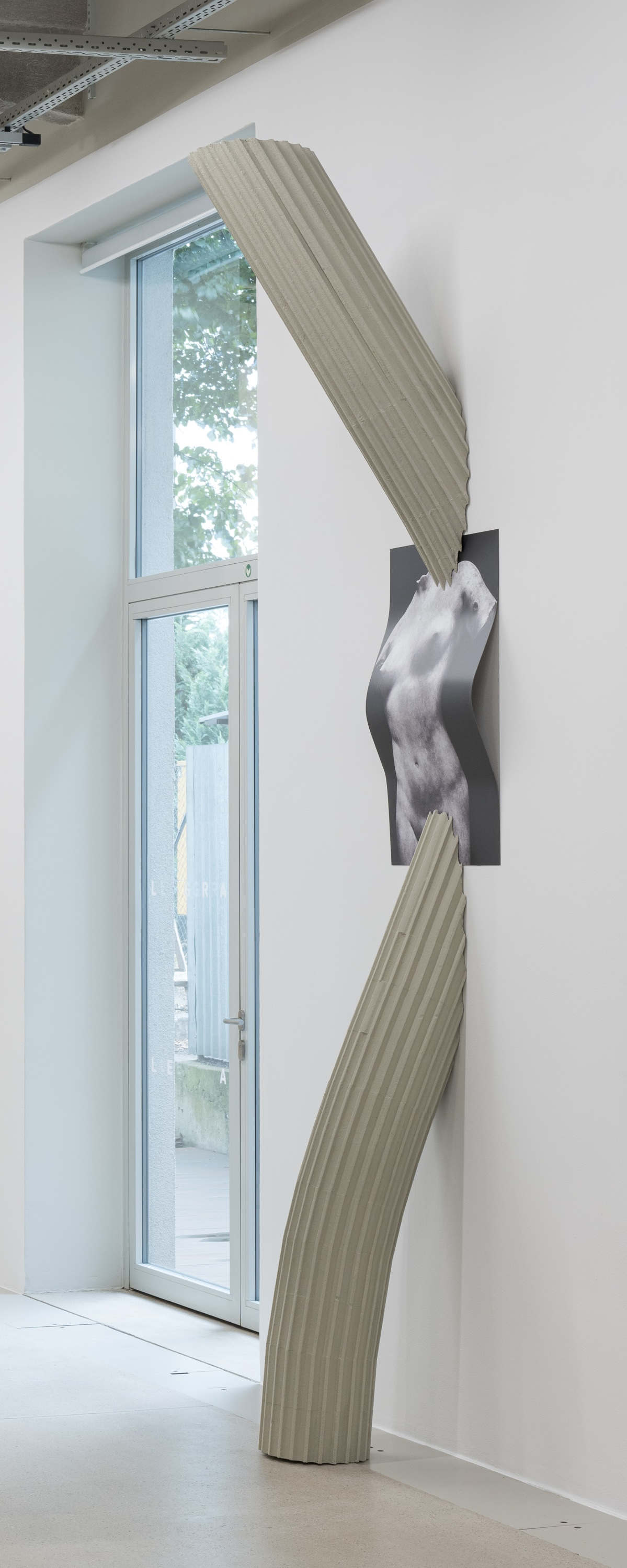
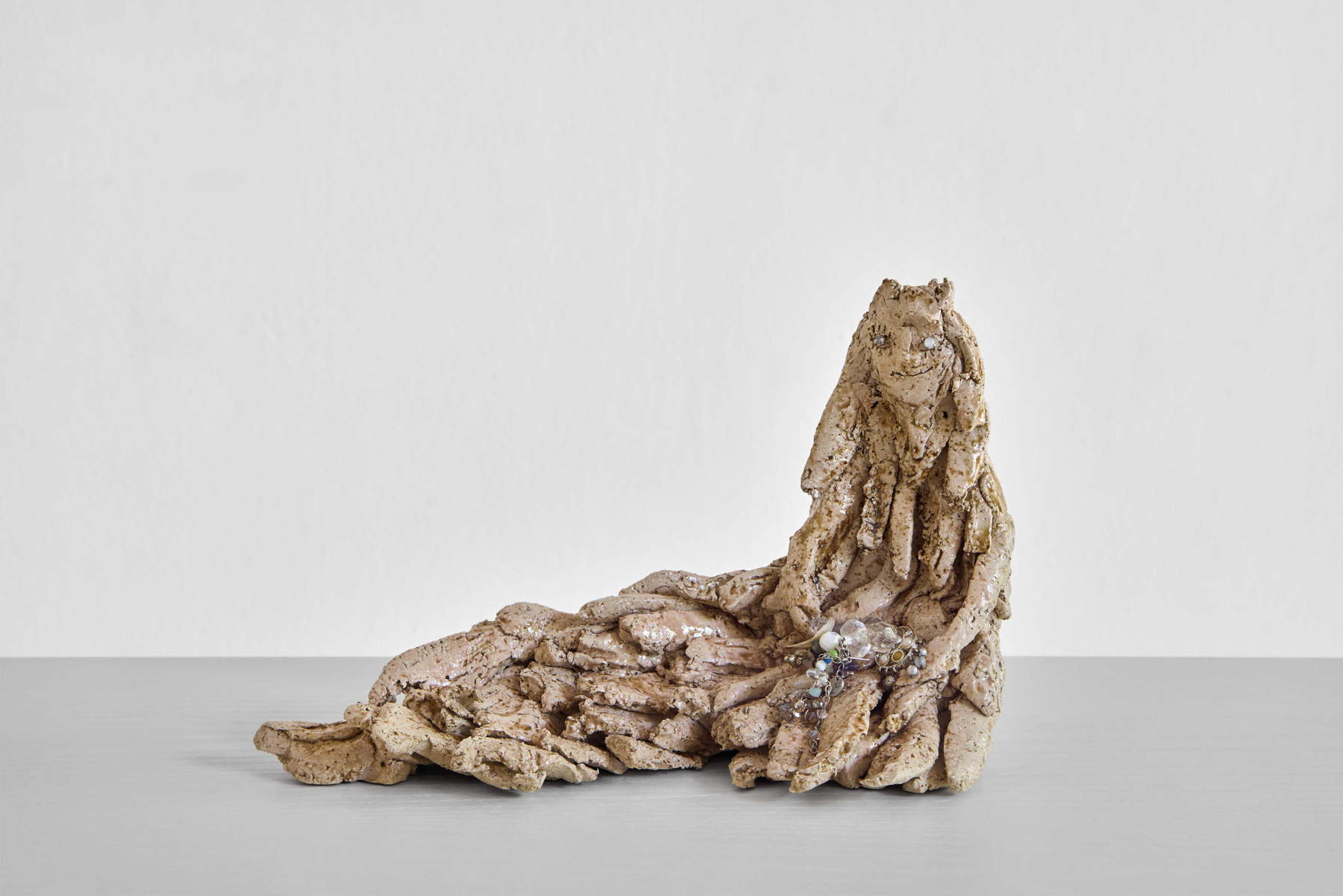
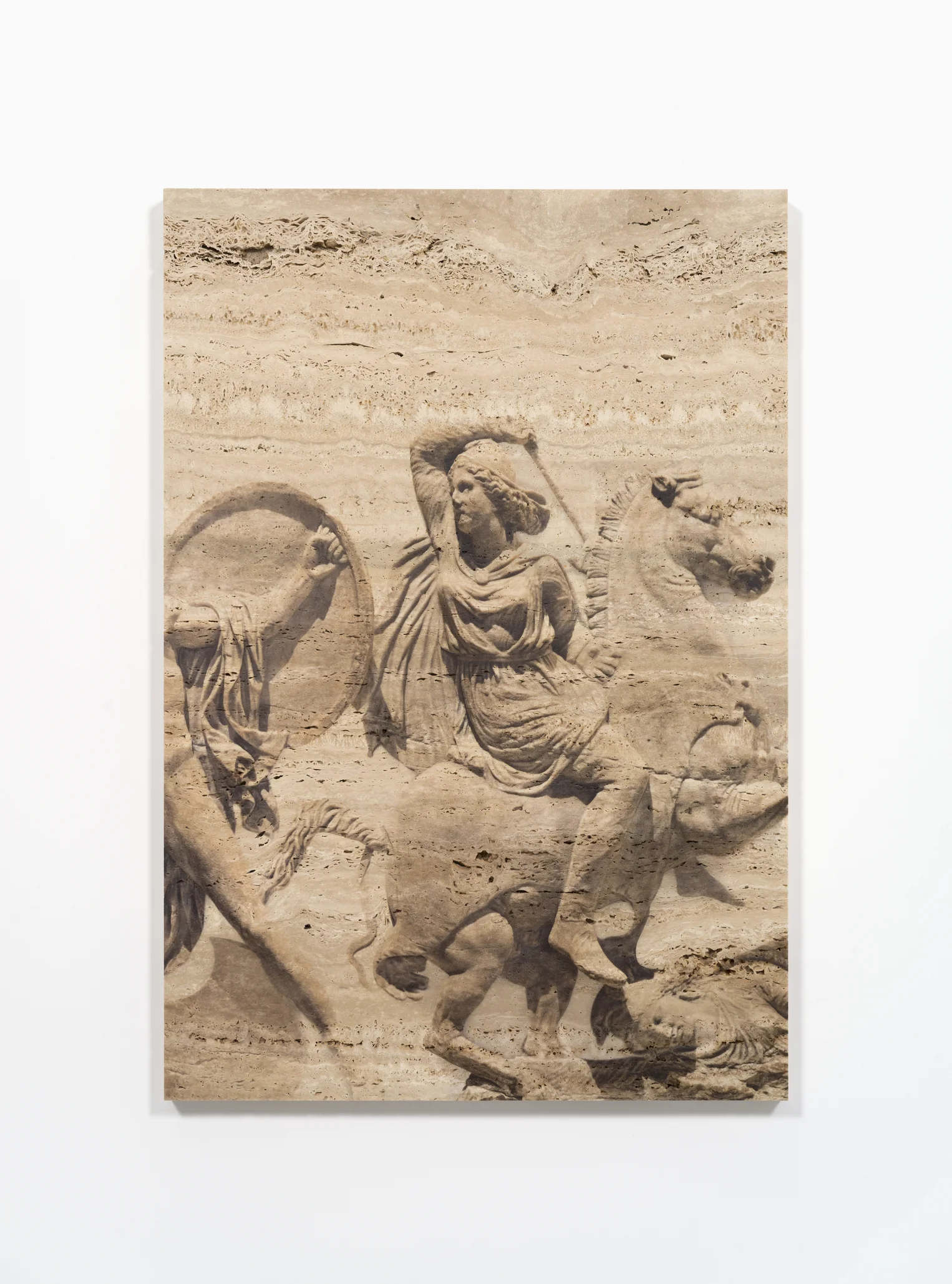
Leaving the central area dedicated to curated sections, we re-enter the Main Section: among the first booths encountered upon exiting the space at the center of the Oval is that of SpazioA, from Pistoia, where several sculptures by Chiara Camoni (Piacenza, 1974), an artist featured in the Italian Pavilion at this year’s Biennale, priced from 9,000–10,000 to 40,000 euros—a rise from last year’s prices. The Rossi & Rossi gallery, meanwhile, presents Elisa Sighicelli (Turin, 1968) with the series *Amazons*: details of Greco-Roman sculptures depicting scenes of battles between Amazons and men, printed directly onto travertine—the same material as the works depicted—so that the grain of the stone blends with that of the image, and the photograph itself becomes a material entity. The myth—in which the warrior women are almost always defeated by Greek heroes—is interpreted as a confrontation between the patriarchal order and a model of the autonomous woman: these photographs, among the best in the exhibition and highly recognizable, are selling for 12,000 euros each. Heading toward the final corridors, one comes across the Dep Art booth, which deserves special mention this year as the Milanese gallery celebrates its twentieth anniversary: the selection at the booth includes the gallery’s long-standing artists, from Imi Knoebel to Wolfram Ullrich, from Regine Schumann to Pino Pinelli, joined by artists such as Jaime Poblete and Brian Wills, who have joined the Dep Art roster over the past couple of years.
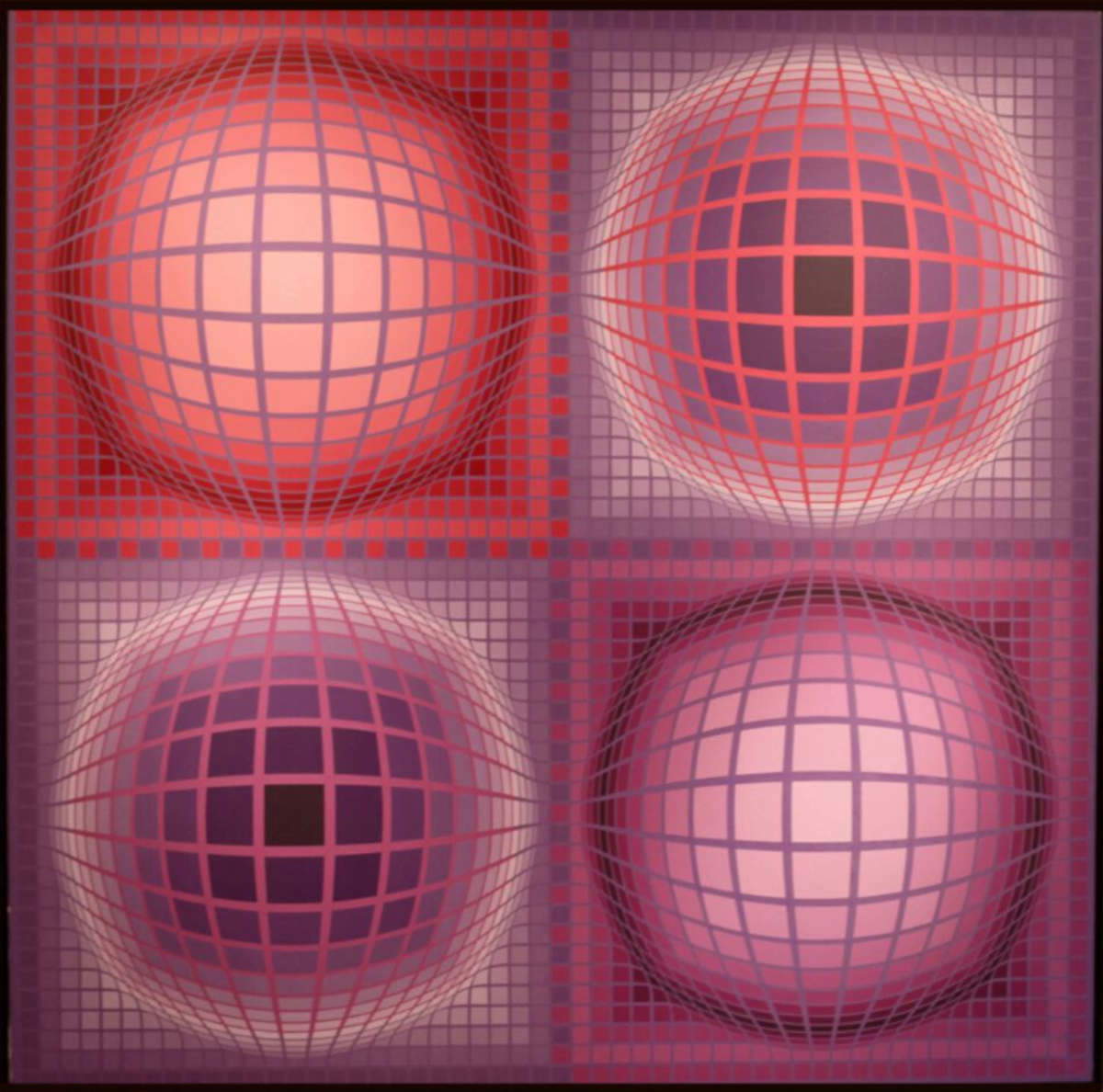
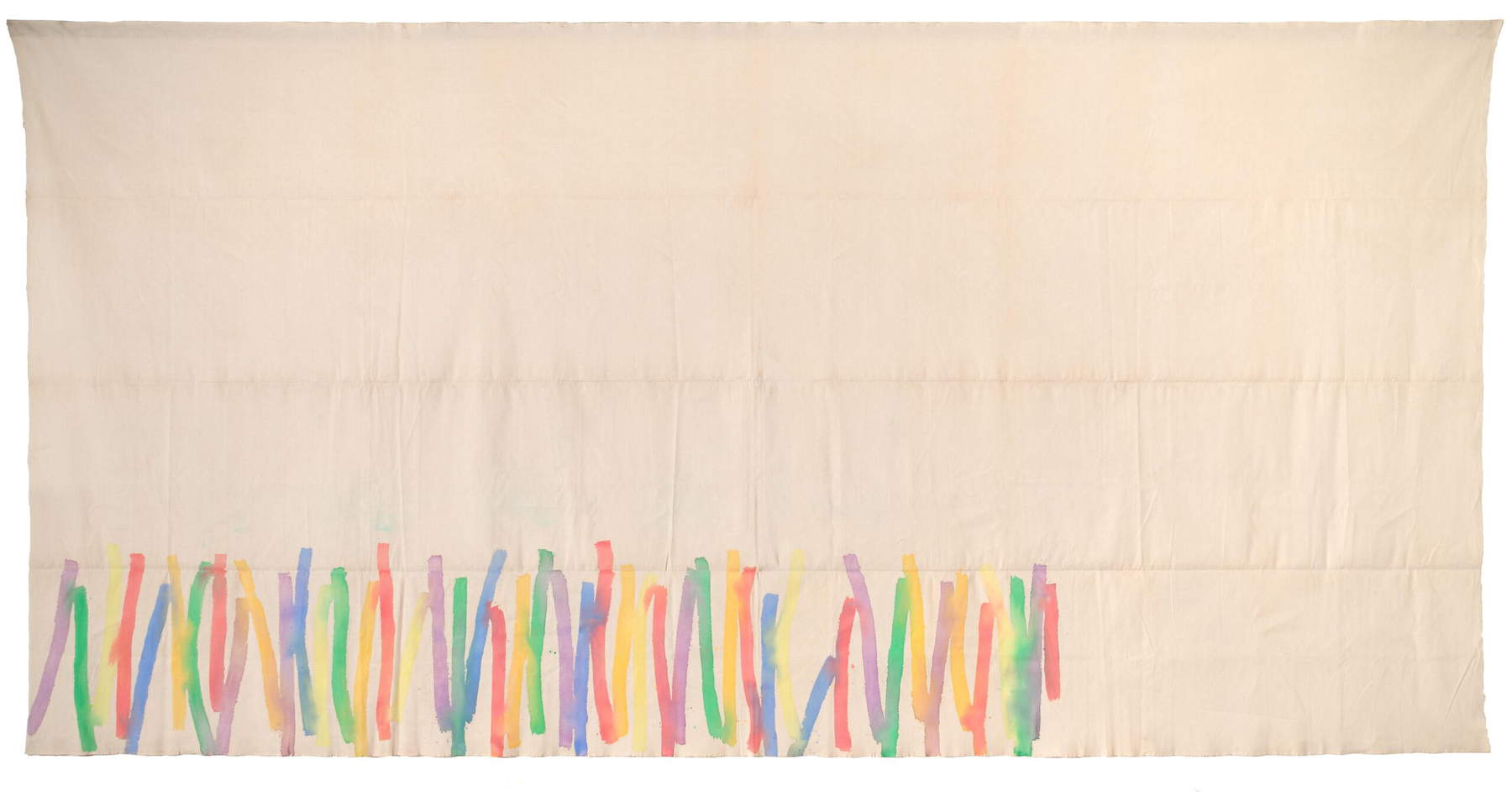
At Mazzoleni’s booth, you’ll find one of the highest-priced works on display—the highest among those indicated to us for publication: a large work by Victor Vasarely (Pécs, 1906 – Paris, 1997), *Erro* (1986, acrylic on canvas, 215 x 215 centimeters), priced at 450,000 euros, exemplifies the modernist presence mentioned earlier; next to it, watercolors by an artist known as Melissa McGill (Rhode Island, 1969), priced at 2,500 euros, significantly lower the entry threshold for the booth. Studio Trisorio, from Naples—which last year had one of the best booths featuring Louise Bourgeois and Jenny Holzer—continues to focus on modern art and this year presents several works by Maria Lai (Ulassai, 1919 – Cardedu, 2013), including some beautiful *Case delle janas* priced at 30,000 euros each. Turin-based Biasutti&Biasutti is once again showcasing one of its signature collections: Giulio Paolini’s works on paper, priced from 20,000 to 90,000 euros (last year’s range was between 30,000 and 80,000), coinciding with the artist’s exhibition at the Castello di Rivoli. Repetto, from Lugano, is presenting a major work, *Strisce policrome* by Giorgio Griffa (Turin, 1936), an acrylic on canvas measuring 236 x 497 centimeters, offered at 80,000 euros. Closing out the event as we head toward the exit is the Cardelli&Fontana gallery from Sarzana, with an offering aimed at collectors with an interest in Italy: the names are the familiar ones from the Ligurian gallery’s roster, ranging from sculptures by Fabrizio Prevedello (Padua, 1972) with prices starting at 5,000 euros, landscapes by Mirko Baricchi (La Spezia, 1970) starting at 3,500, paintings by Andrea Barzaghi (Monza, 1988) starting at 3,900, works by Marco Salvetti (Pietrasanta, 1983) starting at 2,500, and works by Beatrice Meoni (Florence, 1960) starting at 2,400.
The picture that emerges is that of a fair in a state of equilibrium, which in recent editions has been more concerned with confirming its format—and moving in a more comfortable direction—than with surprising: as a result, Artissima now presents itself as a reliable event with a broad and accessible selection, and this is both its strength and its limitation: the average quality is good, but moments of true discovery—those that in previous editions had defined the event’s experimental character—are rarer (it has been noted, after all, that the modern art section is expanding with each edition, almost as if the fair’s focus were gradually shifting). The curated sections and the “New Entries” area—which features a strong presence of international galleries (the most interesting this year appeared to be those from Central and Eastern Europe)—remain the places where the most experimental work is found, while the Main Section features a mix of market-oriented offerings and established names.
On a practical level, the price range is very broad, allowing different audiences to find something to suit their needs. Prices start at a few hundred euros and reach five-zero figures for the biggest names in the global art world: young collectors should keep a close eye on the Drawings section in particular, where they can find works on paper that, in the contemporary context, can be considered fully independent from those using other media, and which offer an affordable entry point into collecting. Finally, there is the issue of price transparency, where concrete changes are beginning to emerge. Following the increase in the number of galleries displaying prices—as noted last year—the practice of disclosing asking prices has become established and aligns with a fair increasingly focused on building trust with the public, especially with those just starting to collect. The fair’s overall performance appeared strong, and the 2026 edition reaffirms Artissima as a solid pillar of the Italian art scene: as always, however, we’ll have to wait until Monday for comments from gallery owners to see whether these initial impressions will be backed up by actual sales.
Warning: the translation into English of the original Italian article was created using automatic tools. We undertake to review all articles, but we do not guarantee the total absence of inaccuracies in the translation due to the program. You can find the original by clicking on the ITA button. If you find any mistake,please contact us.