





The 34th edition of the International Antiques Biennial (BIAF)—Italy’s oldest and most prestigious exhibition and market dedicated to antique art—concluded yesterday in the halls of the historic Palazzo Corsini in Florence. This edition was marked by a strong sense of continuity, but also by significant new developments, starting with the debut of the event’s new secretary general, Bruno Botticelli, who was appointed last April.
To strengthen dialogue with the local community and with Florence’s and the region’s leading cultural institutions, a strategic network has been developed involving Fondazione CR Firenze, Casa Buonarroti, Opificio delle Pietre Dure, and Fondazione Palazzo Strozzi, with the aim of creating a wide-ranging cultural program and ideologically linking the BIAF to the city’s iconic sites of preservation, conservation, restoration, and cultural production, ultimately involving the region’s leading philanthropic institution. The 34th edition also took place with the support of Gucci, the event’s main sponsor, reaffirming the Biennale’s role as a point of reference for the international art market.
Particular attention was also paid to the quality of the works presented. BIAF 2026 drew upon a high-profile selection committee composed of 63 leading professionals from the fields of restoration, museum management, and international curatorship, to guarantee the conservation quality and authenticity of the exhibited works, ensuring the highest scientific and professional standards.
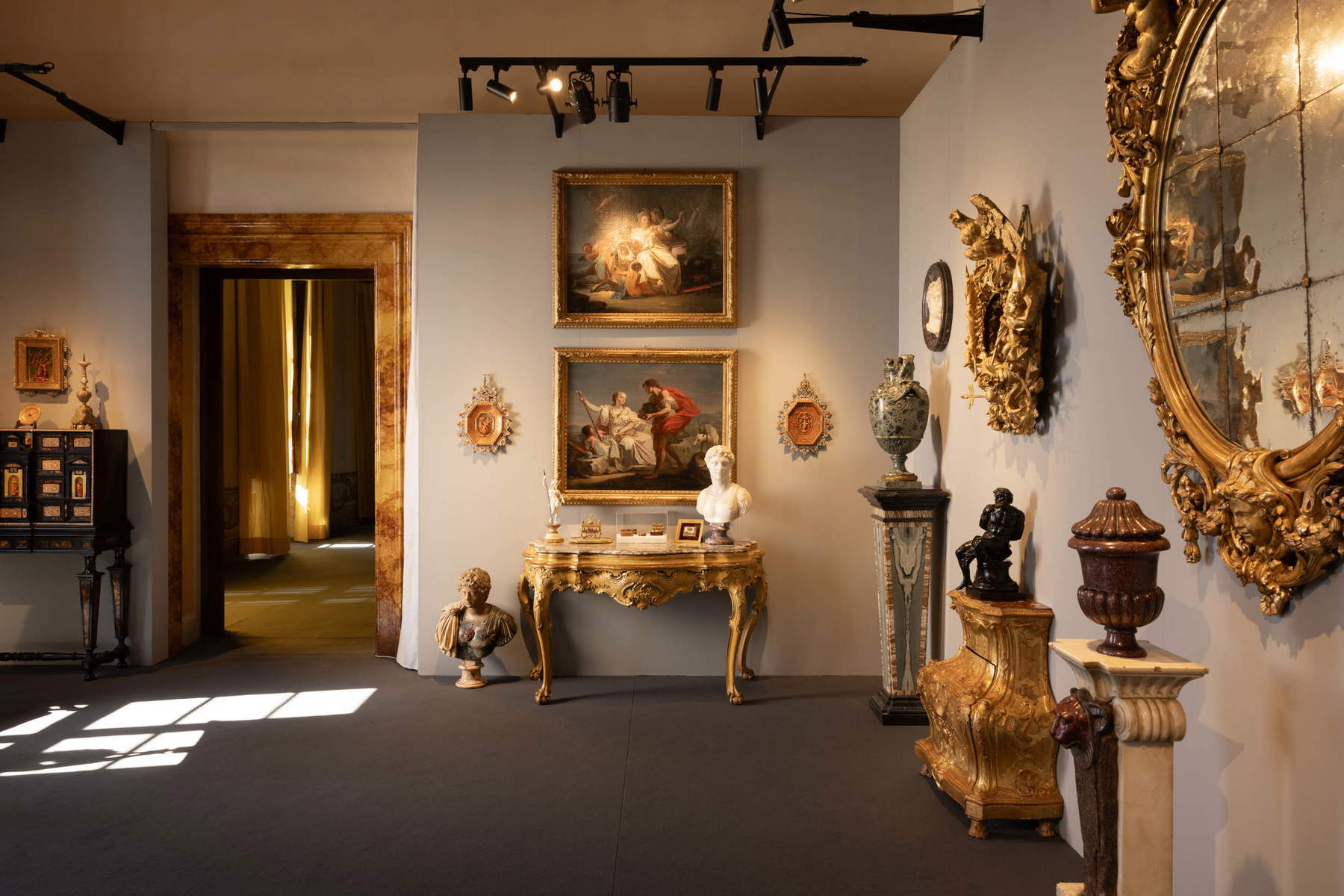
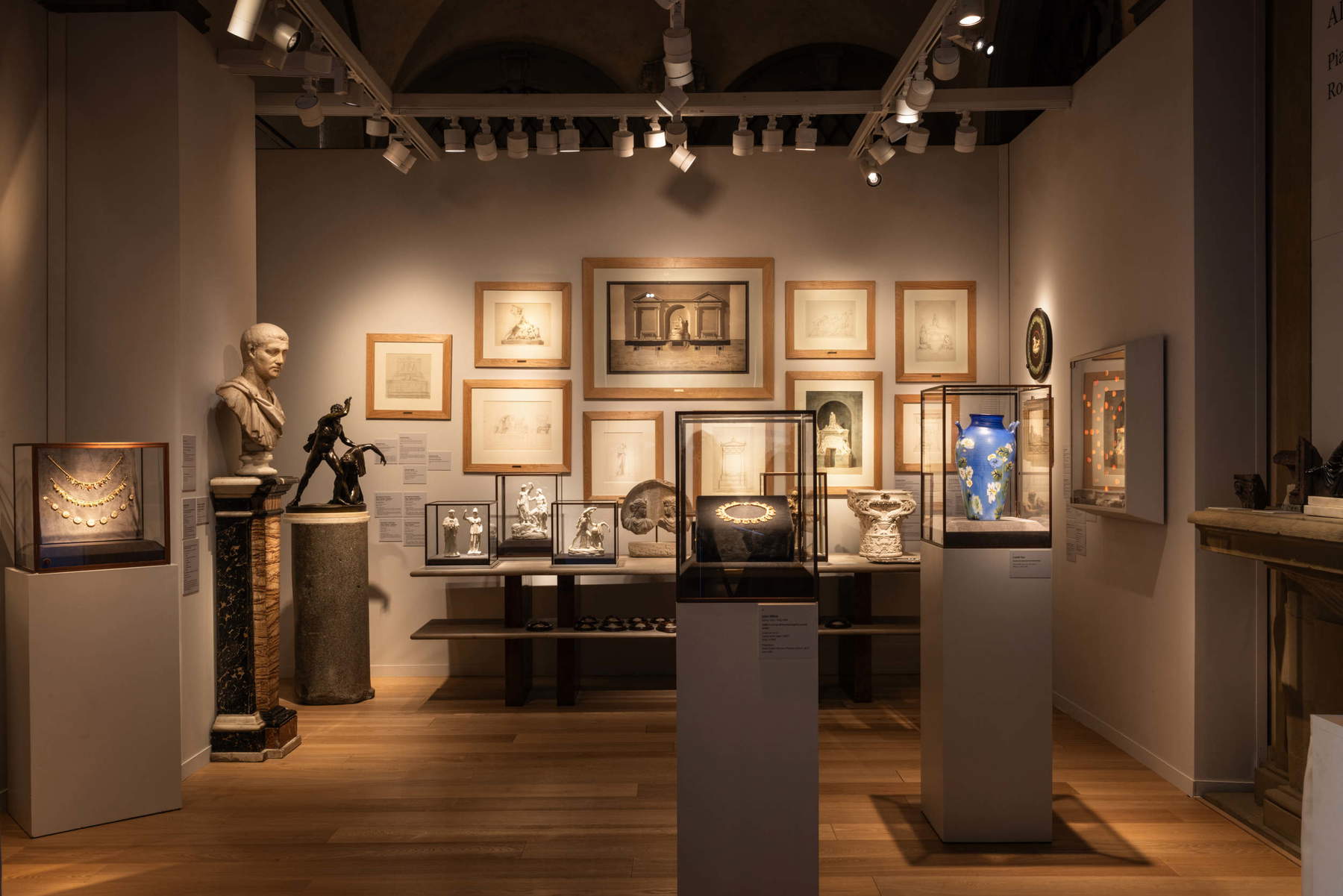
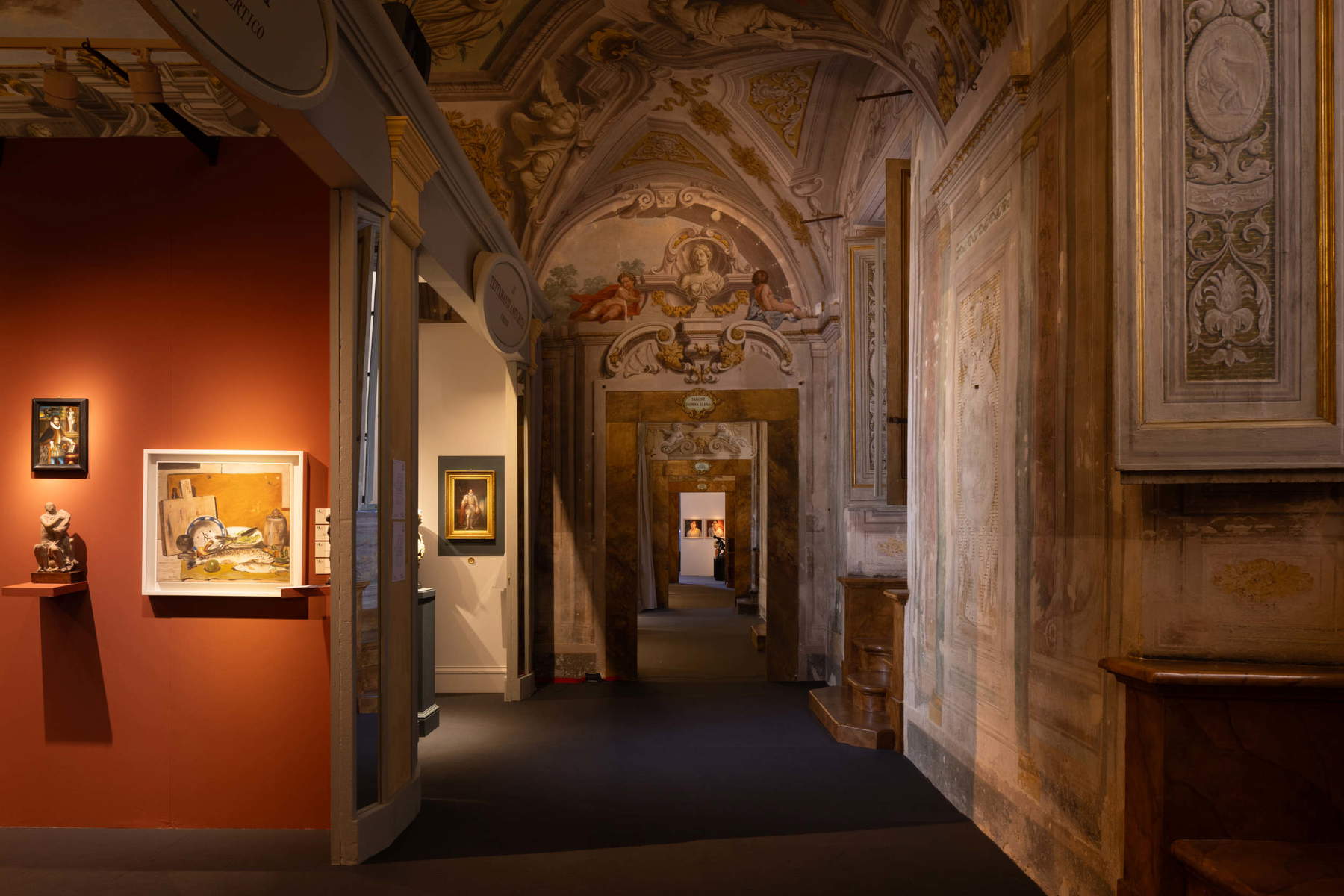
For the 2026 edition, Palazzo Corsini hosted approximately eighty exhibitors, carefully selected from among the leading Italian and international players in the art market. The lineup was characterized by a high level of quality, accompanied by a revamped exhibition concept designed by Matteo Corvino. The organizers report that approximately 30,000 visitors were recorded, including over 7,000 during the two preview days reserved for collectors, museum directors, curators, and the press.
“The Florence International Antiques Biennale has confirmed, through an extraordinary number of visitors, the success of past efforts, reinforced by the current focus on engaging young people,” stated Secretary General Bruno Botticelli. “Simply talking about it and using social media has radically changed the average age of visitors. After the initial days, dedicated to major collectors and museums—which saw great success in high-end sales—the exhibition witnessed an increase in sales targeting new collectors. It has become abundantly clear that the relationship between institutions, banks, foundations, and the art market creates a virtuous cycle with a significant impact on the general perception of the Biennale. The convergence of events—Palazzo Strozzi, the Accademia del Disegno, the new Casamonti Museum, the latest exhibition at the Museo del Novecento, and many other events—has transformed Florence into a vibrant hub of European art.”
Gallery owners provide a snapshot of the recently concluded edition, amid sales already finalized, negotiations still underway, and a shared sense of strong public interest. This picture paints the image of an event that maintains its international appeal even during a challenging period for the antique art market.
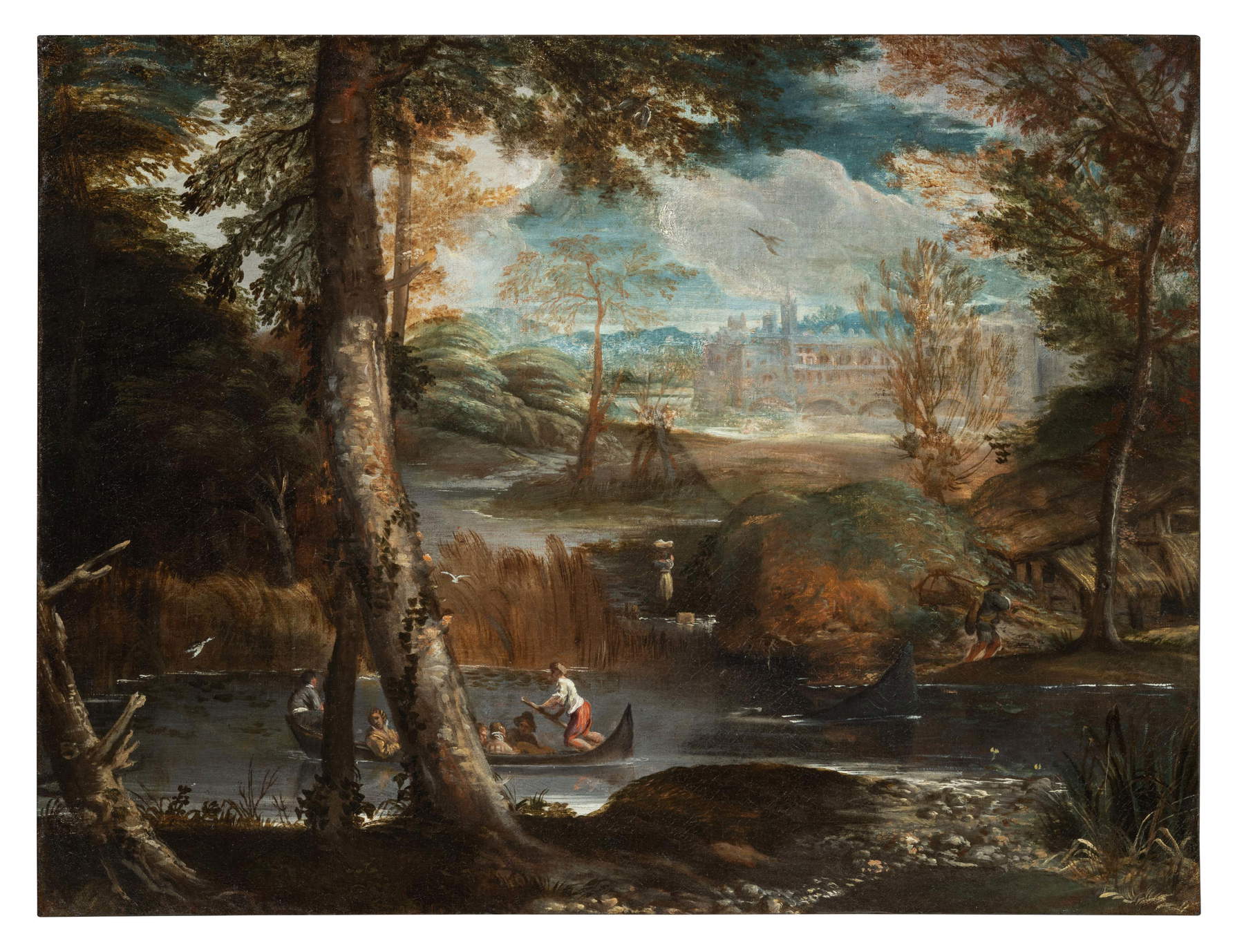
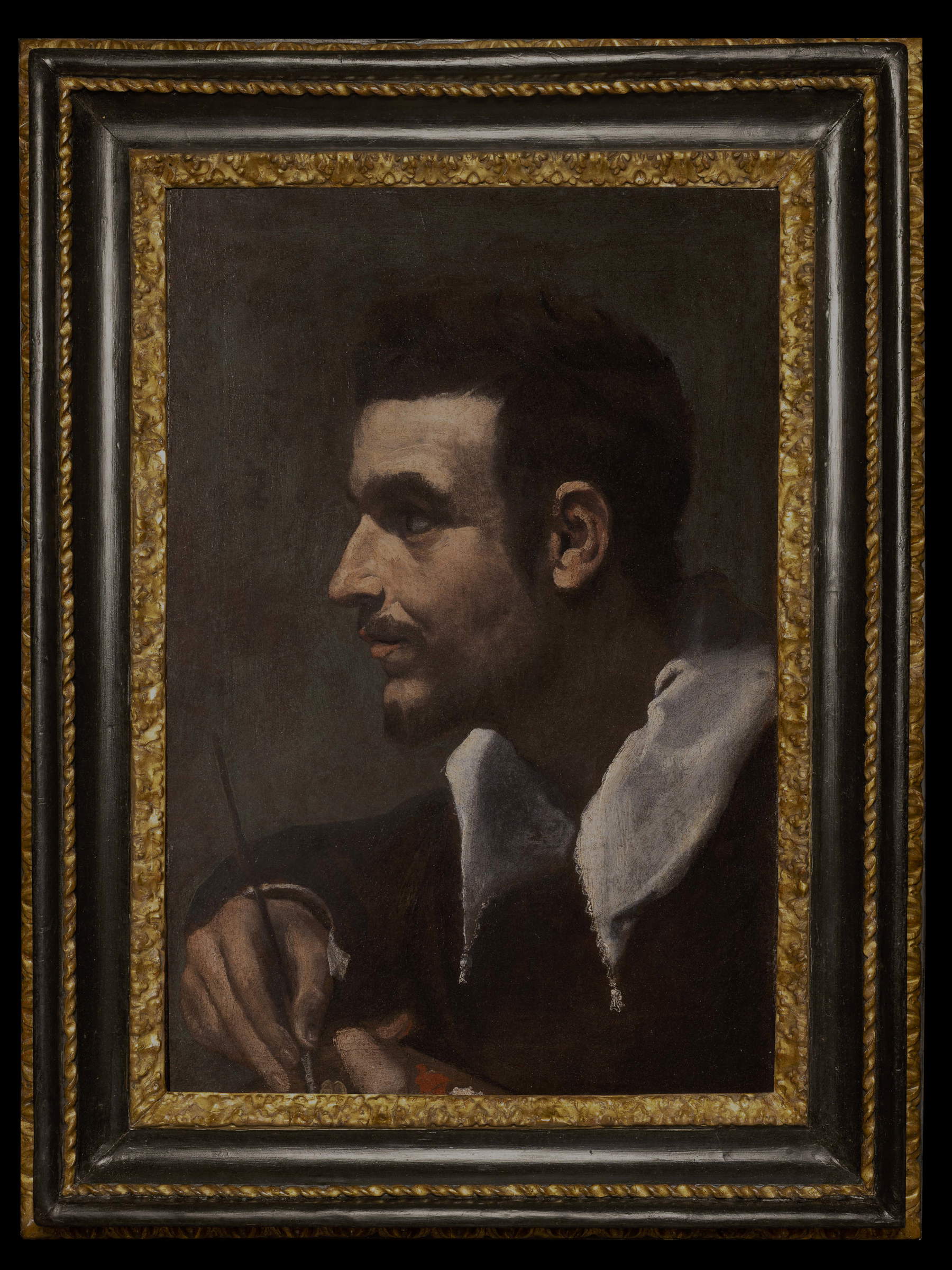
Among the sales, Annibale Carracci’s *River Landscape with Boatmen* , offered by Alice Fine Art and winner of the “BIAF 2026 Painting Prize,” stands out. Also by the same artist, Goldfinch Fine Arts sold *Portrait of a Painter* (of his brother Agostino?), purchased for 100,000 euros by a new foreign client residing in Italy whom the gallery met during this edition of the BIAF. The Genoa-based gallery, participating in the Florence event for the first time, also emphasized that the Biennale provided an opportunity to make new contacts and strengthen professional relationships. The gallery also gave a positive assessment of the organization, describing it as impeccable.
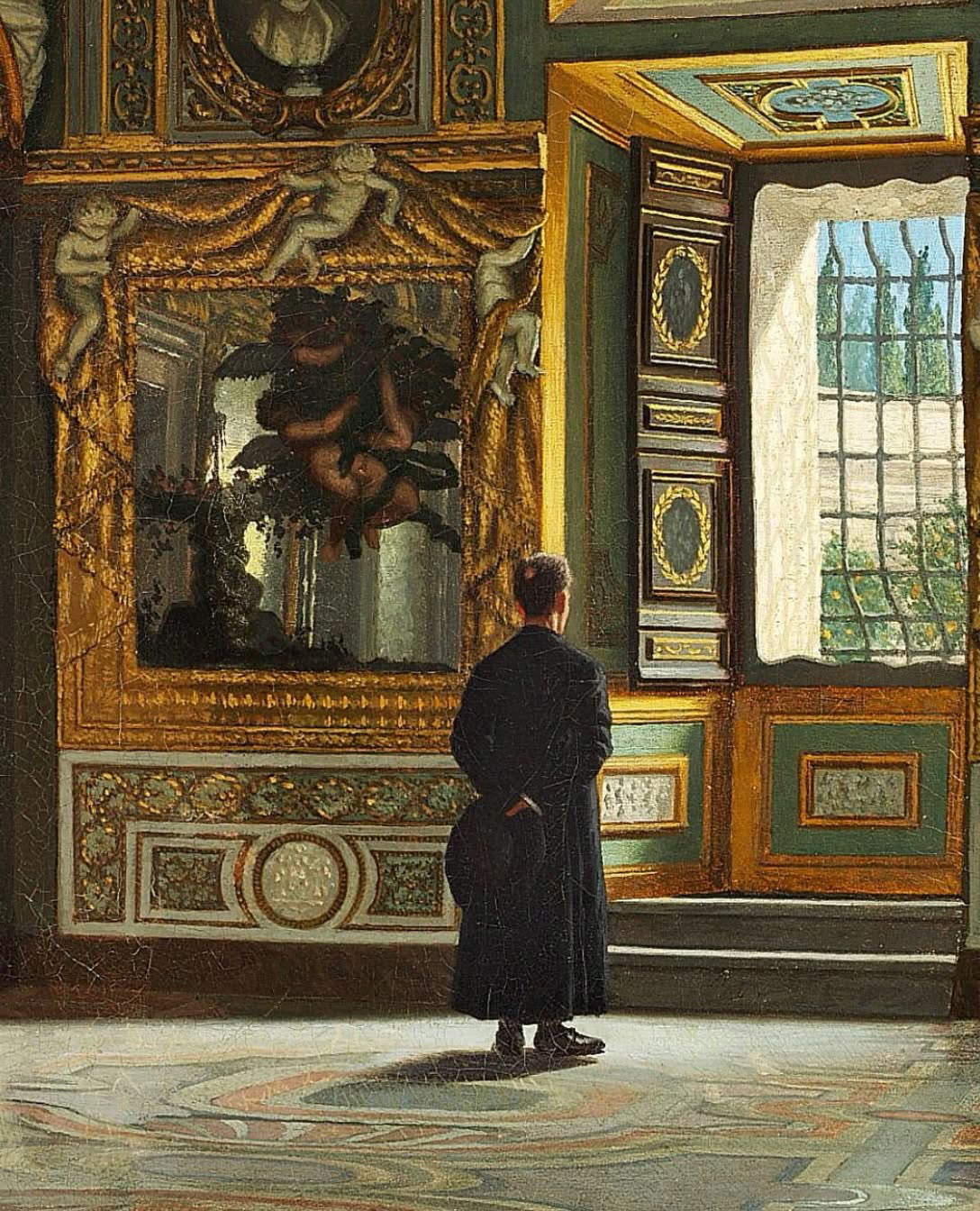
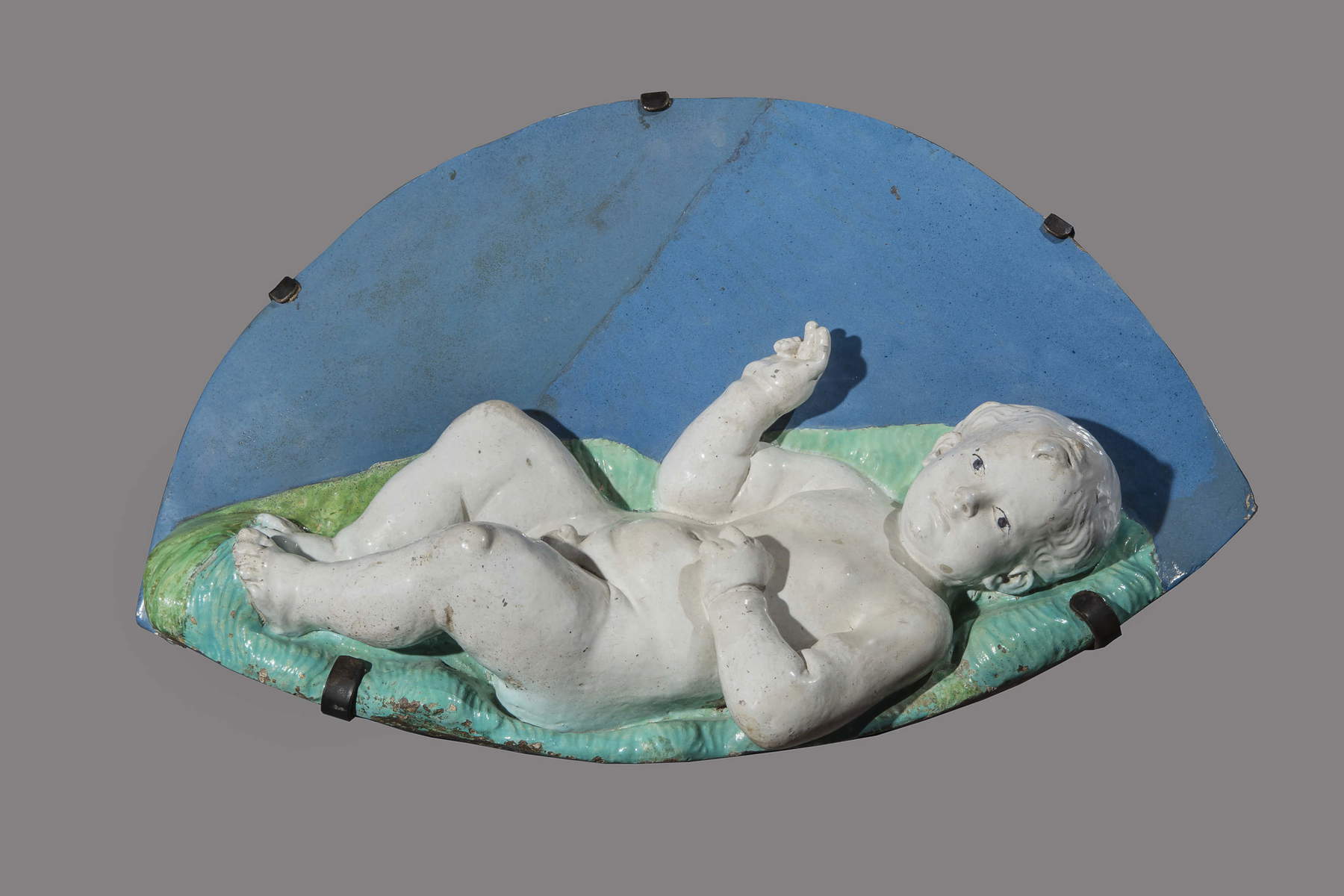
The Antonacci Lapiccirella Fine Art gallery also received excellent feedback: “The BIAF was very positive for us—a fair that has proven itself to be international, featuring high-caliber works,” stated Francesca Antonacci. “Our booth received excellent critical acclaim, and we closed several sales, including: the rare drawing by the great Venetian artist Giovanni Battista Piazzetta, *Testa di vecchio*; the sculpture by Silvio Canevari, *Gorgone*, from around 1925, which has now become part of two important Italian private collections; both buyers are new clients for us. In addition, a rare painting depicting the Hall of Mirrors at Palazzo Borghese in Rome, from 1890 by the Danish artist Adolf Heinrich Hansen, and a masterpiece by Vito Timmel, *Amazzone*, from 1915, characterized by a refined Secessionist style. The two works have become part of two important private collections—one Italian and the other foreign—confirming the great interest generated by the works presented at the fair and the quality of the dialogue established with collectors and art enthusiasts. For reasons of confidentiality and out of respect for our clients’ privacy, we prefer not to disclose the sale prices. Negotiations are at a very advanced stage with a foreign collector regarding the important painting by Giulio Aristide Sartorio, while an international museum is seriously interested in Attilio Selva’s magnificent Secessionist sculpture *Ritmi*, a masterpiece by the artist created in 1914.”
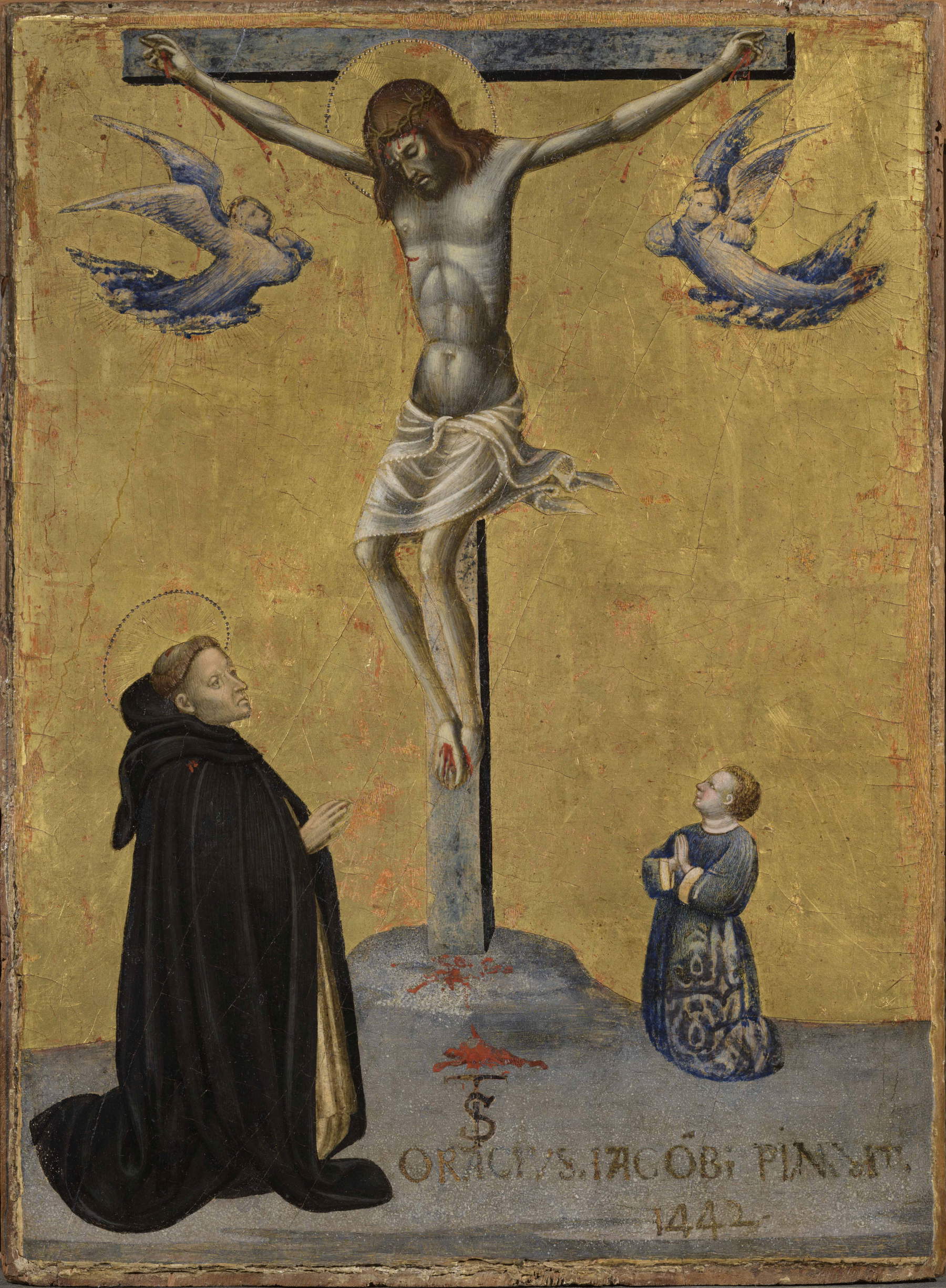
A note of caution emerges from the words of Matteo Salamon of the gallery bearing his name , who urges patience before drawing any definitive conclusions. “BIAF has once again proven to be a unique opportunity on the Italian art scene to meet all the major collectors and curators from both national and international museums, as well as to meet new ones, thereby establishing relationships that, we are certain, will lead to significant developments,” stated the gallerist, but, he adds, to understand the true return on participation, we’ll have to wait. “After three or four weeks, we can make some very preliminary assessments, but it takes six months to truly understand whether this exhibition was worthwhile or not.” This is a long time, which, according to the gallery owner, is part of the normal dynamics of the art fair market, characterized by a trail of contacts and negotiations that continues even after the event closes. “It was a week of great excitement and a lot of work (and a few sales already finalized, including Jacopo’s *Crucifixion of Orazio*, signed and dated 1442). My rating for BIAF 2026: 110 cum laude,” he concludes.
Longari also sold a work of great significance: Andrea della Robbia’s glazed terracotta *Bambin Gesù benedicente* , purchased by a private collector. The gallery also reports considerable interest in other works, in the hope that inquiries will turn into sales in the days following the fair’s close. Once again, the public proved to be one of the most interesting aspects of this edition. The first weekend saw a strong international presence, while in the following days the number of Italian and Tuscan visitors increased, only to give way once more to international visitors toward the end of the event. The Enrico Frascione Gallery sold, in the very early hours of the preview, a monumental *View of Florence from Bellosguardo* (c. 1760–1770), a large-scale painting created by the British landscape painter Thomas Patch during his time in Florence.
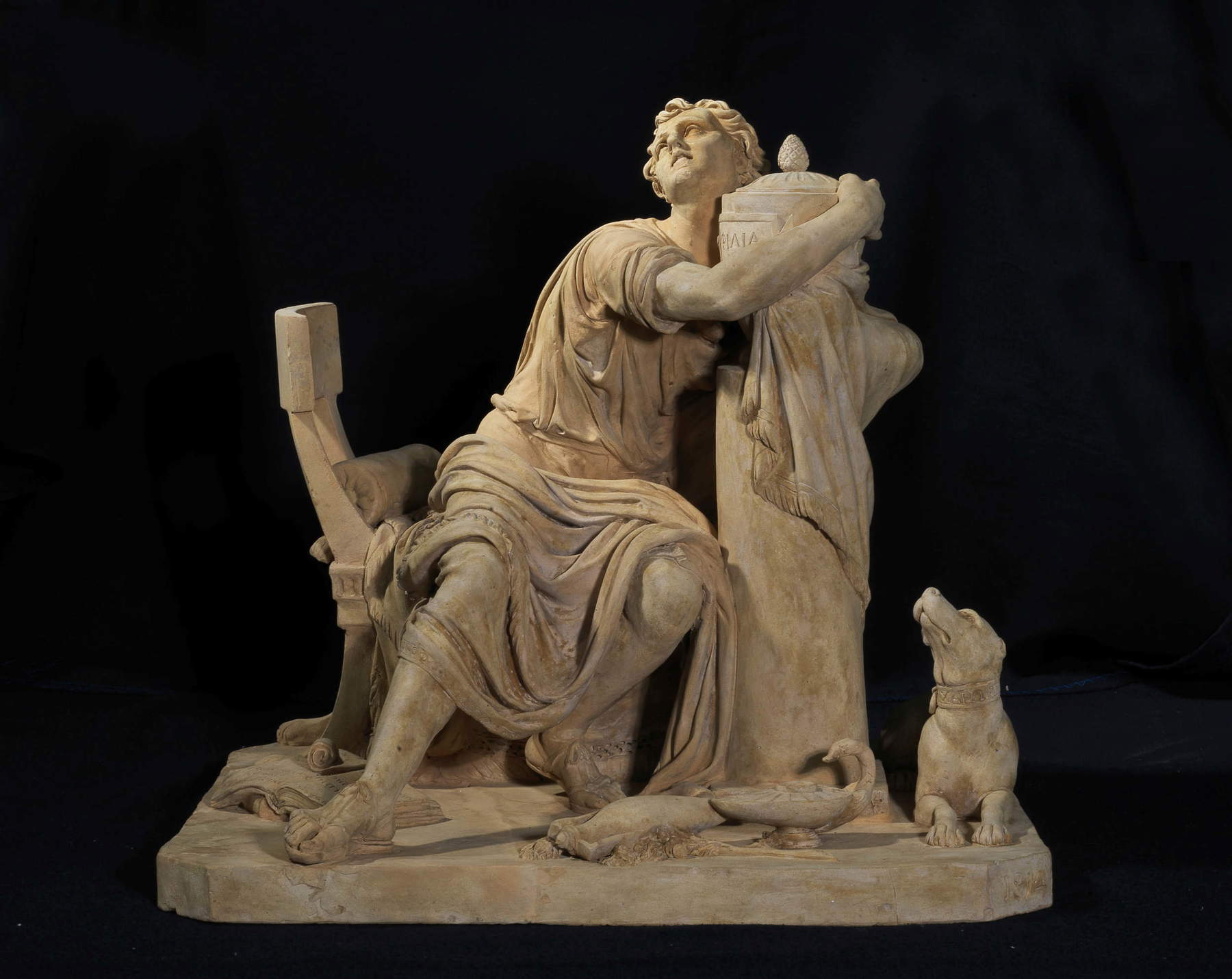
The Carlo Virgilio & C. Gallery reported positive results with the sale of several valuable items, including the clay sculpture *Andrea Vaccà Berlinghieri Mourns the Urn of a Friend* / Funeral Allegory of Friendship (1814) by the Roman sculptor Michele Van Lint, and the exquisite canvas The Apotheosis of Hercules, a Revolutionary Allegory ( 1794–1795) by Anne-Louis Girodet-Trioson.
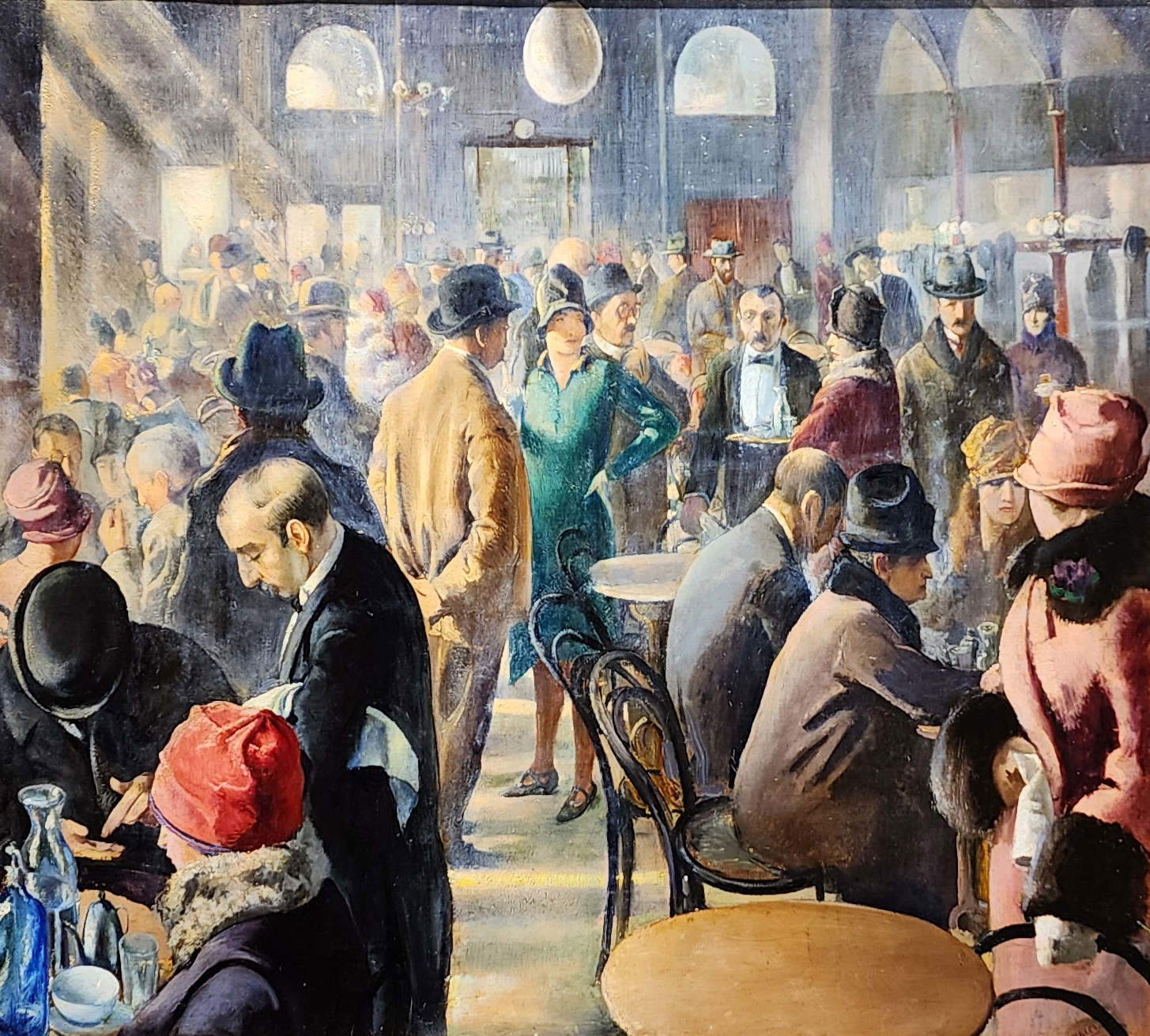
For the Società Belle Arti, the outcome is positive, especially given the current economic climate. “We’ve made some progress and seen a great deal of interest,” gallery representatives note, emphasizing that times are not easy, partly because antiques fall into the category of so-called luxury goods. Among the most significant aspects of this edition, the gallery highlights the public’s response, which had a marked international component. Particularly striking was the steady flow of visitors throughout the entire week. “In previous years, we saw higher attendance on the weekend, while weekdays saw a drop. This year, however, we saw a steady stream of visitors even from Monday through Friday.” Americans, British, and Germans were among the most numerous visitors. On the sales front, the gallery reports the sale to a private collector of *La domenica al caffè. Piazza Savonarola* by Baccio Maria Bacci—one of the most important paintings brought to the BIAF by the Viareggio-based gallery— as well as the conclusion of negotiations with new clients for the sale of*Vecchia stazione di Porta al Prato a Firenze*(The Old Station at Porta al Prato inFlorence), a painting by Ruggero Panerai, along with Giovanni Fattori’s vivid painting *In marcia* (On the March ). Feedback was also positive regarding the event’s promotion and, above all, public attendance.
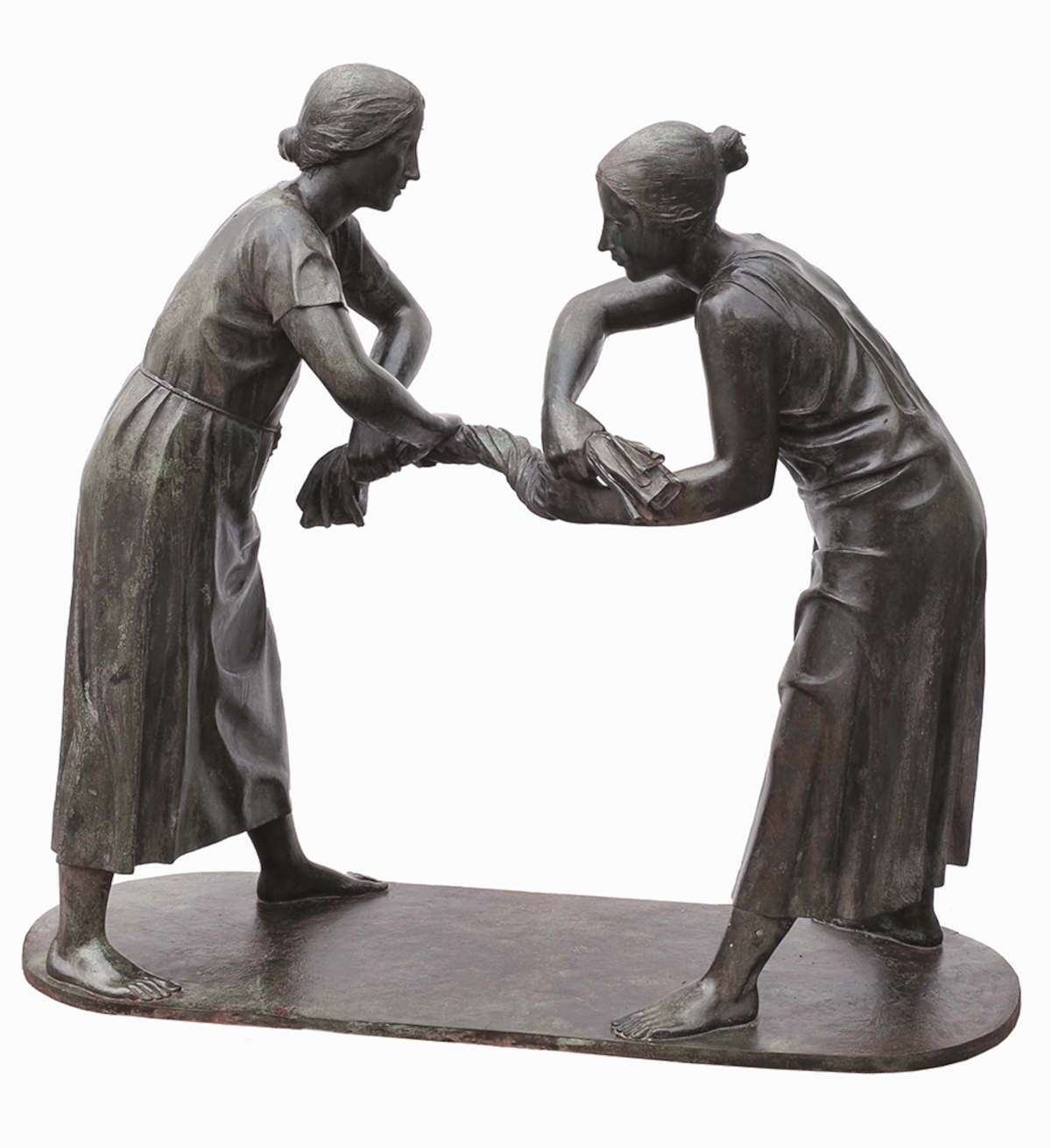
Reve Art also reported positive results; the auction went well for them, though they acknowledge that the final word on sales often comes in the days following the auction’s close. Among the most significant results was the sale of *Le lavandaie* by Venanzo Crocetti, a sculpture weighing approximately 300 kilograms that gallery owner Clara Santini considered particularly difficult to place, partly due to its size. The work was purchased by a group of Taiwanese developers. Added to this is a work by Gaetano Previati, *Il sonno*. For Reve Art, however, the success of the Biennale is not measured solely by sales. The audience is described as large, knowledgeable, and highly international: “Here in Florence, there are always wonderful people: interested, well-informed individuals, and many foreigners as well”. The gallery owner attributes this characteristic to the long tradition of the BIAF, an event that, thanks to its history and prestige, continues to attract an international audience. According to the gallery owner, participating in the Biennale also represents an important opportunity to present works that are the result of extensive research. “It involves a whole process that leads to presenting a work on the market for the first time in this very context. We prepare it; we study it.” This, after all, is one of the distinctive features of the antiques market: alongside established names, there is the opportunity to bring forgotten artists and works back into the spotlight. Such is the case with the painting by Umberto Schiavon presented by the gallery, a work recently acquired at auction and on which specific research has been conducted. “We specialize in bringing to light artists and works that have been completely forgotten.” The artist’s lack of recognition, however, the gallery owner acknowledges, could become an obstacle.
Another recurring theme in the testimonials is, in fact, the role of BIAF as a meeting place for gallery owners, collectors, curators, and art historians. The Brun Fine Art gallery says it is “very satisfied with the fair and how it went,” highlighting in particular the intensity of the first few days and the presence of numerous foreign visitors. But the event is also appreciated as an opportunity to engage with industry professionals: “It’s always a great chance to talk with many curators and art historians who visit the fair.” The Fondantico Gallery echoes this sentiment, noting the large crowds and highlighting the presence of representatives from foreign museums and a particularly large international audience. A few sales were finalized, and other negotiations are still ongoing, but what stands out most is the diversity of the visitors. Among them is a younger demographic than that traditionally associated with antique fairs: “We’ve also seen quite a few young people—those in their 30s and 40s—including young couples setting up their first home.”
The perception of a younger audience is also particularly evident among the gallery owners at 800/900 Art Studio. “I think it’s a wonderful exhibition this year. There’s so much variety,” is their assessment of the event, accompanied by a positive report on the commercial front as well. But it is above all the composition of the audience that represents a new development: “We’ve seen more young people than usual.” According to the gallery owners, the average age of visitors has traditionally been over 60, with a predominance of women; this year, however, there has been a greater presence of people in their 30s and 40s, as well as a strong international contingent. This shift is seen as one of the most interesting aspects of this edition.
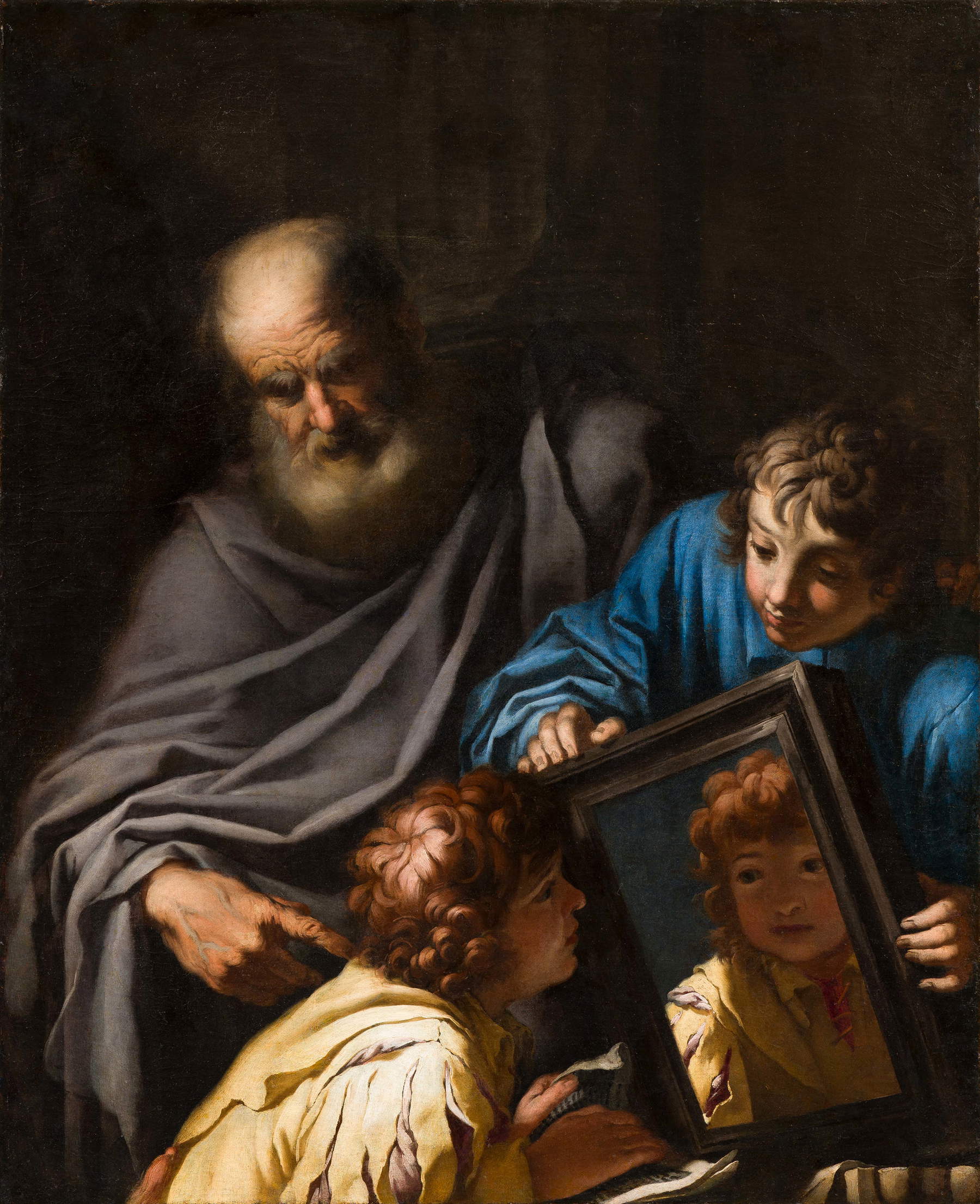
The Cantore Gallery also closes the Biennale with very positive results: three works were sold— *Nosce te ipsum* (Socrates and Two Students) by Francesco Ruschi, *Hercules and Omphale* by Giuseppe Marchesi (known as “Il Sansone”), and *Cardinal Alderano Cybo* by Carlo Maratta—all purchased by private collectors. Numerous negotiations are also still underway. The gallery owner describes the BIAF as “a very beautiful, important, and carefully curated exhibition,” while noting the considerable effort required to participate. The work, in fact, does not end with the days of the fair but involves months of preparation and selection of the works. “I’m optimistic,” he concludes.
Flavio Gianassi of the Flavio Gianassi - FG Fine Art Ltd gallery offers a more cautious, yet still confident, assessment: “Personally, I can’t complain, but as always, it’s not easy.” Here, too, negotiations are ongoing, and a final assessment will be made in the coming days. The fair remains “always a great fair,” though there are some aspects that, according to the gallerist, could be further improved.
There is no shortage, however, of voices highlighting the market’s structural difficulties. This is the case with Altomani & Sons, whose financial results are less positive. The gallery attributes this result primarily to the positioning of the works and the price range: “When you offer pieces priced at 100, 180, or 210 thousand euros, you enter a very high-end market segment. If you stay in a slightly lower price range, you can sell more.” It’s a deliberate choice, but one that inevitably narrows the pool of potential buyers: “The higher you go, the smaller the market becomes.” Sales difficulties are also attributed to the broader context of the art market, marked by a complex economic and geopolitical situation and by growing competition from modern and 20th-century art. Added to this is the comparison with the auction market, where the presence of works at different price points can influence collectors’ perception of value.
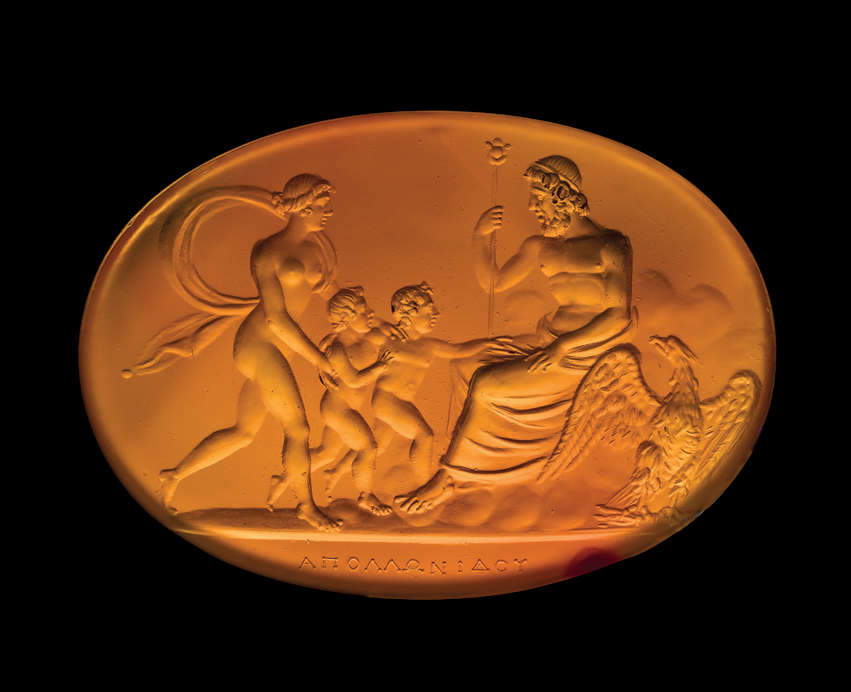
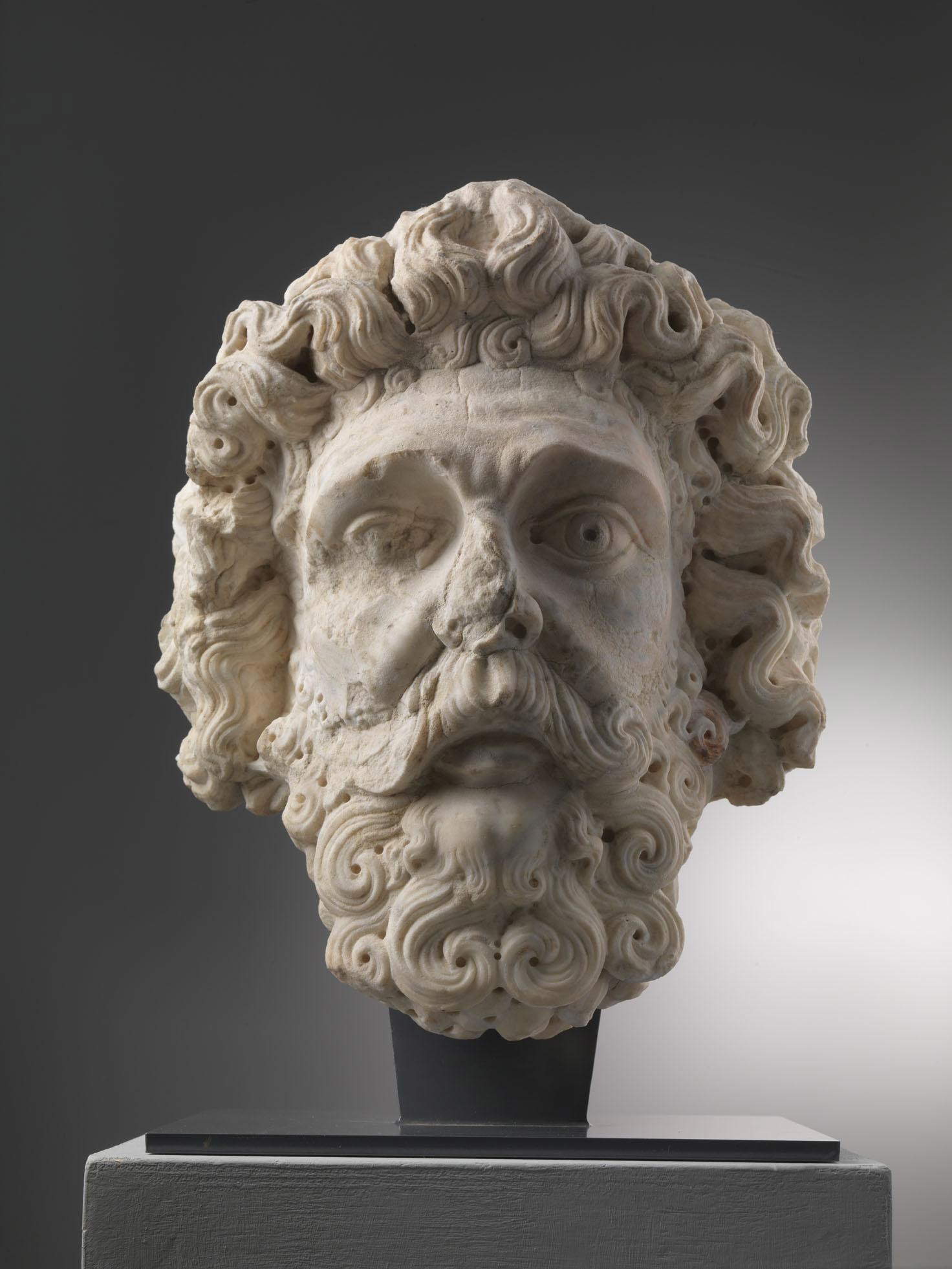
Against this backdrop, the particularly positive results of Galleria Alessandra Di Castro stand out; the gallery recorded numerous sales, including the thirty-seven engraved gems that belonged to Prince Stanislaw Poniatowski, purchased by a single private collector; the micro-mosaic on black marble depicting *Glories of the Morning*, jasmine flowers, butterflies, a dragonfly, and a lizard, by Michelangelo Barberi, and the monumental wall mirror in brass and two-tone submerged glass tubes designed by Paolo Venini for Murano in 1951. Galerie Canesso also described its sales results as very positive, while the Botticelli Gallery sold the *Head of a Prophet or Jupiter* (c. 1460–1465), attributed to Paolo Taccone da Sezze (Paolo Romano), a testament to papal interest in archaeology under Pius II Piccolomini, and two important, previously unpublished rediscoveries from private Florentine collections: a polychrome marble coat of arms with symbols of Saint Lucy ( 17th century) from the Roman school and a refined inlaid wooden altar frontal ( early 18th century) from the Apulian school, an expression of the Southern Italian Baroque reform. Bottegantica has attracted significant collector interest with several auctions dedicated to Futurism between the two world wars, including works by Guglielmo Sansoni, known as Tato, and Enrico Prampolini.
For Walter Padovani, the outcome is “very positive from every point of view,” even though the sales have not yet been finalized. “Negotiations are underway,” explains the gallery, and this fact takes on particular significance given the decision to present “a few, but very important, objects.” These are rarely deals that are sealed with a handshake. They are matters that require more time,” he emphasizes, “but the key point is that, in this context, negotiations have begun for very important works.”
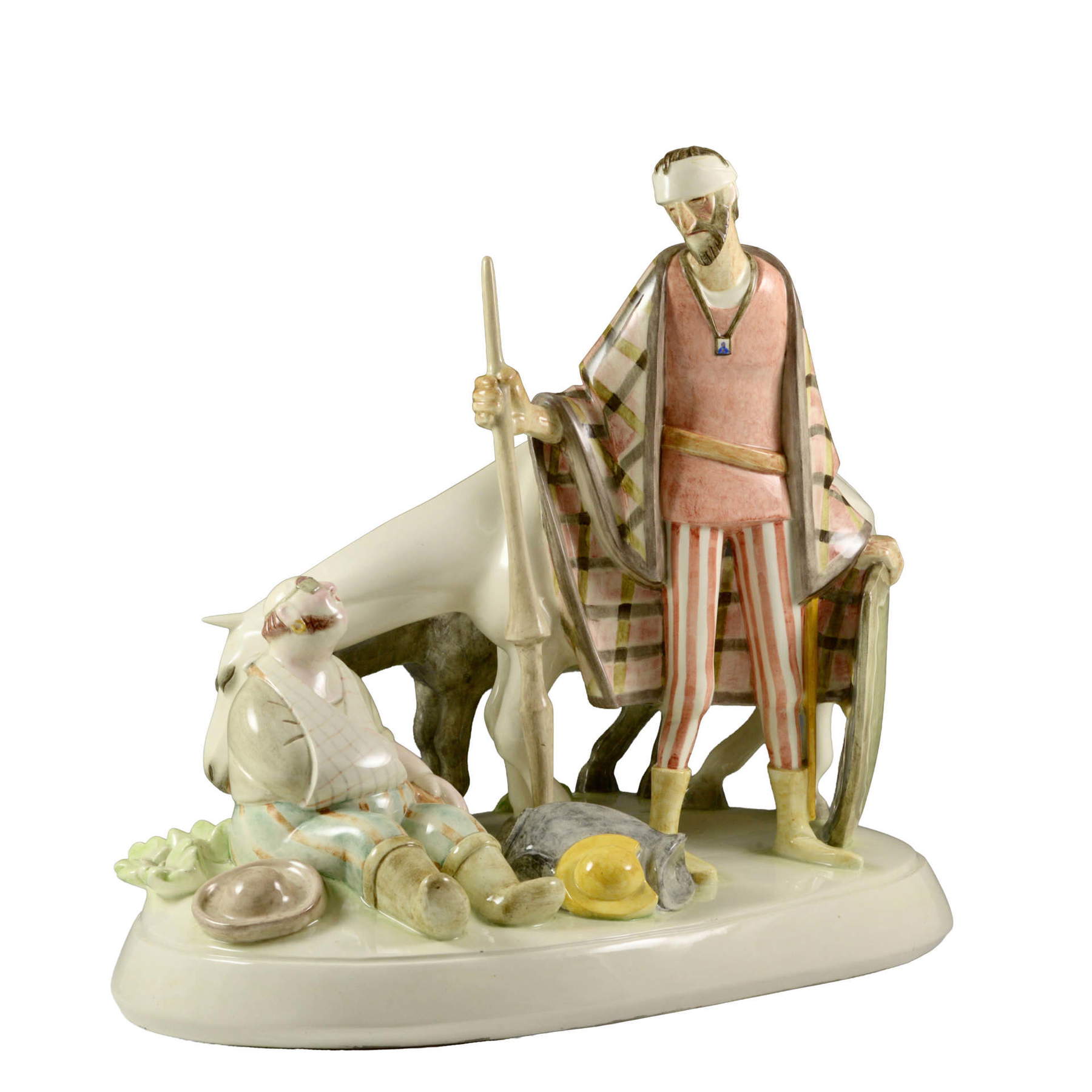
The Maurizio Nobile Fine Art gallery, too, after making a few sales in the very first days of the fair, has begun negotiations with private collectors and public institutions. It therefore reports satisfaction at having reached a broad audience and, above all, at the prospect of new opportunities, thanks in part to the presence of numerous foreign visitors. Mirco Cattai, the only specialist in carpets and tapestries at Palazzo Corsini, is very pleased to have welcomed to his booth not only many private collectors but also the directors of two major American museums that house significant collections of carpets and tapestries. Among his sales were several antique carpets from Central Anatolia dating from the 16th to the 19th centuries. Finally, the Raffaello Pernici Best Ceramics gallery sold works of outstanding importance to 20th-century decorative arts: Don Quixote and Sancho Panza (Giovanni Grande / Manifattura Lenci, 1929), a monumental and rare ceramic composition depicting Cervantes’ characters with sculptural complexity and dramatic expressiveness, far removed from heroic stereotypes, and the pair of decorative urns “Archi e corde” (Gio Ponti / Richard-Ginori, 1927). This is the only known pair of its kind in the world, crafted from painted porcelain and gold.
Overall, the feedback from gallery owners paints a multifaceted yet essentially positive picture. The BIAF continues to serve as a venue for encounters, research, and networking, bringing together artworks, collectors, and industry professionals.
However, another fact stands out particularly strongly: the Biennale’s ability to maintain a steady international audience throughout the event, complemented by a more significant presence of young visitors. The 34th edition of the BIAF seems to have confirmed not only the strength of its tradition but also its ability to reinvent itself and expand into an increasingly international arena.


The author of this article: Ilaria Baratta
Giornalista, è co-fondatrice di Finestre sull'Arte con Federico Giannini. È nata a Carrara nel 1987 e si è laureata a Pisa. È responsabile della redazione di Finestre sull'Arte.

The author of this article: Noemi Capoccia
Originaria di Lecce, classe 1995, ha conseguito la laurea presso l'Accademia di Belle Arti di Carrara nel 2021. Le sue passioni sono l'arte antica e l'archeologia. Dal 2024 lavora in Finestre sull'Arte.Warning: the translation into English of the original Italian article was created using automatic tools. We undertake to review all articles, but we do not guarantee the total absence of inaccuracies in the translation due to the program. You can find the original by clicking on the ITA button. If you find any mistake,please contact us.

























 IT
IT FR
FR DE
DE ES
ES CN
CN


