





For the past five years, the summer antiques fair has been held in Sarzana, where , back in 2023, the city decided to dust off its National Antiques Exhibition—held at the Firmafede Fortress—after a ten-year hiatus: the experiment had worked (partly because Sarzana is a very popular destination in the middle of August, partly because the hours—from 6 p.m. to midnight—are much more conducive to buyer participation, and partly because of the format, which mixes long-time antique dealers, newcomers, and a base of local dealers), so it has been repeated with consistent success. This year, the exhibition—curated, as usual, by Elisabetta Sacconi and organized, as always, by the Associazione Sarzana Antiquaria in collaboration with Confcommercio La Spezia and the Municipality of Sarzana—will be held from August 14 to 23. The format for this 38th edition of the National Antiques Exhibition remains that of a trade show featuring a wide variety of eras, schools, and artistic styles represented by the exhibitors (ranging from the 14th century to well into the 20th century, from painting and sculpture to design, and from furniture to the applied arts).
And it should not be forgotten that the setting itself contributes substantially to the character of the event: the Firmafede Fortress, built according to models of Florentine Renaissance architecture, offers a highly distinctive environment, with the antique dealers’ booths and the works distributed among the ancient cells on the complex’s two levels and in the second-floor gallery, named after Fiorella Carelli Carozzi, an important figure in Sarzana’s antiquarian tradition. The result, therefore, is an intimate atmosphere, composed of small spaces and passageways that allow visitors to engage with the works in a way that differs from that of a large fair: more relaxed, more restful, and more attentive.
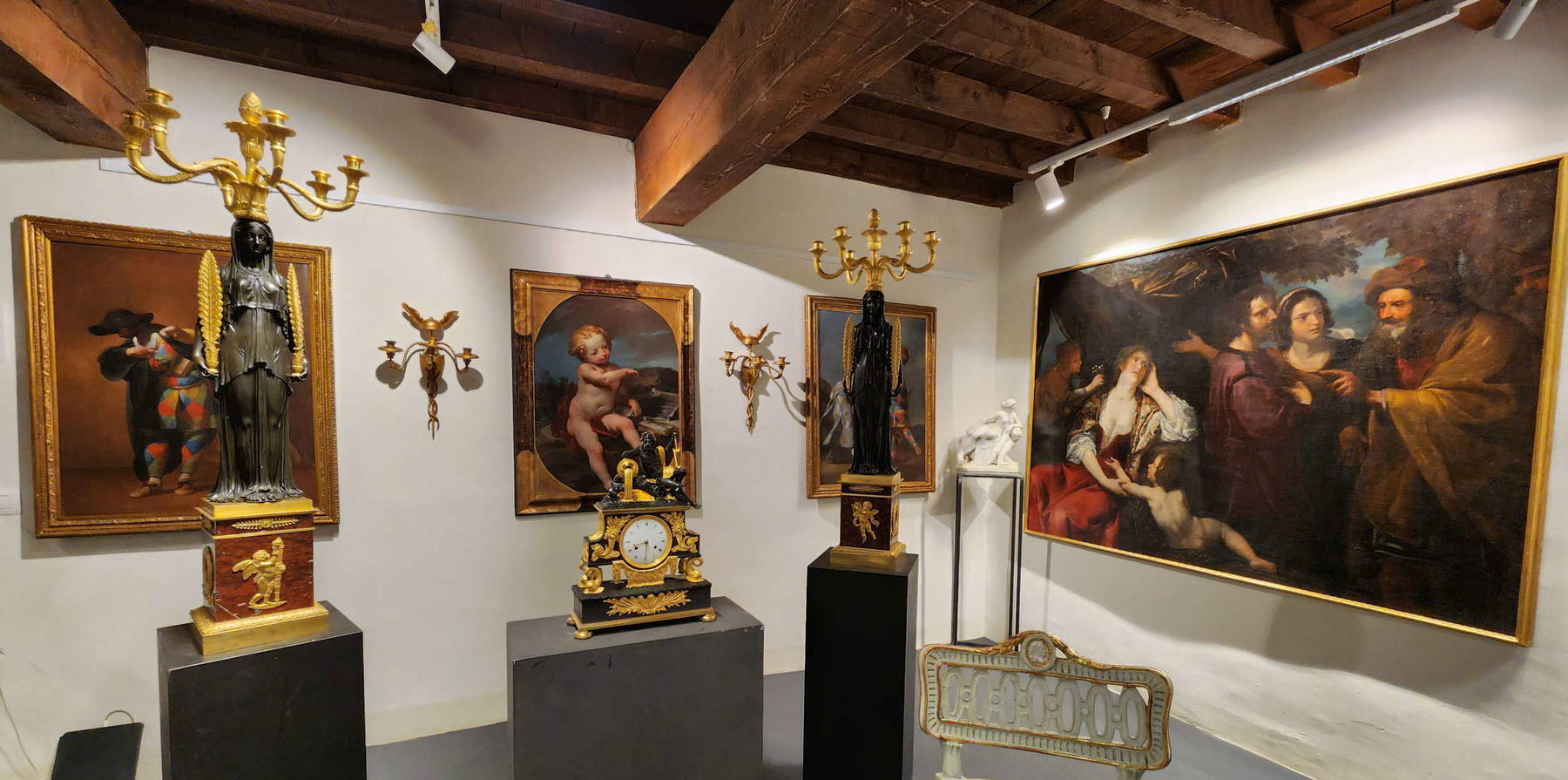
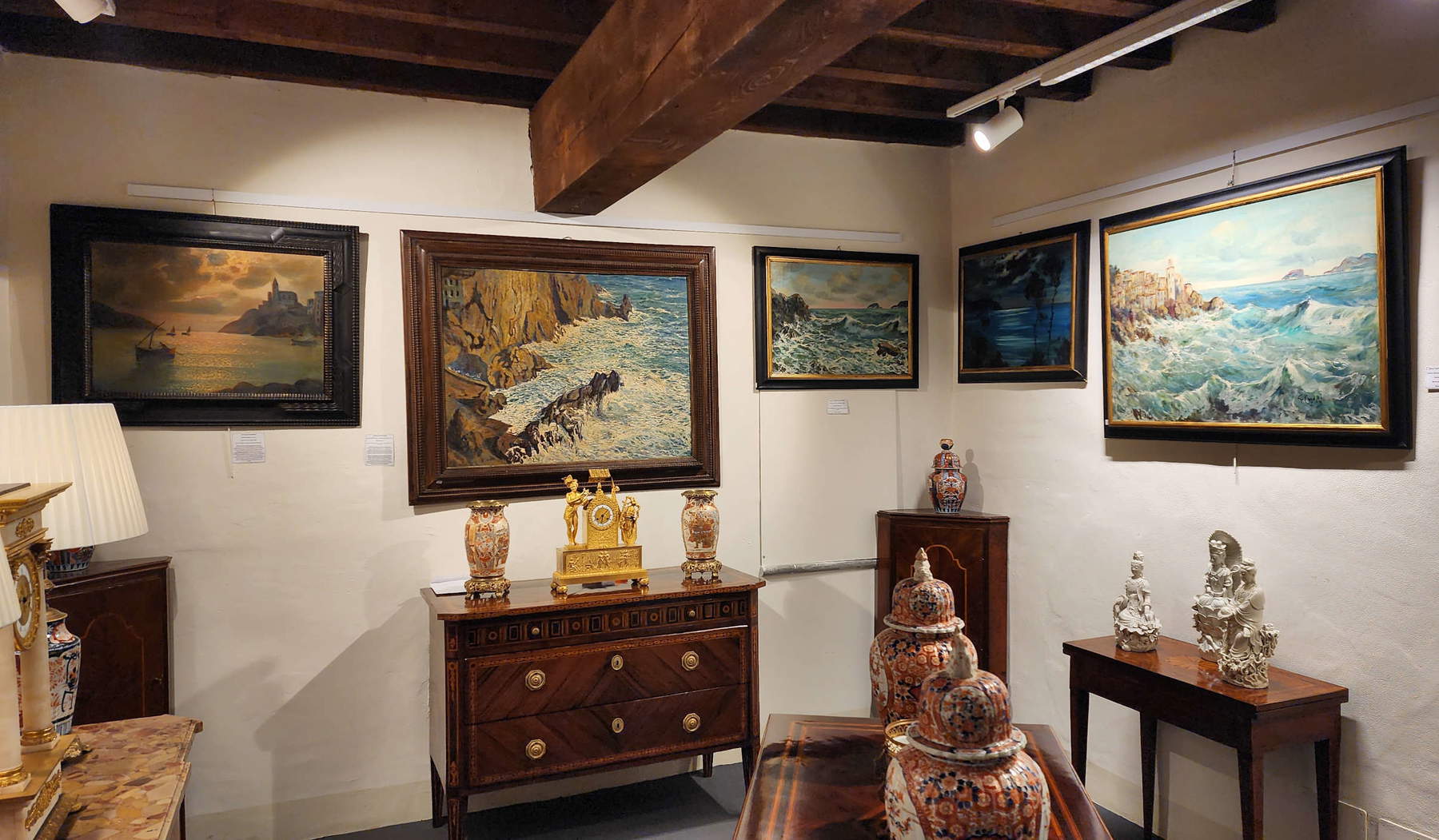
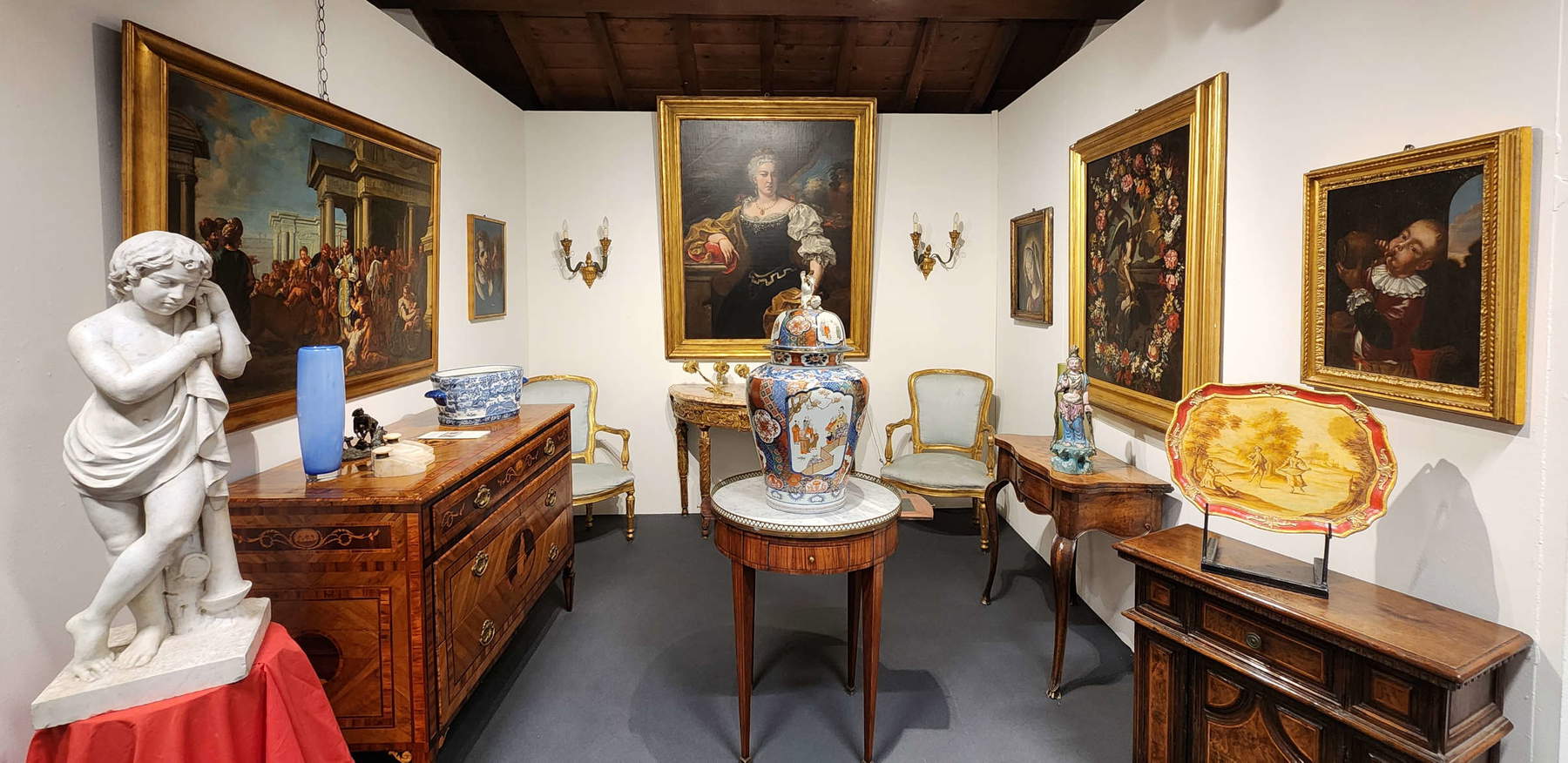
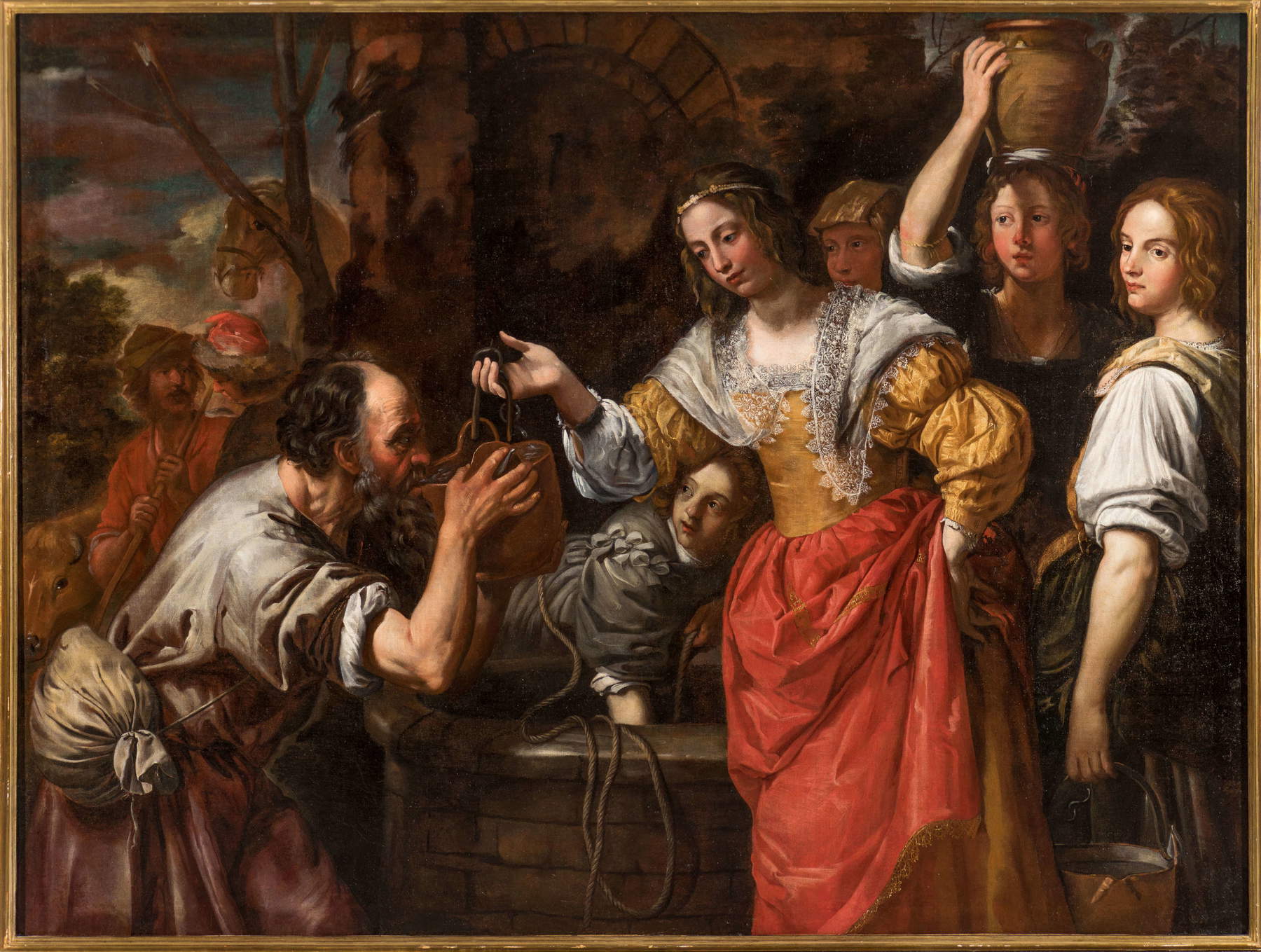
The tour begins in the small display rooms on the ground floor and opens immediately with one of the highlights of this edition: the Milanese gallery Sine Tempore, a regular participant in the National Antiques Exhibition, presents two paintings by Domenico Fiasella (Sarzana, 1589 – Genoa, 1669), one of the central figures of 17th-century Ligurian painting. The two canvases—a pair of pendants titled “Abraham Casts Out Hagar” and “Rebekah and Eleazar”—offered together for 120,000 euros, date from the artist’s mature period and depict scenes drawn from the biblical tradition. These are two works published in 1974 by Piero Donati, the leading authority on Fiasella, and which in the recent past were part of an important Genoese collection: the first composition is identified as the scene of Abraham sending Hagar and Ishmael away (although during the Fiasella exhibition held in 2021 at the Diocesan Museum of Sarzana, it was suggested that the painting be associated with a different episode from Genesis: Rachel hiding the idols she stole from her father Laban while fleeing with Jacob). Fiasella uses light to highlight the figures and guide the viewer’s interpretation, alternating between illuminated areas and sections immersed in shadow. Particularly meticulous is the rendering of the shawl wrapped around Rachel, an element in which the painter focuses a significant portion of his exploration of light transitions and fabric textures. The second painting, on the other hand, is dedicated to the encounter between Rebecca and Eleazar: Abraham’s servant, tasked with finding a wife for Isaac, arrives at a well and meets the young woman, whose willingness to offer water even to the man’s camels is interpreted as a sign of her virtues and the destiny that awaits her. Here too, Fiasella constructs the scene in successive planes, using the arrangement of the figures to create depth in the image. The garments, fabrics, and decorative details help define the setting, with particular attention paid to the lace adorning Rebecca’s clothing. It is worth noting that Donati himself recently pointed out that, unlike the painting of Abraham and Hagar—which is entirely autograph (a work attributable to the master’s late period, when the now elderly Fiasella was under the influence of Andrea De Ferrari, a younger colleague)— the painting depicting Rebecca and Eleazar may have been executed with the assistance of the workshop (according to the scholar, the figure of Eleazar is entirely by the master’s own hand in this case, while the rest of the painting may have been executed by young assistants under the master’s supervision, and at that time, prominent figures such as Valerio Castello and Gregorio De Ferrari passed through Fiasella’s studio).
Also on display at the Sine Tempore booth is a still life attributed to the Master of the Grotesque Vases, an anonymous painter active in Italy during the first half of the 17th century, primarily in Rome and central-southern Italy. The subject, characteristic of his work, centers on a vase decorated with classical motifs and grotesque ornaments, set within a floral arrangement. The asking price is 22,000 euros.
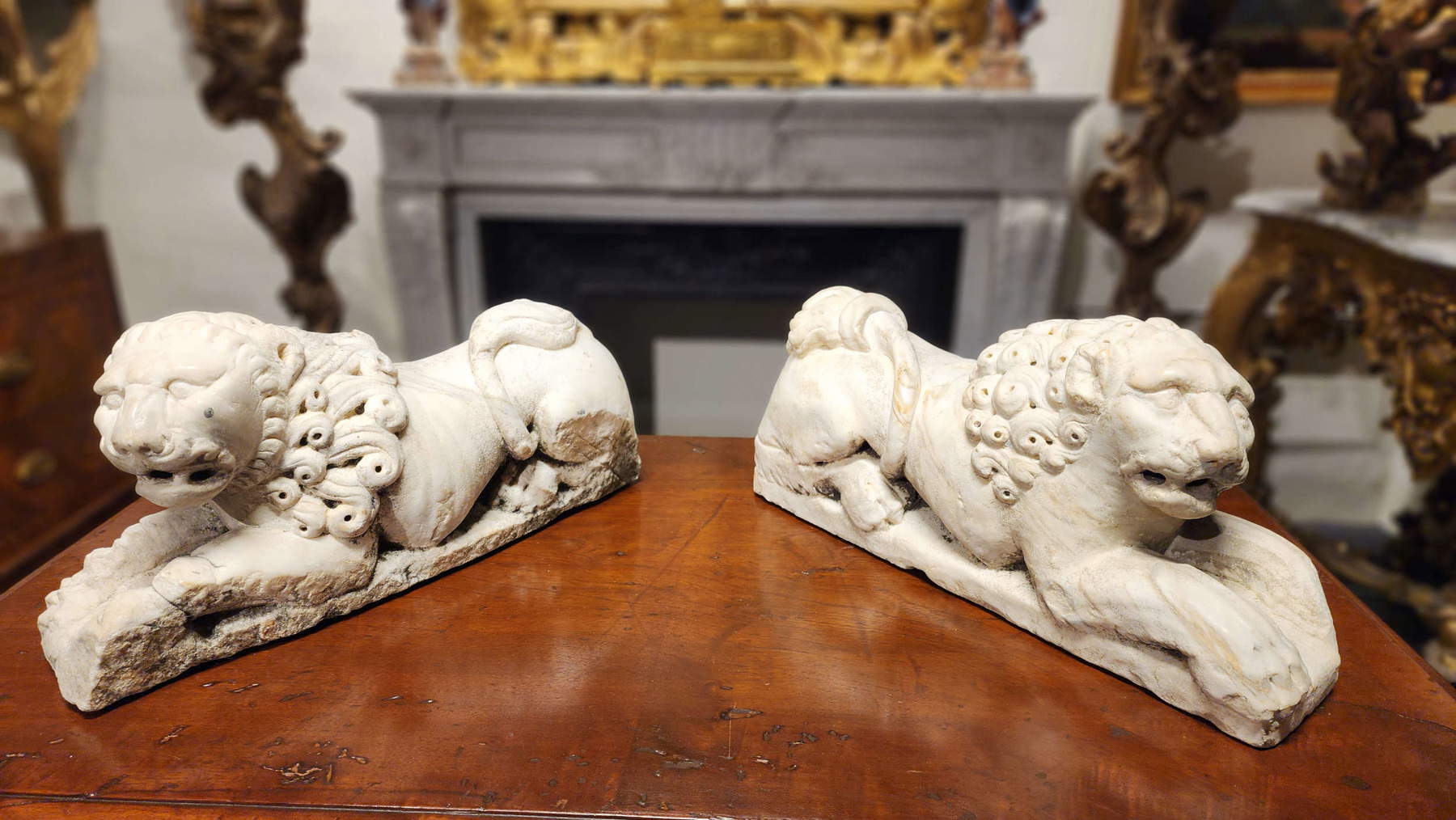
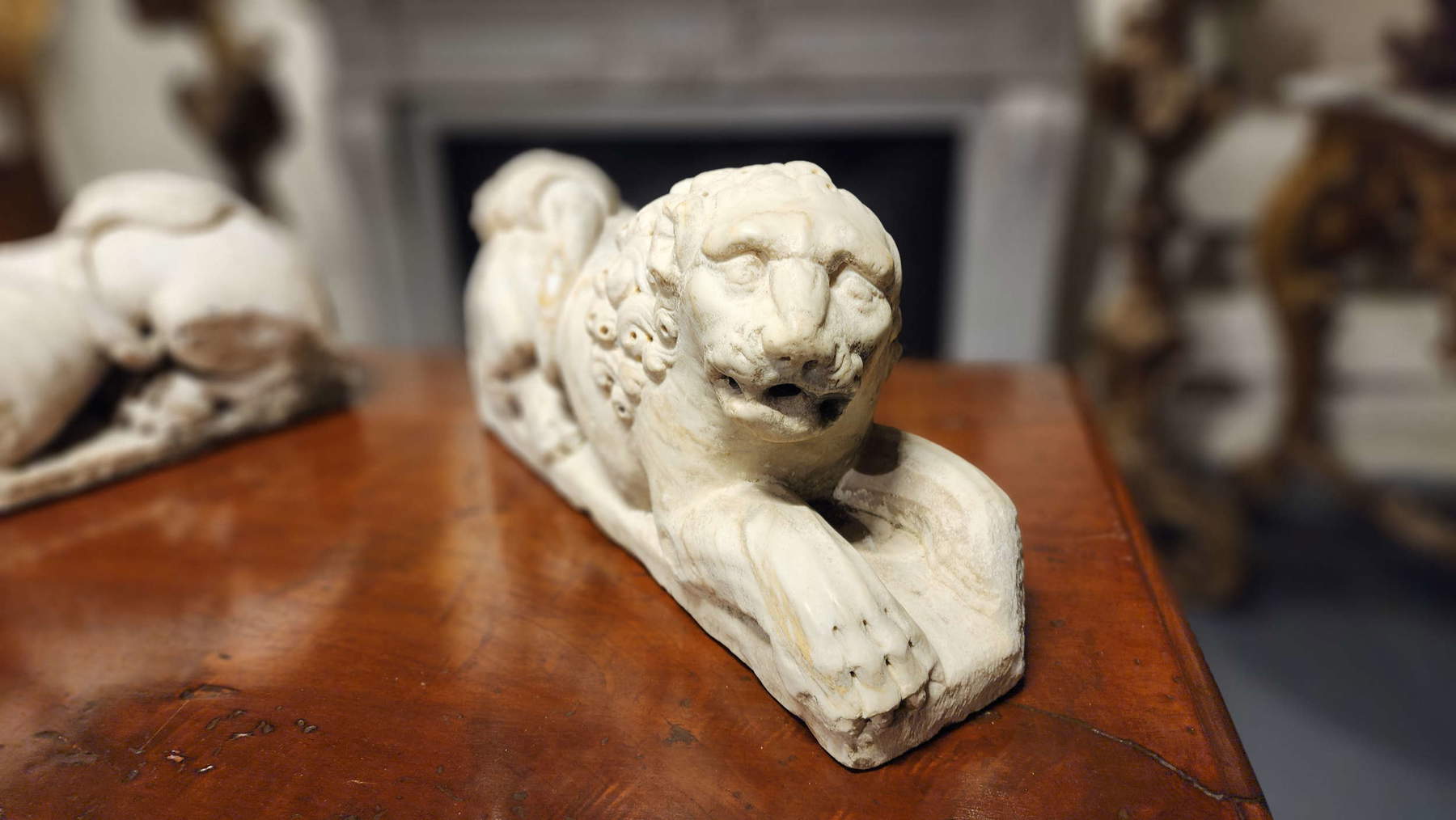
Sculpture is represented, among others, by the T. De Rizzoli Johnson gallery in Lucca, where visitors can admire the oldest piece in the exhibition: a pair of marble lion cubs of Venetian origin, dating from the 14th to the 15th century (price on inquiry). Nearby, at the Ad Res booth (La Spezia), the region is honored with several works by Giuseppe Caselli (Luzzara, 1893 – La Spezia, 1976), who had a particularly close connection to the Ligurian landscape and the La Spezia area. Among the paintings is a *Marina alle Cinque Terre* from the 1930s, one of the most interesting works in his oeuvre, documented in the artist’s archive and previously presented at the exhibition dedicated to Caselli’s works held in 2022 at Spazio Startè in La Spezia (price on inquiry). Also included is a *Nocturne in Portovenere*, already sold, which was previously exhibited in the monographic exhibition dedicated to the relationship between Caselli and Portovenere, organized in 2016 to mark the 40th anniversary of the artist’s death.
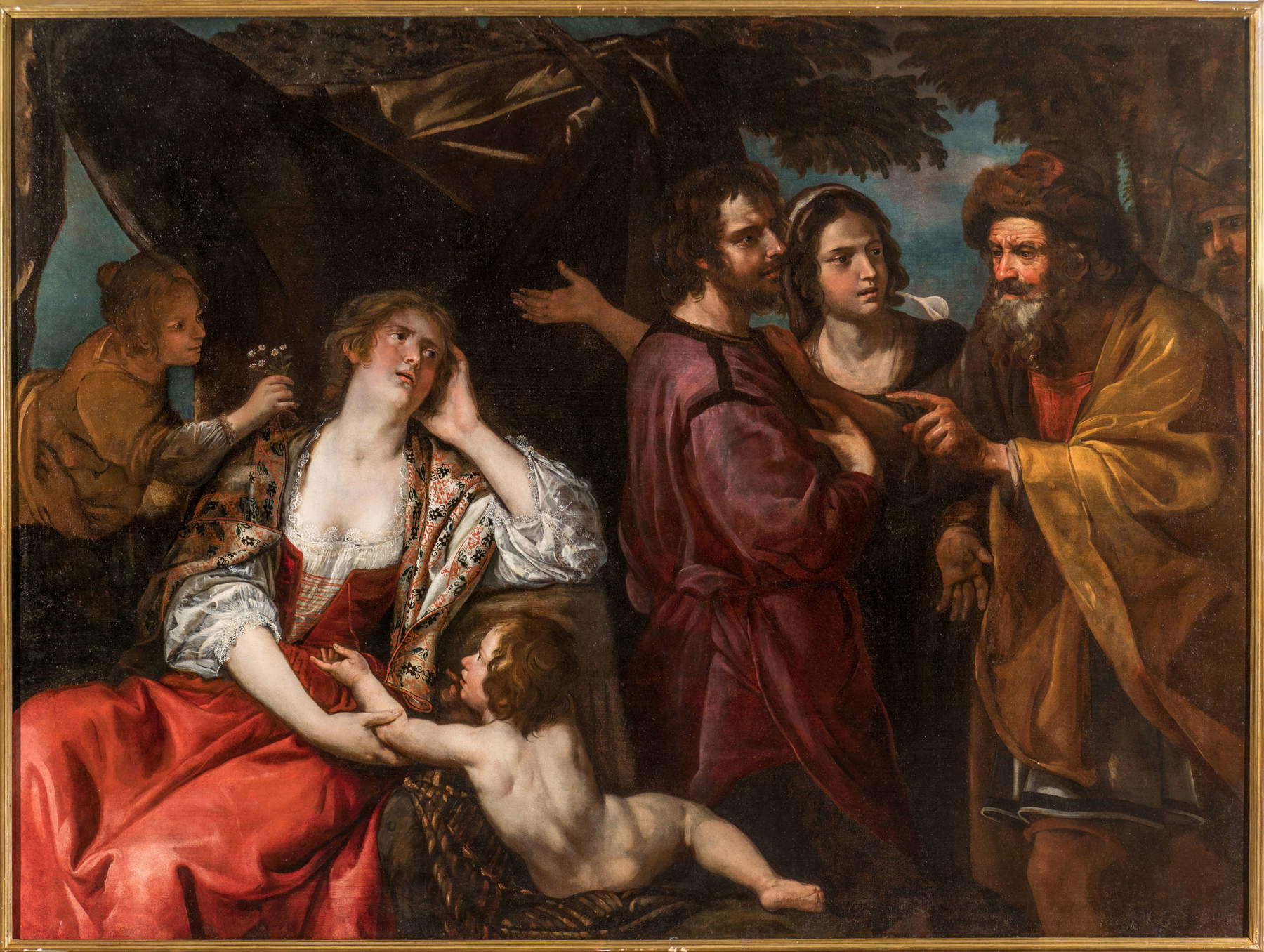
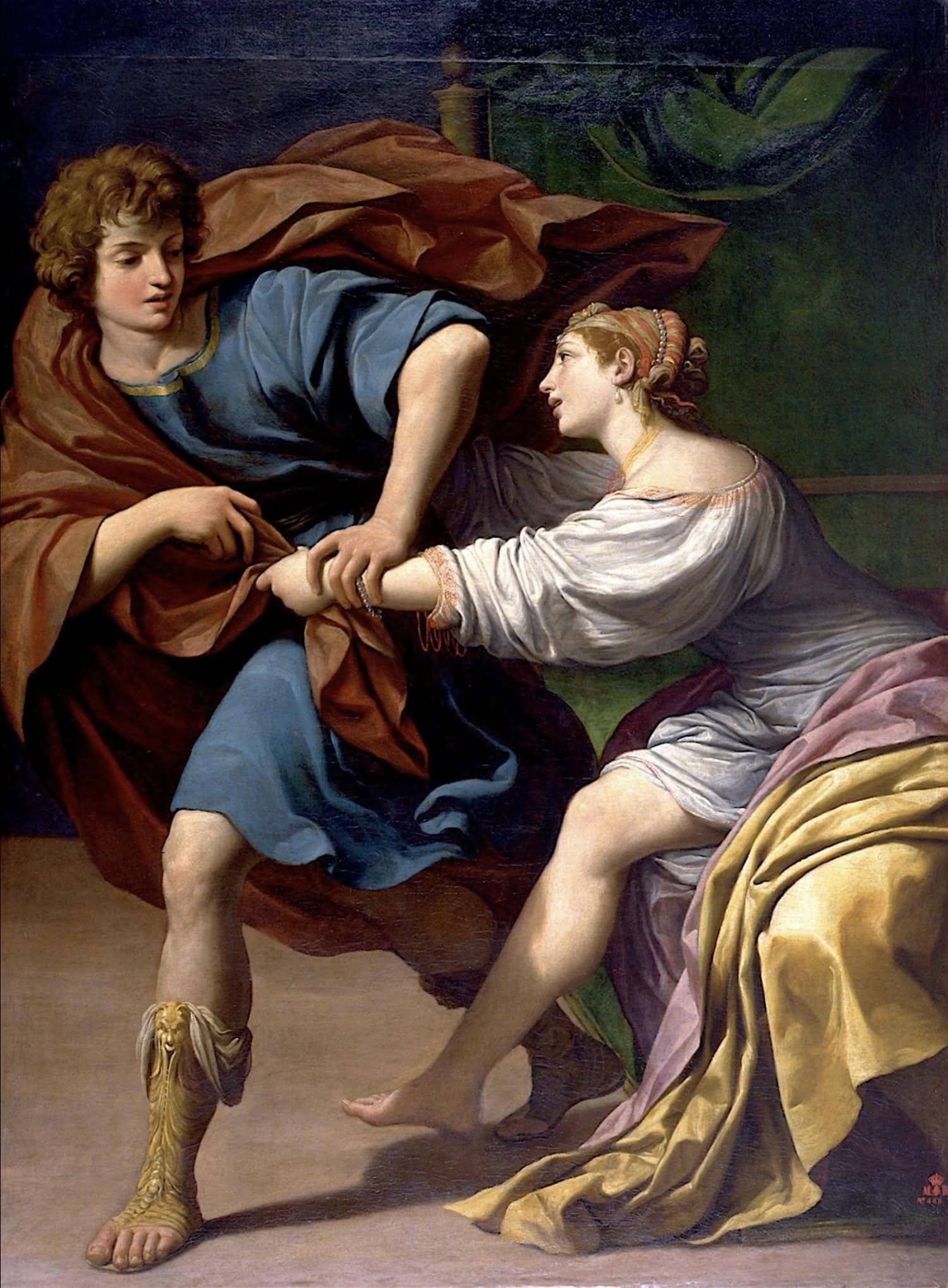
Also on the ground floor, Tempi Antichi, run by Ivan Rinaldi (Rimini), is offering two works of particular interest due to their quality and size. The first, likely the most expensive work at the fair, is a large canvas by Lionello Spada (Bologna, 1576 – Parma, 1622), depicting Joseph and Potiphar’s Wife, with an asking price of 130,000 euros. The subject is taken from Genesis and depicts Potiphar’s wife’s attempt to seduce Joseph, who reacts by trying to escape from her. The composition of the painting is dominated by the contrast between the dark background and the light falling on the figures. Joseph, standing, tries to free himself from the woman’s grip; she, seated on the bed, holds him by the wrist. The colors of their clothes, the jewelry, the turban, and the details of their attire highlight the difference in social status between the characters, while the rendering of the fabrics and the anatomical details contribute to the tension of the scene. Spada’s painting reflects the influence of Caravaggio, which the artist assimilated throughout his career and reworked through an Emilian sensibility (it is no coincidence that critical tradition has compared the painter to Merisi). The canvas on display in Sarzana can also be compared to another version of the same subject housed at the Palais des Beaux-Arts in Lille: the existence of variations and copies of popular subjects was, after all, a documented practice in 17th-century painting and allows us to interpret the work within the context of workshop production of the time.
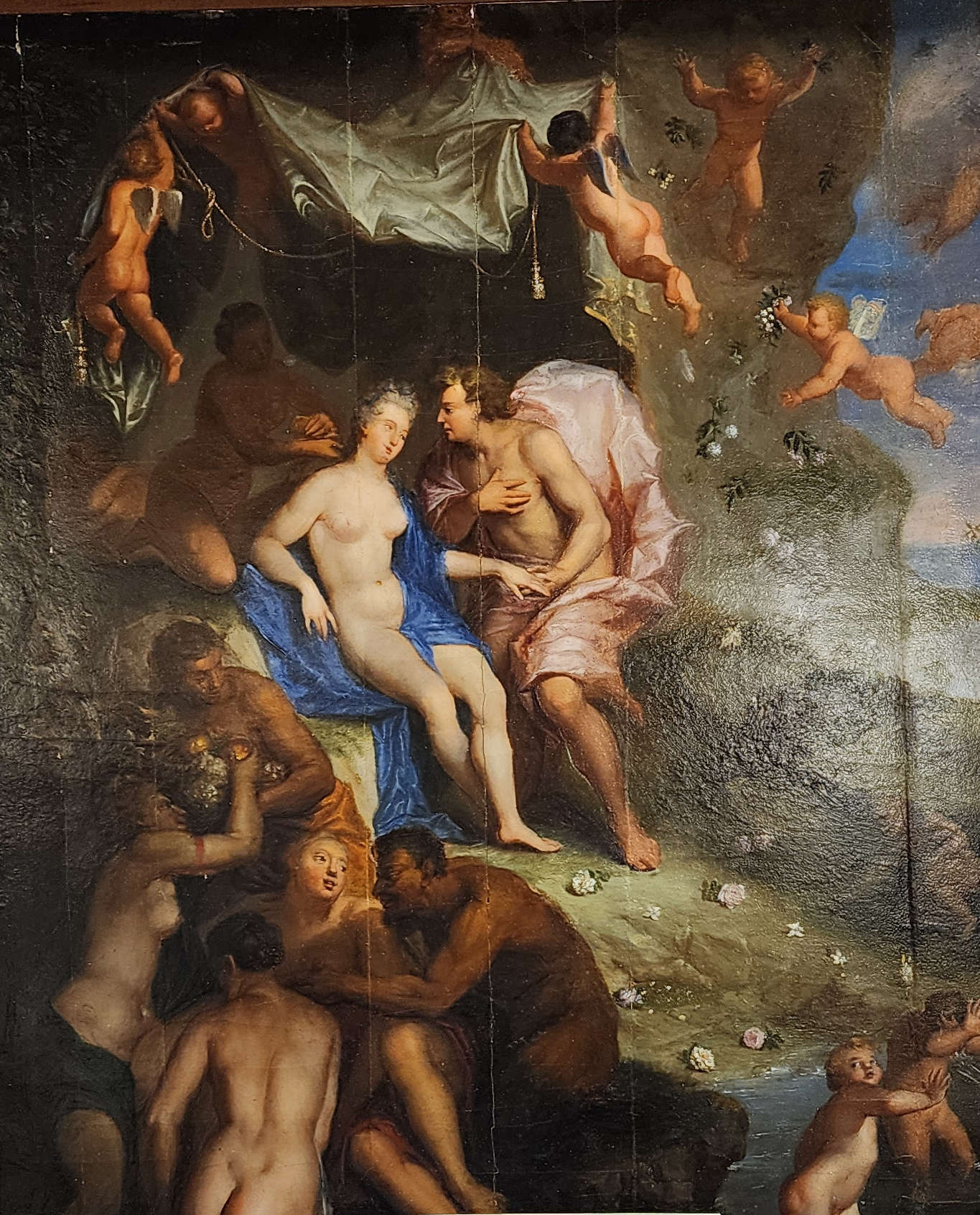
The same antique dealer is offering a *Triumph of Galatea* by Hans von Aachen (Cologne, 1552 – Prague, 1615), priced at 20,000 euros. The painting transports the viewer to a completely different world: at the center of the composition, the nymph advances on a sea chariot, surrounded by nymphs, satyrs, cherubs, and figures engaged in dancing and musical activities. The composition, though crowded, is constructed with a precise decorative balance and belongs to the mythological and sensual repertoire associated with the culture of European courts between the 16th and 17th centuries. Furthermore, the oak panel supports the work and ties it to the Nordic and German tradition to which the painter belonged. Hans von Aachen was, in fact, one of the leading figures of the so-called Prague School, associated with the court of Rudolf II: his painting is characterized by elongated figures, refined movements, rich colors, and mythological subjects.
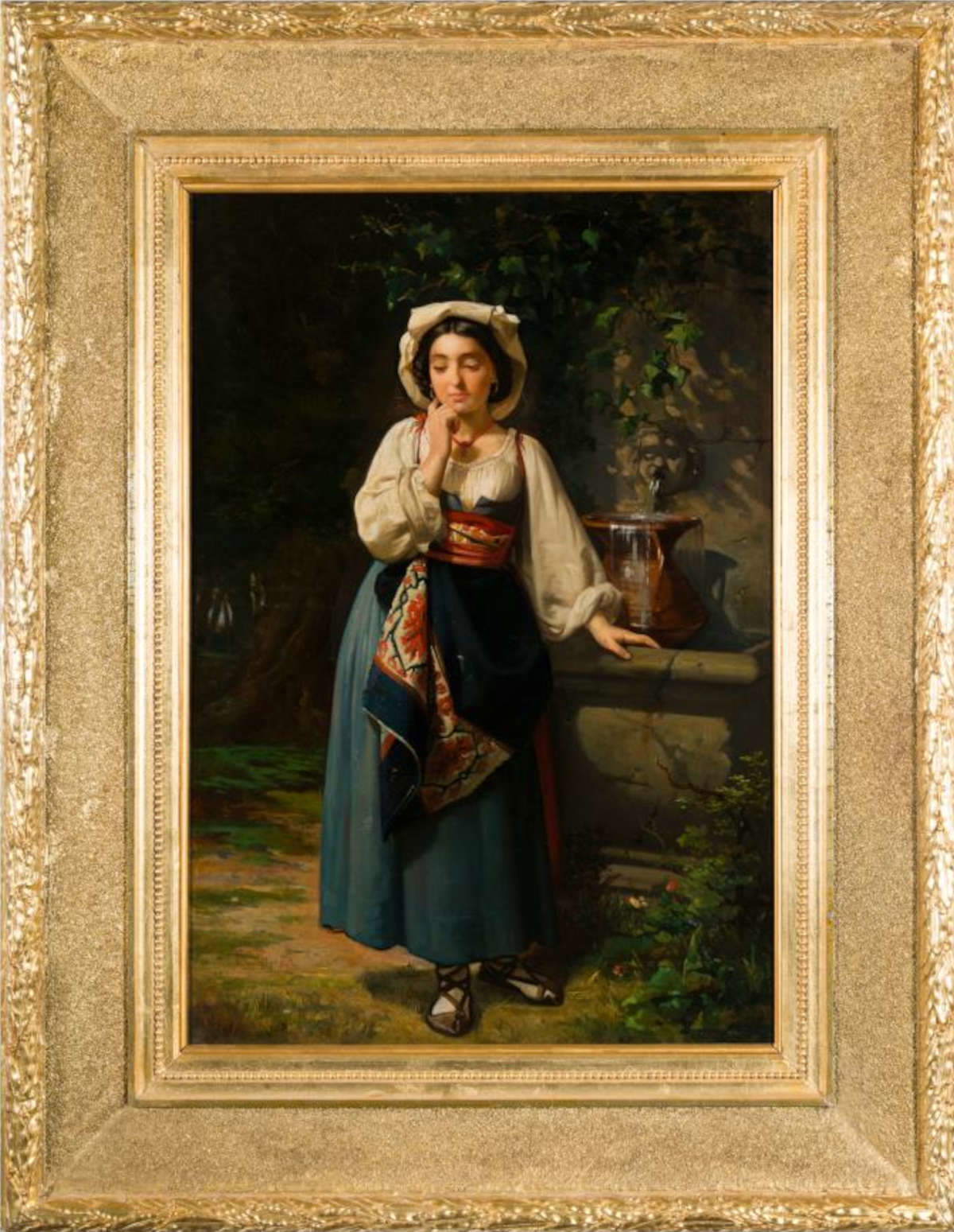
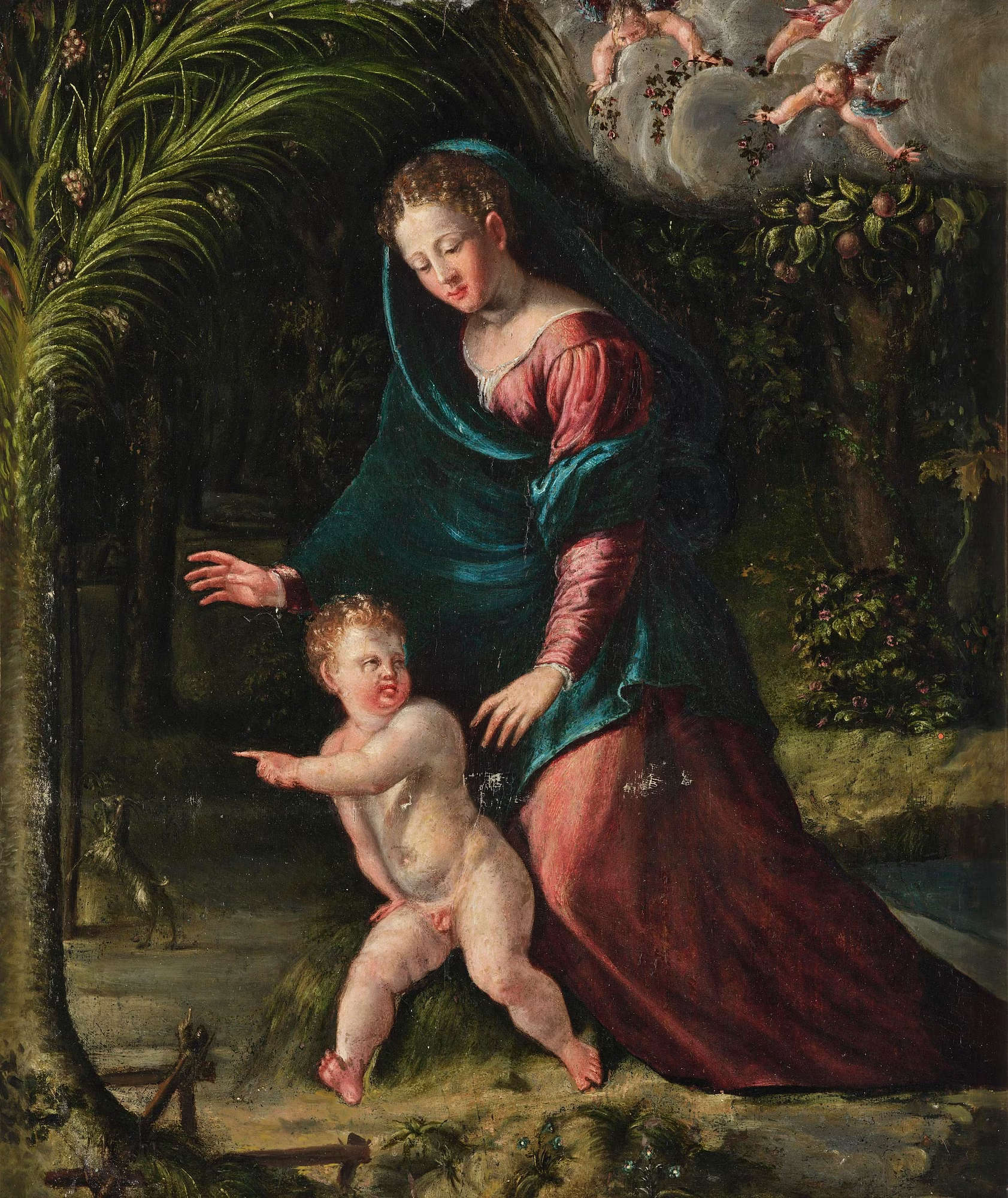
Moving up to the first floor, the booth is shared by Sofia Fine Art (Milan) and Odisseus Antiques ( Naeka, Sweden), where visitors encounter a curious *Bear Dance* by Giacomo Cipper and a *Water Carrier* by the Spanish artist Francisco Díaz Carreño (Seville, 1836 – Madrid, 1903), dated 1862 and priced at 6,000 euros: the painting steers the exhibition’s itinerary toward 19th-century painting, introducing a subject linked to the depiction of everyday life (more of which will be found later in the exhibition). Also of interest is a *Madonna and Child* from the circle of Callisto Piazza (asking price: 8,000 euros): the painting is part of the tradition of 16th-century Lombard painting.
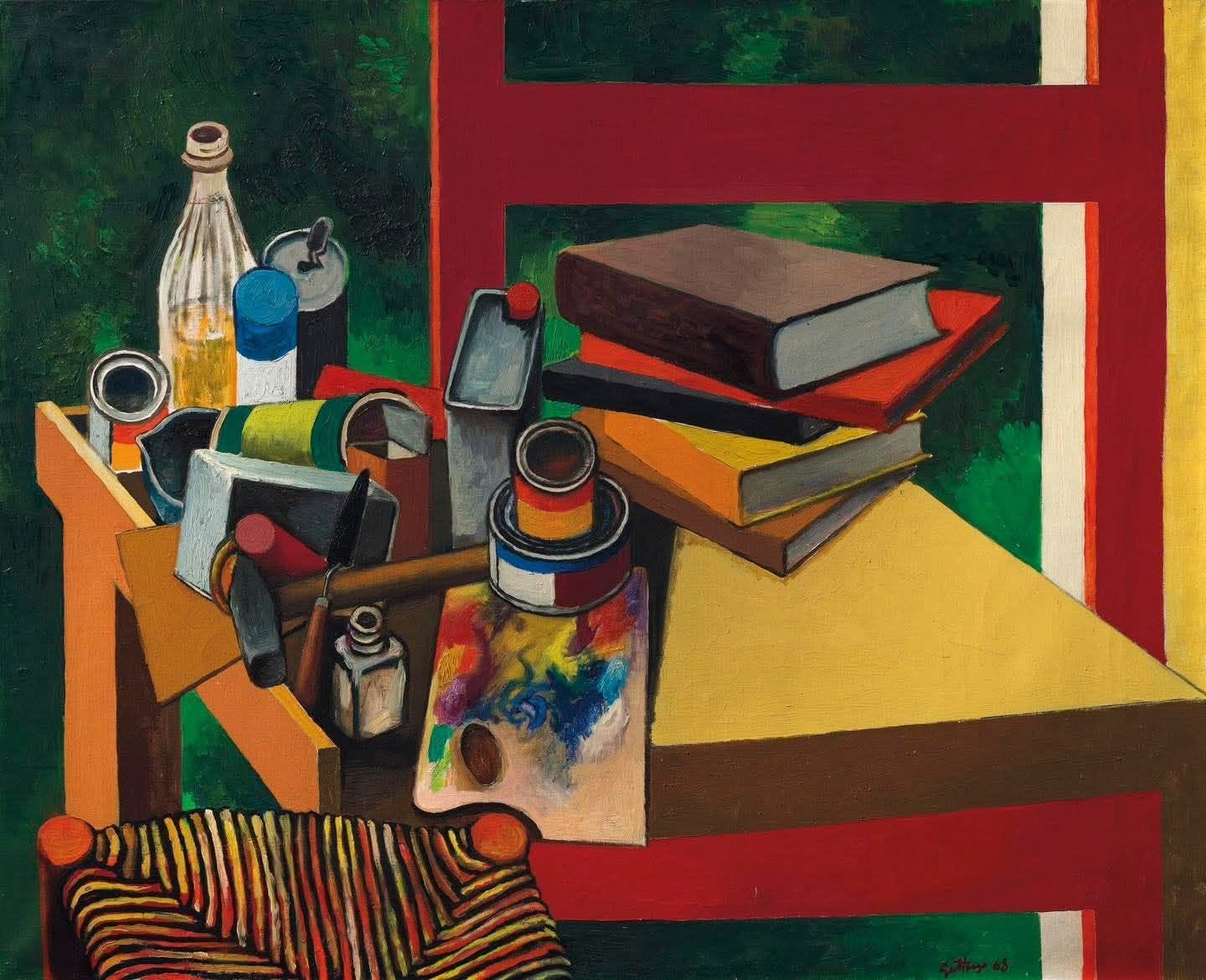
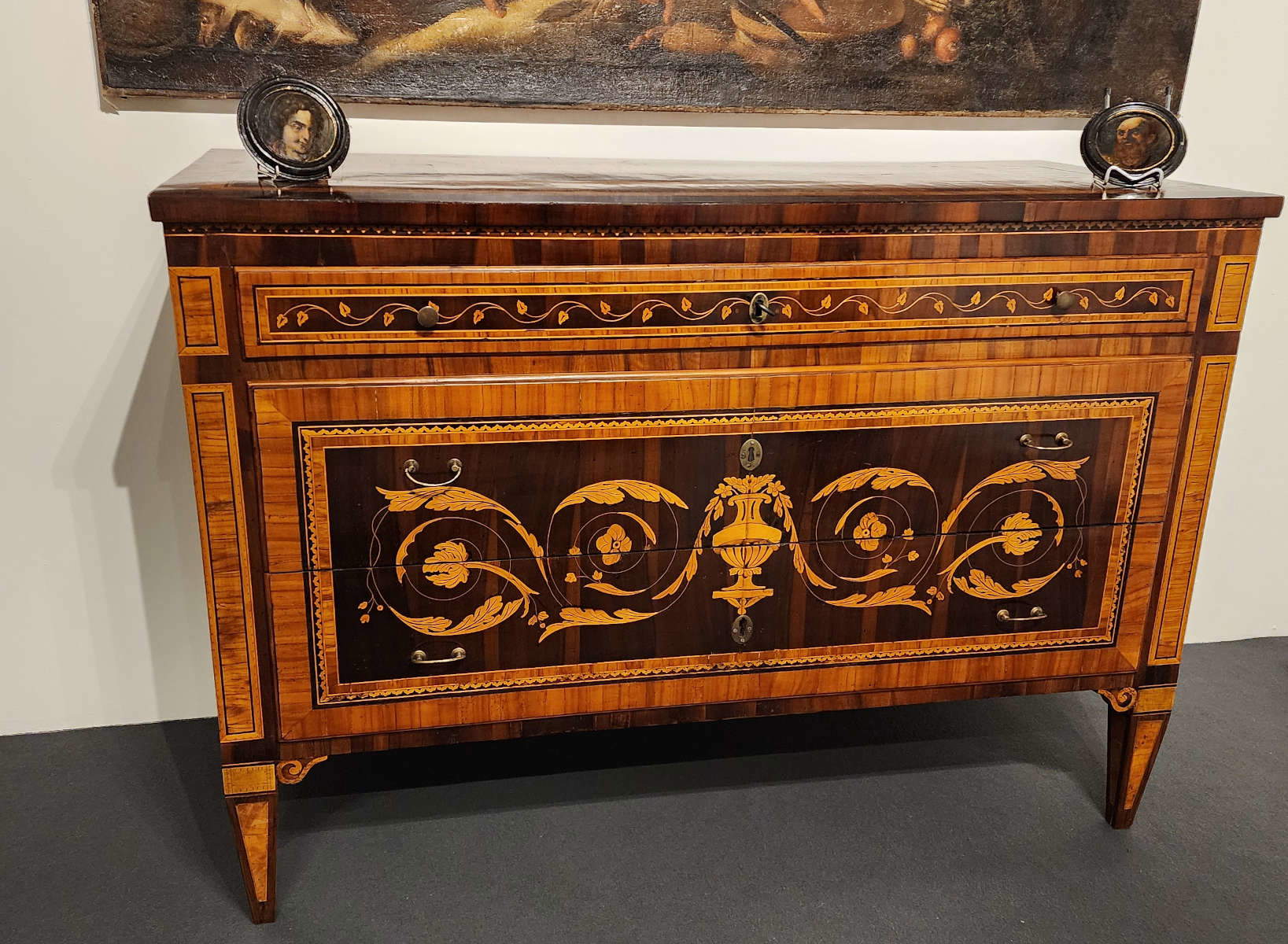
The final section of the exhibition begins at the Galleria Fiorella Carelli Carozzi, where the selection of exhibitors also highlights the continuity between historical antiques and modern art. Participating in the exhibition for the first time is one of the heavyweights of the Italian art trade, the Florence-based Tornabuoni Arte, which, for its debut in this new iteration of the National Antiques Exhibition, has chosen a minimalist approach: a single work, a still life by Renato Guttuso (Bagheria, 1911 – Rome, 1987) from 1968. The work was signed and authenticated by the Guttuso Archive in 2014: as usual, Tornabuoni has decided not to publish the prices of the works, but we will work to get the gallery to change its mind sooner or later. At the neighboring booth, the Casa d’Aste Sammarinese (Dogana, San Marino) presents, among its various offerings (mostly 17th- and 18th-century paintings), a Milanese commode dating from around 1780, offered at 3,500 euros. This piece of furniture introduces a different category of collecting—that of historic furniture—and underscores the event’s diverse range of offerings, where painting, as we know, is not the only area of interest.
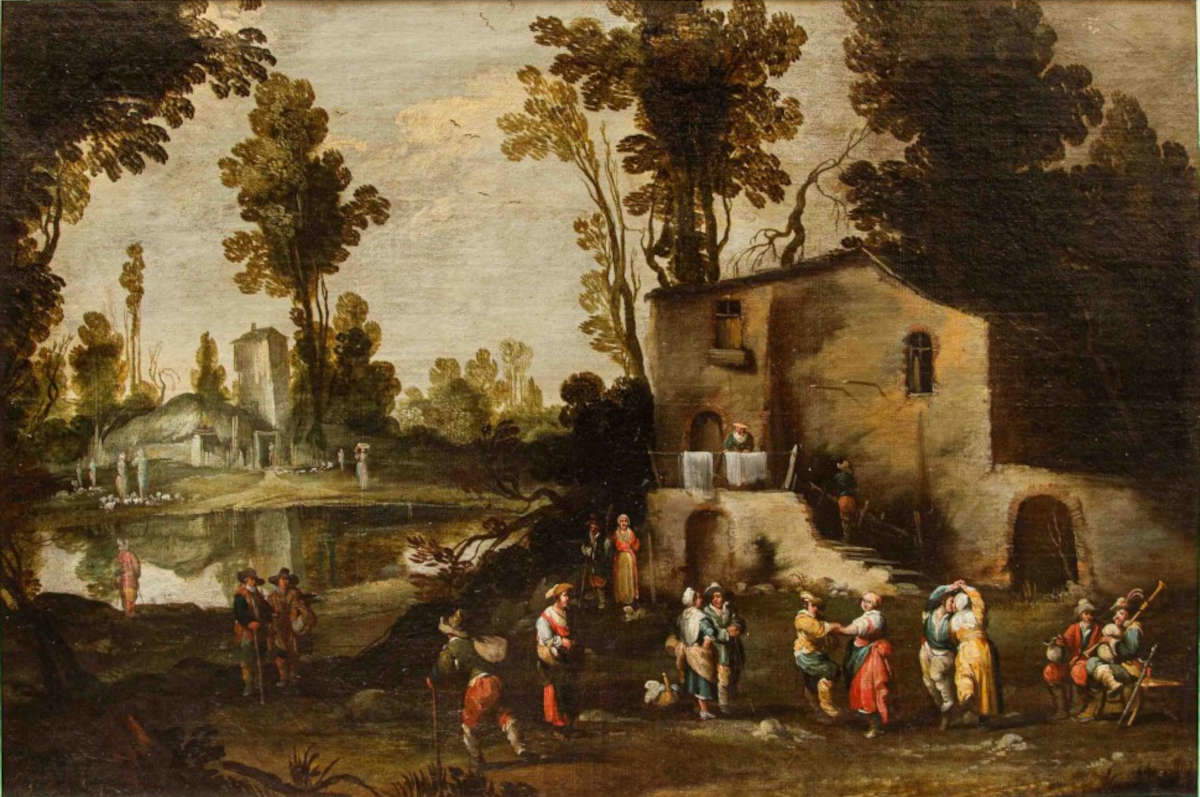
Continuing along the exhibition route, Ars Antiqua (Milan) presents a group of works spanning various periods in the history of painting. And, worth noting, it is the only antique dealer at the event that includes the prices of the works in the captions. Among these are two “Clashes Between Cavalries” attributed to Francesco Graziani, known as Ciccio Napoletano (active in Naples and Rome, second half of the 17th century), an artist whose critical reception has been complex, partly due to the presence in historical sources of multiple painters traceable to the same family: the two small canvases, featured in the volume dedicated to 17th- and 18th-century battle painting edited by Patrizia Conigli Valente, are offered at 4,400 euros. The compositions belong to that strand of battle painting in which action, the swiftness of movement, and the density of figures become fundamental elements. Also at Ars Antiqua, visitors can view a “Rural Landscape with Figures” by the so-called “Master of the Ligustica Academy,” offered for 6,000 euros. The attribution is based on the studies of Camillo Manzitti, who has identified a still-small group of paintings sharing common stylistic and chromatic characteristics. The painting depicts an open landscape, featuring a body of water, trees, a ruined tower, and a rural building in the background. In the foreground, several figures are part of a group scene that appears to allude to a celebration, while other figures enliven the landscape. The identity of the “Master of the Ligurian Academy” remains unknown, but comparative analyses have allowed the work to be placed within the Genoese artistic milieu influenced by the presence of the Flemish community in the first half of the 17th century. Particularly significant are the stylistic connections with Cornelis de Wael and Jan Wildens, key figures in an artistic network linking Genoa, Rome, and major European centers. The de Wael brothers’ workshop was a key hub for Flemish artists passing through the Italian peninsula; it was precisely within this milieu that some of the artistic developments that would contribute to the transformation of landscape painting took shape or passed through. The painting on display in Sarzana features elements attributable to that context: the house set in the background, the presence of figures engaged in daily activities, and the luminous rendering of the landscape. These characteristics allow us to interpret the work not only as an example of genre painting but also as a testament to the connections between Northern European and Ligurian figurative culture.
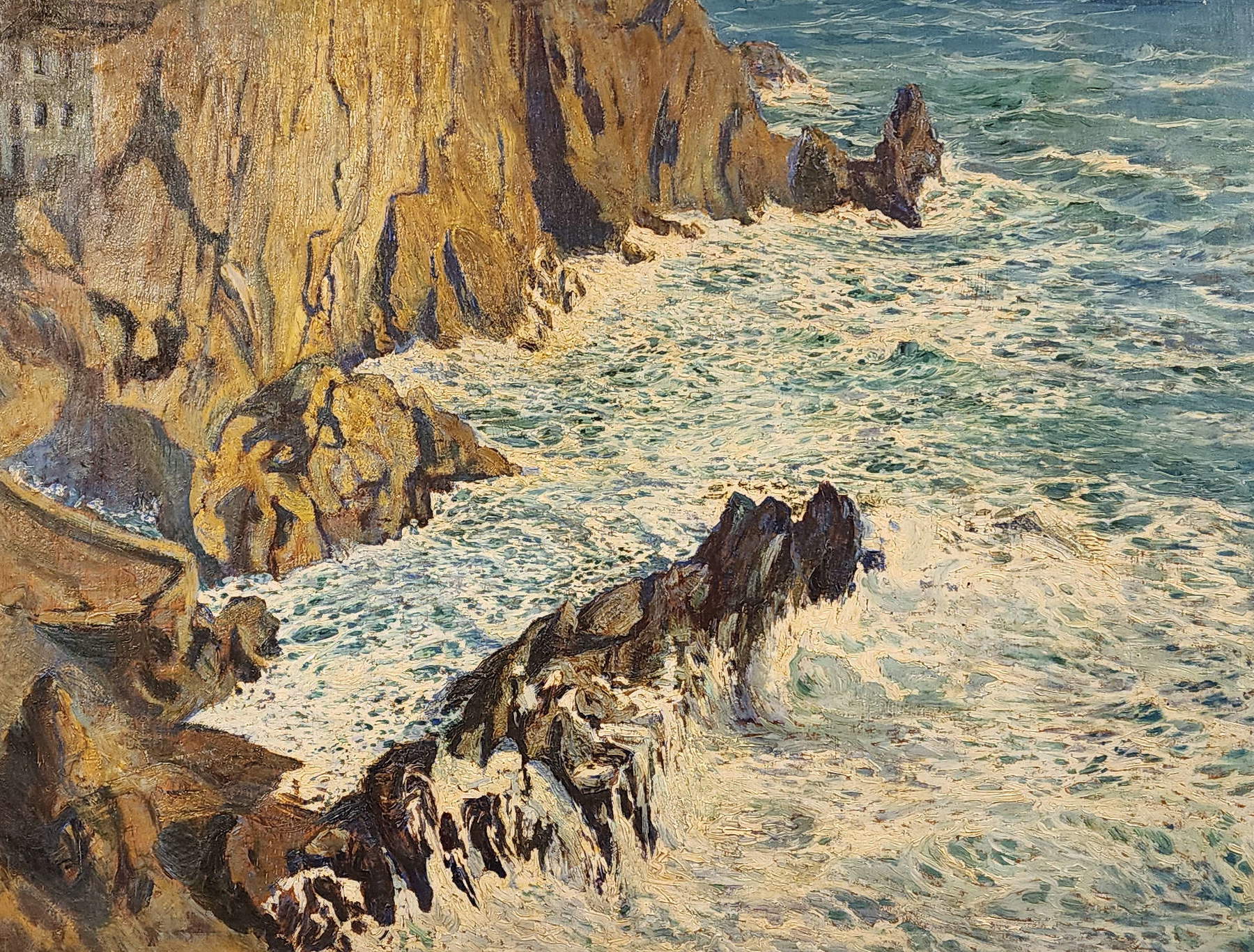
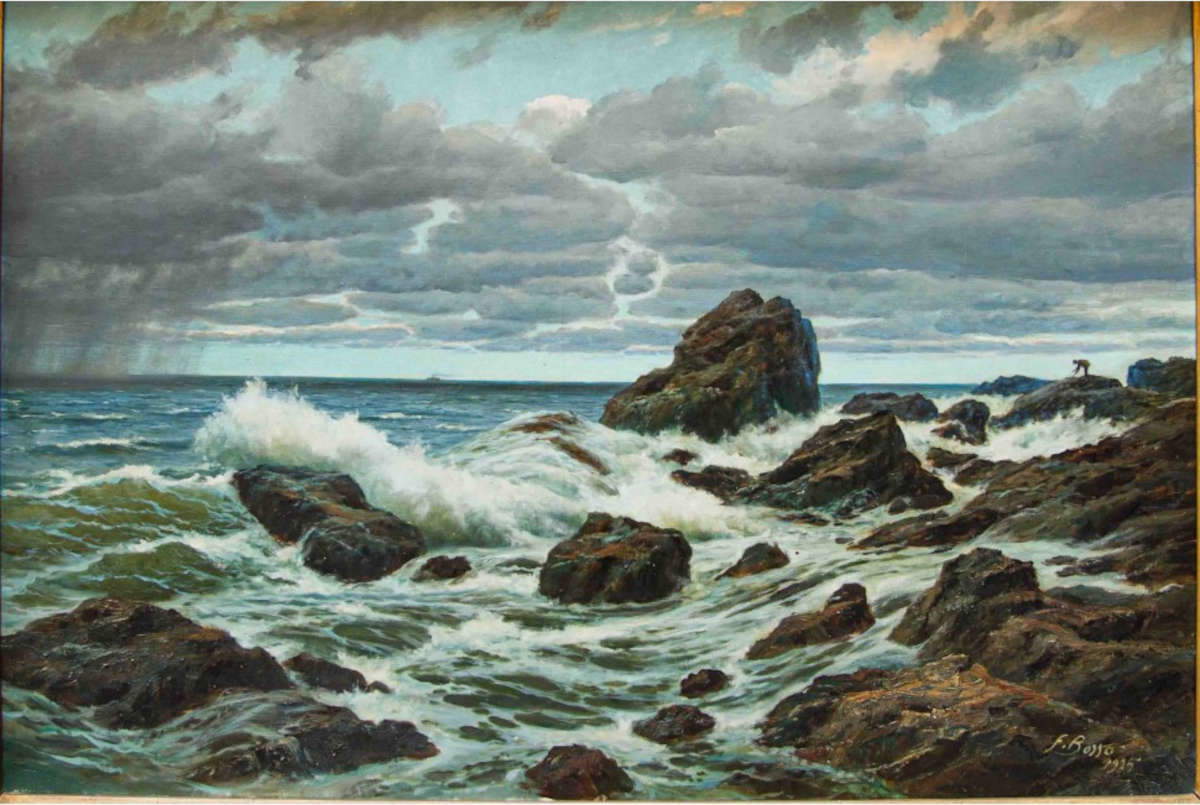
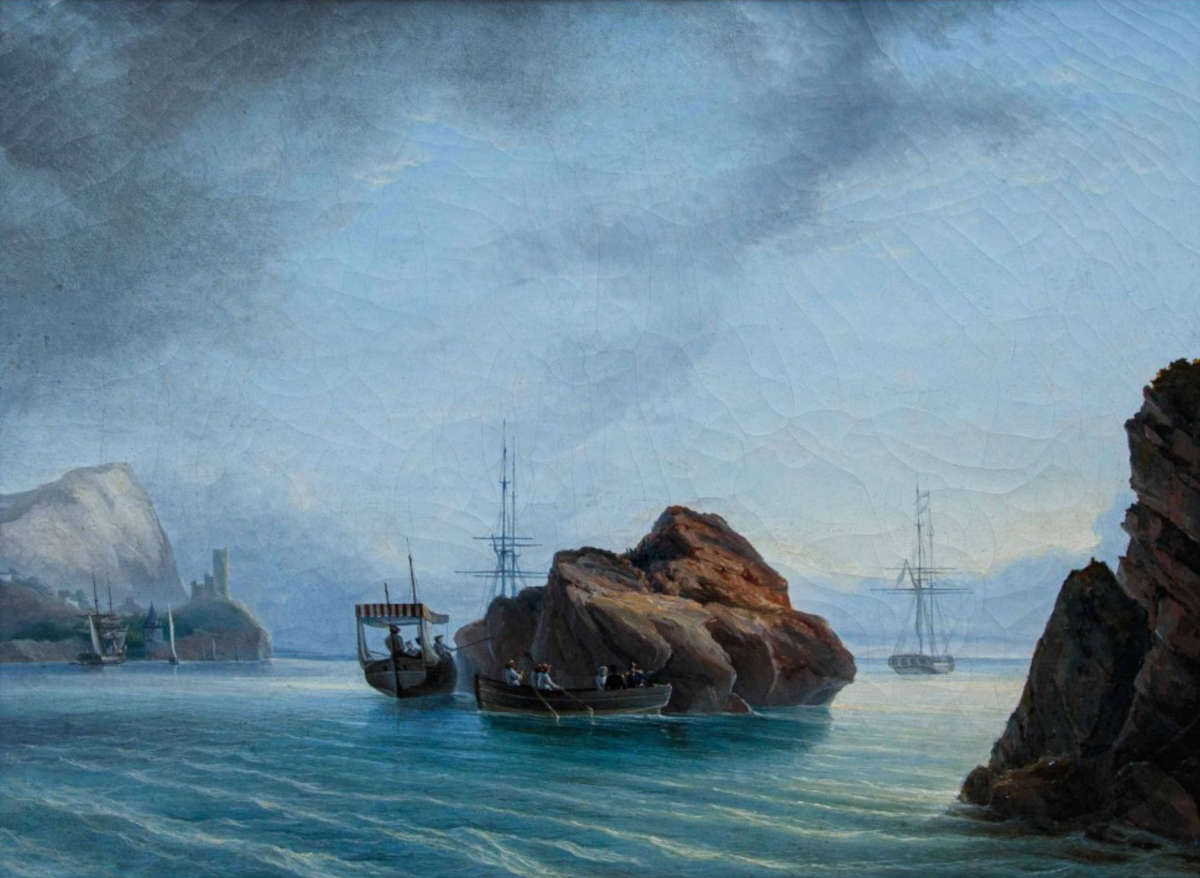
Landscape painting returns with Francesco Bosso ’s * La Mareggiata* (Vercelli, 1864 – Turin, 1933), dated 1925 and offered at 3,800 euros, a work from the artist’s mature phase in which nature becomes the primary narrative element (the sea surface, the cliffs, and the cloud-streaked sky are rendered with a freer brushstroke than in the artist’s decorative early works) and the landscape takes on a more pronounced atmospheric quality; and with *Marina* by Auguste Pernot (active in the 19th century) from 1846, offered at 2,800 euros—a canvas that reflects the long-term transformation of the European landscape between the 18th and 19th centuries, when nature gradually ceased to be merely the backdrop of the scene and acquired its own autonomy.
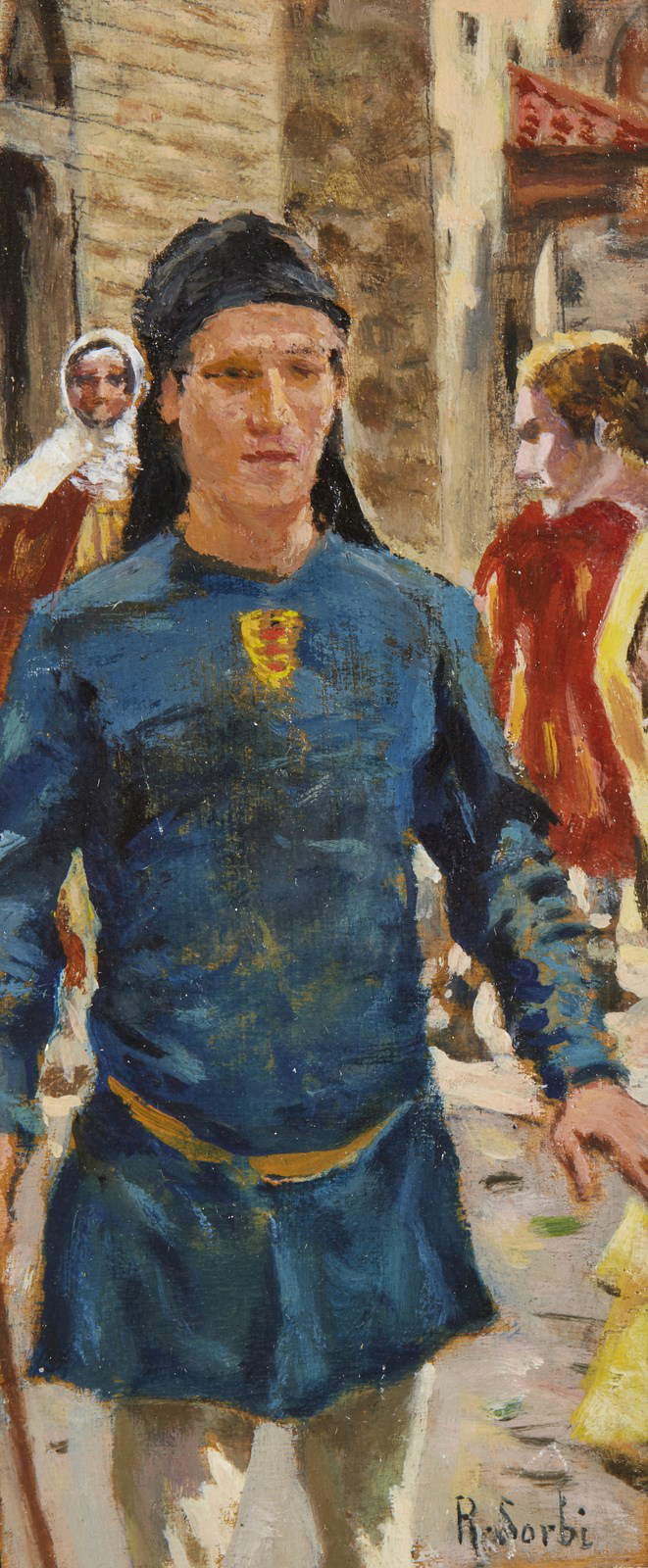
Those looking to purchase late-19th-century works at attractive prices will surely find something at the Campopiano ( Treviso) booth, which is showcasing a particularly diverse selection of Italian painting from the Macchiaioli movement and related circles. Among the works are a *Figure in Medieval Garments* by Raffaello Sorbi ( Florence, 1844–1931), offered at 1,500 euros, and a sketch (5,000 euros) by Cristiano Banti (Santa Croce sull’Arno, 1824 – Montemurlo, 1904), who was among the first revolutionaries of the Macchia movement and one of the founding fathers of Macchiaioli painting; a small but delightful *Landscape* by Telemaco Signorini (Florence, 1835–1901), with an asking price of 6,000 euros, and a beautiful *Return to the Sheepfold* by Alceste Campriani (Terni, 1848–Lucca, 1933), priced at 7,000 euros. The Campopiano collection also includes a *View of St. Mark’s Square* by Carlo Grubacs ( Venice, 1802–1870), the stand’s most important piece (30,000 euros). The name of this artist of Hungarian origin is closely associated with the tradition of the Venetian veduta, a genre in which architectural precision and attention to the urban landscape—though transfigured by strong atmospheric effects—serve as tools to convey the image of the city and its most recognizable landmarks.
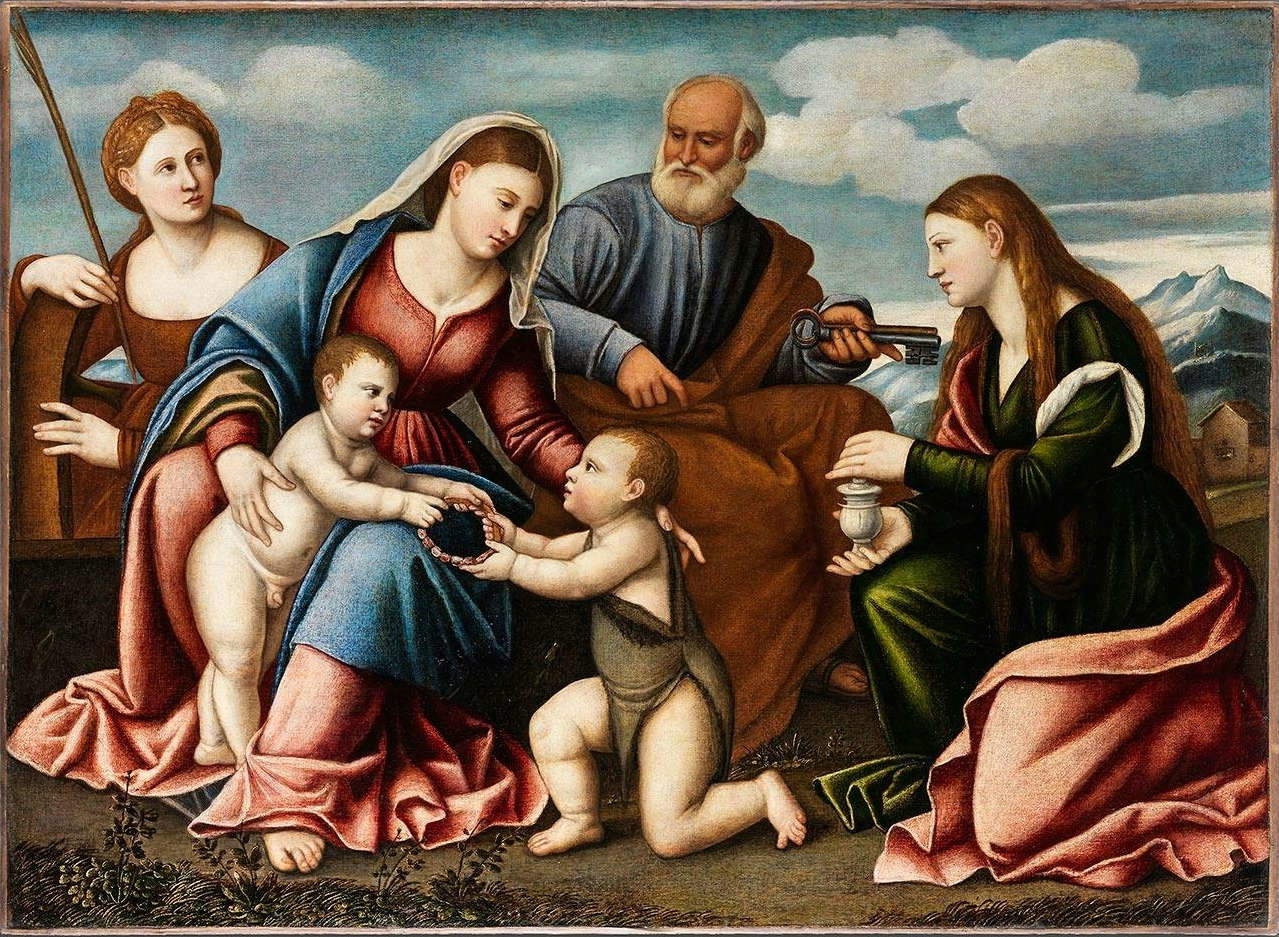
Rounding out the selection is Bonanomi Antiquariato (Moncalvo, Asti) with a collection that brings together paintings, decorative arts, and objects of Eastern origin. To pay homage to the region, we can begin with the Ligurian artist Giovanni Podestà (Genoa, 1608 – c. 1673), represented here by a motif quite common in 17th- and 18th-century painting: a cherub playing with a little bird (we see it tied to a string: in compositions of this type, it alludes to themes such as the fragility of youth or the transience of life), offered at 3,500 euros, and then turn your attention to the nearby “Sacred Conversation,” attributed to the circle of Bernardino Licinio, offered at 25,000 euros: a large canvas in which the Virgin, holding the naked Infant Jesus with her right hand while receiving a crown of roses from Saint John the Baptist, is accompanied by Saint Catherine of Alexandria, Saint Peter, and Saint Mary Magdalene, against the backdrop of a mountainous landscape. Also worth seeing is the poutiche ( a large ornamental jar with a lid) in fine Imari porcelain, produced in Japan around the mid-19th century (asking price : 3,900 euros).
A few final thoughts, starting with the positive aspects. First, the economic dimension, which paints a rather telling picture of the levels of collecting that the Sarzana fair caters to: alongside a few high-quality works with higher price tags, there are mostly affordable pieces at lower prices, allowing for a more gradual entry into the antiques market. The Sarzana exhibition presents itself, as always, as a setting particularly suited to entry-level collecting , offering a “protected” environment—so to speak—at the Fortezza Firmafede, where visitors can safely explore this fascinating world, with the added opportunity to take home some very satisfying purchases at reasonable prices. Indeed, this combination—which pairs offerings for seasoned, high-level collectors with those aimed at a potentially new audience—is perhaps one of the exhibition’s most distinctive features, one that certainly deserves to be strengthened and highlighted. Second: the stand displays have improved significantly compared to previous editions. There are fewer and fewer stands organized like jumble sales, and more and more exhibitors offering the public a clean and carefully curated selection, so that visitors have the opportunity to focus on the works with the attention they deserve. Third: the venue, of course, which is a significant added value. The Renaissance architecture, the small niches, and the spaces of the final gallery all contribute to creating a fair that feels like an exhibition, where the distance between the viewer and the artwork generally remains minimal. This exhibition format is consistent with an activity founded on a direct relationship with the objects, their provenance, the quality of their conservation, and the scholarly research that accompanies every attribution.
There are also aspects that could be improved. For one thing, compared to past editions, this one has lost some of its national scope and has seen an increase in the participation of local antique dealers, even if their offerings have not always been able to adequately compensate for the absence of dealers from other regions. Furthermore, some of the local antique dealers were unavailable when we visited the exhibition to compile this report ( between 7:00 p.m. and 8:30 p.m. yesterday, that is, during peak opening hours, which, we should note, run from 6:00 p.m. to midnight: so perhaps it would be a good idea for the booths to ensure continuous staffing). Another questionable aspect: few dealers display price tags on their items. We’re not referring to those who choose to display prices (the only one, as mentioned, is Ars Antiqua), but specifically to the antique dealers who, on the fourth day of the exhibition, still hadn’t labeled their works with even the most basic information—even if it were just the subject of a painting. Of course, the absence of any captions encourages interaction between the dealer and the buyer—who is inevitably forced to ask for information—but on the other hand, it may deter the more hesitant potential customer or confuse a newcomer, or those who simply believe that anis not merely a business of buying and selling artworks but also a cultural event—and that, therefore, beyond the commercial aspect (which is and must remain, of course, the primary focus), there is also a dimension of knowledge that should be, if not encouraged, at least supported and promoted. This, after all, is the direction in which major international fairs are moving—the direction that many antique dealers are taking—since having a comprehensive understanding of what dealers sell at a fair is key to understanding the market, the perception of the artwork, and how collecting works: it is, quite simply, a more contemporary culture of market information, increasingly oriented toward a context of knowledge, transparency, and accessibility.
Finally, a note on the collateral exhibitions: for at least the past couple of editions, the National Antiques Fair has in fact been accompanied by a contemporary art exhibition in the basement of the Fortezza Firmafede. We didn’t have time to visit this year’s exhibition, which is why it is neither possible nor fair to offer an assessment of the current lineup. We can, however, recall the impression left by last year’s edition, when the contemporary section appeared decidedly less convincing and less balanced than the antiques section, both in terms of the quality of the works on display and the coherence of the exhibition layout—especially when compared to the greater solidity of the commercial exhibition. This is, of course, an observation regarding the previous edition and cannot in any way be automatically applied to the current exhibition. One central aspect remains, however: the inclusion of contemporary art can certainly represent an opportunity to broaden the audience and create a pas de deux between artistic sensibilities that are diverse and separated by time, but for this dialogue to be effective, the contemporary works must measure up to the antiques. It will therefore be, above all, the evolution of the exhibition’s offerings over time that will tell us whether the collateral exhibition will succeed in finding a more distinct identity alongside the antiques exhibition—or whether, on the contrary, it will be possible to do without it.

The author of this article: Federico Giannini e Ilaria Baratta
Federico Giannini. Giornalista, co-fondatore di Finestre sull'Arte, direttore responsabile della testata. Nato a Massa nel 1986, si è laureato nel 2010 in Informatica Umanistica all’Università di Pisa. Nel 2025 ha scritto il libro Vero, Falso, Fake. Credenze, errori e falsità nel mondo dell'arte (Giunti editore). Per la tv è stato autore del documentario Le mani dell’arte (Rai 5) ed è stato tra i presentatori del programma Dorian – L’arte non invecchia (Rai 5).
Ilaria Baratta. Giornalista, co-fondatrice di Finestre sull'Arte, caporedattrice della testata. È nata a Carrara nel 1987 e si è laureata a Pisa in Lingue e Letterature Straniere.
Warning: the translation into English of the original Italian article was created using automatic tools. We undertake to review all articles, but we do not guarantee the total absence of inaccuracies in the translation due to the program. You can find the original by clicking on the ITA button. If you find any mistake,please contact us.
























 IT
IT FR
FR DE
DE ES
ES CN
CN


