




by Redazione 10/04/2026



Categories: News / Disclaimer
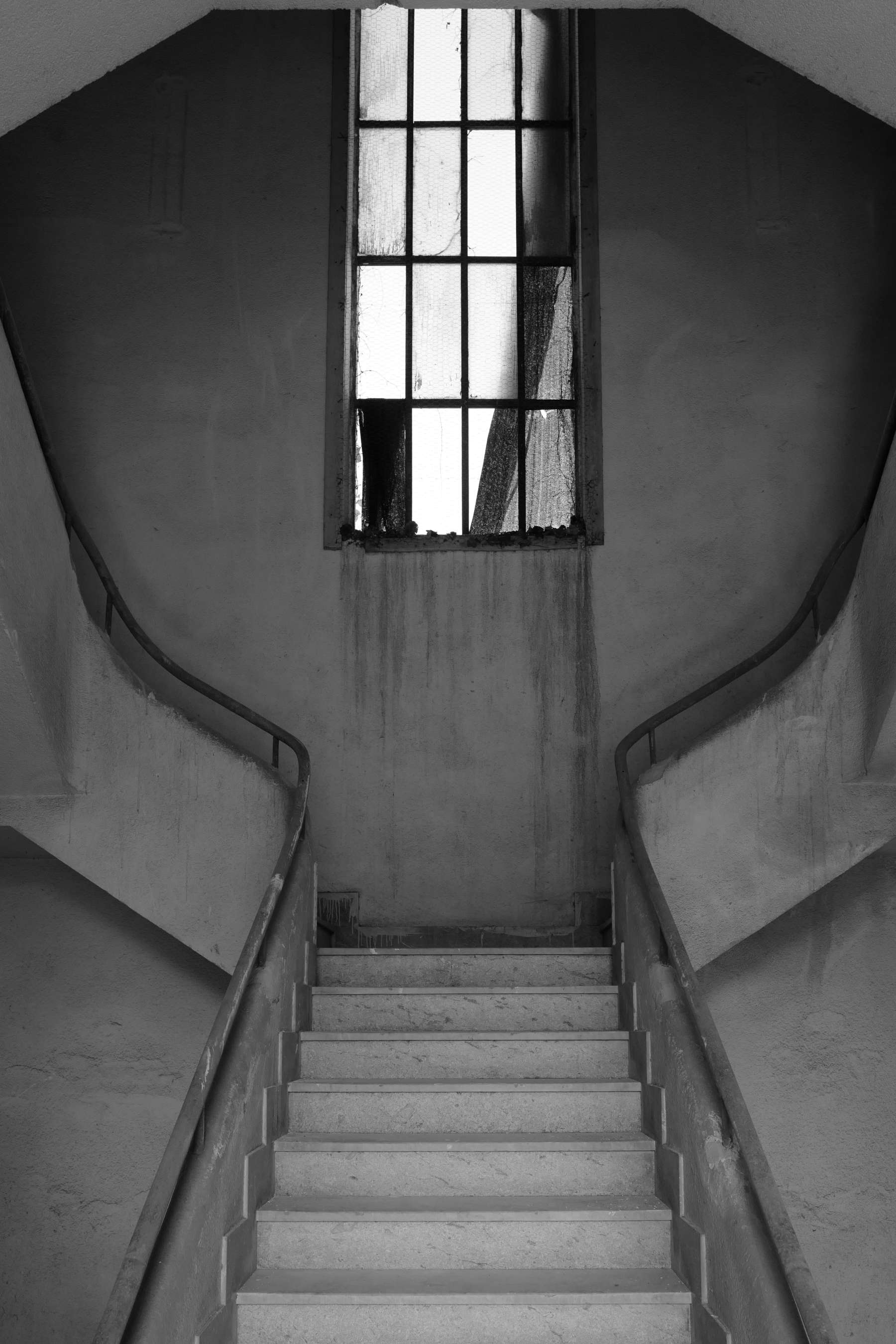
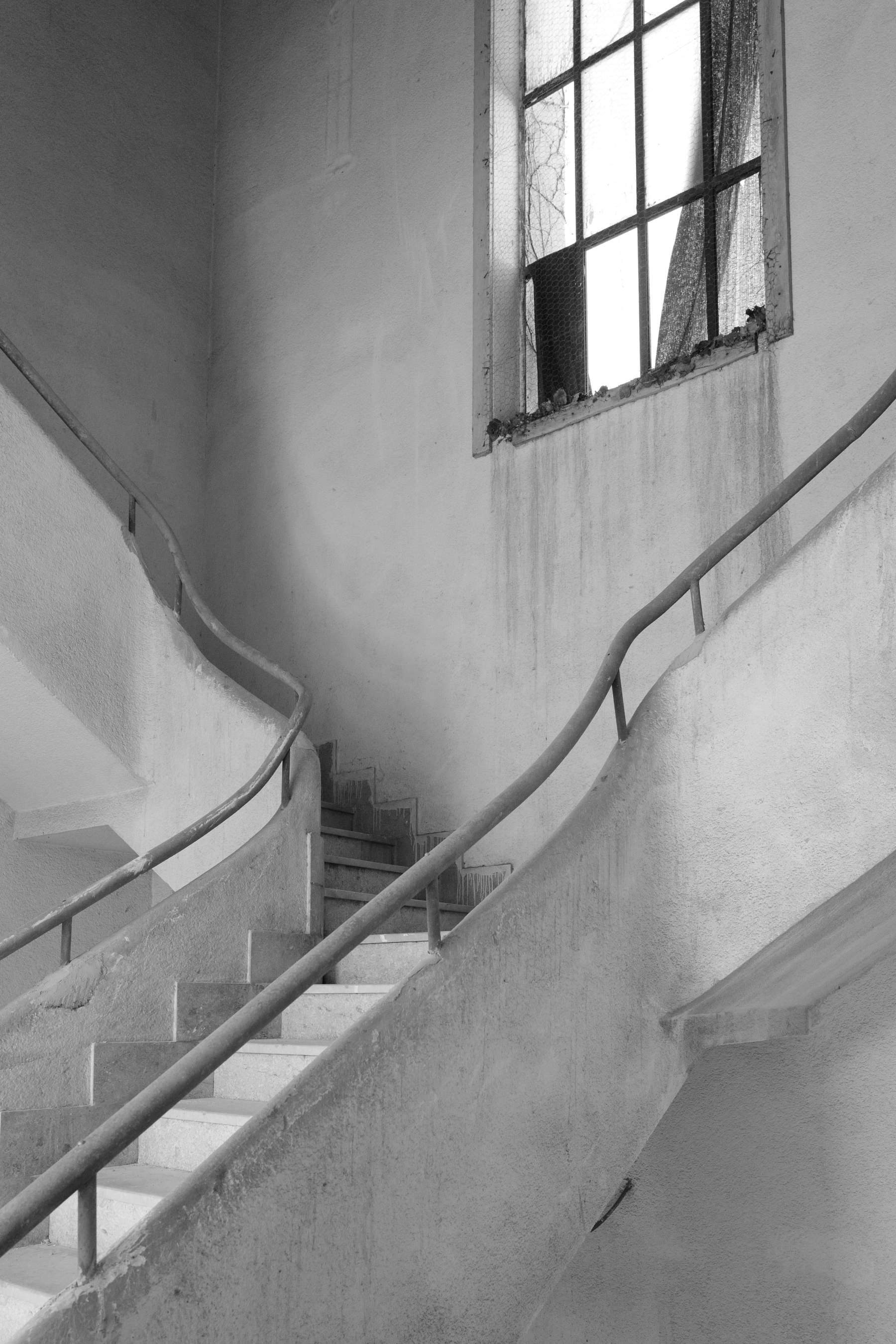
A project to restore the former Casa del Fascio, which has been closed for more than 60 years, is taking shape in Lentini. The Badia Lost & Found cooperative is leading the transformation into a youth cultural center, called Creative Barracks/Fascination.
From Casa del Fascio to Casa del Fascino: in the heart of the historic center of Lentini (Syracuse), in Piazza Duomo, a state-owned property that has been closed for more than sixty years is preparing to return to the city through an articulated recovery, re-functionalization and enhancement project promoted by the Badia Lost & Found cooperative . The former Casa del Fascio, a place laden with historical stratifications and urban memory, now stands as an emblematic case of contemporary cultural regeneration: in fact, it has been recovered and has become a youth cultural center, called Caserma Creativa / Fàscino.
The path initiated by Badia Lost & Found is part of a long-term, 50-year state-owned concession that is currently being finalized operationally. It is an advanced model of partnership that brings together public institutions, academia and businesses, with the aim of returning a symbolic asset to the community through an integrated vision capable of combining heritage protection, innovation and territorial development.
The building’s origins go back to the suppression of the convent of San Domenico in 1866, the collapse of the church in 1904 and the subsequent transformations of the 20th century, which redefined its functions and identity until its gradual decommissioning. Now, the intervention aims to transform the former Casa del Fascio into a youth cultural hub, an open and dynamic space capable of dialoguing with contemporary languages and new forms of creative production. The perspective is to activate a place capable of hosting artistic practices, educational activities, entrepreneurial initiatives and social innovation projects, contributing to the strengthening of local cultural identity and the economic reactivation of the historic center.


A significant step in this process took place today, with a public day of discussion and sharing involving representatives of the Agenzia del Demanio, the Superintendency of Cultural Heritage and local institutions, along with scholars and experts of national importance. The meeting represented a moment of synthesis between planning vision and civic participation, marking a further step toward the operational definition of the intervention.
The contribution of the academic world proved decisive. The reflections of Professor Claudio Gambino of the Kore University of Enna and professors Sonia Caterina Giaccone and Emanuela Presciani oriented the project toward evolved models of valorization, territorial marketing and construction of competitive cultural systems, emphasizing the strategic role of culture as a lever of sustainable development.
The Creative Barracks / Fàscino project aims to stand out for its ability to activate urban regeneration processes based on participation, accessibility and functional hybridization. The goal is to build an open and inclusive ecosystem in which cultural, educational and productive dimensions are synergistically intertwined. In this perspective, the space is conceived not only as a container, but as a cultural infrastructure capable of generating value over time.
The intervention is part of a broader vision of revitalization of the historic center of Lentini, where the recovery of the architectural heritage becomes a tool to activate new economies and strengthen the social fabric. The reopening of the former Casa del Fascio thus represents an opportunity to reactivate urban dynamics, promote cultural entrepreneurship and encourage the participation of new generations.
The April 10 day was also shaped as a moment of collective awareness, aimed at involving the entrepreneurial fabric and citizenship in a shared process of re-appropriation of public space. In this context, the active participation of the community assumes a central role, helping to define future ways of using and managing the asset.
Supporting the project is a partnership with Video Mediterraneo, which will accompany the process with a communication strategy and media coverage geared toward territorial enhancement. The goal is to broaden the visibility of the initiative even at St. Alfio 2026, turning it into an opportunity for storytelling and promotion on a wider scale.
Through this operation, Badia Lost & Found consolidates its role as an active player in the innovative management of public assets, demonstrating how historical heritage can be reinterpreted as a contemporary cultural infrastructure. The project is based on the ability to activate virtuous networks between the public and private sectors, fostering sustainable and replicable development models.
The former Casa del Fascio is thus set to become not only a place returned to the city, but a dynamic cultural device, capable of producing value over time. Its transformation represents both a challenge and an opportunity: that of rereading a complex and stratified history in light of the needs of the present, transforming it into a shared resource for new generations and for the future of the territory.
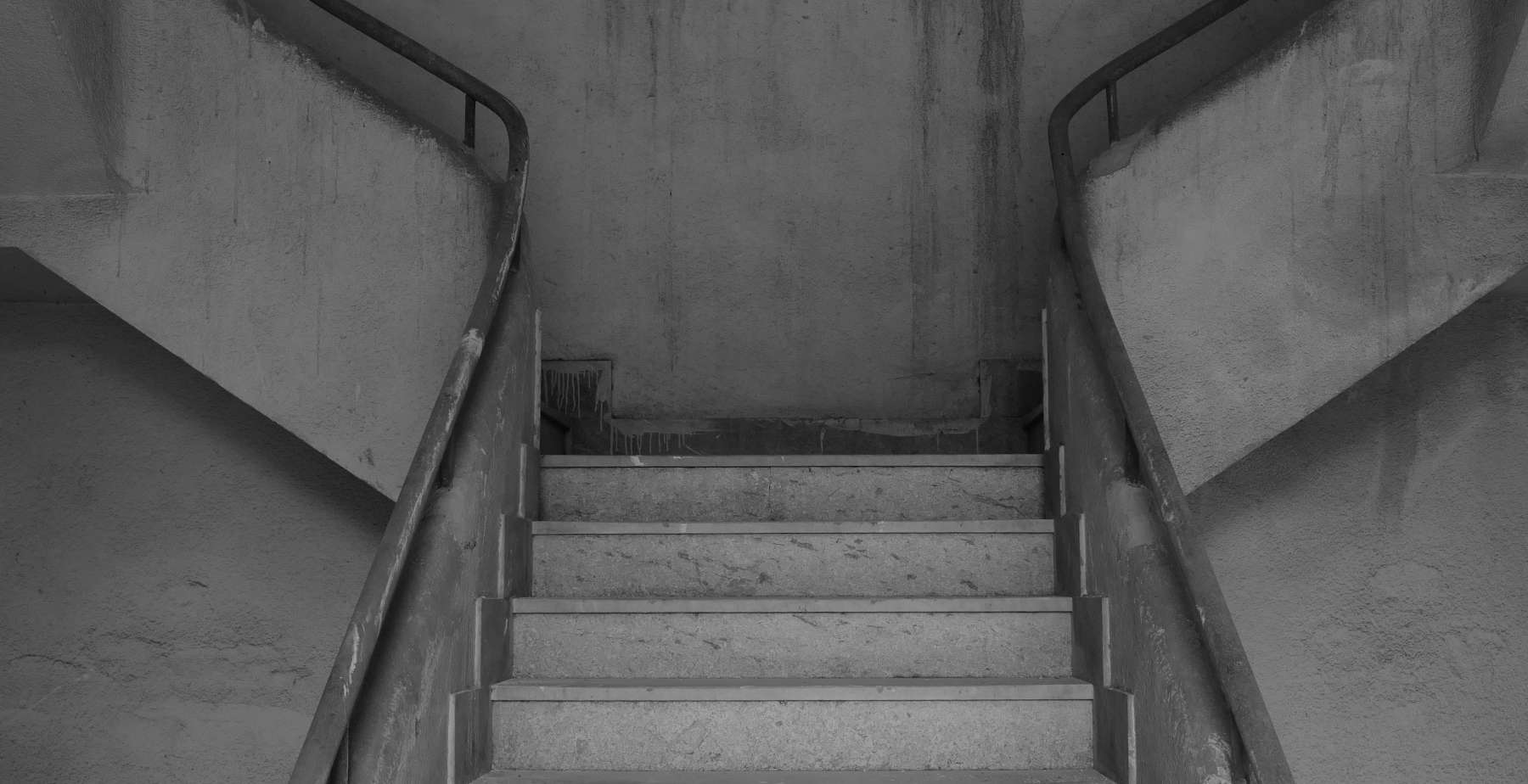 |
| From Casa del Fascio to Casa del Fascino: building reborn as cultural center in Lentini |
Warning: the translation into English of the original Italian article was created using automatic tools. We undertake to review all articles, but we do not guarantee the total absence of inaccuracies in the translation due to the program. You can find the original by clicking on the ITA button. If you find any mistake,please contact us.