





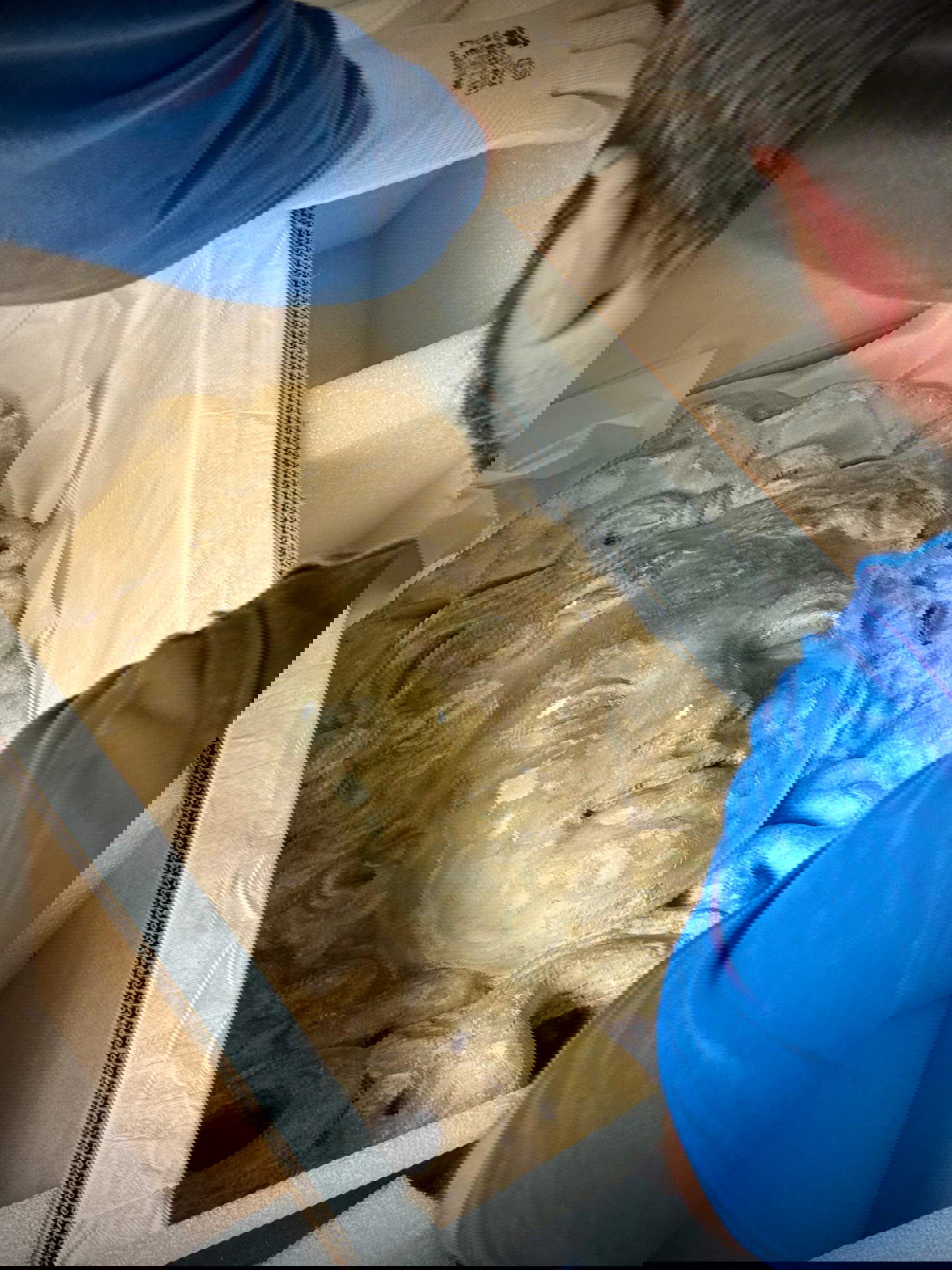
TheOpificio delle Pietre Dure of Florence will take charge of the restoration of the Head of Medusa belonging to the municipality of Bagno a Ripoli. In fact, the renowned institute has accepted the request of the municipal administration to work on the 16th-century marble sculpture, attributed to Giambologna’s workshop and originally located in the Fonte della Fata Morgana complex in Grassina.
The transfer of the work to the Opificio took place this morning: from the town hall it was transported to the laboratory of the Settore Materiali Lapidei (Stone Materials Sector), in Via degli Alfani, where it will initially undergo non-invasive diagnostic studies and analysis. This preliminary phase is essential to examine the constituent materials and alterations due to time, assess the conservation conditions and define the subsequent restoration work.
In the meantime, the City is working so that once the restoration is complete, the Head of Medusa can once again be visible to the public with an exhibition at the Bargello National Museum. Pending the complete restoration of the Nymphaeum, a reproduction of the sculpture will be placed inside, created thanks to the contribution of Crafts and Palace.
The Head of Medusa, which some current research tends to identify as the Head of Morgana, dates back to the 16th century and was part of the decorative apparatus of the Fountain of the Wayfarer, inside the Fountain of the Fata Morgana designed by Giambologna on the hills of Bagno a Ripoli. The work was illegally stolen in the early 20th century and only recently, after re-emerging on the antiques market, was recovered by the Carabinieri of the Nucleo Tutela Patrimonio Culturale and returned to the municipality, owner of both the sculpture and the Fonte della Fata Morgana.
“I want to sincerely thank the Opificio delle Pietre Dure for accepting our request to take care of the Head of Medusa,” said Bagno a Ripoli Mayor Francesco Pignotti. “The work could not have been entrusted to better hands to regain its original splendor. Thanks to the professionals of this center of excellence esteemed and admired worldwide, the Head after long years of oblivion will be able to be seen again by the public. A heritage of beauty ready to be put back into circulation thanks to the teamwork between institutions.”
“It is a pleasure,” stresses Emanuela Daffra, superintendent of the Florentine Institute, “to put the expertise of the Opificio’s technical-scientific staff at the service of the study and recovery of a piece that will then be able to find its context again, that evocative ensemble of waters and sculptures commissioned by Bernardo Vecchietti at the end of the 16th century as a place of delight.”
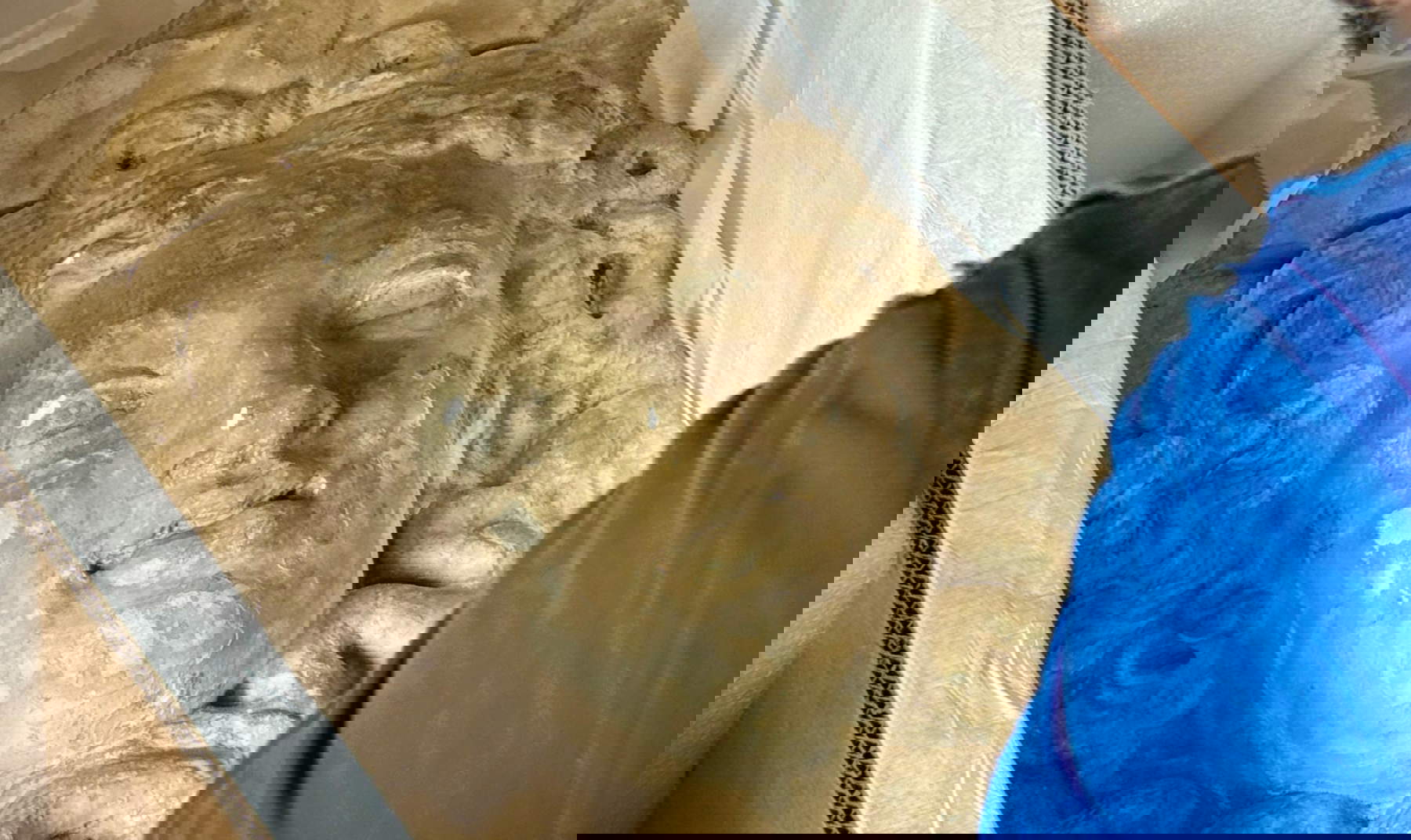 |
| The Head of Medusa in Bagno a Ripoli will be restored. It was originally part of the Fountain of the Fata Morgana |

Warning: the translation into English of the original Italian article was created using automatic tools. We undertake to review all articles, but we do not guarantee the total absence of inaccuracies in the translation due to the program. You can find the original by clicking on the ITA button. If you find any mistake,please contact us.



























 IT
IT FR
FR DE
DE ES
ES CN
CN


