



by Federica Schneck 19/10/2026


Categories: Opinions / Disclaimer
From Werner Bronkhorst’s millions of followers to Lubaina Himid’s induction into a museum’s permanent collection, three stories illustrate what changes when an artist turns away from the gallery and why visibility alone is not enough to guarantee the value of a work of art.


In June 2026, Pace Gallery, one of the world’s leading art galleries, removed 50 artists from its roster of approximately 135 represented artists. CEO Marc Glimcher told The New York Times that the entire gallery system had become too big, too commercial, too impersonal, and too corporate. The news sent shockwaves through the pages of the same newspaper: on June 19, former Art Basel director Marc Spiegler wrote an editorial bluntly titled “Art Galleries Are Not Okay,” describing galleries as the driving force behind the art world, while artist Lari Pittman responded in a letter to the editor, arguing that galleries are not the driving force behind the art world. It is within this clash—not within an abstract debate—that it is worth asking what an artist who decides to do without a gallery in 2026 truly stands to lose.


The most instructive example for answering this question involves a South African painter based in Sydney, Werner Bronkhorst, who achieved success by painting sports scenes shared almost exclusively on TikTok and Instagram, where he has over 2.5 million followers. Bronkhorst sells directly from his own website for prices ranging from $30,000 to $300,000— without galleries, without exhibition openings, and without any traditional credentials. Yet this year he made his auction debut at Phillips, where one of his works sold for approximately $283,000—nearly double the high estimate. The key point is that Bronkhorst, despite already having a massive audience and generating substantial revenue entirely on his own, still needed an auction house to transform that figure into a number that the art market—the real one—was willing to recognize as legitimate. Two and a half million followers demonstrate an audience; a Phillips auctioneer’s gavel demonstrates a price. That gavel, however, is not the only way to secure a price without going through a gallery, and this is where the story begins to get more interesting than a simple comparison between the old and new worlds.


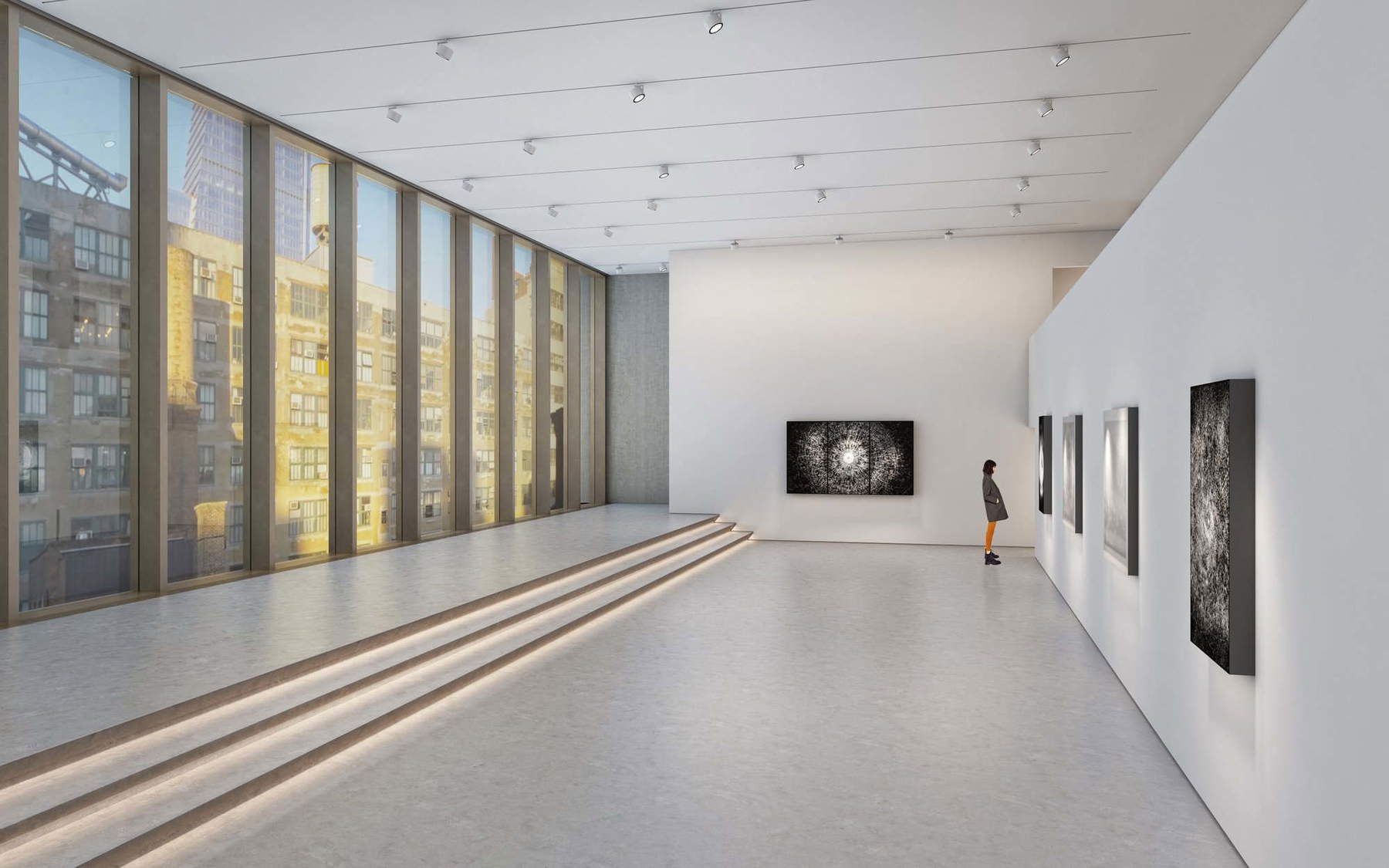
Mitchell Johnson, an American painter, worked within the traditional gallery system for twenty-five years before breaking away in 2012, when he began direct collaborations with publications such as the New York Times Magazine, the Wall Street Journal, the New Yorker, and Artforum—a public space normally dominated by luxury brands or prestigious galleries. He didn’t replace the gallery with an algorithm, as Bronkhorst did: he replaced it with print media, demonstrating that independence from a gallery does not necessarily lead to social media, but can also mean returning to an older and more expensive channel—one that is nonetheless equally capable of building a reputation without intermediaries.
Yet both of these paths—that of the telephone and that of magazine advertising—remain, nonetheless, paths toward an audience, not toward a price fully recognized by the system—the kind that allows a work to enter a major auction catalog, a museum collection, or a history of art written by others. And it is precisely on this point that the career of the painter Lubaina Himid tells the exact opposite of the two previous stories. Himid has been an active presence on the British art scene since the 1980s, a key figure in landmark exhibitions such as *Five Black Women* in 1983 and *The Thin Black Line* in 1985—a thirty-year career built entirely on her own terms—before choosing, in 2013, to join the London gallery Hollybush Gardens. It is no minor detail that from that moment onward came her first museum solo exhibition in the United States, *Work From Underneath* at the New Museum in New York in 2019, the major exhibition at the Tate Modern in London in 2021, and her selection as the British representative at the Venice Biennale in 2026. That kind of institutional entry almost always requires years of behind-the-scenes negotiations conducted by an artist’s representatives with curators and museum directors—a network-building effort that a massive audience, on its own, no matter how loyal, cannot replicate.
When viewed side by side, these three stories go beyond the simple narrative that galleries are becoming obsolete; rather, they illustrate that the role galleries have always played has broken down into separate components, and that today each artist chooses which parts to handle personally and which to continue delegating.
There is a specific economic reason—not merely a cultural habit—why some of those components resist fragmentation more than others. In 1970, the economist George Akerlof published an essay destined to become foundational for an entire branch of economics, *The Market for Lemons*, demonstrating through the used-car market that a market collapses when the buyer cannot verify the actual quality of what they are purchasing on their own, unless a third party steps in who is willing to stake their reputation to guarantee it. This is precisely the asymmetry that underpins the art market. Anyone can judge for themselves whether they like a painting; no intermediary is needed for that judgment. No buyer, however, can verify for themselves, by looking at a canvas, whether that six-figure sum corresponds to real value or to an artificially inflated bubble—and this is where the intermediary once again becomes structurally necessary, not out of habit but because the economic problem it solves has never been solved by anything else.
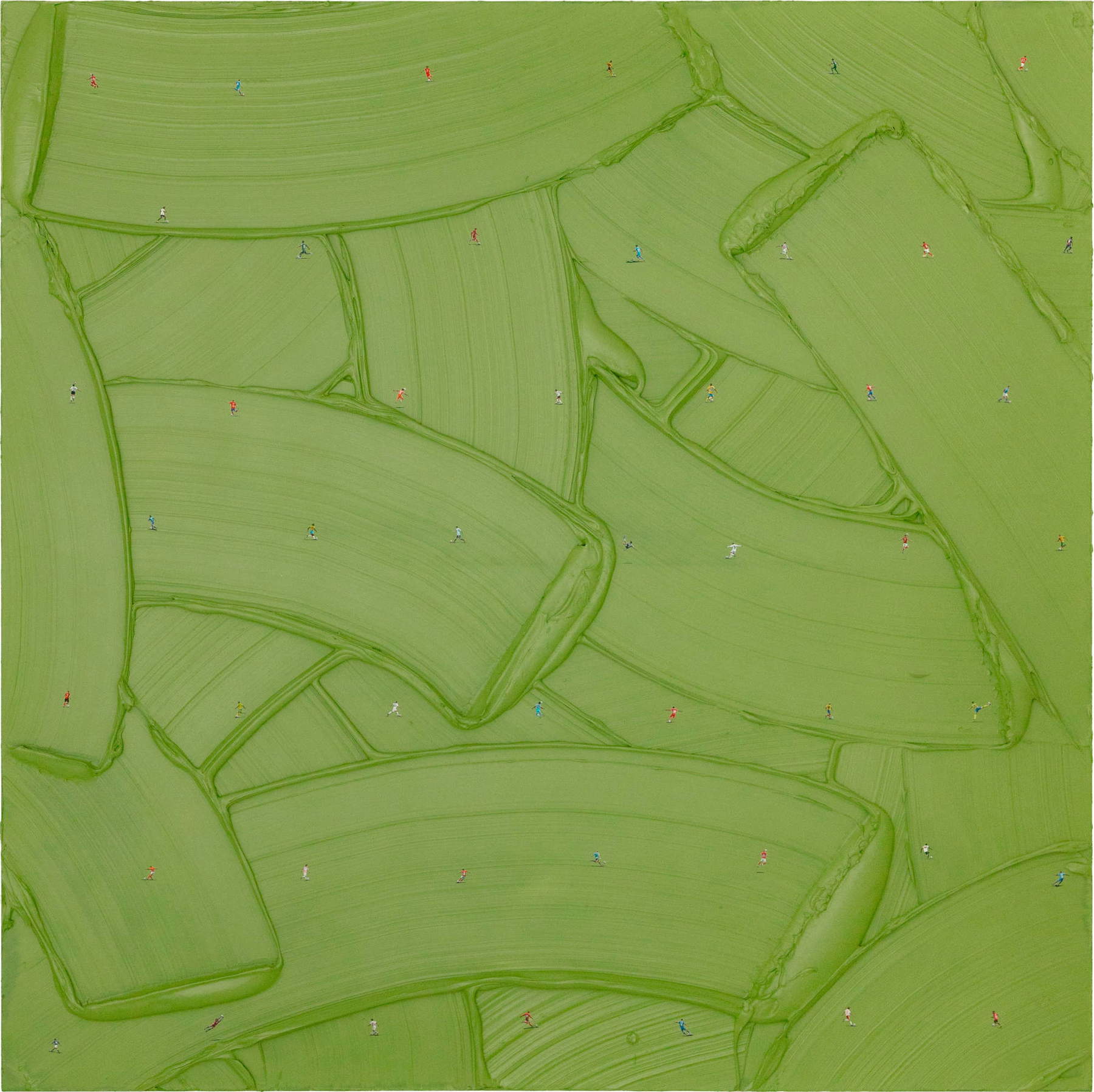
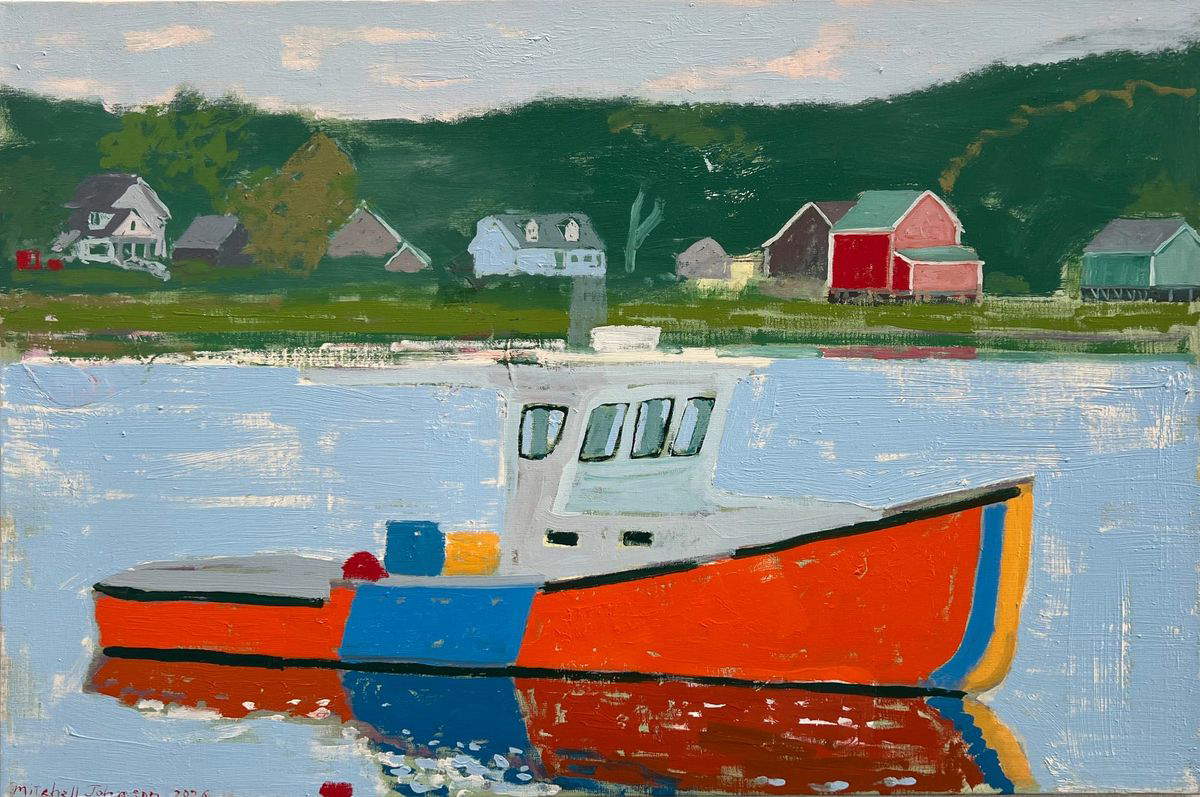
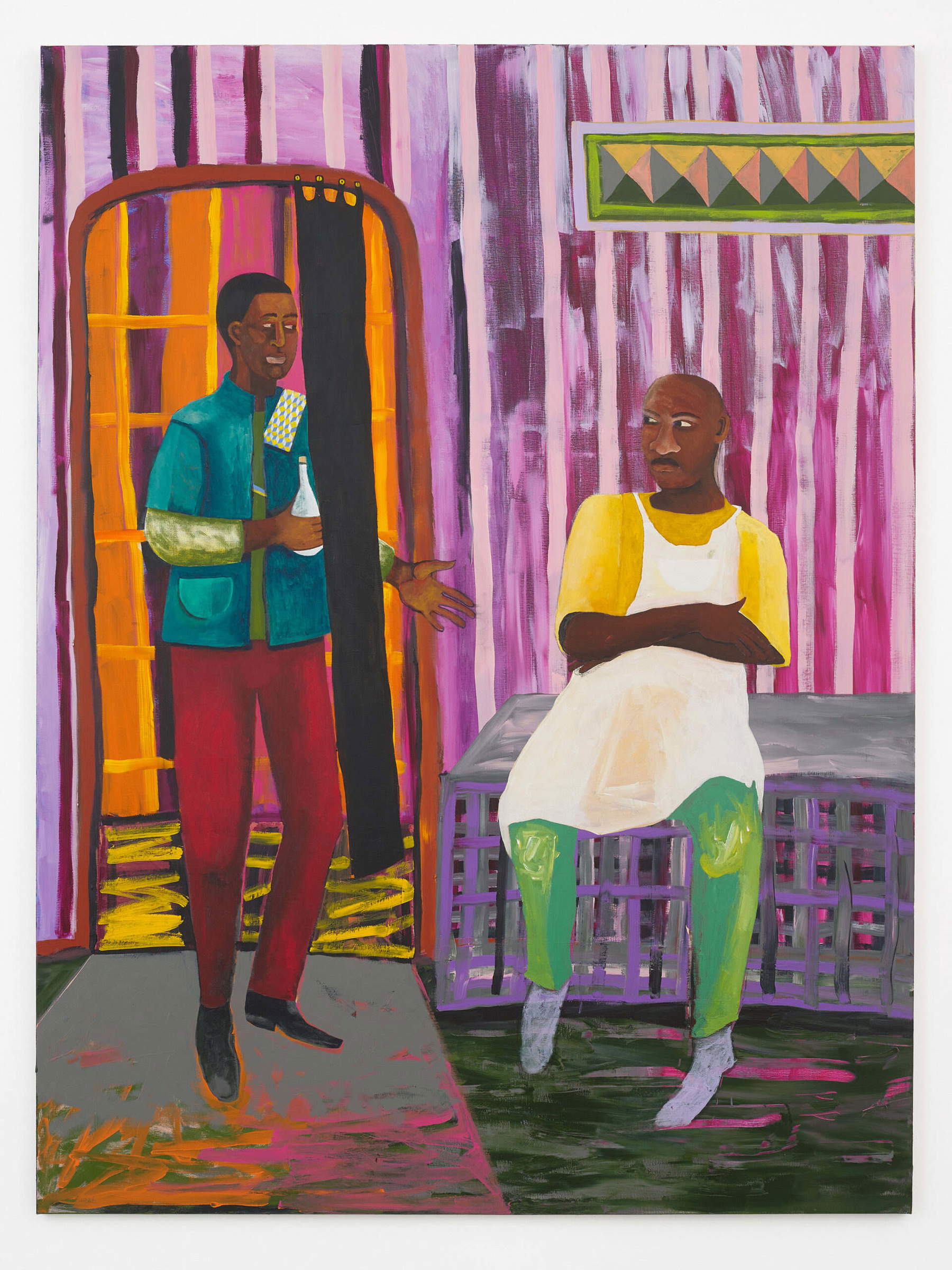
Bronkhorst demonstrates that the first element—the audience—can now be acquired on one’s own with a phone; that judgment requires no third-party guarantee. But the second element—the legitimacy of the price—remains so closely tied to collective trust that even he, with millions of followers, had to turn to an auction house willing to stake its centuries-old reputation on it. Johnson demonstrates that one can purchase both the first and, to some extent, the second element on one’s own, replacing the gallery with an advertising space that is just as expensive and just as capable of signaling credibility, but almost entirely forgoing the third element—access to major museums—which remains out of one’s reach. Finally, Himid demonstrates that there is one element—the institutional one—that neither of the two previous tools—neither social media nor paid advertising—seems yet capable of breaking down, because a museum’s trust cannot be purchased with an ad or a post; it is built through years of personal relationships that someone else, by profession, continues to cultivate on the artist’s behalf, staking exactly the same reputation that Akerlof described as indispensable.
It is no coincidence that just as Pace was cutting fifty artists from his roster, other smaller galleries were moving in the same direction but with the opposite logic: instead of expanding, they downsized until they became almost invisible. Some historic American galleries have transformed into private consulting firms operating by appointment; others have moved their entire operations online, keeping the most delicate part of their work—the network of trust with collectors and institutions—intact, while abandoning the rest: the physical store open to the public, the opening reception with lukewarm wine, the permanent press office.
In other words, what has truly collapsed is only the way in which that function had become visible to the general public—not the mechanism of assurance that Himid’s journey highlights, the one that no algorithm can yet offer because no algorithm, strictly speaking, has a reputation to lose. And this, in the end, is the most honest answer to the question we started with. An artist no longer needs a gallery to be seen; that part of the work can now be done by the artist alone, better and sooner. They still need a gallery—or something that performs exactly the same function under a different name—to solve a problem that the art market shares with the used-car market: namely, how to guarantee a value that no buyer can verify on their own. As long as that problem remains unresolved by anyone who doesn’t have a reputation at stake, galleries will no longer serve to display art; they will serve to guarantee it.
Warning: the translation into English of the original Italian article was created using automatic tools. We undertake to review all articles, but we do not guarantee the total absence of inaccuracies in the translation due to the program. You can find the original by clicking on the ITA button. If you find any mistake,please contact us.