




by Vincenzo Profeta 12/11/2026



Categories: Opinions / Disclaimer
The rebellious critic? He’s the new conformist: today, challenging the system and presenting oneself as a radical critic can become a strategy for gaining a foothold within it. And so criticism turns into a brand, dissent into a product, and rebellion into a career. But when criticism becomes a pose and protest a brand, what remains of true rebellion? An article by Vincenzo Profeta.

For some time now, in addition to the fake art rebel, a new strand of anti-establishment rebels has emerged: the rebel critics. There’s no end to the cringe. The conformist-rebel critic no longer needs to dismantle the system but must prove himself worthy of it; he must use the very same means that, deep down, unknowingly conform to it. Example: the TV host who denounces the state’s shortcomings on state television. The sloppy journalist who attacks the system from the comfort of a national newspaper’s office.
In short, the dark heart of capitalism is ready to swallow up every pious soul, every rebel, every critic—whether hypocritical or genuine. Today, criticism is a brand—a highly marketable one—that is by no means a rare commodity on the web. The competition is over who is the most ironic and cynical, who can deconstruct the most things; thus, the alternative cultural festival is still a festival and takes on the characteristics—albeit shabby ones—of the very system it references.


More and more often, brands are launching unconventional and uninhibited advertising campaigns. For example: Brad Pitt, in a recent commercial, appears as himself, letting the voiceover list the benefits of the financial platform for which the ad was created, thereby exposing himself to a sort of fake anti-advertisement. Rebellion thus has a budget—in this case, being oneself has a budget—namely the legendary Brad’s hefty paycheck, but it goes almost entirely to a single person simply because he is being himself, so he’s apparently stepping outside his usual role and the conventions of advertising fiction—and is thus rebellious and critical, somewhat sarcastic, while remaining ironic and wry. In short, Brad is playing the role of the anti-idol—rebellious yet shrewd—in an ad that critiques the very concept of commercials featuring Hollywood superstars.


Can one be a nonconformist while still being part of the system? Apparently so, but the real problem for the rebellious critic is coming across as credible. True criticism remains sincere only if it loses, in some way, something: prestige, credibility, or economic power. Today we find ourselves in a form of capitalism that manages to accept even the most radical criticism, commercialize it, and turn it into mini-brands. For example, all anti-capitalist criticism of gentrification has become nothing more than a pile of boomer-style critical walks and hikes.
How does a critic get rich? The critic gets rich through the authority of their own rebellious criticism: the more radical it is, the more authority and power the system bestows upon the critic. Provocative language becomes a ladder to power itself. Today’s critic does not want to overthrow the system: subconsciously, they want not only to be part of it but, if possible, to replace it in order to exercise as much tyranny as possible. The more radical you are now, the more authority—and thus wealth and power—you will have in the future. Often, pro-system criticism and anti-system criticism begin to take on the same anthropological characteristics and become indistinguishable.
Almost always, the critic takes on the form of an institution—namely, the “critical institution.” The bureaucratization of criticism and the managerialization of dissent take hold of those who criticize and render all criticism defunct. The critic no longer takes risks, because he is a sort of parastatal entity, or simply just one of the many market capitalists—an entrepreneur of being a pain in the neck, a manager of others’ critical ignorance, a collector of demands, often utterly useless and purely aesthetic. Thus, the critic’s ego reaches its peak when, now stripped of its function, it takes on only the most common forms of the advanced service sector and of bourgeois, clerical criticism—to the point of sloganism, or as I call it, “T-shirtism”— the commodification of rebellious criticism—a sort of eternal “fuck you” day in the vein of Grillo, but set to the tune of memes and gadgets.
A society that accepts criticism that isn’t radical isn’t a society that solves problems, but rather a society of denunciation—and even social blackmail—where criticism itself does not take on the responsibility of fixing anything, but becomes a weapon bent to its own ends and fully ready to enter the system, like a sort of “rebel” label with a DOC certification.
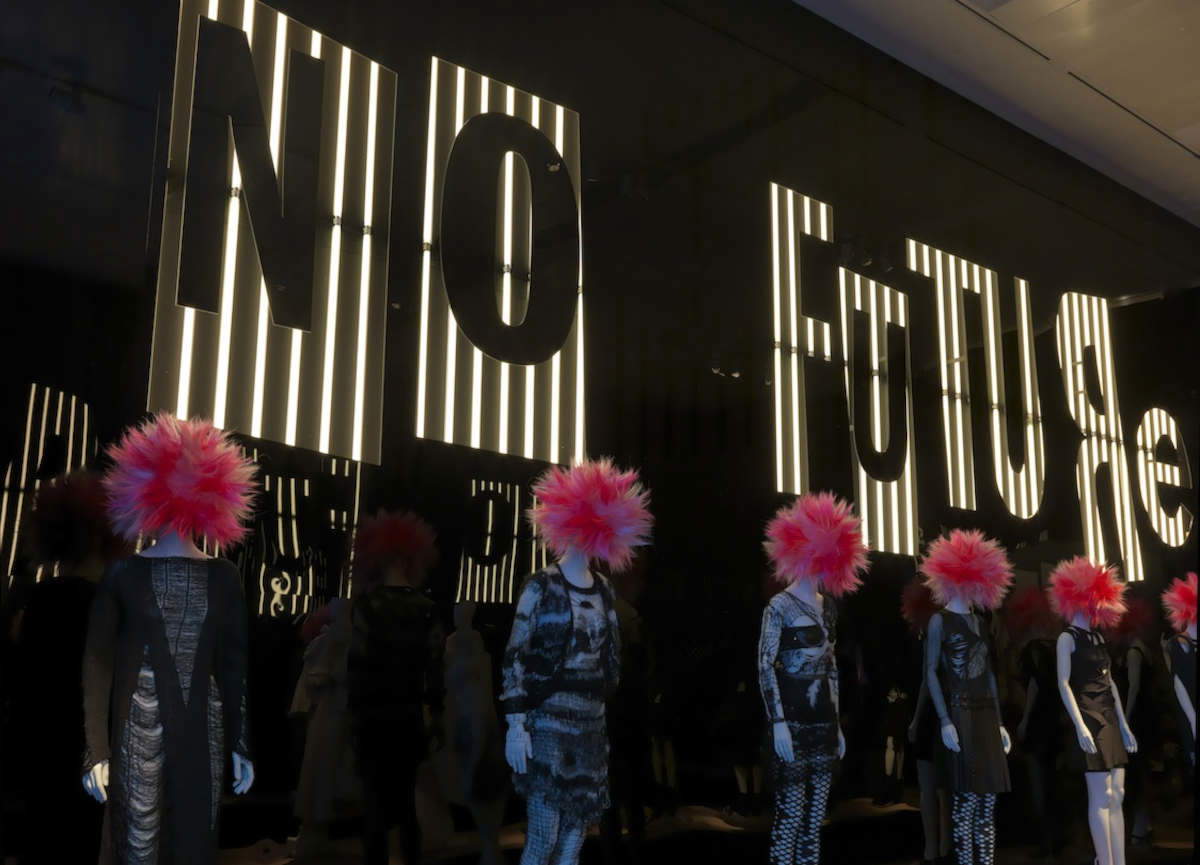
In recent years, social media has built up a massive, fake “critical” and “rebellious” mass, creating a sort of competitive rebellious conformism—that is: the most critical, the most cynical, the most ruthless, and the biggest bully is the critic of critics; they will be rewarded with greater authority—and thus more power—and more “likes.” The algorithm begins to reward rebels, yes, but only those favored by the public—and therefore the most conformist ones.
But rebellion in politics has always had a monopoly: the left! For example, 1968 has become a massive “rebel” brand—the years that shaped the image of the young rebel critical of consumer society. Criticism of capitalism, for instance, boosts academic careers, opens doors to public institutions, helps secure grants from foundations, and leads to victories at festivals, art biennials, and critics’ awards.
In recent years, we have even witnessed the transformation of criticism into purely aesthetic forms. Today, criticism and dissent are a significant financial asset for web multinationals and beyond. They are even bourgeois art forms. The role of the contemporary rebellious outsider critic is now merely to reassure: the public knows that there is still something left to criticize. The rebellious critic is, after all, a conformist—whether consciously or unconsciously—who instinctively and directly targets a power structure; at times, he turns out to be not only harmless, but even marginal; and it is through that bureaucratically cursed marginalization that the rebellious critic survives, because, as Totò said, “I have a family to support,” and this article, too, rightfully belongs in the melting pot of a special category: the critique of rebellious criticism.
Warning: the translation into English of the original Italian article was created using automatic tools. We undertake to review all articles, but we do not guarantee the total absence of inaccuracies in the translation due to the program. You can find the original by clicking on the ITA button. If you find any mistake,please contact us.