





When, in 1832, the Polish prince Stanisław Poniatowski, grandson of the last king of Poland, published the second volume of the catalog raisonné of his vast collection of engraved stones in Florence, he included in the introductory pages a statement destined to remain among the most daring in the history of collecting. With surprising nonchalance, in fact, the prince wrote that “On voit le bon résultat de l’imitation des pierres gravées dans trois des plus beaux ouvrages de Canova” (“one can see the fine result of the imitation of engraved stones in three of Canova’s most beautiful works”). He claimed, in fact, that a master of Neoclassicism such as Antonio Canova had drawn inspiration from the engravings in his precious ancient collection to conceive three sculptural masterpieces:*Hercules and Lyca*, *Mars and Venus*, and *Napoleon as Mars the Peacemaker*. The reality, however, was diametrically opposed. It was not the Venetian sculptor who drew figurative inspiration from the gems of Greco-Roman antiquity, but rather... the exact opposite: it was the most skilled engravers working in Rome in the early decades of the nineteenth century who had rendered Canova’s inventions on tiny carnelian stones, working on a direct commission from Poniatowski himself. This short-circuit between contemporary invention and the dream of antiquity lies at the heart of one of the most fascinating and controversial episodes in the history of neoclassical taste: the genesis, the rise, and the ruinous scandal surrounding Prince Stanisław Poniatowski’s gem collection. A story that has returned to the spotlight with the 2026 edition of the Florence International Antiques Biennale, where antiquarian Alessandra Di Castro presented no fewer than thirty-seven gems from the Poniatowski collection, priced at 5,000 euros each and featured in a well-documented, in-depth publication with an essay by art historian Francesco Leone, who has reconstructed the history of the collection in detail.
To understand the scope of this monumental undertaking, it is necessary to sketch a profile of its creator. Stanisław Poniatowski (Warsaw, 1754 – Florence, 1833) was the son of Kazimierz, the elder brother of the last king of Poland, Stanisław II, and of Apolonia Ustrzycka. Thanks to generous gifts from his uncle, the king, and an exceptional flair for finance, Poniatowski became, at a young age, the wealthiest man in the Polish-Lithuanian Commonwealth. Through a shrewd policy of land acquisitions, he became one of the continent’s largest landowners, coming to own vast estates in Poland, Lithuania, Samogitia, Ukraine, and Masovia. “This immense wealth,” Leone recalls, “allowed him, even as a young man, to devote himself to travel, to his passion for art and collecting—following in the footsteps of his father and uncle—and to bibliophilia; his love for Mediterranean culture and classical antiquity, which blossomed as early as childhood while he was studying in Warsaw under Italian Theatine priests, very soon instilled in him the desire to live in Italy.”
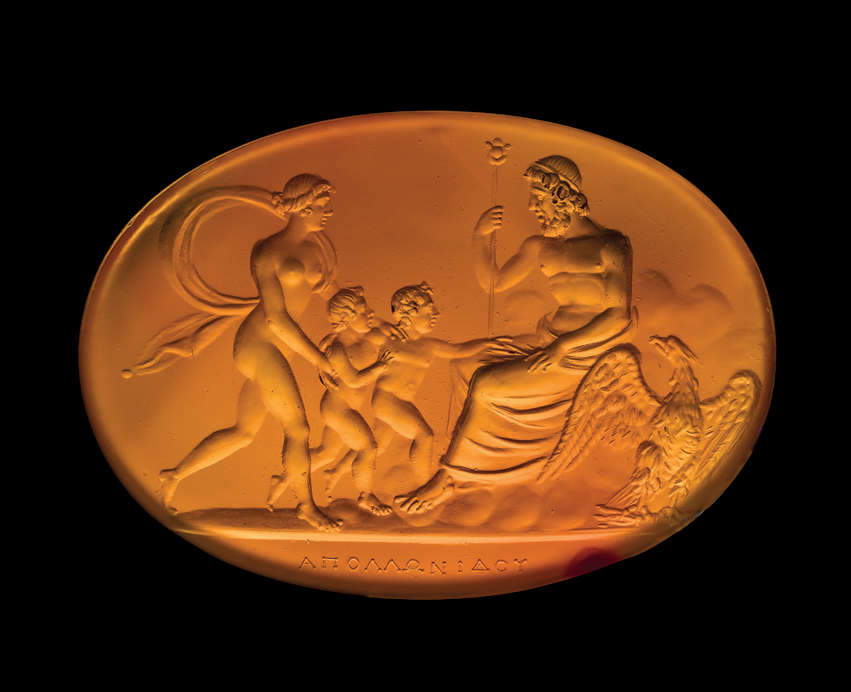
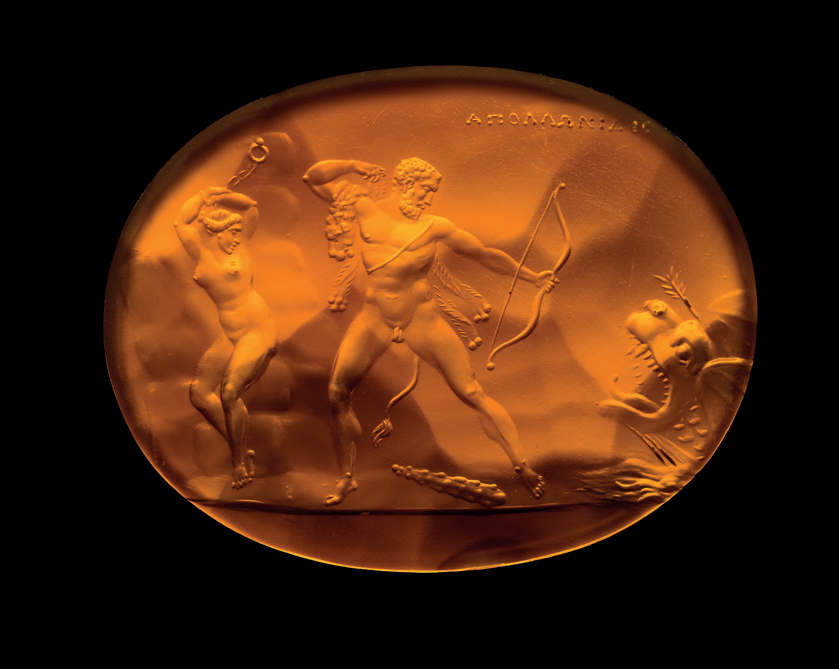
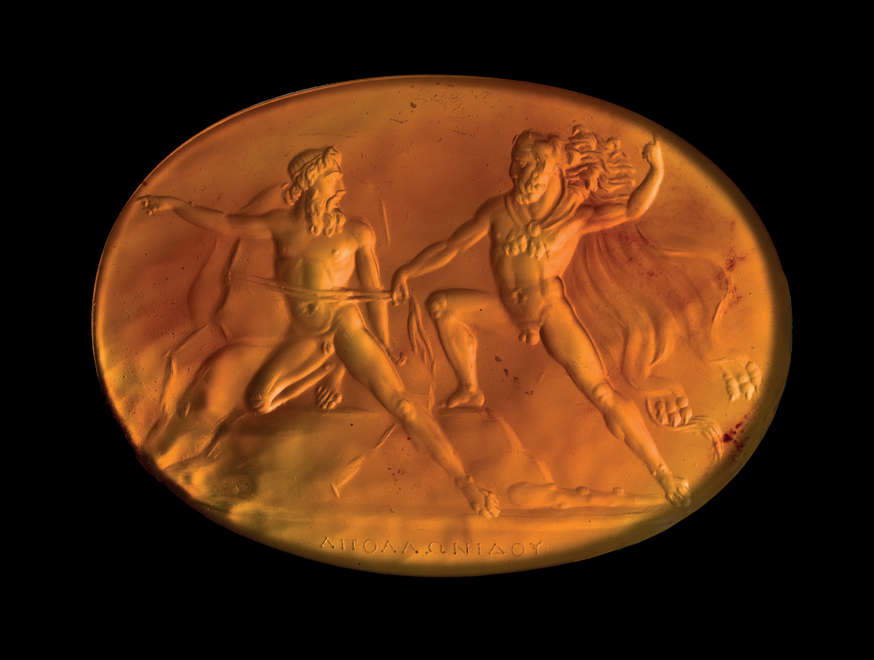
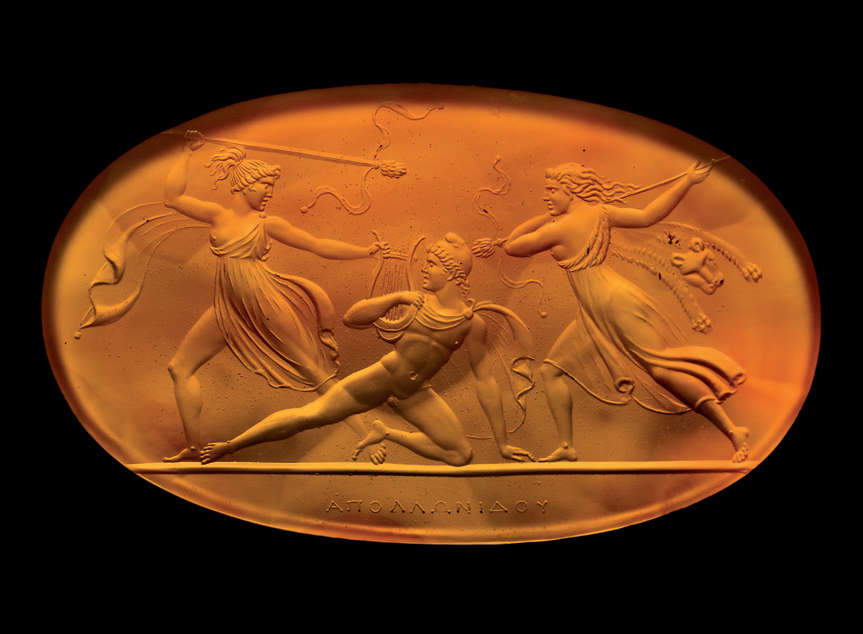
A sophisticated polyglot, sent by his uncle the king as a diplomat to European courts from a young age, Poniatowski spent his long years in Italy as a patron and collector. In Rome, he assembled an impressive art collection, ranging from ancient marbles to Greco-Roman vases, from coins and medals to prints and rare books, and even an art gallery graced by masterpieces of painting, among which four paintings attributed to Giotto and famous canvases such as Caravaggio’s *The Musicians* stand out. The prince established his Roman residence outside Porta del Popolo, in the famous Villa Poniatowski, after having already converted Villa Lontana on the Via Cassia into a summer retreat.
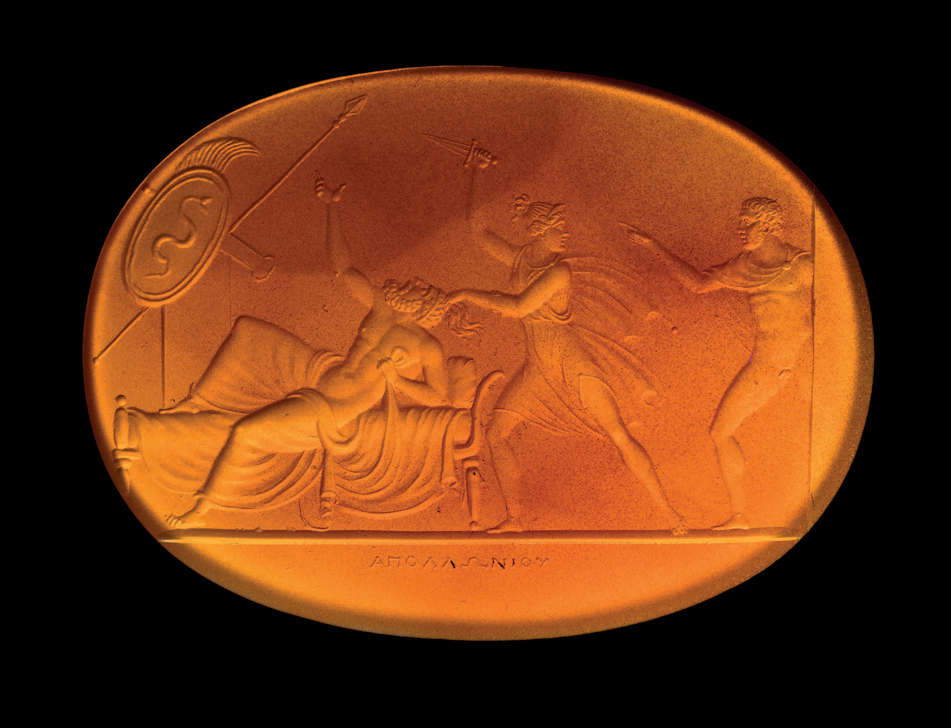
Within this multifaceted collecting landscape, a dominant role was played by a veritable obsession: his passion for cameos and engraved gems. The prince’s interest in glyptics had family roots, for when he was very young, his father Kazimierz—himself a collector, particularly of Wunderkammer curiosities—had introduced him to a collection of over one hundred and fifty ancient engraved stones, which Stanisław would later inherit. However, the most significant expansion of his collection took place between 1803–1804 and 1822, during the years he spent in Rome, and continued to a lesser extent even after his move to Florence until around 1826. Over the course of two decades, Poniatowski amassed a monumental collection of gemstones, consisting of 2,601 carvings, primarily on carnelian, but also on agate, amethyst, and sardonyx, to which were added 20 cameos set in gold and precious stones, designed to adorn jewelry such as bracelets and necklaces.
The cultural impetus that drove the prince toward an undertaking of such magnitude can be traced to the cult of classical antiquity that spread throughout the Western world in the wake of the theories of Johann Joachim Winckelmann and the Grand Tour. In the aesthetics of the time, glyptics was considered a privileged art form, capable of expressing—more than any other—the purity of contours and the “noble simplicity” of Greek and Roman art. And Poniatowski intended to reclaim that ideal and lost world.
There was, however, one obstacle: authentic gemstones that had survived from antiquity were extremely rare. To overcome this limitation, the prince turned to the most talented neoclassical engravers then working in Rome, commissioning them to create hundreds of new engravings. His underlying intention was not to orchestrate a commercial scam for profit—far from it. “Poniatowski’s project,” writes Leone, “was incredible and, in some ways,疯狂, but it perfectly captured the cult of Greco-Roman art that had swept across the entire Western world in those years, from Russia to the United States of America. Poniatowski, like Philipp von Stosch before him—and in close dialogue with Winckelmann—sought in some way to reclaim that longed-for but irretrievably lost world, and he did so through an artistic genre, that of glyptics, which, more than any other art form, was believed at the time to evoke the purity of form and the noble simplicity of classical art. In reality, Poniatowski did not intend to create a collection of forgeries but, driven by the same love that had, for example, captivated Horace Walpole for Gothic art, to live completely immersed in the dream of antiquity.”
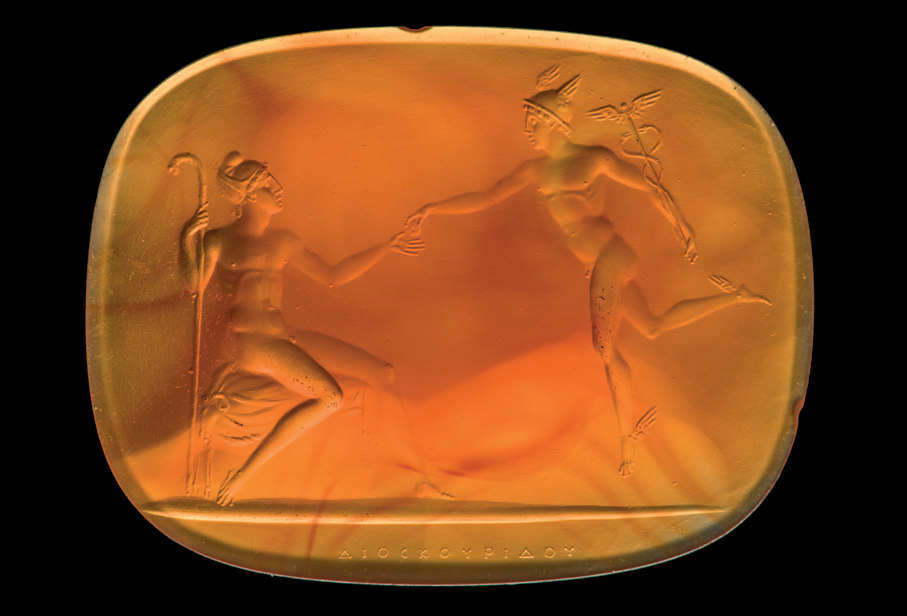
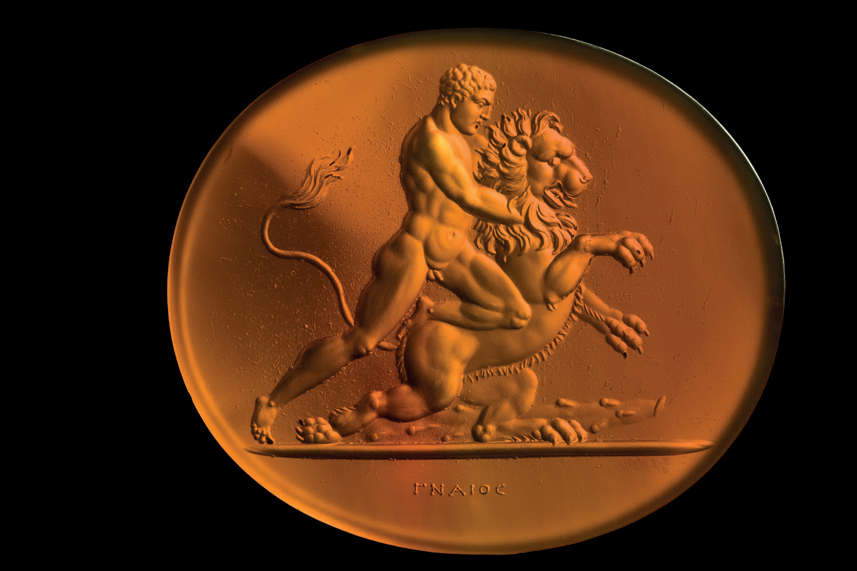
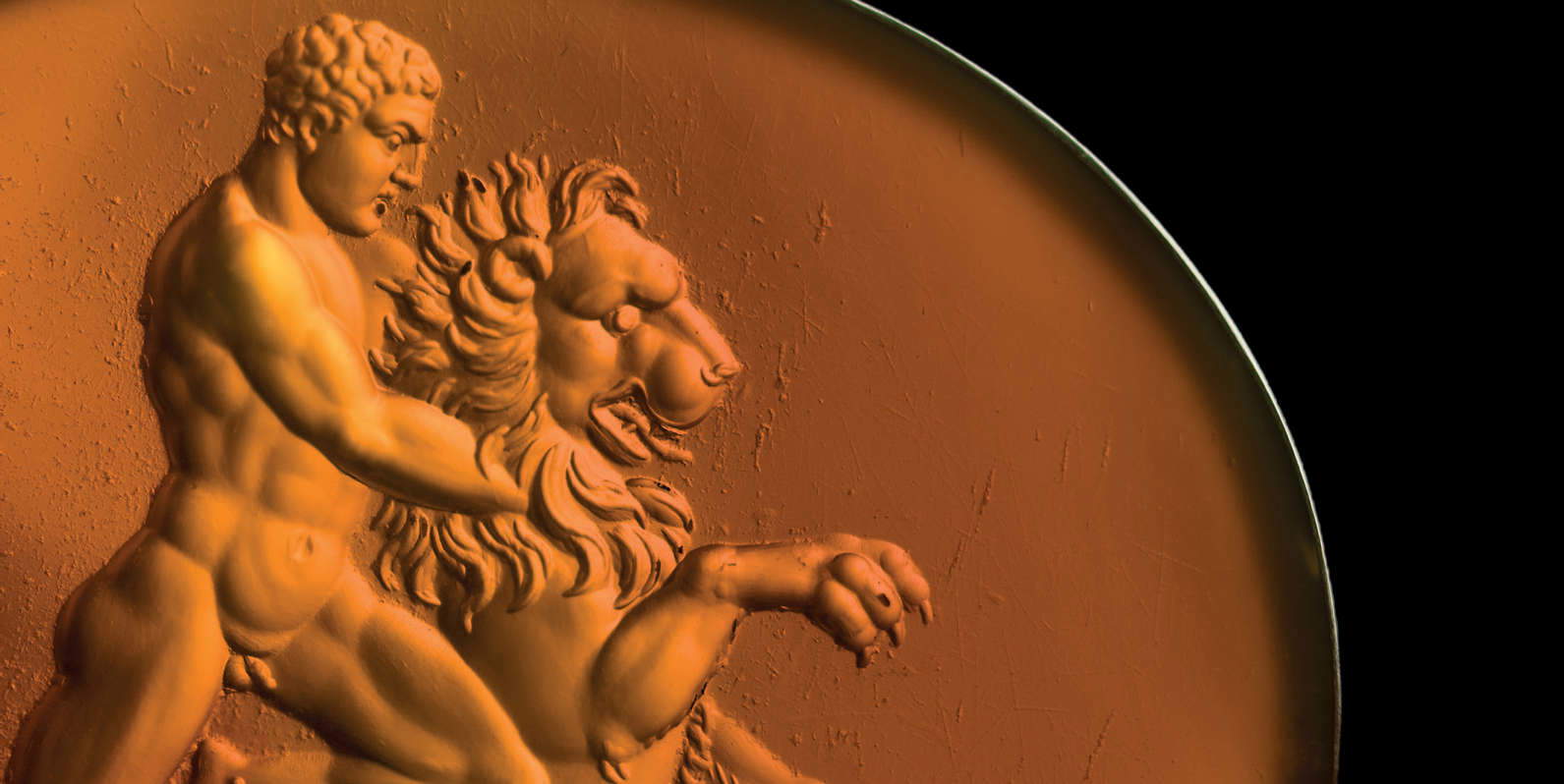
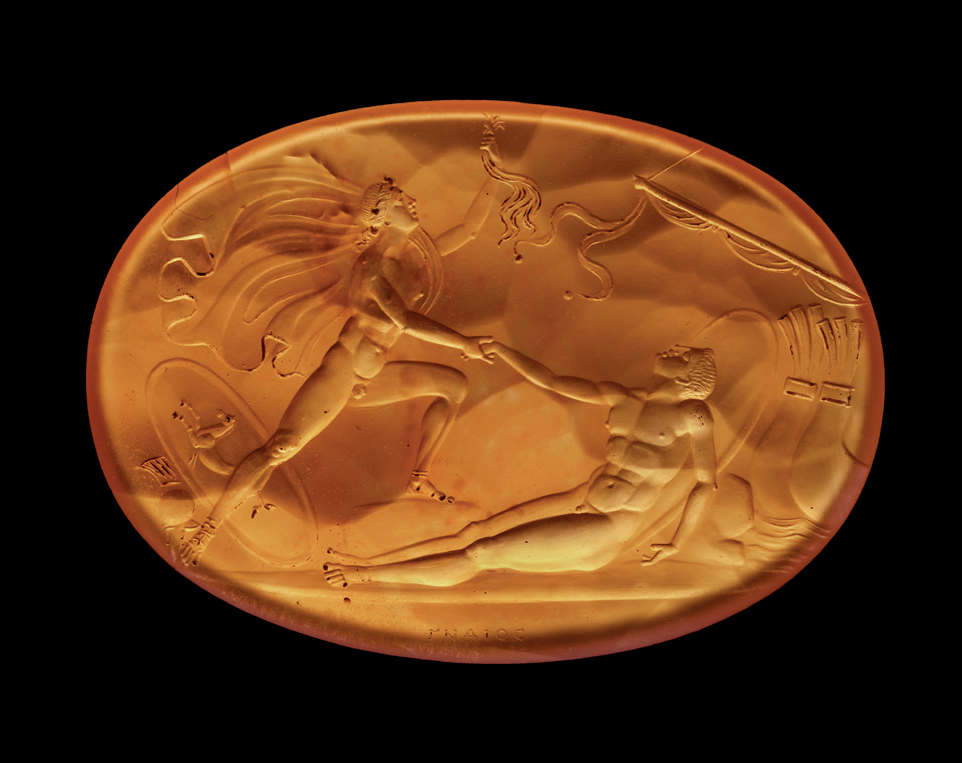
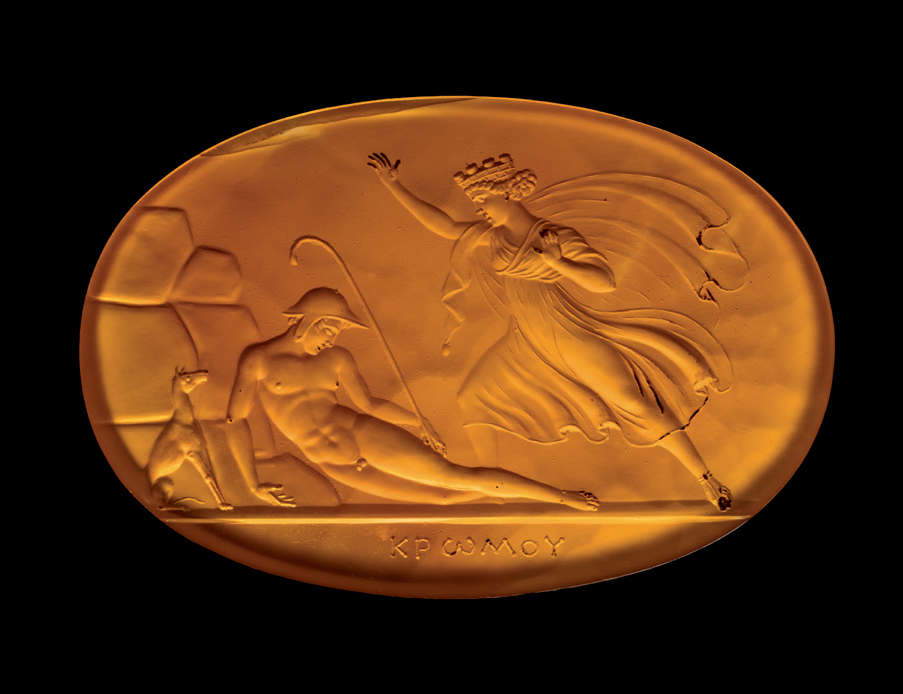
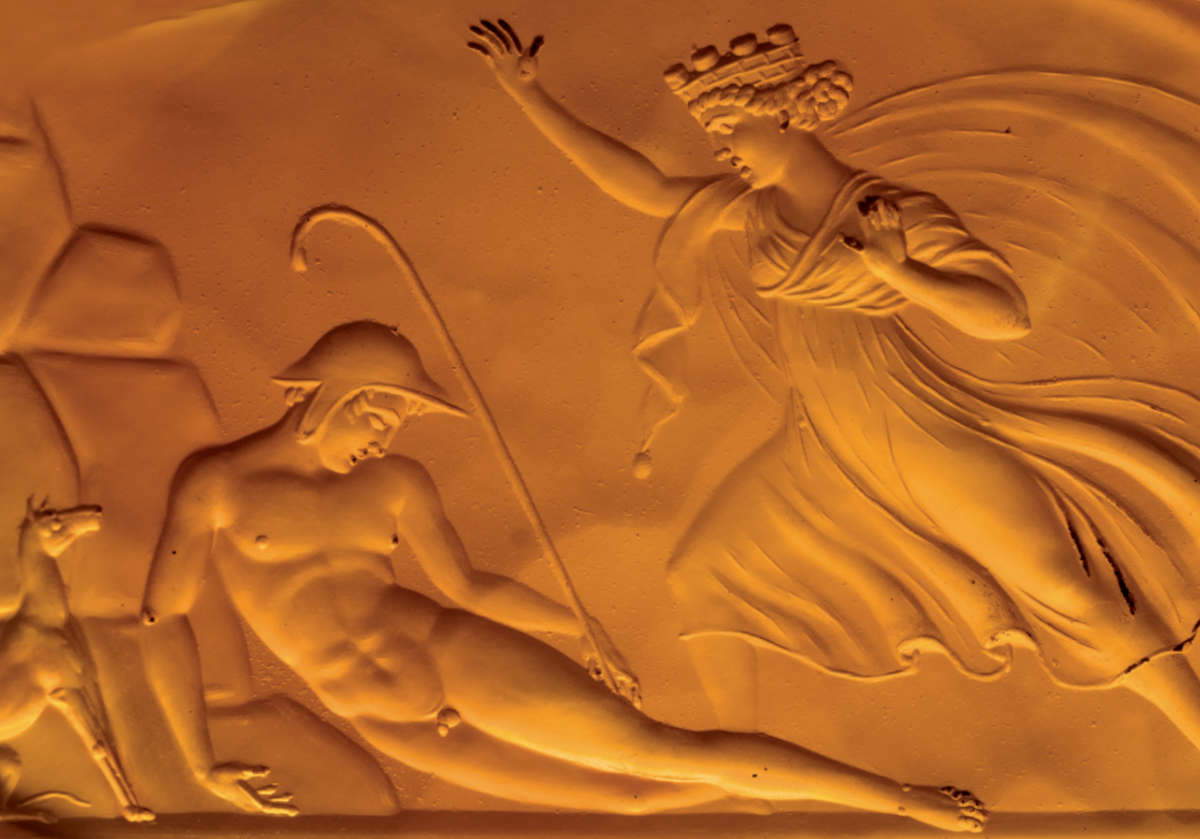
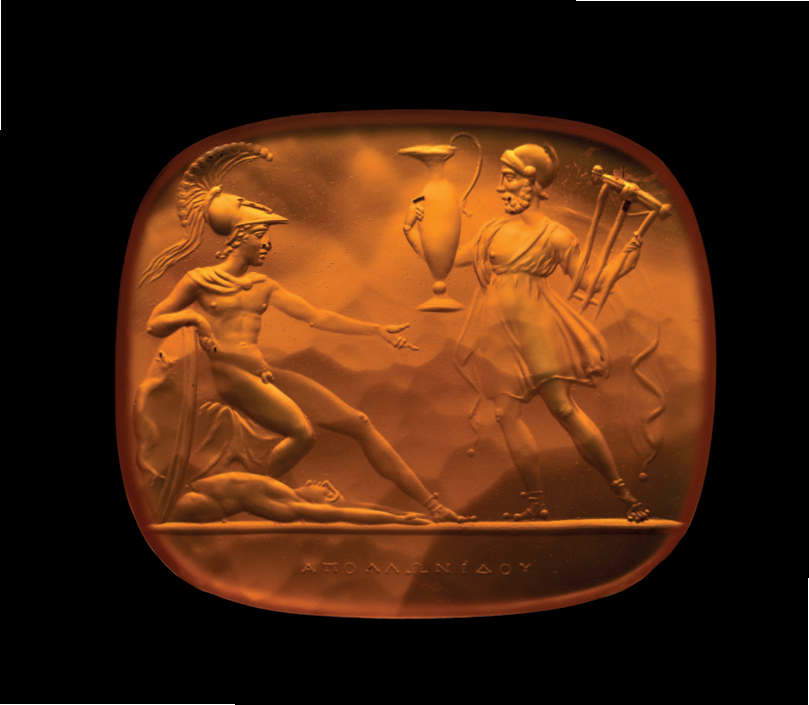
To lend credibility to this “theater of antiquity,” Poniatowski deliberately and convincingly fostered the belief—widespread among friends and art connoisseurs—that his gems were authentic artifacts from the classical era. At first without fully realizing it and later with determination, the prince did nothing to dissuade the public from this attribution. The key element of this staging lay in the inscriptions: over 1,700 carvings in the collection bore, in Greek capital letters, the apocryphal signatures of the most famous masters of ancient glyptics, whose names had been drawn from classical literature and historiographical sources. Thus, the prince’s carnelian stones bore the fictitious signatures of Apollonides, the engraver mentioned by Pliny the Elder in the *Naturalis Historia* (XXXVII, 8); Dioscurides, the artist mentioned by Suetonius in The Life of Augustus and cited by Pliny; or the legendary Greek engraver Gnaios. Other specimens bore the names of Pyrgoteles, Solon, Polykleitos, Kromos, and Sotratos, invoked to attest to the supposed classical authorship of the engravings.
The subjects engraved on the stones were of extraordinary narrative complexity. The scenes were drawn from the texts of ancient literature: from the Homeric epicsto Virgil’s*Aeneid*, from Ovid’s *Metamorphoses* to the verses of Pindar and Tibullus. Among the carvings were refined depictions such as Priam imploring Achilles to return Hector’s body, the murder of Agamemnon at the hands of Clytemnestra, Heracles freeing the Trojan princess Esione from the sea monster or fighting against Poseidon, Orpheus attacked by the Bacchantes, Maecenas swearing to avenge the death of his son Laos, Narcissus gazing at his reflection in the spring, and even complex battles between Greek heroes and Persian warriors or Amazons fighting the centaurs.
To carry out this vast iconographic program, Poniatowski hired the finest Roman engravers. Contemporary sources note the involvement of masters of the caliber of Luigi Pichler ( 1773–1854) and Giovanni Calandrelli (1784–1852), who played the leading role in expanding the gem collection in later years, as evidenced by the numerous preparatory drawings preserved at the Antikensammlung in Berlin. However, given the sheer size of the collection, the network of gem cutters involved must have been far more extensive.
In any case, despite the care lavished on the undertaking, serious doubts about the authenticity of the Poniatowski collection began to spread among specialists even while the prince was still alive. The first warning sign came in June 1831, when Désiré-Raoul Rochette, a leading French expert in archaeology and numismatics, examined some plaster casts of the carvings and expressed clear skepticism, later reaffirming his convictions three years later, in 1834. The decisive blow, however, came in the summer of 1832: in an effort to cement the reputation of his collection, Poniatowski donated plaster casts of 419 gems to the King of Prussia. After examining these works, Ernst Heinrich Toelken, director of the Antiquarium in Berlin, spoke in unequivocal terms, declaring that the carvings were clearly forgeries. Nevertheless, Toelken highlighted the exceptional beauty of the compositions and the extraordinary craftsmanship of the artifacts, acknowledging the value of modern engraving. It was during those very years, between 1830 and 1833, that Poniatowski published in Florence the three-volume scientific catalog of his collection, written in French under the title *Catalogue des pierres gravées antiques de S. A. le Prince Stanislas Poniatowski*. It is from this catalog that the statement about Canova—that he was inspired by his gemstones—is taken.
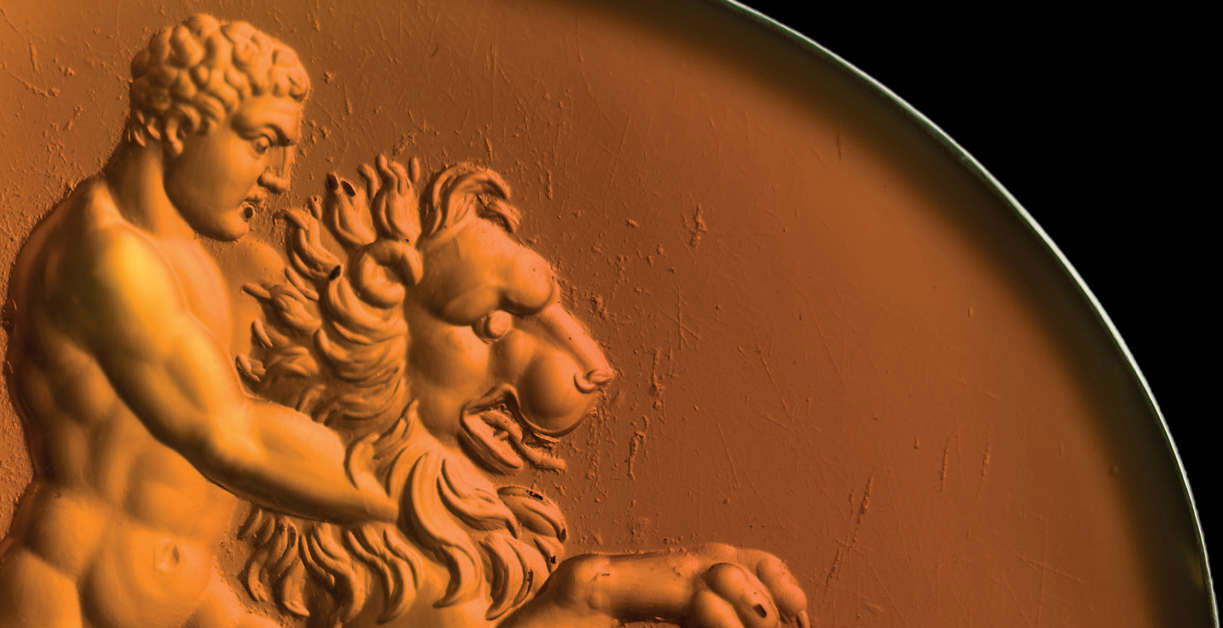
Upon the prince’s death in Florence in 1833, the collection passed to his heirs, who decided to sell it on the international market. The sale was entrusted to the renowned Christie’s auction house in London and took place from April 29 to May 21, 1839; a sale catalog was printed for the occasion, which remains a bibliographic and art-historical resource of great significance. However, during the customary public exhibition preceding the auction, the certainty that the Poniatowski gems were forgeries became abundantly clear to experts and collectors alike. Several technical and stylistic elements gave the deception away: first, the carnelian and agate stones were visibly larger in diameter than those typically found in ancient gems. Second, a suspicious uniformity of style among the various pieces was immediately apparent, contradicting the alleged provenance from different eras and cultural contexts. Finally, critics noted that many compositions were clearly modeled after contemporary works of art, starting with the famous marble sculptures by Antonio Canova.
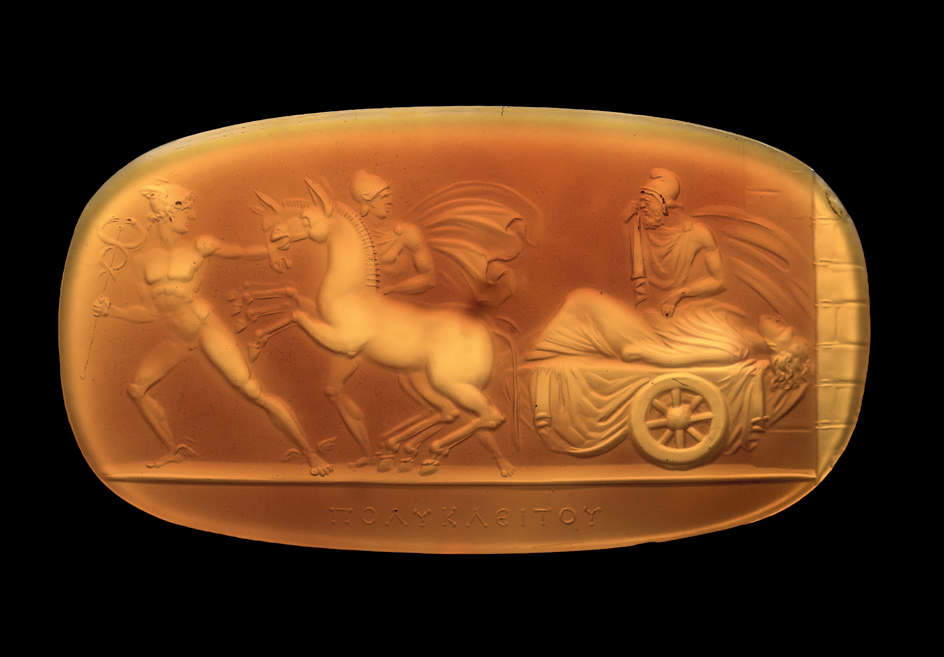
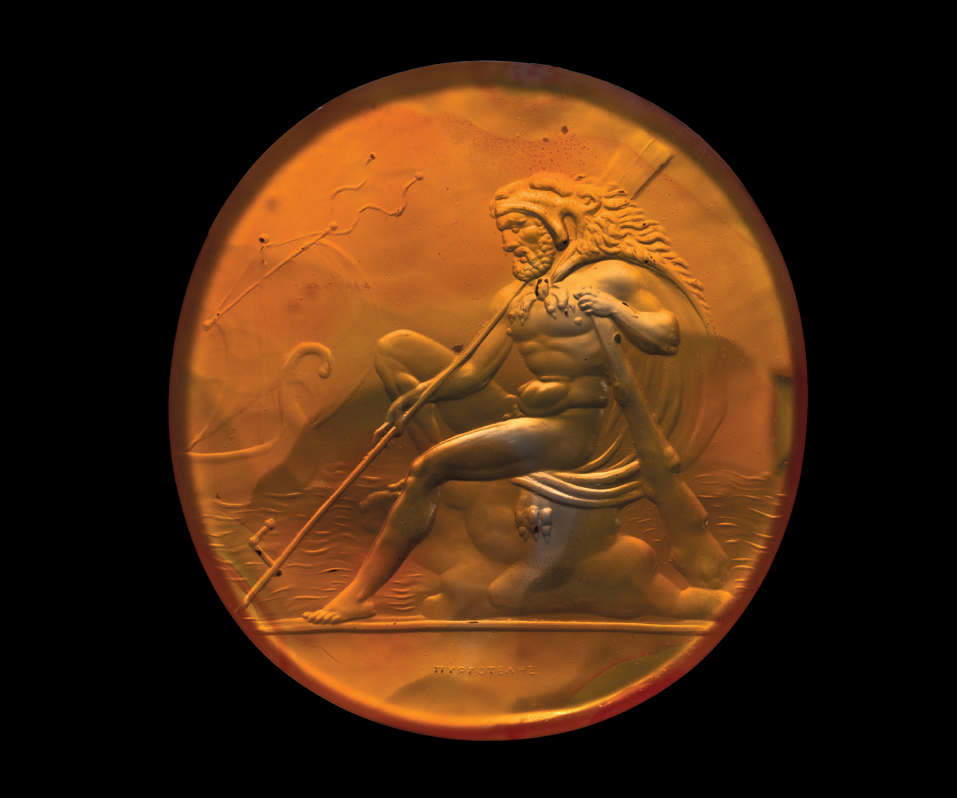
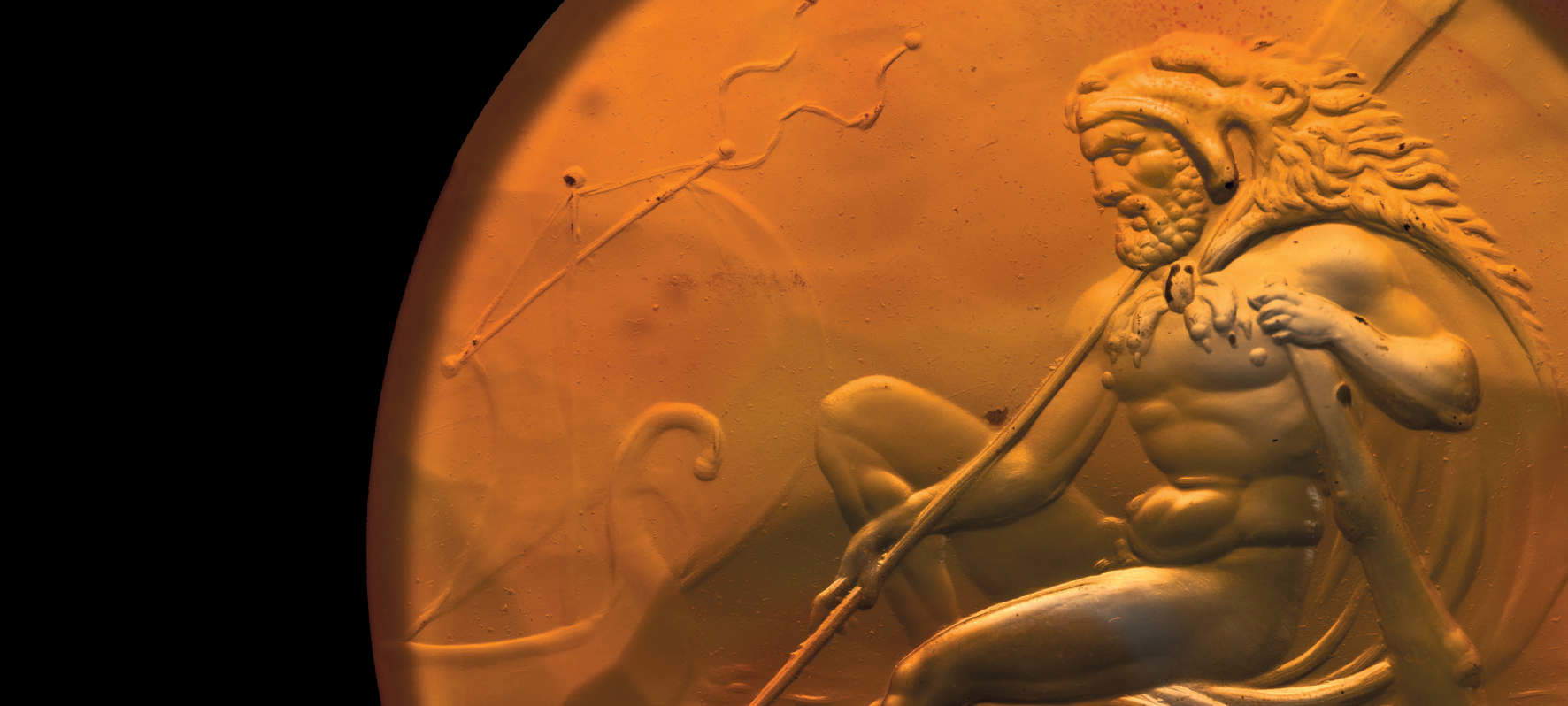
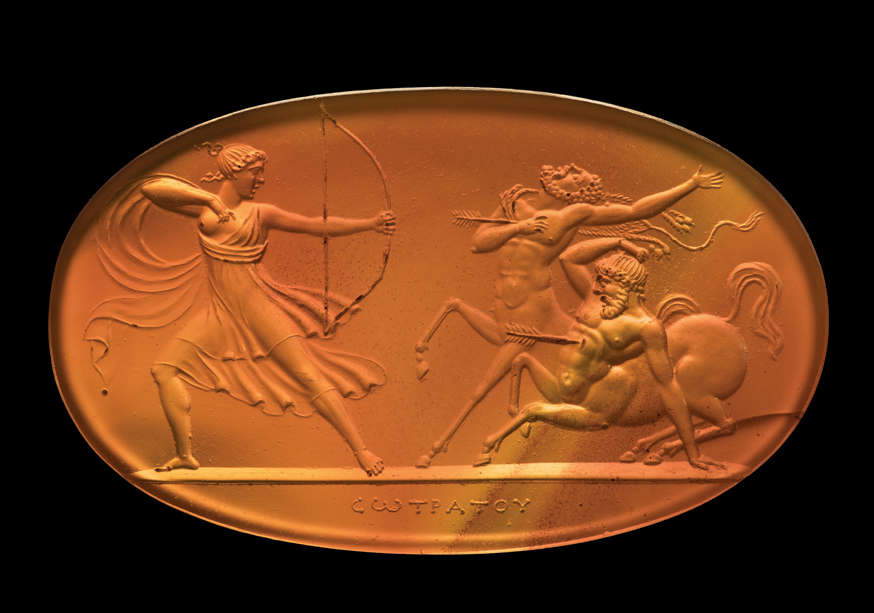
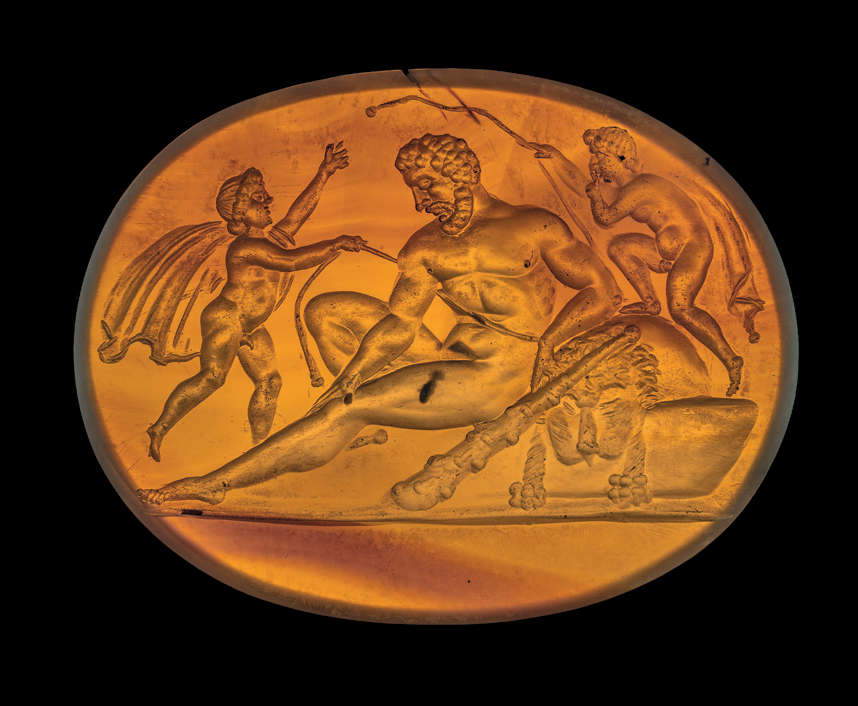
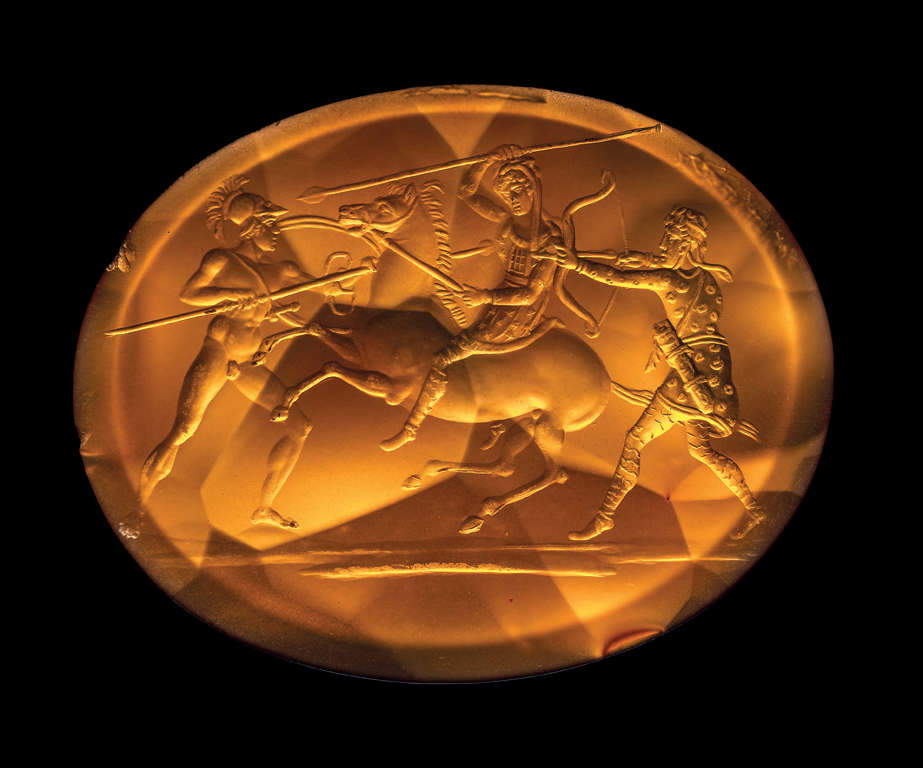
“The discovery that the gems were fake,” explains Leone, “caused quite a stir, and the auction was a complete failure. Half of the pieces remained unsold; the other half, however, were sold at very low prices. This affair compromised the market for engraved gems—which had been very flourishing until then—for many years. Despite the scandal, after the sale, 1,140 pieces were purchased by the English colonel John Tyrrell, who, still convinced of their authenticity, compiled a detailed catalog that was published in 1841.” The introductory essay for this catalog was entrusted to the scholar Nathaniel Ogle, who, however, in his text, demonstrated in turn—and with analytical rigor—that the engravings were entirely modern forgeries. In response, Tyrrell fired him and replaced him with James Prendeville and William Maginn, who edited the volume published in 1841 by Henry Graves. Ogle, however, did not remain silent: in December of that same year, 1841, he made his scathing conclusions known in a note published in the magazine *The Spectator*, and the following year, in 1842, he published anonymously in the *British and Foreign Review* the extensive critical essay that had been censored.
Despite the denials, Colonel Tyrrell continued his work: he had plaster casts made of every single gem and, between 1857 and 1859, spearheaded an initial campaign of photographic reproductions, published by Prendeville and Maginn under the title *Photographic Facsimiles of the Antique Gems Formerly Possessed by the Late Prince Poniatowski*. Toward the end of the nineteenth century, the Poniatowski collection—including the lots that had passed into Tyrrell’s hands—was completely dispersed on the collectors’ market, and for decades the prince’s gems remained hidden in obscurity, branded with the stigma of being forgeries. The critical turning point did not occur until the 20th century: as individual carvings began to reemerge in the collections of the world’s most prestigious museums—from the British Museum in London to the J. Paul Getty Museum in Los Angeles, to the Metropolitan Museum of Art in New York—and in numerous private collections, art historians began to reexamine the entire story in a new light. Freed from the prejudice stemming from the failed Christie’s auction, the Poniatowski collection was finally recognized for what it truly was: an extraordinary testament to neoclassical figurative culture and a fundamental chapter in understanding the history of nineteenth-century taste and the antiquarian imagination.
Today, those iridescent gems, engraved with unsurpassed mastery, are no longer dismissed as mere forgeries, but are celebrated as one of the stylistic pinnacles of neoclassical glyptics; and whoever owns one possesses not only a small piece of neoclassical history, but also preserves the memory of a prince who sought to evoke an ancient dream.
 |
| The scandal surrounding Prince Poniatowski’s “antique” gems resurfaces at the BIAF |

Warning: the translation into English of the original Italian article was created using automatic tools. We undertake to review all articles, but we do not guarantee the total absence of inaccuracies in the translation due to the program. You can find the original by clicking on the ITA button. If you find any mistake,please contact us.




























 IT
IT FR
FR DE
DE ES
ES CN
CN


