





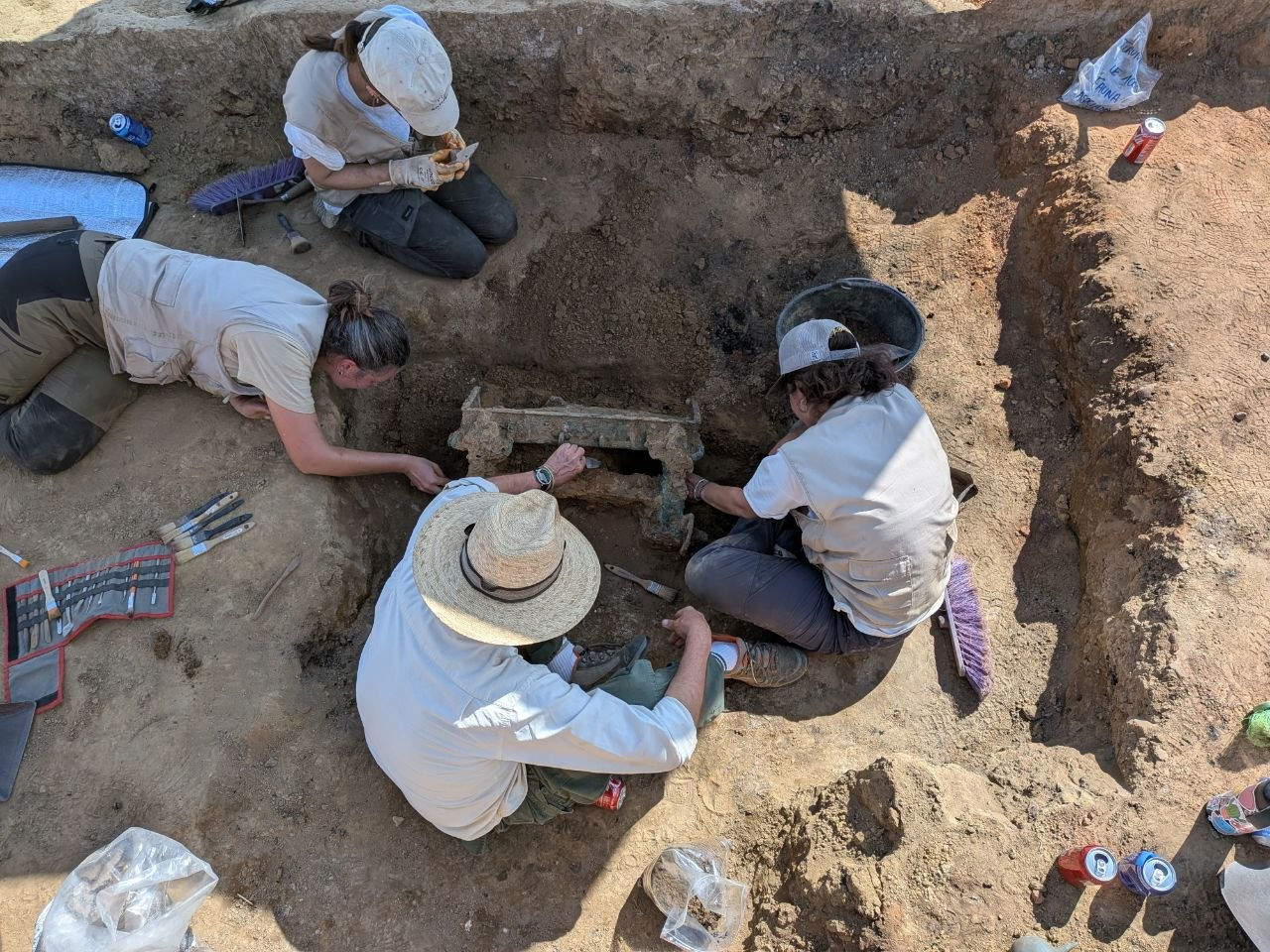
At the Casas del Turuñuelo archaeological site, in the municipality of Guareña, in the province of Badajoz, Spain, a bronze votive chariot of great decorative and iconographic complexity has been discovered; it is considered to be a specimen with no known parallels on the Iberian Peninsula. The artifact was found within passageway S3 of a ritual building, an area that had already yielded previous discoveries, including an altar shaped like a bull’s hide. The news was announced on the Guareña City Council’s website.
The discovery was presented during a press conference at the CSIC headquarters, attended by project directors Esther Rodríguez and Sebastián Celestino, CSIC President Eloísa del Pino, and Mercedes Morán, the Extremadura Regional Government’s Councilor for Industry, Energy, Science, and Territory.
The chariot, dating to the 5th century B.C. and associated with the Tartessos cultural sphere, is only partially preserved: approximately half of the artifact has been recovered, including two wheels and part of the main body. Despite its incompleteness, its state of preservation allows for the identification of an elaborate decorative scheme and a construction technique based on the assembly of multiple bronze elements joined together with iron components.
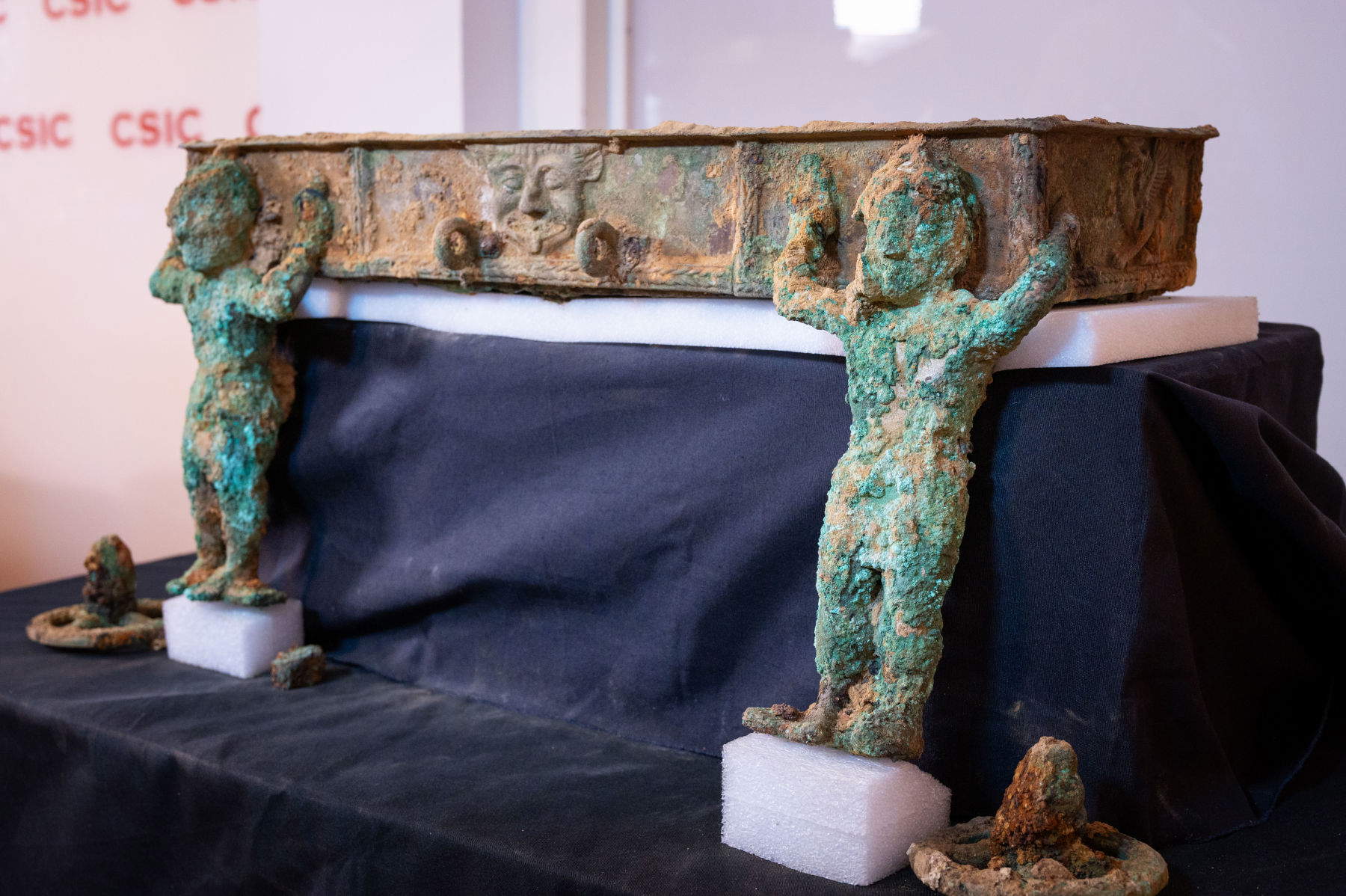
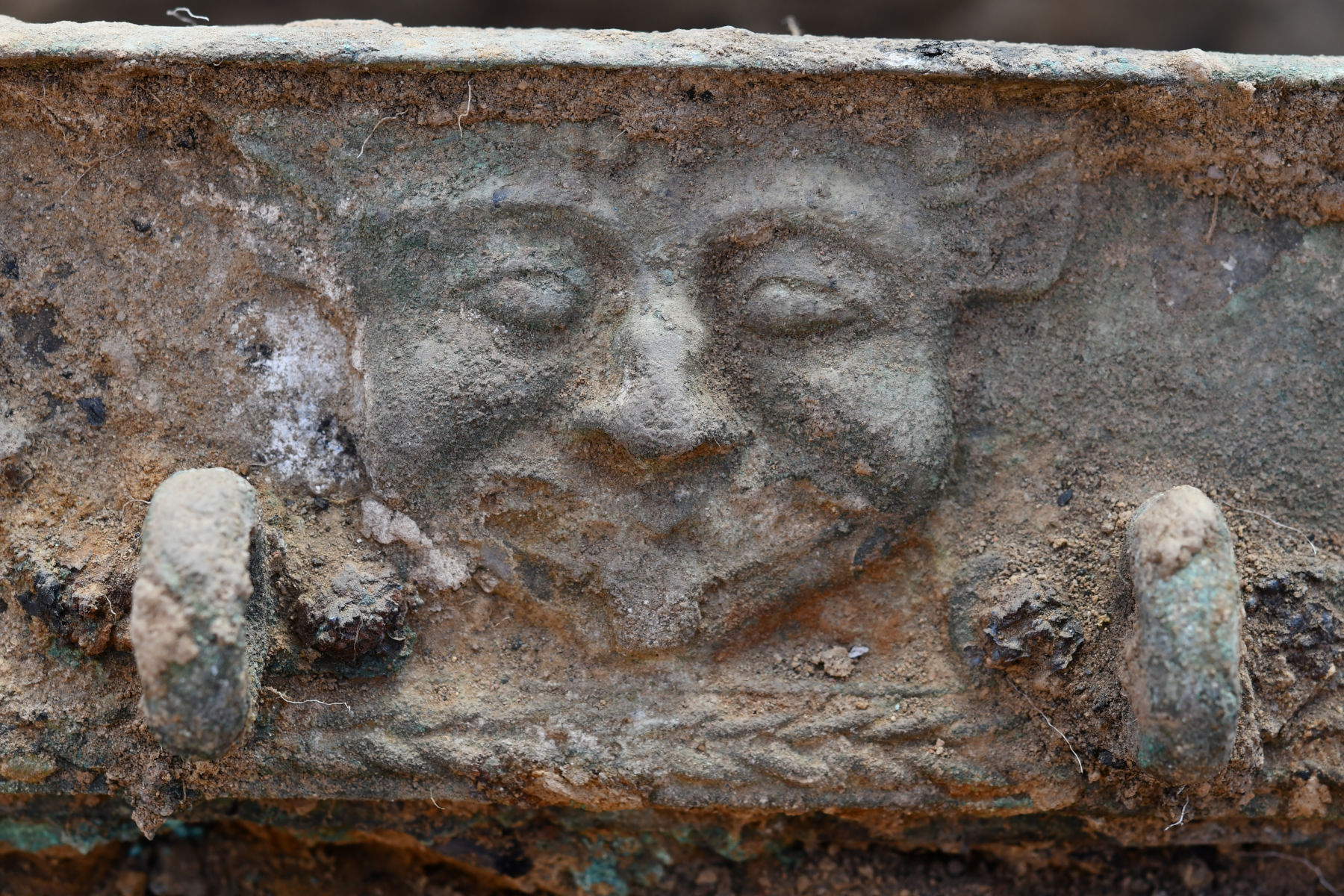
Among the figures depicted is a river deity identified as Achelous, a figure common in both Greek and Etruscan contexts, flanked by two griffins positioned at the ends of the structure. There are also two male figures of the Atlas type, serving to support the chariot’s body. The iconographic ensemble points to a complex symbolic program linked to ritual and votive contexts.
According to scholars, there are currently no direct parallels on the Iberian Peninsula. Some elements find partial analogiesin the Etruscan context, but no known example presents the same combination of decorative and structural features. Following an initial phase of cleaning and documentation, the artifact will undergo further specialized analysis aimed at clarifying its function, chronology, and significance within the context of the site.
The excavation campaign, now in its eighth season, took place in April and May and focused on the northern and southern sectors of the tumulus covering the archaeological complex, a structure approximately 90 meters in diameter and six meters high, beneath which the building was intentionally sealed at the end of the 5th century B.C.
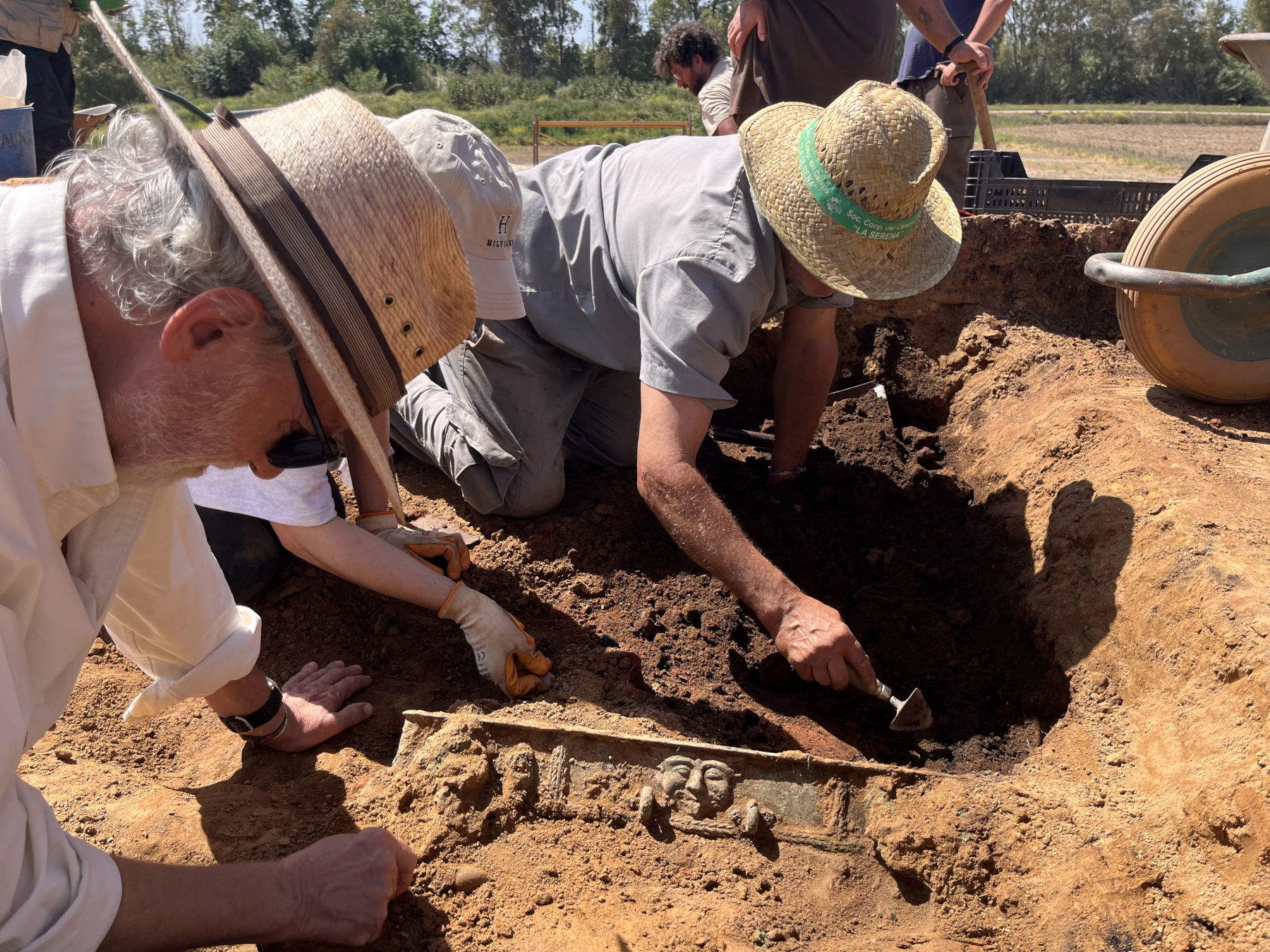
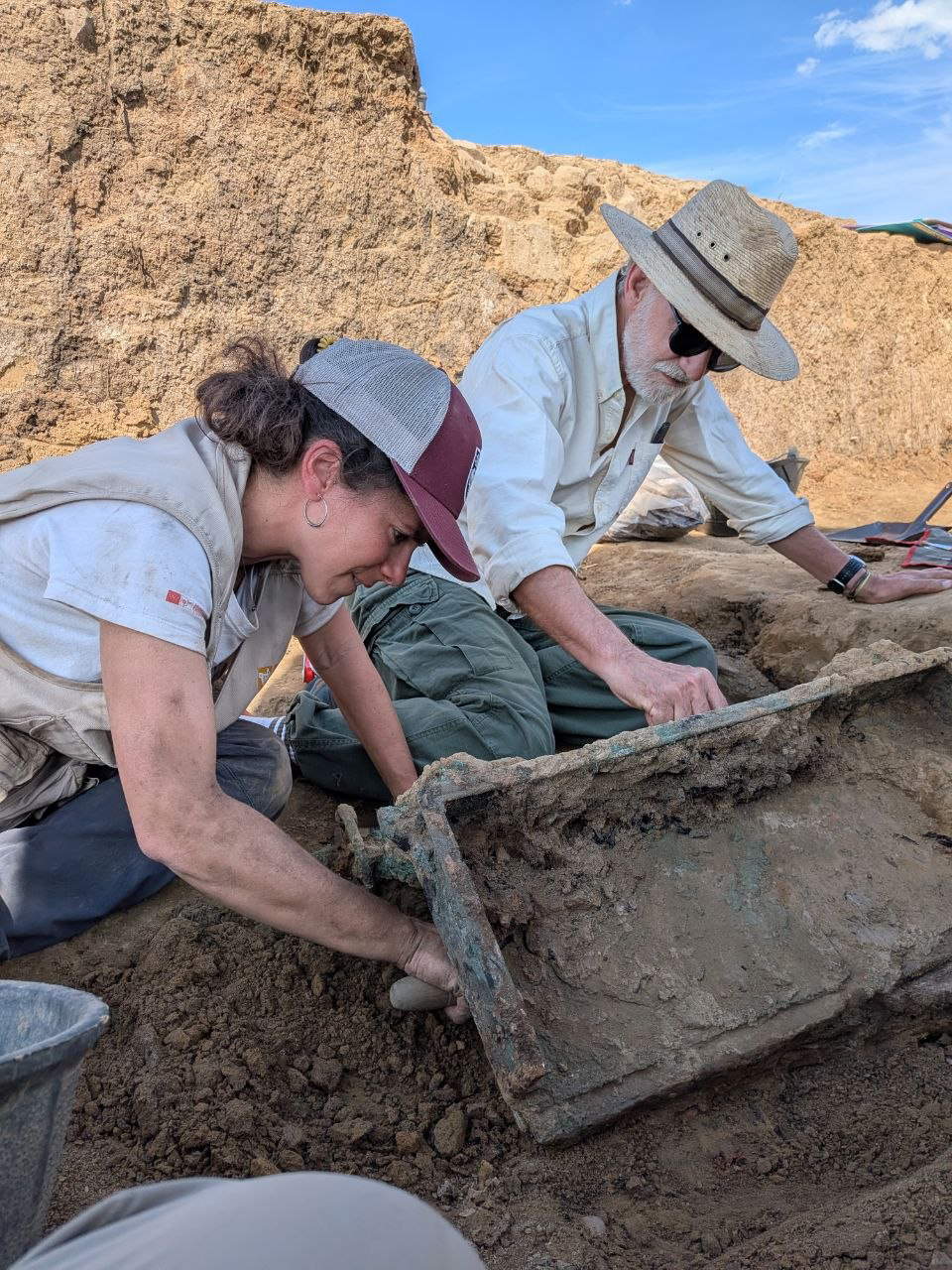
The investigations also focused on the area of Room H-100, a space measuring approximately 70 square meters—the largest uncovered to date. In the northern sector, two bronze braziers and a bronze cauldron were recovered, artifacts that confirm the material wealth of the context. However, the quantity of pottery recovered during this campaign is lower than in previous seasons, a finding that researchers are analyzing in relation to the site’s deposition dynamics.
The “Construyendo Tarteso” project, funded by the State Research Agency as part of the State R&D&I Plan of the Ministry of Science, Innovation, and Universities, aims to define Tartessian material culture through the architectural study of the large adobe (unfired clay) buildings excavated in recent decades. The data collected at Casas del Turuñuelo helps reconstruct the historical and ritual context of one of the most significant complexes on the Iberian Peninsula.
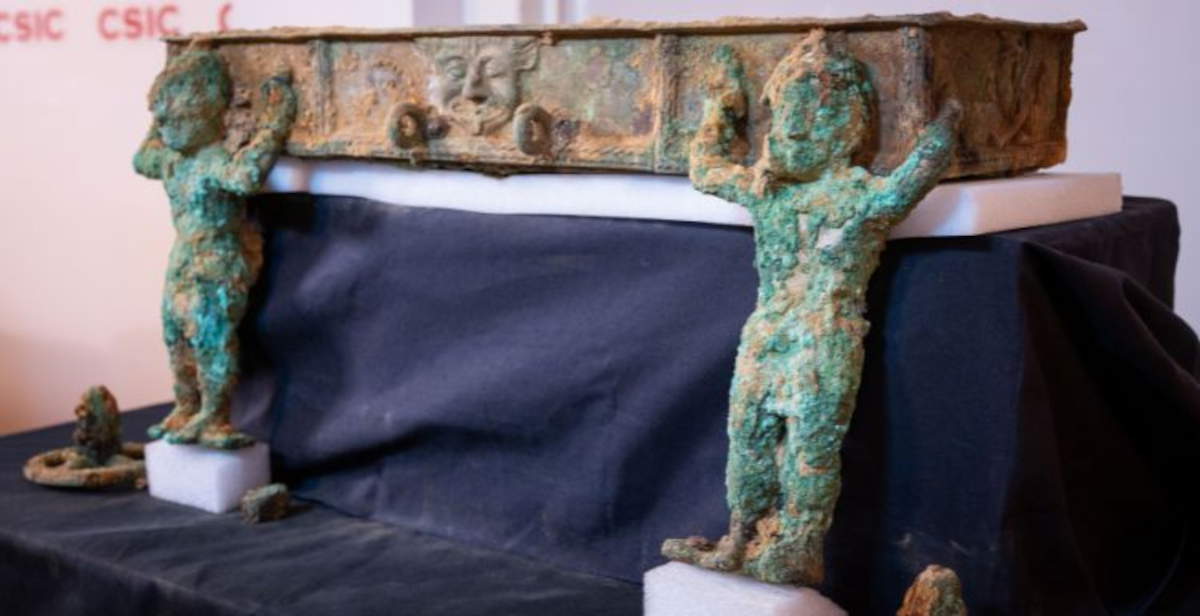 |
| Spain: An ancient bronze votive chariot, the only one of its kind on the Iberian Peninsula, has been discovered |


The author of this article: Noemi Capoccia
Originaria di Lecce, classe 1995, ha conseguito la laurea presso l'Accademia di Belle Arti di Carrara nel 2021. Le sue passioni sono l'arte antica e l'archeologia. Dal 2024 lavora in Finestre sull'Arte.Warning: the translation into English of the original Italian article was created using automatic tools. We undertake to review all articles, but we do not guarantee the total absence of inaccuracies in the translation due to the program. You can find the original by clicking on the ITA button. If you find any mistake,please contact us.

















 IT
IT FR
FR DE
DE ES
ES CN
CN


