




by Carlo Alberto Bucci 04/06/2026



Categories: Exhibition reviews / Disclaimer
At VIVE in Rome, an exhibition built around Piero di Cosimo's famous Magdalene recounts the condition of women in Renaissance Florence. An extraordinary painting that interweaves art, faith, education and the desire for autonomy. Here's what the exhibition is like: a review by Carlo Alberto Bucci.

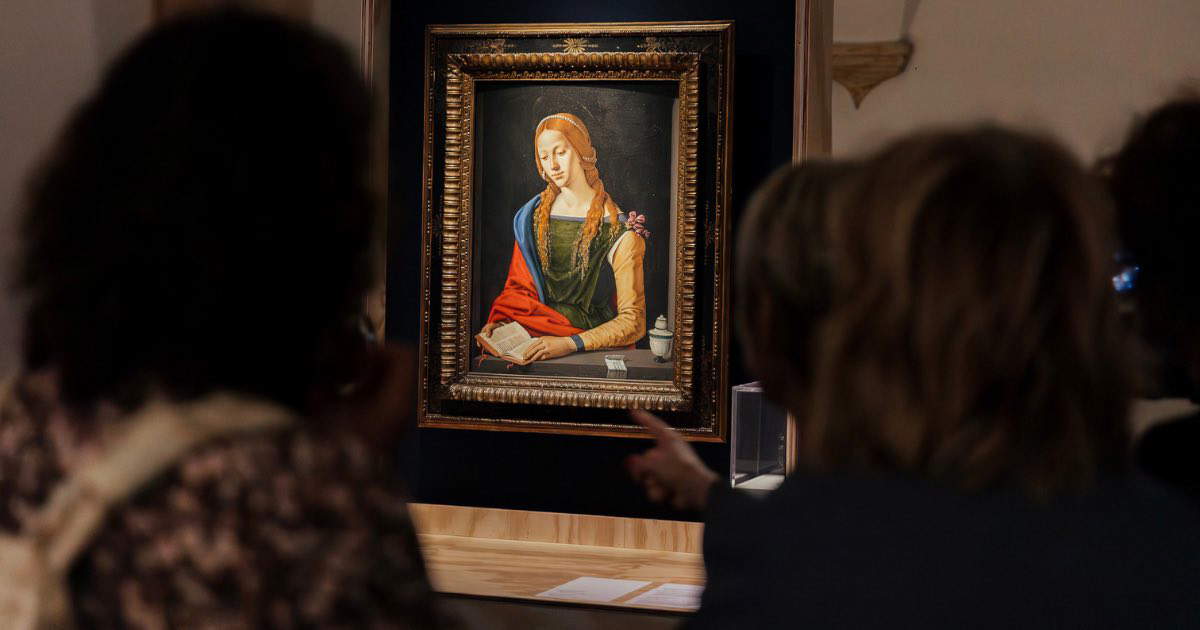
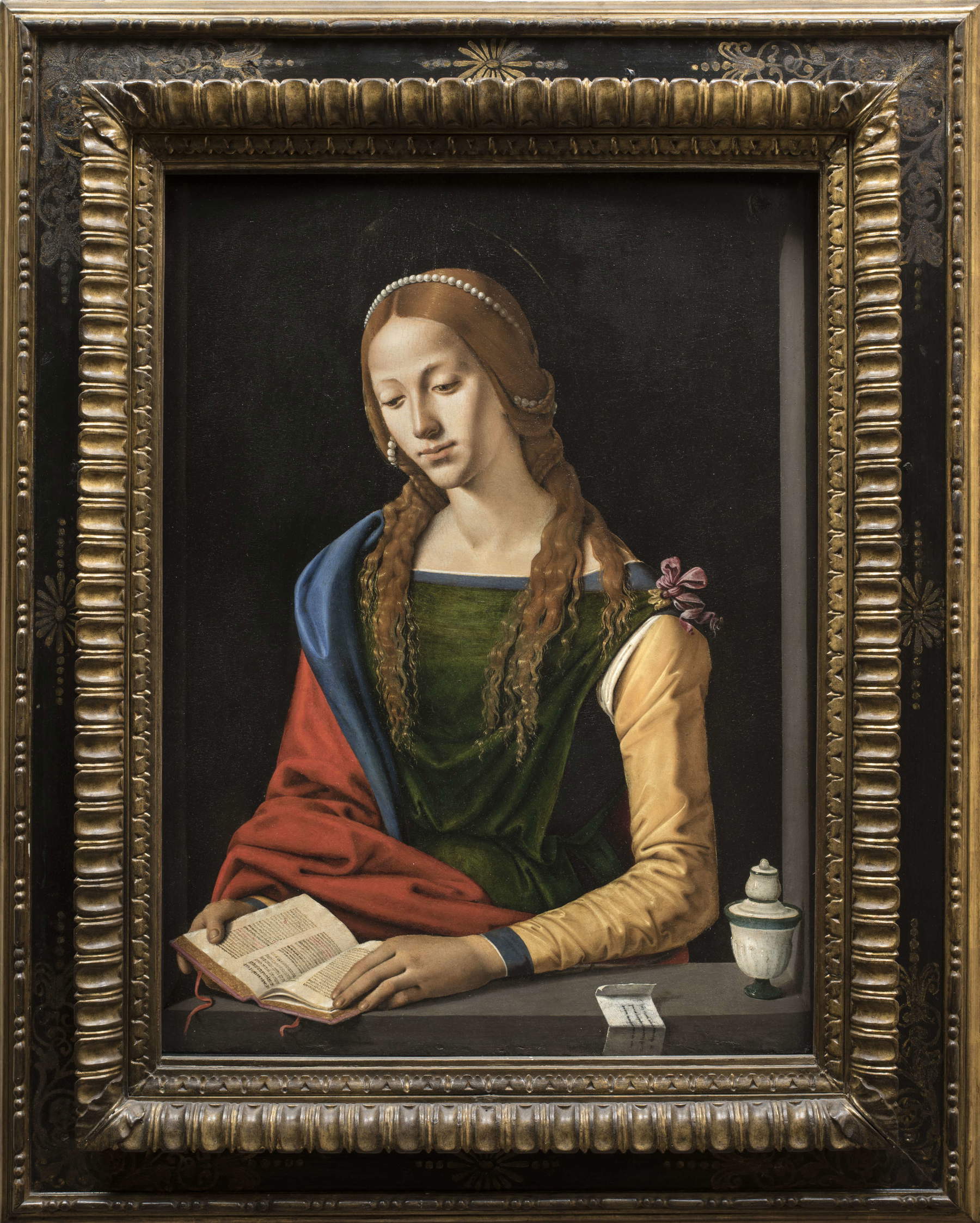
Despite her understated elegance and gaze that is in no way winking because instead she is concentrated, pensive, if not sad, on the words written in the sacred book she delicately holds in her hands, the star of the exhibition La Maddalena di Piero di Cosimo: arte, storia e vite di donne nel Rinascimento fiorentino is undoubtedly her: the beautiful penitent saint depicted, however, not in an act of constraint, but while reading. The painting is an exceptional painting, although at least one compositional flaw it has in the unnatural stiffness of the right arm, the one sheathed in the yellow sleeve; a stylistic weakness that with great honesty the curator of the exhibition open at the Vive in Rome’s Palazzo Venezia, Edith Gabrielli, points out right from the didactic caption accompanying the painting. And it is extraordinary, the painting, certainly for the porcelain complexion of the model who, in the early 1590s, dressed in the clothes and hairstyle of a modern Magdalene. But, above all, it is so for the web of stories and meanings that around a few details and attributes (the prayer book, a mysterious note on the windowsill, the Myrrhophora’s jar of ointments, the pearls that support and adorn her hair before some locks descend loose and casual on her chest) unfolds in and beyond the panel. That is, the wooden support (72 by 53 centimeters) on which, with the oil of the Flanders painters mixed with the tempera of the Italian masters, the saint painted in Florence by Piero di Cosimo comes to life every time an owner or visitor comes to contemplate and admire her.
It is noteworthy that, around this fine example of synthesis between Flemish analytical painting and Leonardo’s naturalism, an exhibition has been patiently constructed that places yes thework of art at the center of the discourse, yet at the end of an exhibition, didactic and semantic path composed of the pieces of a material culture studded with textiles, silver, furniture, Montelupo ceramics, glass from Gambassi, furniture, written, painted or sculpted evidence of Florentine society. With a focus on the condition of women in the lily city, during the republic and under the Medici, that follows the fruitful line of recent (but now established) gender studies. And in this broad contextual view (where precisely the horizontal approach allows the images to speak, to tell, to range beyond the narrow limits of the exclusively stylistic analysis of the work of art) there are endless stories and lives that unravel within and beyond the forms of the painting that was presumably made in Florence for a patron unfortunately unknown today. These are the plots that the staff of twenty-five scholars put together by Vive’s director Edith Gabrielli, with historians Fernanda Alfieri, Serena Galasso and Isabella Lazzarini, both to compile the nimble guide to the exhibition (Silvana editoriale, 127 pages, 15 euros), which reports substantially what is in the informed captions and 22 video installations accompanying the artifacts on display; and for the rich volume of studies (same Milan publishing house, 330 pages, 34 euros) published after the April 17 opening (the exhibition, full-price ticket at 18 euros, will close on July 7 but it is possible, desirable that the duration will be extended).


“The beautiful penitent [...] lives and sleeps in my room, next to my bed, and at length we look at each other with love,” wrote Giovanni Barraco, in December 1871, Giovanni Barraco, who was certainly enchanted by the high quality of the painting as well as by the exquisite mulieval features of the saint with a legendary past as a sinner/meretrician, to Giovanni Morelli. The Calabrian collector thus thanked the art historian, the father of the “Morellian method” for attributing works of art, for advising him to purchase the Monte di Pietà of Rome the painting (also referred to as “the beautiful prisoner”), given as a pledge by who knows what owner and, by its new owner, brought to his Roman home after having it restored by Luigi Cavenaghi in Milan. In 1907 the painting, infallibly attributed to Piero di Cosimo (1462-1522) by Morelli, was sold by Barraco, creator and owner of the eponymous museum on Corso Vittorio in Rome, to the Italian state for an amount equal to 300,000 euros today. Having passed through the gallery of Palazzo Corsini, the painting is now part of the magnificent collection of the Galleria Nazionale d’Arte Antica in Palazzo Barberini, which has granted it to Vive (the museum created by uniting the collections of the nearby Vittoriano and Palazzo Venezia museum) for a thematic exhibition included in the context of inter-institutional exchanges that have already led Giorgione’s Double Portrait to leave the Vive’s premises in Via del Plebiscito to contribute to the 2025 Palazzo Barberini exhibition centered around the so-called Portrait of Antonio Brocardo, attributed to the Castelfranco painter and loaned to Rome last year by the Budapest Museum of Fine Arts.
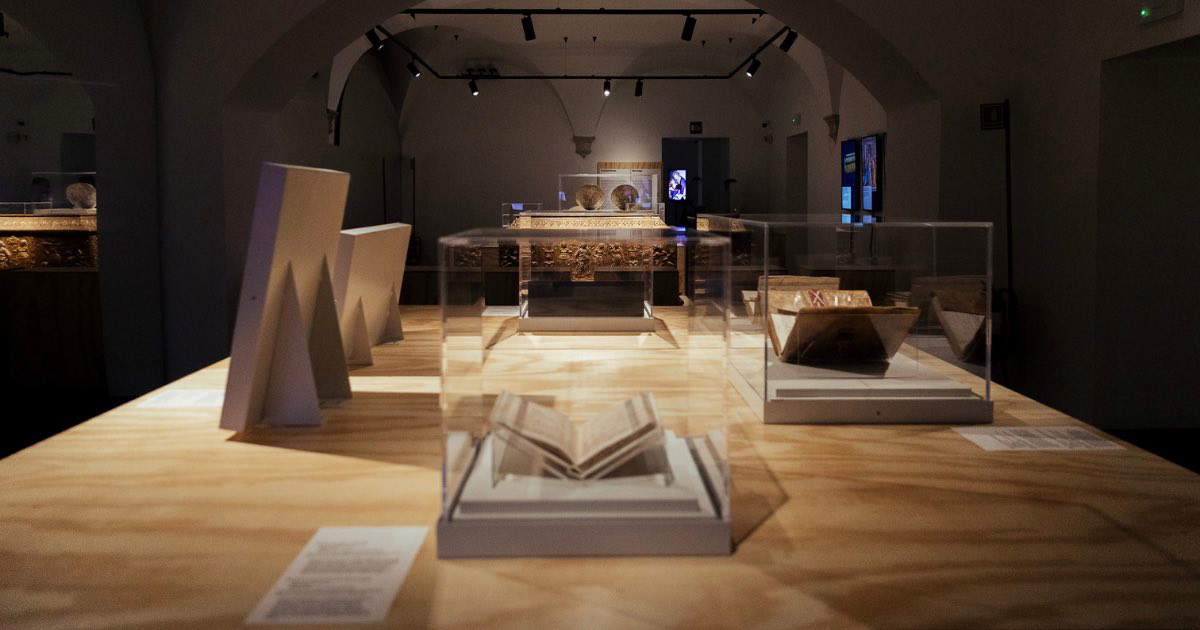
Made up of more than sixty exhibits and centered around the work of Piero di Cosimo, the exhibition at the Vive, on the Florence of women revolving around the painting, opens with the section devoted to childbirth, from the side of the girls and mothers. Hanging as if it were a painting, we find, for example, a towel to welcome the newborn in the arms of the nurse: lent by the Museo del Tessuto in Prato, which has granted several other pieces, all from the period, the linen cloth is embellished with a decoration in cotton, silk and silver yarns that denounce its belonging to the trousseau of a woman from the elites, mercantile or noble, in 15th-century Florence. From the same caste, certainly not from the same household, came the owner of the gilded silver agoraio, the needle case, which, on loan from the Poldi Pezzoli Museum in Milan, bears the inscription Verbbum Charo(verbum caro factum est: the Word became flesh) a phrase from the Gospel of John that refers to Mary, the mulieval model par excellence. The two “objects” introduce the theme of birth and education in domestic work that, as mentioned above, characterizes the first of the rooms in the premises once used as the kitchens of Palazzo Venezia and now the exhibition venue. It is as if we are looking at a precious fabric and a piece of fine jewelry that, ideally laid in the bride’s trousseau found in a late 15th-century Tuscan wedding chest such as the historiated one borrowed with other artifacts from the collection of the same Vive museum, served the little girl who became, seven sections of the exhibition further on, Piero di Cosimo’s Magdalene . And this virtual journey into the difficult existence of a girl, compulsorily destined for marriage or the convent, in Renaissance Florence, passes through other accounts of a female condition that was even harsher than that of ladies in the courts of the North or Naples. The scholars who authored the essays in the book published on the occasion of the exhibition, in addition to the four aforementioned curators, historians Maria Giuseppina Muzzarelli, Maria Serena Mazzi, Jill Burke and Gabriella Zarri, among others and others, dwell on the suntuary laws that limited the pageantry of the mises of women, as well as men, in the same years in which the Dominican Girolamo Savonarola lashed out at the ladies of Florence who “have married their maidens” and “menace them to show off, and style them there that they seem nymphes.”
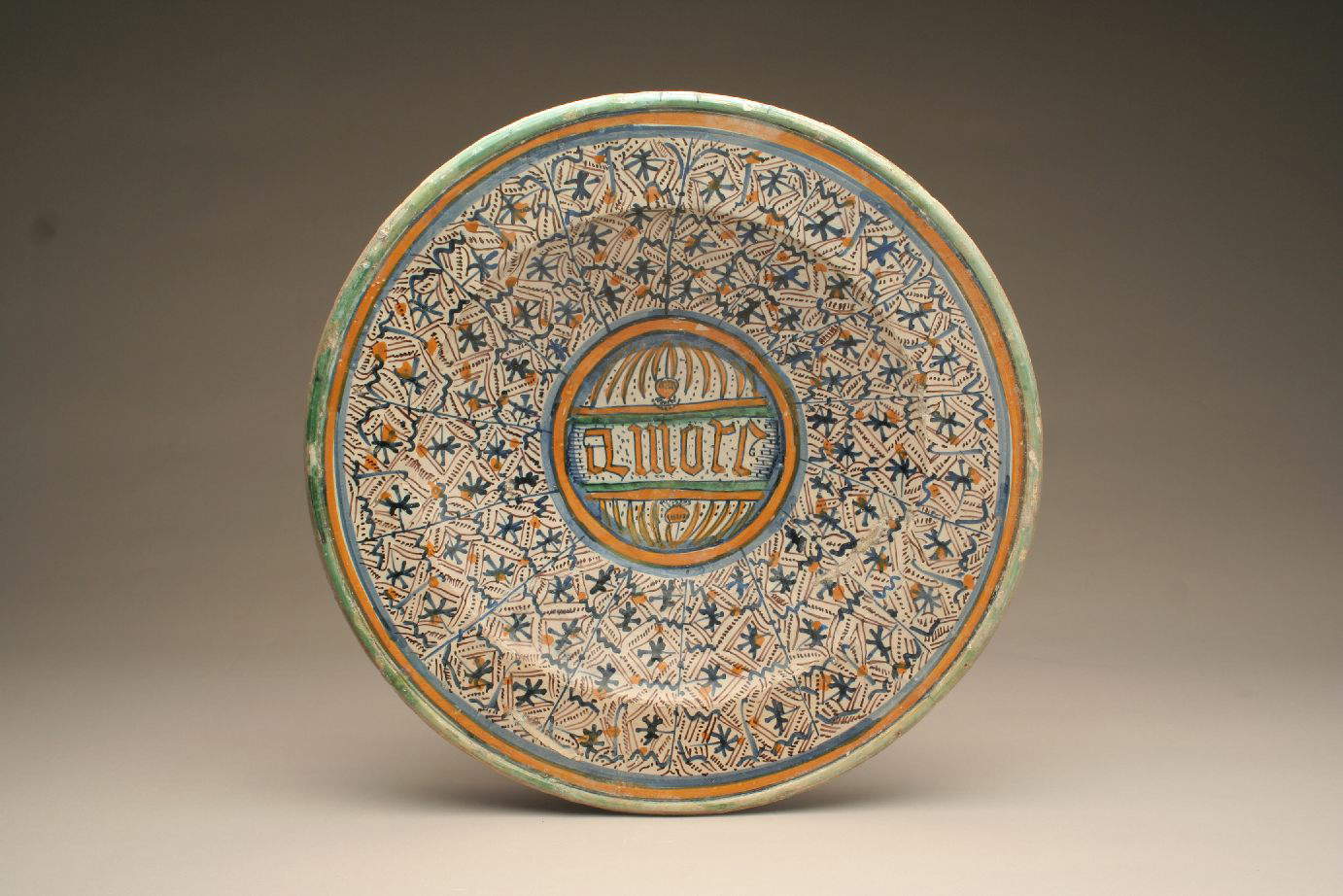
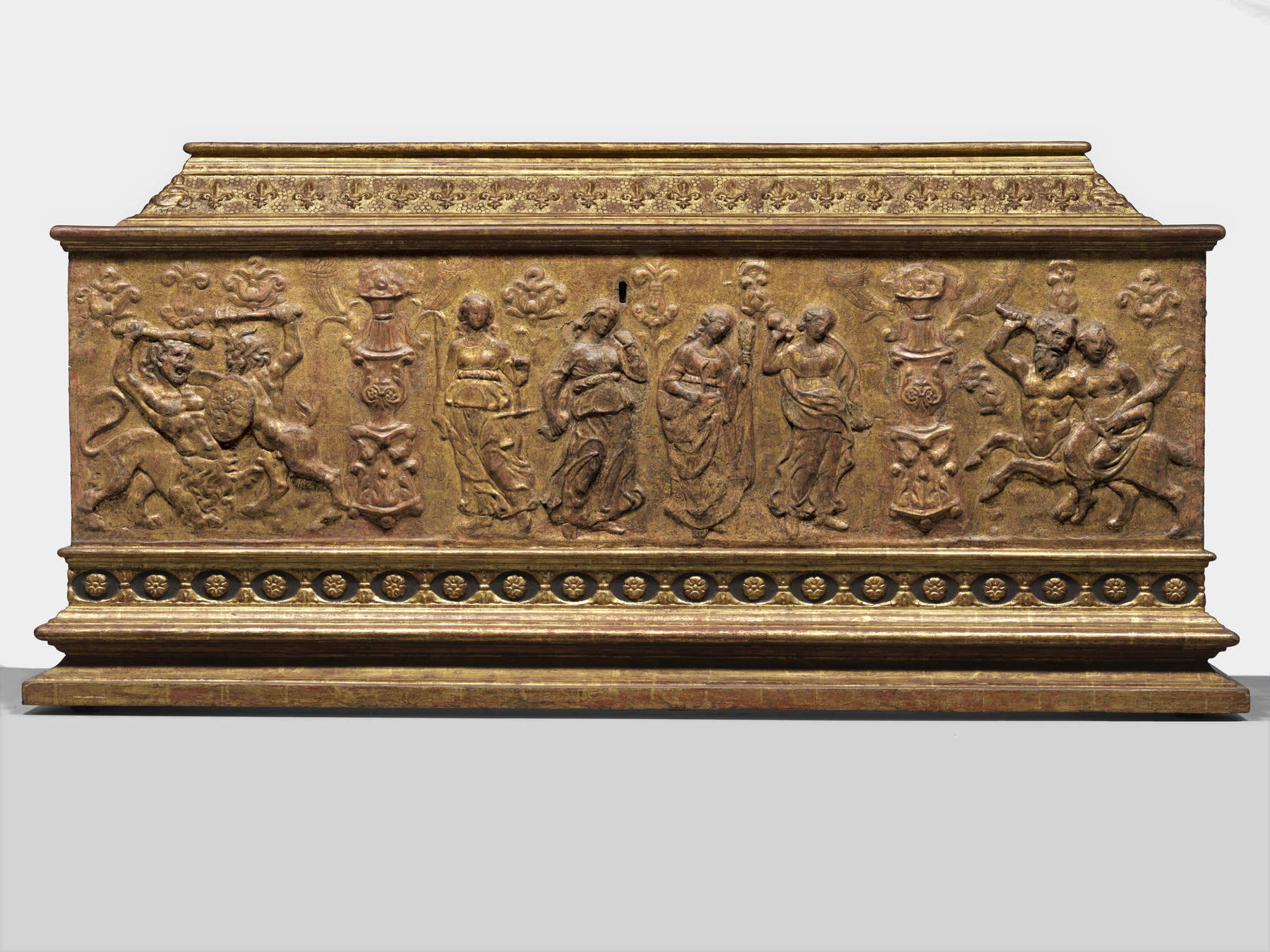
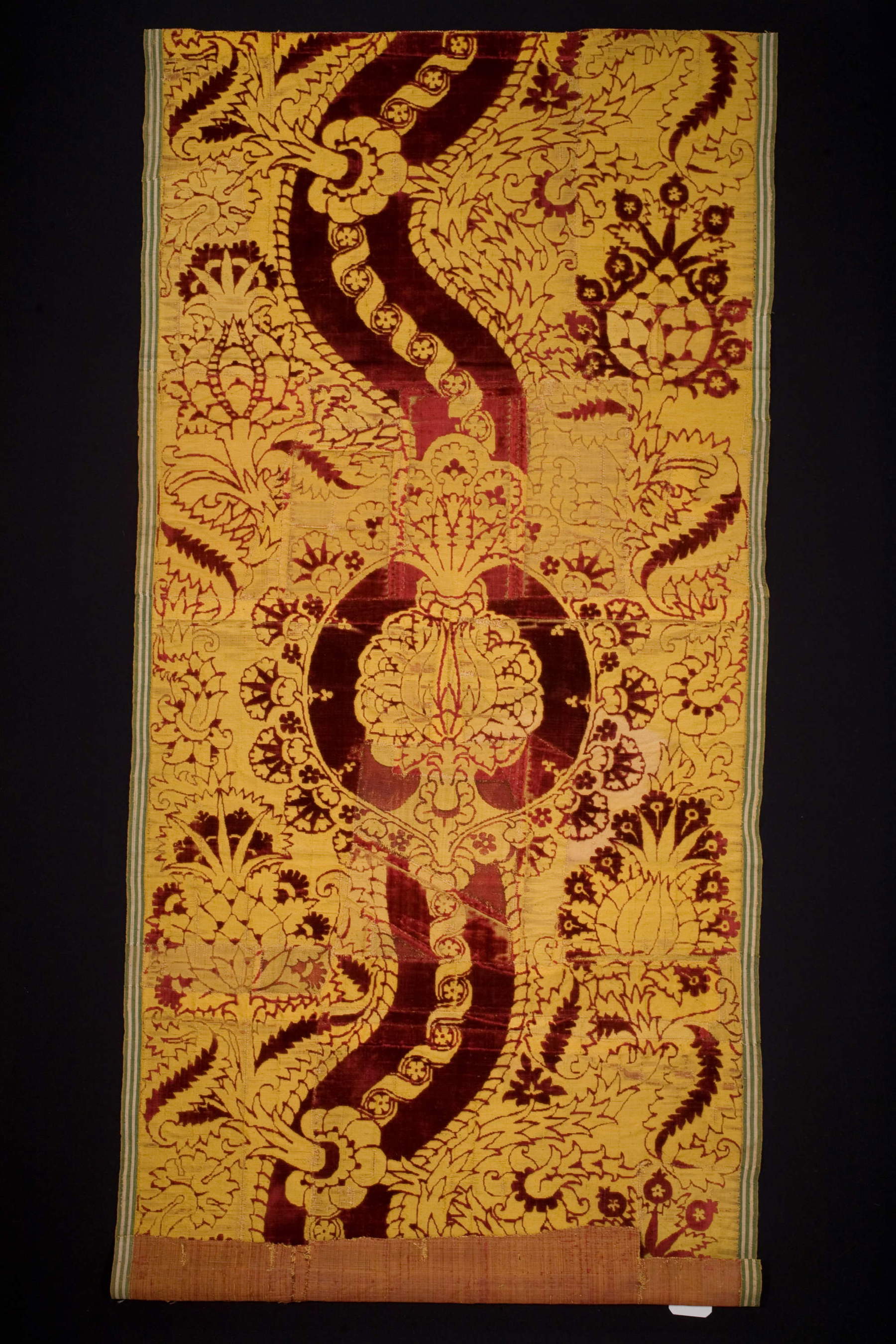
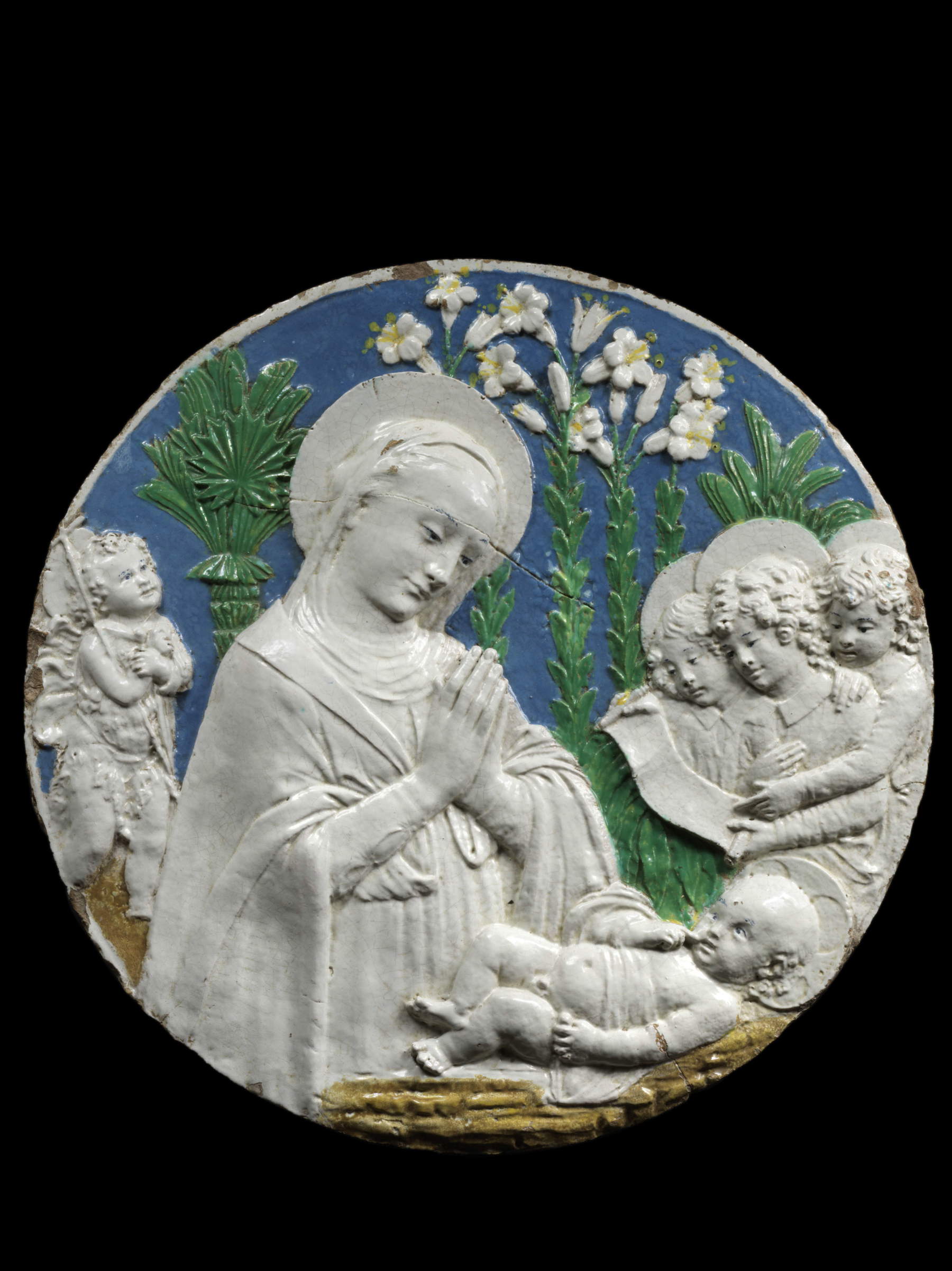
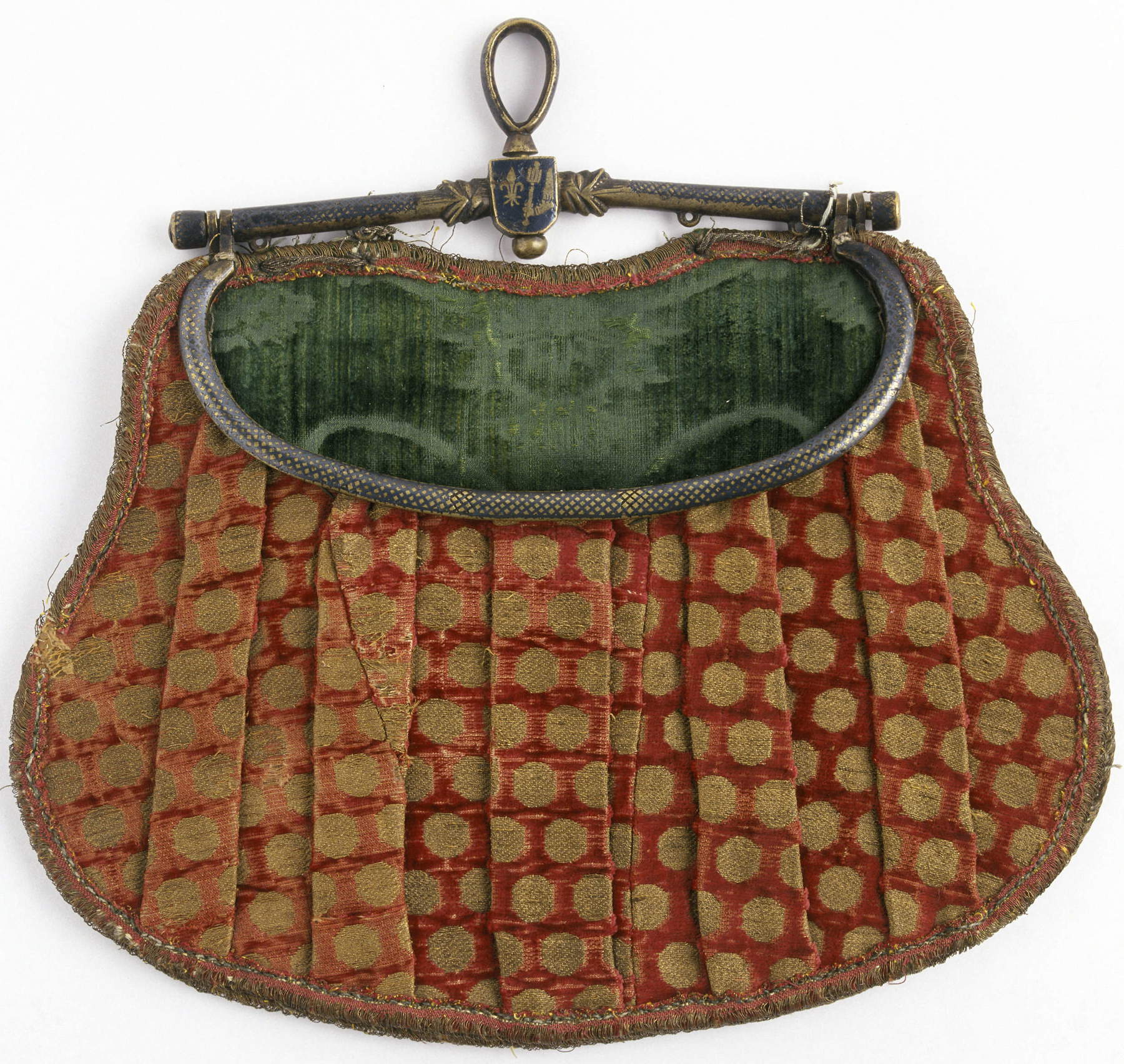
The essays in the book and in the guidebook emphasize how education for a girl, even a high-ranking one, did not include, indeed excluded, that she knew how to write; however, yes, at the limit, she could read, having learned it, however, not at school, which was forbidden to her, but at home, through the lessons of her mother if she was educated or, at most, of a tutor. And to give a visual, real-life testimony to the culture that was granted or denied to women, here on display is a fine bronze Florentine inkwell, but also the letter that Lucrezia Tornabuoni, the mother of Lorenzo de’ Medici, wrote on April 5, 1467 to her husband Piero saying she was pleased with her son’s betrothed, the Roman Clarice Orsini. Now, the fact that the missive (on loan from the Florence State Archives) is signed “Lucrezia tua” makes one think and hope that it was penned by the aristocrat herself and not, as with other evidence of writing “by” women, by a male scribe under dictation from the sender.
But let us come to the pivotal painting in the last section that precedes the environment with the video in which Edith Gabrielli explains the plan for the rearrangement and restoration of the rooms of Palazzo Venezia that, thanks to Michele De Lucchi’s project, will make (work is in progress) the national museum in Rome what the Victoria and Albert is in London, that is, the home of the magnificent applied arts. The girl of Cosimo Rosselli’s pupil, after whom she was named (Piero was Lorenzo Ubaldini’s son), is a saint because she has a halo and we know she is Magdalene thanks to the ointment jar resting on the sill of the ideal window on which she leaned to read. The young woman is the daughter, on the one hand, of the ladies who (because of the whiteness of their diaphanous skin painted, in the reality of the makeup at the dressing table as in the pictorial make-up of the paintings, according to Petrarchan criteria of mulieval beauty) stand out from the dark background of the Flemish (such as the Maria Bandini Baroncelli portrayed in Hans Memling’s Portinari Diptych now in the Metropolitan in New York but landed in Florence by 1500); on the other, of Hugo Van der Goes’s Magdalene in the Portinari Triptych in the Uffizi in Florence, where she arrived in 1483, departing from that Mirrofora figure in at least one detail: the hair is not all contained in the hairstyle that completely uncovers the forehead in the painting by the great Flemish, but falls over the shoulders and chest in the sensual manner of Titian’s young, procubescent Magdalene and the hermit-like manner of Donatello’s old, wrinkled, wonderful saint. The detail of the hair is important because it shows us the two souls of Magdalene, even of this chaste one by Piero di Cosimo: namely, the seductive one and the penitential one; the redeemed former sinner and the saint who, according to legend, ended her days in a cave in France clothed only in her long hair. Rather, the pearls that hold her hairstyle in the painting should be interpreted as a symbol of purity and not as an allegory of vanitas, since they are not scattered on the ground as in Caravaggio’s Magdalene of a hundred years later, but rather firmly anchored to the locks, under which the lobe of her right ear barely peeks out, a delightful detail.
On the color of the hair there are various chromatic gradations, depending on the opinion of scholars. If Edmondo Lupieri in the catalogue-book speaks of “red of the long hair” which, as in the sinful Magdalene of Luke’s Gospel, stands to connote “her lustful past but also the fervor of her visceral love for Jesus”, for Ottavia Niccoli we are in front of a “blond tending to tawny,” with Maria Giuseppina Muzzarelli recalling how “the color light brown or coppery blond (not red)” was “the favorite according to the aesthetic canons of the time.” So for the clothing (white camiciola, sky-blue gamurra, green surcoat under a fiery red cloak lined with blue), which for Edith Gabrielli “evoke those in use in Florence at the end of the fifteenth century, but without faithfully reproducing them,” with Ottavia Niccoli specifying: “It is a matter of clothing that only partly evokes contemporary women’s clothing, and that apparently tends rather to shift the image into a vague ’out of time’”; while for Maria Giuseppina Muzzarelli Piero’s “is not a Magdalene represented in timeless clothing but rather according to a style that is not immoderate but neither is it without concessions.”
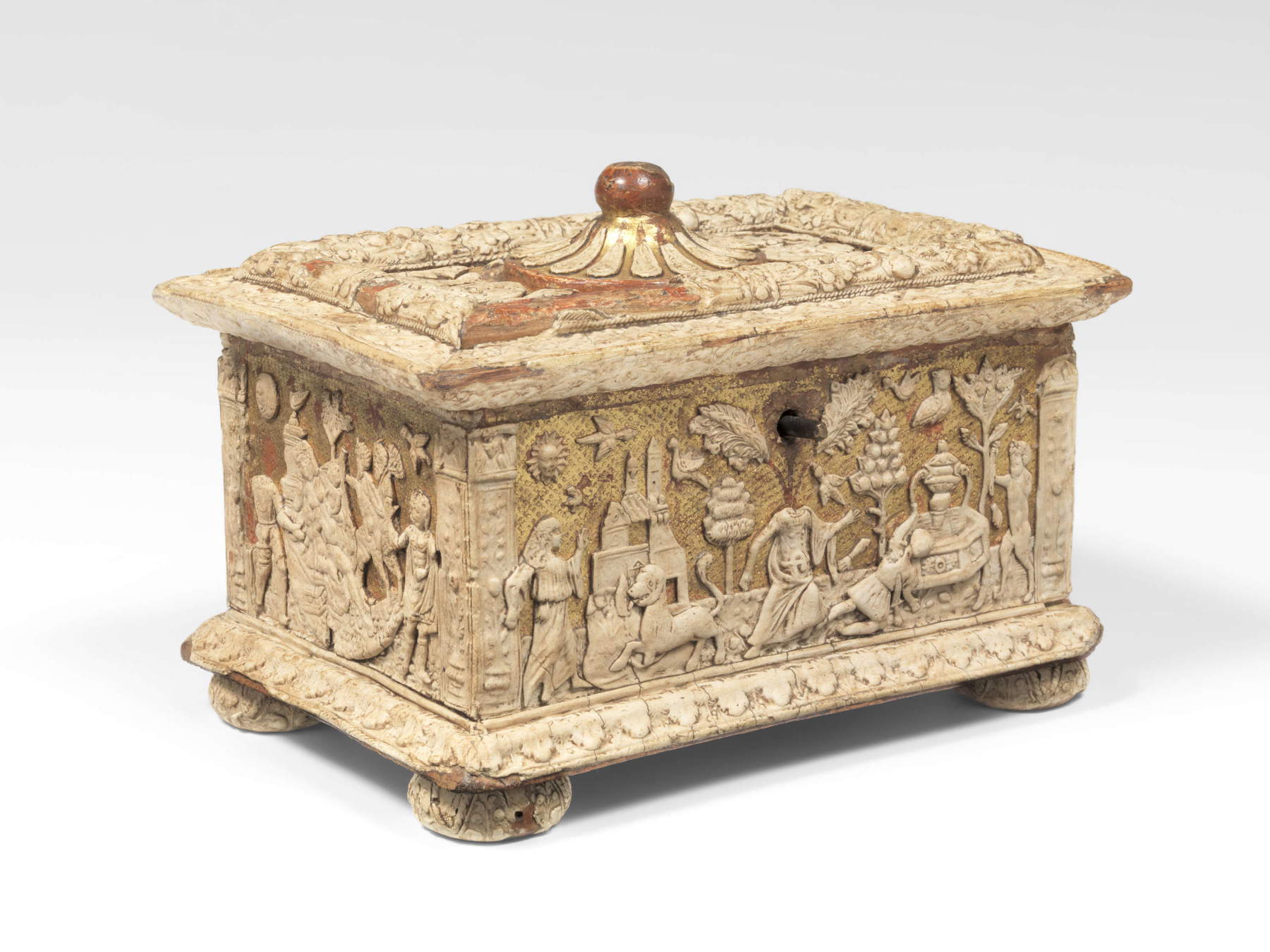
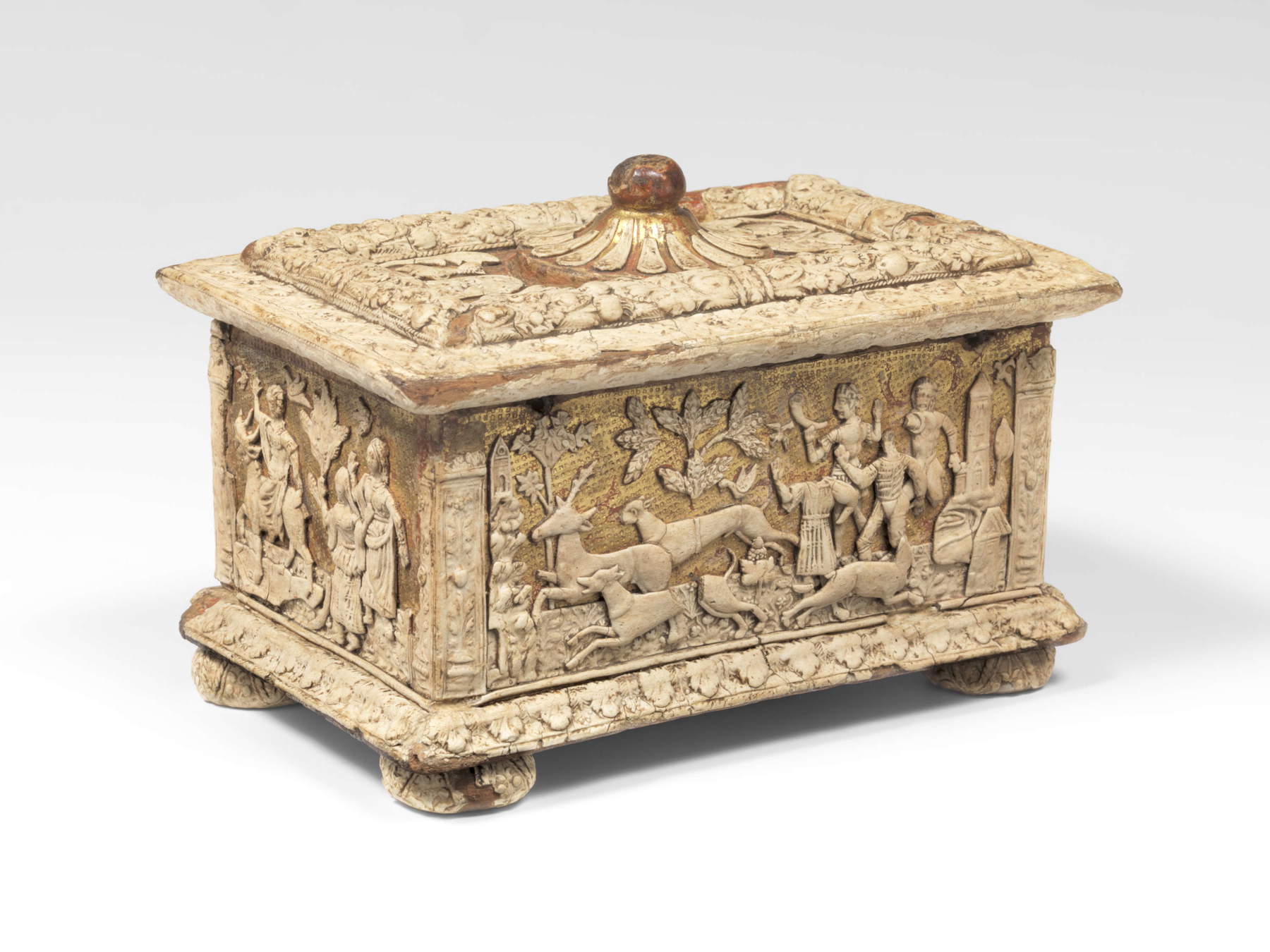
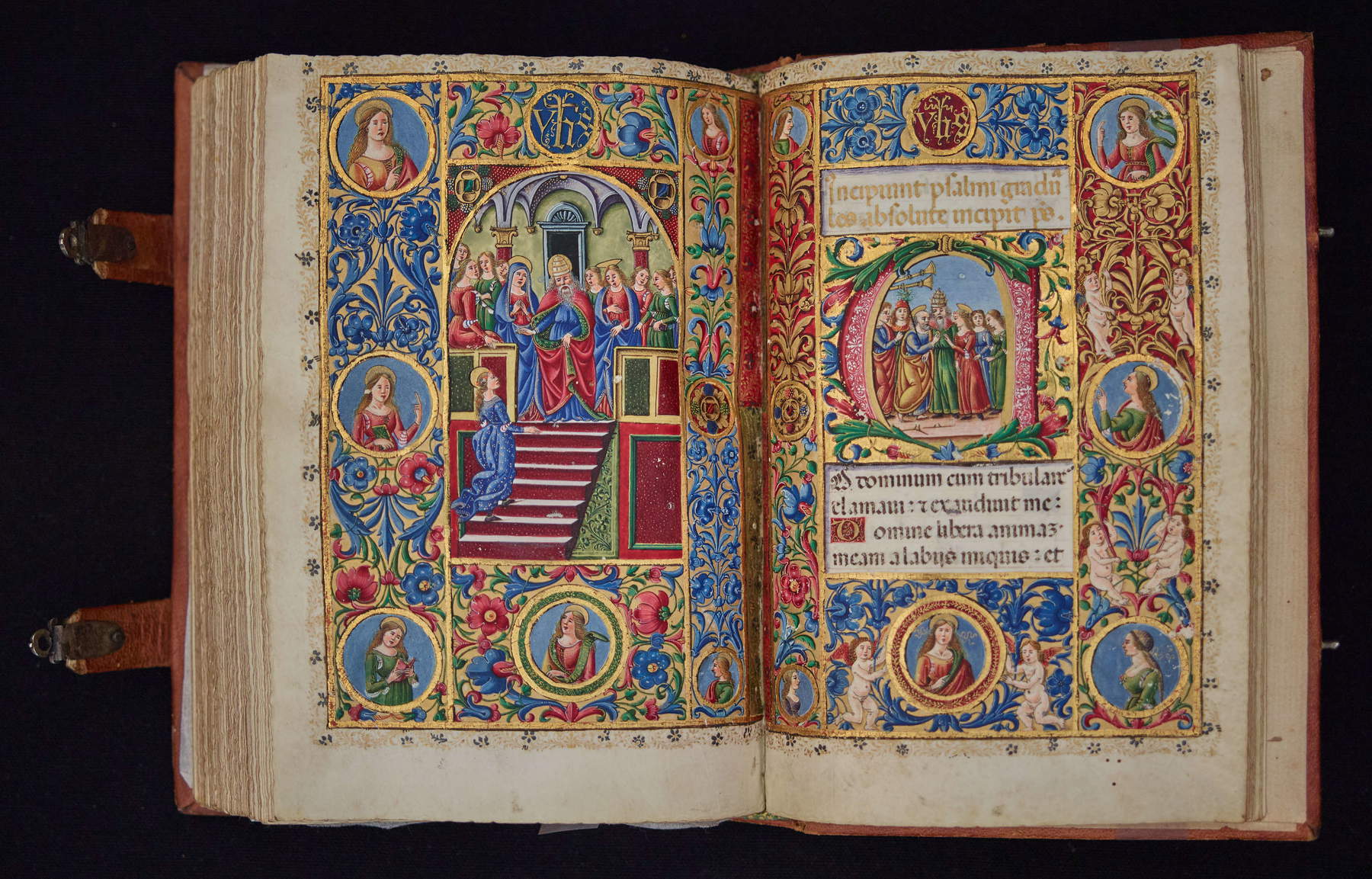
Make-up and mises of the Magdalene of Palazzo Barberini are ultimately the same as those of the coeval Magdalene (1493-1496) kneeling, she alone, at the base of Christ on the Cross in Pietro Perugino’s fresco in the former convent of Santa Maria Maddalena de’ Pazzi in Florence. But if in the Umbrian painter’s public masterpiece the saint holds her hands together in prayer and contemplation of the Savior, in the dimension of private devotion which is that of Piero di Cosimo’s panel, the saint allows herself to read “a quarto book, of a certain consistency, printed in two colors, with ample use of red, according to a practice of breviaries, liturgical books and Bibles,” writes Gabriella Zarri, who notes however: “It is not, however, a Bible, both because of the insufficient number of pages and because young women were generally precluded from reading the entire Old Testament. More plausible,” the scholar concludes, “that it is a book of the Gospels.” The Magdalene depicted by Piero di Cosimo could ultimately be a portrait of a young Florentine woman who perhaps had the name of the saint and who wanted to emphasize the culture she had laboriously learned and the Christian faith she had donated by having herself depicted with a sacred text in her hand (and there are several in the exhibition, including illuminated ones, such as the Florentine Book of Hours from 1480-90 lent by the Trivulziana Library in Milan). The book was, is, the iconographic prerogative of the Virgin. And so Mary Magdalene’s absorbed, brooding gaze, veiled with melancholy, is precisely that of one who reads and mourns on those red-stained pages the death of her beloved on the cross.
Finally, the mysterious note, resting on the windowsill (the ear of the fold casts a shadow to the right, as does the unguentarium at the far end of the painting) and penned from three lines of a script that, paleographers assure, is simulated, that is, it means nothing. The detail does mean, however, as Serena Galasso notes, that that piece of paper, so similar to the cartouches used by painters to affix their signatures, evokes “a missive, such as those that various women exchanged with relatives and members of their social circle”, yet, the historian adds, “the format is also reminiscent of a ’scripta,’ that is, a record on loose paper used to ratify private agreements, mostly of an economic nature.” In both cases, scripta manent: that paper message entrusted to the painting ratifies the desire for freedom on the part of a Renaissance woman to whom reading was restricted and writing even forbidden.
Warning: the translation into English of the original Italian article was created using automatic tools. We undertake to review all articles, but we do not guarantee the total absence of inaccuracies in the translation due to the program. You can find the original by clicking on the ITA button. If you find any mistake,please contact us.