



by Redazione 08/11/2026


Categories: Archaeology / Disclaimer
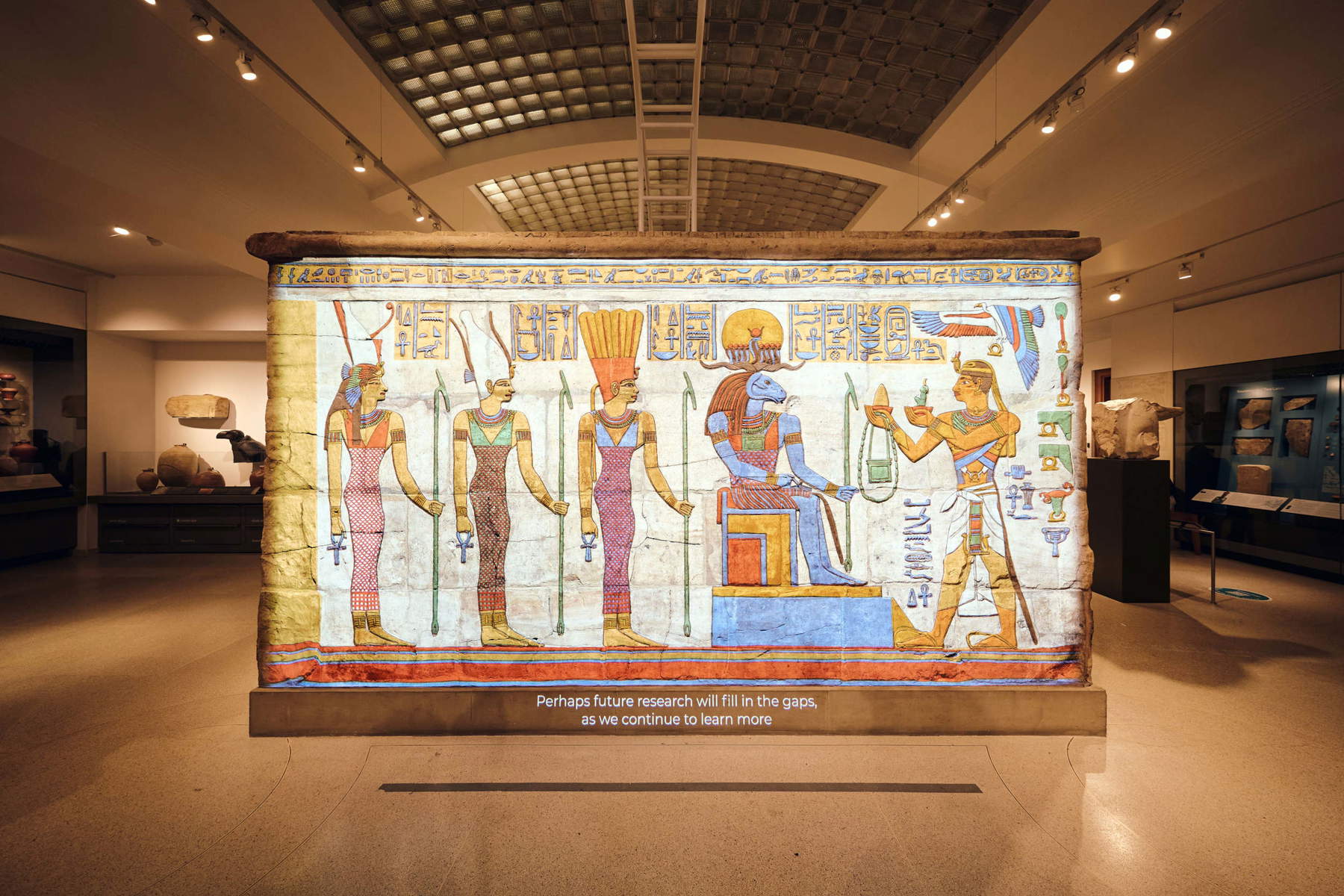
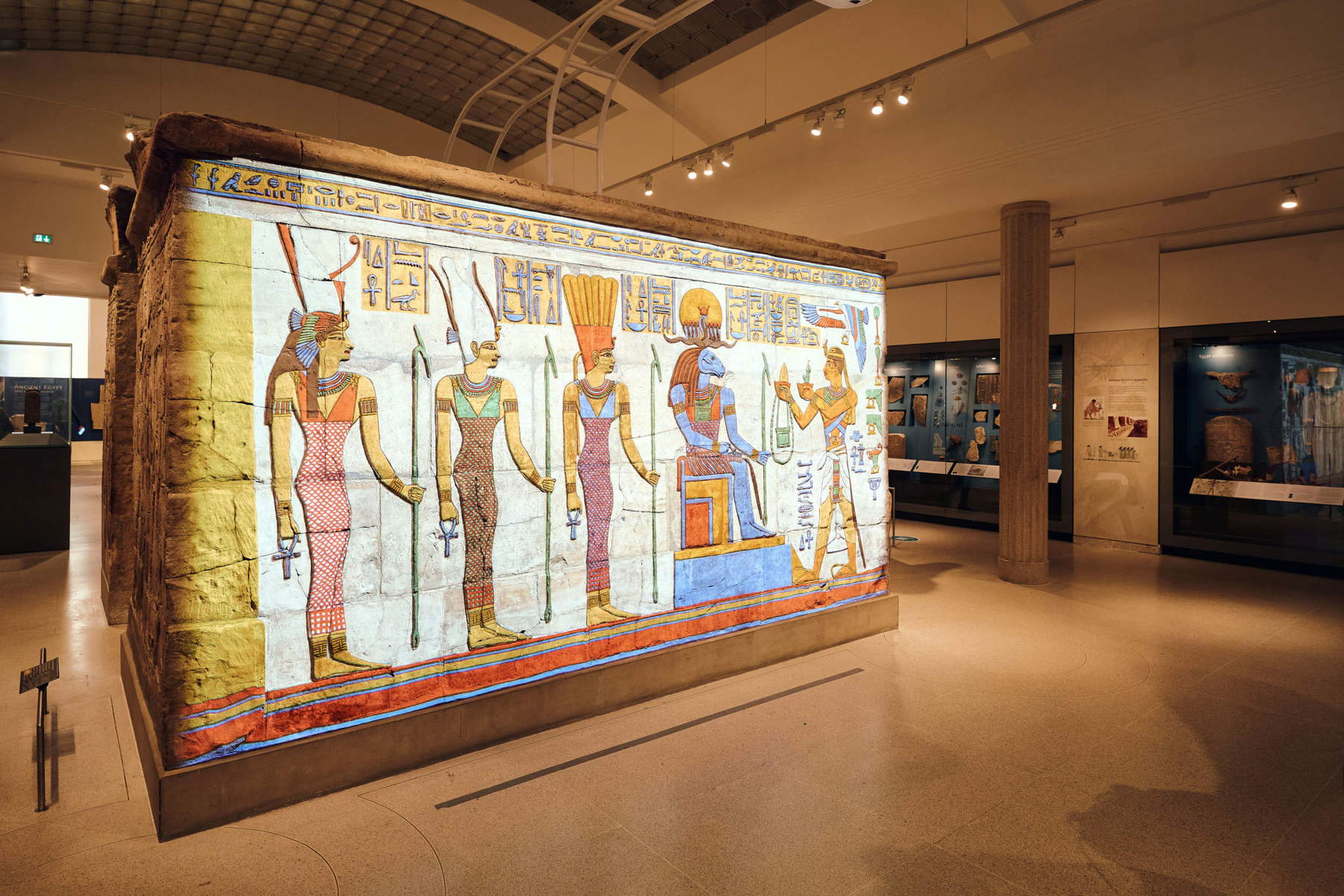
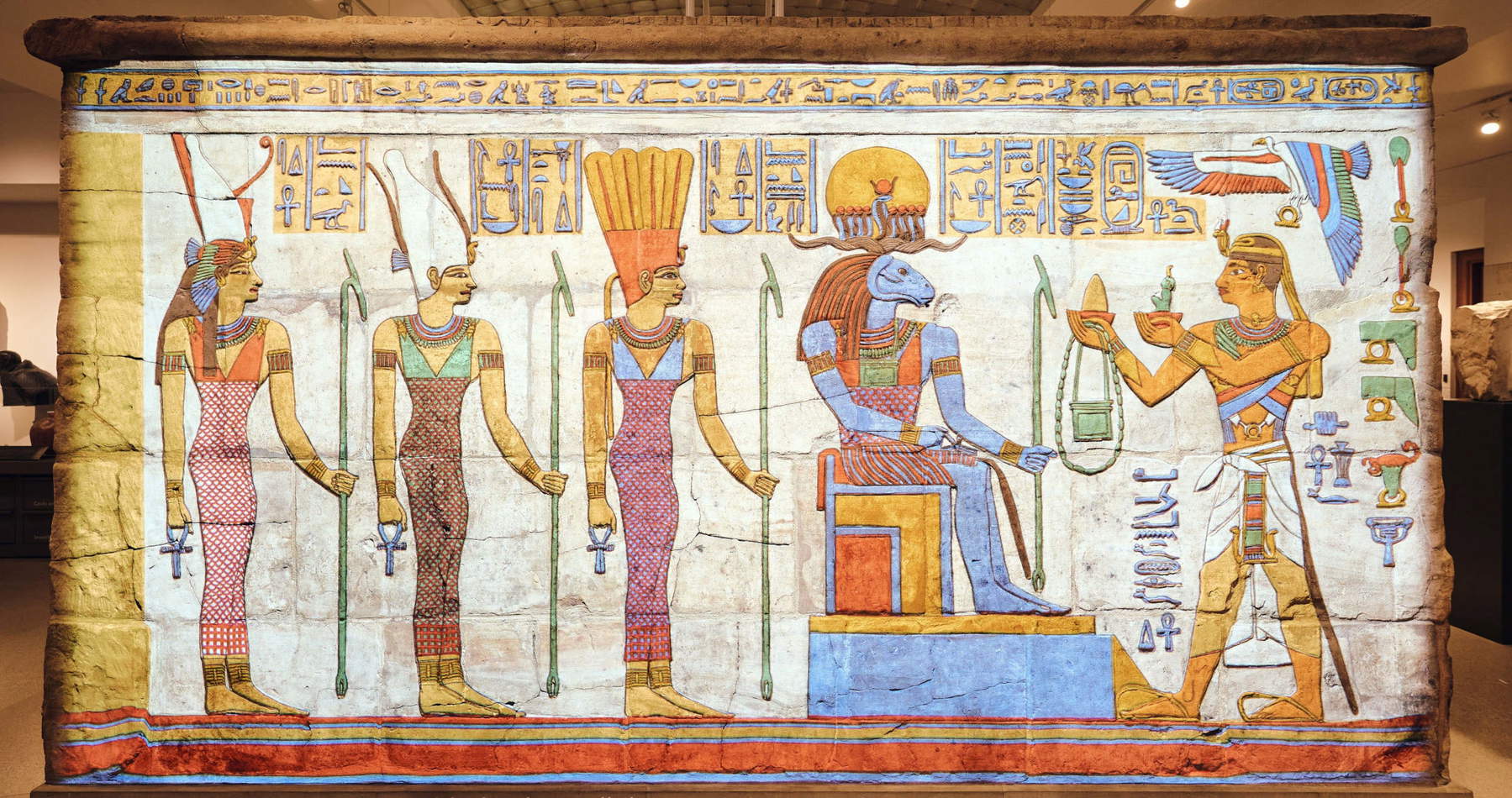
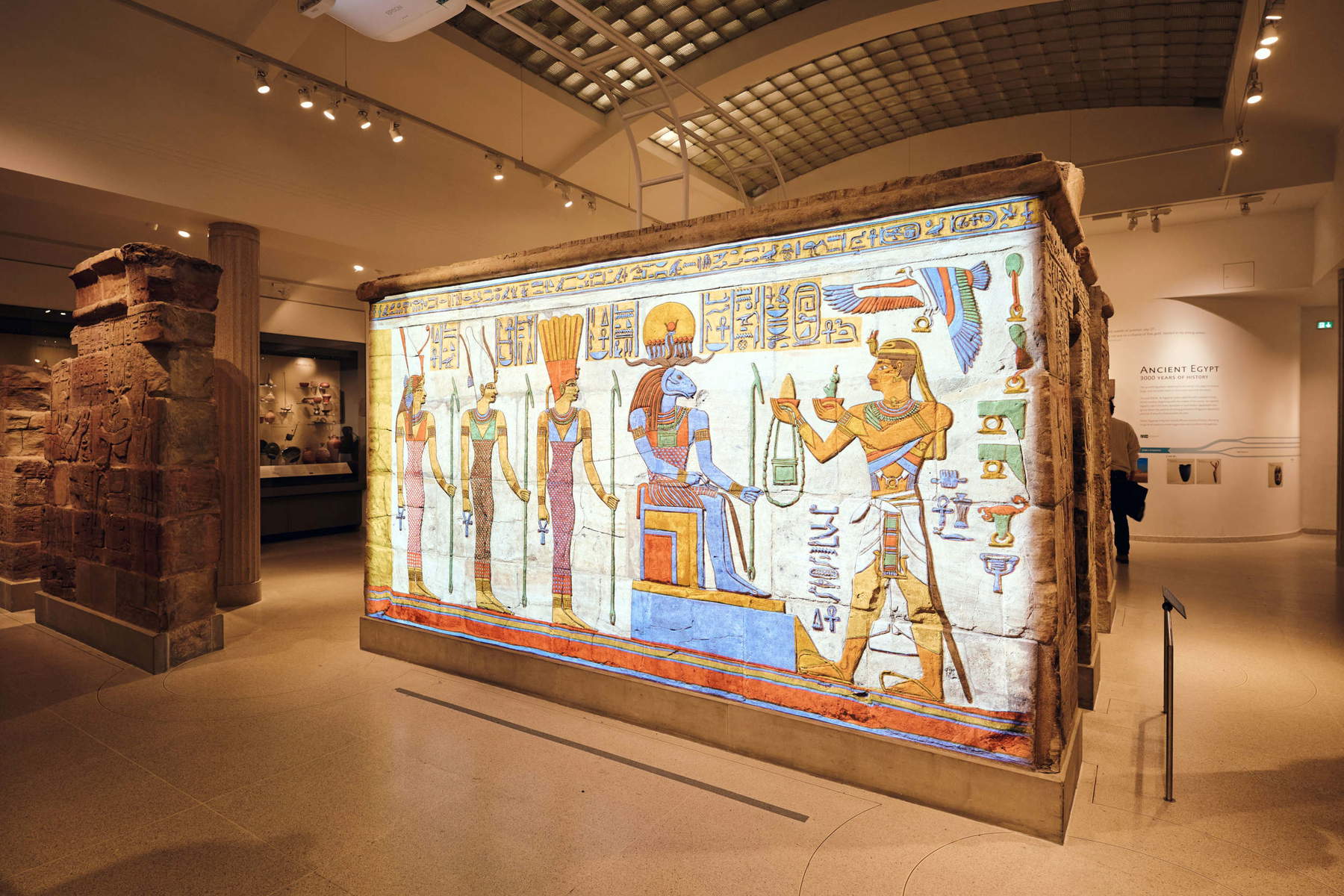
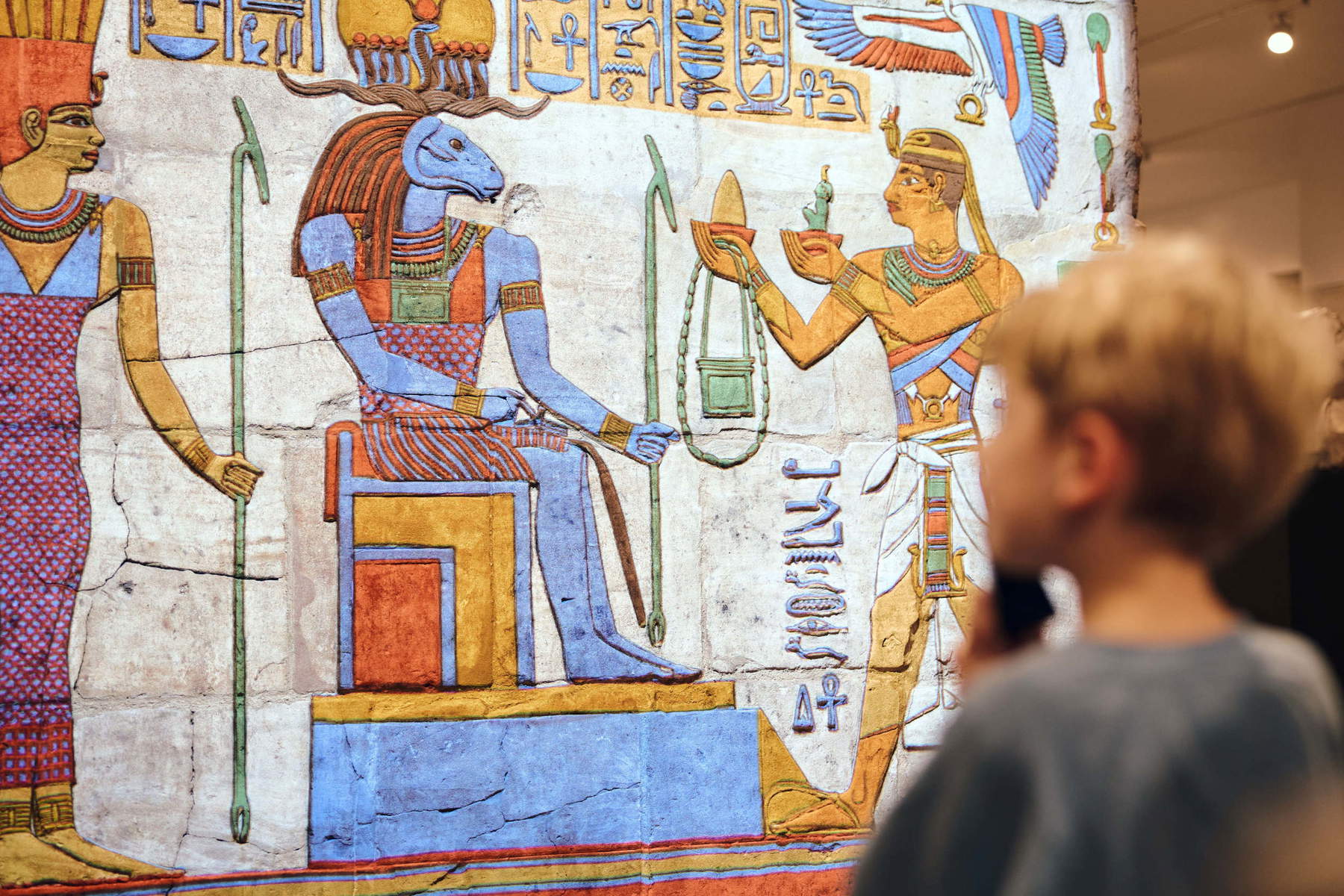
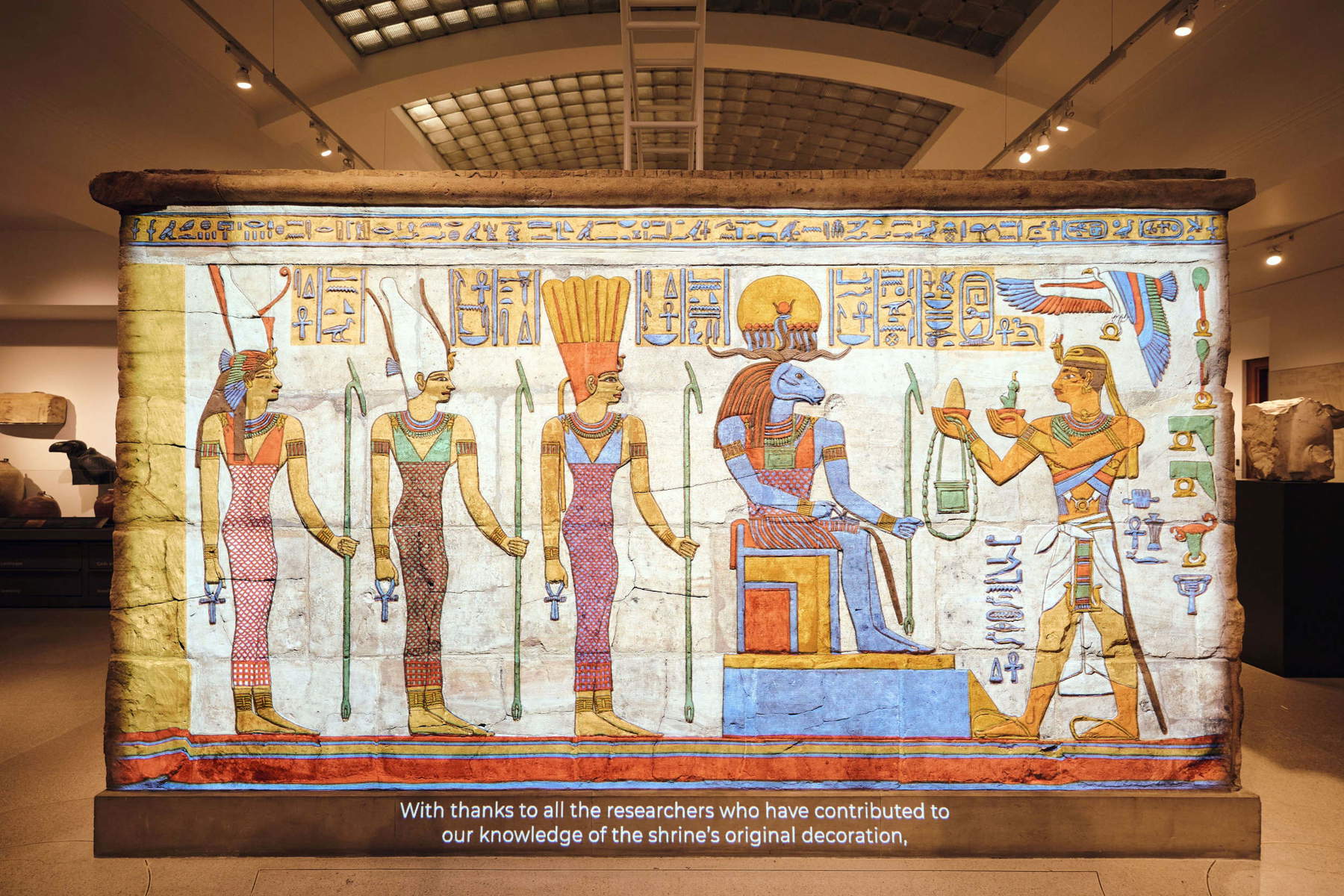
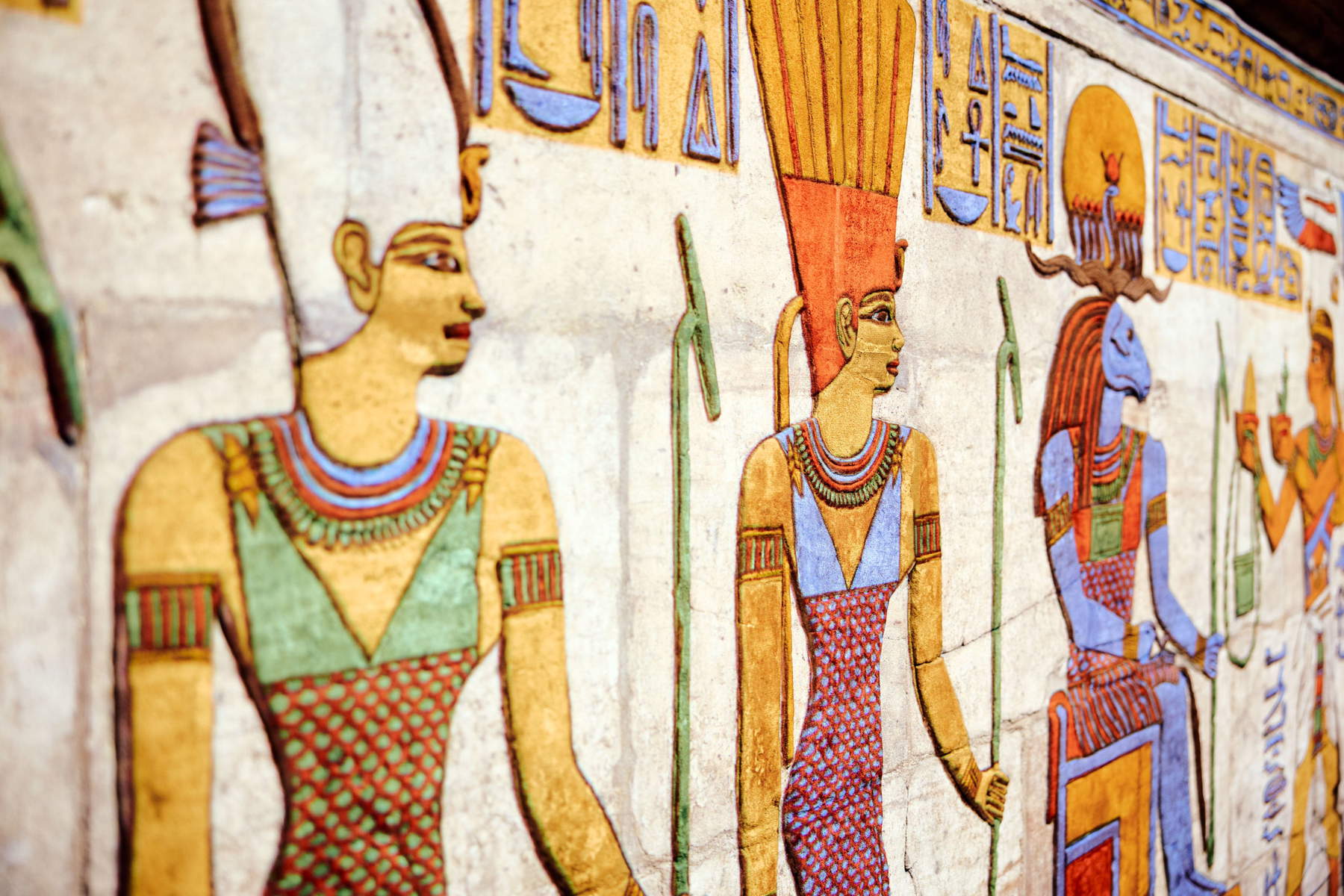
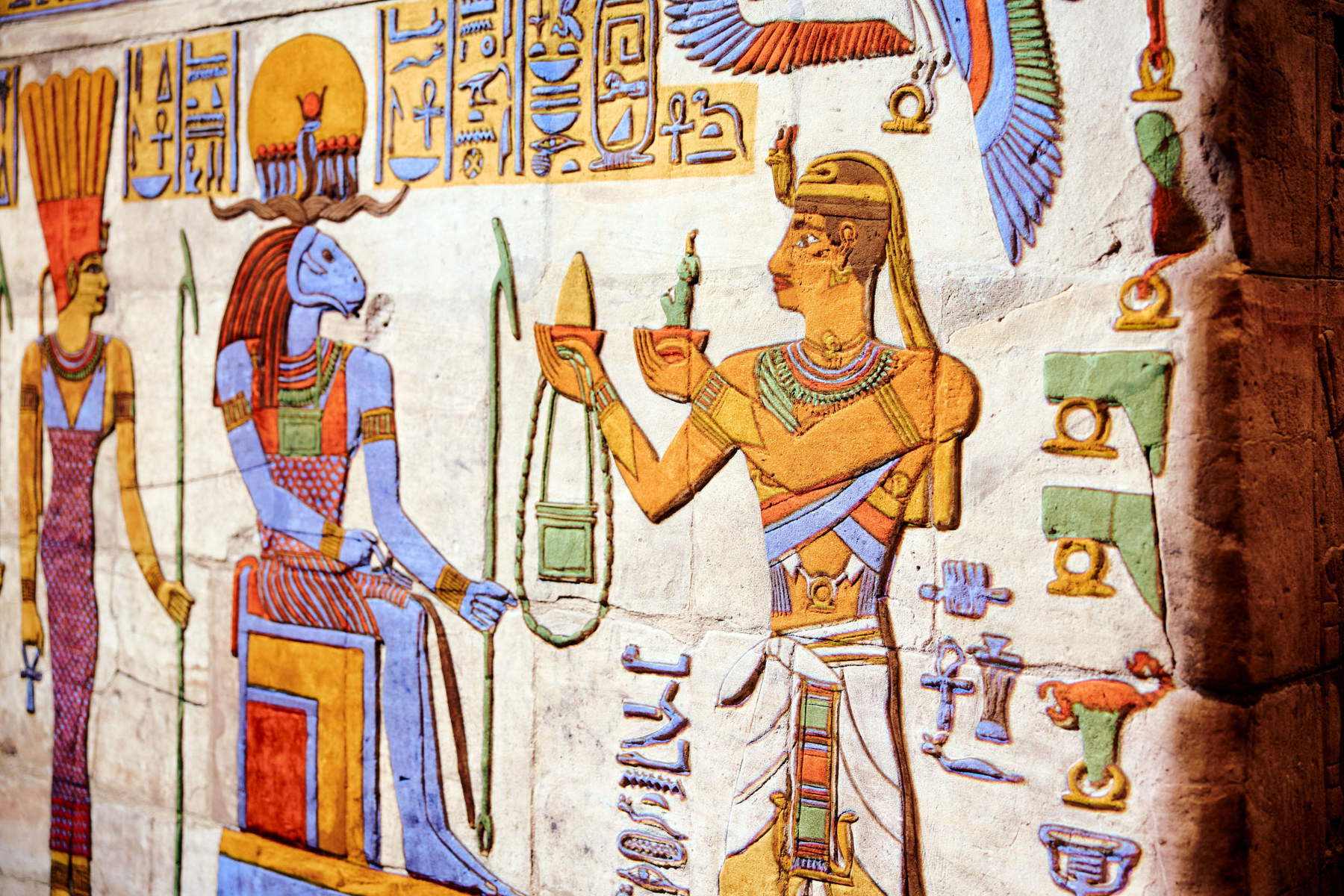
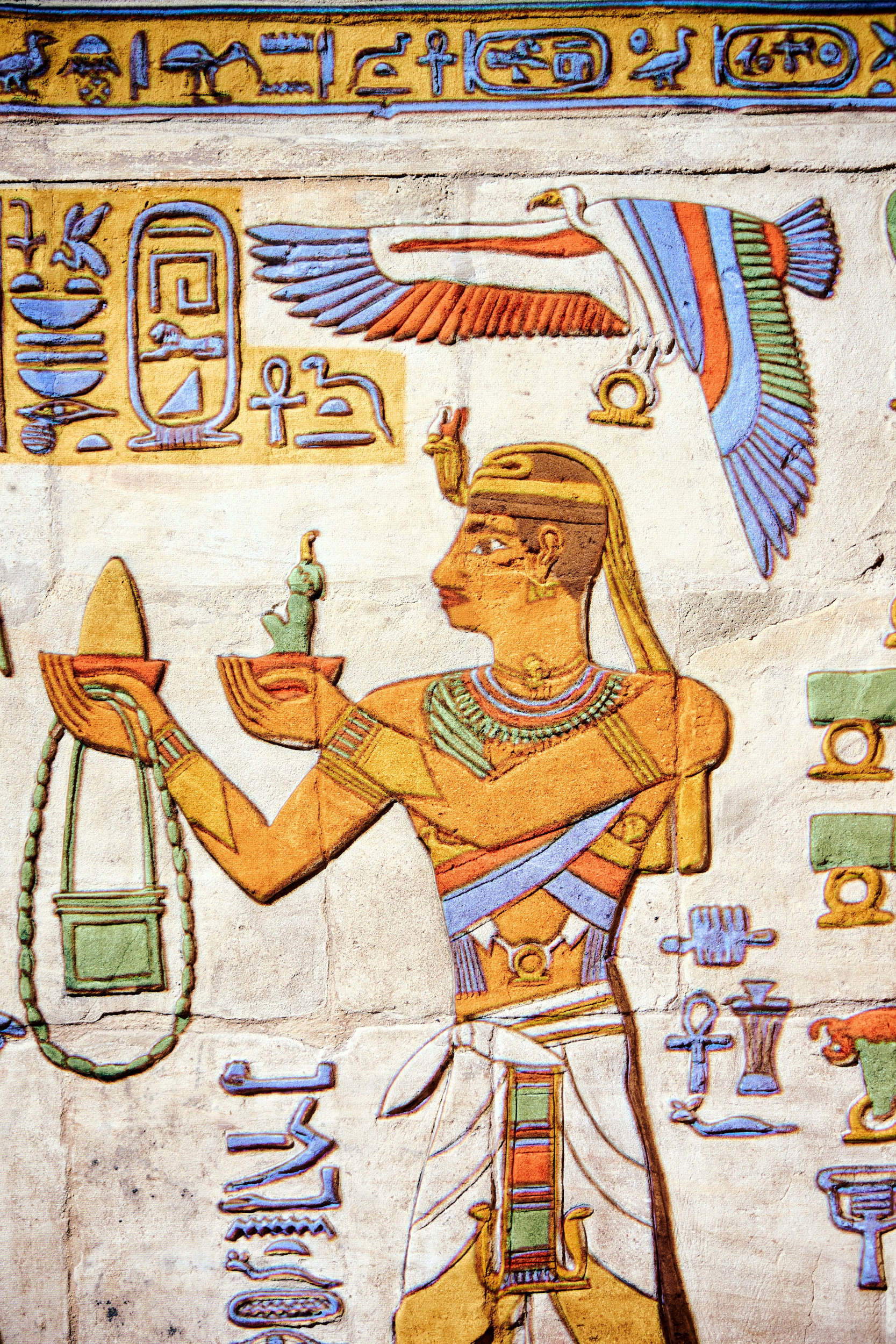
Beneath the seemingly bare surface of Britain’s only free-standing Pharaonic building—the Taharqa Shrine, housed at the Ashmolean Museum in Oxford—lay blues, reds, and yellows. Scientific analyses and digital projections have restored these colors to the walls of the small Egyptian temple, and visitors today can see the sanctuary as it was 2,700 years ago.

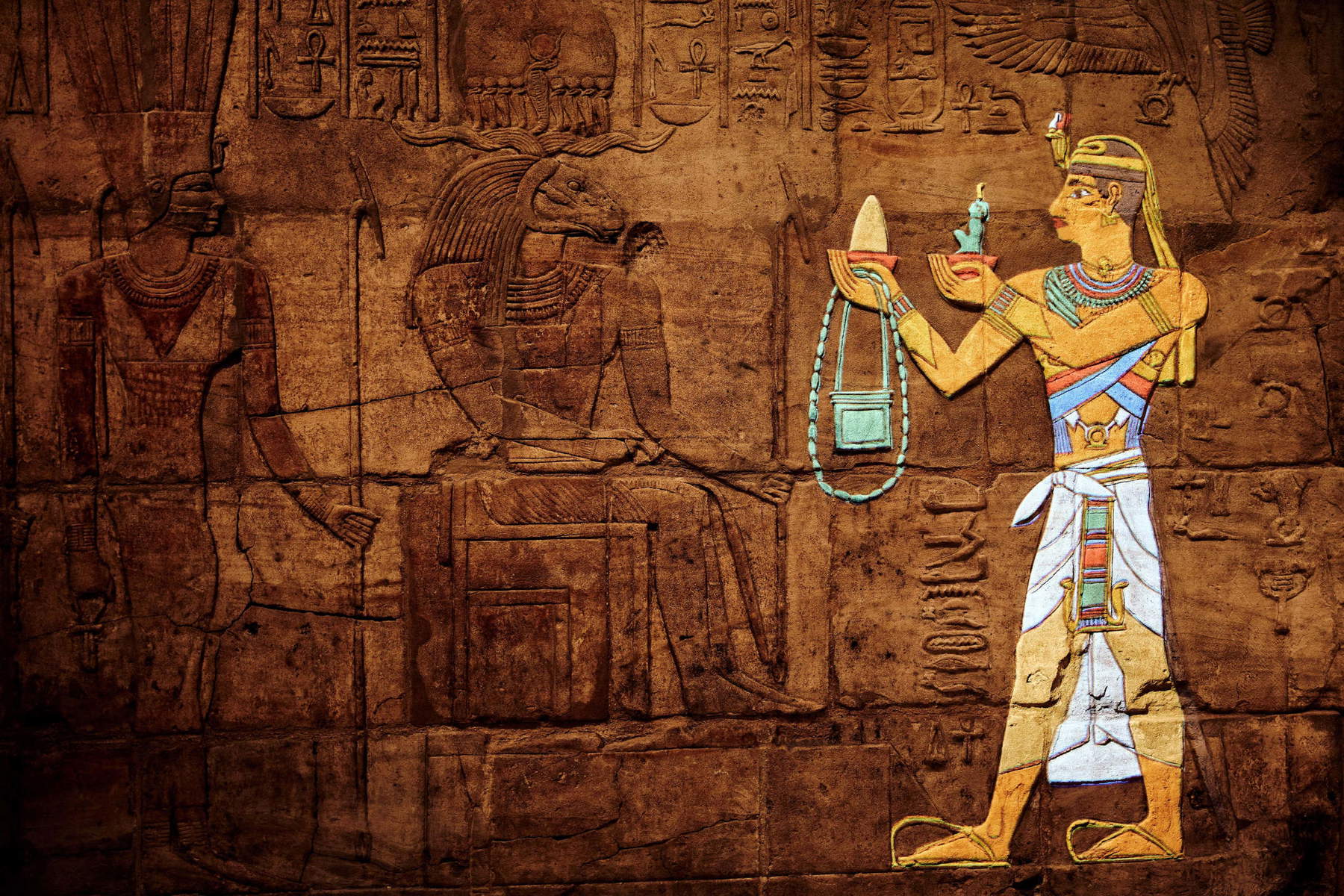
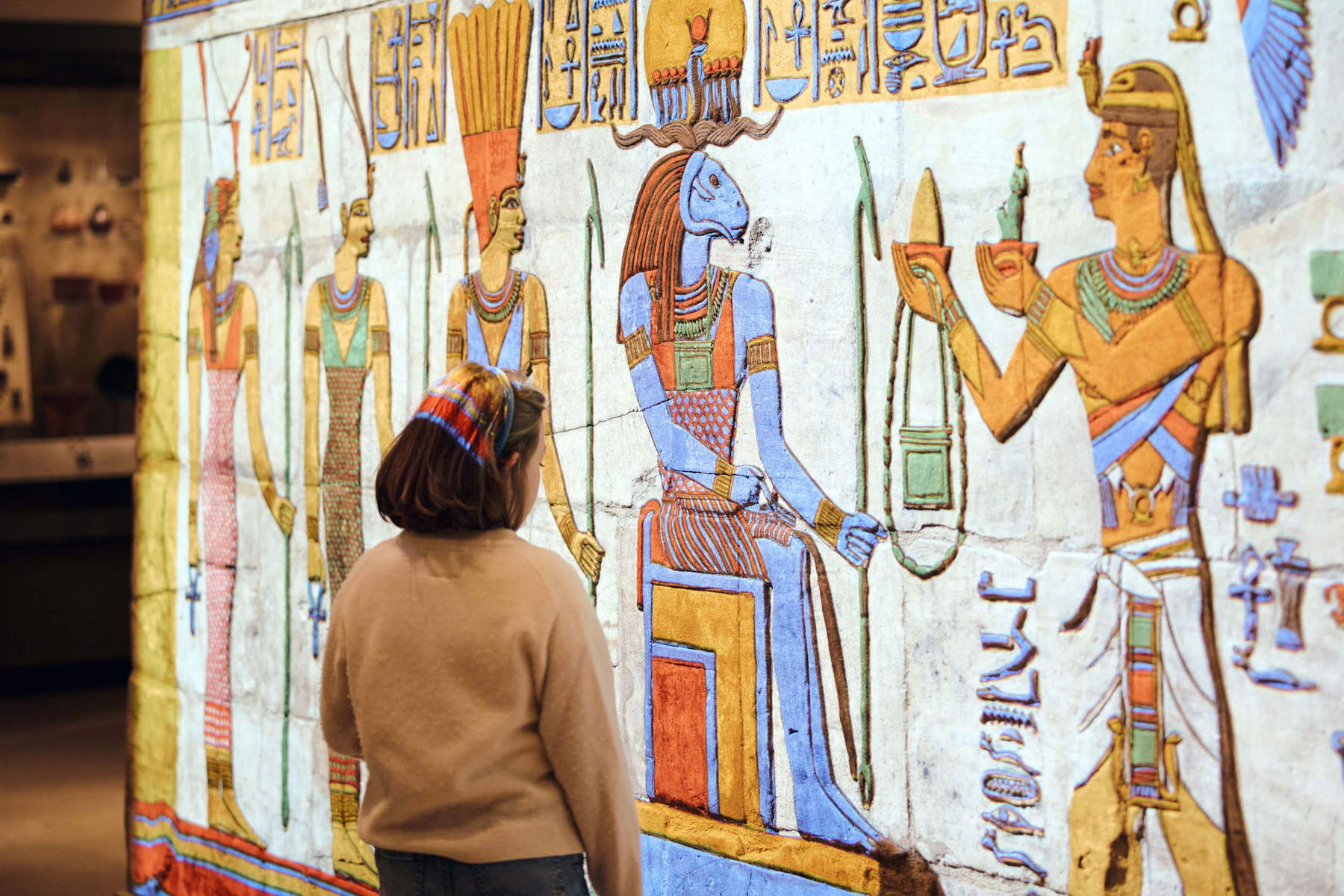
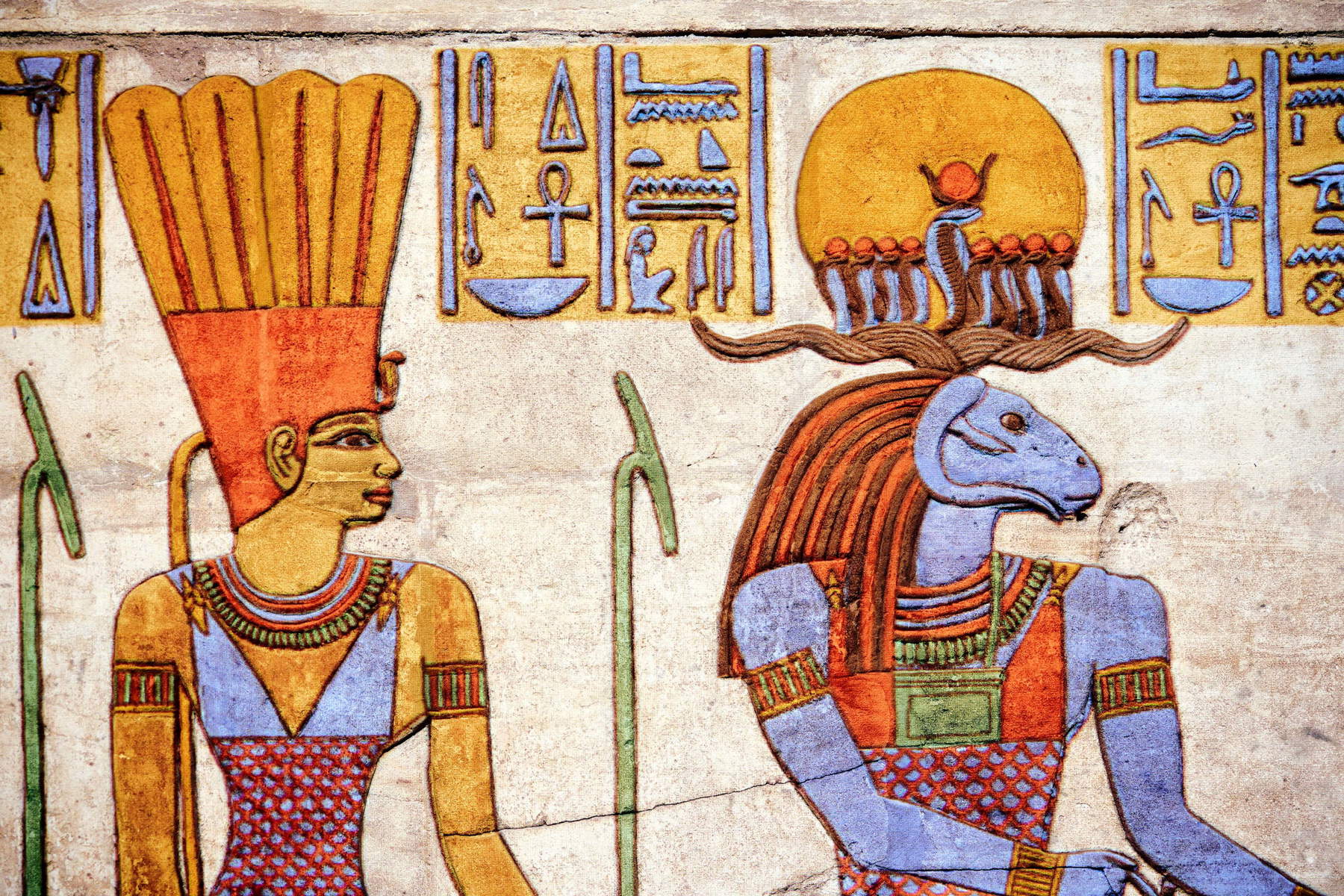
Today, visitors see mainly sandstone: light-colored, intricately carved walls on which a king makes offerings to the gods. It is the image we are accustomed to when we think of ancient monuments—made of bare stone and reliefs that can be appreciated only in the glancing light. But 2,700 years ago, the sanctuary of Pharaoh Taharqa—a small Egyptian temple now housed atthe Ashmolean Museum in Oxford—was not like this. Its walls were covered with elaborate painted decoration, featuring brilliant blues, reds, yellows, and other colors. Among these was a special pigment— Egyptian blue—which, as it turns out, was not used everywhere but only for divine figures and specific images.


These colors are about to become visible again, though not through the use of a paintbrush: starting November 13, 2026, a light projection will bring them back to the carved surface of the sanctuary, and before the eyes of visitors to the Ashmolean Museum in Oxford, the ancient decoration will emerge from the stone, so that the monument will be revealed for the first time as it must have appeared in its original form.


A Nubian Temple in England
The sanctuary is a unique artifact simply because of its location. It is the only free-standing Pharaonic building—that is, a complete structure rather than a fragment or detached relief—in Great Britain, and it is the centerpiece of the Ashmolean’s galleries dedicated to Ancient Egypt and Sudan. But its history begins far south of the Nile Delta.


It was built between 690 and 654 B.C. by Taharqa, a ruler who reigned jointly over Egypt and Kush, a region corresponding to present-day Sudan. The sanctuary stood within the great temple of the god Amun-Ra at Kawa, in northern Sudan. Its walls, carved with great finesse, depict the king presenting offerings to the gods: a figurative program that expresses both Taharqa’s royal authority and his devotion to the divine.
After centuries buried underground, the monument was unearthed during excavations in the 1930s and arrived at the Ashmolean in 1936. The new installation celebrates the 90th anniversary of its arrival at the museum.
What Remains of the Color and How It Is Revealed
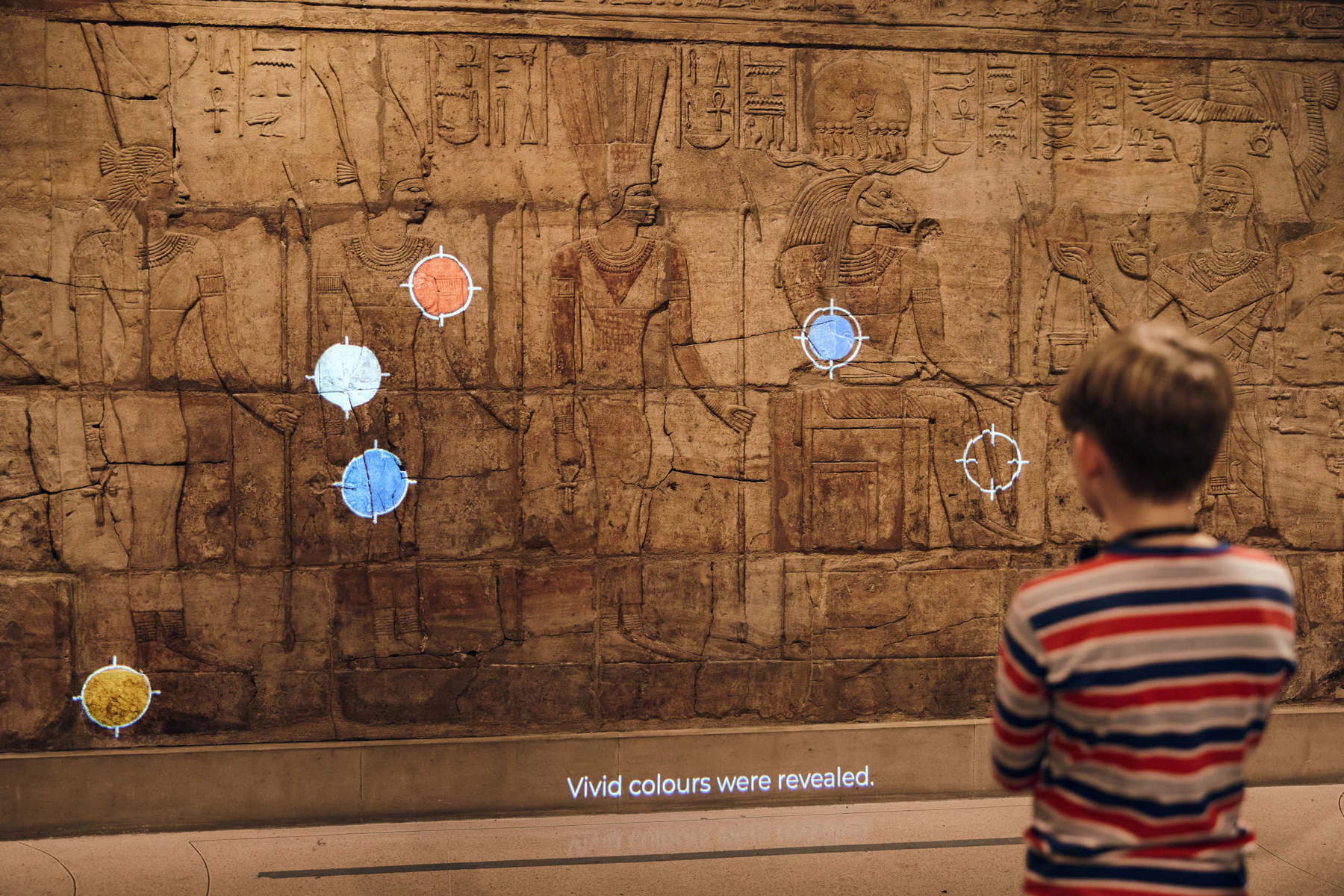
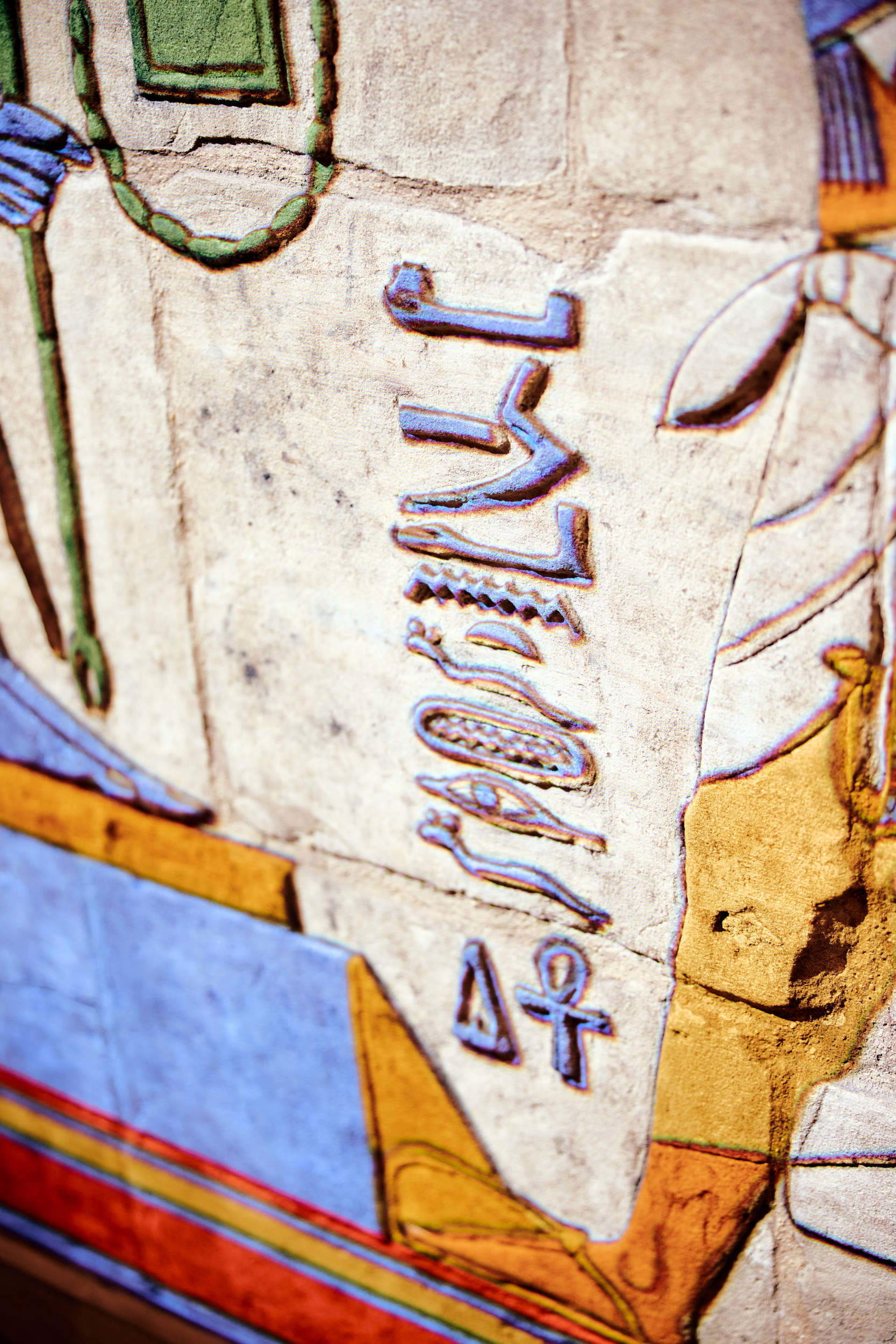
Just because the walls appear largely devoid of color today does not mean they were that way originally. Traces of pigments have survived on the stone, and scientific investigations of the monument have made them visible. Researchers used microscopic analysis of the surviving pigments and specialized photographic techniques, and used this data as a starting point to reconstruct the appearance of the shrine as it was over 2,700 years ago. According to the museum, this work has also provided new insights into the religious beliefs and artistic choices of those who built it.
The most significant discovery concerns Egyptian blue, one of the most famous pigments of antiquity, identified on the sanctuary thanks to infrared photography. What is interesting is not only its presence but the way it was used: it appears, in fact, that it was reserved for certain divine figures and specific images. In short, the color was not merely an ornament superimposed on the sculpture. It contributed to the meaning of the scenes and helped distinguish the gods and sacred elements within the decoration.
This is where the projection proves its value: physically restoring color to an ancient monument would be neither possible nor appropriate, whereas light allows the reconstruction to be superimposed onto the stone without touching it. The projected decoration follows the carved reliefs, and the installation thus combines archaeological and scientific research with digital technology to offer a new way of viewing the sanctuary.
The Stories Told by the Walls
Rounding out the exhibition are two specially produced films. The first traces the monument’s history: its construction in ancient Sudan, the centuries it spent buried, its excavation in the 1930s, and finally the scientific investigations that made the color reconstruction possible. The second focuses on the carved scenes, introduces Taharqa and the deities depicted on the walls, and explains the meaning of their elaborate garments, symbols, and offerings.
It is an invaluable aid in deciphering an iconography that may seem difficult to the untrained eye. And compared to the stone alone, the color should make the distinctions between figures, garments, and attributes—which ancient observers grasped immediately—more clear.
A problem affecting all ancient sculpture
The case of the Taharqa Shrine is part of a broader issue, which Ashmolean Director Xa Sturgis explicitly addresses: “Many of the stone monuments and statues from the ancient world preserved in our museums were once vibrantly colored. We are immensely grateful to Lord and Lady Lupton for their generous support in helping us showcase the Taharqa Shrine in a completely new light.”
For Liam McNamara, curator of antiquities, Ancient Egypt, and Sudan at the Ashmolean, the monument holds particular value for the study of a region even less known to the general public than Egypt: “This exceptional monument offers a fascinating glimpse into the art and archaeology of ancient Sudan. The new projection—and the scientific research behind it—will allow visitors to appreciate and understand the sanctuary’s original painted decoration as never before.”
The project was made possible by the support of Lord and Lady Lupton. Lord Lupton, chair of the Ashmolean’s Board of Visitors, describes its origins as follows: “A trip to Egypt in 2022 sparked my interest in the vibrant colors used millennia ago, preserved by the arid climate and still visible today. I hope this use of technology at the Ashmolean will inspire our visitors in the same way, especially our younger visitors.”
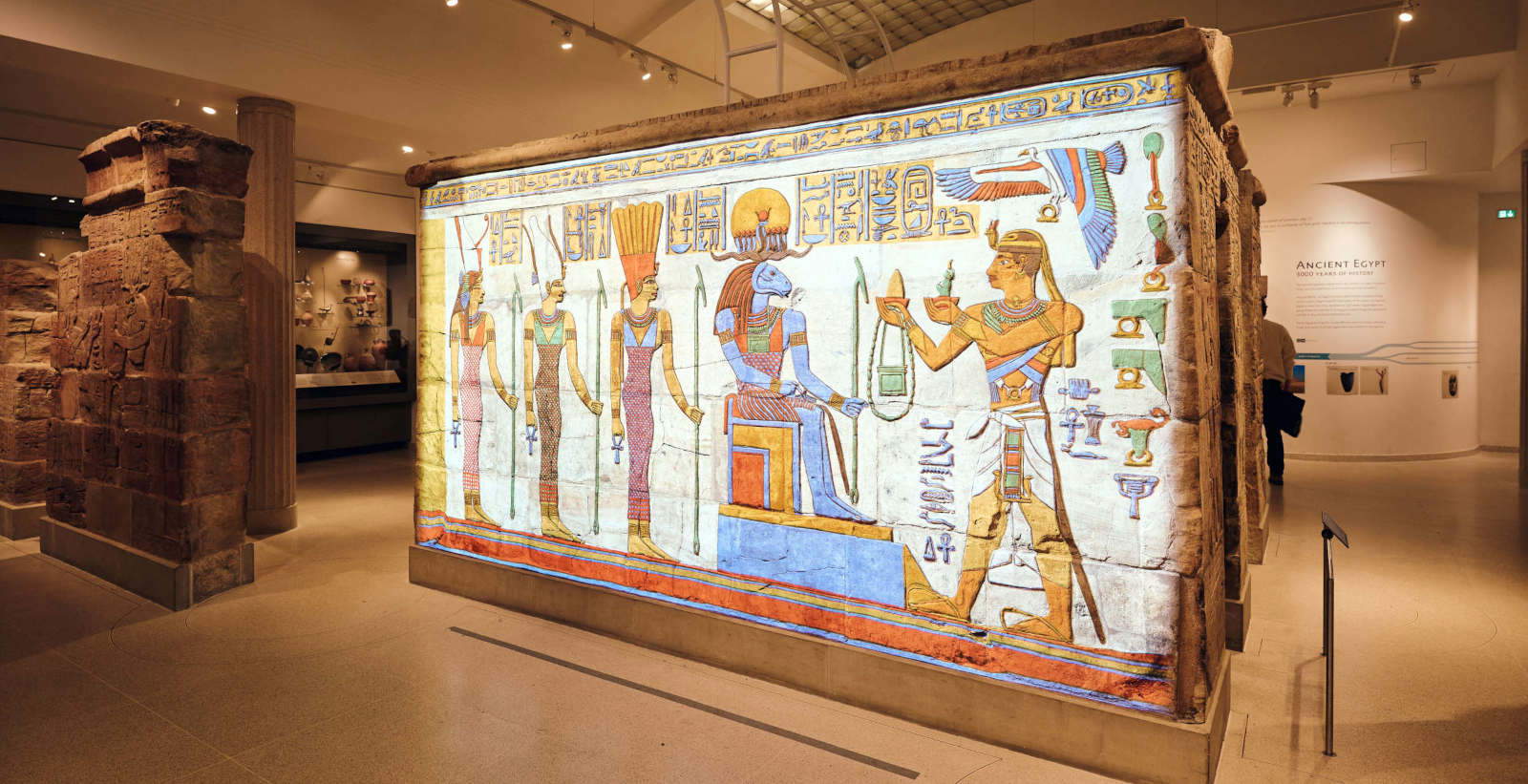 |
| What was an Egyptian sanctuary like 2,700 years ago? Colorful! In Oxford, the lost colors are being recreated |
Warning: the translation into English of the original Italian article was created using automatic tools. We undertake to review all articles, but we do not guarantee the total absence of inaccuracies in the translation due to the program. You can find the original by clicking on the ITA button. If you find any mistake,please contact us.