




A new cultural center dedicated to contemporary art, territory and community is taking shape in Recoaro Terme (Vicenza). It is called “Cantiere del Contemporaneo” and is a wide-ranging initiative that will be officially inaugurated on Saturday, May 2, 2026, configuring itself as a hub dedicated to artistic research, artist residencies and the cultural regeneration of the village. The project is curated by Elisabetta Bacchin and is part of a broader revitalization strategy involving the entire urban context.
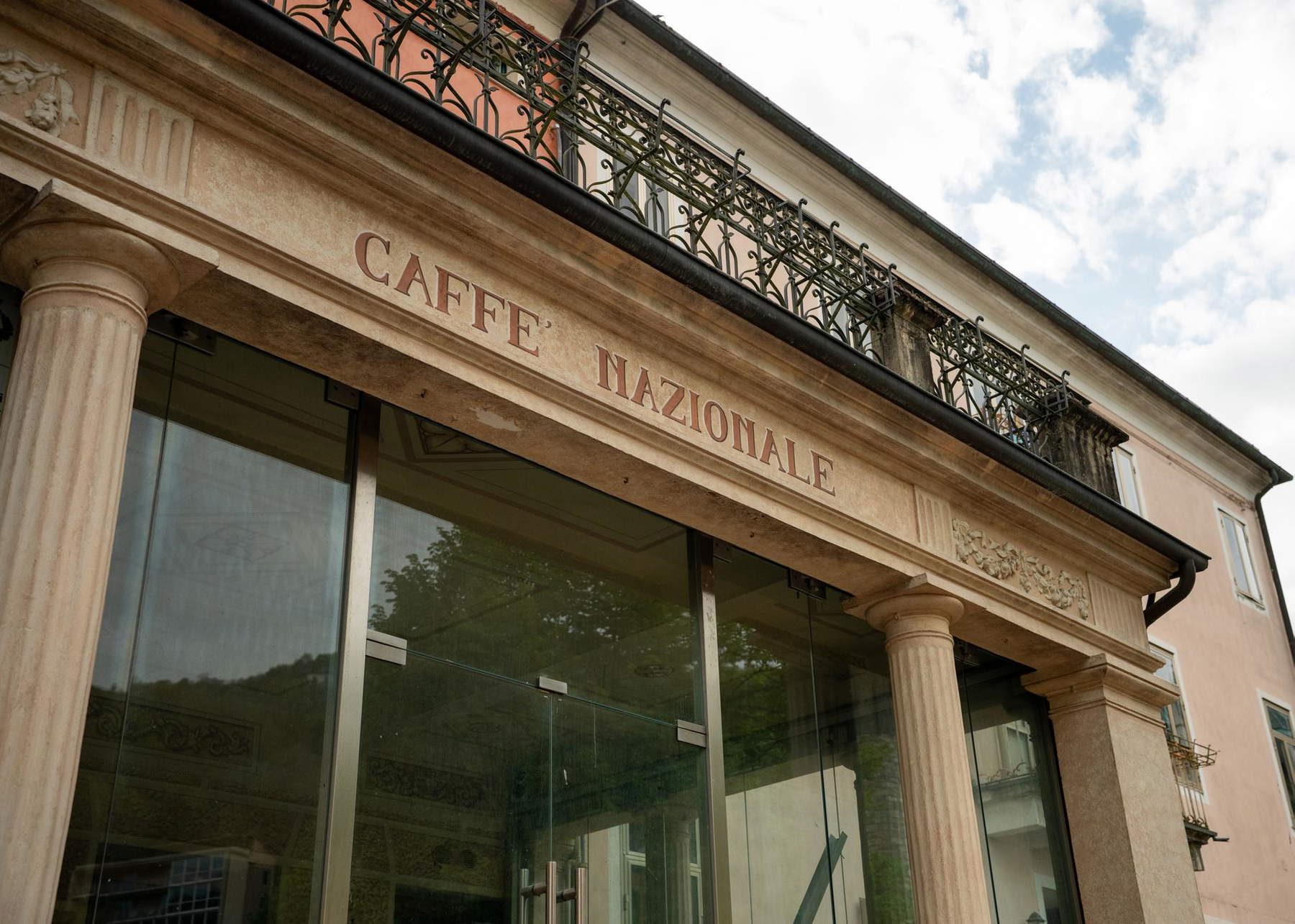
The fulcrum of the initiative is the redevelopment of the historic building of the National Café, one of the symbols of local thermal sociality, destined to become a dynamic and multidisciplinary space for contemporary art. The intervention is part of the National Village Plan - Line A, part of the investment dedicated to the attractiveness of villages funded by the European Union through the Next Generation EU program and supported by the Ministry of Culture.
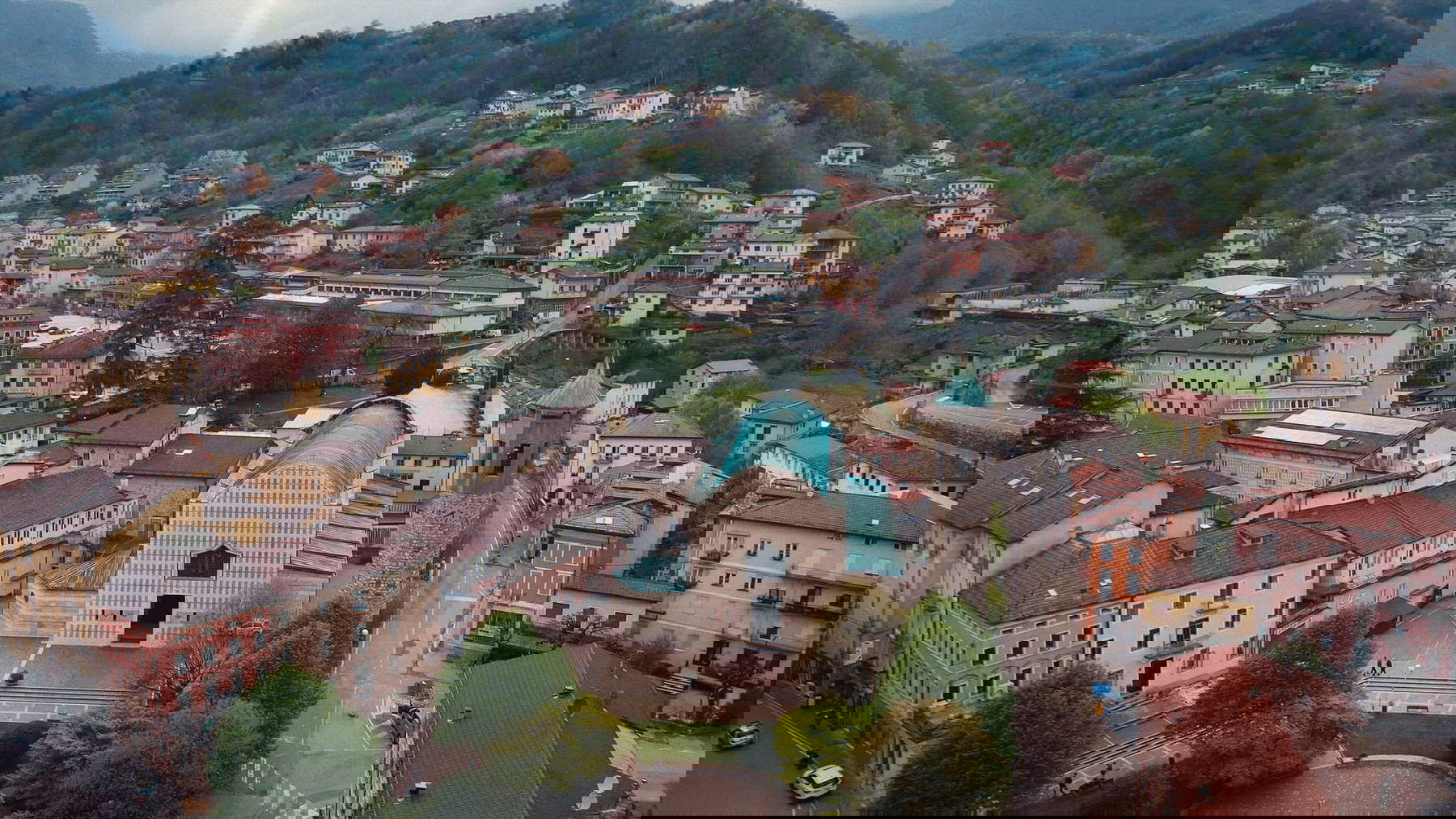
The objective is to contribute in a concrete way to the cultural, social and economic development of the territory, creating an open environment capable of connecting public institutions and private realities. In this context, culture is understood as a strategic lever to counteract phenomena of marginality and depopulation, which have affected the village in recent years, also as a result of the downsizing of thermal activity. The project aims to enhance the historical identity of Recoaro Terme, a place traditionally linked to wellness, nature and culture, through a unified design capable of integrating memory and innovation. The intent is to transform these components into an engine of renewed attractiveness, positioning the village as a center of reference for contemporary artistic production.
The Cantiere del Contemporaneo will be not only an exhibition center but a constantly evolving laboratory dedicated to artistic experimentation and production, capable of hosting exhibitions, events, educational activities and moments of confrontation. Particular attention will be paid to the younger generations, involved in paths through the different forms of visual and performance art.
Functionally, the building will be organized to accommodate artists-in-residence, with apartments created on the first and second floors that will allow guests to live and work in the same space. The rooms will be designed as places of production and sharing, characterized by a strong artistic identity. A common room dedicated to artists will be set up on the third floor, which will be able to host meetings with the public, activities with schools and guided tours. The outdoor space will also be an integral part of the project, with temporary installations planned during the summer period. Among the pole’s lines of development is also the desire to establish itself as a research center dedicated to video art, thus expanding its expressive possibilities and dialogue with contemporary languages.
The program will start in May 2026 with a first cycle of residencies involving four young artists-Romesh Bothalage, Pietro Chiariello, Francesco Pizzocchero, and Virginia Stevenin. The artists will be invited to live and work for two months within the center, using the spaces as ateliers and developing projects in dialogue with the territory.
The starting point will be a reflection on the sense of place, understood not as mere scenery but as an active interlocutor. The landscape will be addressed as a complex organism, capable of generating relationships and meanings, through the analysis of its historical stratifications, ecological fragilities and future potential. The common thread of the residences will be the exploration of the historical, cultural and landscape peculiarities of Recoaro Terme. Themes such aswater, the territory’s identifying element for its curative and symbolic value, the Art Nouveau style as an architectural and cultural expression, the mountain landscape and the preservation of the environment and local traditions will be the focus of artistic research.
In this perspective, water becomes a metaphor for transformation and rebirth, while the mountain is configured as a space of relationship and responsibility. On the other hand, the historical and architectural memory of the village is reinterpreted as a living archive, to be reinterpreted through contemporary languages.
One of the main goals of the project is to transform Recoaro Terme into an open-air, participatory and multicultural creative laboratory. The artists’ experiences will culminate in the creation of site-specific works intended for the territory, activating opportunities for direct confrontation with the local community. This is a process that aims to build a dialogue between memory and contemporaneity, promoting a model of cultural development based on sustainability and participation.
The project also intends to foster a progressive process of internationalization, including the village in the contemporary artistic debate through meetings, events and moments of confrontation between artists, curators, scholars and the public. The goal is to consolidate over time a center of excellence capable of attracting creative energies and contributing to the redefinition of the territory’s identity.
|
| Recoaro Terme, a new center for art is born: the Cantiere del Contemporaneo |

Warning: the translation into English of the original Italian article was created using automatic tools. We undertake to review all articles, but we do not guarantee the total absence of inaccuracies in the translation due to the program. You can find the original by clicking on the ITA button. If you find any mistake,please contact us.

















 IT
IT FR
FR DE
DE ES
ES CN
CN


