





From November 19, 2026, to April 4, 2027, the Carlo Maria Martini Diocesan Museum in Milan is hosting the exhibition *Federico Garolla: People of Italy*. Photographs 1948–1968, dedicated to one of the leading figures in Italian photography and photojournalism of the post-World War II era. Curated by Isabella Garolla and Uliano Lucas and organized in collaboration with Suazes, the exhibition brings together approximately 100 black-and-white photographs taken by Federico Garolla (Naples, 1925 – Milan, 2012) over the twenty years following the end of World War II.
Garolla’s photographs chronicle Italy’s transformation between 1948 and 1968, years marked by reconstruction and profound economic and social changes. Through his lens emerges a portrait of a country that, after the devastation of the war, gradually regained its confidence and desire to look toward the future. This was the period that would lead to the economic and social growth later identified with the term “Italian Miracle.” The photographer not only documents the physical reconstruction of cities and infrastructure but, above all, observes the transformation of people and society. His images, in fact, depict a country committed to rebuilding its identity, its relationships, and its prospects for the future.
One of the central themes of the exhibition is Italy’s transition from a society still deeply rooted in tradition toward an increasingly modern reality. Garolla observes this transformation through the daily lives of ordinary people, capturing workers, families, streets, landscapes, and moments of social life. At the same time, his work explores the worlds of culture, entertainment, and the media. What emerges is a complex portrait of the country—far removed from celebratory depictions and capable of highlighting the contradictions and social changes of those years.
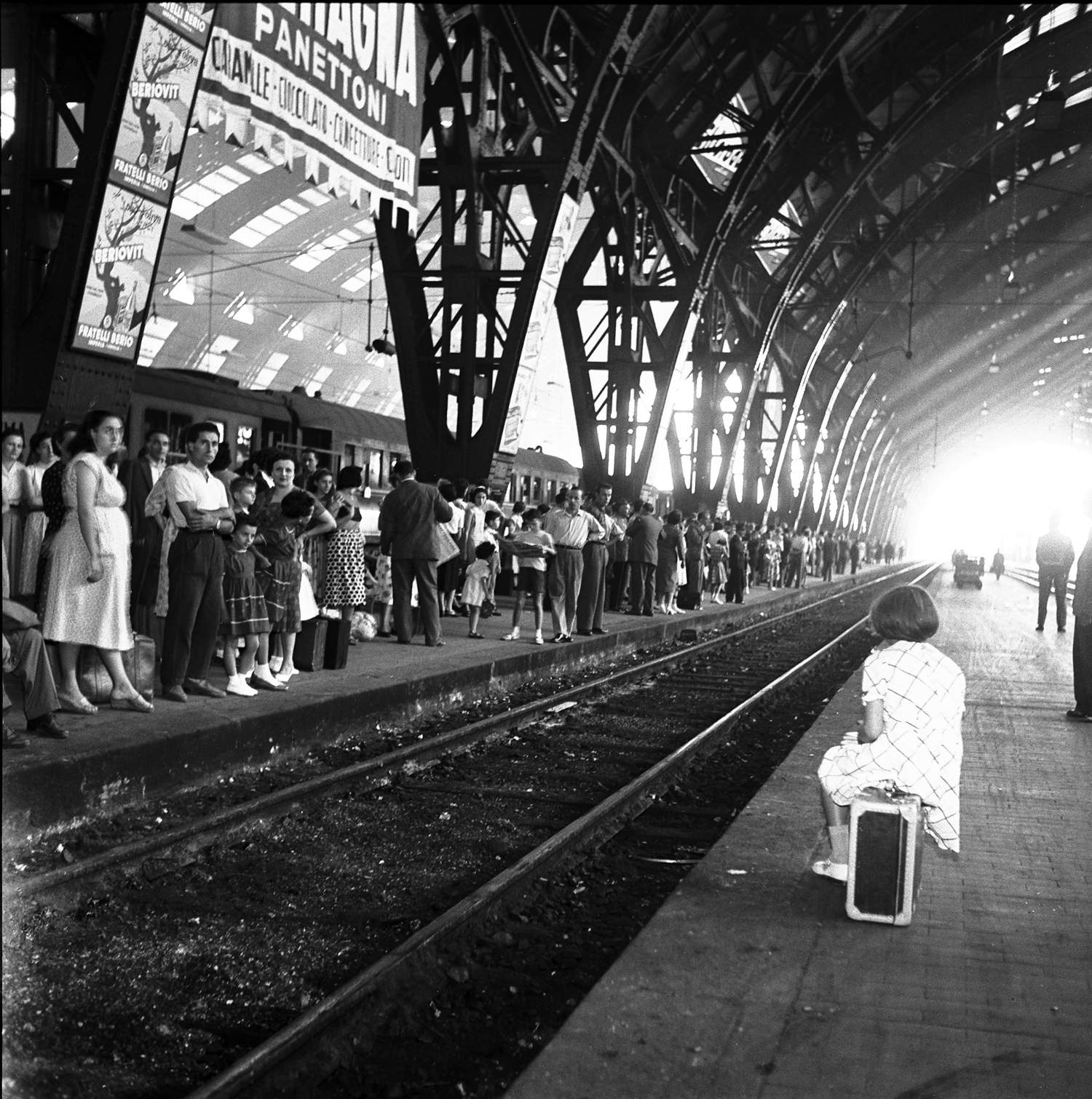
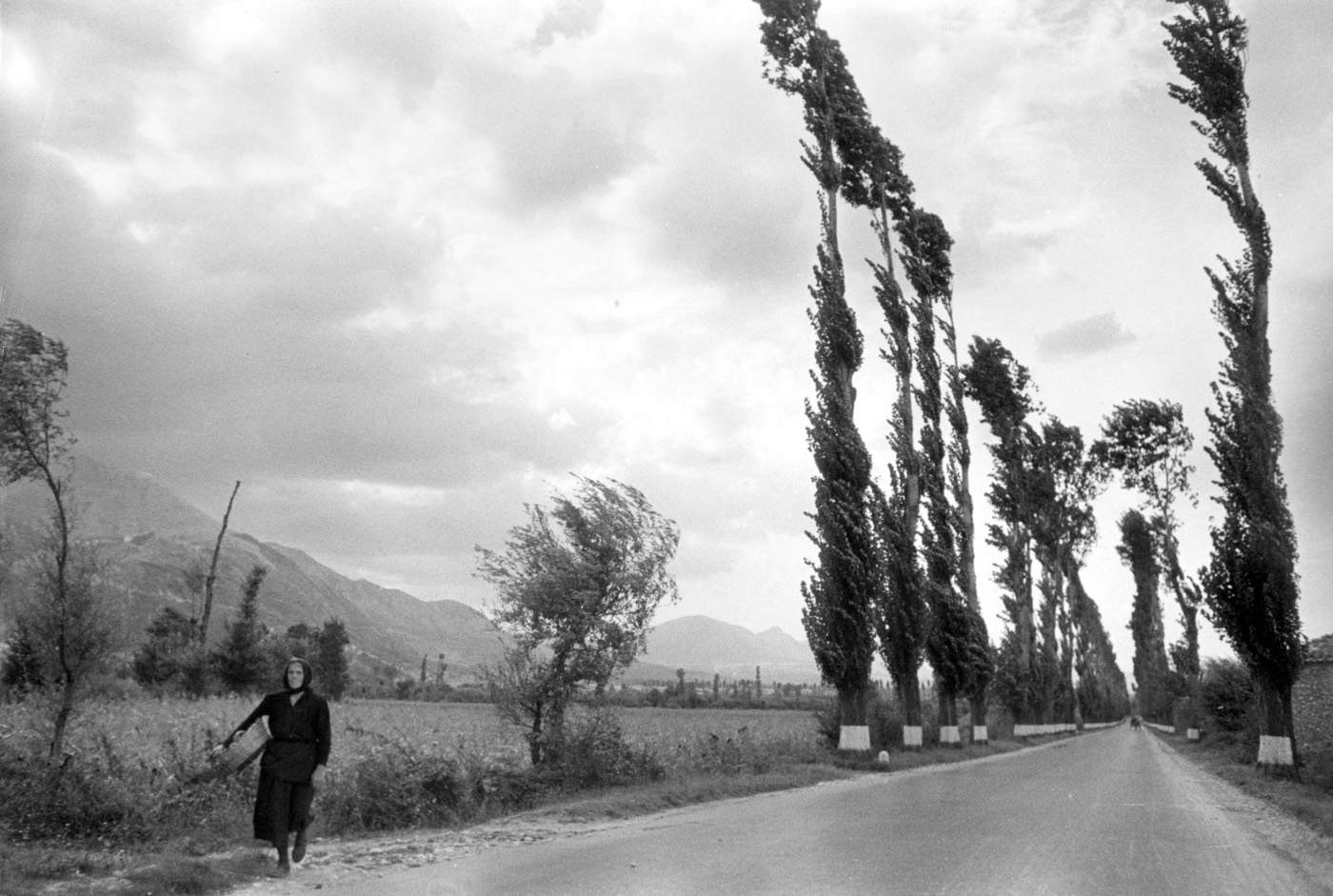
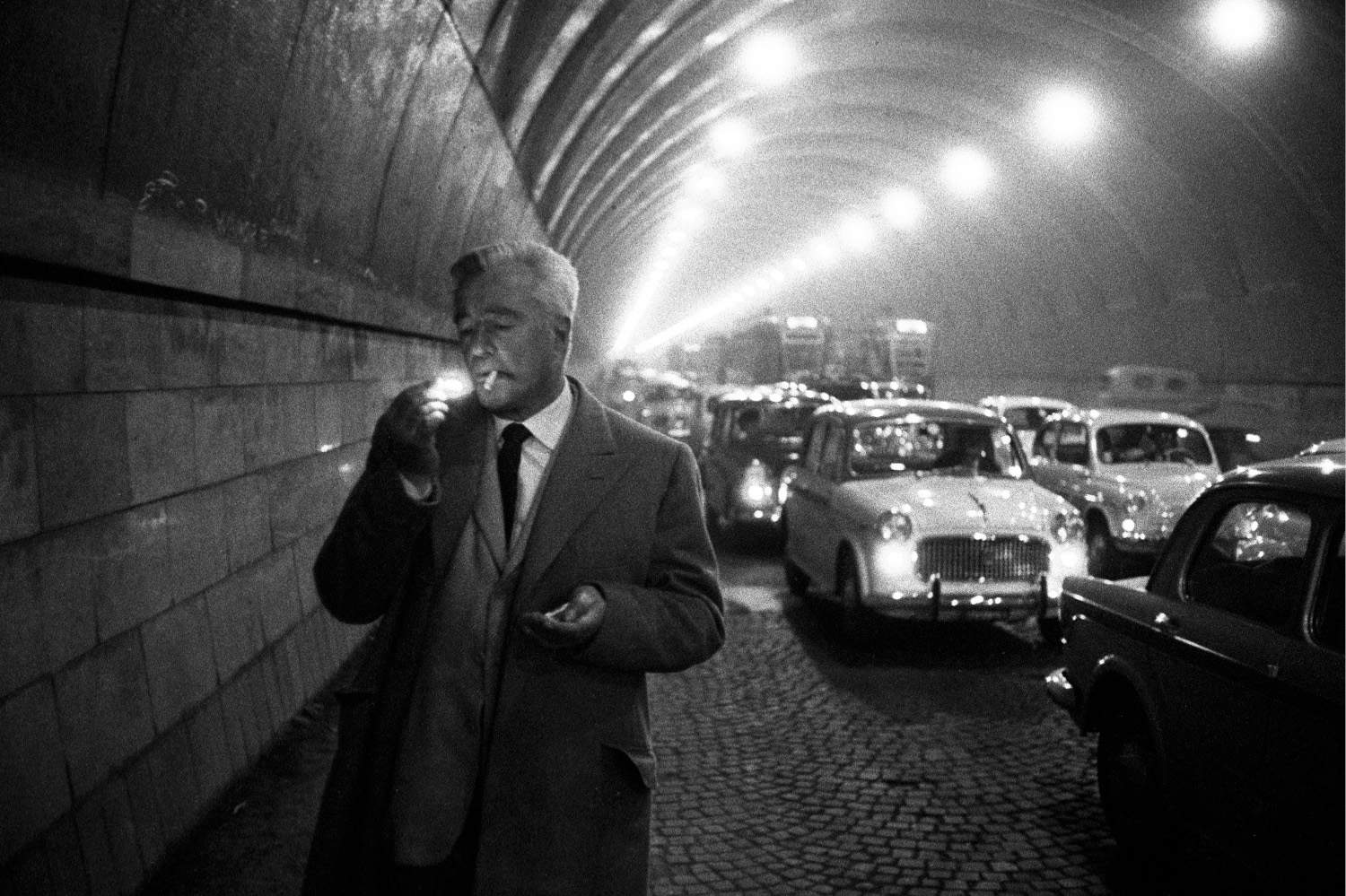
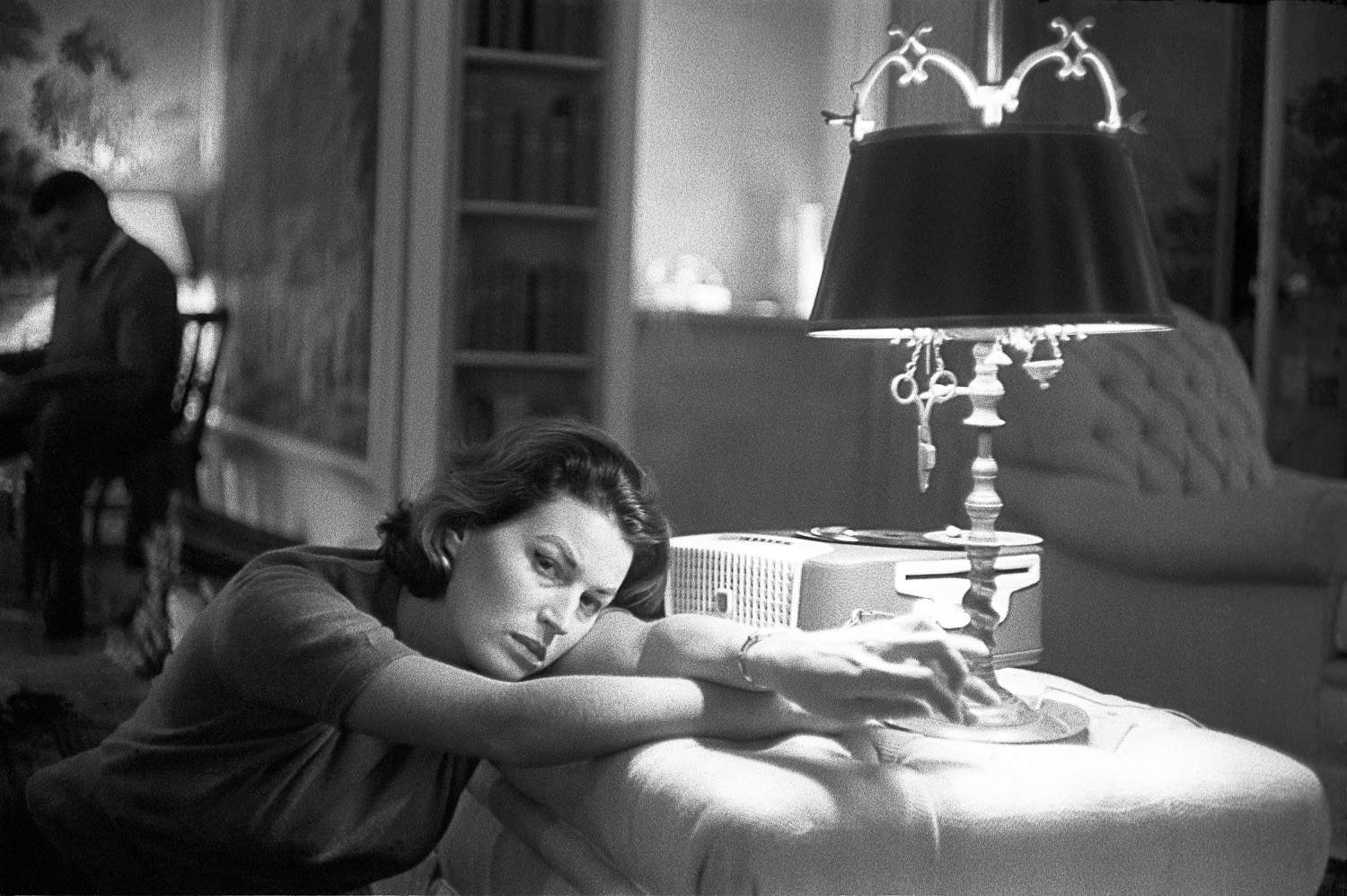
A journalist and photojournalist, Federico Garolla began producing numerous photo essays as early as the 1940s for major Italian and international publications. His photographic archive captures an Italy made up of landscapes and anonymous faces, but also of figures who shaped 20th-century culture. His portraits include artists such as Renato Guttuso and Massimo Campigli, writers such as Elsa Morante and Giuseppe Ungaretti, as well as fashion designers, musicians, and leading figures in film and theater. His relationship with his subjects is always characterized by a discreet and empathetic gaze, allowing him to connect with people without losing sight of social issues.
The photographs on display at the Diocesan Museum of Milan thus become a tool for reflecting on the evolution of Italian society. Through everyday life, portraits, and photoessays, Garolla chronicles the transformations of a rapidly changing country, exploring the relationships between the individual and society, memory and the future. The exhibition thus offers an opportunity to rediscover the role of the Neapolitan photographer within the landscape of Italian photojournalism and to observe, through his images, the emergence of contemporary Italian society.
Accompanying the exhibition will be a program of related events, including in-depth discussions dedicated to the exhibition’s themes and the history of photography. Guided tours will also be organized, designed to explore the exhibition in greater depth and provide a closer look at the life and work of Federico Garolla.
The exhibition will be accompanied by a catalog published by Silvana Editoriale and Suazes, which will provide further insight into the artist’s research and photographic work.
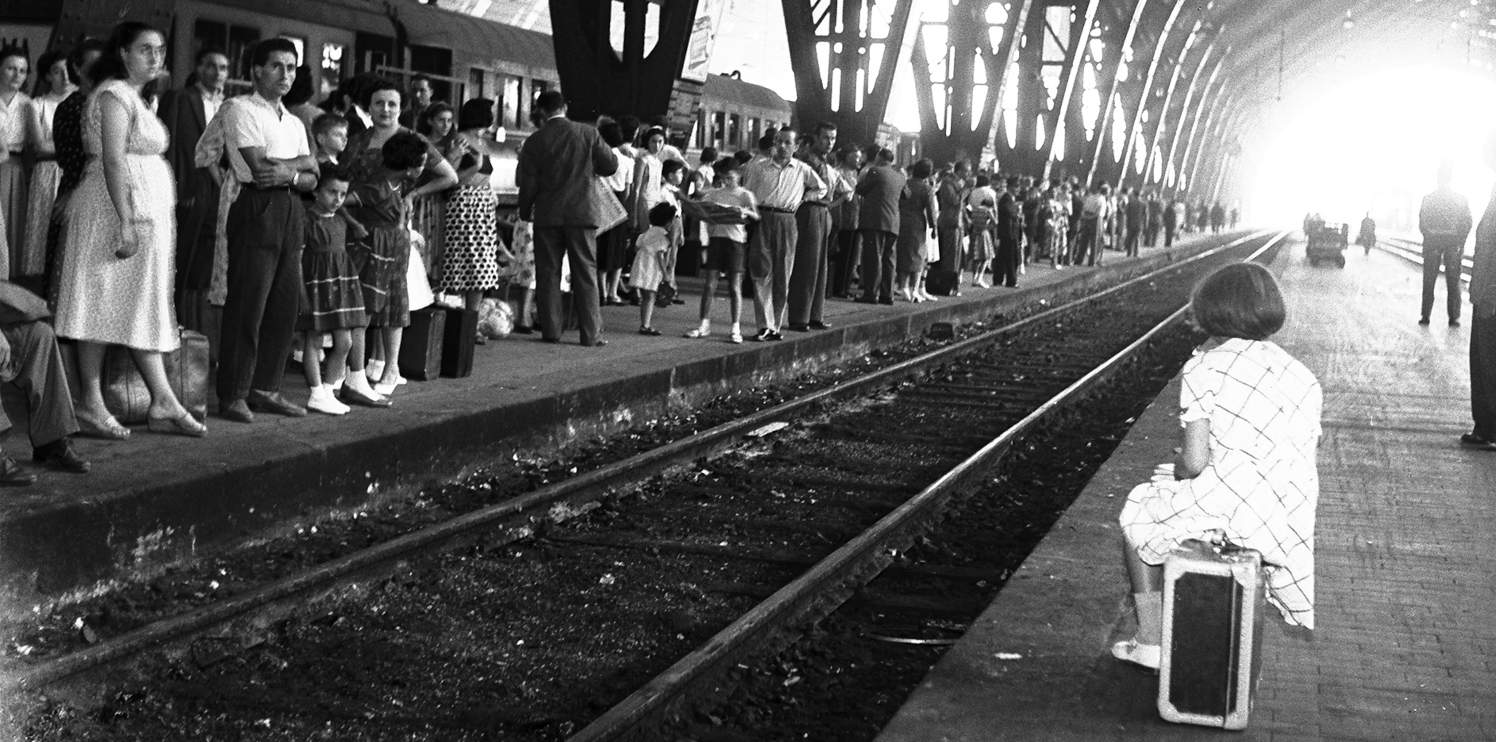 |
| At the Diocesan Museum of Milan, Federico Garolla’s photographs depict postwar Italy |

Warning: the translation into English of the original Italian article was created using automatic tools. We undertake to review all articles, but we do not guarantee the total absence of inaccuracies in the translation due to the program. You can find the original by clicking on the ITA button. If you find any mistake,please contact us.














 IT
IT FR
FR DE
DE ES
ES CN
CN


