



by Redazione 02/07/2026



Categories: Exhibitions / Disclaimer
From July 2 to August 16, 2026, in San Micheletto (Lucca), a documentary exhibition traces the spiritual bond between Elisa Bonaparte Baciocchi and Mimì Pecci Blunt, who were connected by the Villa Reale di Marlia. Letters and a previously unpublished inventory shed light on two figures separated by time but united by a shared cultural vision of the estate.

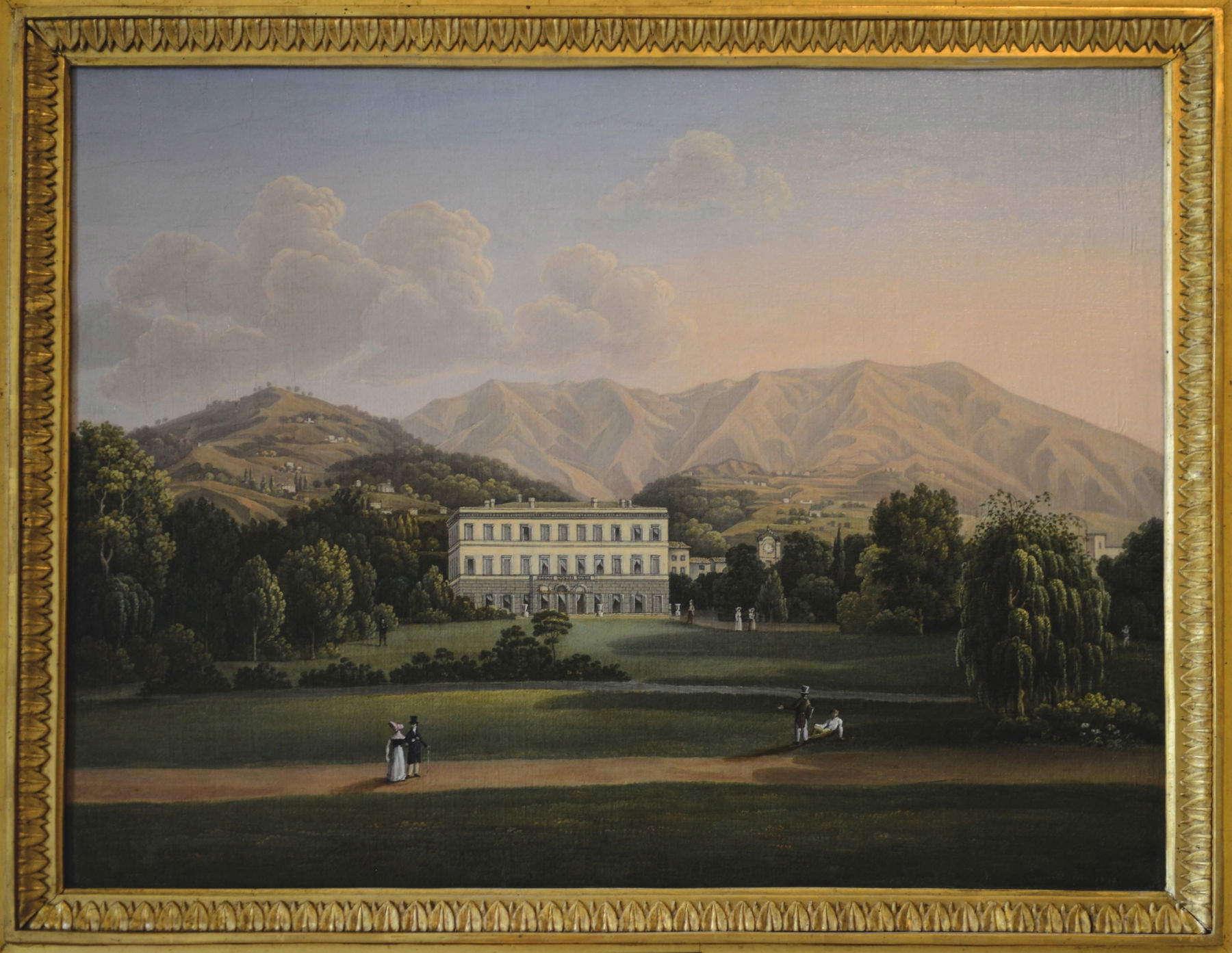
From July 2 to August 16, 2026, the Sala degli Affreschi (Fresco Room) of the San Micheletto complex in Lucca—home to the Fondazione Cassa di Risparmio di Lucca—will host the documentary exhibition *Elisa Bonaparte and Mimì Pecci Blunt in Marlia*. Two Women, Two Centuries, One Villa, dedicated to the ideal dialogue between Elisa Bonaparte Baciocchi (Ajaccio, 1777 – Villa Vicentina, 1820) and Anna Laetitia Pecci Blunt, known as Mimì (Rome, 1885 – Marlia, 1971), both of whom were connected to the Villa Reale in Marlia in the Capannori area (Lucca).
The project stems from research conducted by theassociation “Napoleone ed Elisa: da Parigi alla Toscana” beginning in 2022 in the “Grönberg – Villa Reale in Marlia” Archive. The exhibition is curated by Roberta Martinelli, with research and texts by Simonetta Giurlani Pardini and exhibition design by Lucia Maffei, with the support of the Fondazione Cassa di Risparmio di Lucca and the City of Lucca as part of the “Vivi Lucca” program.
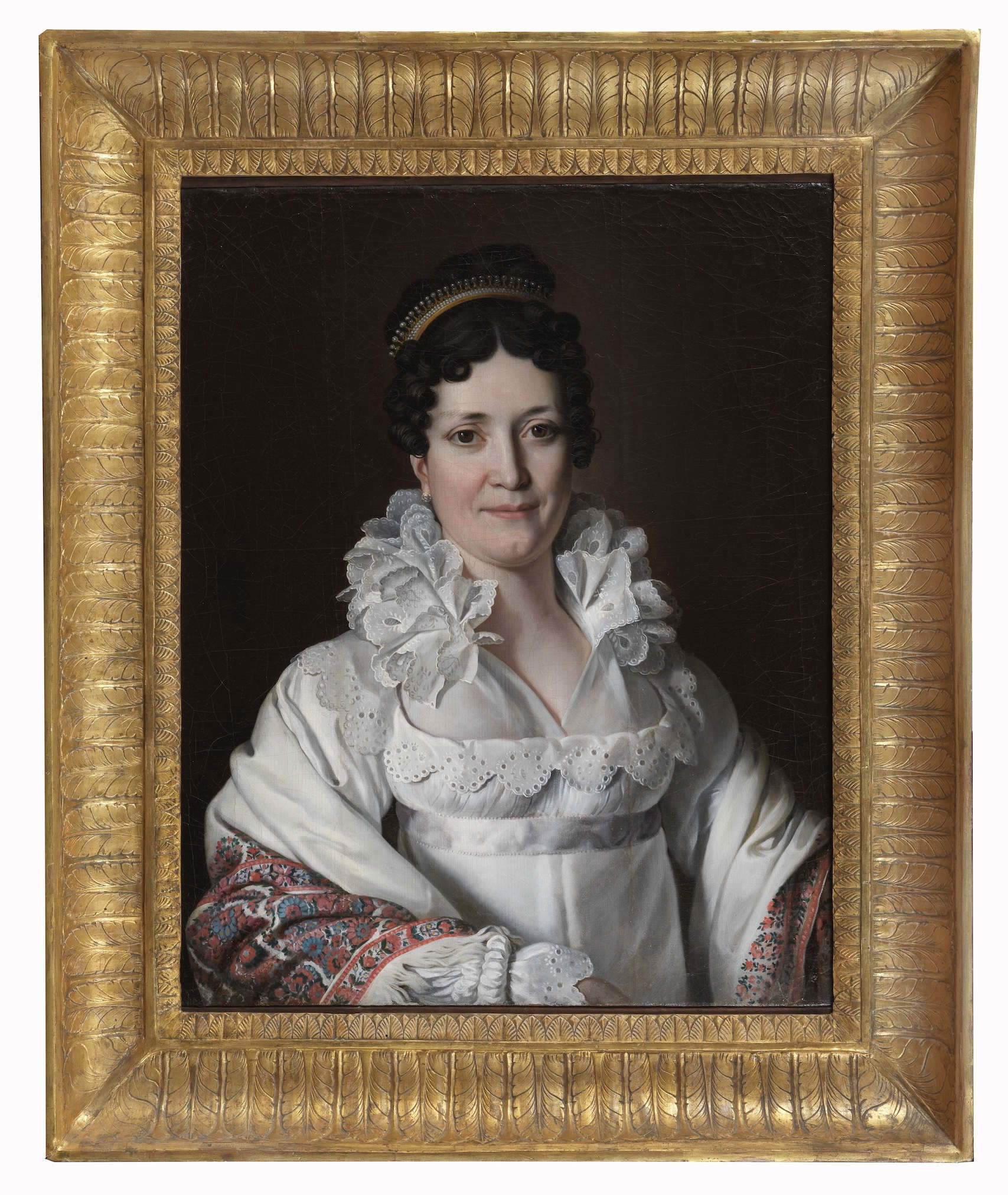
The exhibition offers a comparison between two figures who lived more than a century apart but were united by a shared conception of the historic residence as a cultural space and a center of patronage. Elisa Bonaparte Baciocchi, a Napoleonic princess and sovereign of the Principality of Lucca and Piombino, and Mimì Pecci Blunt, a 20th-century aristocrat and cultural patron, both saw the Villa Reale in Marlia as a place for cultural development and social representation.


The centerpiece of the exhibition is a collection of documents unearthed from the archive, notably the discovery of fifteen letters, ten of which are autographed by Elisa Bonaparte Baciocchi. Some are being presented to the public for the first time. This is a rare collection within the Napoleonic context, as the princess’s handwritten correspondence is extremely limited. The documents, dated between 1805 and 1820, are addressed to various recipients, including her brother Luciano Bonaparte and her governess Madame Campan. The letters offer valuable insights into the reconstruction of Elisa’s political, family, and cultural life, as well as providing new avenues for research on Lucca during the Napoleonic era and its social contexts.
This collection of documents forms the basis of the exhibition, which is structured around the relationship between Elisa Bonaparte Baciocchi and Mimì Pecci Blunt, as told through the latter’s life story. The narrative begins with Mimì’s childhood in Rome, marked by an education entrusted to religious institutions and the guardianship of her great-uncle Pope Leo XIII, a central figure in the young woman’s cultural and personal development. Documents, photographs, and private correspondence illustrate her early admission to the Collegio dell’Assunzione and her gradual estrangement from her family of origin.
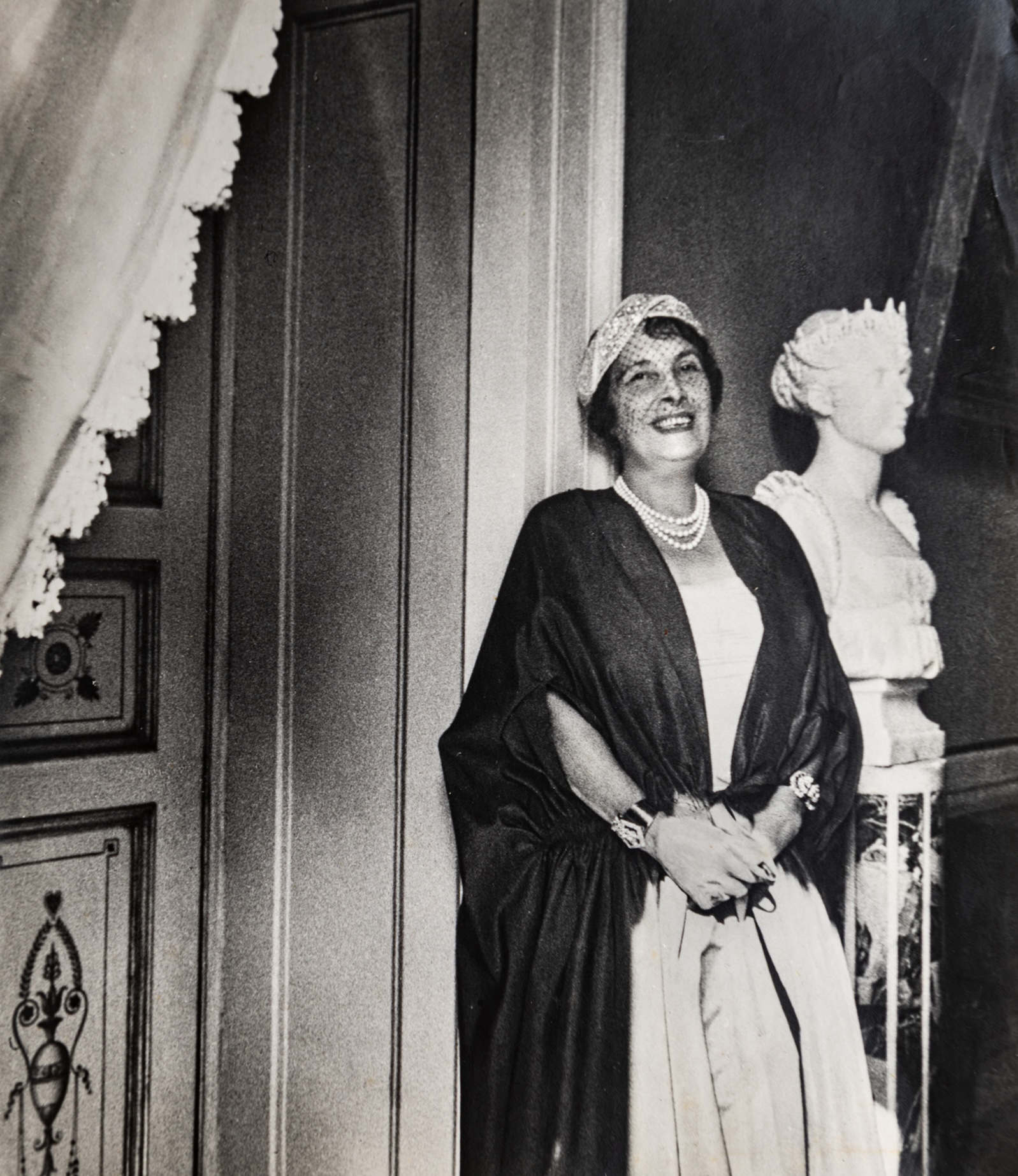
The first section of the exhibition focuses on this formative phase, highlighting the role of her correspondence with her parents and the development of an aristocratic identity strongly tied to Roman society and the ecclesiastical sphere. The presence of Leo XIII had a profound influence on her upbringing, instilling in her an open and innovative vision of the social and cultural role of the elite.
The second section begins in 1923, the year Mimì Pecci Blunt purchased the Villa Reale in Marlia. From that moment until her death in 1971, the countess devoted herself to a vast project to restore the villa’s historical identity, with the goal of recreating the atmosphere of Elisa Bonaparte Baciocchi’s era. Among the materials on display is the previously unpublished inventory of purchases made between 1923 and 1926, compiled by the owner herself.
The documentation highlights the desire to restore the residence to an identity consistent with its Napoleonic period through the recovery of furnishings, objects, and material artifacts. Mimì maintained relationships with antique dealers, scholars, and international institutions, including the director of the Louvre, Paul Marmottan, and the Musée Malmaison, as well as collectors and descendants of the imperial aristocracy such as the Murats, the De Noailles, and the De Beaumonts.
Villa Reale’s cultural project gradually took shape as an international center for artistic and intellectual exchange. The residence became a meeting place for figures such as Salvador Dalí, Jean Cocteau, Alberto Moravia, Jacqueline Kennedy, and Princess Margaret of England. At the same time, the countess engaged in intensive antiquarian research, acquiring documents and objects related to Elisa Bonaparte.
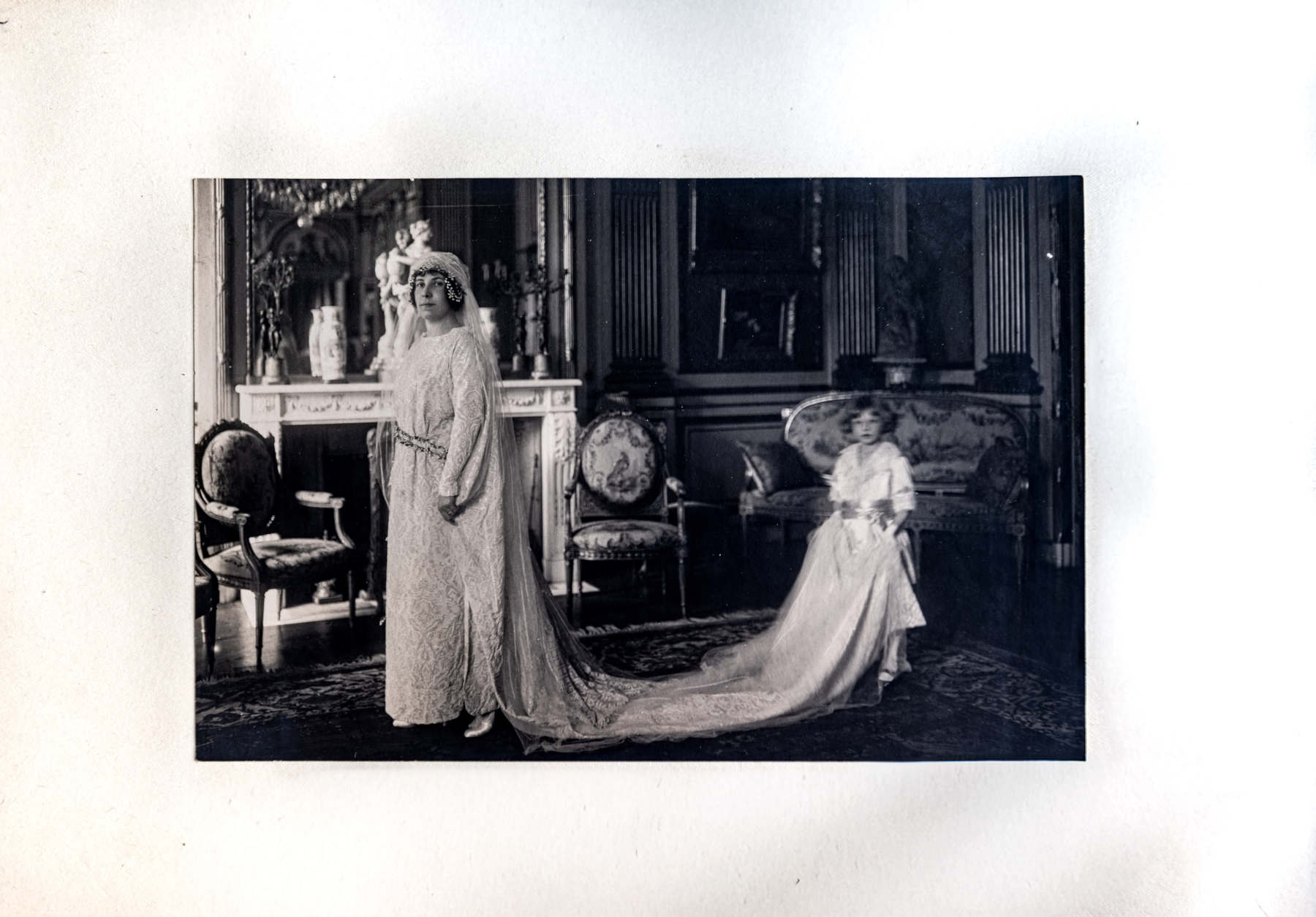
Aesthetics played a central role in shaping her public identity. She collected dresses and accessories from the leading fashion houses of the time, including her wedding dress designed by Charles Frederick Worth, which is on display in the exhibition. Her marriage to Cecil Blumenthal in 1919 gave rise to a partnership founded on cultural activities and support for the contemporary arts.
The couple’s activities spanned Paris, Rome, and New York, involving the creation of exhibition spaces and cultural initiatives, even during the difficult years of the world wars and racial laws. In Rome, they founded the La Cometa theater, linked to the family motto “Lumen in coelo,” which has recently been revived in contemporary projects.
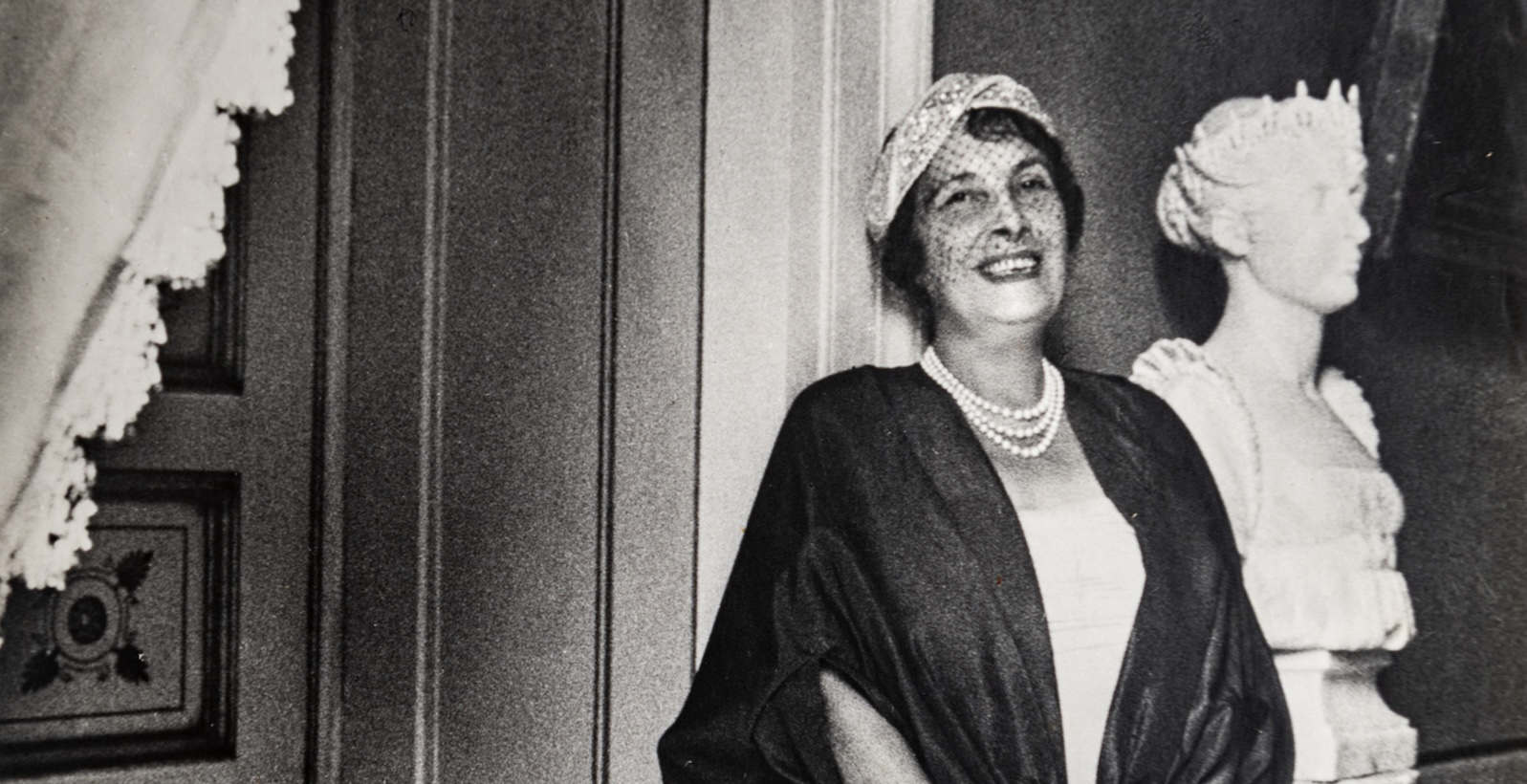
Another aspect of the exhibition focuses on Mimì Pecci Blunt’s passion for photography and hats, documented by objects preserved in the Villa Reale in Marlia archive. Her work as a photographer—influenced in part by her uncle Pope Leo XIII’s interest in visual technologies—became an integral part of her self-representation. At the exhibition entrance, visitors are greeted by a hat designed by Cleo Romagnoli and a portrait by Milton Gendel.
During the exhibition period, three accompanying events will explore the relationship between the two protagonists through music. On July 20, a concert featuring a Puccini repertoire will be performed by soprano Celeste Nardi and Anna Cognetta on piano. July 31 will be dedicated to Neapolitan music featuring Sara Guidi and Eugenio Milazzo, in collaboration withthe Mettiamoci all’Opera association of Prato. On August 10, a harp concert featuring Letizia Lazzerini is scheduled. The events will take place at Villa Bottini at 6:30 p.m. and will be preceded by a guided tour of the exhibition at 5:30 p.m.
 |
| Elisa Bonaparte and Mimì Pecci Blunt in Lucca: Two Biographies Centered on Villa Reale |
Warning: the translation into English of the original Italian article was created using automatic tools. We undertake to review all articles, but we do not guarantee the total absence of inaccuracies in the translation due to the program. You can find the original by clicking on the ITA button. If you find any mistake,please contact us.