





The sculpture of Auguste Rodin (Paris, 1840 – Meudon, 1917) takes center stage once again at the Pierre Gianadda Foundation in Martigny, Switzerland, with a new exhibition project dedicated to the relationship between art and poetry. From June 26 to November 22, 2026, daily from 10 a.m. to 6 p.m., the public can visit “Rodin selon Rilke” ( “Rodin According to Rilke”), curated by Véronique Mattiussi. Organized by the Rodin Museum in Paris in collaboration with the Pierre Gianadda Foundation, the exhibition offers a fresh perspective on the French master’s work through the sensibility and writings of Rainer Maria Rilke (Prague, 1875 – Montreux, 1926), one of the greatest German-language poets of the 20th century. For the fourth time, Auguste Rodin is the Foundation’s distinguished guest, but this time the exhibition focuses on a completely new theme: the profound dialogue between the sculptor and the poet, who was able to interpret his work with extraordinary insight. The exhibition (more information here) takes visitors on a poetic journey divided into several chapters, woven together through Rodin’s masterpieces and selected passages from the writings of Rilke, who passed away exactly one hundred years before the exhibition’s opening.
At the heart of the project lies a fundamental question: Who was Rilke, the young poet who authored the monograph on Auguste Rodin published in 1903, which has become one of the most important texts ever dedicated to the sculptor? Rainer Maria Rilke was born in Prague in 1875 and spent a childhood marked by loneliness. After graduating from high school, he studied literature and published his first poems in 1896. His artistic development soon became intertwined with that of sculpture: he married the sculptor Clara Westhoff, who had attended the short-lived Institut Rodin in 1900. It was precisely thanks to a publishing commission that the relationship destined to profoundly shape his life began. A German publisher entrusted Rilke with the task of writing a monograph dedicated to Rodin. The two first met in Paris in 1902, when the sculptor was already at the height of his international fame. A special bond quickly developed between the young poet and the master. Rodin appreciated Rilke’s presence, and the poet spent some time in Meudon, where the sculptor lived, to observe his work up close and prepare the book.
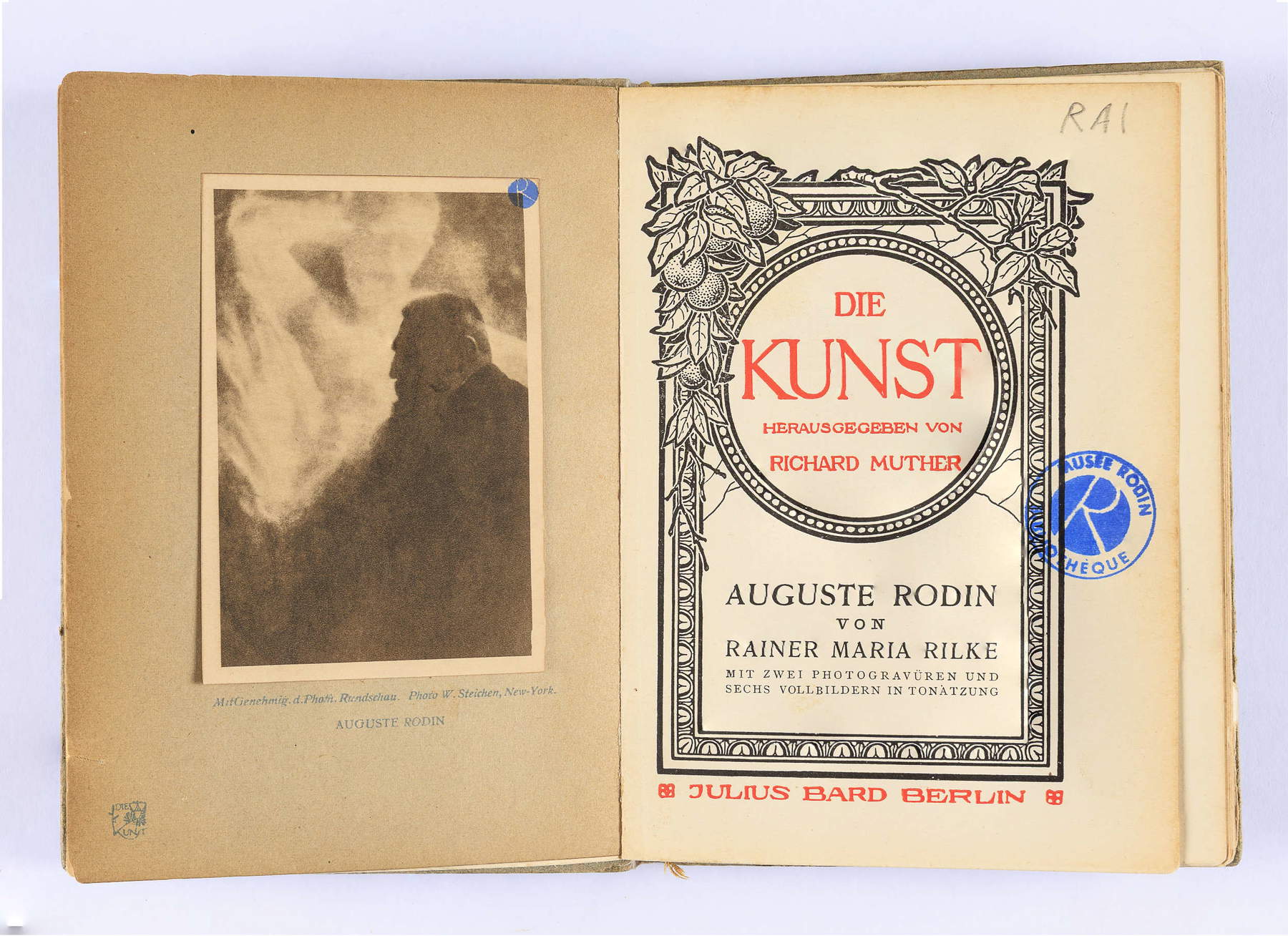
Published in March 1903, the monograph became a sort of ode to Rodin’s genius. The work is considered a seminal text for understanding the sculptor and has become one of the most widely translated books on Rodin in the world. The artist himself received a copy of the book, decided to have it translated, and, after reading its contents, recognized the young author’s talent and expressed his gratitude to him.
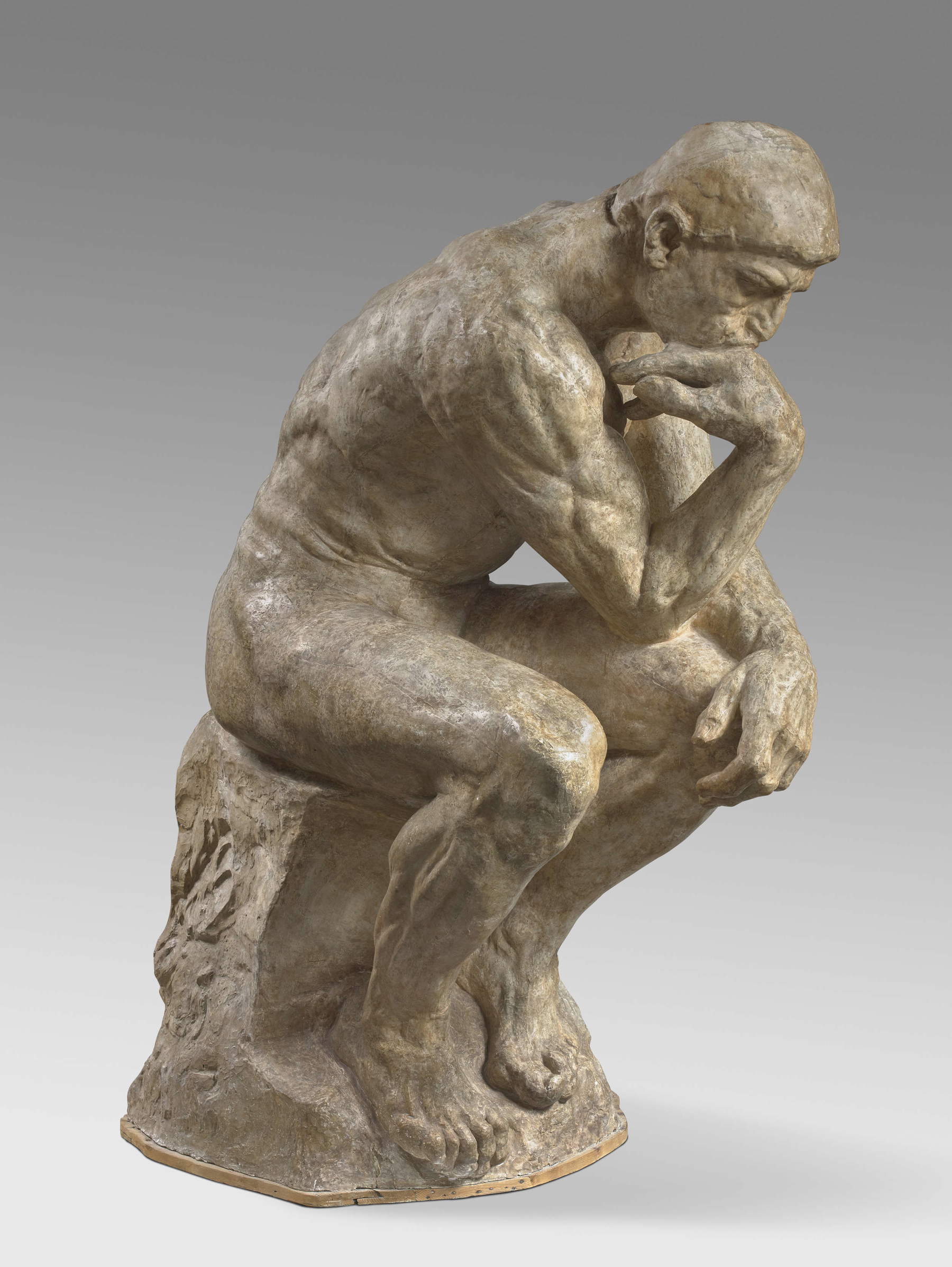
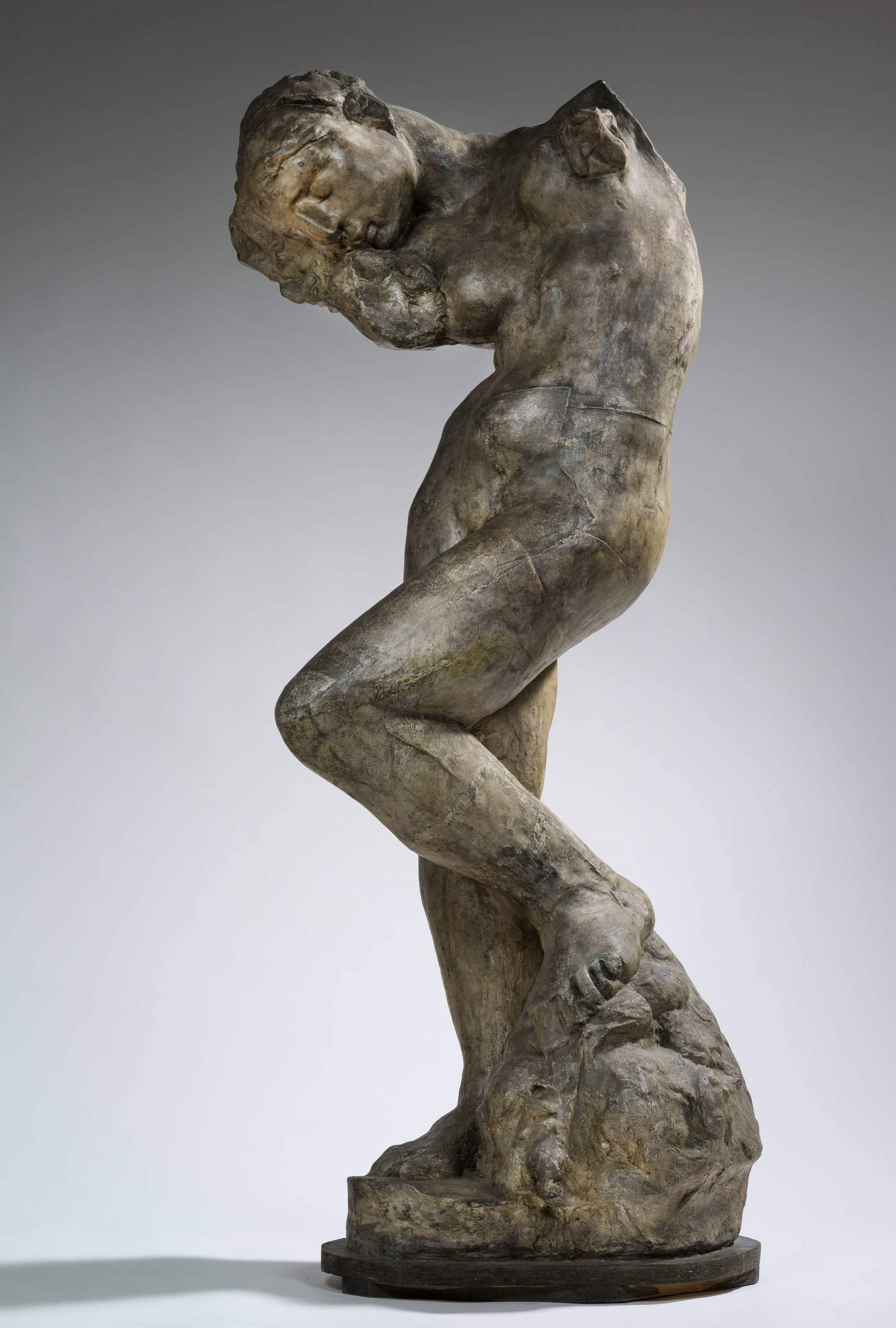
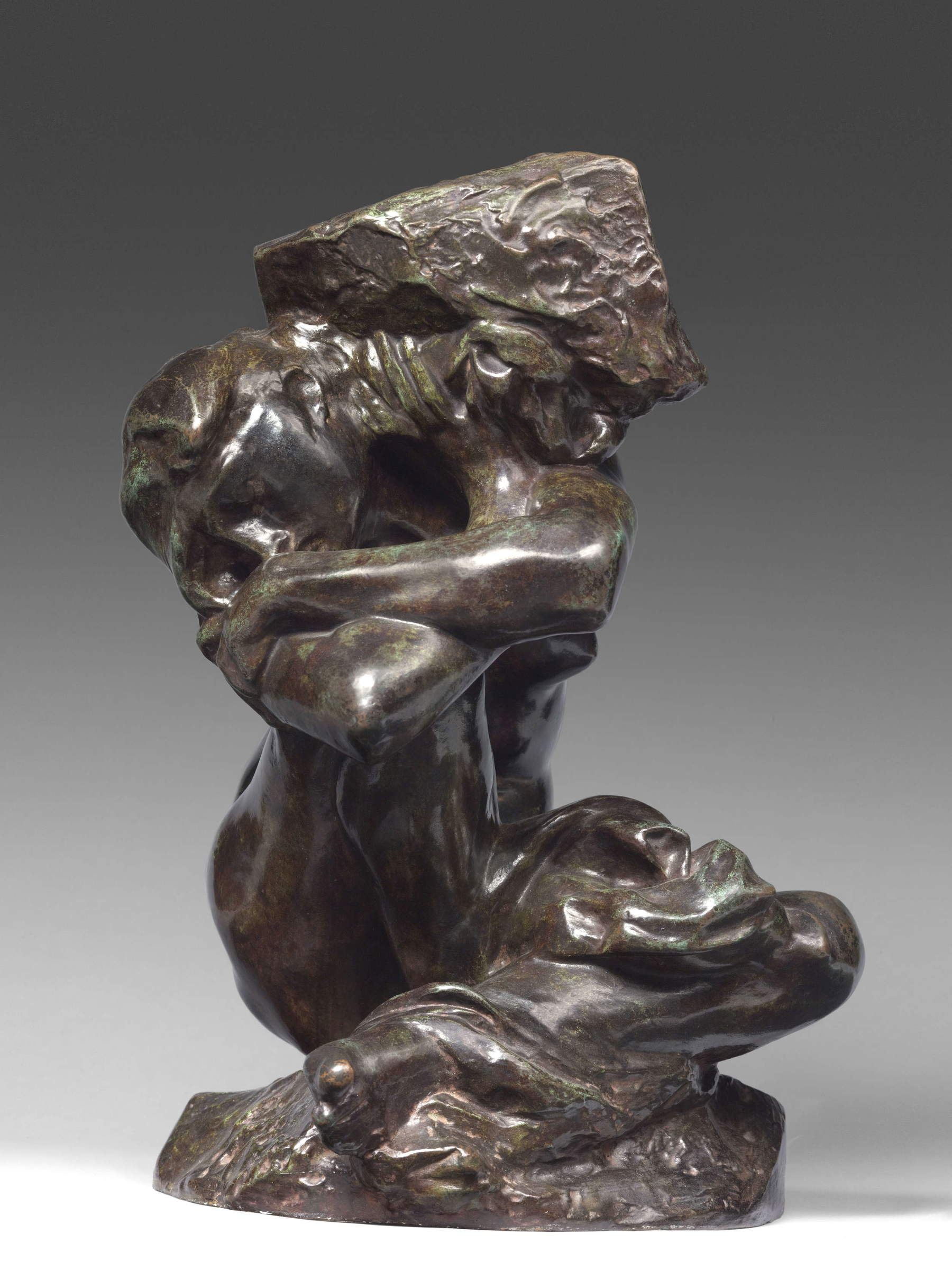
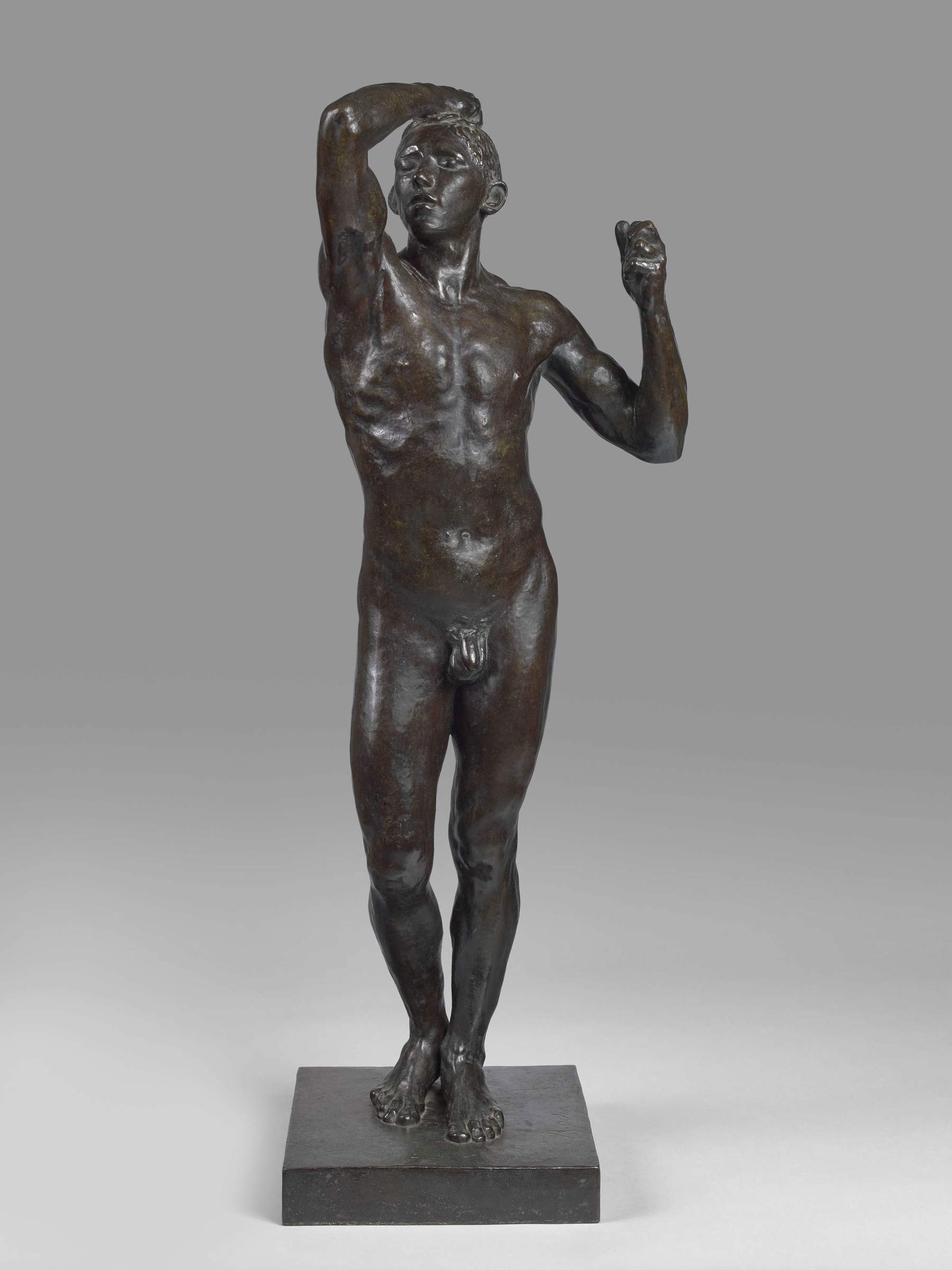
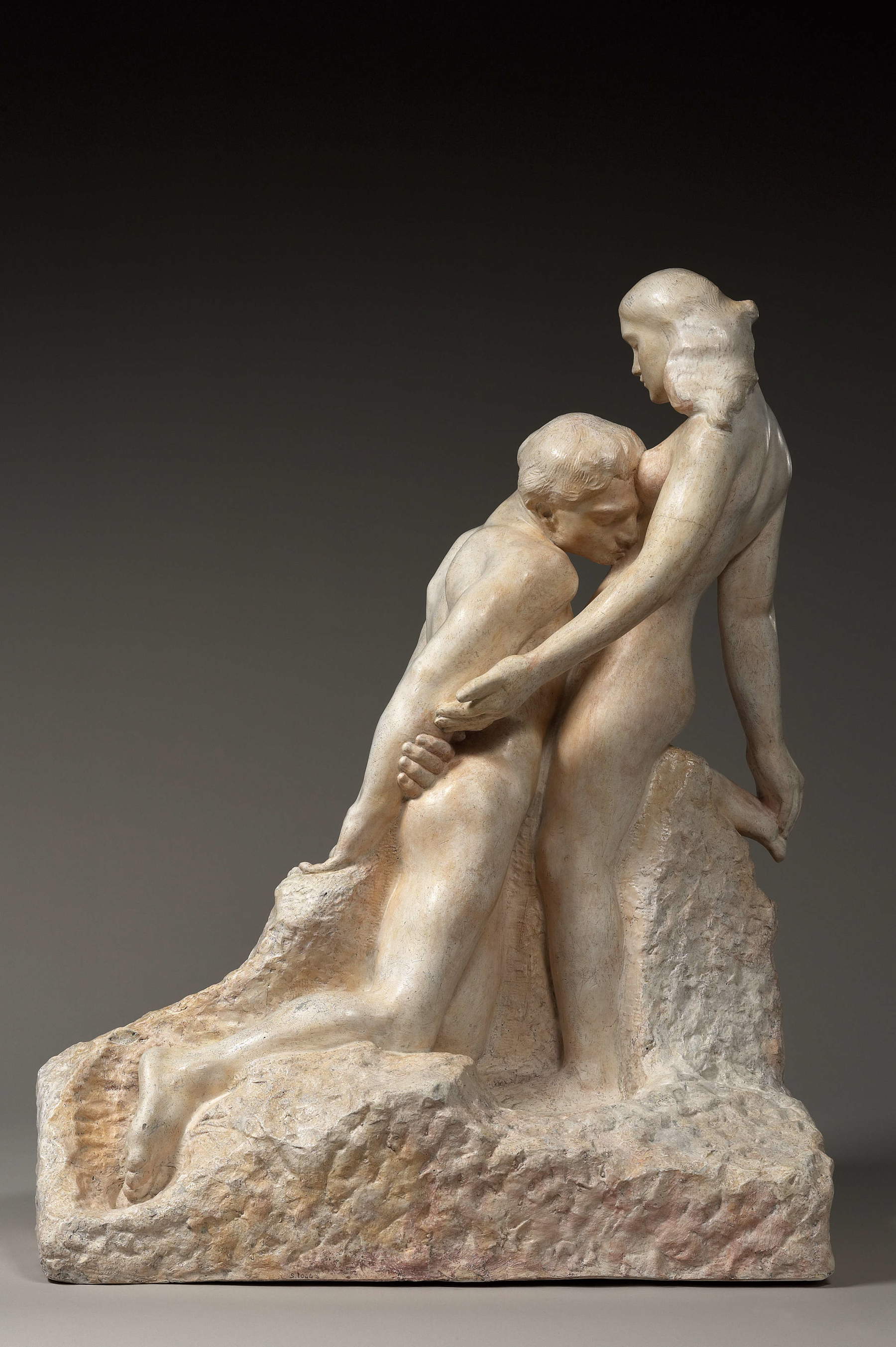
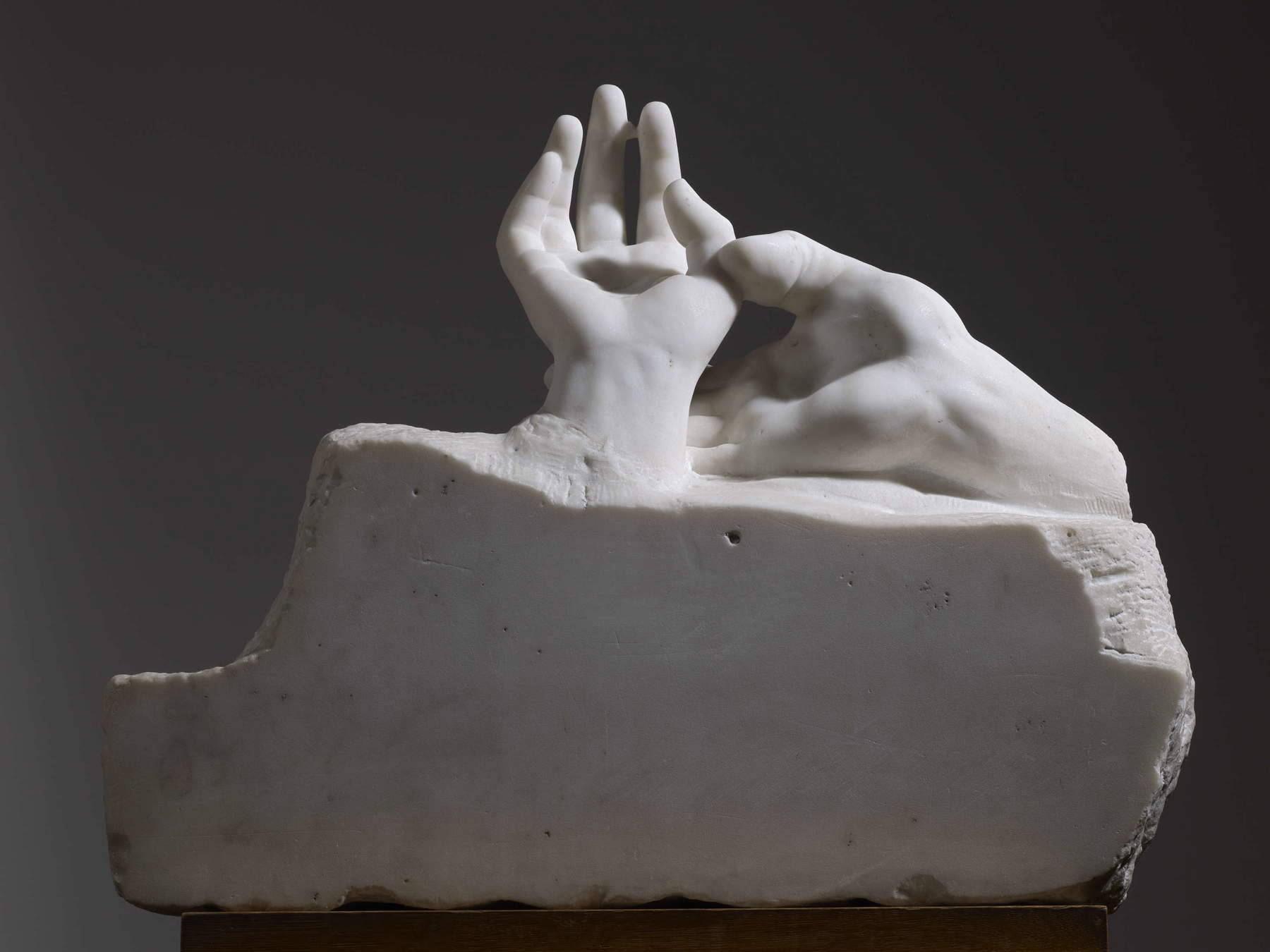
Their bond continued in the years that followed. In 1905, Rilke returned to Paris, and Rodin once again hosted him in Meudon, providing him with a small studio where the poet could work. The sculptor also entrusted him with some secretarial tasks to support him financially. For eleven years, art and poetry remained at the heart of their relationship, characterized by constant exchanges and mutual creative influence. Rilke saw Rodin as the father of modern sculpture—the artist capable of breaking with academic tradition and restoring to matter the movement, emotion, and complexity of human existence. The freedom with which Rodin approaches the body—going so far as to fragment and even mutilate it—represents an inexhaustible source of inspiration for the poet.
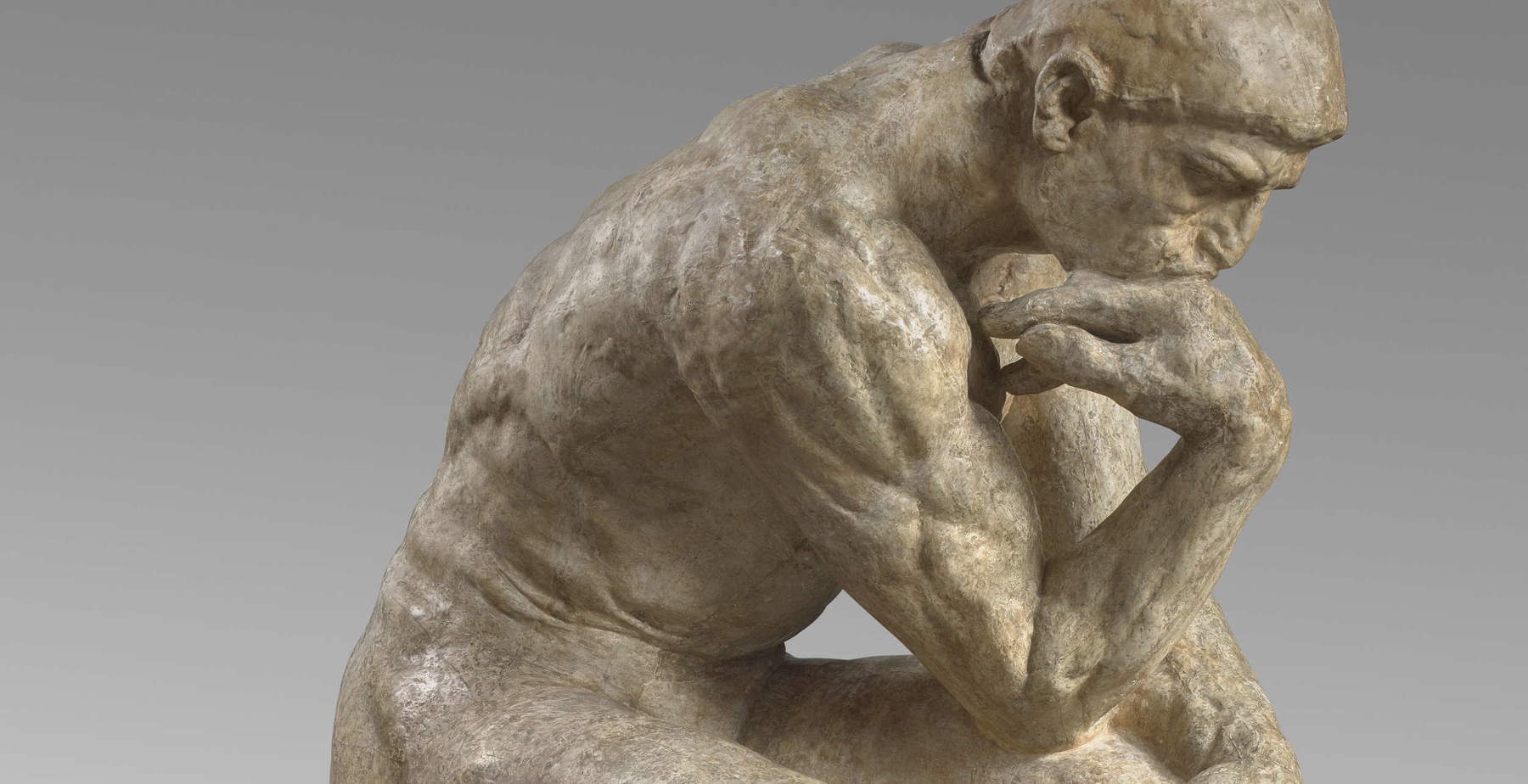
The exhibition itinerary symbolically opens in the Foundation’s atrium with *The Thinker*, a monumental plaster sculpture from 1903 and one of the most famous images in Rodin’s entire body of work. The work, originally conceived to be placed at the top of The Gates of Hell, is one of the artist’s most emblematic creations. Its interpretation remains open: is it perhaps the poet Dante lost in meditation on his own work, or Minos, the judge of souls? Rodin describes *The Thinker* as a man absorbed in contemplation of the torments of the human soul. Rilke, on the other hand, perceives in the figure the complete transformation of the body into thought, describing the character as a silent and focused presence: a man “lost in his thoughts and silent,” in whom all physical strength is transformed into mental energy. The poet’s quote guides visitors in interpreting the work and introduces the central theme of the exhibition: not merely viewing the sculptures, but understanding them through a poetic lens.
The introduction to the exhibition brings together archival documents, letters written by Rilke to Rodin, and the famous edition of the monograph published in 1903. That volume, still considered today a fundamental reference in critical literature on the artist, constitutes the main source of the quotations used throughout the exhibition.
One of the first sections is dedicated to the forms of the body in a state of waiting—indolent and suspended. Throughout his career, Rodin studied the human body as an instrument of plastic and poetic expression, working on relaxed figures, sensual poses, twists, and sinuous lines. His sculptures often seem to capture an inner moment—a state of the soul translated into matter.
Among the works on display is *La Danaide*, a bronze from 1885, in which the undulation of the female body becomes an image of despair and eternal incompleteness. The young woman, exhausted and bent by her own torment, appears crushed to the ground with her face hidden. Rilke interprets this sculpture as a long journey of the gaze along the figure’s back, up to the face abandoned in the stone and the hand that still retains a final sign of life.
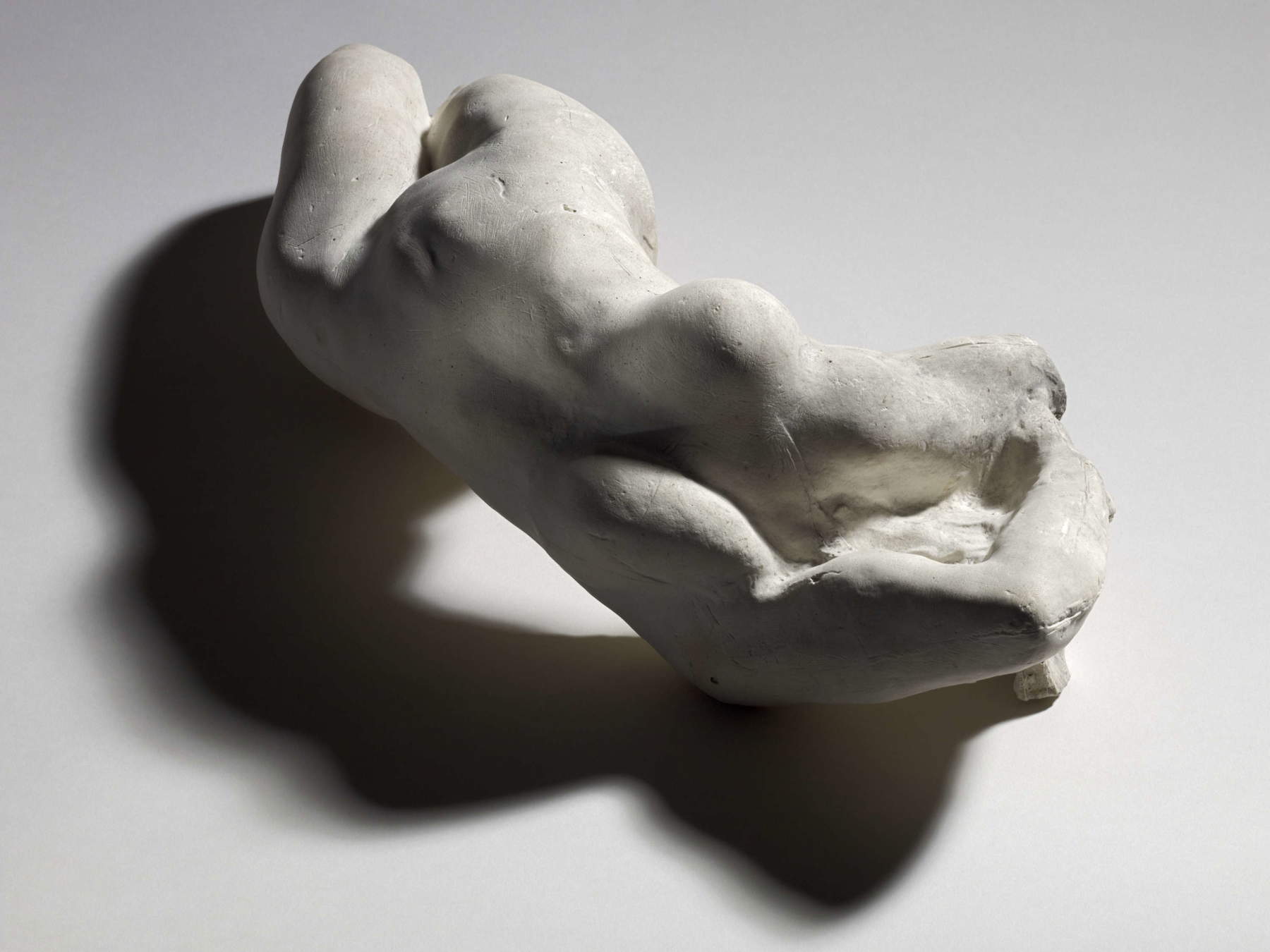
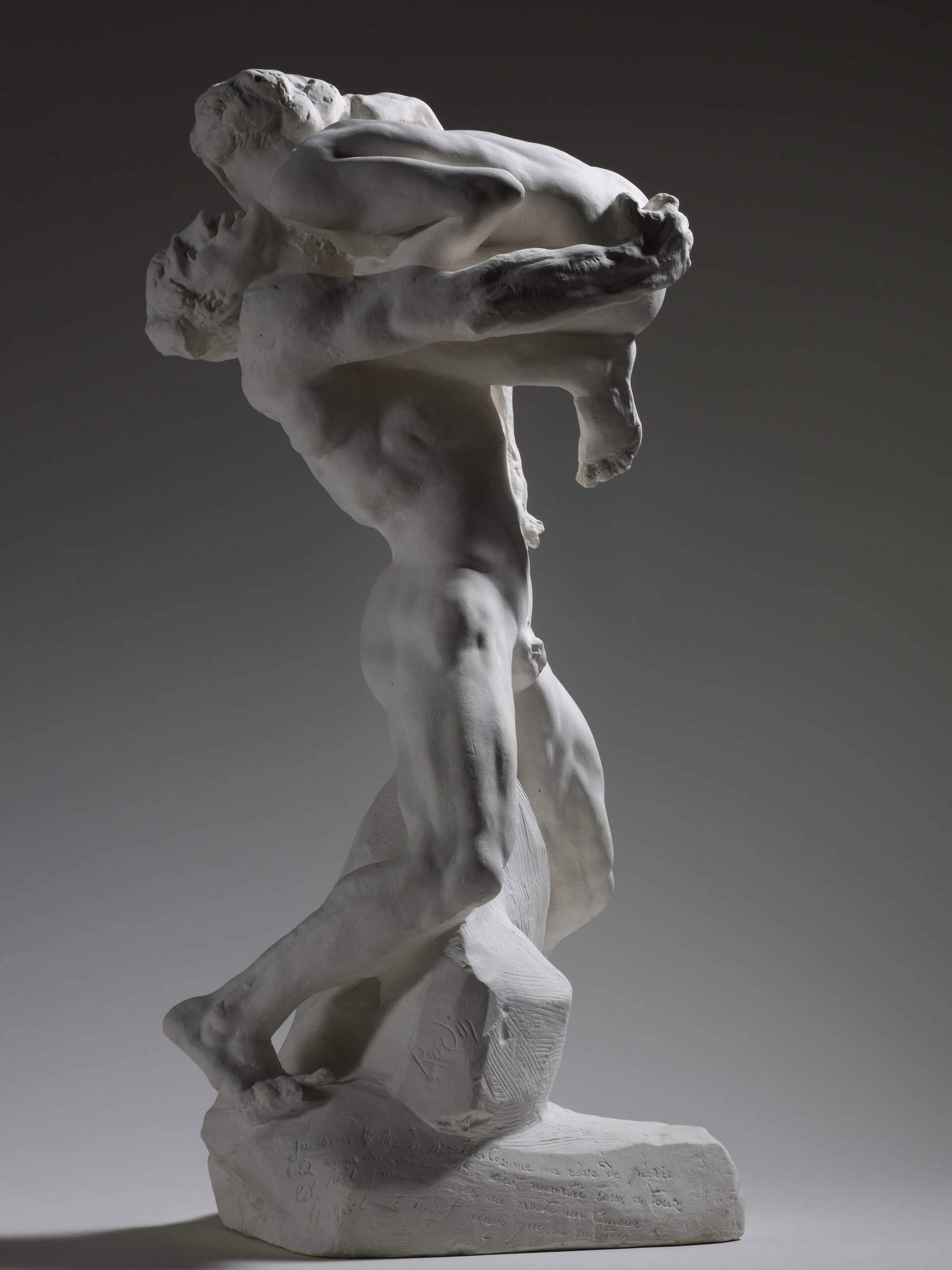
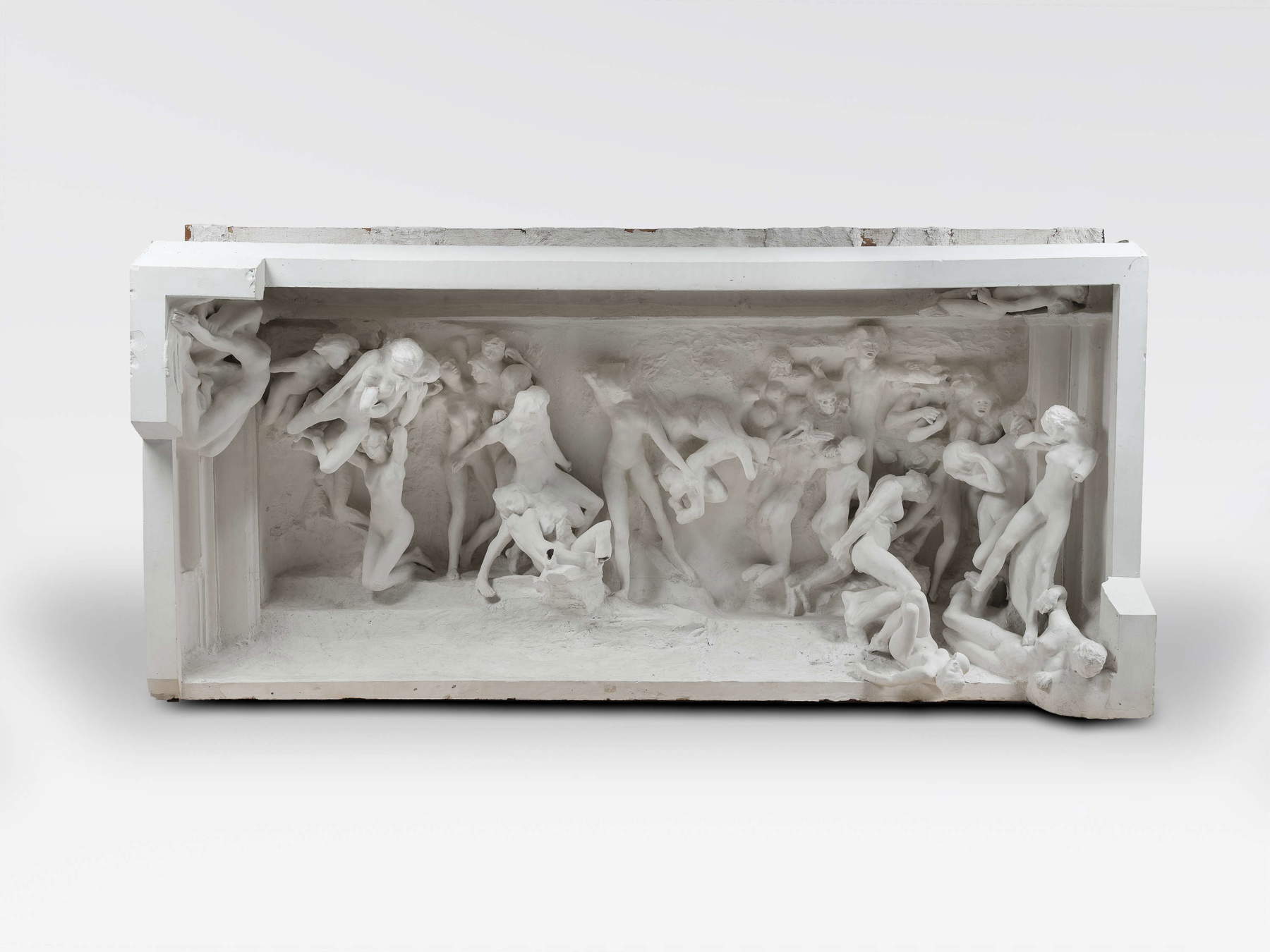
Another key section is dedicated to The Gates of Hell, a project born out of Rodin’s immersion in Dante’s Divine Comedy, particularly the cantos of Hell. Through hundreds of figures, the sculptor depicts the passions, sufferings, and torments of the human soul, focusing on the contrast between light and shadow and on the expressive power of the material. Over time, these representations took on an increasingly erotic dimension and led the artist toward an imagery close to the sensibility of Charles Baudelaire. This section features *The Kiss*, a patinated plaster group from 1885, one of Rodin’s best-known works. The sculpture depicts the tragic love between Paolo Malatesta and Francesca da Rimini, the protagonists of the second circle of Dante’s *Inferno*. Despite the subject’s dramatic origins, the work stands out for the delicacy of its composition and its portrayal of a moment of intense harmony. Rilke identifies the balanced distribution of life within the bodies of the two lovers as the very reason for the work’s universal appeal.
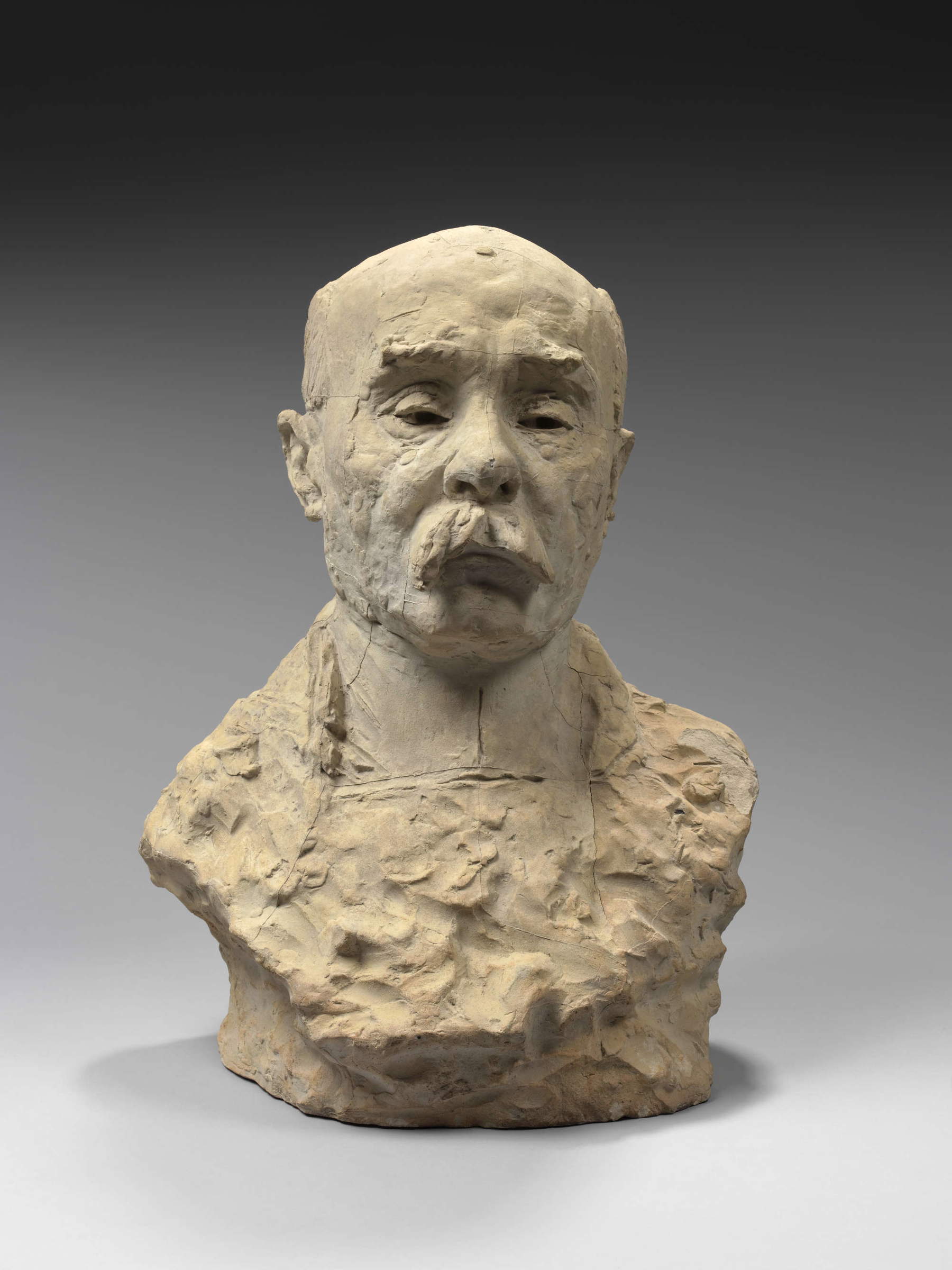
The exhibition continues with an in-depth exploration of portraiture, a genre in which Rodin achieved an innovative position thanks to his ability to transcend mere realistic reproduction. The artist maintains a focus on the human figure but breaks with traditional models by concentrating on material, surfaces, and the ability of modeling to reveal the subject’s psychology. The series of heads and busts on display bears witness to this ongoing exploration of facial features, to the point where physical resemblance merges with the revelation of character. Such is the case with the Head of Georges Clemenceau, created in terracotta in 1911, in which Rodin captures the enigmatic, proud, and determined character of the French statesman. Rilke recognizes in this work the sculptor’s ability to explore every aspect of the human being through the face.
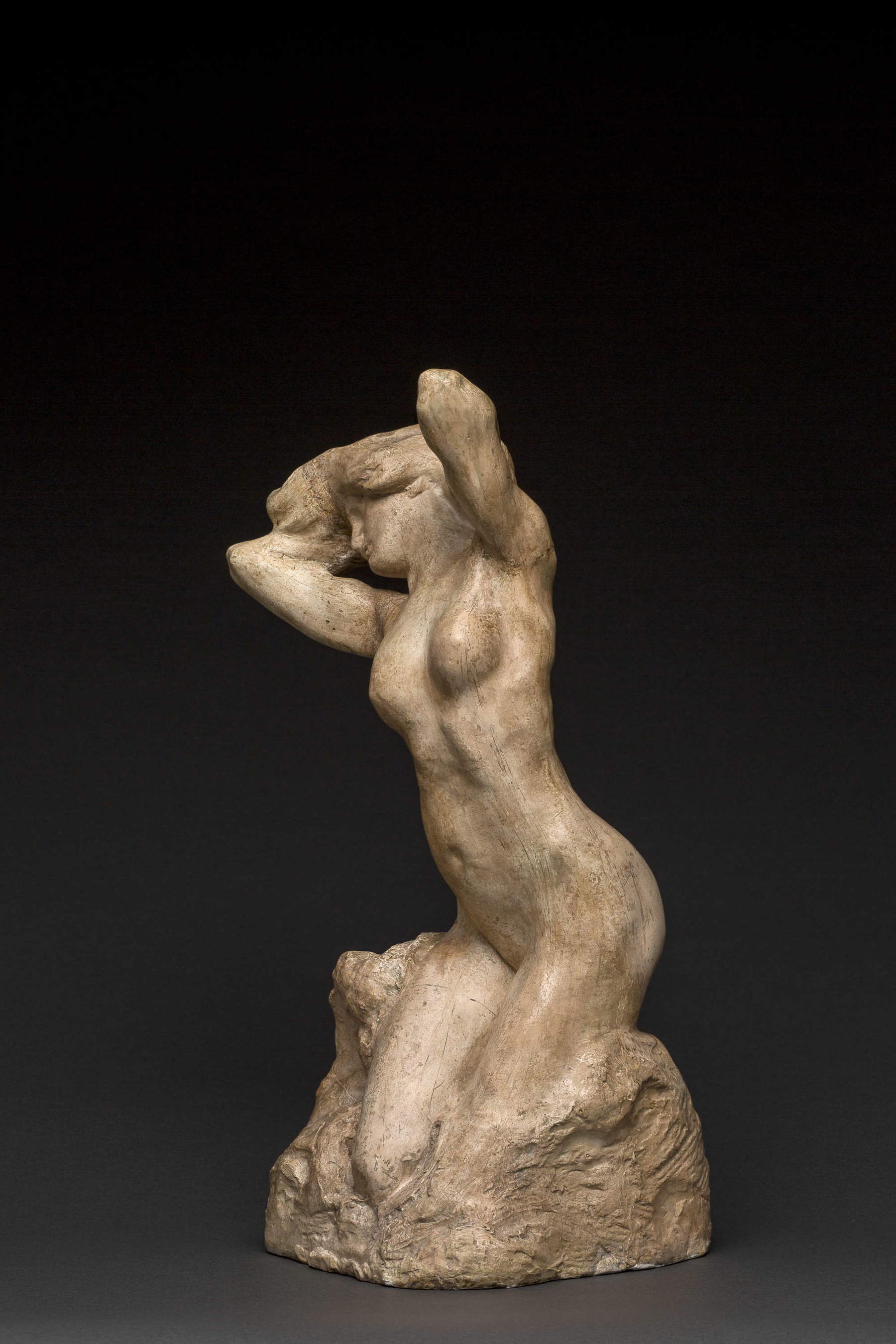
Another chapter is dedicated to *The Death of Athens*, a plaster cast from 1902, an allegory in which a naked, dying woman represents the decline of the ancient city. The figure, lying on a fragmented column, becomes a symbol of the end of an era. Rilke interprets the work as depicting the transformation of Athens—once an embodiment of beauty and glory—into a presence that has now vanished.
Great attention is also given to the hands, an autonomous and recurring element in Rodin’s work. For the sculptor, hands are not merely parts of the body, but subjects capable of expressing emotions and telling stories. Isolated, enlarged, assembled, or combined with other fragments, they become a true language of modern sculpture.
Among the examples on display is *Large Clenched Hand with a Supplicating Figure*, a plaster work created before 1906. The work depicts a powerful and menacing hand dominating a female figure whose hands are clasped in a supplicating gesture. This exploration fascinated Rilke, who recognized in Rodin’s study that hands are autonomous, almost endowed with a life of their own and capable of expressing feelings independently of the body.
The exhibition then dedicates a section to the drawings Rodin created beginning in the 1890s. The artist worked in front of a live model, without looking away and without initially focusing on the paper: he quickly sketched the outlines in pencil, later enriching them with watercolor. The series dedicated to Cambodian dancers and the mythological figure of Psyche reveal a new way of approaching drawing, based on the speed of the gesture and the ability to capture the moment.
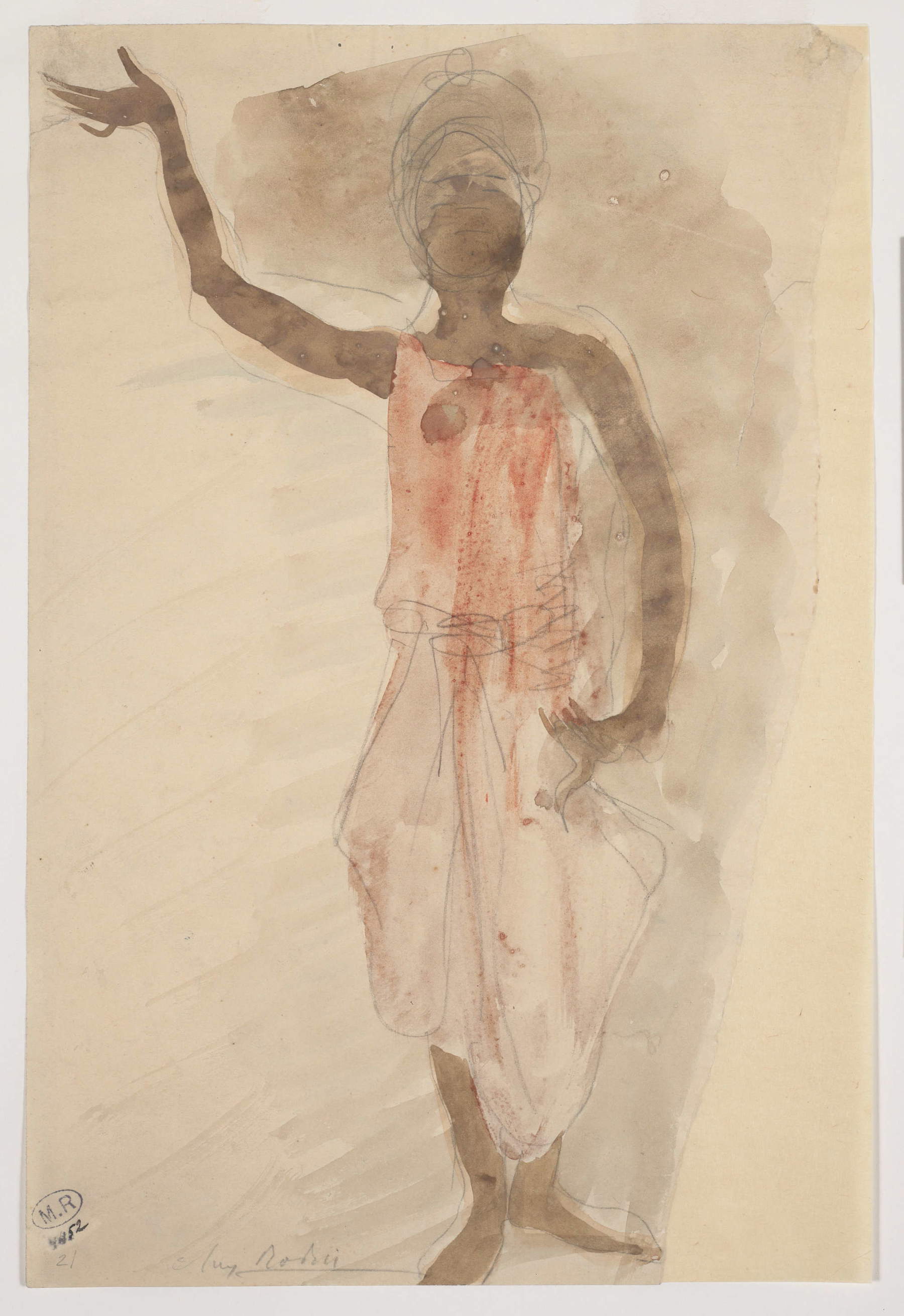
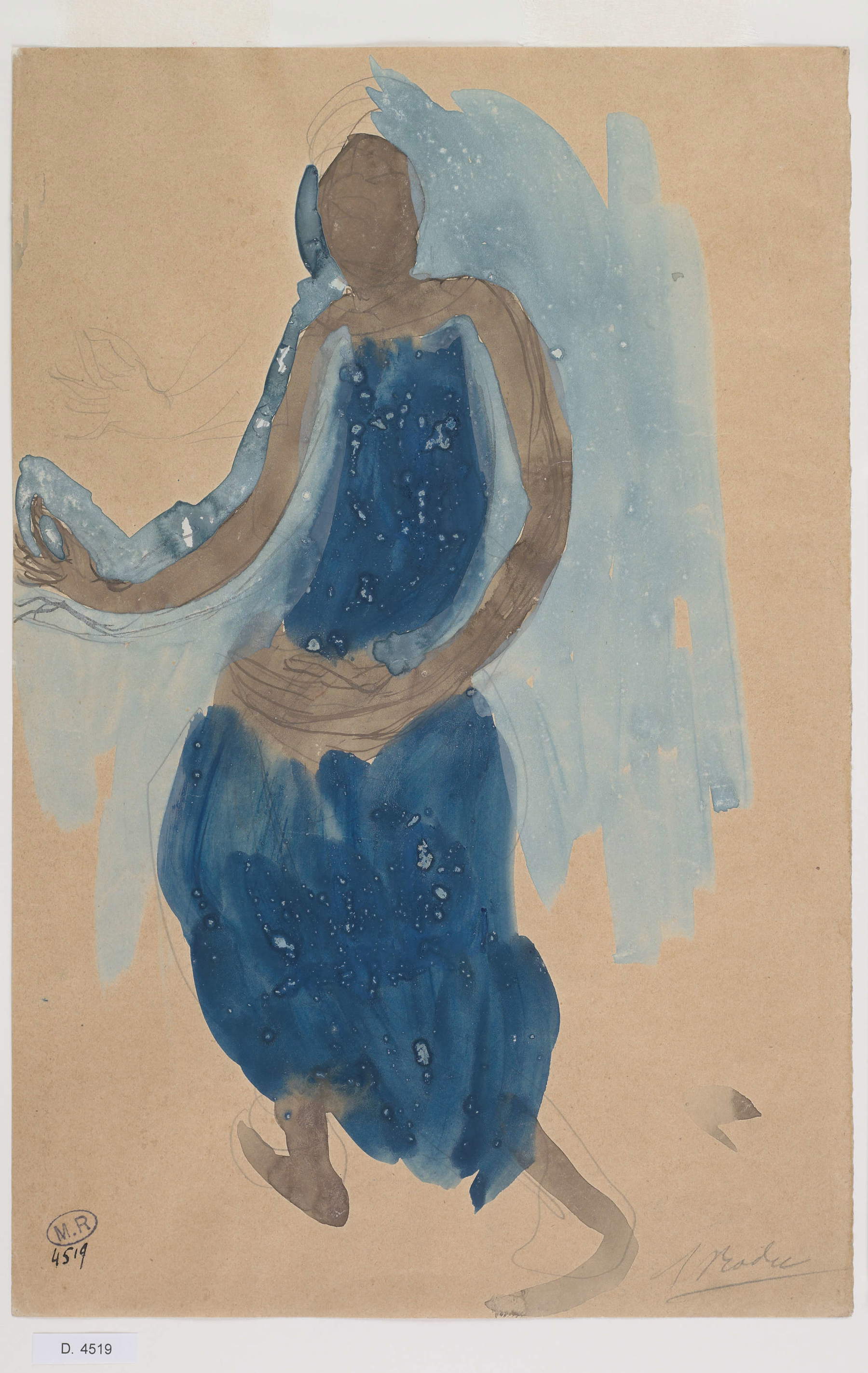
The Cambodian Dancer in a Three-Quarter View to the Left, created in 1906 with ink, pencil, watercolor, and gouache on tissue paper, was inspired by Rodin’s encounter with the Royal Ballet of Cambodia at the Pré Catelan in Paris. Fascinated by the dancers’ movements, the sculptor followed them all the way to Marseille to continue sketching them. In his drawings, he focused on their poses and the gestures of their arms, hands, and legs, capturing a fleeting moment of movement. Rilke describes these works as documents of the instantaneous and the almost imperceptible, capable of representing a profound revelation. The figure of Psyche , on the other hand, is explored through drawings devoid of setting, dominated by the sensuality and freedom of the female body. Rodin approaches the nude with absolute autonomy, creating images in which the swiftness of the line becomes a means of expression. Rilke admires these works for their ability to encapsulate full forms and pure gestures in just a few essential strokes.
The exhibition’s conclusion once again gives the floor to Rilke. From 1902 and for over ten years, Paris was the center of his life—a place where his encounter with Rodin, his friendship with the sculptor, his visits to museums, and his engagement with art profoundly influenced his writing. This legacy runs through the *New Poems* published in 1907 and 1908.
The conclusion of the exhibition no longer uses poetry to explain Rodin, but rather shows how Rodin helped transform Rilke’s own creative universe. The highlight is a reading of “Archaic Torso of Apollo,” one of the poet’s most famous poems, with its now-iconic final line: “You must change your life.”
A final section is dedicated to the relationship between Rilke and the Valais, the region where the poet spent the last years of his life. On June 28, 1921, Rilke settled in Sierre, Switzerland, moving into Muzot Castle, which had been purchased by his patron Werner Reinhart.
Rilke’s memory remains particularly vivid today in the Noble-Contrée, where the Rilke Foundation was established in 1986 and the Rilke Museum was founded the following year. The current director, Dr. Marcel Lepper, contributes to the project with an essay included in the catalog and with important documents relating to the poet’s life. Among these is a handwritten letter from Rilke to Eduard Korrodi, purchased by Léonard Gianadda and donated to the Rilke Foundation in 2021.
Rainer Maria Rilke died in 1926 at the Valmont Clinic in the Canton of Vaud and was buried in Raron, in the Valais. The exhibition “Rodin According to Rilke” thus becomes not only a tribute to two great figures of European culture, but also the story of an encounter capable of forever transforming the way we view sculpture, poetry, and the relationship between matter and spirit.
 |
| Rodin According to Rilke: An Exhibition in Switzerland Explores the Dialogue Between Sculpture and Poetry |

Warning: the translation into English of the original Italian article was created using automatic tools. We undertake to review all articles, but we do not guarantee the total absence of inaccuracies in the translation due to the program. You can find the original by clicking on the ITA button. If you find any mistake,please contact us.













 IT
IT FR
FR DE
DE ES
ES CN
CN


