





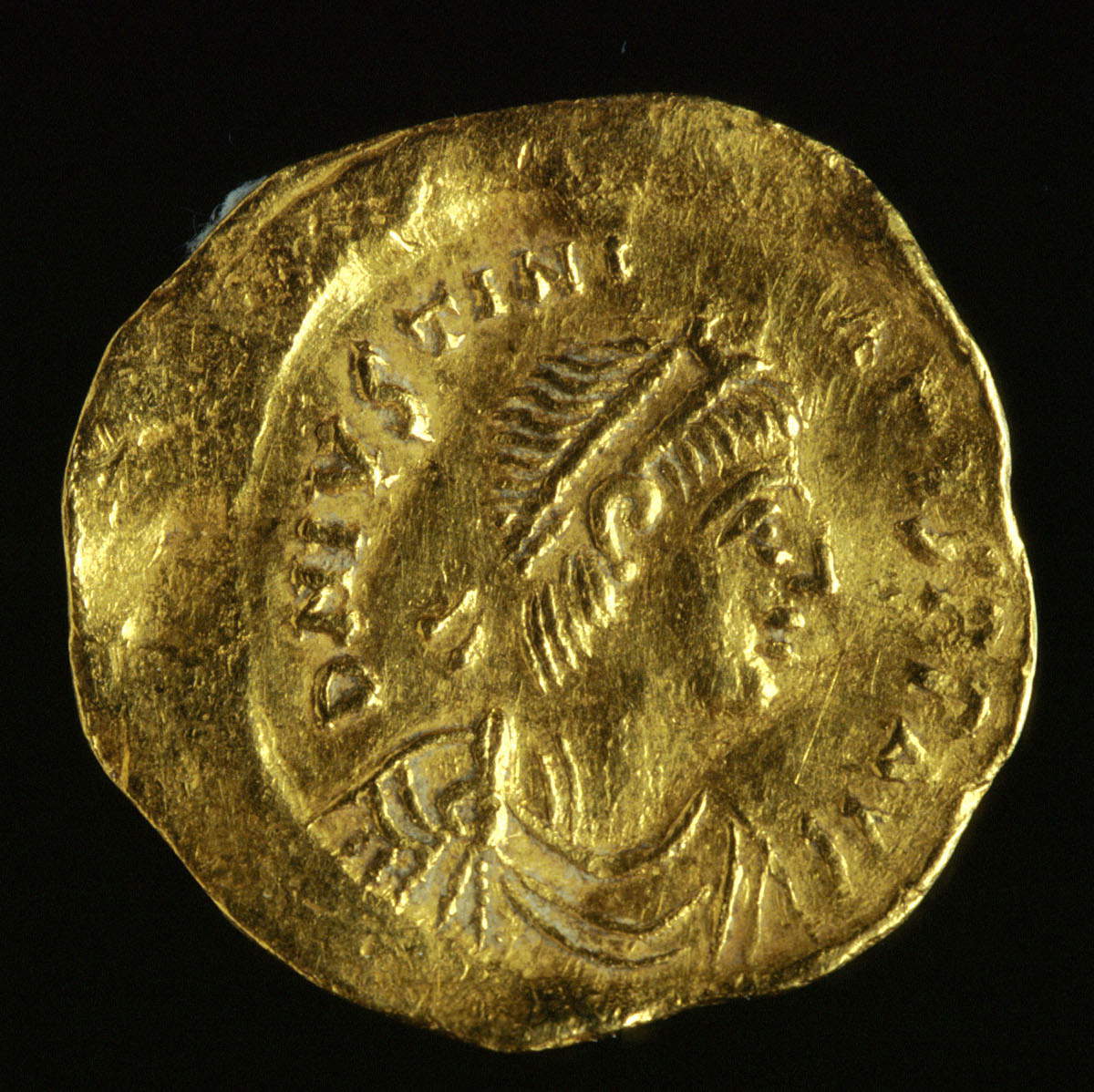
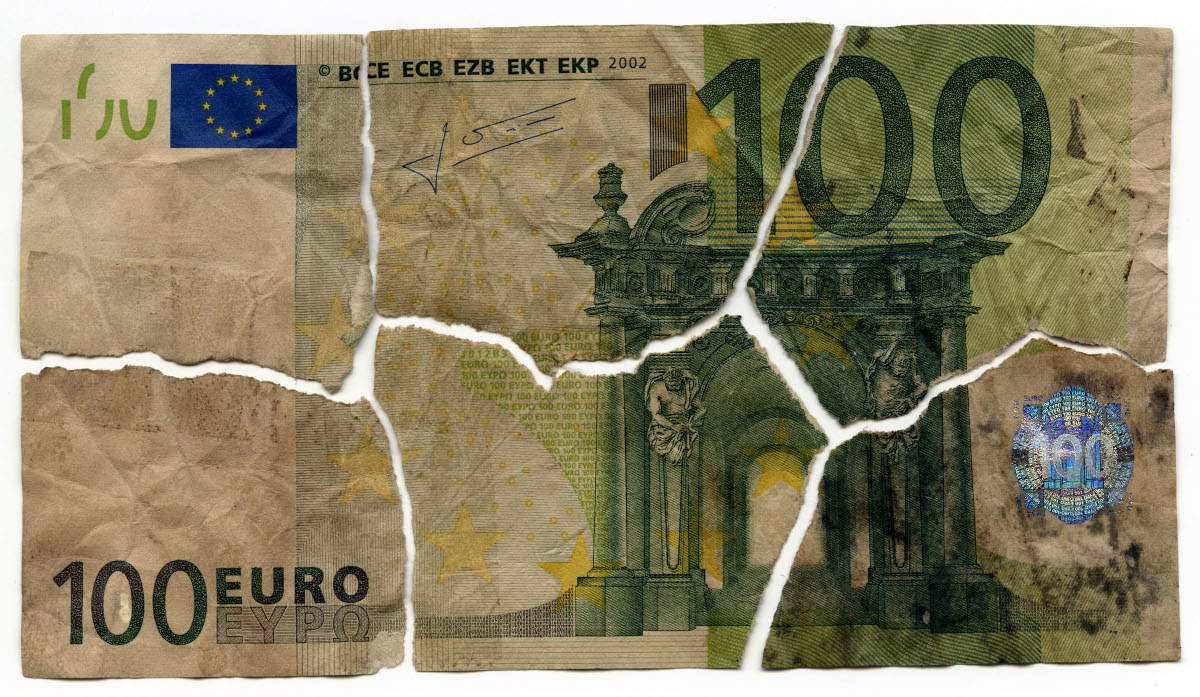
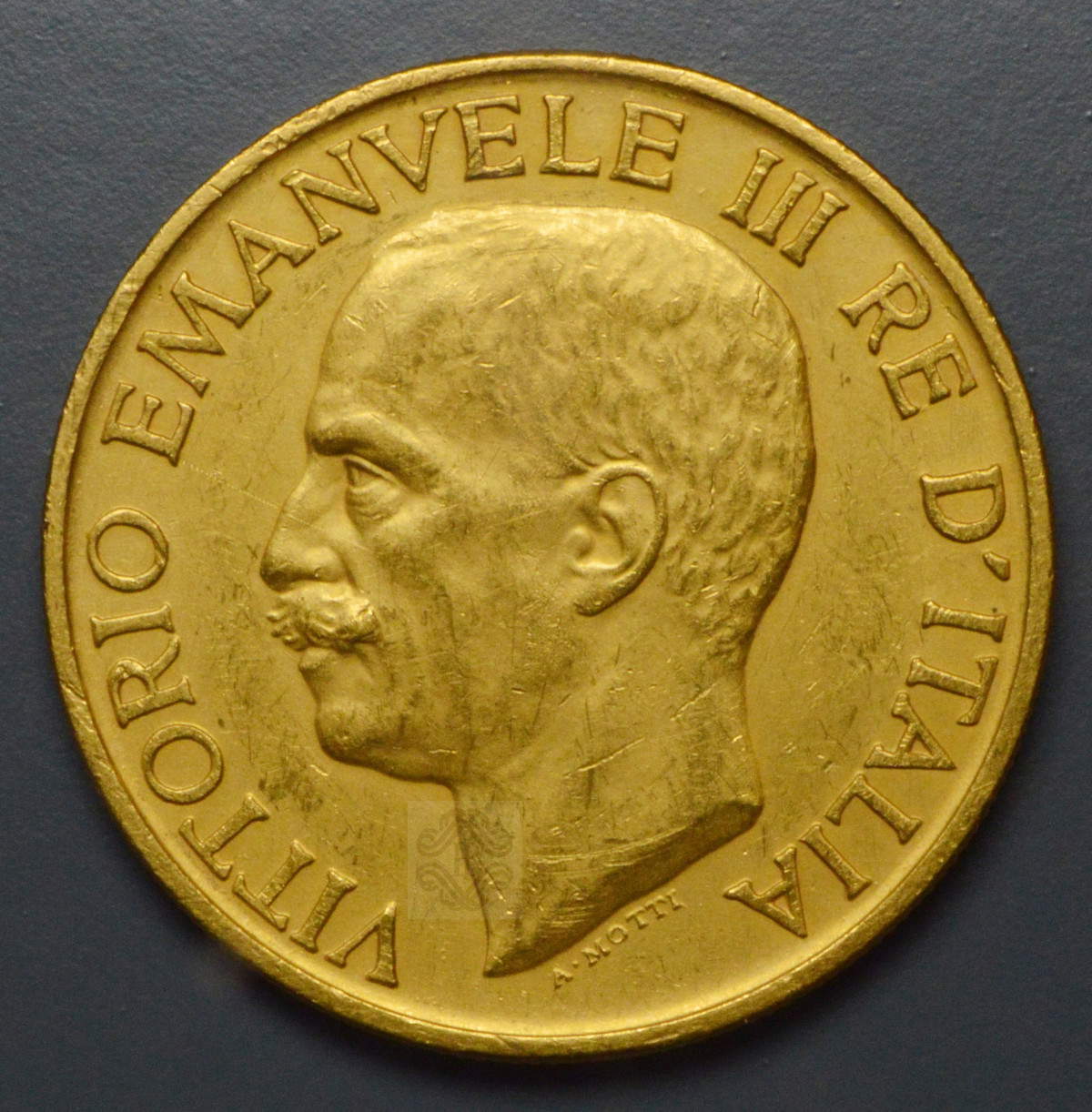
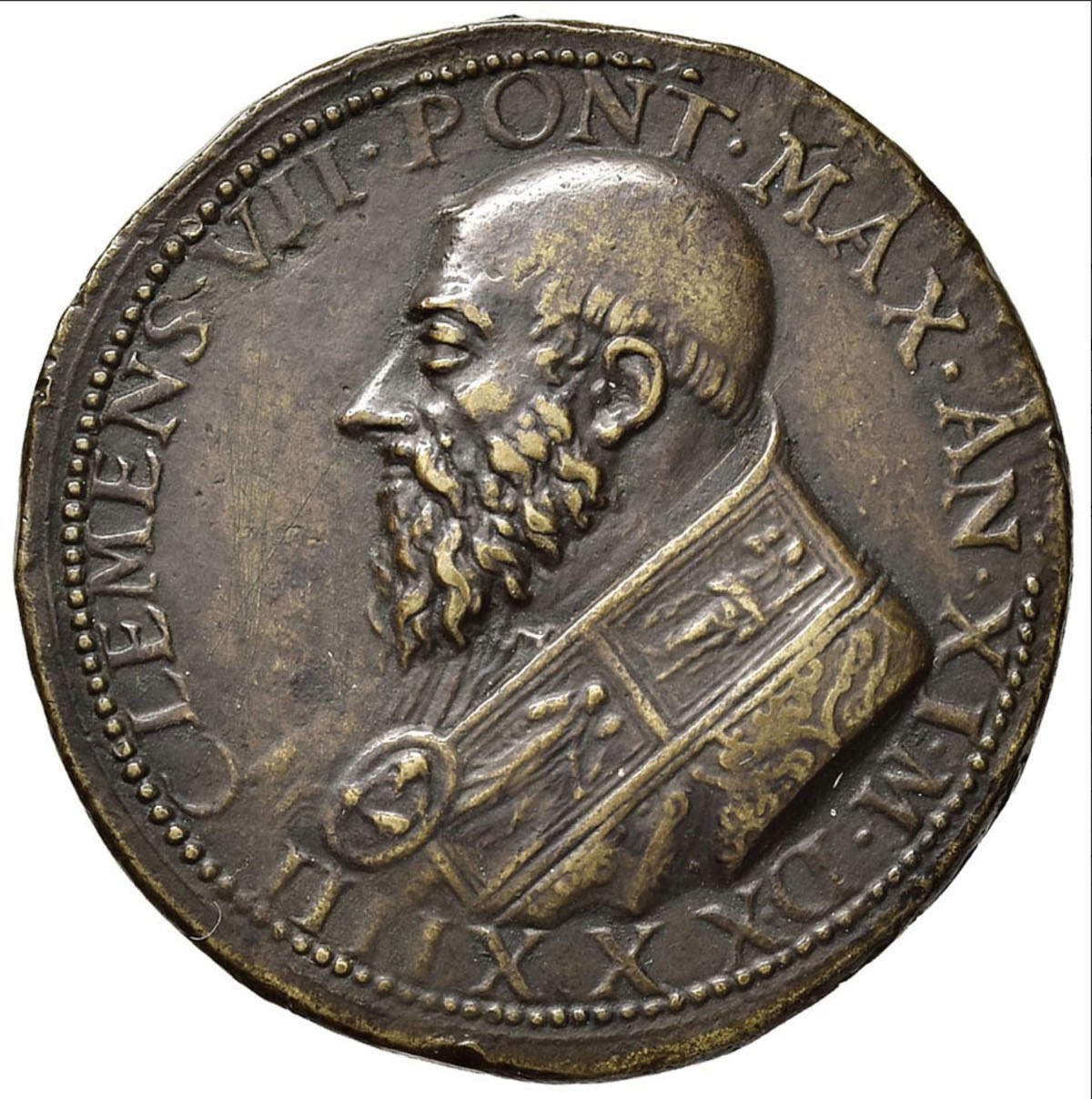
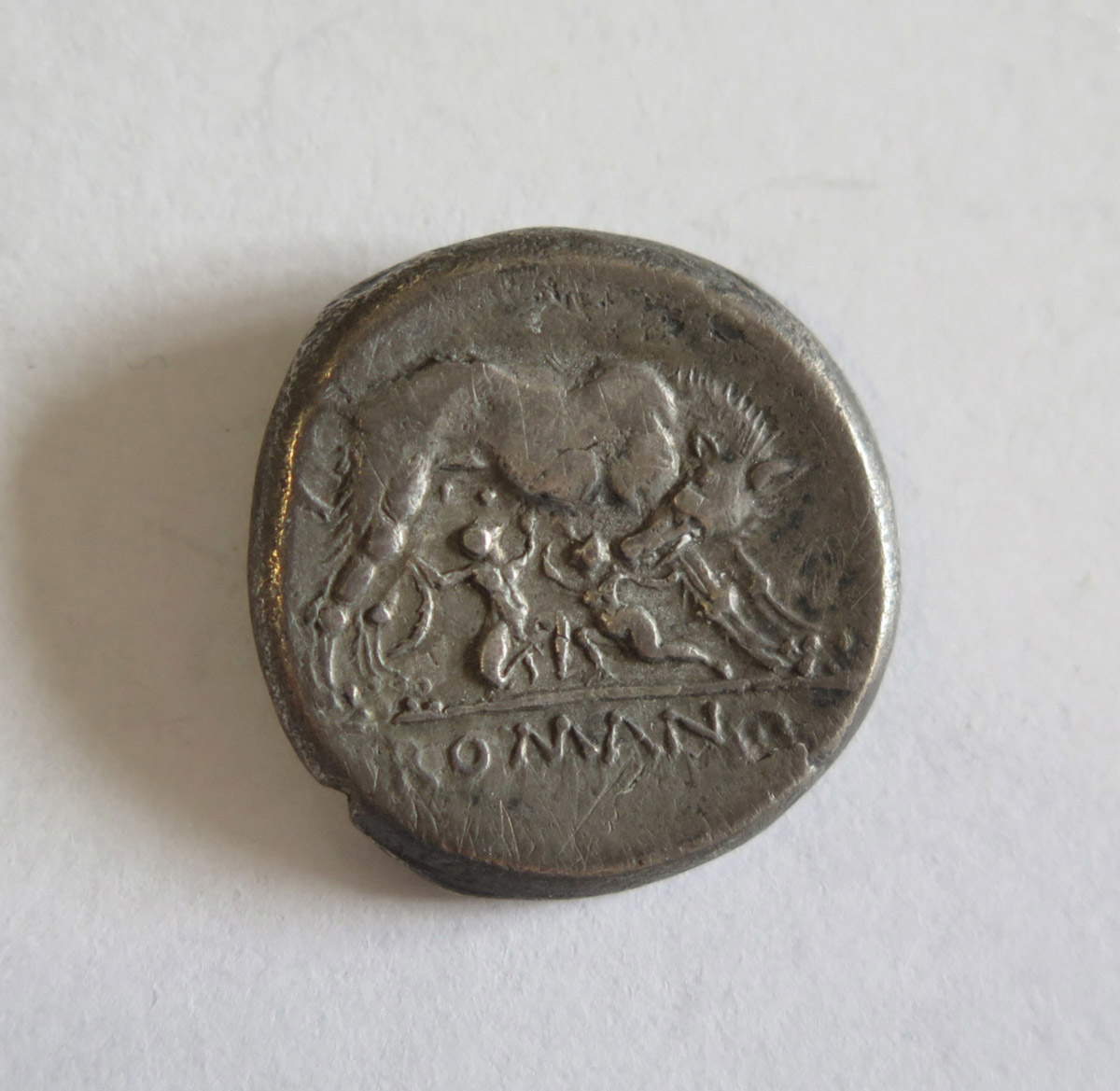
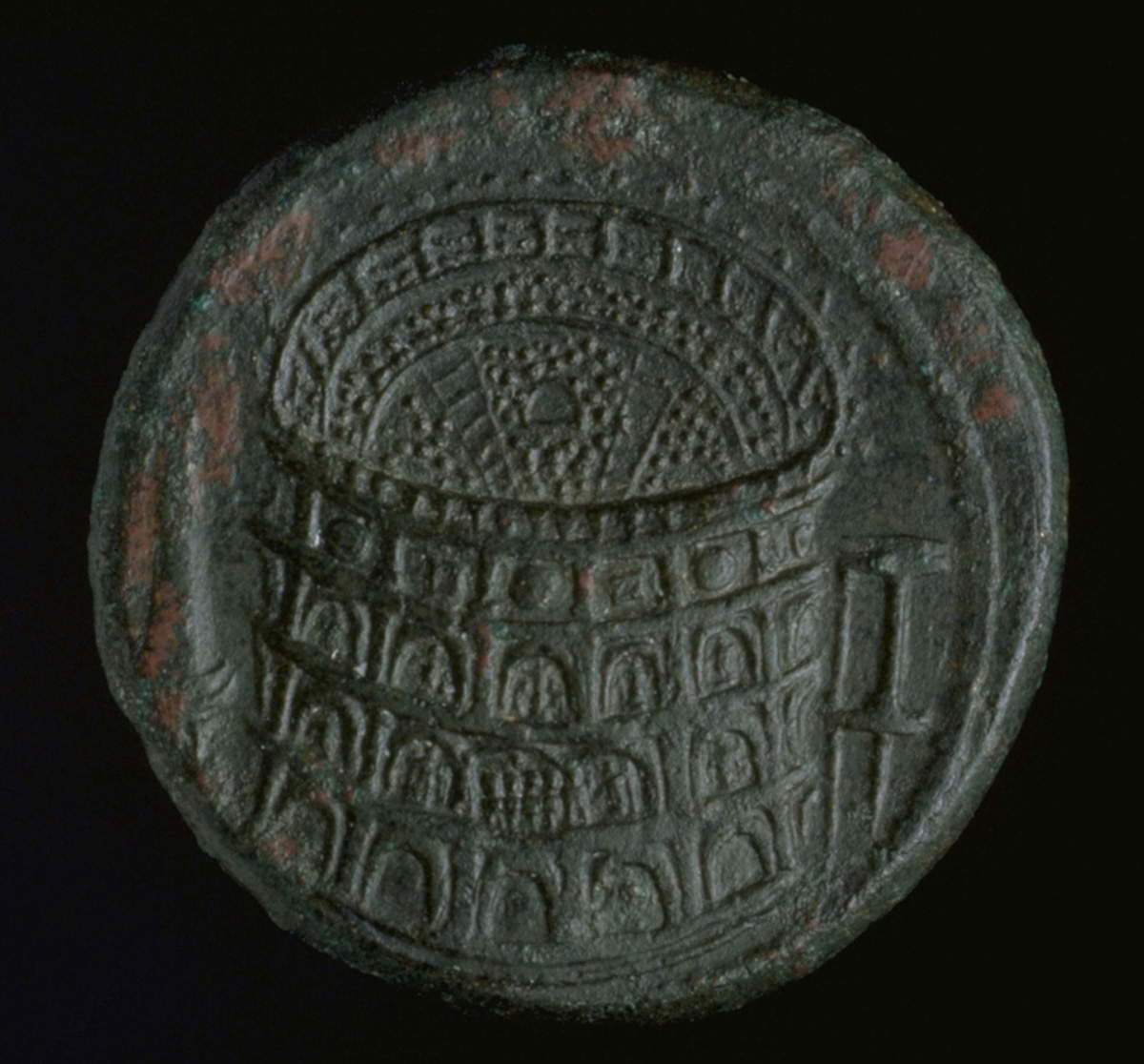
From July 2 to September 27, 2026, Rome will host “Rome in Coins: Art and Power in the History of the Eternal City,” a major, citywide exhibition project that aims to recount over two millennia of the capital’s history through one of the most representative symbols of power: coins. Curated by the Department for the Promotion of Cultural Heritage in collaboration with VIVE – Vittoriano and Palazzo Venezia, the Colosseum Archaeological Park, and the National Roman Museum, the exhibition offers a journey through the city’s political, artistic, and cultural history, using coins as privileged testimonies to the major changes that have shaped Rome over the centuries. Much more than a simple means of payment, coins have in fact served as a tool of propaganda, an emblem of power, and a medium capable of transmitting symbols, messages, and identity. Each coin tells the story of an era through images, inscriptions, and iconography that reflect the evolution of Roman society.
For the first time, three major state museums are collaborating on a single, multi-venue exhibition. The exhibition is divided into three major chronological sections: antiquity is featured at the National Roman Museum, the Middle Ages at the Colosseum Archaeological Park, while VIVE – Vittoriano and Palazzo Venezia explores the modern and contemporary eras. The three venues can be visited individually or as part of a single itinerary using a combined ticket valid for the entire duration of the exhibition.
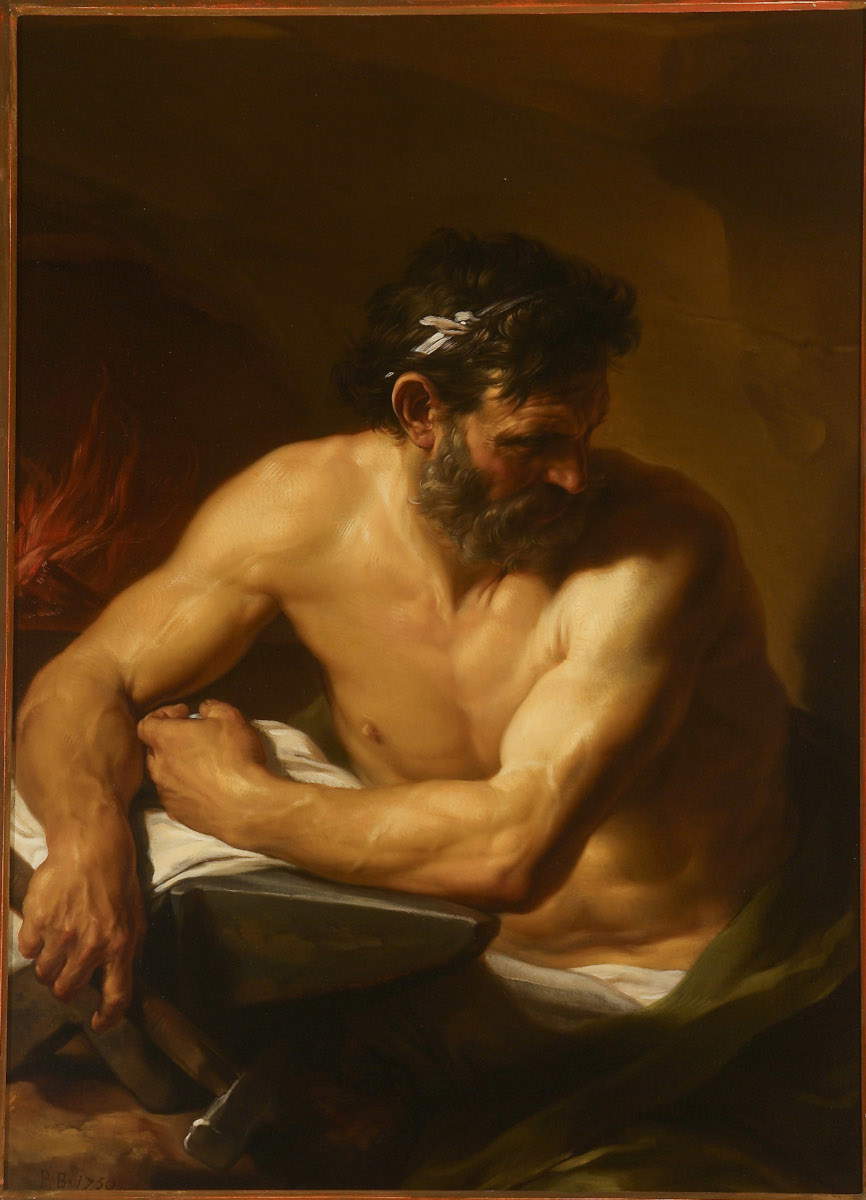
The exhibition unfolds across 25 thematic sections, each dedicated to a pivotal moment in Rome’s history. Each chapter begins with a coin and places it in dialogue with paintings, sculptures, illuminated manuscripts, precious objects, artifacts of material culture, and contemporary installations, supported by in-depth explanations and digital tools designed to guide visitors.
Among the events featured are the election of Julius Caesar as dictator, the return of Pope Martin V after his Avignon captivity, and the Breach of Porta Pia—episodes that marked profound transformations in the city’s political and cultural history. The exhibition brings together over 160 works from major Italian institutions. The ancient coins come from the Numismatic Collection of the National Roman Museum, which recently reopened to the public following a digitization project funded by PNRR grants, while the contemporary coins come from the Mint Museum.
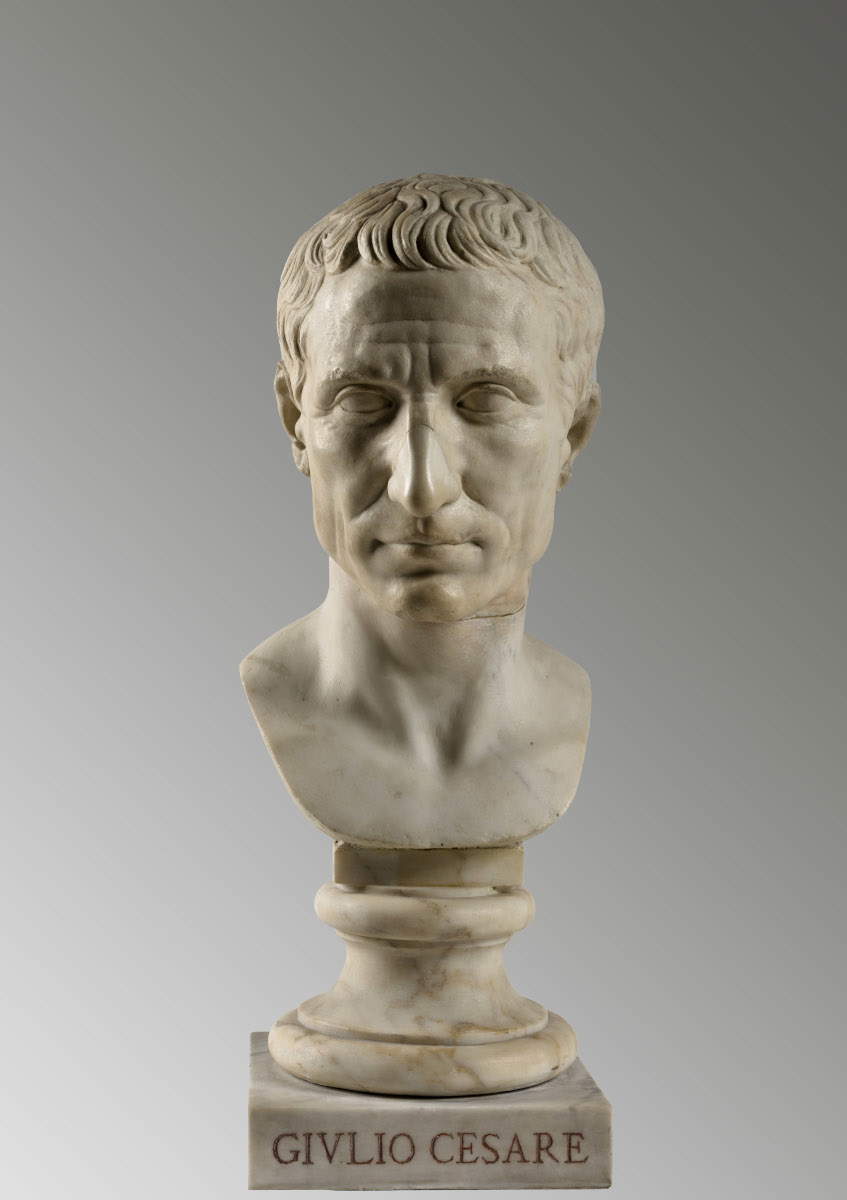
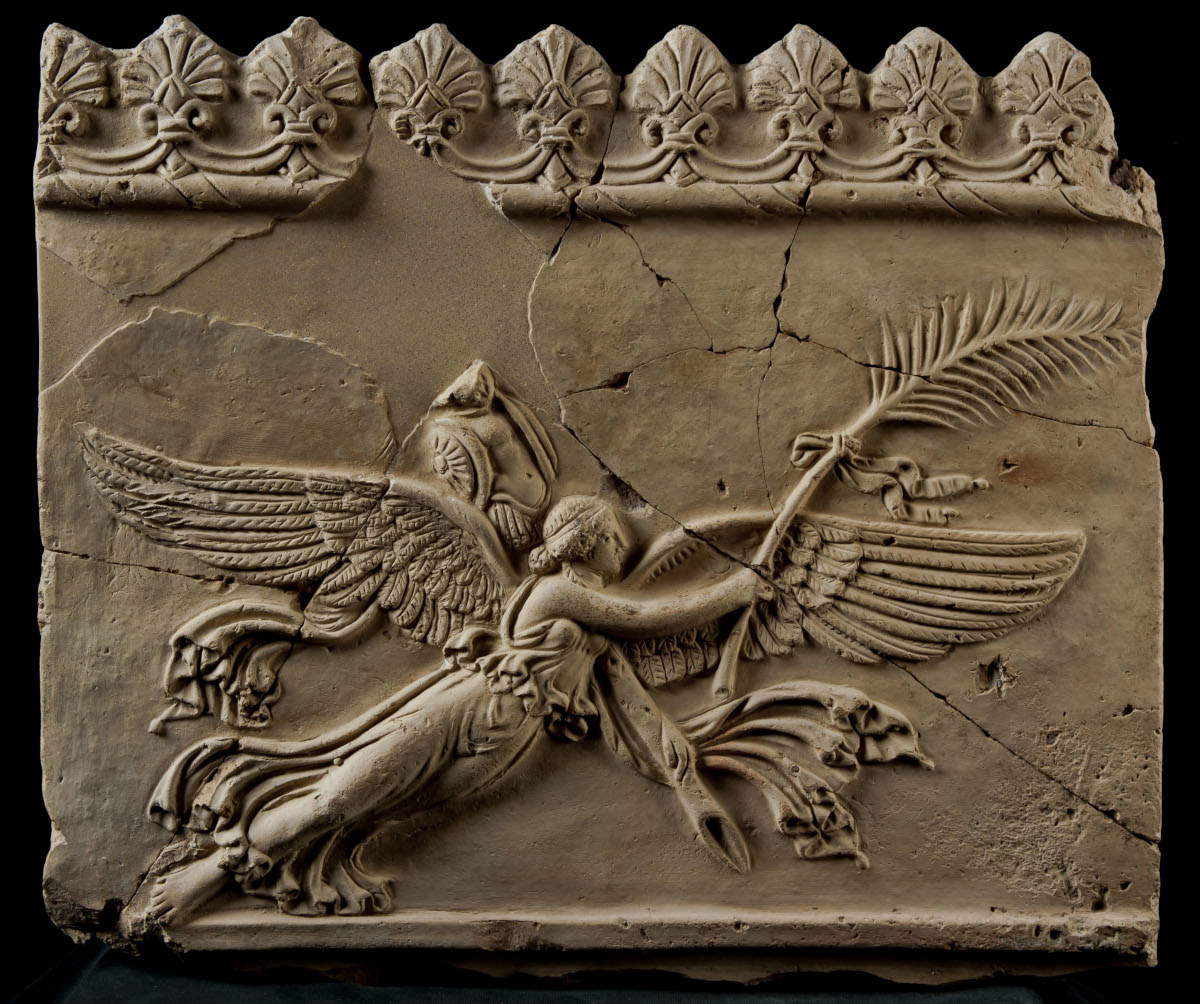
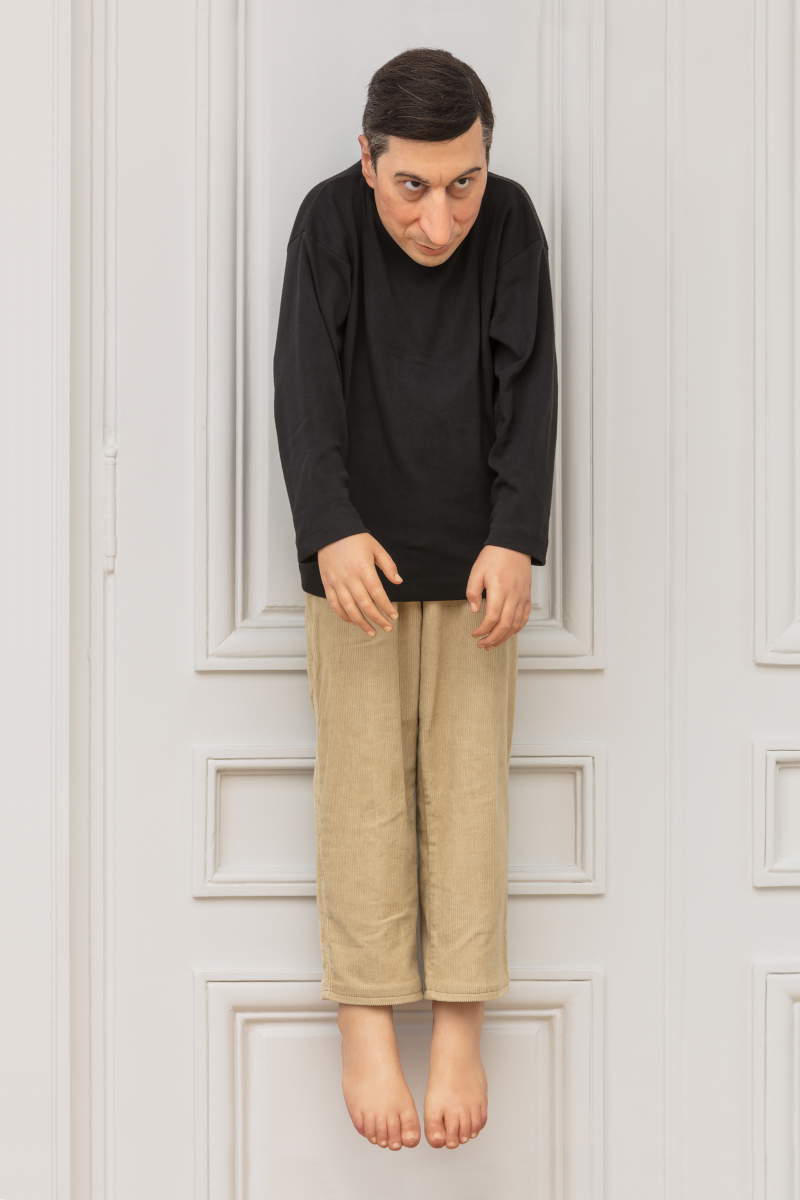
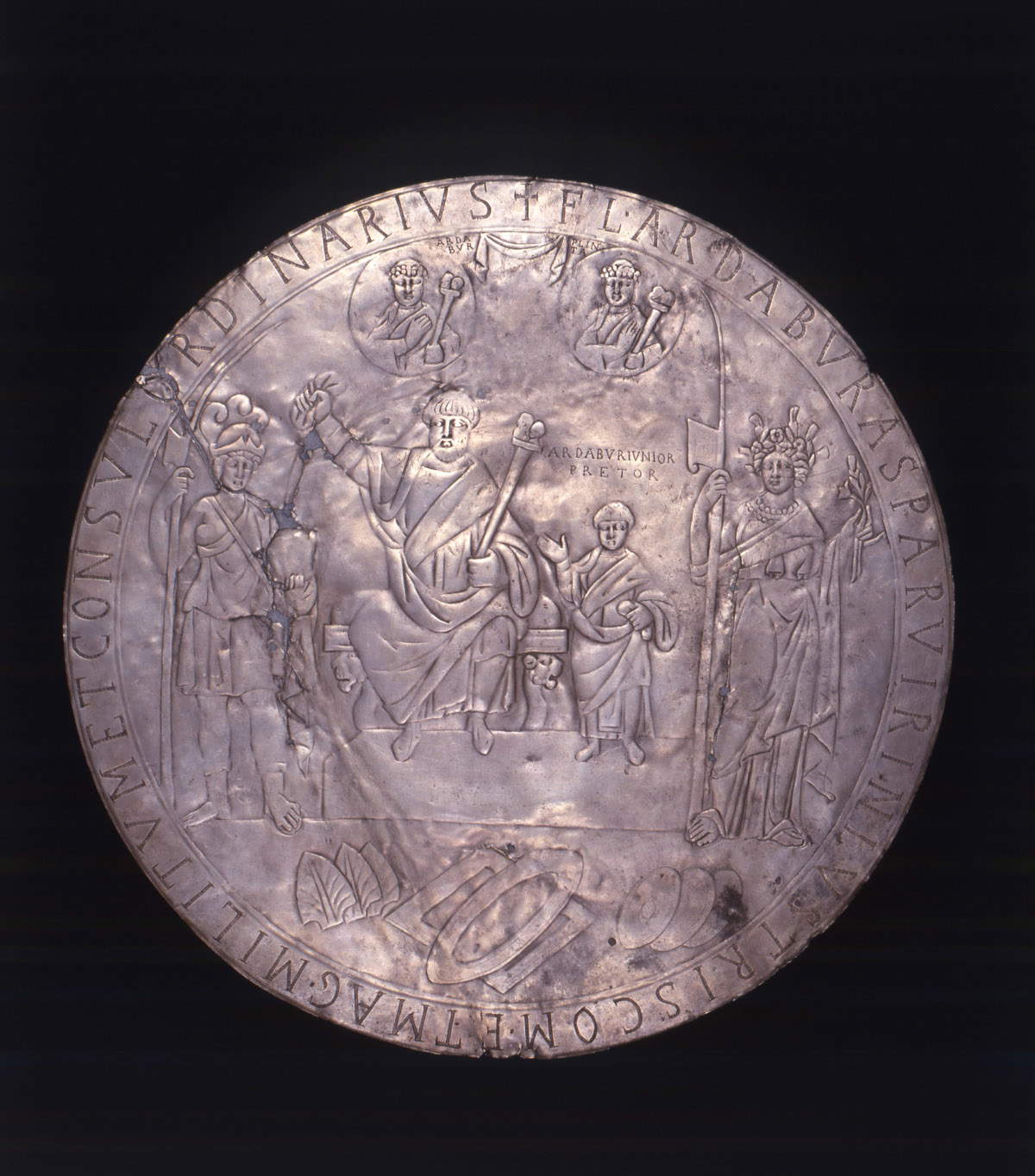
Among the most significant loans are the Honorary Plate of Ardabur Aspar (Florence, National Archaeological Museum), the Portrait of Julius Caesar (Vatican Museums), and the Portrait of Constantine (Rome, Capitoline Superintendency); at the Colosseum Archaeological Park, the frescoes from Santa Maria in Via Lata depicting *The Seven Sleepers* (Rome, Crypta Balbi) and the *Madonna* by Pietro di Belizo and Belluomo (Mamiano di Traversetolo, Magnani-Rocca Foundation) and the monumental Boniface VIII by Manno di Bandino da Siena (Bologna, Medieval Civic Museum), one of the most imposing sculptures of the Italian Middle Ages; at VIVE—Vittoriano and Palazzo Venezia, the Rovere Missal decorated by Jacopo Ravaldi, a masterpiece of 15th-century miniature art (Turin, State Archives); the Portrait of Pope Alexander VII Chigi by Gian Lorenzo Bernini (Rome, National Galleries of Ancient Art) and Untitled by Maurizio Cattelan, which concludes the narrative on contemporary Europe.
“Rome in Coins” is curated by Alfonsina Russo, Edith Gabrielli, Simone Quilici, and Federica Rinaldi, with the contribution of a broad scientific committee composed of scholars, art historians, and archaeologists from Italian and international universities and institutions. The section at the National Roman Museum is under the scientific coordination of Fabrizio Oppedisano (Scuola Normale Superiore di Pisa) and Massimiliano Papini (“Sapienza” University of Rome); the section at the Colosseum Archaeological Park is led by Sandro Carocci (University of Rome “Tor Vergata”), Serena Romano (University of Lausanne), and Dario Internullo (Roma Tre University); the section at VIVE—Vittoriano and Palazzo Venezia—is led by Francesco Benigno (Scuola Normale Superiore di Pisa), Edith Gabrielli, and Matteo Sanfilippo (University of Tuscia). In addition to the coordinators, the scientific committee includes Barbara Agosti, Marta Barbato, Federico Barello, Lorenzo Canova, Raffaella Morselli, Massimo Osanna, Emanuele Pellegrini, Roberto Pinto, Pier Paolo Racioppi, Alessia Rovelli, Lucia Travaini, and Claudio Zambianchi.
This initiative is part of a collaboration agreement between the Department for the Promotion of Cultural Heritage and the Italian Institute of Numismatics, with the aim of promoting numismatic heritage as a tool for understanding history and strengthening the dialogue between museums, scientific research, and the public.
“Rome in Coins is an exhibition project of extraordinary cultural significance,” commented Minister of Culture Alessandro Giuli, “which brings over two thousand years of the Eternal City’s history to the public through one of the most effective tools for representing collective memory and identity. Each specimen tells the story of a chapter in our civilization, bearing witness to the ongoing dialogue between art, politics, and society. The initiative reaffirms the mission of the Ministry of Culture, which aims to promote an integrated approach to heritage preservation capable of connecting museums, cultural sites, and the scientific community. Rome thus emerges as a living laboratory of knowledge, innovation, and cultural participation.”
“With ‘Rome on a Coin,’ we intend to experiment with a new model of access to cultural heritage,” stated Alfonsina Russo, Head of the Department for the Promotion of Cultural Heritage. “The combined ticket for three state museums is designed as a tool for promoting cultural heritage: it allows visitors to explore three collections and three phases of Rome’s history as part of a coordinated cultural experience. It is a formula that could pave the way for further collaborative projects among state institutions, strengthening the Department’s role as a hub for coordination, planning, and innovation in the service of the public.”
“This complex and multifaceted exhibition project begins with the Medal Collection housed at Palazzo Massimo and the site of the Baths of Diocletian, where the period spanning the formation of the republican identity and imperial self-representation is explored in depth; through the dialogue between coins and archaeological finds, over a millennium of Rome’s history is brought to life,” stated Federica Rinaldi, Director of the National Roman Museum.
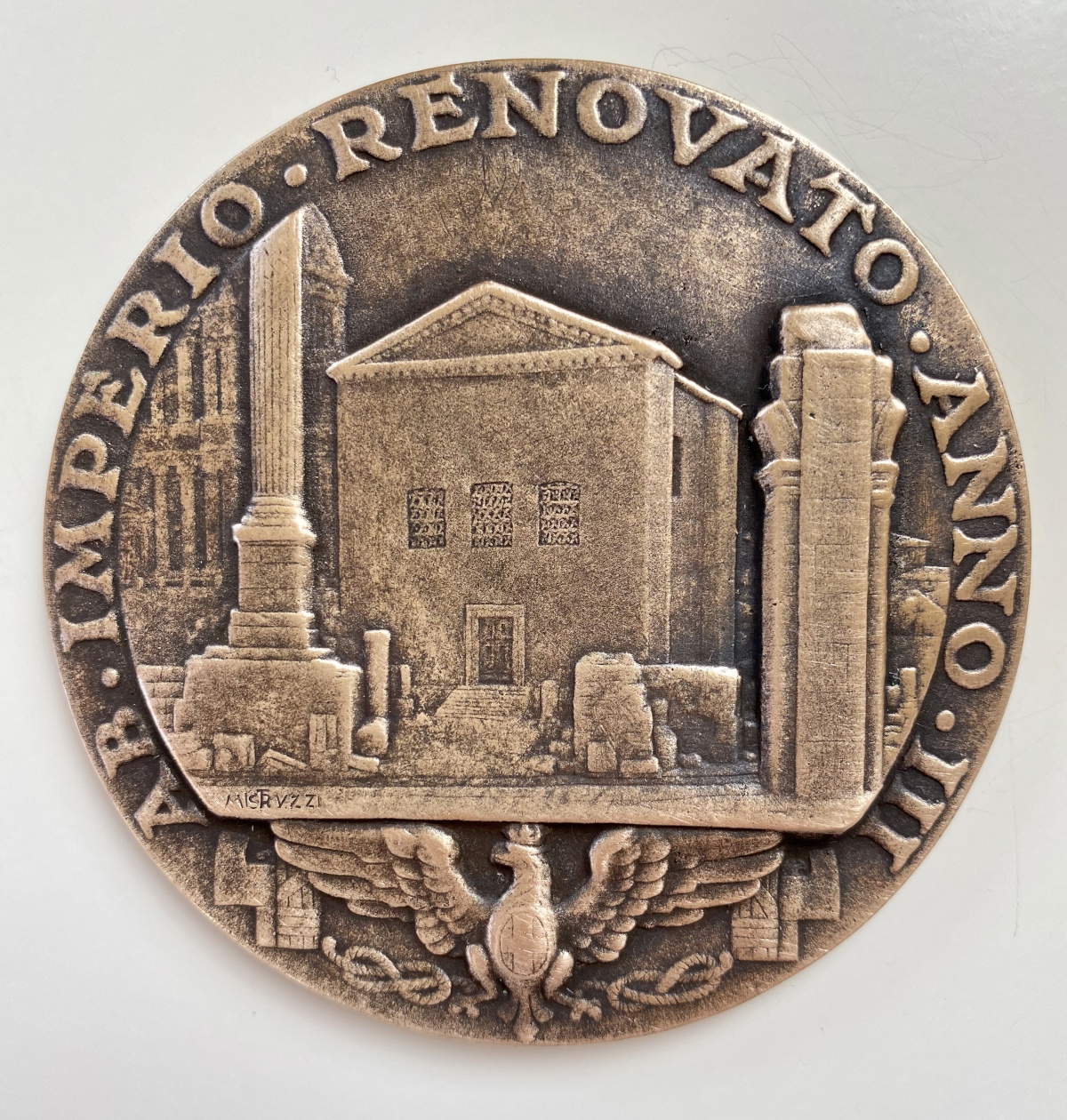
“The Temple of Romulus in the Roman Forum hosts a very special section of the exhibition, exploring the medieval legacy of Roman coinage, which evolved from the solidus, denarius, and aes into the most diverse forms, while retaining its original imperial denomination for a long time—at least throughout the Early Middle Ages. This is a phenomenon of long-lasting lexical significance that has its origins right here, considering that Rome’s mint was located just a few steps from the Temple of Juno Moneta on the Capitoline Hill,” explained Simone Quilici, Director of the Colosseum Archaeological Park.
“Maurizio Cattelan’s *Untitled* is the spectacular conclusion to the exhibition in the Vittoriano section,” concluded Edith Gabrielli, Director of VIVE—Vittoriano and Palazzo Venezia. “Of course, that’s not all; on the contrary, the other periods—from the Renaissance to the Baroque and on through the 20th century—are given equal space and importance. On the other hand, the presence of Cattelan and other great contemporary artists closes the circle between the past and the present, conveying the image of a city still capable of imagining the future.”
|
| Rome in Coins: A major exhibition spread across three venues in the capital traces over 2,000 years of history |

Warning: the translation into English of the original Italian article was created using automatic tools. We undertake to review all articles, but we do not guarantee the total absence of inaccuracies in the translation due to the program. You can find the original by clicking on the ITA button. If you find any mistake,please contact us.























 IT
IT FR
FR DE
DE ES
ES CN
CN


