




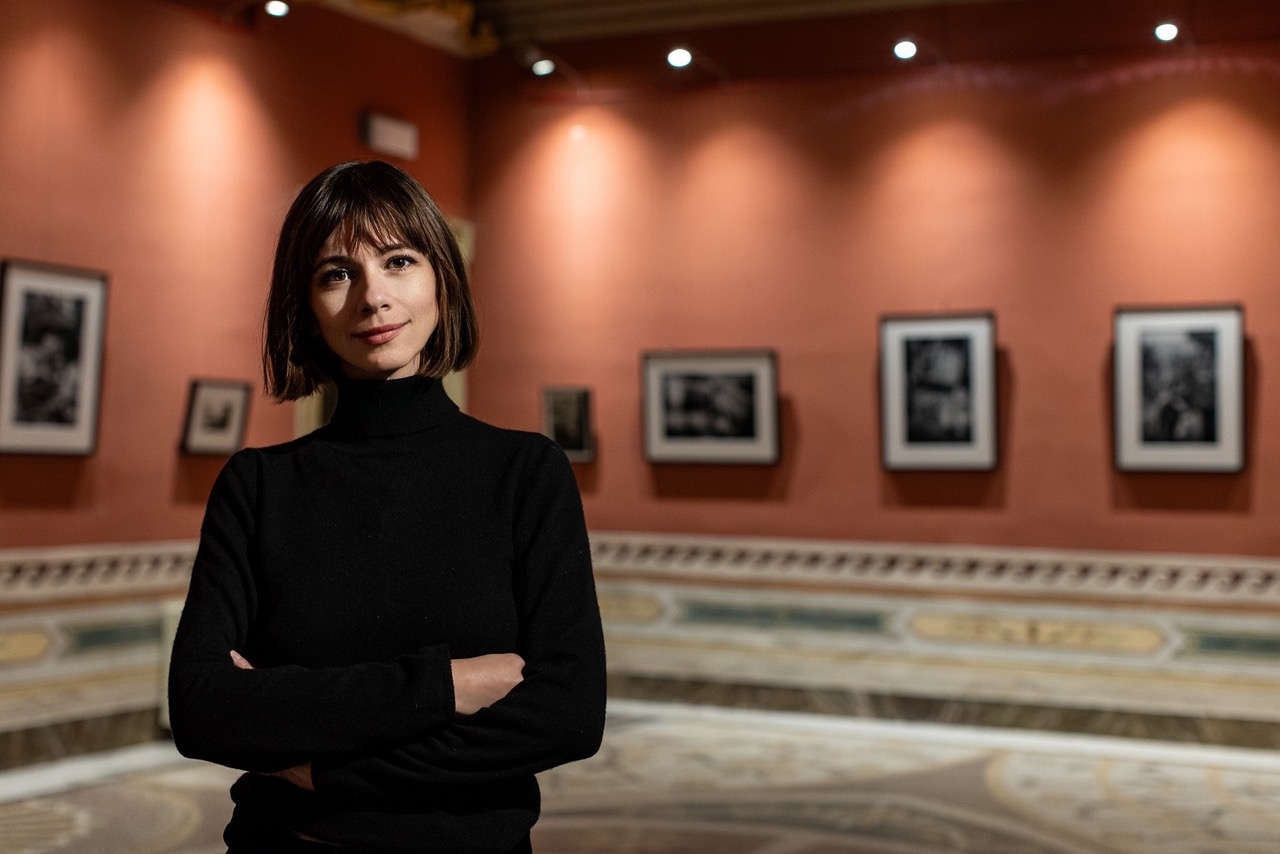
Can the Venice Biennale also be interpreted as a relationship between artistic experimentation, the market, and systems of cultural support? That is what curator Adina Drinceanu attempts to do in this interview with Noemi Capoccia, in which she offers an interpretation of the event that goes beyond the exhibition itself. Adina Drinceanu is a curator and researcher whose career weaves together contemporary art, historical research, cultural planning, and institutional strategies. As founder and president of ERA – Eco Ricerca Arte, a nonprofit organization dedicated to using art as a tool for social inclusion and transformation, she has collaborated with international cultural institutions, foundations, and universities, complementing her curatorial work with a reflection on the relationship between artistic production, philanthropy, and cultural policies. Her experience—gained in part through projects linked to the Venice Biennale and institutions such as the University of Cambridge—has led her to examine the economic and cultural infrastructures that enable the production of contemporary art.
At the heart of the following conversation are themes such as the role of philanthropy in shaping cultural projects, the responsibility of institutions to guarantee spaces of freedom for artists and curators, and the social function of art as a tool for knowledge and transformation. This gives rise to a reflection on the future of major international events and on the conditions necessary for research, curatorial autonomy, and public impact to continue coexisting within the contemporary art system.
NC. In your opinion, does the Biennale still represent a space for authentic cultural experimentation, or does the market exert an ever-greater influence on artistic choices?
AD. The Venice Biennale has always been a deeply political space. It has been so since its inception, as evidenced by its structure, which is based on national pavilions that inevitably reflect geopolitical and cultural dynamics. At the same time, it continues to be one of the most significant contexts for international artistic experimentation, capable of giving visibility to new research and perspectives. Of course, the question of access remains open: who has the opportunity to exhibit, who can be present, who is able to see the works, which projects gain visibility, and what dynamics influence their circulation. It is a complex issue that concerns not only the market but, more broadly, the conditions under which culture is produced, supported, and made public. For this reason, I believe it is important to view the Venice Biennale within a broader international context. In recent years, events such as the Sharjah Biennial and the Biennale of Sydney have developed different forms of cultural production, commissioning, and engagement with local communities, demonstrating how a biennial can be not only an exhibition event but also an infrastructure for research, production, and international dialogue. The Venice Biennale remains an indispensable point of reference, but today it is even more interesting to interpret it in relation to these experiences, which are broadening the landscape of contemporary art. Every biennial carries with it a political dimension and inevitable dynamics of visibility; nevertheless, it can continue to be a space for dialogue and experimentation.
In your view, what role can curators and cultural institutions play in keeping artistic experimentation alive within the Venice Biennale?
This brings us back to a central point. Today, the separation between cultural production and funding is becoming increasingly blurred. What we call philanthropy—or, more generally, support—directly contributes to the construction of meaning. In a sense, it becomes a co-author of the content. There is a contradiction in the contemporary art system: we constantly ask artists to surprise us, yet we often create contexts in which everything must already be anticipated and validated. True experimentation, on the other hand, requires the ability to accept uncertainty, risk, and even the unexpected. This is precisely where the role of curators and institutions becomes fundamental: to create the conditions so that artists and curators can take on the risk of experimentation, even when it does not produce immediately recognizable or easily digestible results. In a context such as the Venice Biennale, where multiple forms of support and visibility come into play, curatorial responsibility also consists of preserving a space for critical freedom and experimentation.
You mentioned philanthropy: in your role as president of ERA – Eco Ricerca Arte, how important is it to bring social and inclusive themes into international contexts?
I believe that the role of art is fundamental. For my generation, which grew up in Romania during the post-communist era, access to culture was often mediated by institutions, but art nevertheless represented one of the most important tools for understanding the world. Beyond its aesthetic dimension, it has always been a form of knowledge, change, and hope. Art possesses a powerful capacity to transform society. History demonstrates this—from Renaissance patronage to contemporary cultural strategies—as does the way many countries today invest in culture as an educational, diplomatic, and identity-building tool. Precisely for this reason, it is never neutral: it shapes perspectives, influences public debate, and helps redefine the way a community views itself. In the work we do with ERA, especially in international contexts such as the Venice Biennale, we seek to create models in which art, research, and communities can engage in dialogue. This also means helping to connect institutions, philanthropists, and local and international communities, so that cultural support can generate a real and lasting impact. It is a balance that must be continually negotiated and rethought, because only in this way can art retain its ability to truly influence society.
Can you tell us about your curatorial work, which is divided between research and cultural philanthropy?
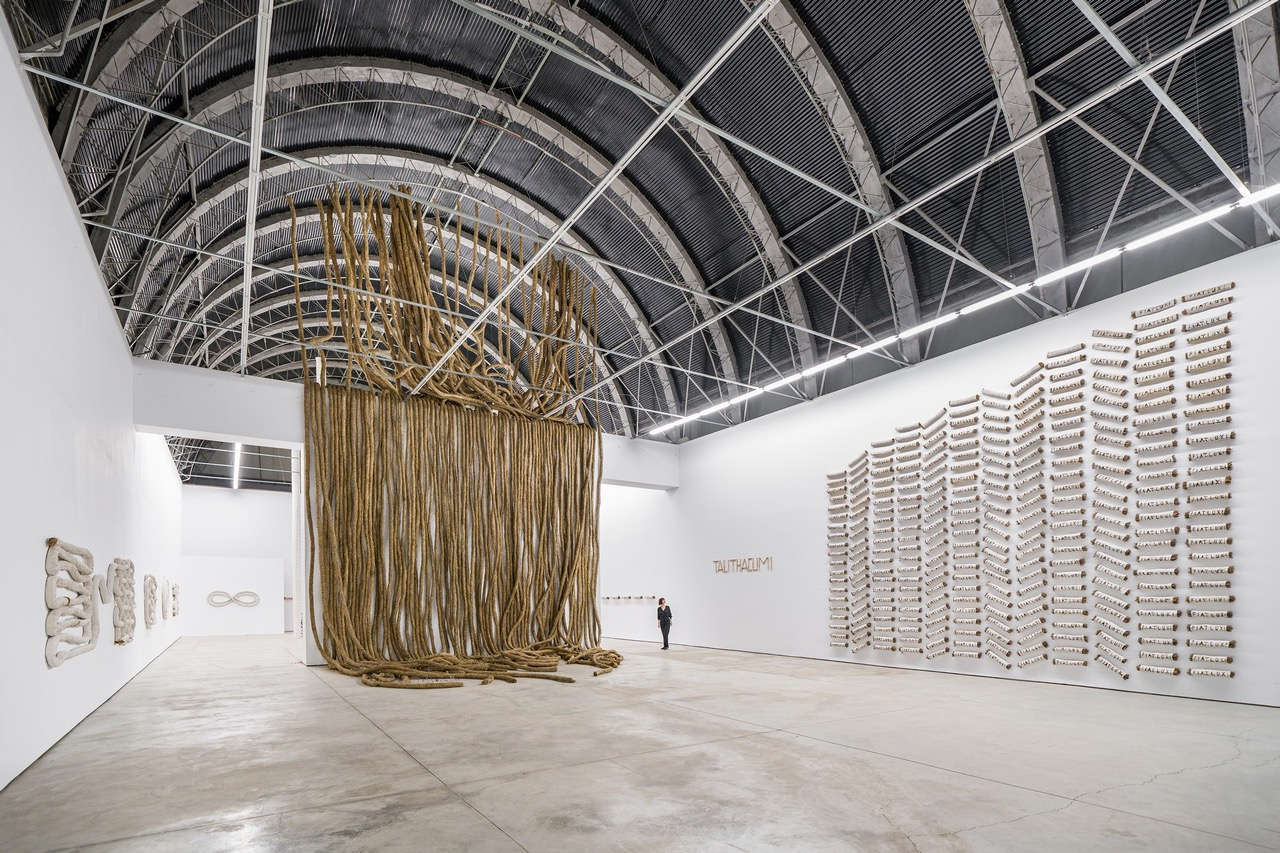
My work lies at the intersection of art history research, curatorial practice, and cultural programming. I work in the field of 20th- and 21st-century art, developing interdisciplinary projects that connect art, research, institutions, and society. My career stems from research, but also from the awareness that every cultural project depends on a system of financial support. Those who fund culture inevitably help determine what is produced, narrated, and made visible. It’s a dynamic that has always existed—from Renaissance patronage to major contemporary institutions—but today we can analyze its mechanisms with greater critical awareness. My training as an art historian and my curatorial practice have led me to question not only the works, the artists, and their contexts of production, but also the cultural, institutional, and economic structures that determine their very existence, circulation, and reception. For this reason, my curatorial practice also focuses on the role of philanthropy and on how support systems contribute to the construction of cultural production. From this perspective, I am interested in exploring the relationship between support and cultural production, including through the concept of “curated philanthropy,” as a tool for critically reflecting on the role that support systems play in shaping cultural projects. I am interested in understanding how cultural intelligence operates under pressure and how it redefines its own conditions of existence: the infrastructures that make culture possible are not external to it, but are part of its very grammar. At the same time, I have always sought to develop projects with a concrete social impact. Since 2021, through ERA (Eco Ricerca Arte—the nonprofit organization I run with Filippo Perissinotto), we have launched initiatives dedicated to vulnerable communities, such as Bloom, an interdisciplinary program developed by ERA that uses art as a tool for research, well-being, and participation and can be adapted to different contexts. The first iteration took place between 2022 and 2024 at the Istituto della Pietà in Venice, engaging the facility’s residents through programs that interwove contemporary art, nutrition, scientific research, and activities developed in collaboration with Venetian cultural institutions such as the Peggy Guggenheim Collection, the Gallerie dell’Accademia, and Ca’ Pesaro. In recent years, this work has also led to symposia and international forums dedicated to the relationship between art, philanthropy, and curatorial autonomy, including the most recent one, held in May of this year, “The Future of Art Philanthropy,” organized in collaboration with Denis Maksimov, with ERA among the partners, alongside IKT—International Association of Curators of Contemporary Art—and Deloitte. The symposium brought together curators, cultural institutions, foundations, and international philanthropists, with the participation, among others, of Suheyla Takesh (Barjeel Art Foundation), Lekha Poddar (Devi Art Foundation), Rajeeb Samdani (Samdani Art Foundation), and Vladimir Yavachev (Christo and Jeanne-Claude Foundation). These initiatives stem from a desire to understand how to build models of support that guarantee greater cultural freedom and a positive impact on society, without sacrificing critical independence.
How would you situate your work within the art world?
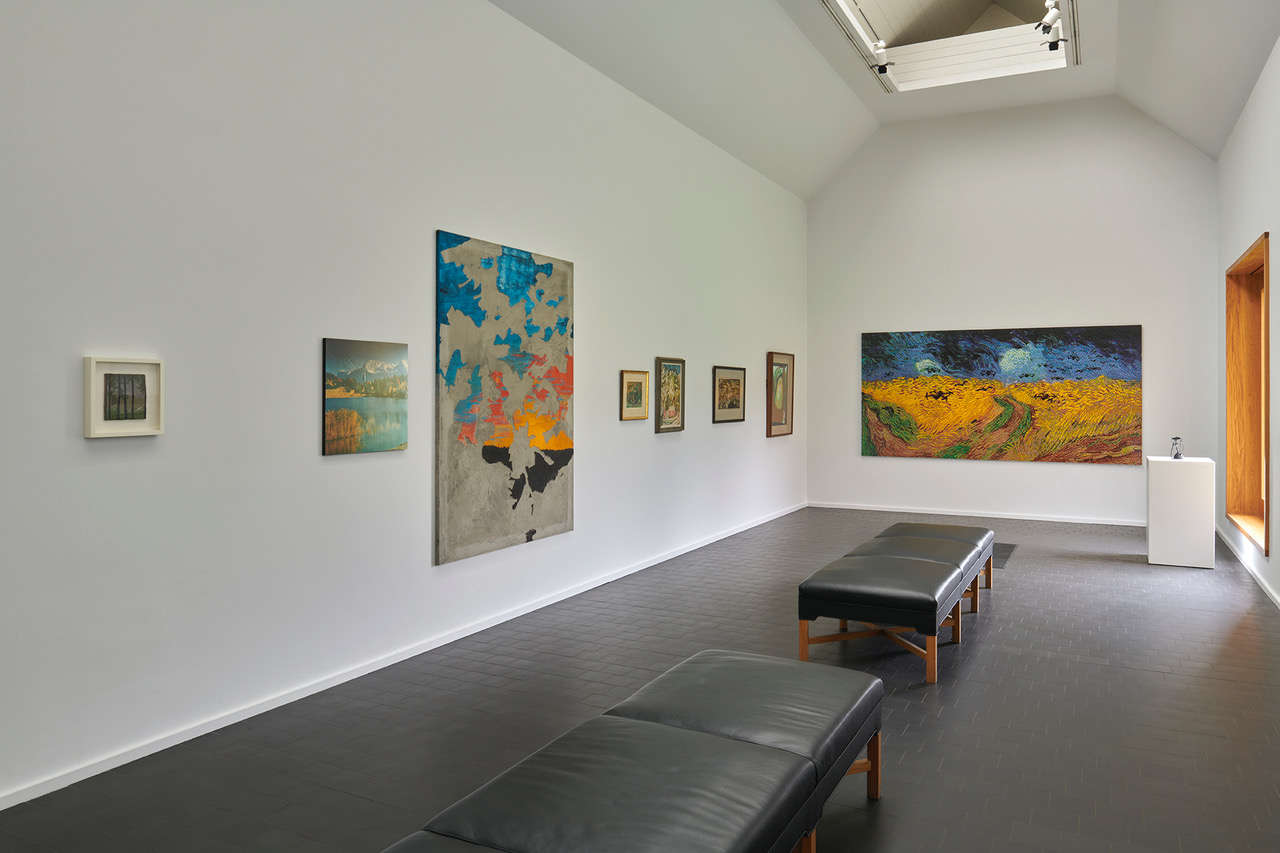
I identify with a multidisciplinary curatorial practice that connects artistic production, institutional planning, and educational strategies through collaborations with institutions, foundations, and international organizations. My work involves creating connections between art, research, and other specialized fields, with the aim of generating new forms of knowledge. A concrete example is a project developed at the University of Cambridge in 2025, born out of a desire to rethink the role of a university exhibition space and to build new forms of collaboration between cultural institutions, research, and philanthropy. Together with Elisa Schaar, we explored the relationship between landscape, mental states, and mental health, involving neuroscientists, art historians, and various university departments. Throughout the project, we collaborated with artists such as Ai Weiwei, Zheng Bo, and Alice Visentin, while the exhibition featured works by Edvard Munch, Etel Adnan, Yto Barrada, and Patricia Domínguez, among others. Preliminary research, supported by an analysis of data on the student community and the local area, guided both the selection of artists and the public program, which included an exhibition, talks, and roundtable discussions. The same approach characterizes other projects, such as the one carried out together with ERA in Bucharest in 2025 with the Romanian artist Victoria Zidaru, in collaboration with the Nicodim and Suprainfinit galleries, which was awarded the title of “Best Project of the Year” in Romania. In that case as well, research, collaboration with local communities, and social impact were the central elements. Rather than simply organizing exhibitions, I am interested in building ecosystems in which disciplines, institutions, and communities can develop new forms of collaboration capable of generating cultural and social value.

The author of this article: Noemi Capoccia
Originaria di Lecce, classe 1995, ha conseguito la laurea presso l'Accademia di Belle Arti di Carrara nel 2021. Le sue passioni sono l'arte antica e l'archeologia. Dal 2024 lavora in Finestre sull'Arte.Warning: the translation into English of the original Italian article was created using automatic tools. We undertake to review all articles, but we do not guarantee the total absence of inaccuracies in the translation due to the program. You can find the original by clicking on the ITA button. If you find any mistake,please contact us.

























 IT
IT FR
FR DE
DE ES
ES CN
CN


