




by Redazione 12/04/2026



Categories: Market / Disclaimer
The April 28, 2026 Old Master Paintings auction at Dorotheum features works with a complex history of destruction, disappearance, and restitution, including a fragment of Mary Magdalene by Artemisia Gentileschi and masterpieces by Gramatica, Crespi, and Sigrist.

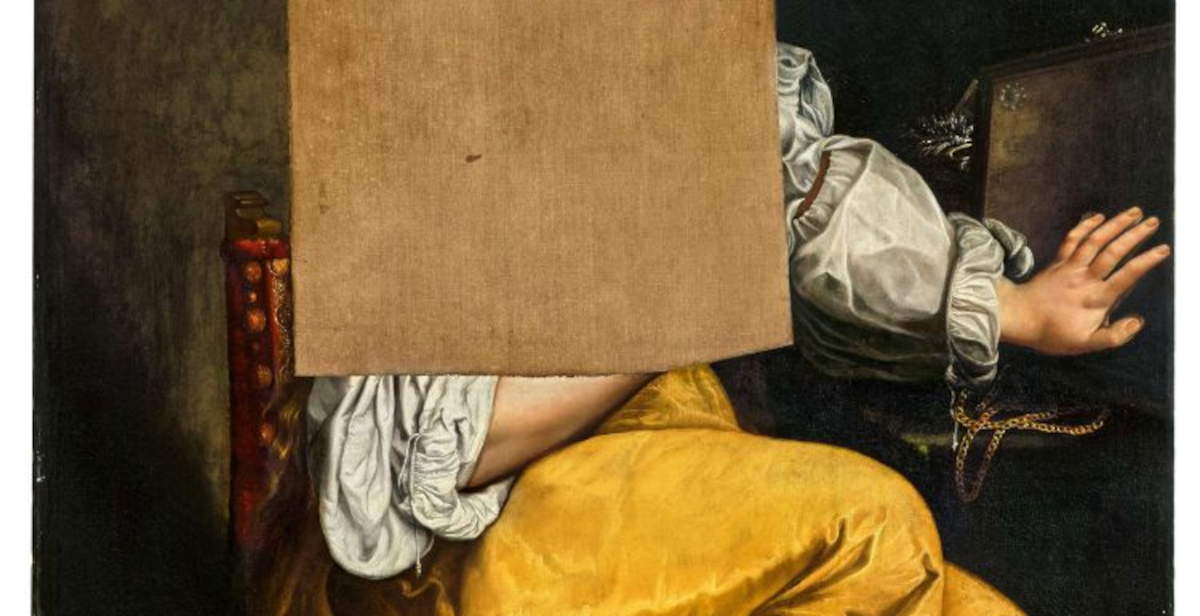
On April 28, 2026, the Dorotheum auction house in Vienna will hold its auction dedicated to Old Master Paintings, offering a selection of works whose history is intertwined with the history of Europe itself. Among the most interesting lots is a fragment of Maria Magdalena by Artemisia Gentileschi (Rome, 1593 - Naples, post 1654), dating from the artist’s Florentine period between 1615 and 1618, estimated at between €100,000 and €150,000. It is an autographed version of another Mary Magdalene kept in the Pitti Palace, Florence, which has the saint’s head and shoulders cut off, probably during the Berlin riots following World War II. The work then remained rolled up in a basement until its recognition and restoration. Despite the mutilation, the painting retains the high technical quality and psychological depth typical of the author.
“The paradox between the power of the painting itself and the dramatic story of loss that this enigmatic Magdalene carries evokes a visceral response, almost as if it were a contemporary work of art,” says Mark MacDonnell, expert on Old Masters at Dorotheum. “It is the embodiment of survival against all odds, calling to mind the artist’s own life story.”


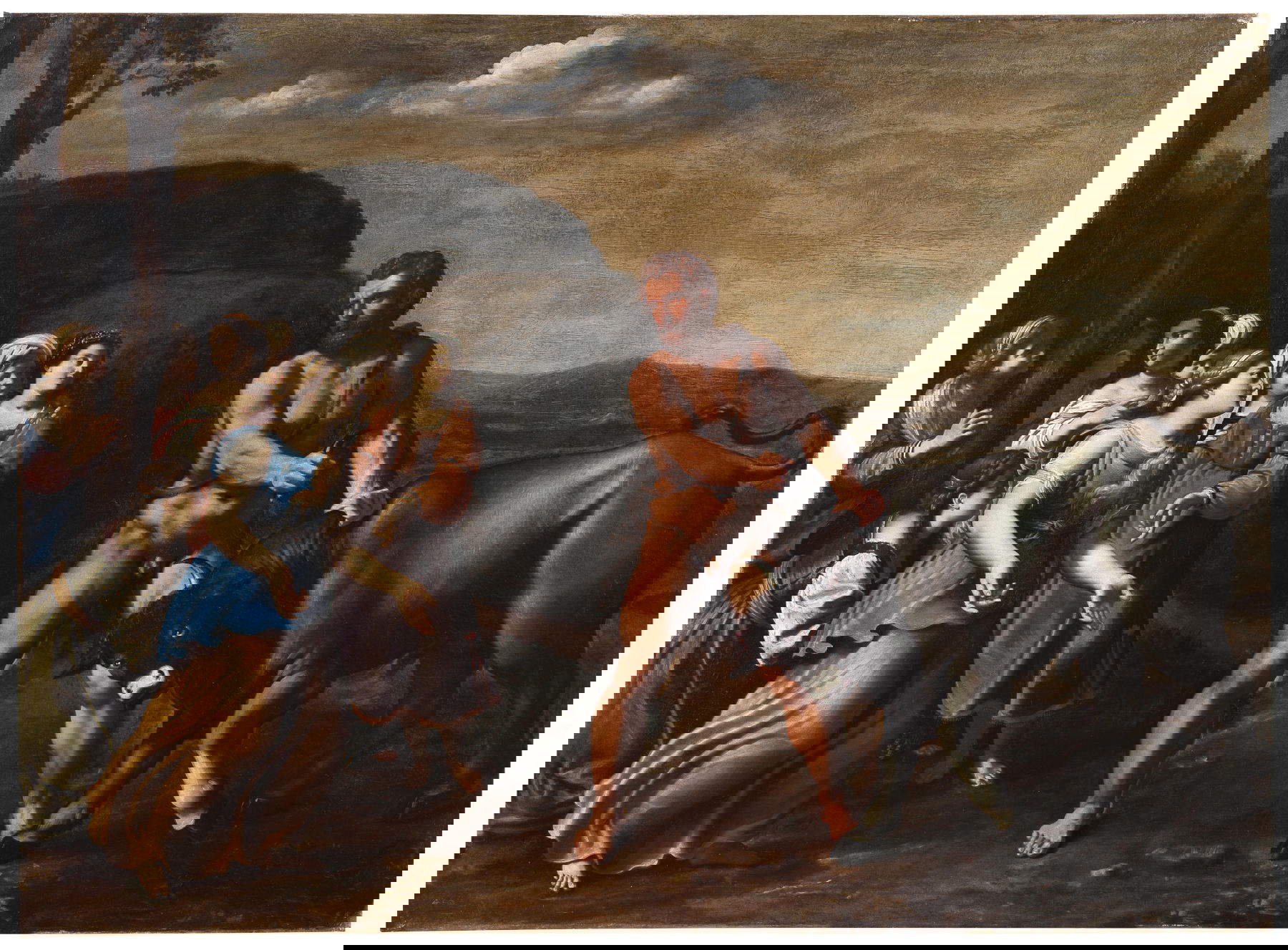
The complexity of the story behind a painting also emerges in Hercules Taming the Cretan Bull by Antiveduto Gramatica (Siena, 1571- Rome, 1626), estimated at €150,000 - 200,000. The painting was part of Cardinal Scipione Borghese’s celebrated collection, documented from 1630 until the 18th century, and is a piece of the most important Italian collection housed in the Villa Borghese in Rome today. Despite its renowned provenance, the work had disappeared into oblivion until its recent rediscovery.
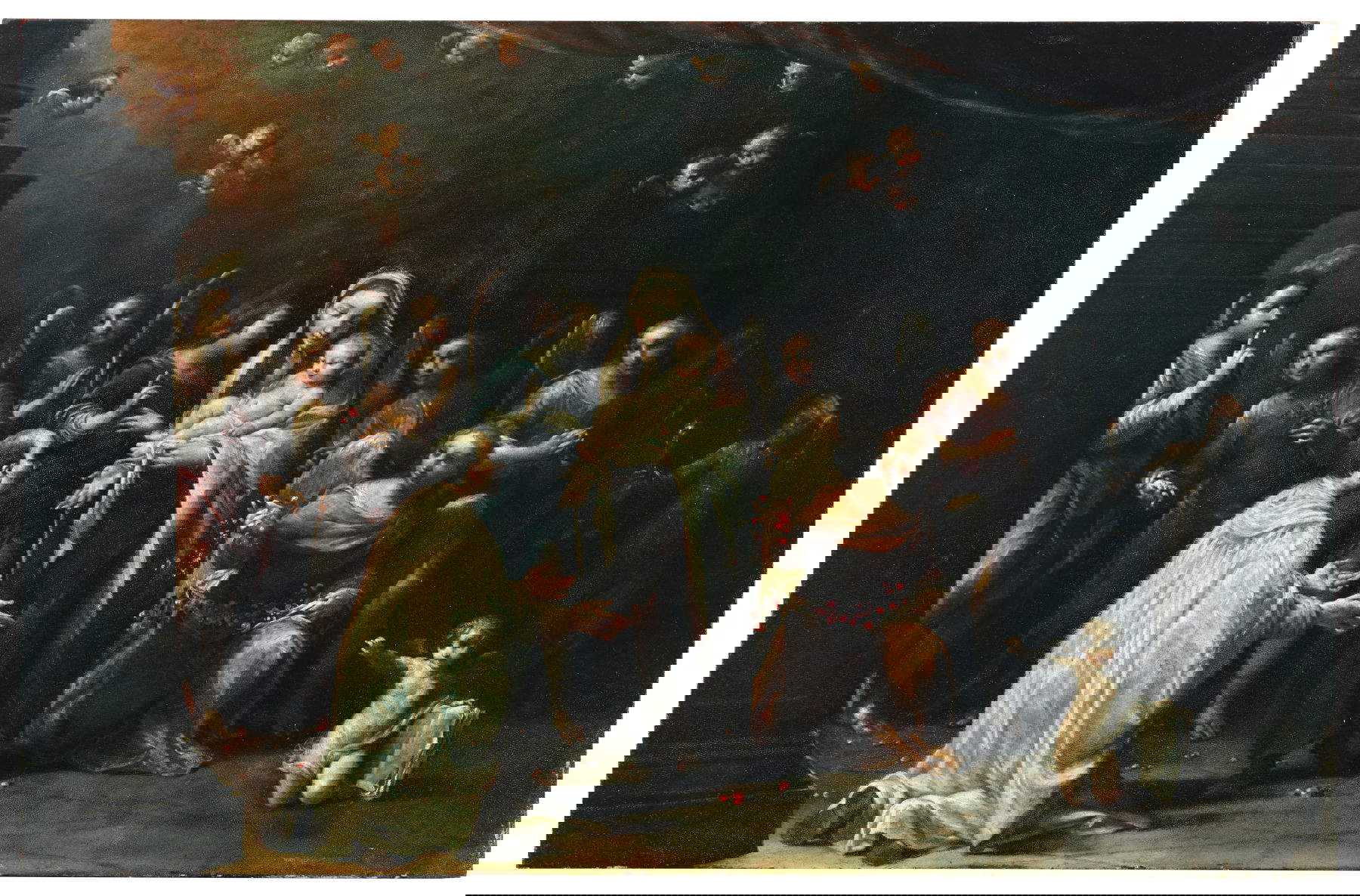
A similar path concerns St. Frances of Rome Placing the Child Jesus in the Arms of Her Confessor by Giuseppe Maria Crespi (Bologna, 1665 - 1747), done on copper and estimated at €100,000 - 150,000. Commissioned in 1735 by an Olivetan abbot in Florence, the painting was originally part of a pair and remained hidden for decades, known to scholars only through photographs. With this auction it returns as the only known version of the subject by the artist.
Two biblical scenes by Franz Sigrist, Abraham and the three angels and Lot and his daughters, also illustrate a more recent path of loss and restitution. Having entered the Bayerische Staatsgemäldesammlung in the 1930s after the forced closure of the Brüder Lion businesses by Nazi authorities, the works were returned to the Lion family’s heirs, completing a journey that lasted nearly a century.
|
| An auction at Dorotheum devoted to Old Masters, including masterpieces by Artemisia Gentileschi and Antiveduto Gramatica |
Warning: the translation into English of the original Italian article was created using automatic tools. We undertake to review all articles, but we do not guarantee the total absence of inaccuracies in the translation due to the program. You can find the original by clicking on the ITA button. If you find any mistake,please contact us.