





In technical jargon they are called sleepers: they are those works that go through an auction with an attribution and estimate that undervalues them, but the market tends instead to believe that they are something more than the auction house thought, and they therefore achieve lofty results. In these hours, the case of an Adoration of the Shepherds passed in auction yesterday at the Capitolium house in Brescia is causing discussion in Spain : attributed to the circle of Juan Bautista Maíno (Pastrana, 1581 - Madrid, 1649), estimated at 2,500-3,500 euros and offered with a base bid of just 1,200 euros, it was later sold for 70,000 euros, a figure that rises to 88,200 when taking into account the auction house’s commission. Capitolium’s clients believed, in all likelihood, that the work was an autograph.
Art historian Héctor San José , who raised the case in the Spanish Ars Magazine, is also convinced of this: the painting, in fact, is not unknown to critics. Far from it: in fact, from the images circulated in the auction catalog it would appear that the work that went up for auction is one that has been cataloged for decades as an autograph work by Maíno, and was even exhibited in 2009 at the Prado Museum as part of the exhibition dedicated to the artist. A fact that, at this point, radically transforms the reading of the adjudication, shifting the focus from the buyers’ mere glance to the management of information about the lot.
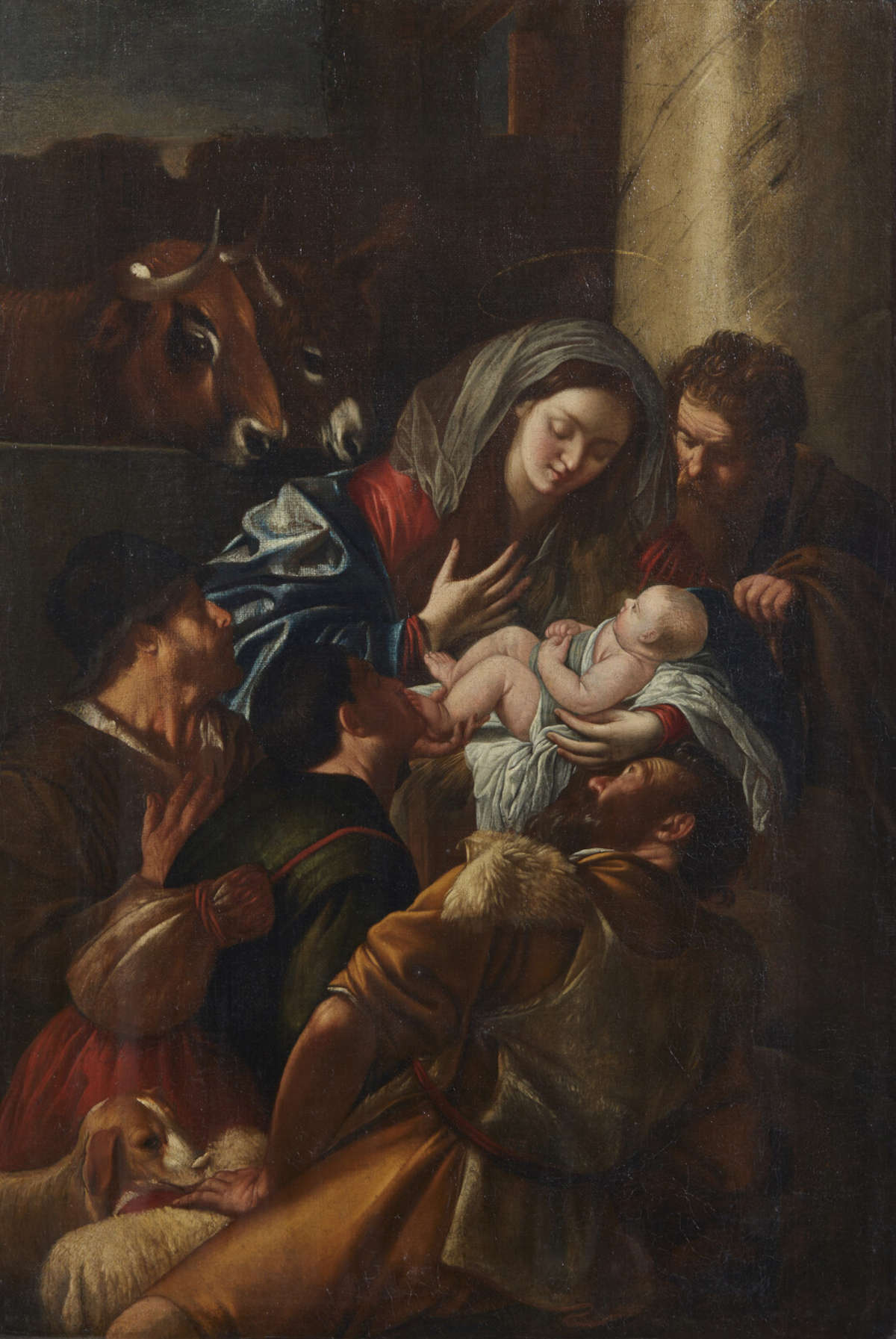
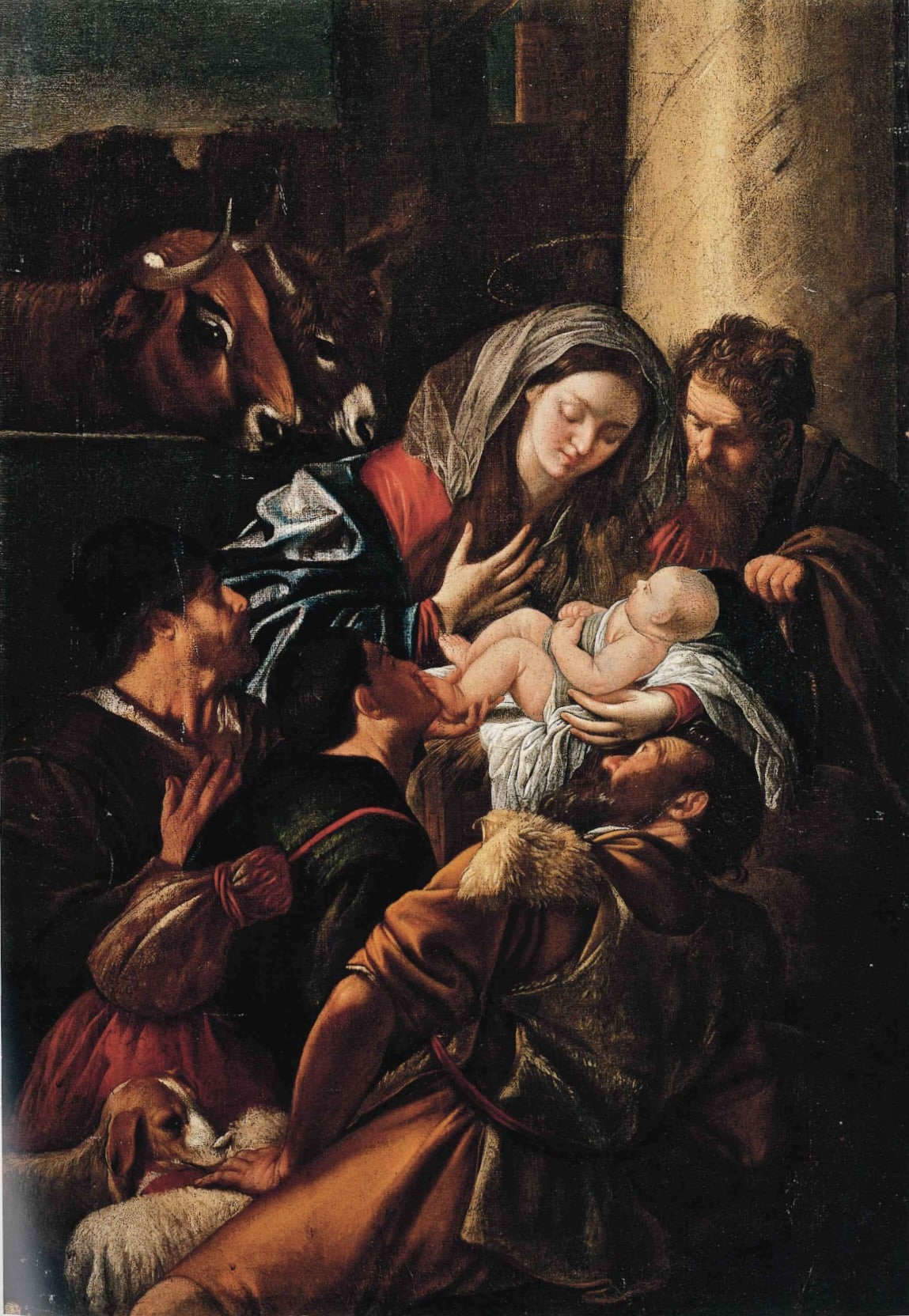
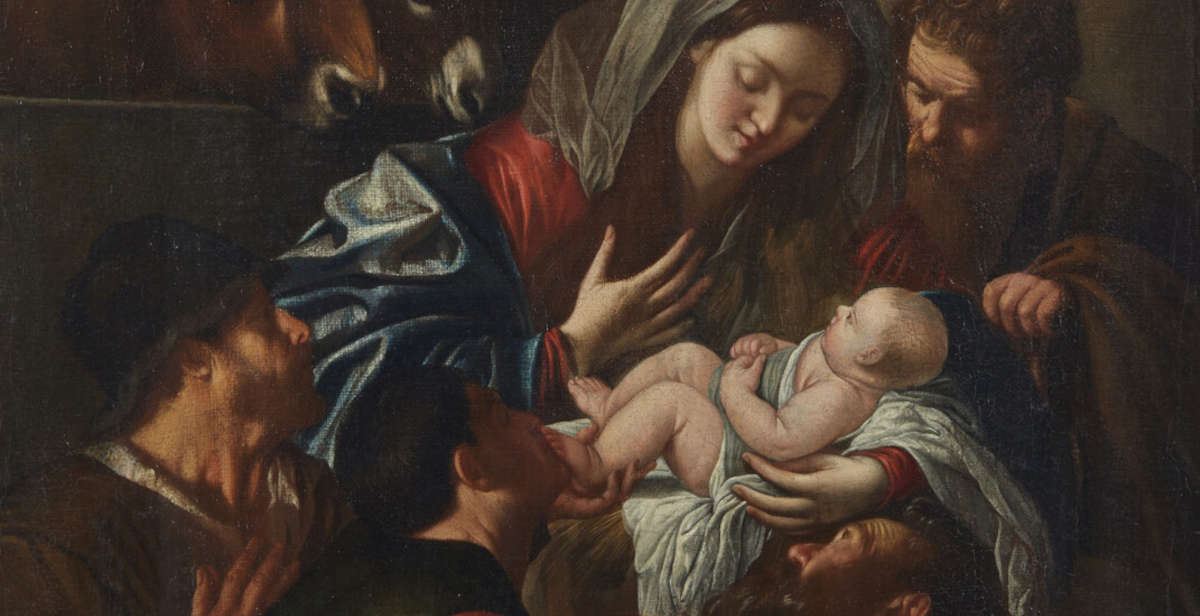
Traditionally, sleepers represent one of the most dynamic elements of the antiques market. They are undervalued or inaccurately attributed works whose real value is recognized only by more experienced collectors and dealers. In this context, the term sleeper denotes precisely those lots whose value emerges only at the bidding stage, thanks to the intuition, expertise, and memory of the experts who sift through the auction houses’ catalogs every day. Among the 338 lots in the Capitolium auction, number 32, the painting attributed to Maíno’s circle, initially went almost unnoticed, like the thousands of works that are sold every day around the world. Only during the competition did interest grow rapidly, leading the price to multiply far beyond initial expectations.
The point is that if the adjudication had simply stopped at sustained growth, it might have been a bet by buyers convinced of the quality of the work. But the case takes on a different meaning in light of what would emerge from looking at the photographs: theAdoration of the Shepherds, which, according to Ars Magazine , does not appear to have an export permit, had already been published at least five times since its rediscovery in 1984, an attribution made by art historian Mina Gregori, who also owned it (“Since finds outside Spain of hitherto unknown works by its great seventeenth-century masters are rare,” she wrote at the time, "I feel that I must not postpone the presentation of an unpublished Adoration of the Shepherds by Giovanni Battista Maíno, a painter to whom the attention of scholars is directed not only because of the quality and singularity of his few works, but because he was one of the most sure for the importation of Italian artistic culture to the Iberian Peninsula and in particular of Caravaggism.") and who moreover illustrated the painting at a lecture he gave at the Prado precisely on the occasion of the 2009 exhibition curated by Leticia Ruiz. There, the painting had been analyzed in relation to other compositions by the artist. Gregori had hypothesized that it might be a sketch or an early version of theAdoration preserved at the Madrid museum, while Ruiz had rejected this interpretation, pointing out significant compositional differences and instead linking the painting to the altarpiece of St. Peter Martyr, hypothesizing its placement in the artist’s Roman period.
The most recent publication, however, was in 2022, when José María Quesada spoke of theAdoration of the Shepherds in a catalog published by the Spanish gallery Jaime Eguigueren on the occasion of the reappearance on the market of two important works by the Spanish artist. One of the two paintings, theAdoration of the Magi, was described as the pendant of theAdoration of the Shepherds from a private Italian collection, exhibited at the Prado in 2009, and thought to be the painting passed at auction by Capitolium.
In light of these elements, the central question is, of course, why the work was proposed with such a cautious attribution. And there is no certain answer.
 |
| Passes at auction in Brescia starting at 1,200 euros but is a well-known masterpiece: sold for 88,000 |

Warning: the translation into English of the original Italian article was created using automatic tools. We undertake to review all articles, but we do not guarantee the total absence of inaccuracies in the translation due to the program. You can find the original by clicking on the ITA button. If you find any mistake,please contact us.



















 IT
IT FR
FR DE
DE ES
ES CN
CN