





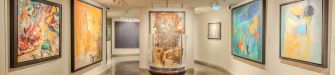
Following a major renovation, the “Giovanni Fattori” Civic Museum in Livorno will reopen to the public on July 10, 2026, in the galleries of Villa Mimbelli. The new exhibition itinerary, curated by Vincenzo Farinella—scientific director of Livorno’s museums and full professor of Art History at the University of Pisa—offers a fresh perspective on the collections, showcasing the museum’s artistic heritage through a more modern, accessible, and functional layout.
The collection comprises nearly four hundred works by Giovanni Fattori and numerous other artists, including paintings, drawings, and engravings, alongside a significant selection of works that tracethe evolution of art in Livorno and Tuscany from the mid-19th century through the 1940s. Numerous works have undergone careful restoration.
The renovation project also involved the exhibition spaces, which now feature an LED lighting system and a neutral color palette, designed to highlight the works without altering the decorative balance of Villa Mimbelli’s elegant rooms.
The exhibition begins with one of Giovanni Fattori’s most fascinating masterpieces: a canvas painted on both sides. On one side is depicted The Cavalry Charge at Montebello (1862), while on the other—revealed during the 1994 restoration—is a Medici-themed subject that the artist had abandoned. This discovery attests to Fattori’s definitive departure from Romantic painting of historical subjects in favor of a new conception of the representation of reality. The exhibition then traces all the phases of the Livorno-born master’s career. From his early works dedicated to the Massacres of Livorno in 1849—which were recently added to the collections thanks to the Art Bonus—the exhibition moves on to the large-scale paintings of the 1860s, including *La Torre Rossa* and the monumental canvas inspired by the Battle of Solferino. Next come the famous portraits of peasants and laborers, the landscapes of the Maremma, the animals and rural scenes from the 1880s and 1890s, up to the works of the early 20th century, characterized by a growing focus on social themes, featuring blacksmiths, charcoal burners, and figures from the world of labor. The exhibition concludes with the artist’s last unfinished painting: a solitary horse overlooking the sea at Livorno, left incomplete in the spring of 1908.
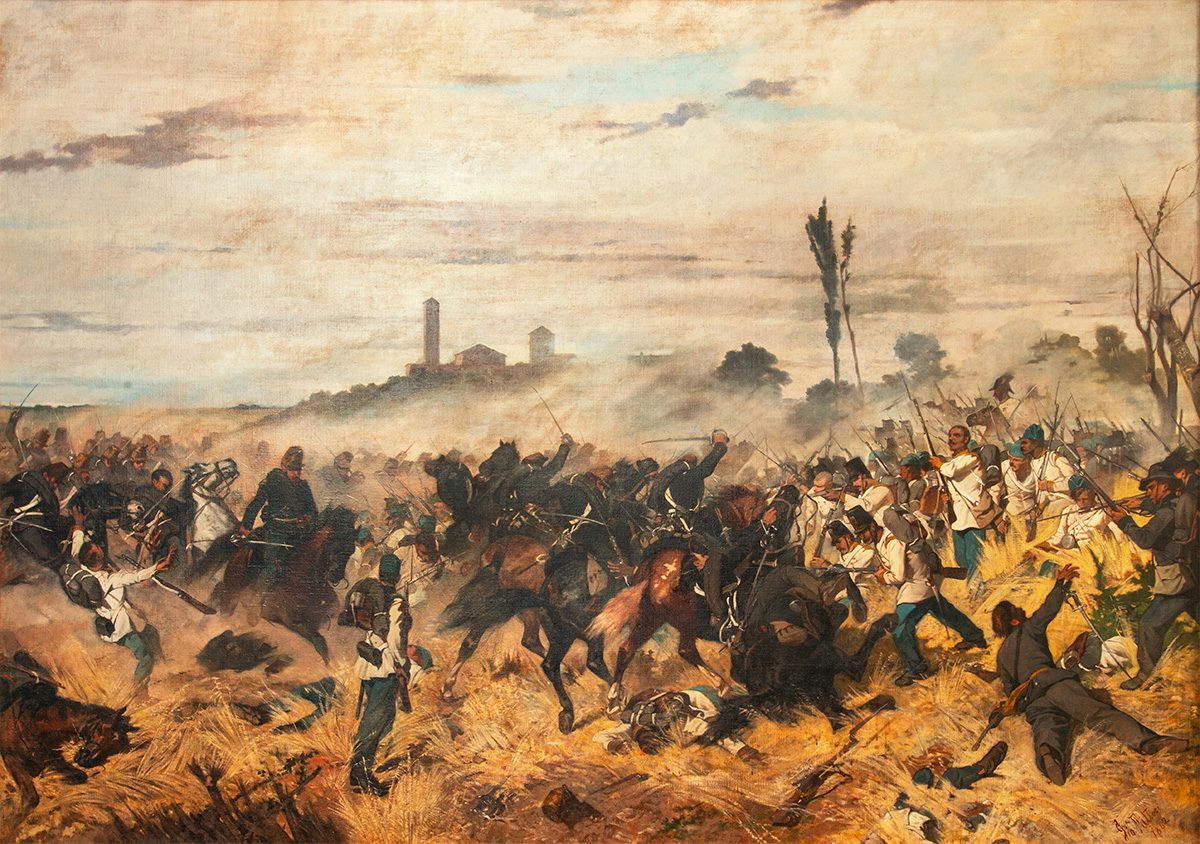
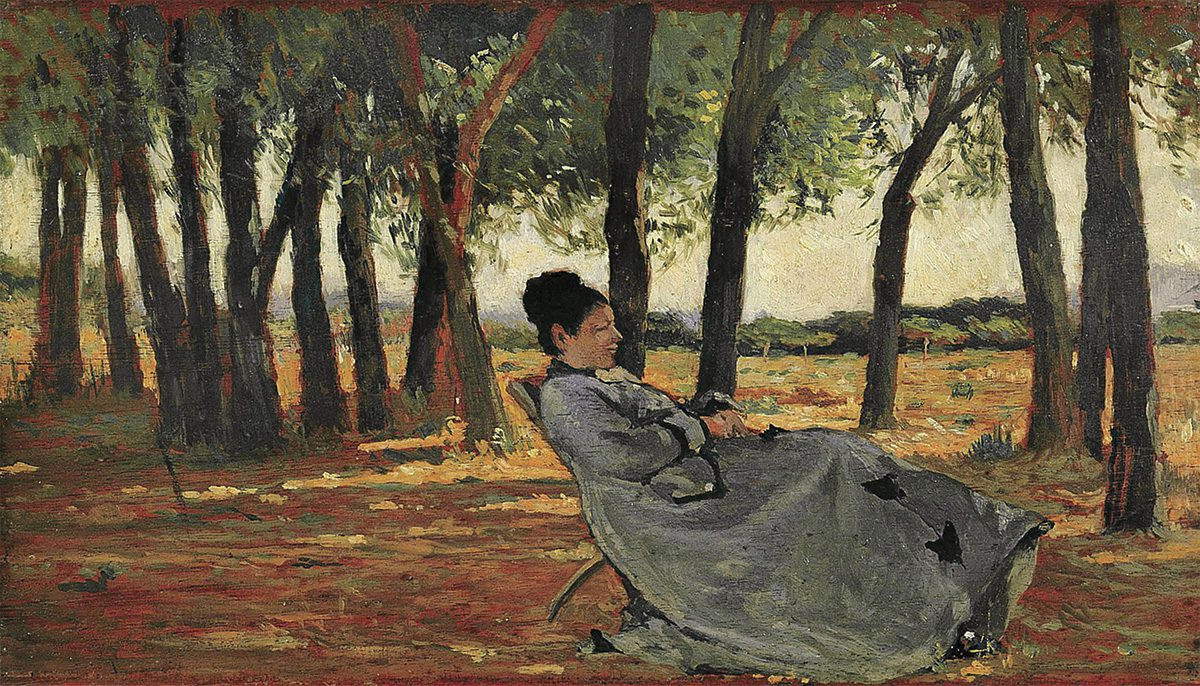
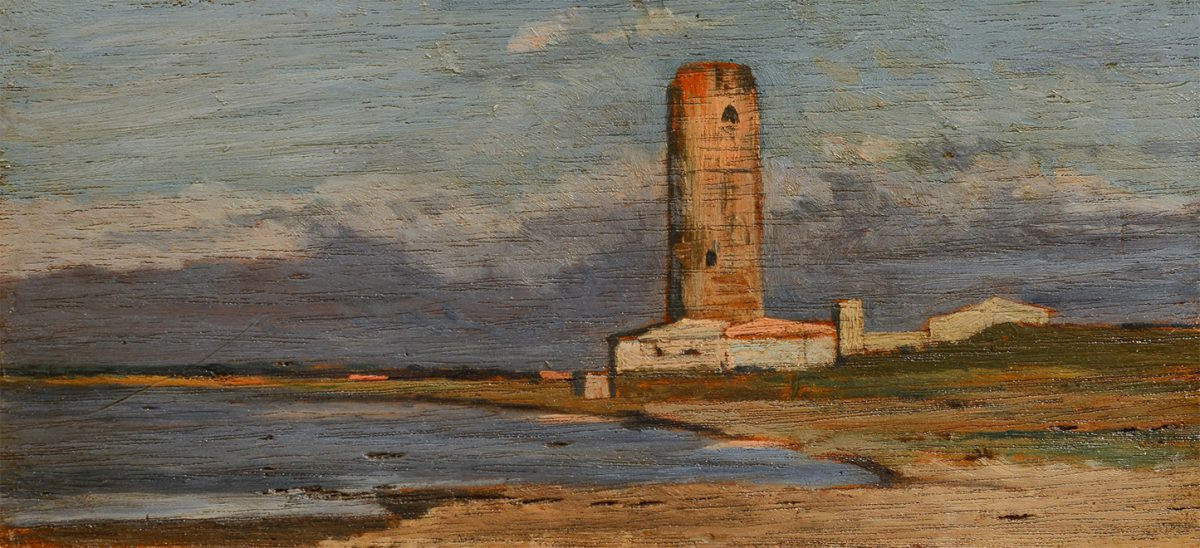
The following galleries broaden the perspective on Tuscan art from the late 19th to the early 20th century. Alongside Fattori’s masterpieces are works by the leading figures of the Macchiaioli movement, such as Silvestro Lega, Telemaco Signorini, and Vincenzo Cabianca, along with paintings dedicated to the Garibaldians by Bartolena, the naturalism of Plinio Nomellini, Cecconi, and the three Tommasi; Divisionism, represented by Vittore Grubicy and Benvenuti; and the Post-Macchiaioli, featuring early works by Amedeo Modigliani and pieces by Oscar Ghiglia, Lorenzo Viani, and Natali.
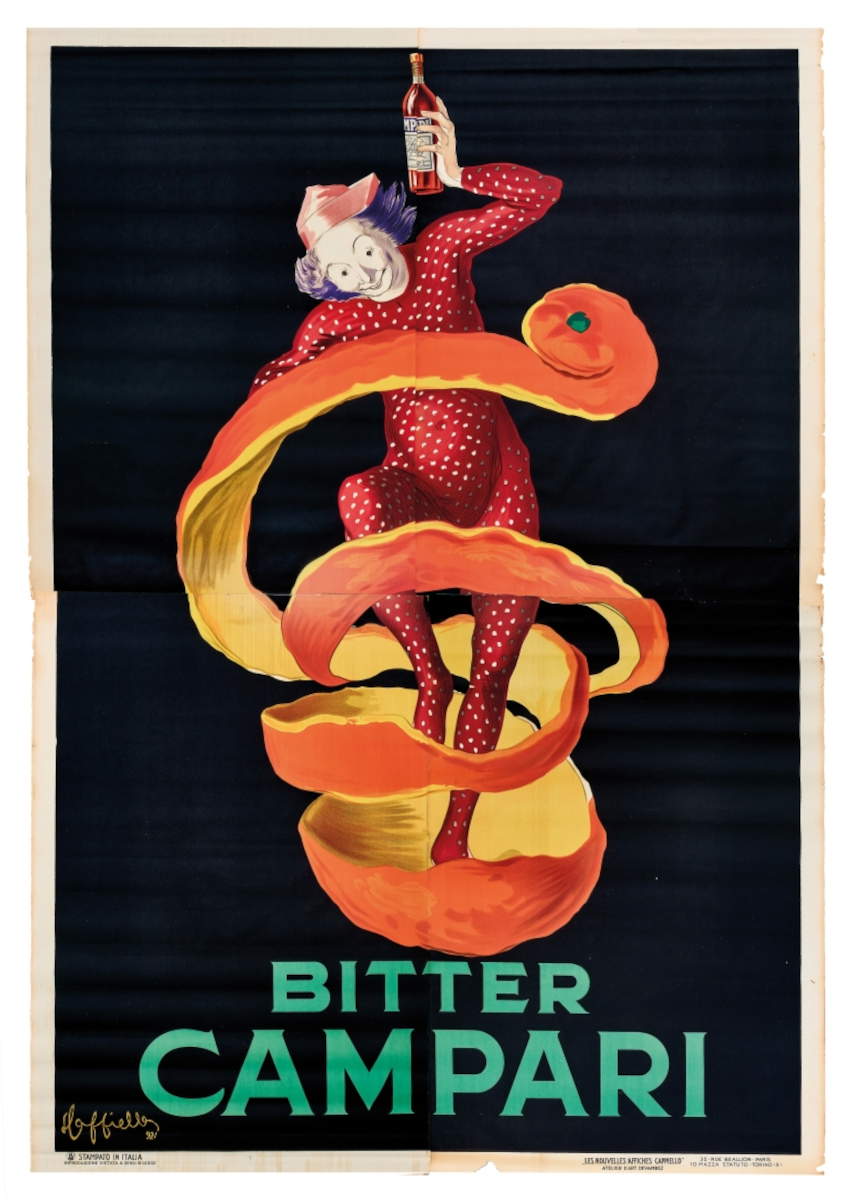
One of the main new features of the new exhibition layout is the permanent gallery dedicated to Leonetto Cappiello, considered the most famous artist from Livorno after Modigliani: on display here are paintings and a significant selection of his advertising posters, which earned him international fame and established him—following the death of Henri de Toulouse-Lautrec—as one of Europe’s most influential poster artists.
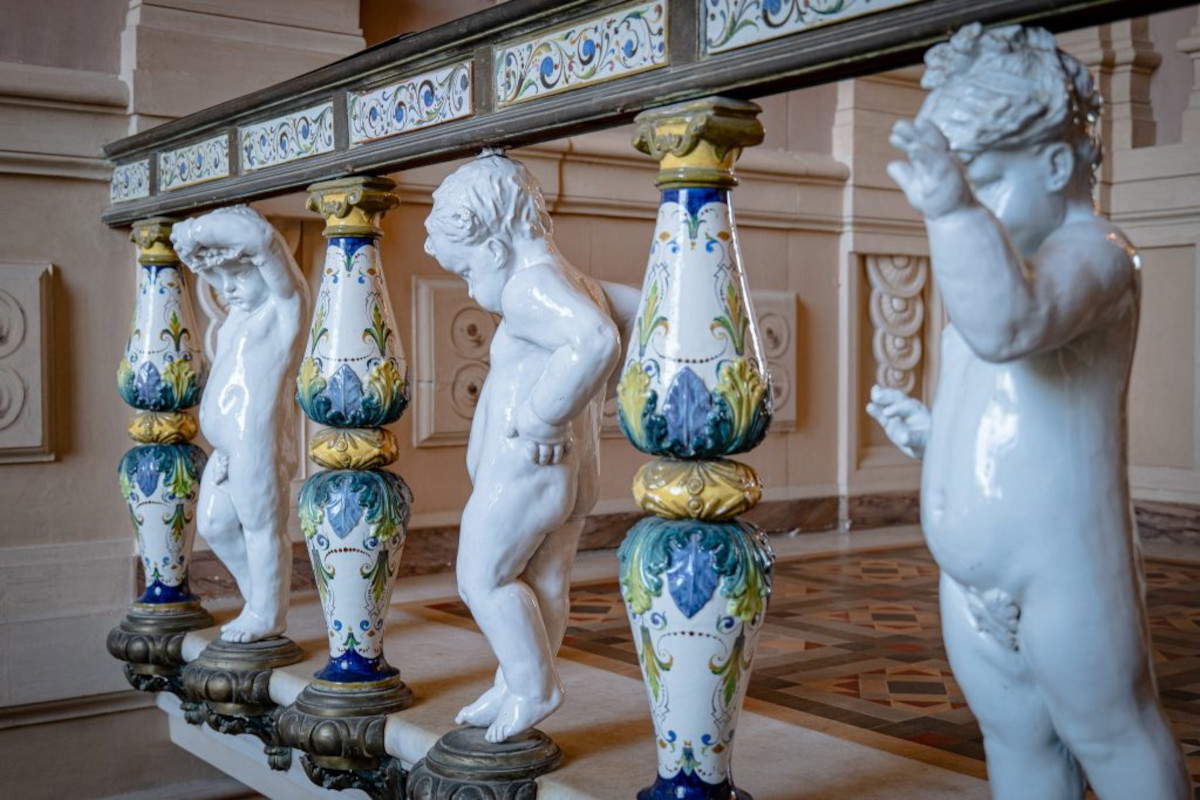
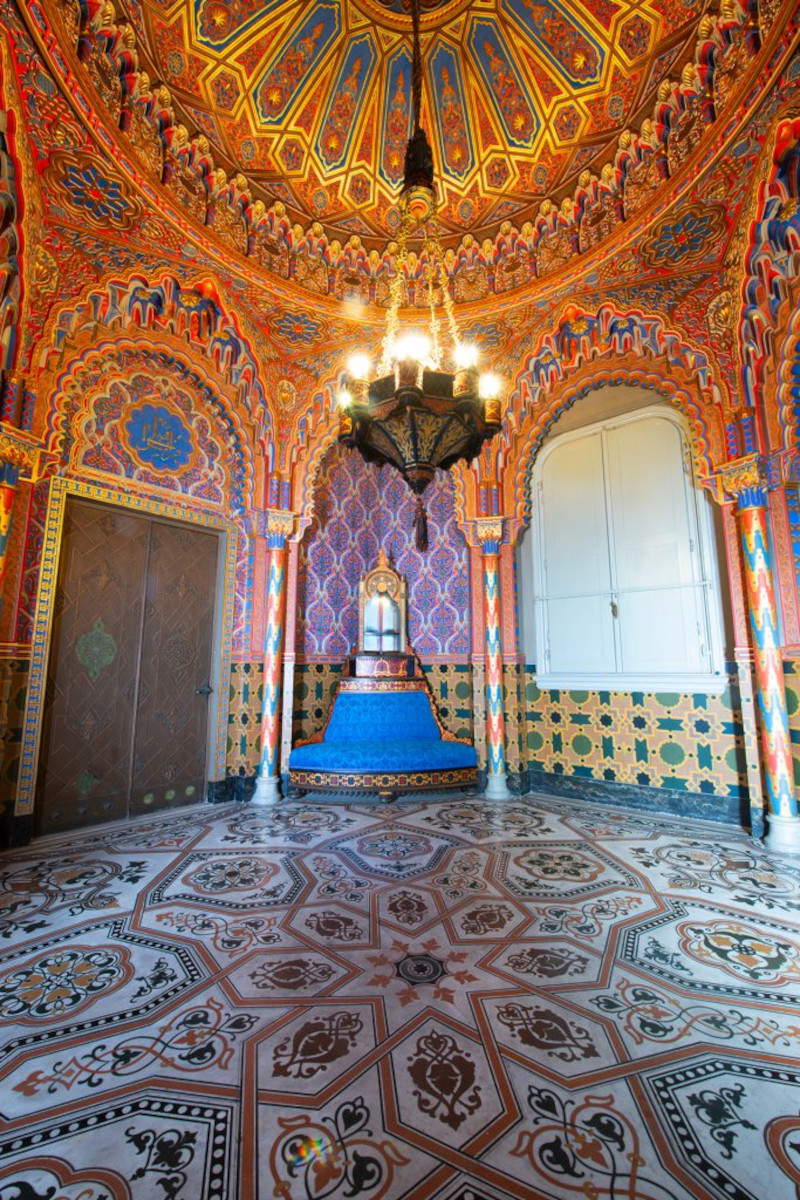
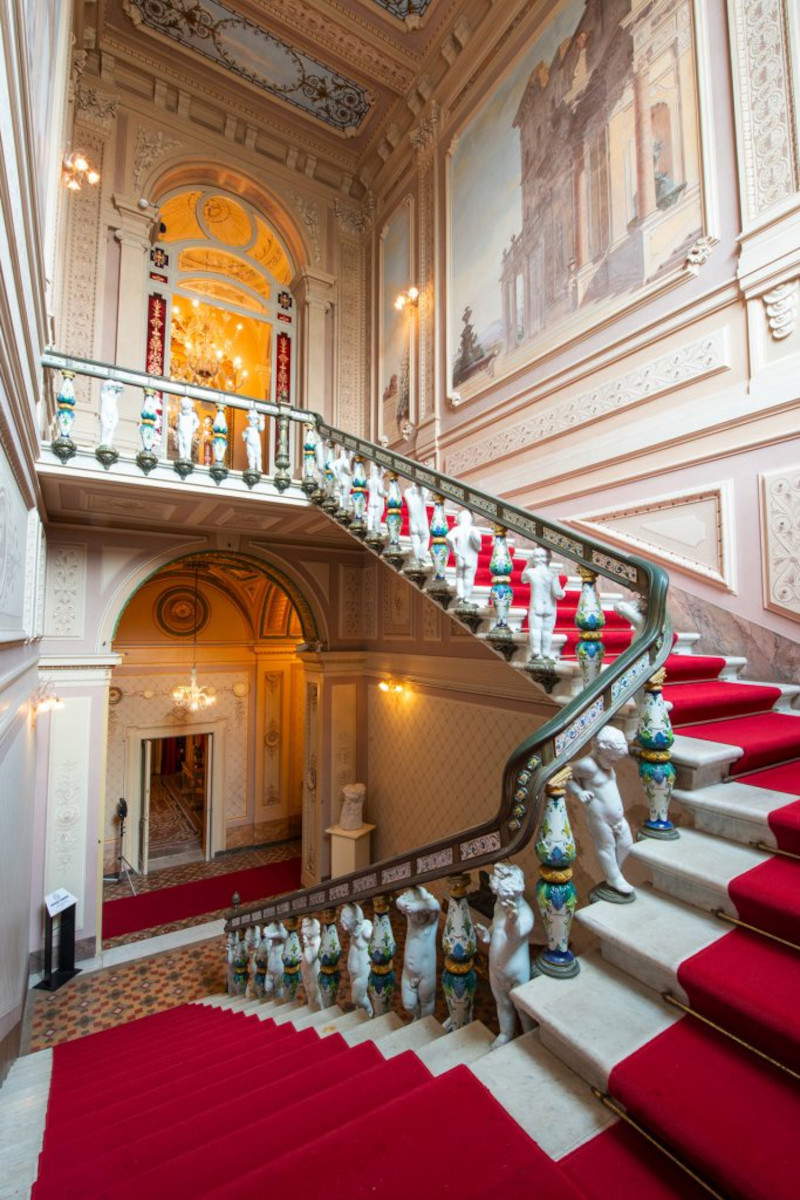
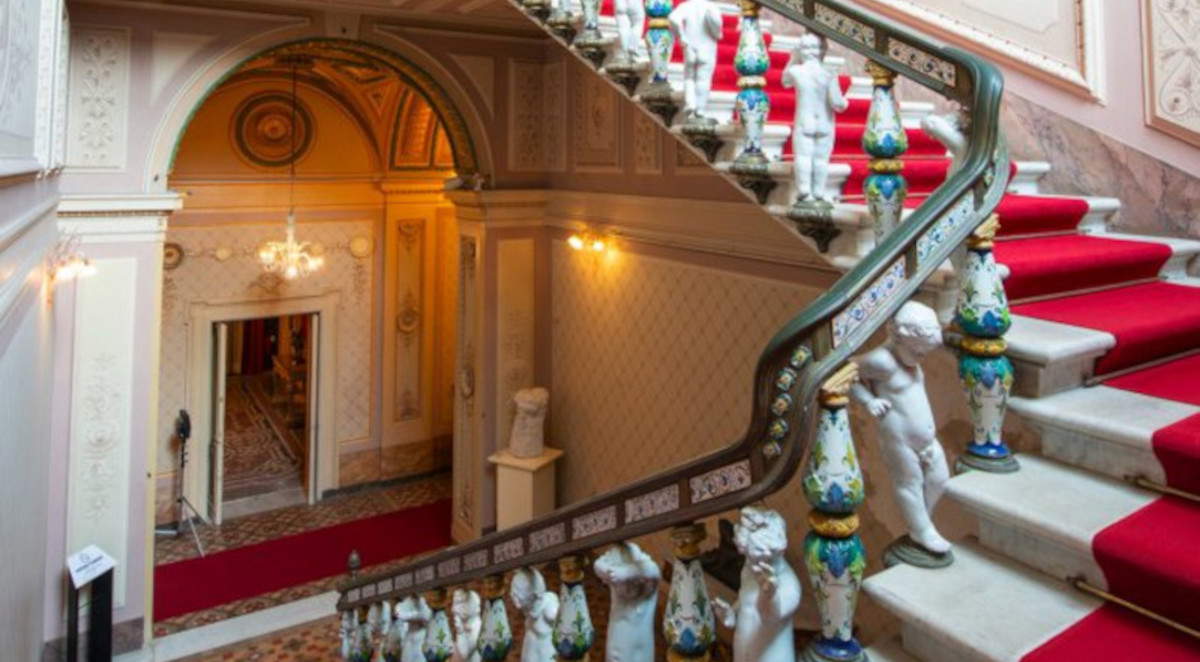
Villa Mimbelli is one of the city’s finest examples of eclectic architecture. Designed in 1865 by the Modena-based architect Vincenzo Micheli for the merchant Francesco Mimbelli and inaugurated ten years later, the villa is surrounded by a large historic park rich in rare plants. The interiors, spread over two main floors, retain the charm of 19th-century eclecticism intact. On the ground floor, the striking Moorish-style Smoking Room stands out, while the spectacular grand staircase is decorated with glazed terracotta cherubs inspired by the works of Donatello and the Della Robbia family. On the upper floor, highlights include the Hall of Mirrors—a former ballroom embellished with frescoes by Annibale Gatti—and a second Smoking Room, featuring an original fireplace supported by ostrich-shaped caryatids and a pictorial decoration dedicated to the city of Livorno.
With this new exhibition layout, the “Giovanni Fattori” Civic Museum reaffirms its role as a key reference point for understanding the work of the great master of the Macchiaioli movement and, more broadly, the history of Tuscan art between the 19th and 20th centuries, offering visitors a more engaging and fully enhanced museum experience.
 |
| The Giovanni Fattori Civic Museum in Livorno reopens, completely redesigned and renovated |

Warning: the translation into English of the original Italian article was created using automatic tools. We undertake to review all articles, but we do not guarantee the total absence of inaccuracies in the translation due to the program. You can find the original by clicking on the ITA button. If you find any mistake,please contact us.




















 IT
IT FR
FR DE
DE ES
ES CN
CN


