





The National Archaeological Museum of Sarsina, in the province of Forlì-Cesena, has reopened its doors to the public following a major renovation project that involved both the building and the exhibition layout. The total investment of 1.5 million euros made it possible to improve the structural safety of the complex, renovate the museum spaces, enhance accessibility, and establish a new visual identity.
Following the unveiling of the renovated Rufus Hall last August and the special openings organized in the final months of 2025—which attracted approximately 400 visitors through events and guided tours—the museum is now fully renovated and ready to welcome an ever-wider audience. The structural work, designed and directed by Massimo Mariani, covered an area of approximately 1,600 square meters spread over three levels. The seismic reinforcement and improvement works involved the installation of connection systems between the existing masonry structures, increasing the building’s capacity to withstand seismic forces and ensuring greater safety for the collection and visitors.
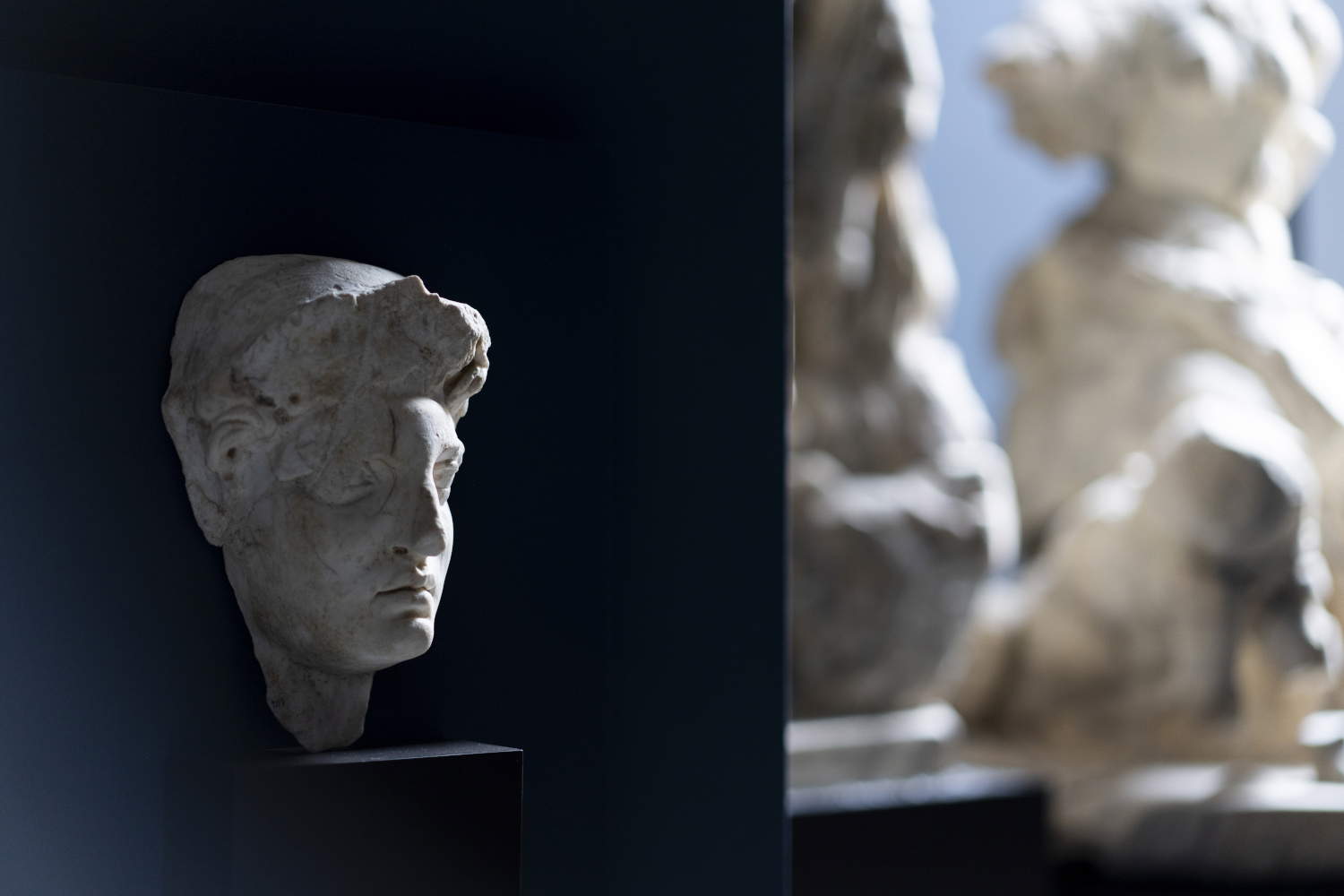
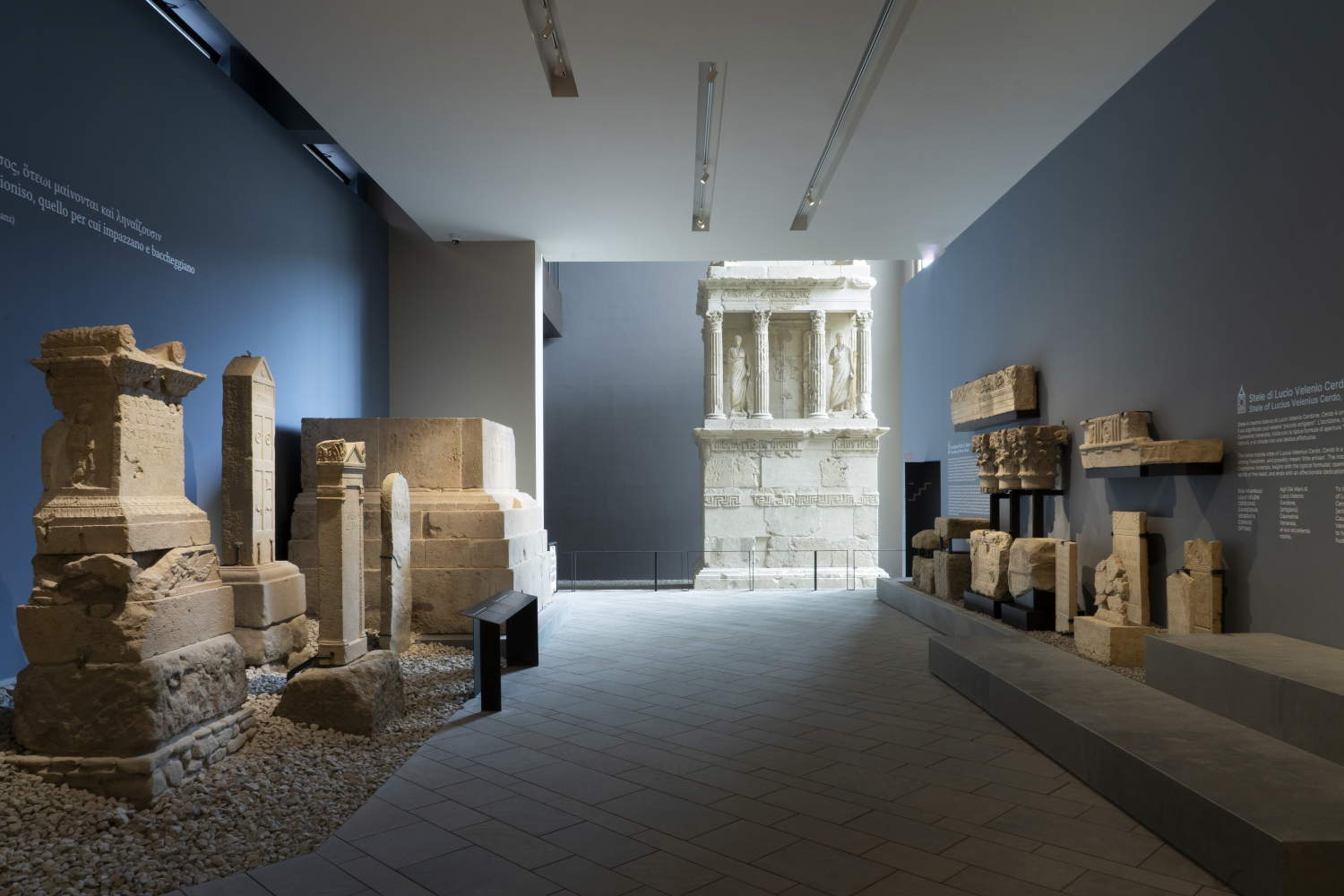
The new exhibition design, created by the firm Balletti&Sabbatini Architetti, places the artifacts and the quality of the visitor experience at the center. The spaces are characterized by a contemporary and minimalist aesthetic, in which colors, materials, geometries, and lighting guide visitors along the exhibition route. The gray-blue tones of the ground floor and the warmer hues of the upper floors highlight the archaeological artifacts, while the new lighting system helps make the visit more engaging and easier to navigate.
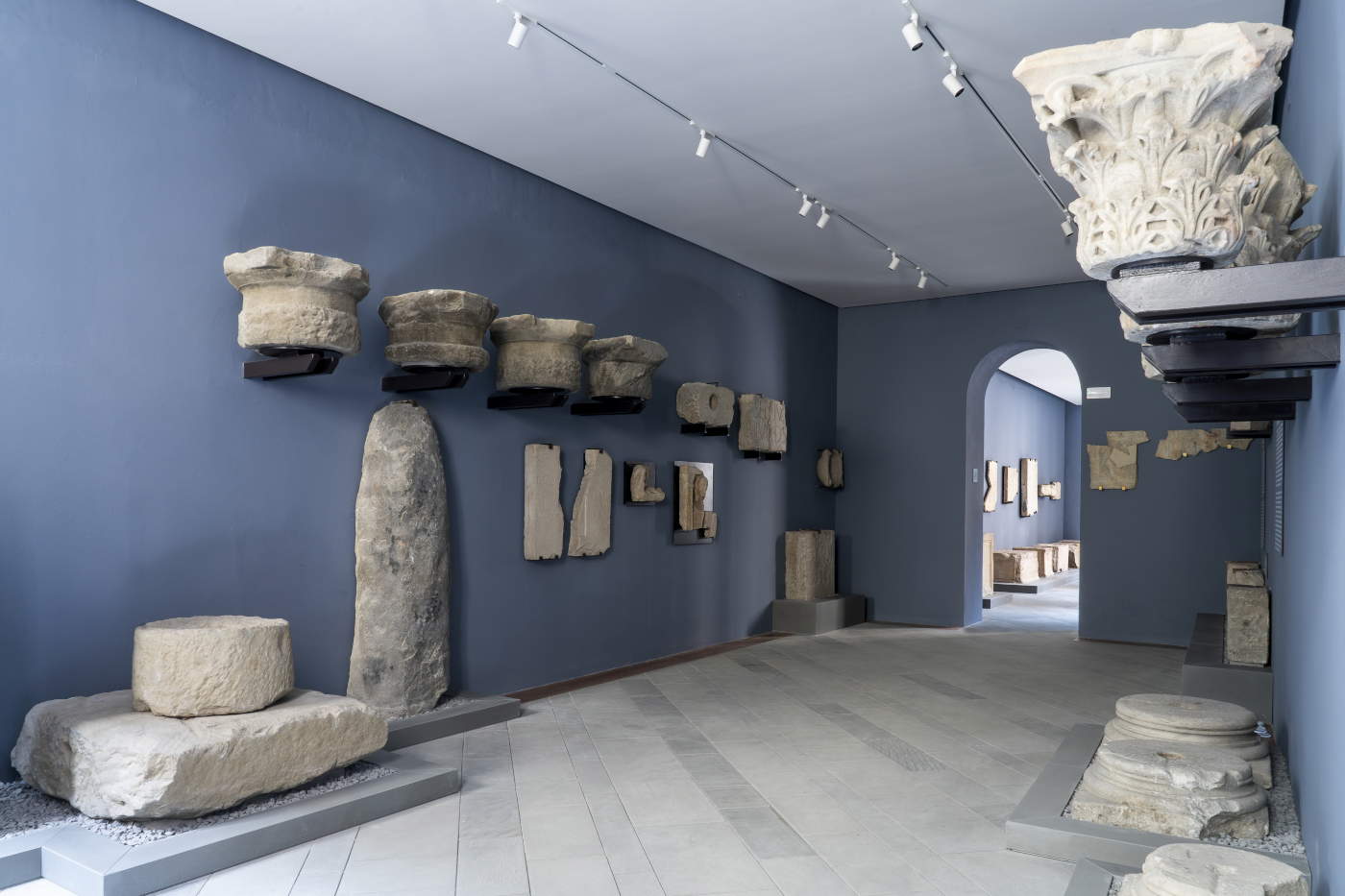
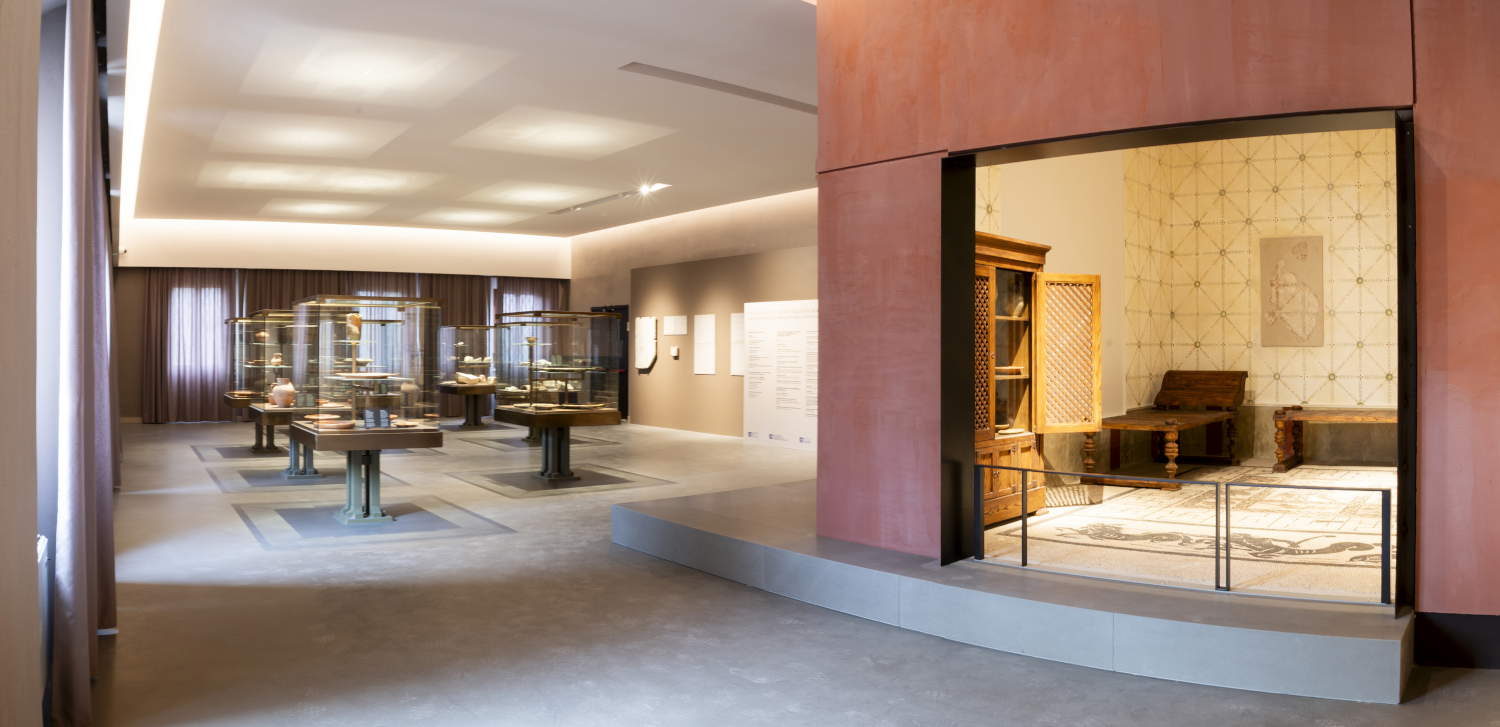
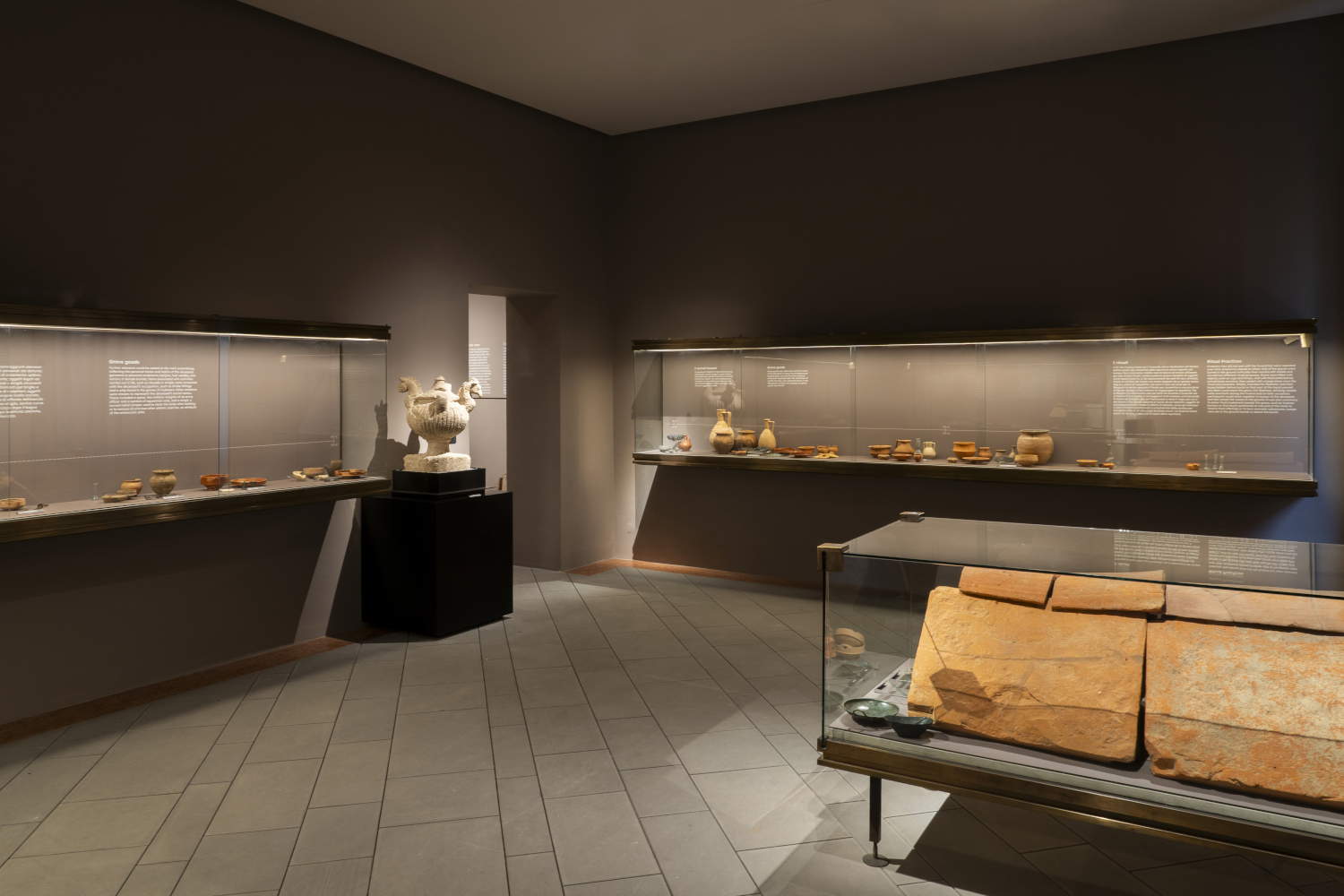
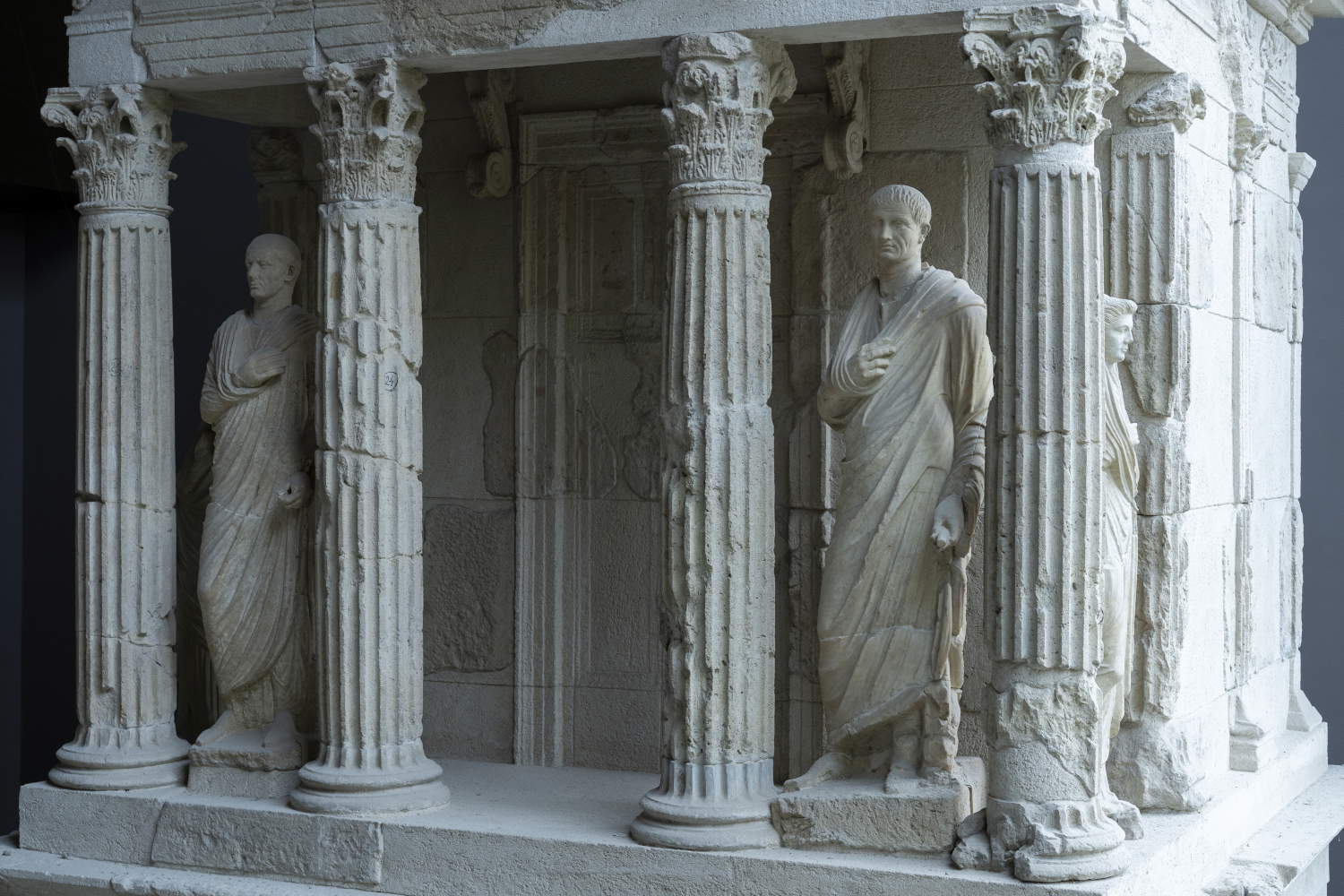
The lighting design developed by architects Carolina De Camillis and Riccardo Fibbi also plays a fundamental role; it was conceived according to criteria of sustainability, energy efficiency, and perceptual quality. The lighting was designed to highlight the artifacts without altering their perception, guiding visitors through the museum’s various sections. Particular attention was paid to the Rufus Hall, where the large mausoleum is highlighted by dramatic lighting that makes it visible even from the outside at night.
The renovation of the spaces is accompanied by a new museum communication project curated by FrameLAB – Multimedia & Digital Storytelling at the University of Bologna. The content, available in both Italian and English, uses a color-coding system that facilitates understanding of the different types of artifacts and makes the visitor experience more accessible and intuitive. Thanks to funding from the PNRR and the design by architect Fabio Fornasari, new tools dedicated to inclusion have also been introduced. These include an introductory video also available in Italian Sign Language (LIS) and a visual-tactile tour that allows for broader and more inclusive access to the collections. The exhibition itinerary has been updated through the work of a technical-scientific committee and thanks to collaboration with the Superintendence of Archaeology, Fine Arts, and Landscape for the provinces of Ravenna, Forlì-Cesena, and Rimini. The museum’s new narrative incorporates the latest archaeological discoveries, including the monumental Capitolium and evidence of the city’s subsequent phases, up to the Middle Ages.
Today, the museum offers a more comprehensive account of the region’s history, spanning a chronological arc from prehistory to late antiquity, with particular emphasis on the heyday of Roman Sarsina. Starting June 24, the National Museums of Bologna—Emilia-Romagna Regional Directorate of National Museums—will also resume its outreach activities in collaboration with the Municipality of Sarsina, offering guided tours, workshops, meetings, musical events, and conferences.
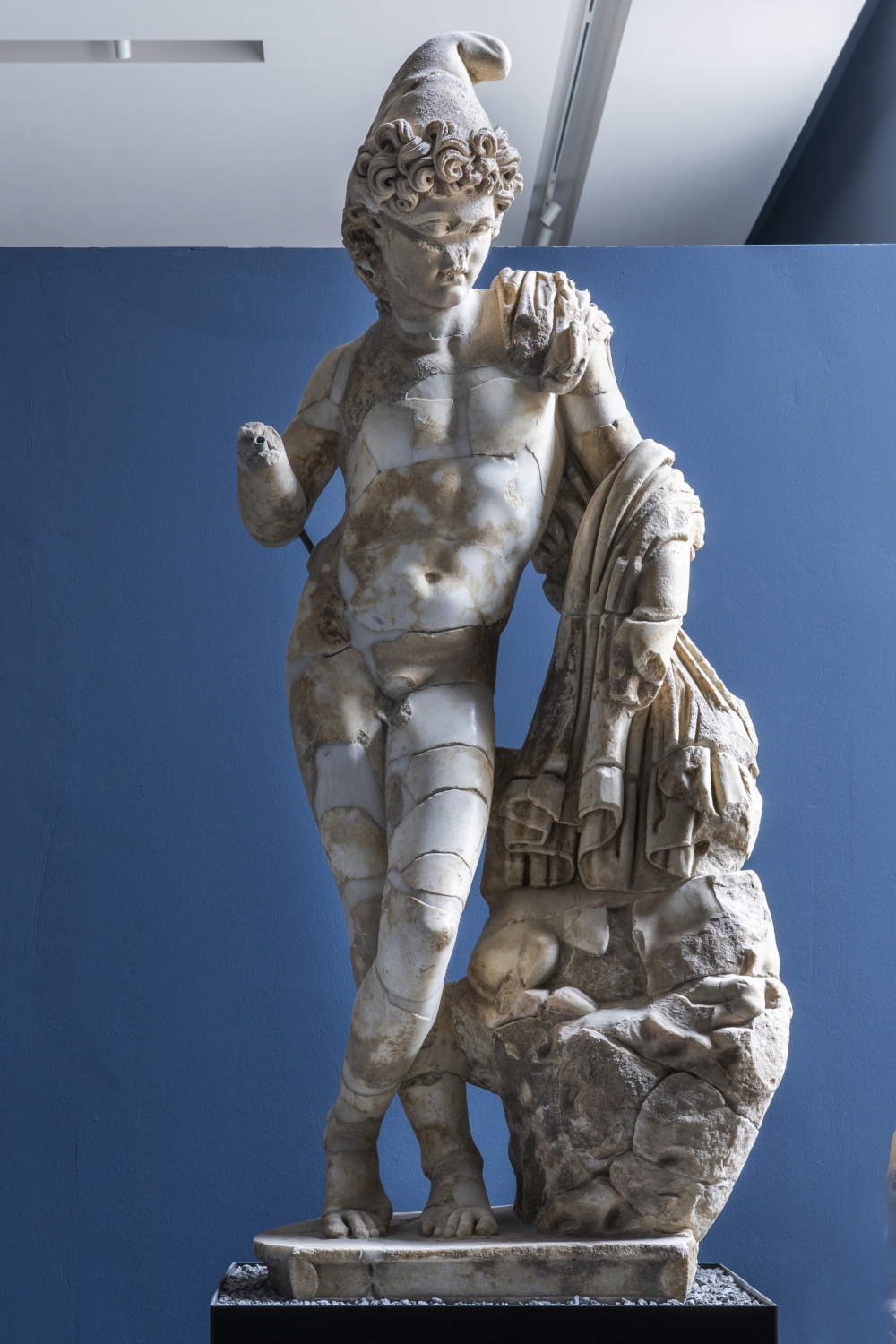
Founded in 1890, the National Archaeological Museum of Sarsina is one of the oldest archaeological museums in Emilia-Romagna. Throughout its history, it has undergone numerous expansions and transformations, culminating in the restoration and display of the large Roman funerary monuments from the Pian di Bezzo necropolis, which were reassembled within the museum in 1990. The museum is located in the center of present-day Sarsina, built atop the ancient Roman city of Sassina, famous as the birthplace of the Latin playwright Titus Maccius Plautus. The collections have been gradually assembled over centuries of archaeological discoveries, beginning with the first documented finds in the 16th century and continuing through the systematic excavation campaigns of the 19th and 20th centuries.
Among the most significant treasures are the monumental mausoleums of Obulacco, Virginio Peto, and Rufus, the latter standing nearly fourteen meters tall and housed in a specially designed building. Alongside the numerous funerary inscriptions, which shed light on aspects of daily life and Roman society, the museum houses important sculptural works and extraordinary figurative mosaics, including the famous Triumph of Dionysus and the Drunken Hercules, originating from prestigious domus in the ancient city. The exhibition is rounded out by movable artifacts, such as a multicolored glass cup, a bronze sculpture depicting the Abduction of Europa, and rich collections of glazed ceramics and terra sigillata tableware—all testaments to the high artistic and cultural level achieved by this important center of Roman Italy.
|
| The National Archaeological Museum of Sarsina Reopens Completely Renovated |

Warning: the translation into English of the original Italian article was created using automatic tools. We undertake to review all articles, but we do not guarantee the total absence of inaccuracies in the translation due to the program. You can find the original by clicking on the ITA button. If you find any mistake,please contact us.

















 IT
IT FR
FR DE
DE ES
ES CN
CN


