





The University of Verona presents the Museo del Contemporaneo, a new museum dedicated to contemporary art and the artistic languages of the present, created to house one of Italy’s most important university collections in this field. The project opens to the public with the launch of a new digital platform dedicated to the collection and the museum’s activities, and is preparing to host, on July 22, a session of the Conference of Directors of Italian Cultural Institutes, sponsored by the Ministry of Foreign Affairs and International Cooperation.
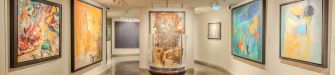
The museum was established following a donation in 2025 of a significant portion of the AGIVERONA collection by Giorgio and Anna Fasol. Today, it houses over one hundred works created primarily after 2000 by artists from nearly thirty countries, establishing itself as one of Italy’s most significant university collections dedicated to contemporary art. Paintings, photographs, installations, videos, and sculptures make up a collection that brings together both established artists and leading figures in the latest international artistic trends.
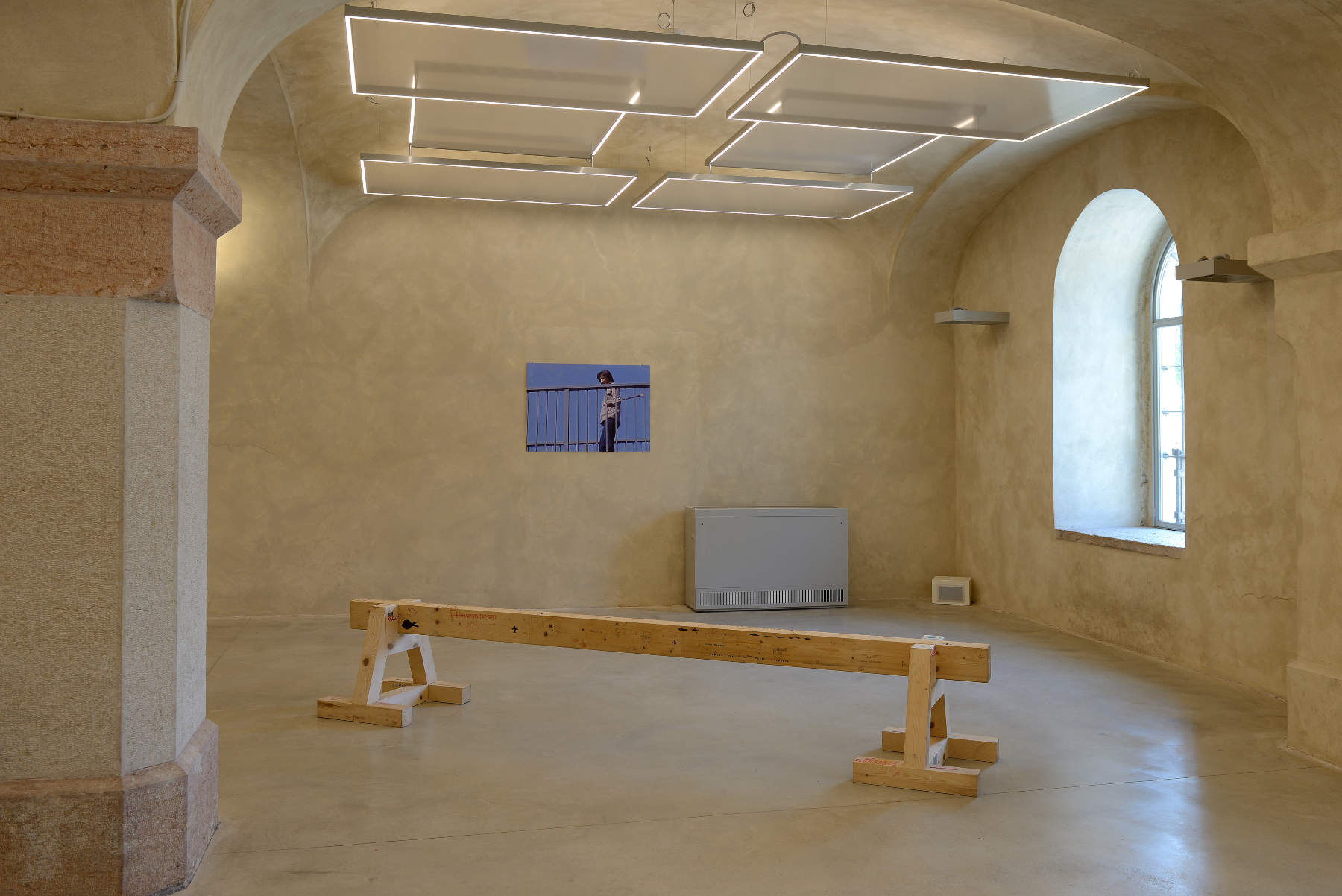
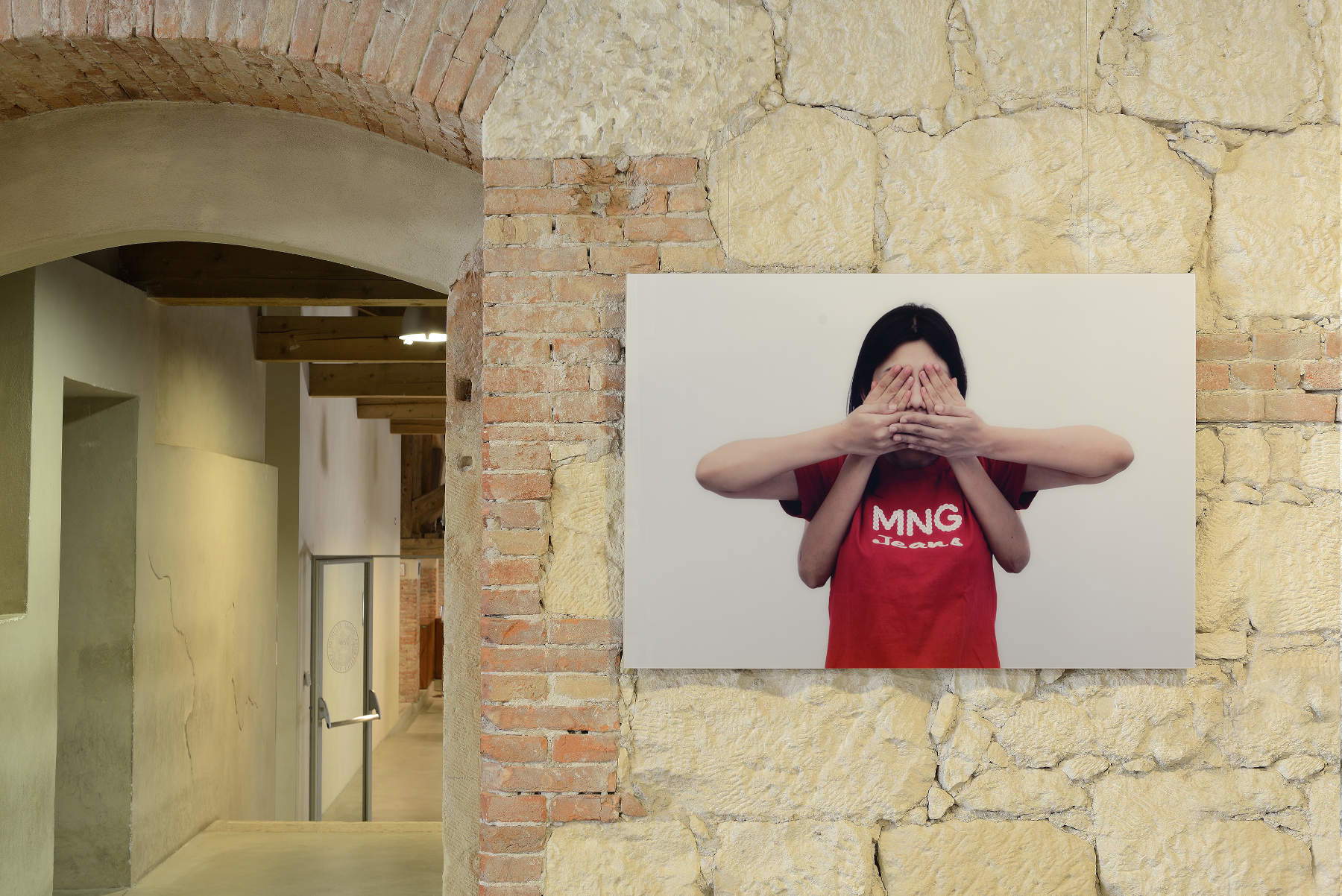
Among the works in the collection are the sculptural totem *Untitled* by David Adamo, the photograph *Untitled I* by Shilpa Gupta, the installation *Mr. Miseria* by Eva Marisaldi, the assemblage sculpture *Roam Rise* by Nari Ward, and *Senza Titolo* by Jessica Stockholder, which combines painting and sculpture. The collection also includes *What does your soul look like 2* by Gianni Caravaggio, a textile sculpture by Sara Enrico, the photograph*The Princess* by Adrian Paci, Nico Vascellari’s sculpture *Bastard of Disguise *, and Serena Vestrucci’s painting *The Moment When, Sooner or Later, You Start Licking to Move Forward *.
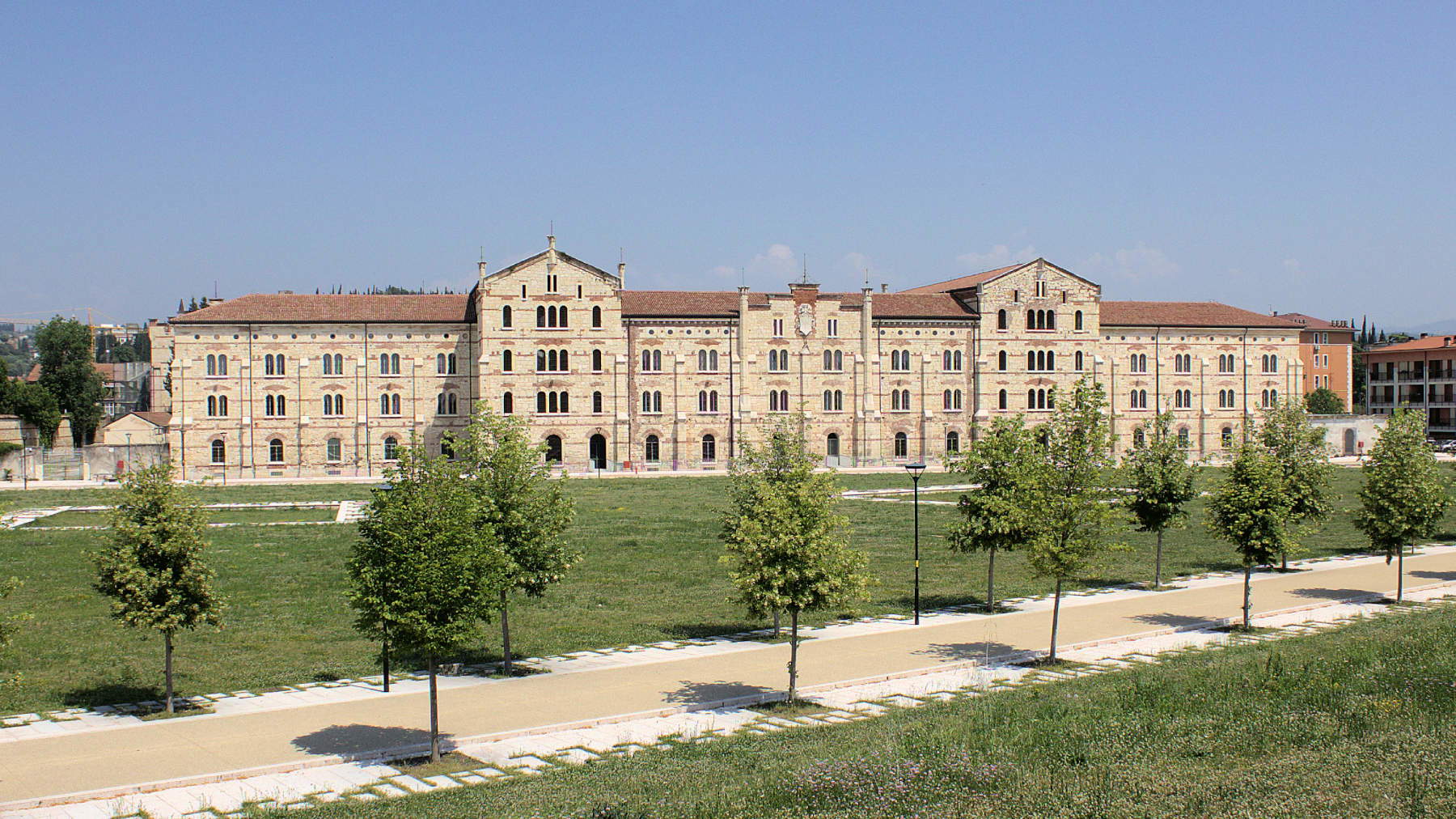
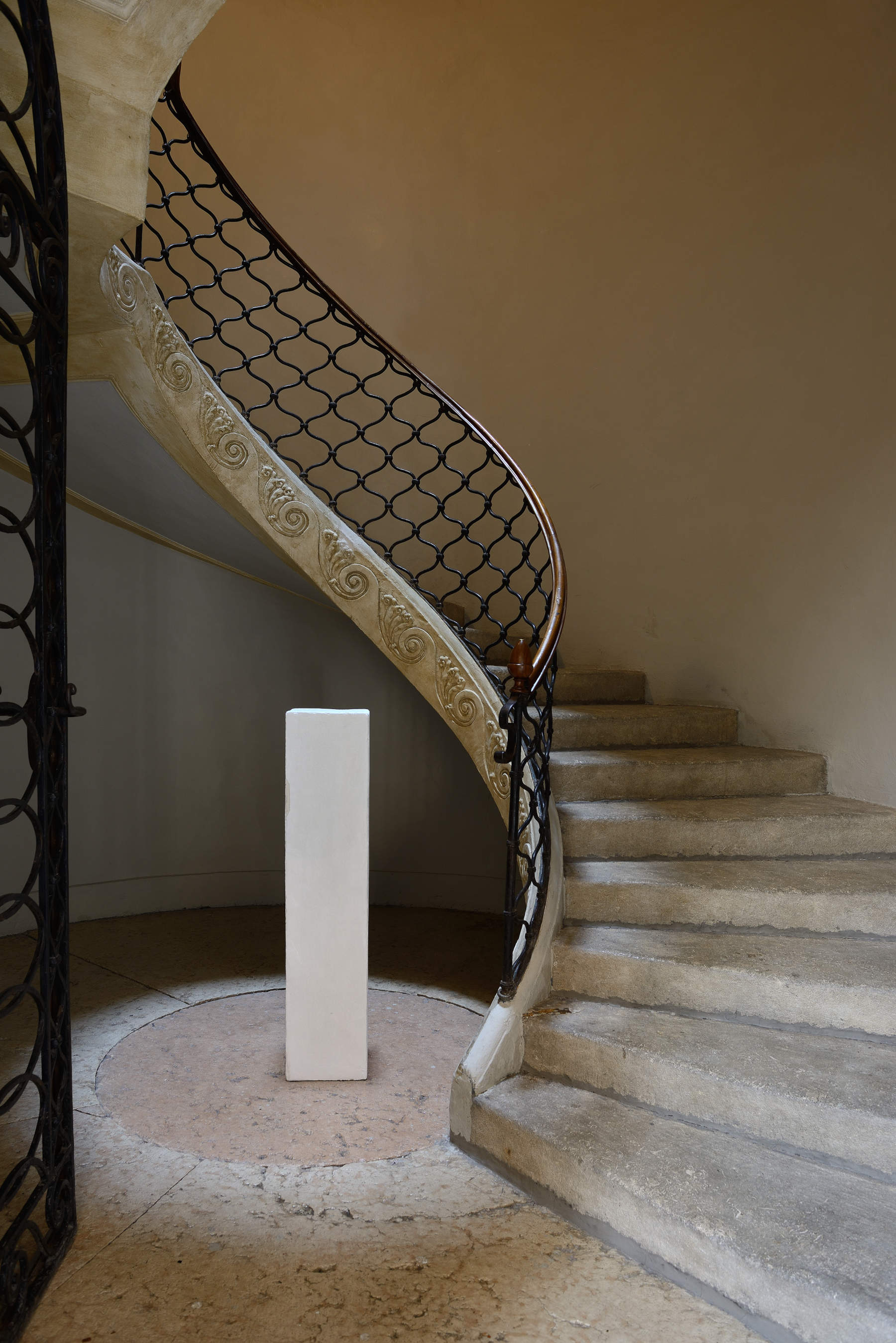
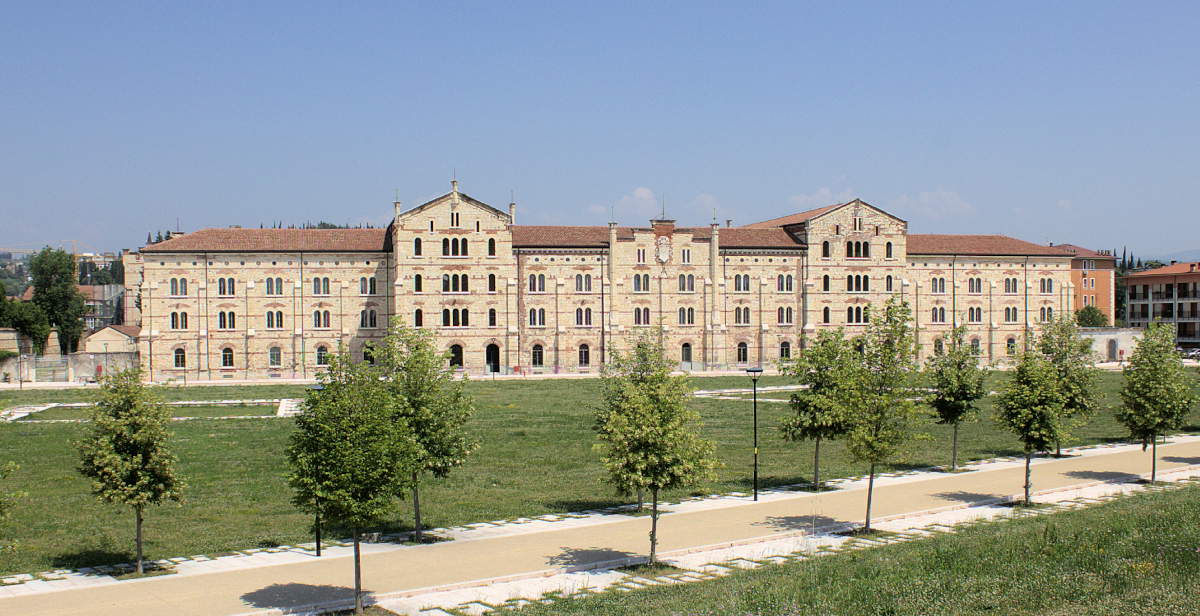
The heart of the museum is the Santa Marta Campus, housed in the former 19th-century Austrian military supply depot, which was restored and transformed into a university campus based on a design by Studio Carmassi, recipient of the Gold Medal for Architecture in 2015. The museum, however, operates as a distributed entity, showcasing its works across seven locations at the University of Verona. Libraries, classrooms, hallways, and study areas thus become an integral part of the exhibition experience, fostering daily encounters with contemporary art and making the collection accessible to the academic community and the general public.
In addition to showcasing the artworks, the Museum of Contemporary Art develops a program of research and cultural production that connects the visual arts, poetry, literature, philosophy, psychology, and anthropology. Conferences, workshops, roundtables, educational programs, and participatory projects are the tools through which the museum aims to foster dialogue between academic research, the local area, and cultural communities.
Among the exhibition projects already underway is Bios Techne, hosted at the Ca’ Vignal biotechnology hub, where over thirty works interact with the spaces dedicated to scientific research. The exhibition features works by Invernomuto, Berlinde De Bruyckere, Joseph Beuys, Andrea Galvani, and Jacopo Mazzonelli, presented in a setting designed to connect artistic practices with the activities of research centers.
The museum’s new website is one of the outcomes ofthe “Farsi Museo” project, winner of the PAC—Plan for Contemporary Art 2025—organized by the Directorate-General for Contemporary Creativity. In addition to the digital platform, the project included three experimental educational workshops led by artists Adelita Husni Bey and Elena Mazzi and photographer Filippo Tommasoli. As part of the initiative, an international conference was also organized on May 17, 2026, bringing together the directors of some of Italy’s leading contemporary art museums, including MAMbo, Museion, Madre, and Pecci, along with representatives from MUAC (Museo Universitario de Arte Contemporáneo of the Universidad Nacional Autónoma de México), the Monash University Museum of Art in Melbourne, and the Art Center at Warwick University.
On the conservation front, the Museo del Contemporaneo has developed an integrated program—described as a model unprecedented in Italy—that involves faculty and students from the Academy of Fine Arts in Verona, along with the Superintendence of Archaeology, Fine Arts, and Landscape for the provinces of Verona, Rovigo, and Vicenza. The goal is to develop an interdisciplinary approach to the preservation of artworks and to engage in the international debate on contemporary university museums through models based on accessibility, participation, and cooperation.
On July 22, the museum will also be the focal point of the Conference of Directors of Italian Cultural Institutes, an event promoted by the Ministry of Foreign Affairs and International Cooperation that, from July 21 to 23, will bring the heads of over eighty Italian Cultural Institutes from around the world to Verona. The session hosted at the Polo Santa Marta will be dedicated to the themes of urban regeneration and the relationship between culture, the university, and the local area. Following the official welcome remarks from the University of Verona, presentations by the university and the City of Verona will focus on the history, the restoration and repurposing of the former Provianda di Santa Marta military complex, the process that transformed it into a university and cultural hub, and the Contemporary Art Museum project as an example of the integration of heritage, research, education, and contemporary cultural production.
With its new location, the consolidation of its research activities, and the expansion of its international collaborations, the University of Verona’s Museum of Contemporary Art is expanding its program, positioning itself as a space dedicated to the preservation, study, and dissemination of contemporary art, where artworks, research, and the community intertwine within the university’s activities.
“The Museum of Contemporary Art stems from the idea that art can be a tool for understanding the present and building relationships between different fields of knowledge,” says Monica Molteni, scientific director of the Museum of Contemporary Art and professor at the University of Verona. “The collection serves as the starting point for a broader project that fosters dialogue among research, cultural production, and public participation. With the new website, we aim to make this identity accessible: a museum where artworks coexist with activities focused on study, discussion, and in-depth exploration of contemporary artistic languages, both within and outside the university.”
 |
| The University of Verona Opens the Museum of Contemporary Art with Over One Hundred Works |

Warning: the translation into English of the original Italian article was created using automatic tools. We undertake to review all articles, but we do not guarantee the total absence of inaccuracies in the translation due to the program. You can find the original by clicking on the ITA button. If you find any mistake,please contact us.












 IT
IT FR
FR DE
DE ES
ES CN
CN


