





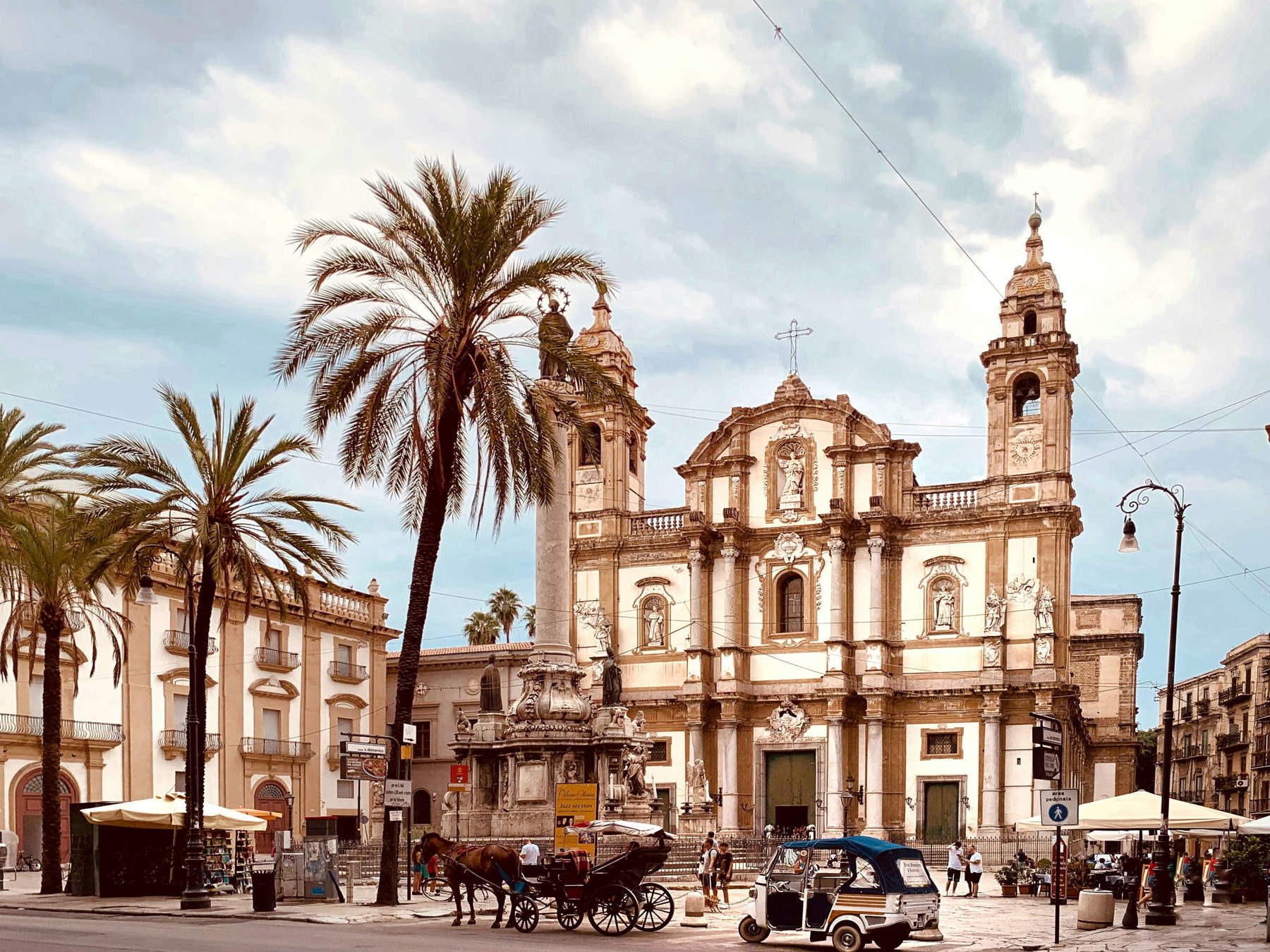
Palermo is embarking on a process that will lead to the gradual phase-out of horse-drawn carriages used for tourist transportation. The City Council has approved an amendment to Article 40 of the regulations governing public street services using animal-drawn vehicles, thereby initiating a transition aimed at gradually replacing traditional carriages with vehicles powered exclusively by electricity. At the same time, the City Council also approved the new municipal regulation on animal welfare, a measure that strengthens protections for various species and introduces new provisions to combat mistreatment and exploitation.
The amendment to the carriage regulations does not result in the immediate abolition of the service, but rather outlines a phased transition that the municipal administration must implement within the next 180 days through a specific conversion plan. The document must be developed in collaboration with organizations representing the sector and will outline the timeline, methods of conversion, requirements for the new vehicles, economic support measures, and an appropriate transition period for operators.
The stated goal is to reconcile the improvement of animal welfare with the protection of workers who have been providing this service for years. The plan must ensure that current license holders can continue their work, maintain their earning capacity, and have the time needed to obtain any certifications required to operate the new electric vehicles. The municipal administration must also identify financial resources for operator training, the purchase of new vehicles, and any economic support during the transition phase.
According to the amendment approved by the City Council, the transition will therefore be gradual and collaborative, with ongoing dialogue between the City and the industry, with the aim of gradually phasing out the use of horses in city tourist transportation, especially during periods of high summer temperatures.
Among the measure’s main supporters is Fabrizio Ferrandelli, councilor for Digital Innovation, Social Policies, Youth Policies, Health, Animal Rights, and Migrant Reception, who described the day of approval as “a historic day for Palermo.” According to Ferrandelli, this is “an achievement built on years of work, dialogue, and collaboration with animal rights organizations, city council committees, the ASP, the Animal Rights Ombudsman, and all those who contributed to this important process. “My thanks go to the City Council and to all political parties—both in the majority and the opposition—who were able to prioritize the city’s best interests and a cause of civilization that belongs not to one side, but to the entire community. Palermo demonstrates that, when institutions work together, it is possible to truly bring about change.”
The sponsors of the amendment also highlighted the significance of its approval, emphasizing how the new text resolves a long-standing conflict that had characterized the public debate for years— one pitting animal welfare against job preservation. From this perspective, the conversion plan is seen as the tool to ensure both the continuity of tourism services and the gradual replacement of traditional carriages with electric vehicles that evoke a sense of history.
The approval was also welcomed by the Anti-Vivisection League (LAV), which considers the City Council’s decision a milestone of national significance. According to the association, Palermo is the Italian city that, more than any other, has identified its image with horse-drawn carriages, and for this very reason, the decision carries strong symbolic value. The LAV points out that for years, horses have been used in city traffic, forced to work under difficult conditions amid asphalt, noise, smog, and high temperatures—a situation that has caused suffering for the animals and safety issues that have so far been addressed only through temporary ordinances. The association also emphasizes that the measure is the result of years of complaints, campaigns, and initiatives carried out in collaboration with other environmental and animal welfare organizations, as well as numerous citizens. LAV notes that as early as last year, the City of Palermo and the Sicilian Region were formally asked to establish a technical committee to define a binding plan aimed at phasing out the carriages, retraining the operators, and protecting the horses.
“We welcome this decision, which we consider a fundamental political and cultural step,” states Nadia Zurlo, Head of LAV’s Equidae Division. “Now, however, we must proceed swiftly and without making concessions to bureaucracy. Retraining must not be limited to licenses alone but must ensure the animals’ true liberation. It would be unacceptable if these horses, after years of confinement on the asphalt, were destined for other forms of use or sent to slaughter. The conclusion of this process must coincide with the end of all exploitation of these animals: the City and the Region have a moral and institutional duty to ensure they are placed in suitable environments that respect their ethological needs and their right to self-determination.”
In the City Council, there is bipartisan approval for the new regulation. “We express our satisfaction,” say opposition council members from the Democratic Party (PD), Teresa Piccione and Fabio Teresi, “at the approval of two resolutions that had long been held hostage by a divided majority and to which we made a particularly significant contribution. These are the resolution on animal-drawn vehicles in tourist transportation and the one on animal welfare. With the first, the City commits to establishing a roadmap that, through appropriate steps—including training for sector personnel—promotes the transition from animal-drawn to electric vehicles; with the second, it ensures respect for and protection of the animals living in our city, in a scientifically grounded manner capable of addressing the new demands of our time.”.
Applause, of course, also came from the majority: “We express great satisfaction with the City Council’s approval of two important regulations that mark a significant milestone in our city’s path toward growth and modernization: the regulation on animal welfare and the one concerning animal-drawn carriages used for tourist transportation,” stated Sabrina Figuccia, the Lega’s group leader in the City Council; Giuseppe Mancuso, vice president of the City Council; and Councilor Alessandro Anello. “These are two measures that address issues deeply felt by the public and that center on two fundamental principles: respect for animals and the need to guide change through clear, balanced, and widely accepted rules. The animal welfare ordinance is an important instrument of civilization, as it addresses numerous issues that have generated controversy and debate over the years, regulating the relationship between citizens and companion animals and strengthening the protection of our four-legged friends. Particular attention is also given to allowing animals access to public areas or areas for public use, promoting the ever-greater integration of animals into the daily life of the community and recognizing the value of the special bond that unites people with their animals. At the same time, the approval of the regulation on animal-drawn carriages represents a fundamental starting point for addressing a long-awaited transformation. The goal is to gradually phase out the use of horses in tourist transportation through a serious and sustainable process capable of simultaneously protecting animal welfare and the needs of those who have carried out this work for years. The transition must be managed with balance, ensuring that industry operators receive the necessary support and identifying modern solutions that comply with current regulations, so that Palermo can look to the future without forgetting its history and traditions.”
“This is a historic achievement that likely represents the most innovative and revolutionary act of this city council term,” stated the Five Star Movement city council members, Concetta Amella and Antonino Randazzo. “With this decision, Palermo is embarking on a path toward the gradual conversion of licenses for horse-drawn carriages to electric carriages, combining animal welfare, environmental sustainability, and the preservation of employment levels for workers in the sector.”
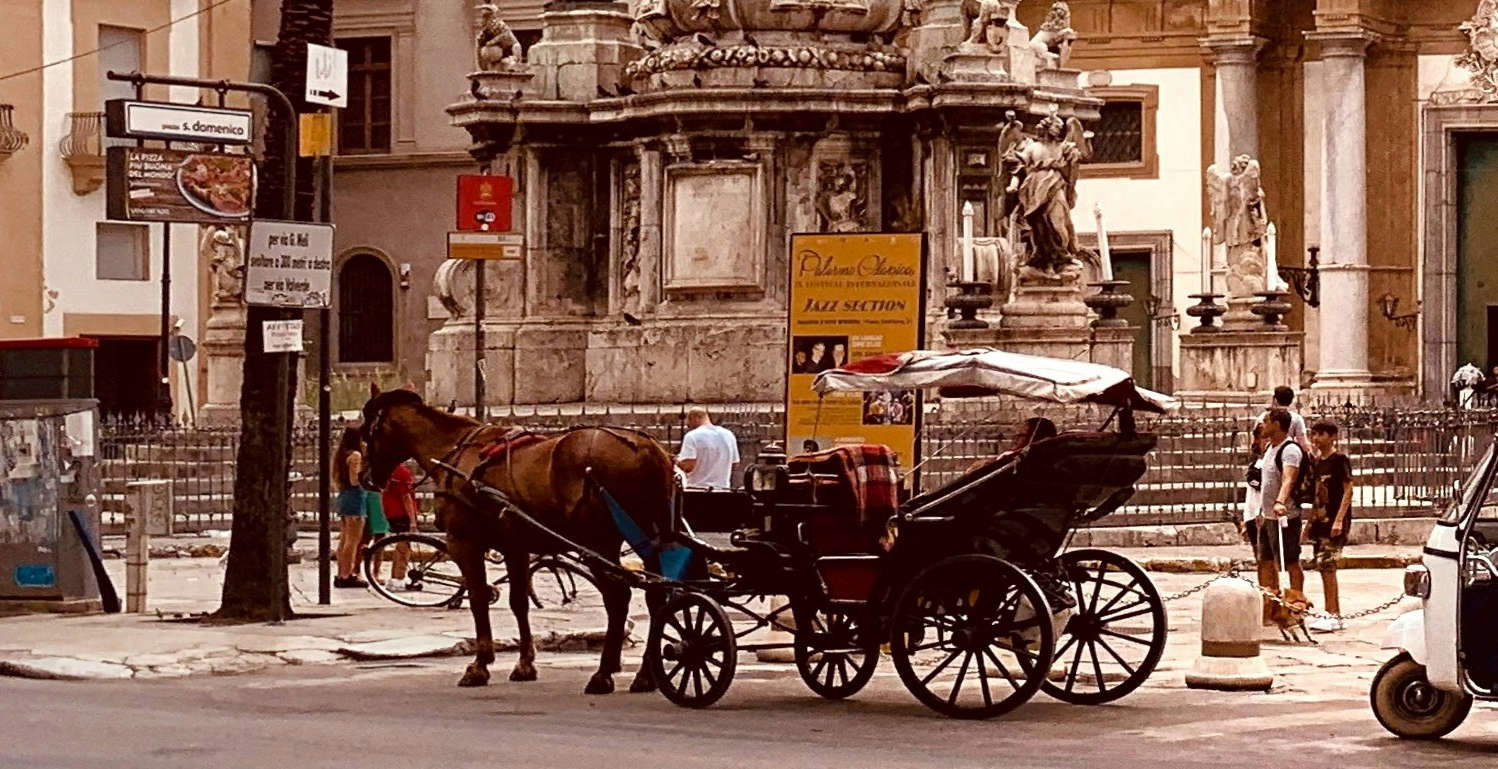 |
| Palermo Says Goodbye to Horse-Drawn Carriages: Green Light for the Transition to Electric Vehicles |

Warning: the translation into English of the original Italian article was created using automatic tools. We undertake to review all articles, but we do not guarantee the total absence of inaccuracies in the translation due to the program. You can find the original by clicking on the ITA button. If you find any mistake,please contact us.






























 IT
IT FR
FR DE
DE ES
ES CN
CN


