





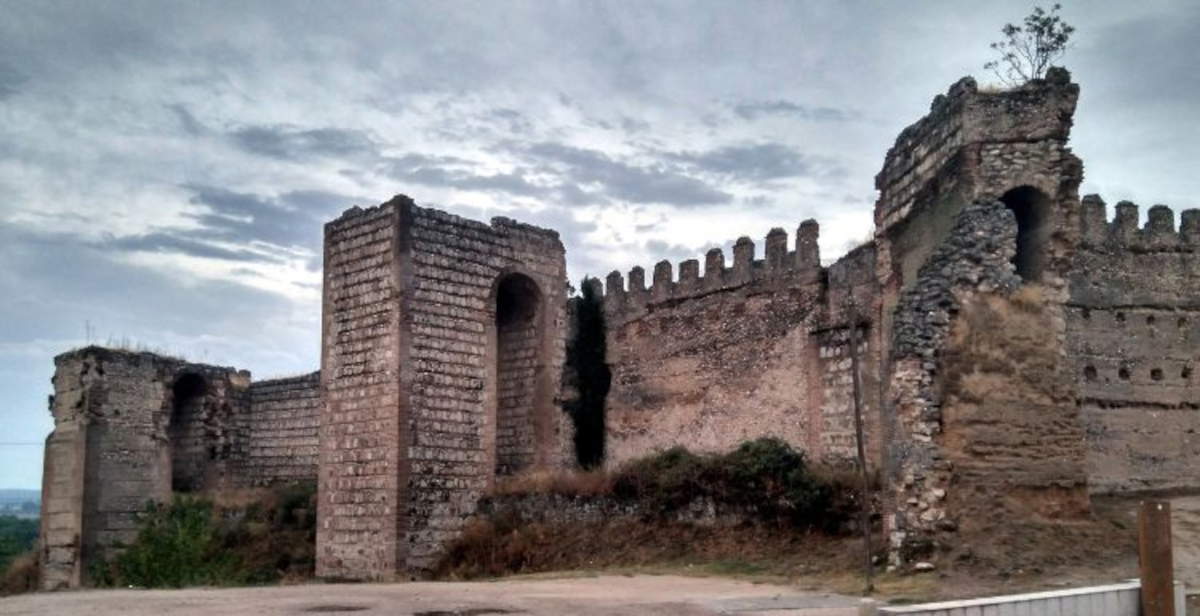
Escalona Castle, in the municipality of the same name in the province of Toledo, Spain, and with more than seven centuries of history, lost one of its eight albarran towers on the morning of Saturday, March 15, 2026. The collapse occurred at 10:40 a.m., just minutes before the monumental complex opened to the public, as reported by the El Pais newspaper. The incident, documented by several videos taken by visitors waiting to enter, caused no injuries, but did cause material damage in the surrounding area. The images show an initial fall of debris, followed by the complete collapse of the structure. Fragments also reached the adjacent parking lot, damaging some parked vehicles. The absence of consequences for people limited the immediate impact of the event, but the collapse has rekindled attention to the monument’s state of conservation and how it is being managed.
Following the incident, the city administration released a note to clarify the context regarding the castle’s ownership, acquisition, and planned interventions. The complex had been in private hands for more than 60 years. Over the past fifteen years, the owners had expressed their willingness to sell it, but economic demands, ranging between three and four million euros, had prevented successful negotiations. There had been no shortage of interested parties, who had commissioned archaeological studies, georadar surveys and technical plans, incurring significant expenses without reaching an agreement.
During the long phase of private ownership, the possibilities for intervention had also remained limited due to public funding mechanisms, which privilege publicly owned property. In the absence of this condition, restoration interventions were sporadic and non-structural. The situation was unblocked about eighteen months ago, when the municipality managed to acquire the castle for 800,000 euros, cadastral value equal to about one-fifth of the amount initially requested. The agreement also includes restrictions on resale, with the goal of ensuring the protection of the property.
As Escalona People’s Party spokesman Jesús Palencia says, the acquisition, publicly announced in the summer of 2024 by Mayor Álvaro Gutiérrez during local celebrations, has aroused interest but also perplexity among citizens, related to the municipality’s spending priorities. The administration justified the choice with the need to stop the deterioration process of the complex, which is considered advanced.
Prior to opening to the public, the castle had undergone technical inspections by specialists, who had authorized visiting routes in compliance with safety conditions. In parallel, the municipality has been working for more than a year on a recovery project based on a public-private partnership. The plan calls for the restoration of the historic complex, the construction of a hotel structure compatible with the context, and the subsequent management of the area. The total estimated investment exceeds 10 million euros, and the call for bids is in the final stages of preparation. According to initial technical hypotheses, the collapse may have been caused by water seepage from the tower roof, which would have compromised the stability of the supporting rocks to the point of displacement and subsidence. Investigations are underway to determine precisely what caused it. In the aftermath of the incident, spokesmanJesús Palencia, expressed relief that there were no injuries, but stressed the seriousness of the incident and called for urgent action by the administration.
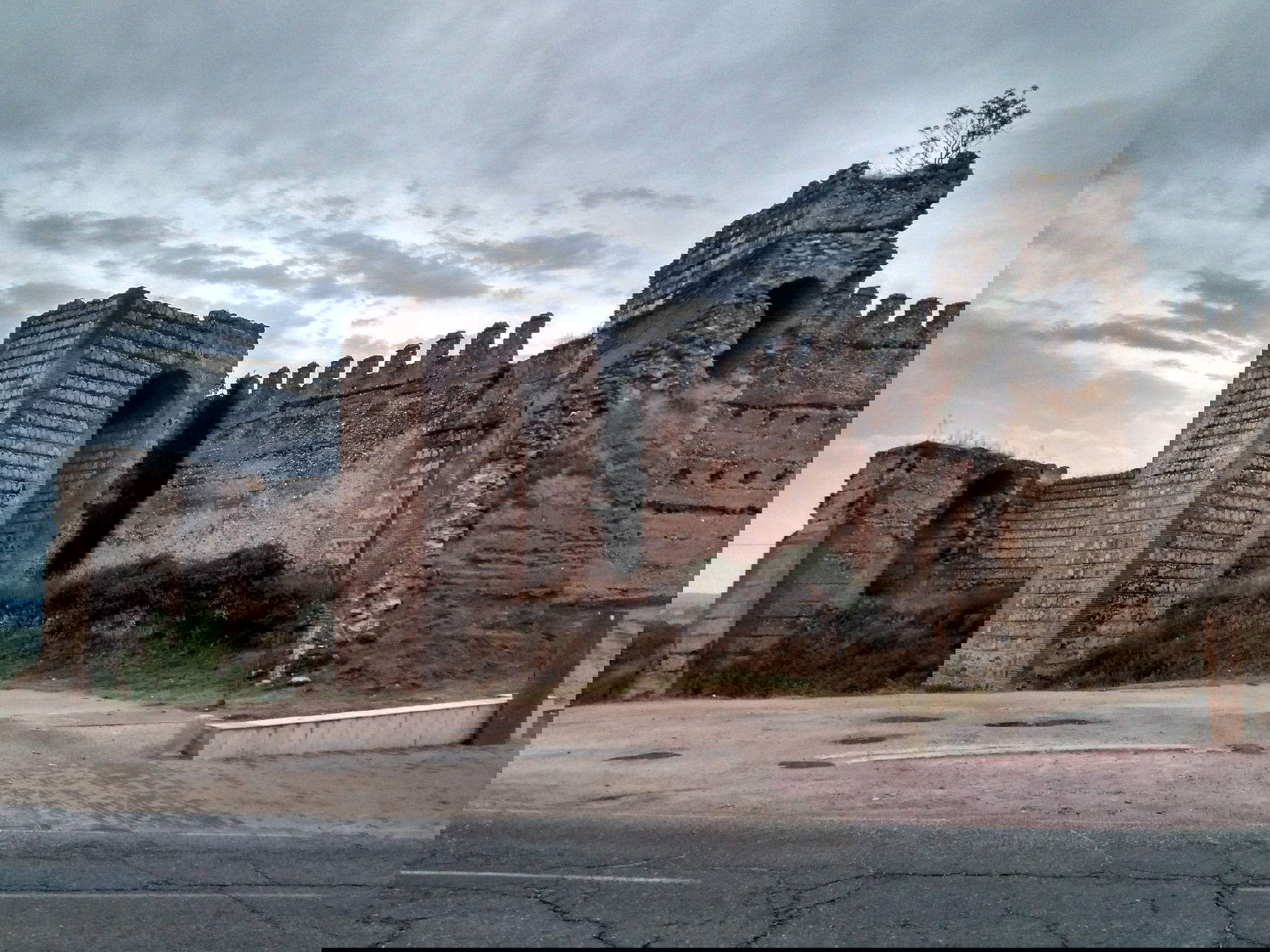
The opposition representative drew attention to the deteriorating state of the walls and towers, which have long been reported by residents. According to Palencia, numerous citizens had already expressed concerns about the risk of subsidence. He also recalled that a similar incident had occurred in December 2023, when part of the wall on the Alberche River side had collapsed, forcing the closure of the path along the bank, also in that case without consequences for people.
“Today we should be happy that, fortunately, there were no injuries, but we should also clearly state that it is a real miracle that a far more serious tragedy did not occur,” Palencia said. “Many residents told us that this kind of event was predictable. It is a miracle that there were no injuries today, especially considering that it was Saturday, the day when our city receives the most visitors and when many use the castle esplanade to park their vehicles. All Escalona residents share in the satisfaction that the castle has become municipal property, which means that this historical heritage belongs to all citizens. The collapse just over two years ago was a clear warning sign about the state of degradation of the fortress and the risk that exists in some areas. We all want Escalona Castle to be a source of pride for our city and a place that can be safely appreciated, but to achieve this goal it is essential to act with foresight and responsibility.”
The People’s Party argued that the deterioration of the castle had been known for years, recalling a motion submitted back in 2013 to urge conservation and safety interventions. While acknowledging the importance of the public acquisition of the property, Palencia criticized what he called a management characterized by triumphalism, deeming insufficient measures taken to ensure safety before opening to the public. According to the opposition, the previous collapse more than two years ago should have been a signal of the need for more timely interventions. In particular, the decision to allow access to the area and vehicle parking near the walls without a thorough review of the structural conditions was questioned.
The People’s Party therefore called on the city administration to provide transparent information on the actual state of the castle and to urgently carry out a comprehensive inspection of the area to ensure the safety of residents and visitors. At the same time, it declared its willingness to cooperate in the search for solutions, calling for an approach marked by caution and responsibility, and also asked that “instead of triumphalism, we act with caution, responsibility and foresight to prevent a tragedy from happening again in the future.” The municipality, for its part, reiterated its commitment to the protection of the monument and the implementation of the recovery project, stressing the complexity of interventions on an asset of such size and historical value. The case highlights the difficulties involved in managing cultural heritage in settings with limited resources, such as Escalona, which has about 4,000 inhabitants but experiences much higher peaks of attendance at certain times of the year.
 |
| Toledo, Escalona castle tower collapses: controversy over safety and management |

Warning: the translation into English of the original Italian article was created using automatic tools. We undertake to review all articles, but we do not guarantee the total absence of inaccuracies in the translation due to the program. You can find the original by clicking on the ITA button. If you find any mistake,please contact us.






























 IT
IT FR
FR DE
DE ES
ES CN
CN


